


Primary sourceBook1920 (text attributed to Magellan)
Description of the Kingdoms and Coasts from the Cape of Good Hope to the Ryukyus
Fernando de Magallanes · 1920 (text attributed to Magellan)
A Spanish account attributed to Magellan describing coasts, the strait, and Japan, printed in 1920 from earlier manuscripts.
This text is attributed directly to Magellan, describing coasts and the strait, in his own voice as recorded and later printed.
Free Humy account · No credit card · 124,282 sources to read
About this source
What it is
This is a printed Spanish-language text attributed to Fernando de Magallanes (Ferdinand Magellan), describing kingdoms, coasts, ports and islands from the Cape of Good Hope to the Ryukyu Islands. It was published in 1920 by the Real Sociedad Geográfica in Madrid, alongside related accounts by Ginés de Mafra and an anonymous description of Japan.
Why it matters
If genuinely composed by Magellan, this text is a rare case of his own words describing the geography he encountered or knew about, including the strait that later bore his name. It shows how navigators of this era recorded practical geographic knowledge for future voyages, and how such accounts were preserved and later published by historical societies centuries afterward.
Look closer
- What kind of details would a navigator like Magellan think were worth recording?
- Why do you think this text survived through later printed editions rather than the original manuscript?
- How might a firsthand description like this differ from maps made by someone who never traveled there?
This book is part of the curated material that grounds the AI version of Ferdinand Magellan on Humy.ai — when students ask about related events, the AI can quote it and cite it.
More Ferdinand Magellan sources
Browse all 78 →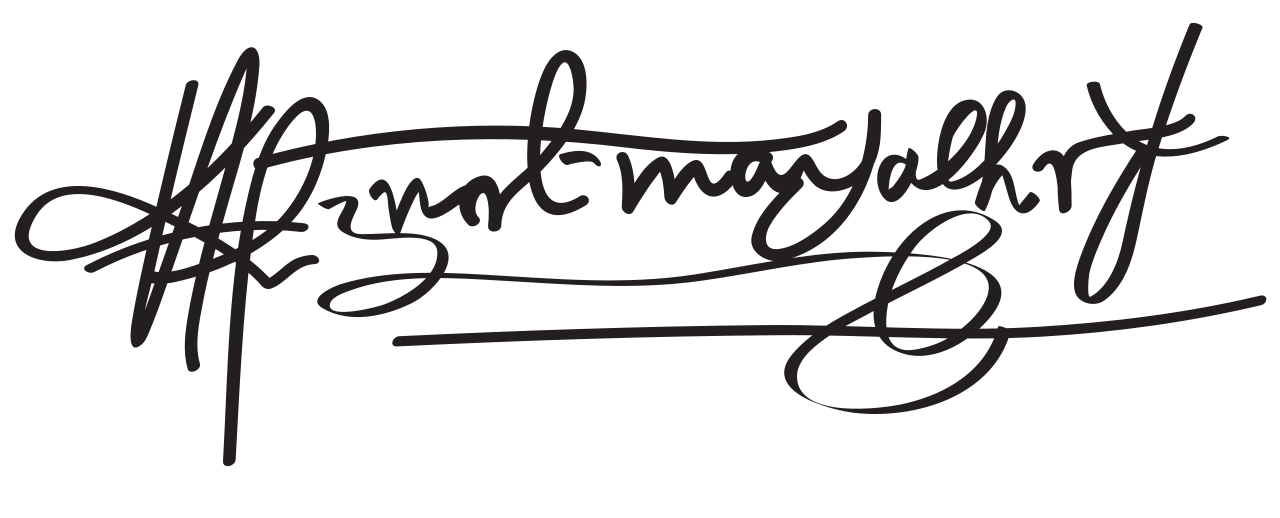 Document
Primary source
Signature of Ferdinand Magellan
Ferdinand Magellan
 Artifact
Secondary source
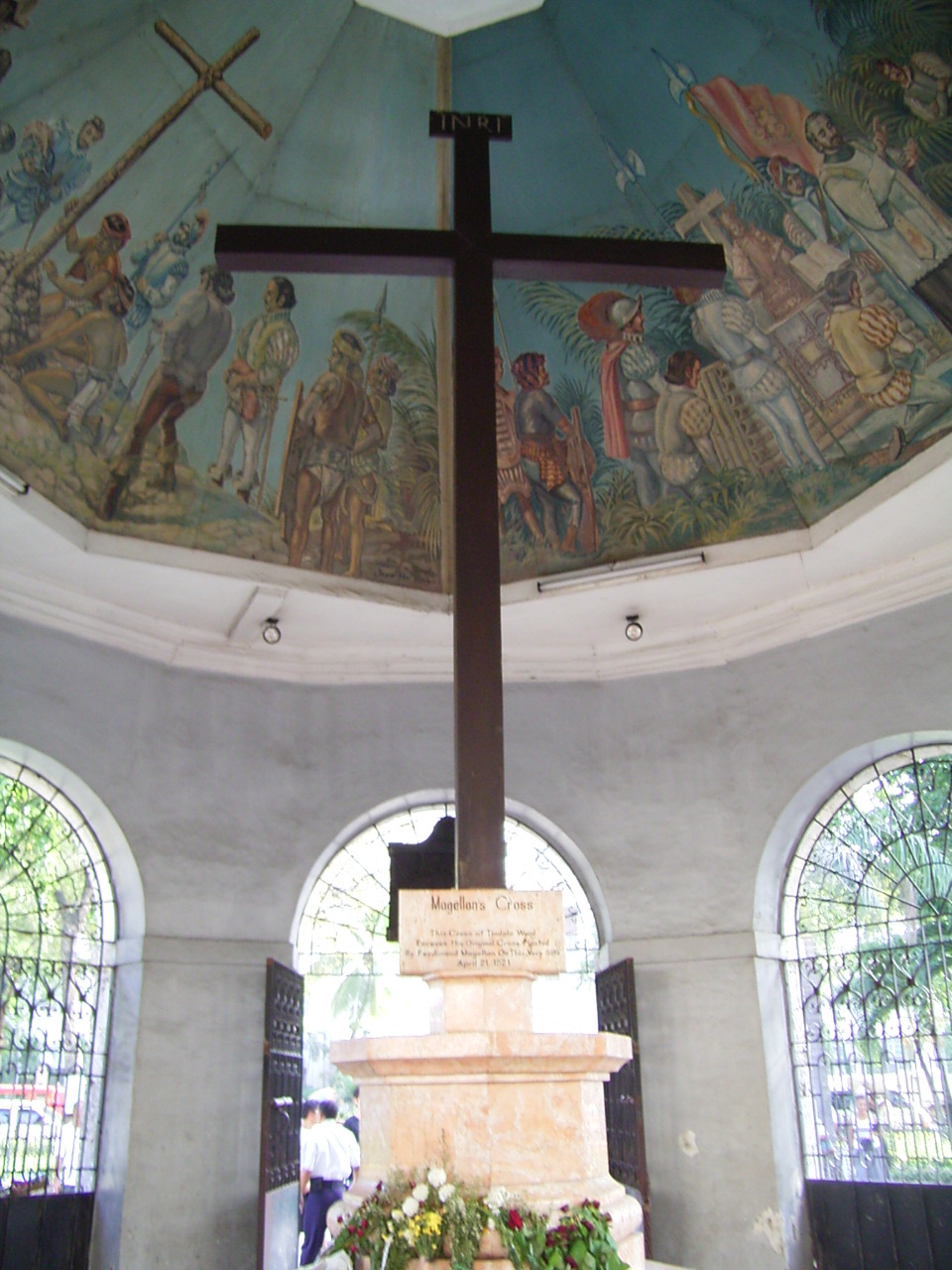
Magellan's Cross
planted April 1521; present cross 1835
 Sculpture
Primary source
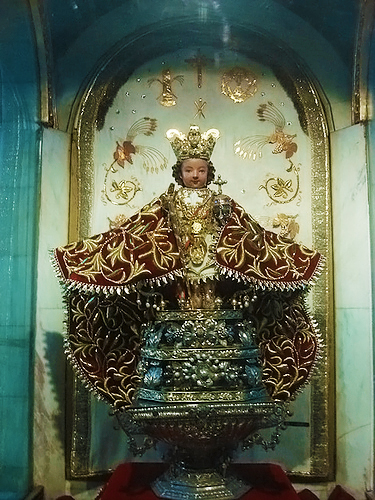
Santo Niño de Cebú
1519
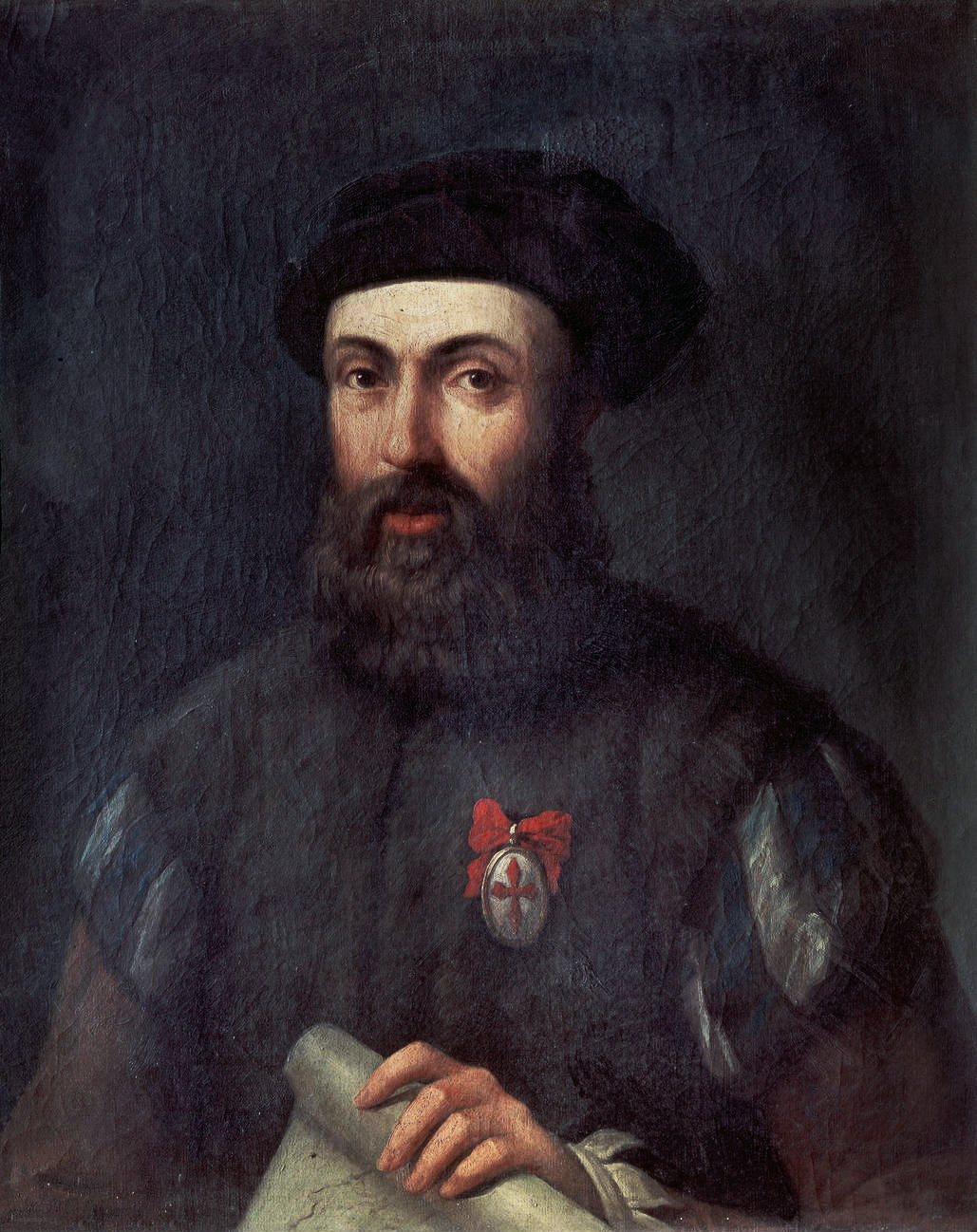 Painting
Secondary source
Portrait of Ferdinand Magellan
Unknown, after the school of Ángel Broncino
Free account
Read every Ferdinand Magellan source
Sign up free →
Ready when you are
Start chatting with Ferdinand Magellan now.
20 messages free · No credit card · Available in 50+ languages.