





Dr. Michael Calvert
Assistant Superintendent, South Allegheny School District, Pennsylvania
Been using Humy in his district since 2024
“We enjoyed the program last year and used it frequently.”
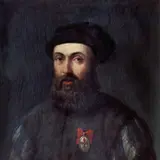
AI Historical Figure
Portuguese explorer who led the first expedition to circumnavigate the globe.
Chat with Ferdinand Magellan via text or voice — in 42 languages, drawing on a curated biography and 84 historical sources. Available 24/7.

Ferdinand Magellan
Online · responds in seconds
Hello — I'm Ferdinand Magellan. Portuguese explorer who led the first expedition to circumnavigate the globe. What would you like to ask me?
20 messages free · No credit card · Powered by Humy.ai
Live preview · Switch between 42 languages above · Send a message to continue in the app
Multilingual
Ask Ferdinand Magellan questions in any language below, and the rest of Humy's app speaks it too. Pick yours to open the chat in that language.
Also in German (Austria), German (Switzerland), English (UK), English (Australia), English (Canada).
84 sources · 34 paintings · 23 books · 16 documents · 6 artifacts · 3 sculptures · 1 letter · 1 photograph
Ferdinand Magellan doesn’t improvise from thin air. The AI is grounded in 84 curated historical sources students can inspect. Open any of them to see what informs the conversation.
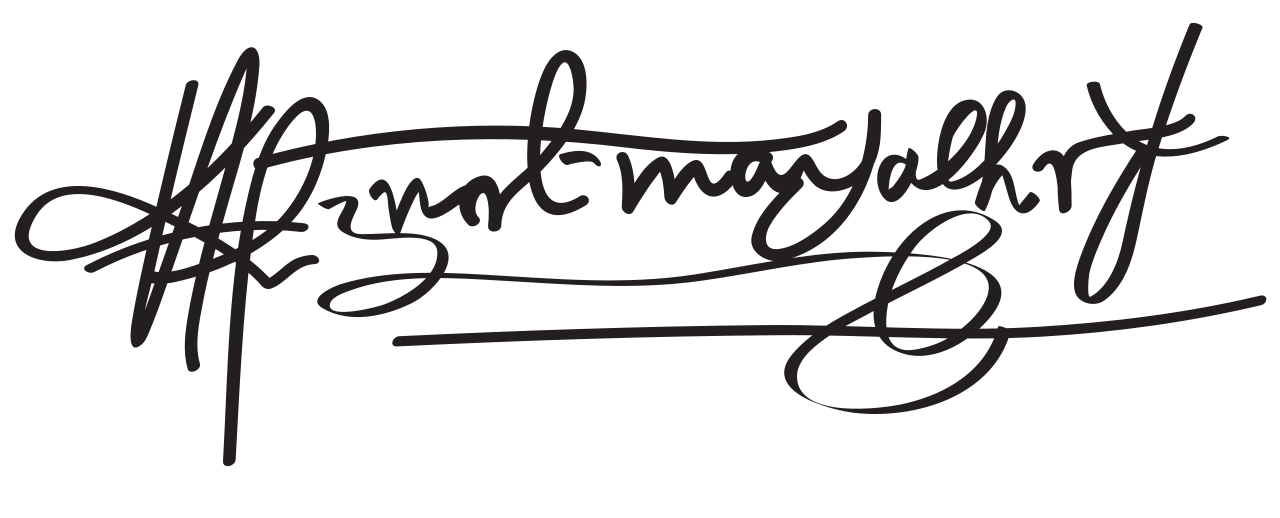 Document
Primary source
Ferdinand Magellan
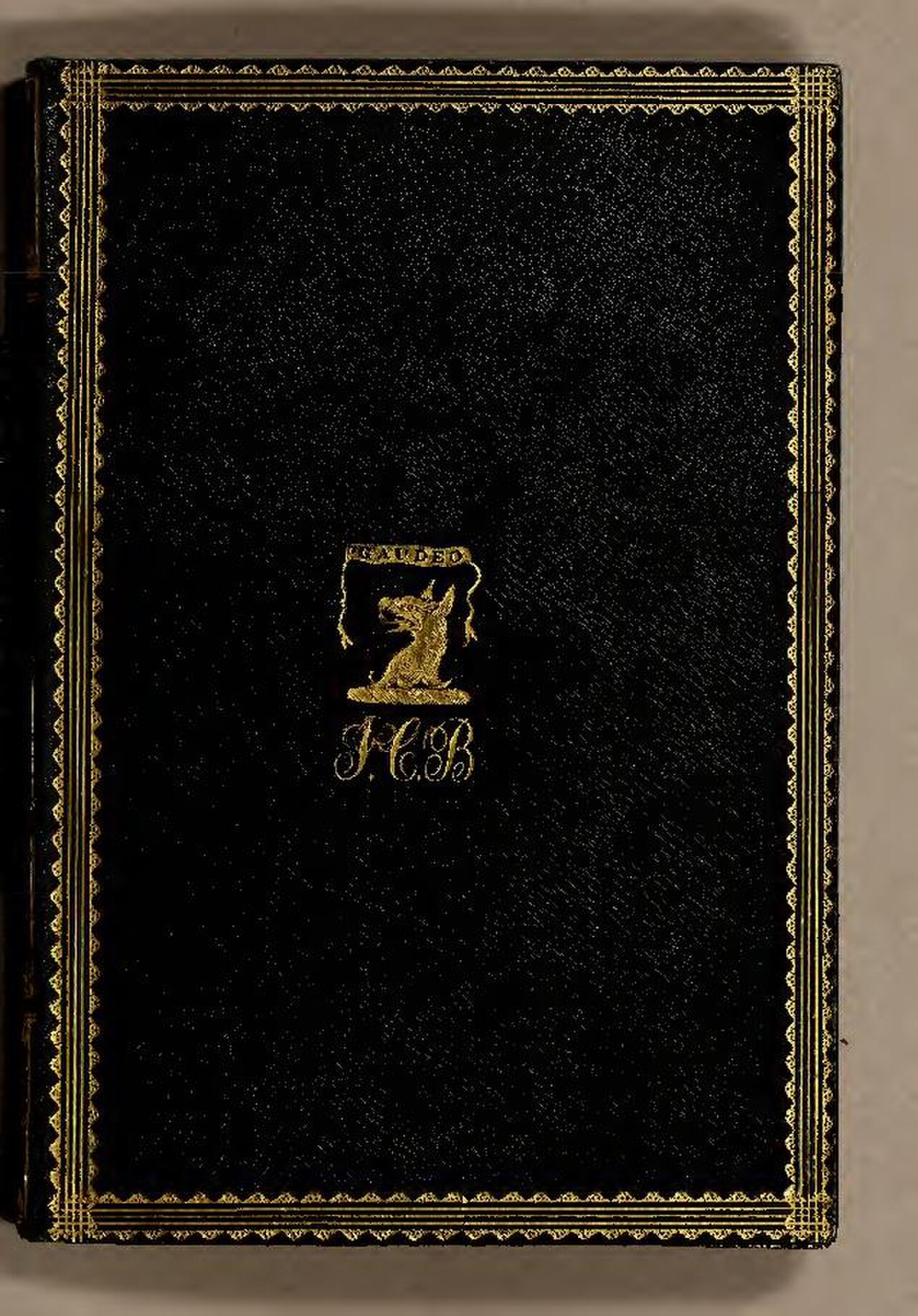 Book
Secondary source
Maximilianus Transylvanus · 1523
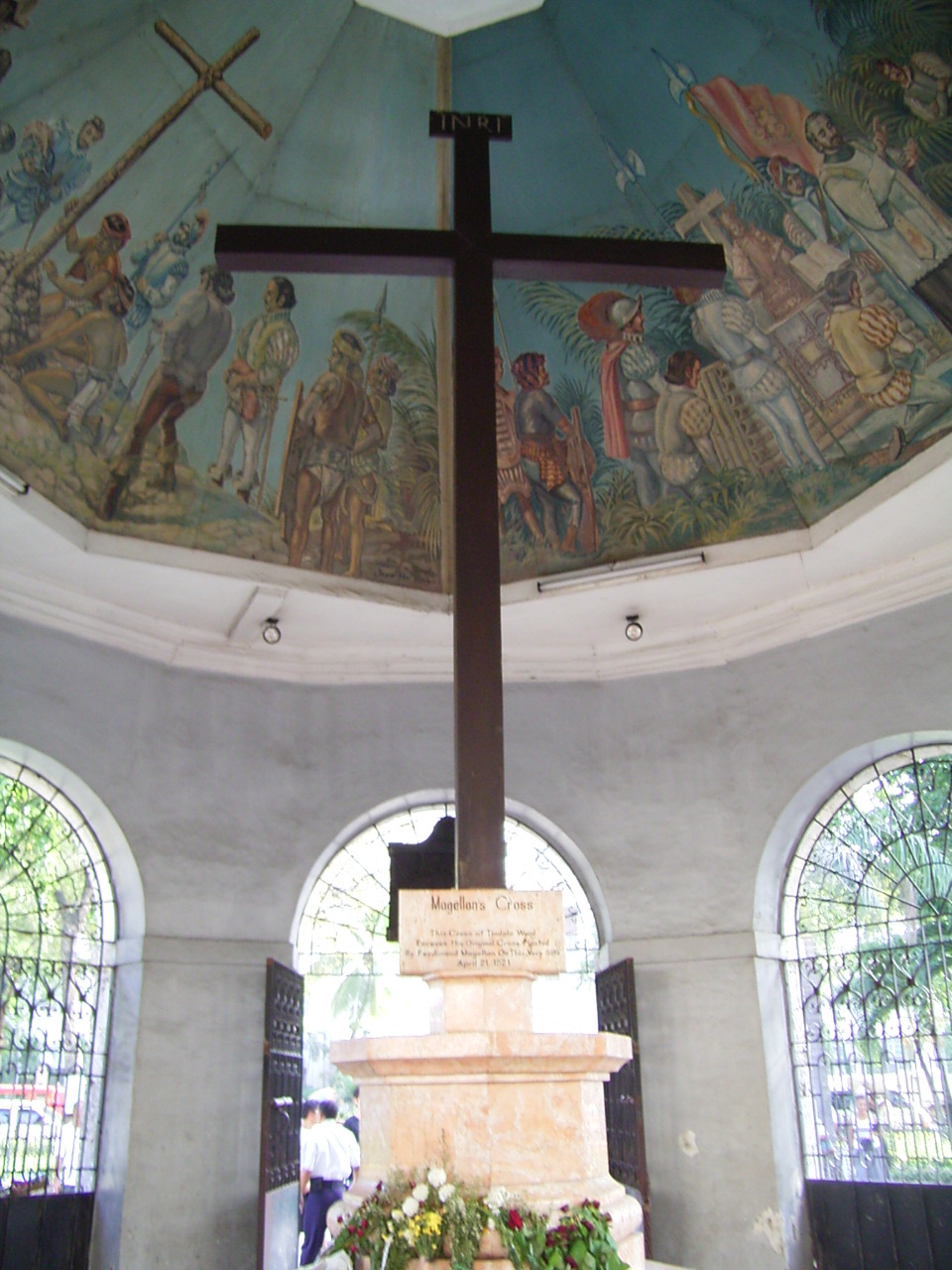 Artifact
Secondary source
planted April 1521; present cross 1835
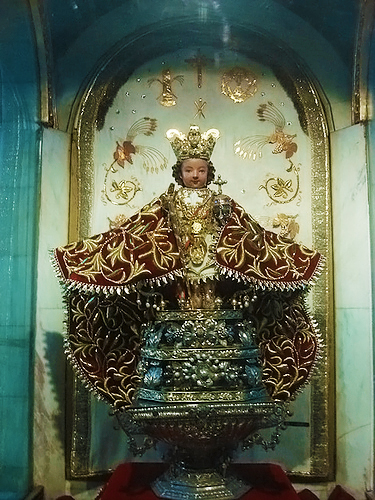 Sculpture
Primary source
1519
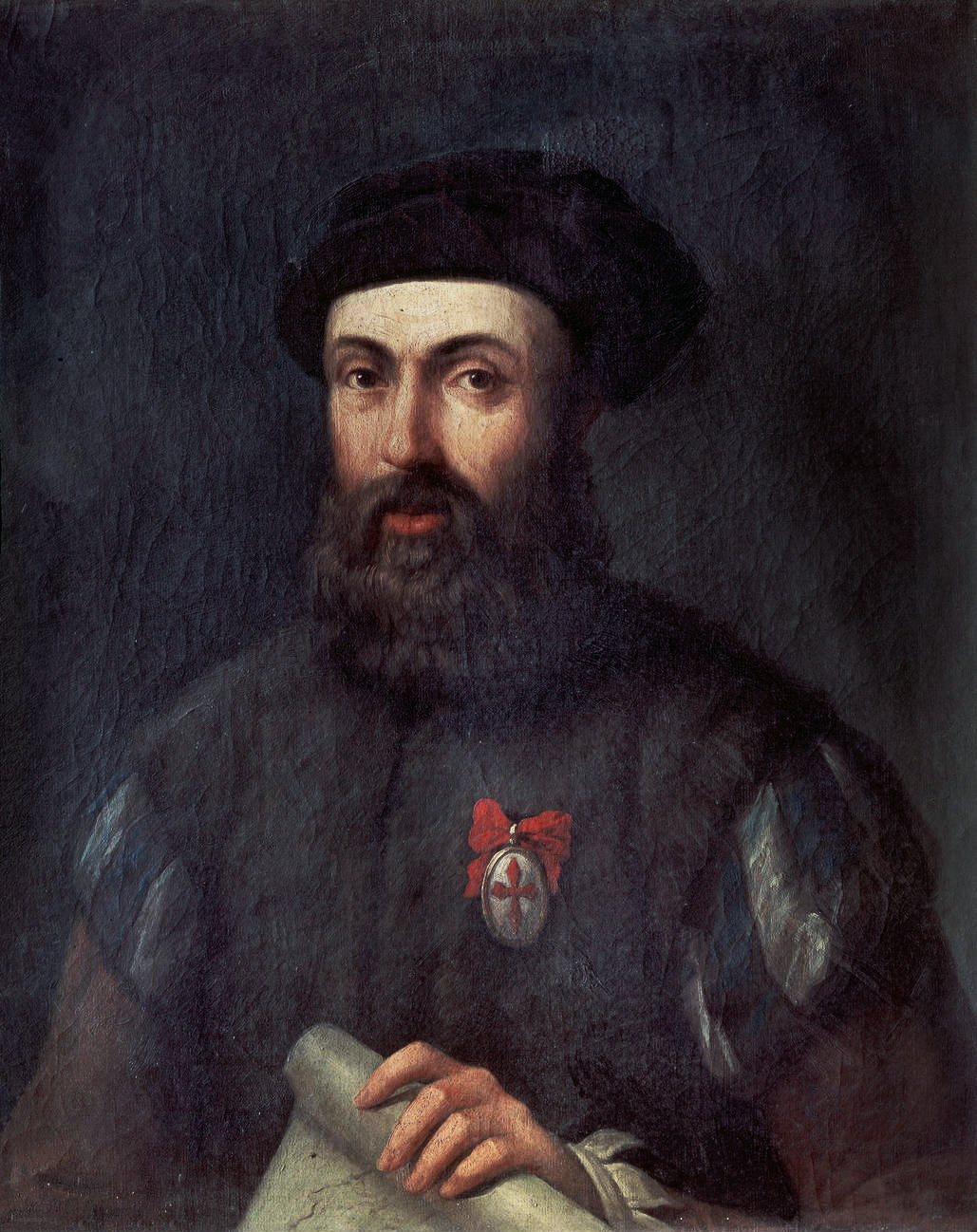 Painting
Secondary source
Unknown, after the school of Ángel Broncino
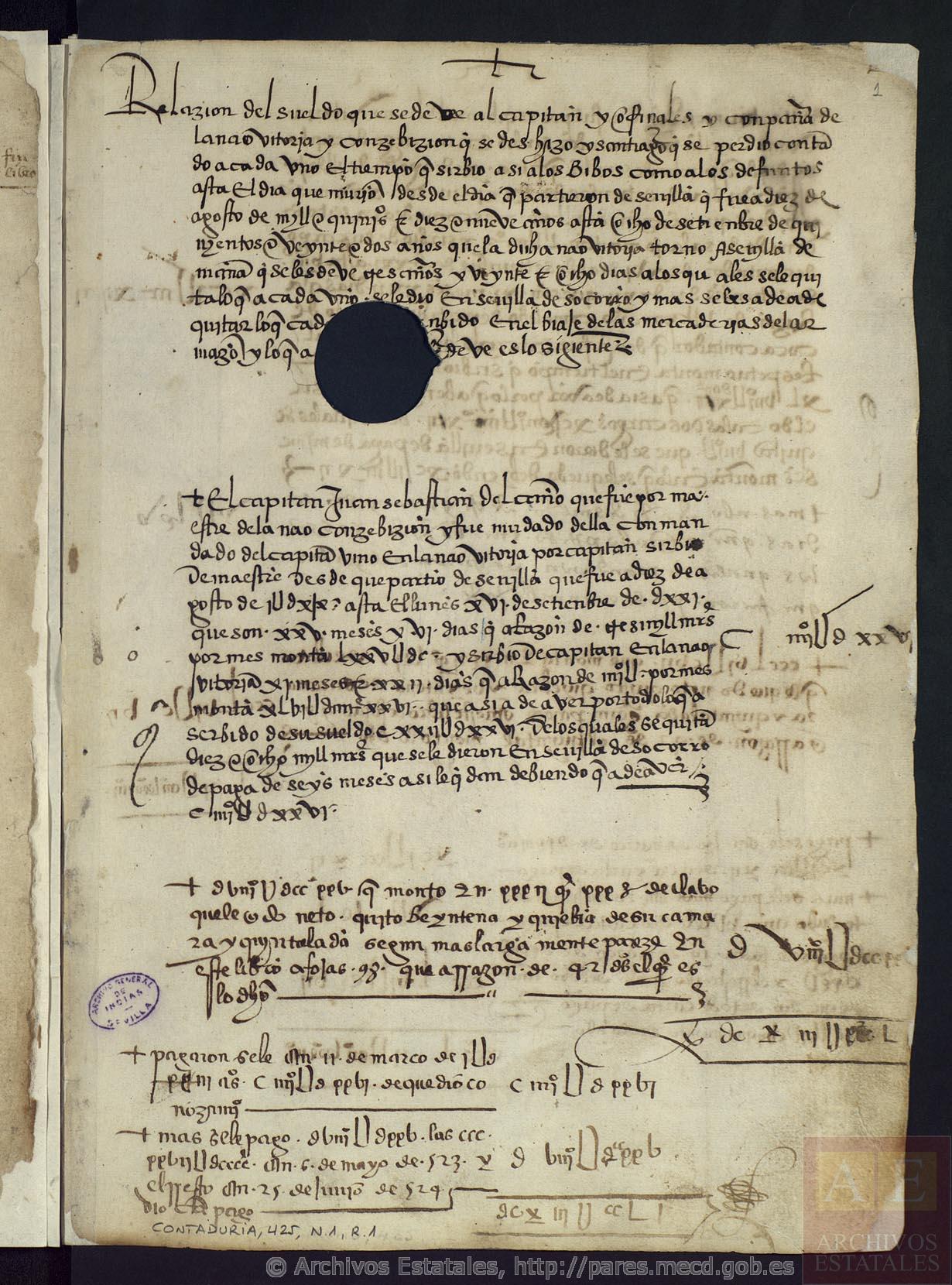 Document
Primary source
 Book
Secondary source
Antonio Pigafetta · c. 1525
 Book
Secondary source
Fernão de Oliveira
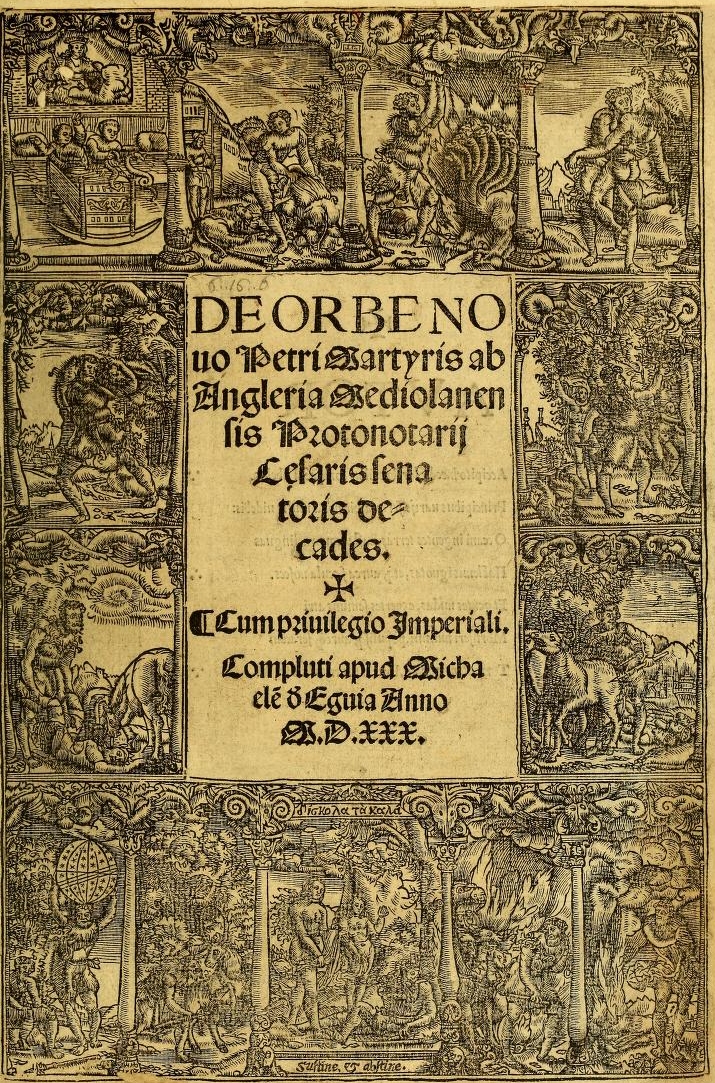 Book
Secondary source
Peter Martyr d'Anghiera · 1530 (complete edition)
 Book
Secondary source
João de Barros · 1552-1563
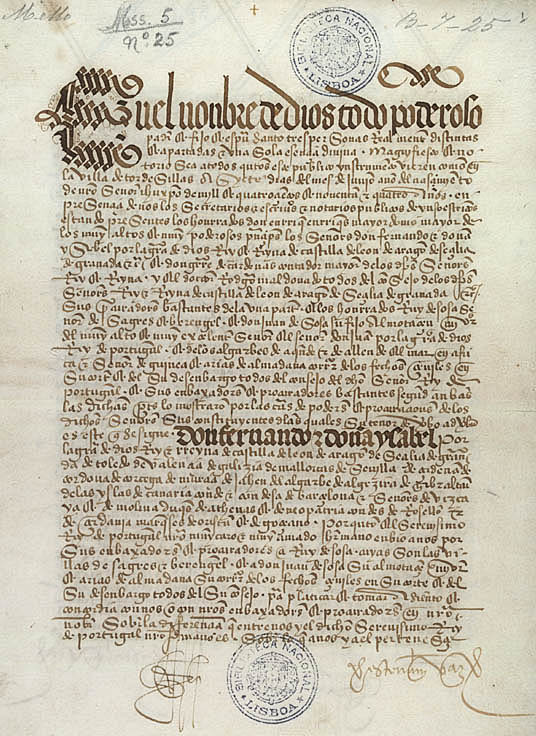 Document
Primary source
7 June 1494
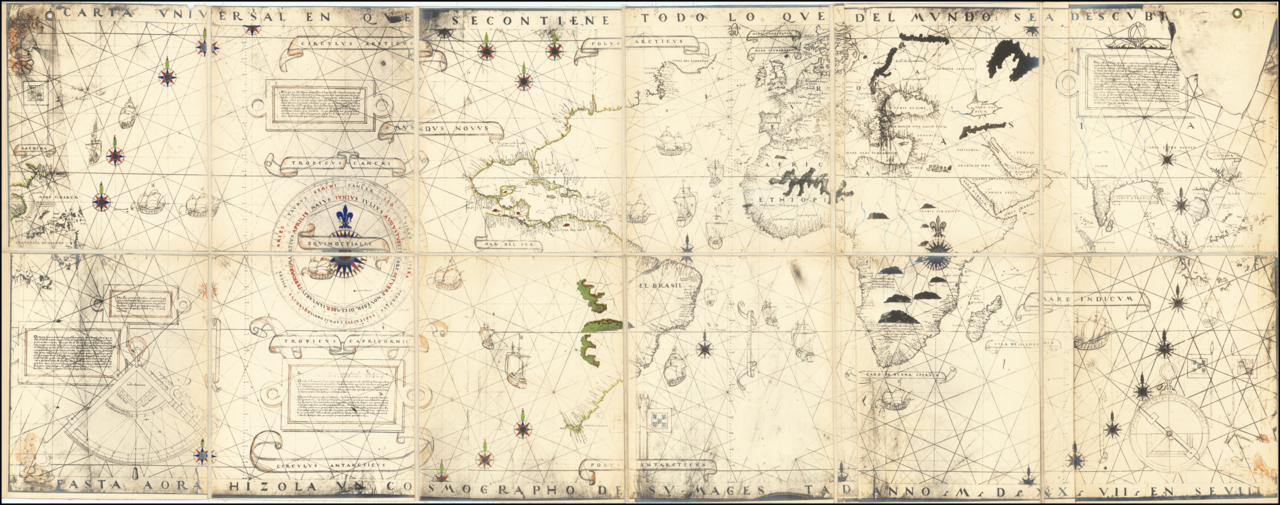 Artifact
Primary source
Diogo Ribeiro · c. 1527 (reproduction of Padrón Real)
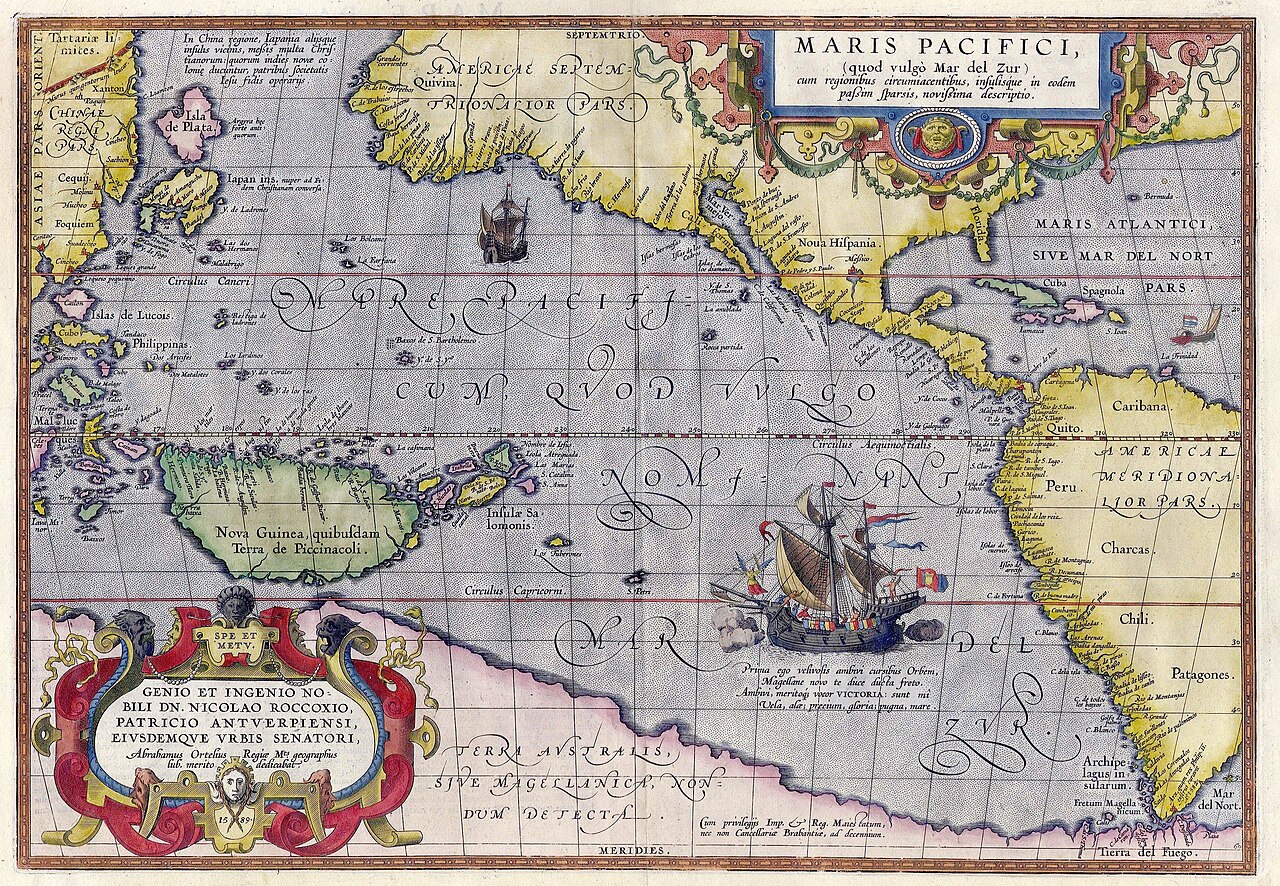 Artifact
Secondary source
Abraham Ortelius · 1589
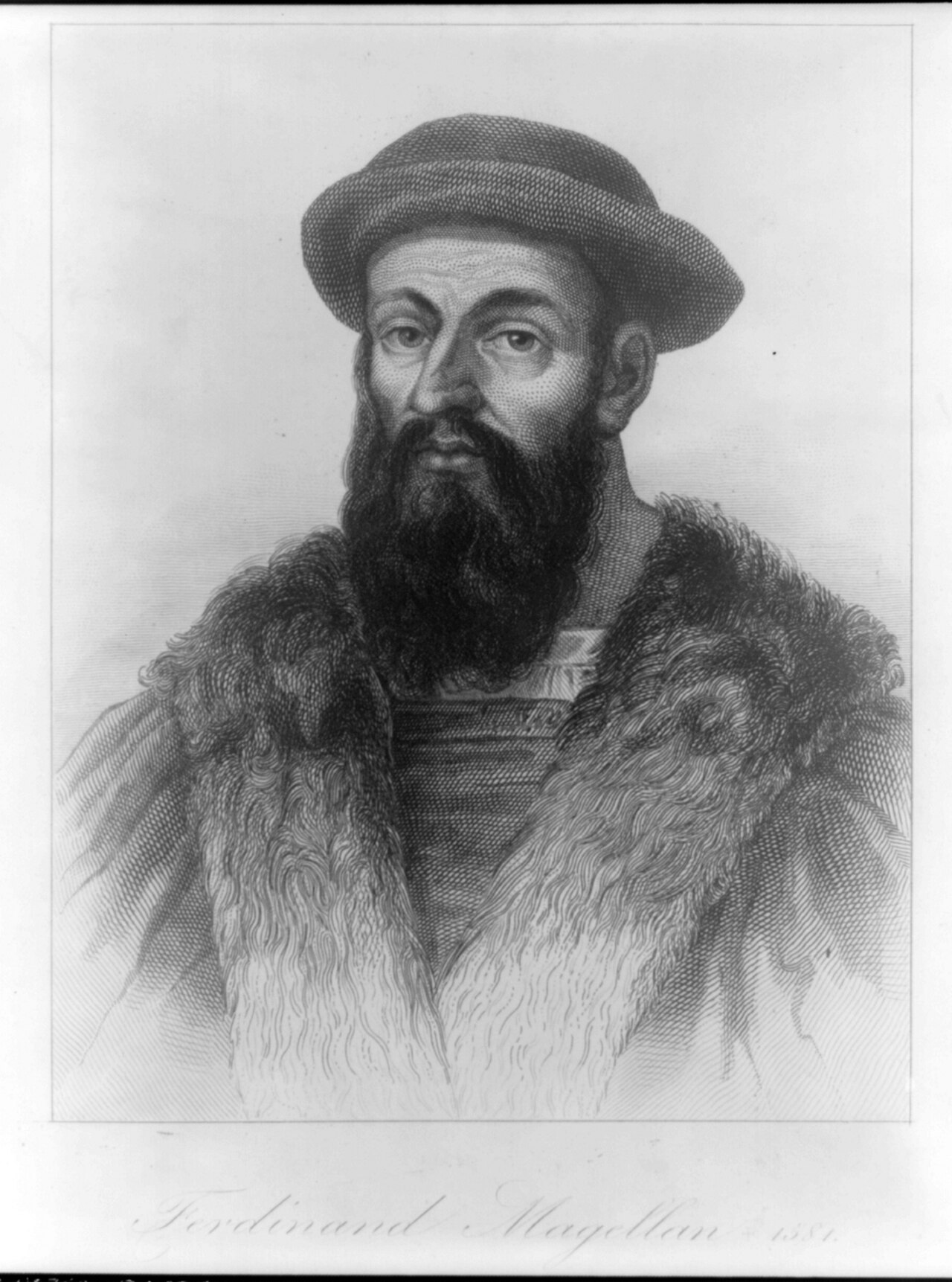 Painting
Secondary source
1581
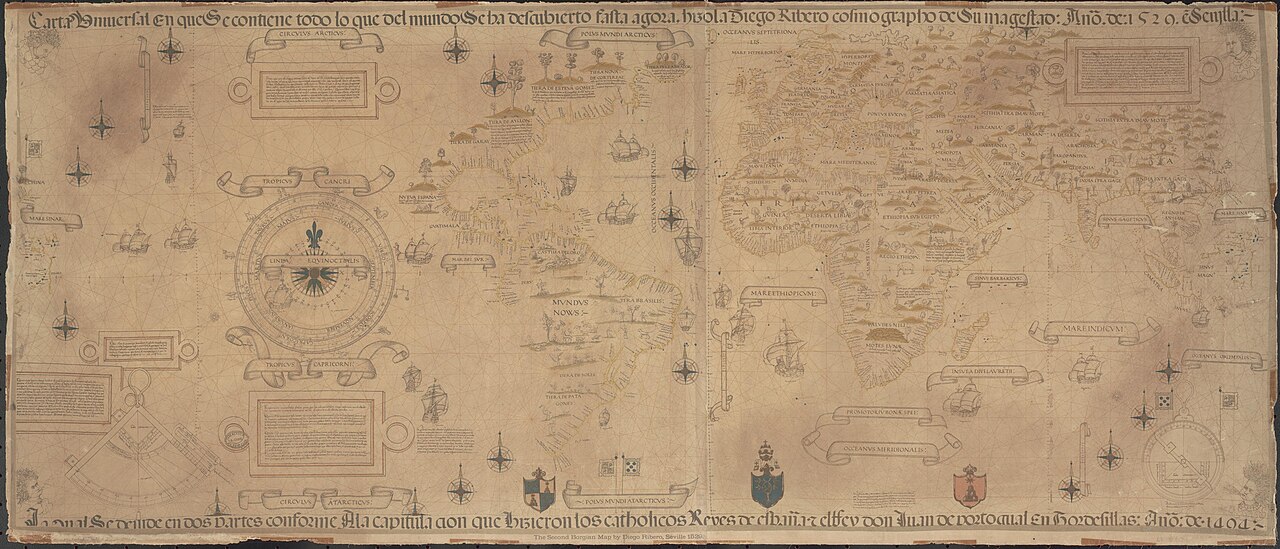 Document
Primary source
Diogo Ribeiro · 1529
Secondary source
Gaspar Correia · c. 1550s
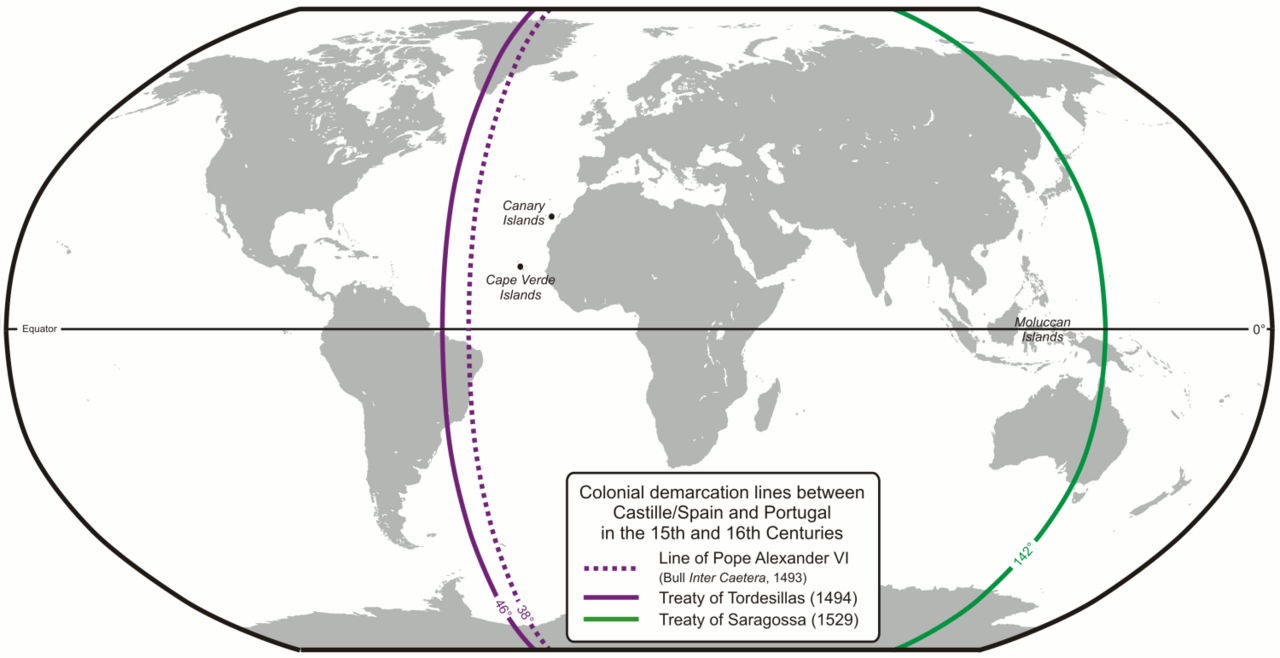 Document
Primary source
22 April 1529
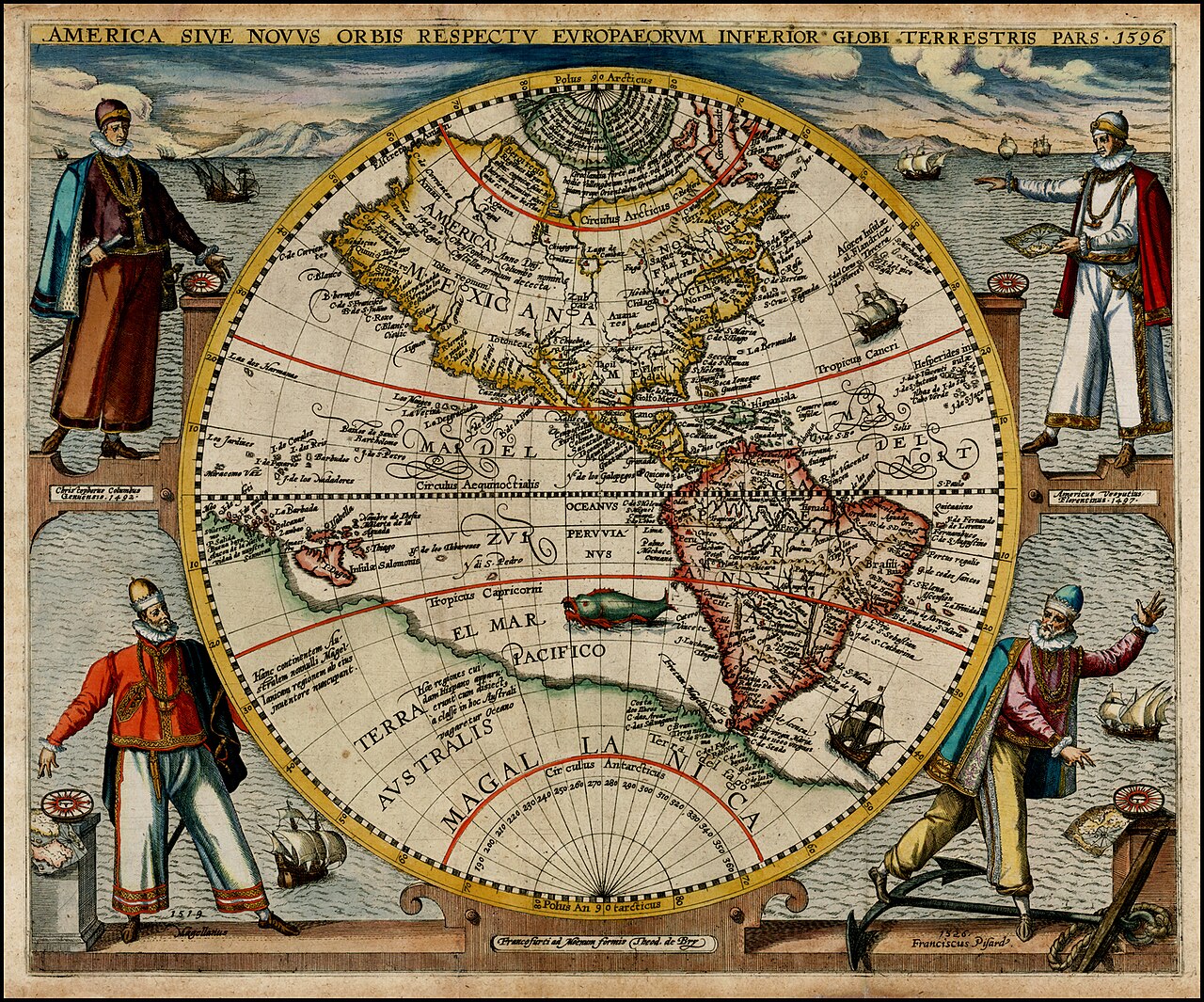 Painting
Secondary source
Theodor de Bry · 1596
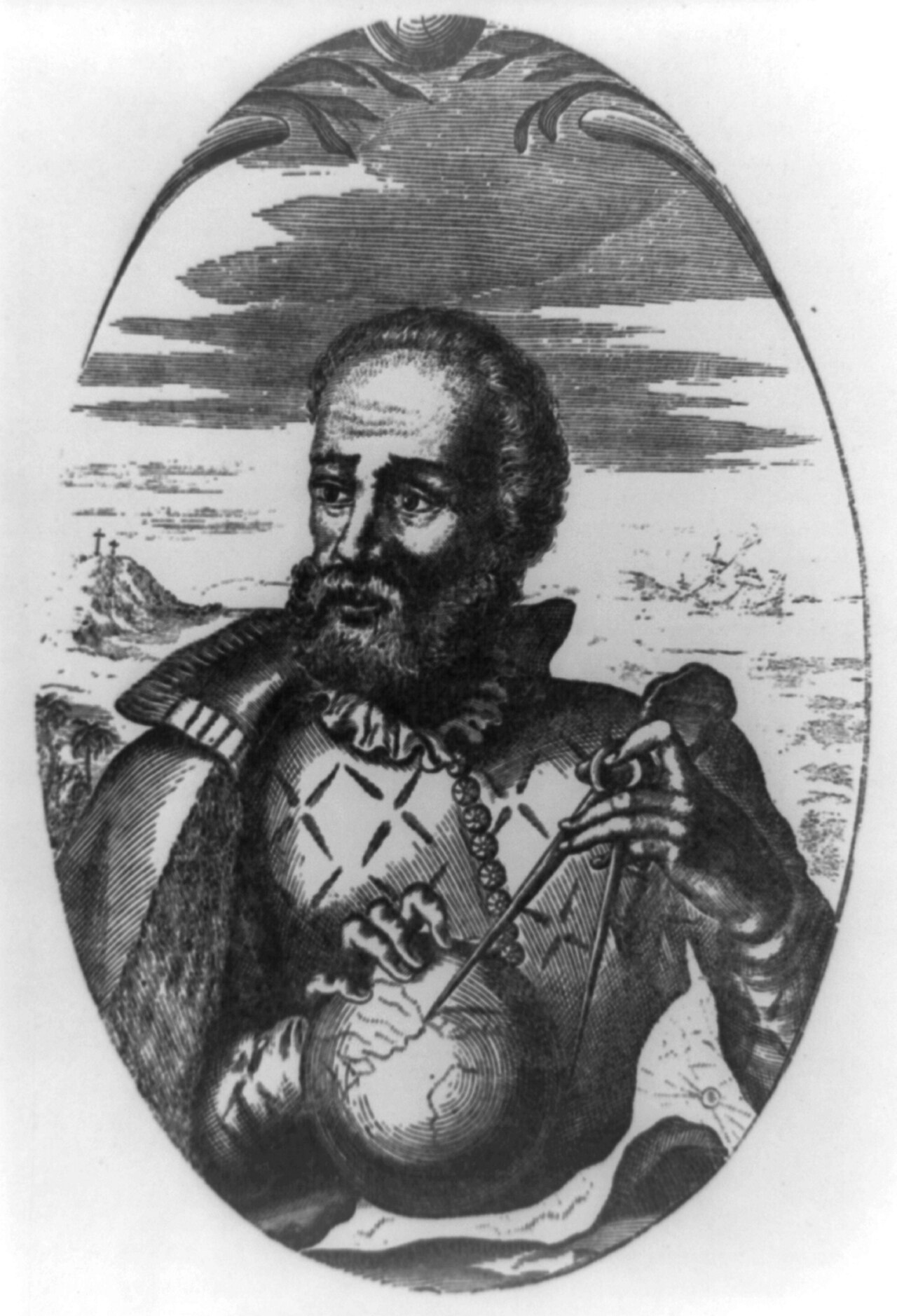 Painting
Secondary source
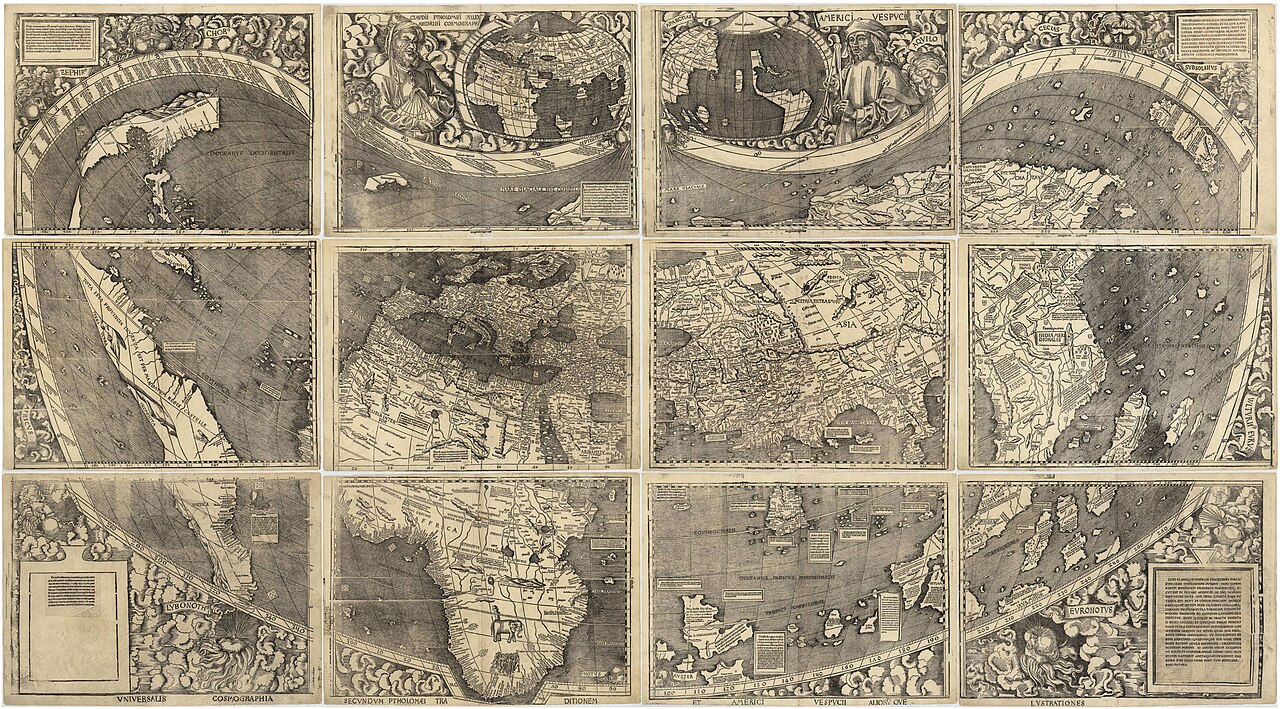 Document
Primary source
Martin Waldseemüller · 1507
PaintingSecondary source
1848
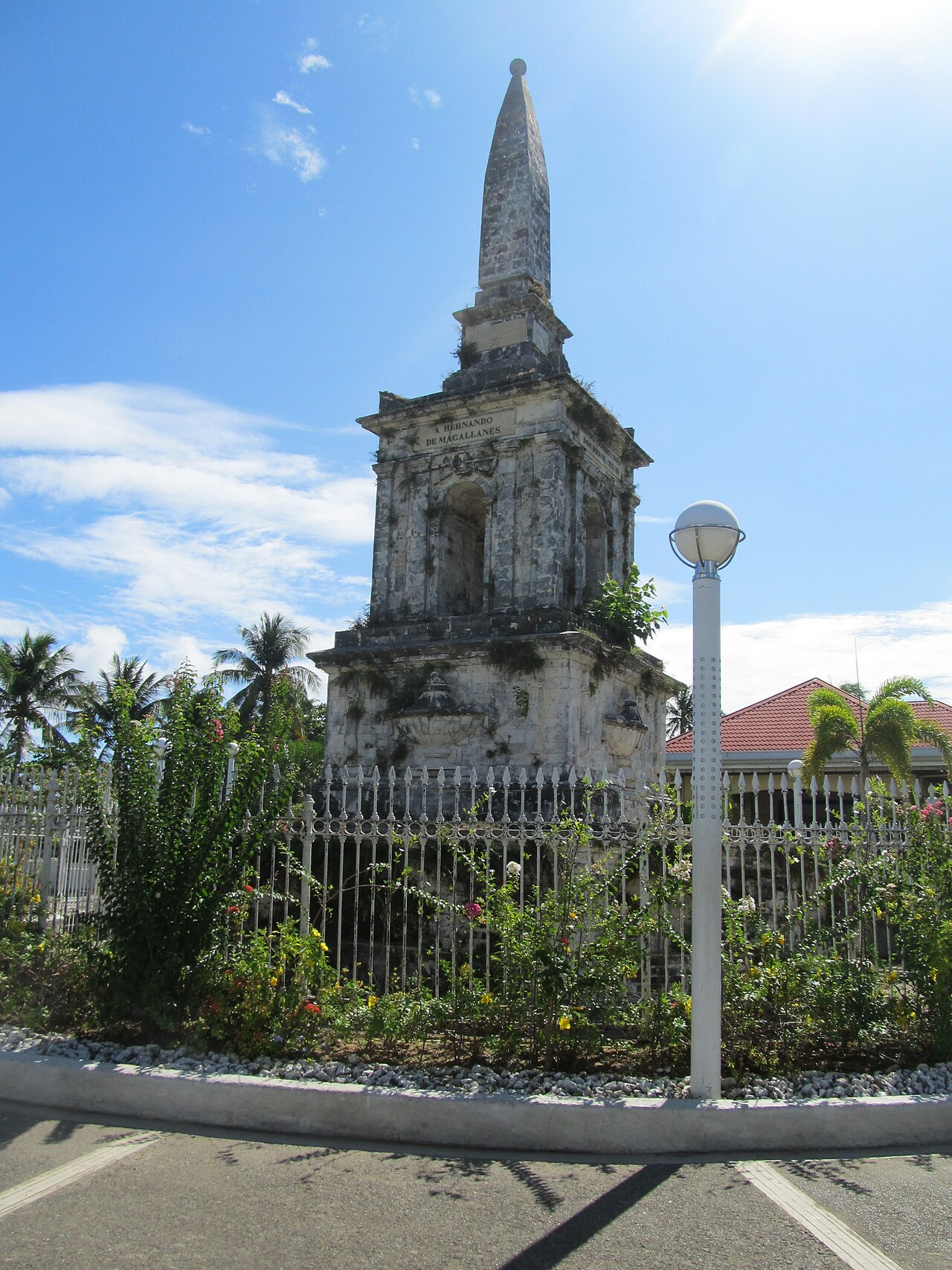 Sculpture
Secondary source
1866
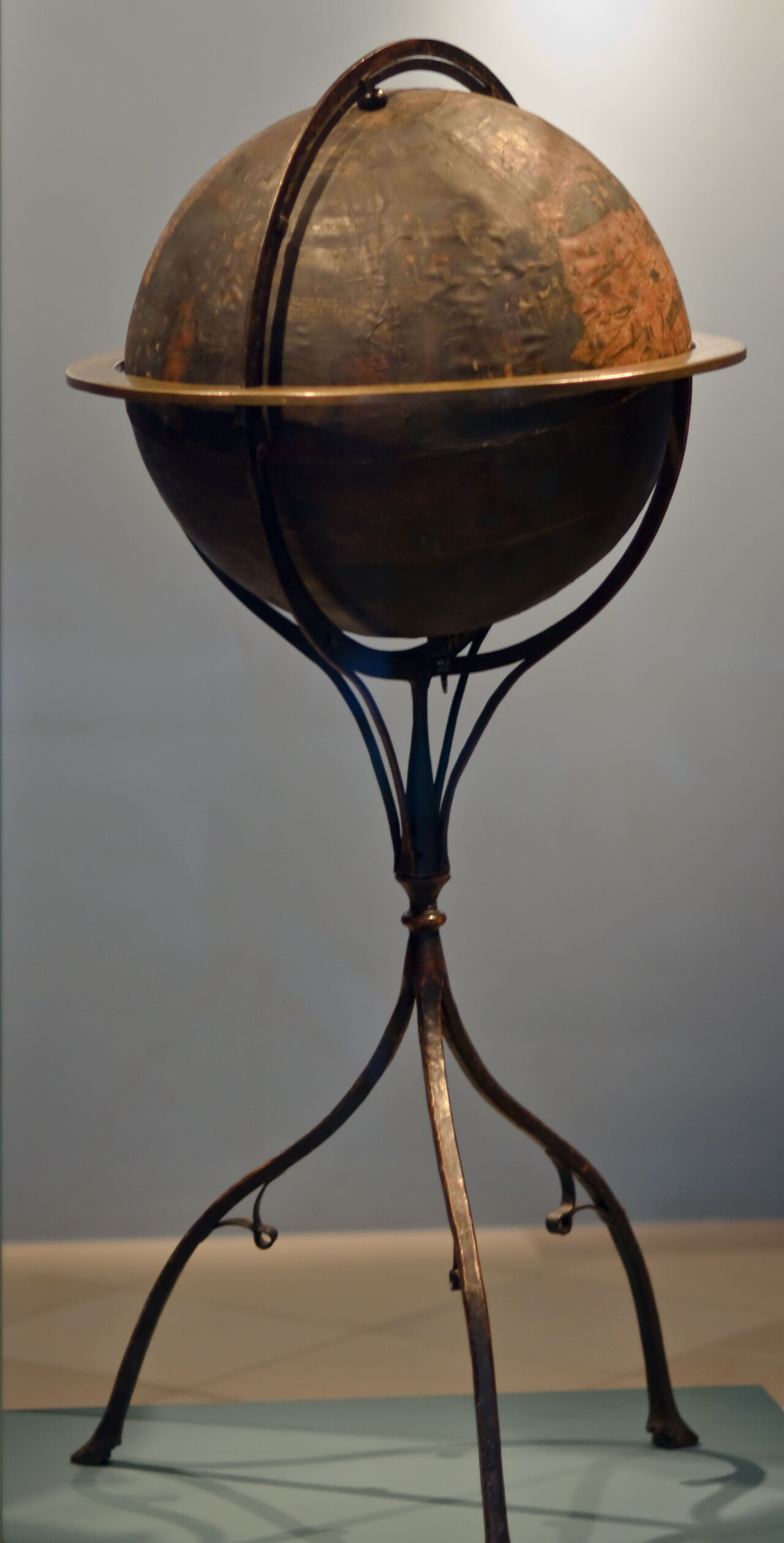 Artifact
Secondary source
Martin Behaim · c. 1490-1492
 Book
Primary source
Fernando de Magallanes · 1920 (text attributed to Magellan)
 Book
Secondary source
F. H. H. Guillemard · 1891
 Book
Secondary source
José Toribio Medina · 1920
 Book
Secondary source
Arthur Sturges Hildebrand · 1924
Primary source
Ferdinand Magellan · 1520
Primary source
1520s
Secondary source
H.E.J. Stanley · 1874
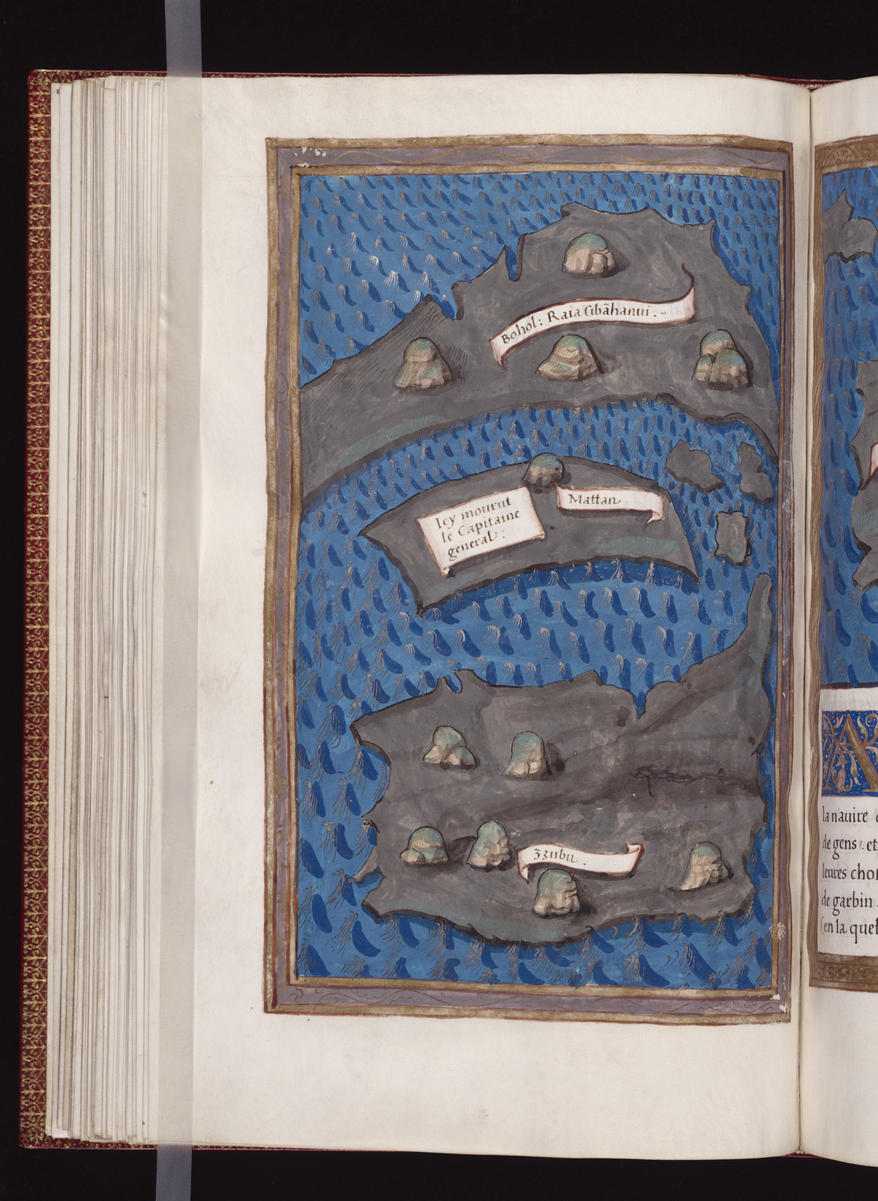 Document
Primary source
Antonio Pigafetta · 1525
Secondary source
Pablo Pastells · 1920
 Book
Secondary source
Casimiro Gómez Ortega · 1921
 Book
Secondary source
Frederick A. Ober · 1907
 Book
Secondary source
Genaro Cavestany · 1915
Primary source
Ferdinand Magellan · early 16th century
Tertiary source
1911
Tertiary source
1913
Secondary source
Hezekiah Butterworth
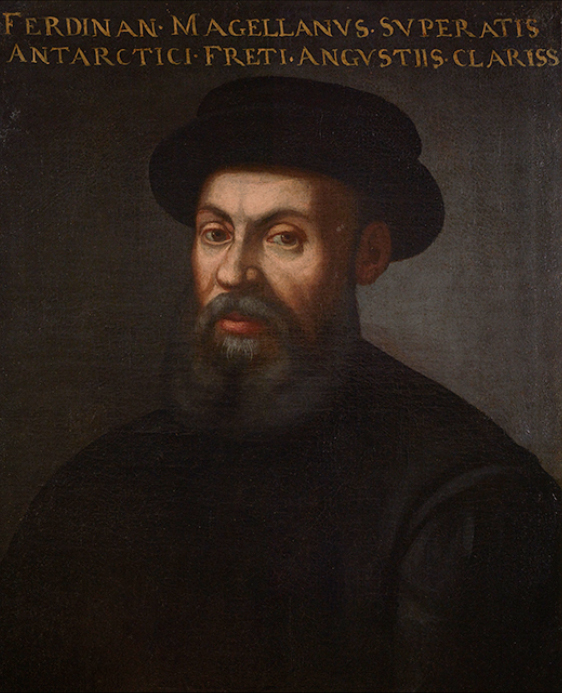 Painting
Secondary source
Unknown author · circa 1550-1625
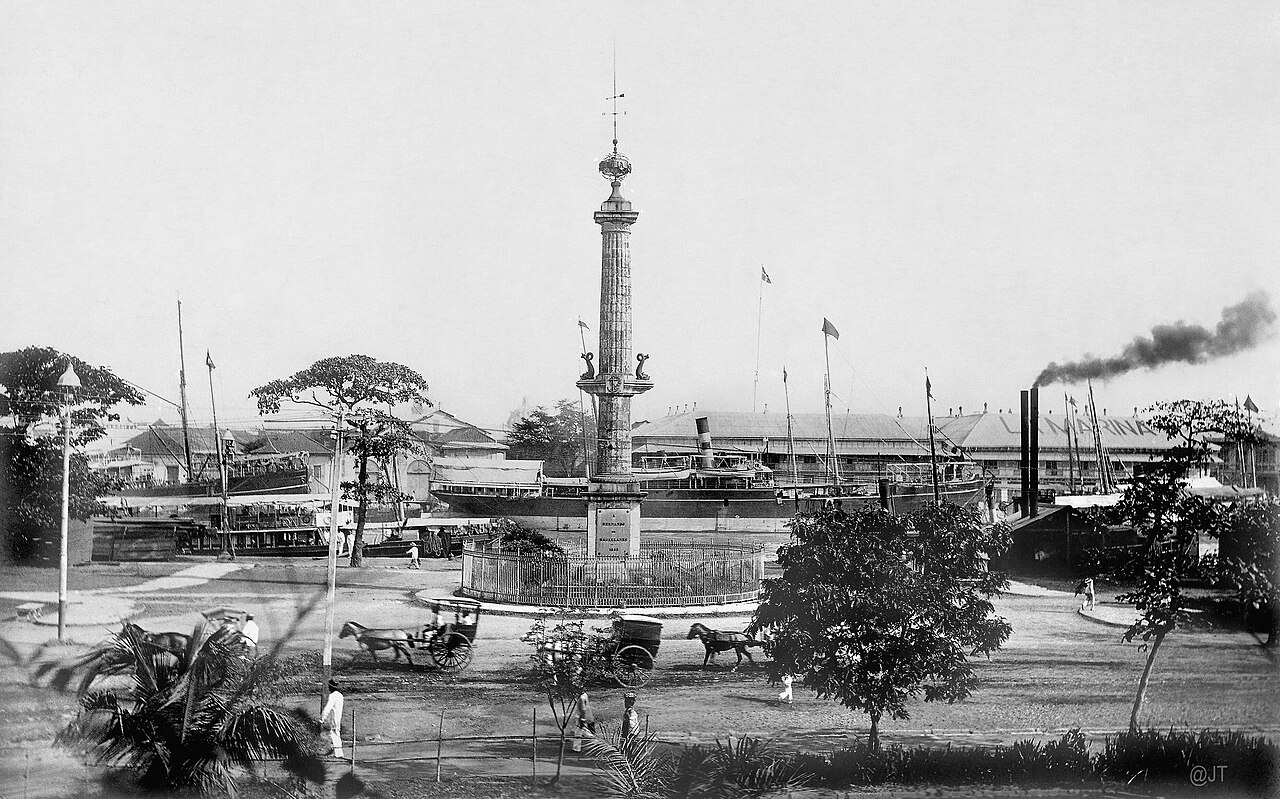 Photograph
Primary source
University of Michigan Special Collections Library (via John Tewell's Flickr) · 1900-1902
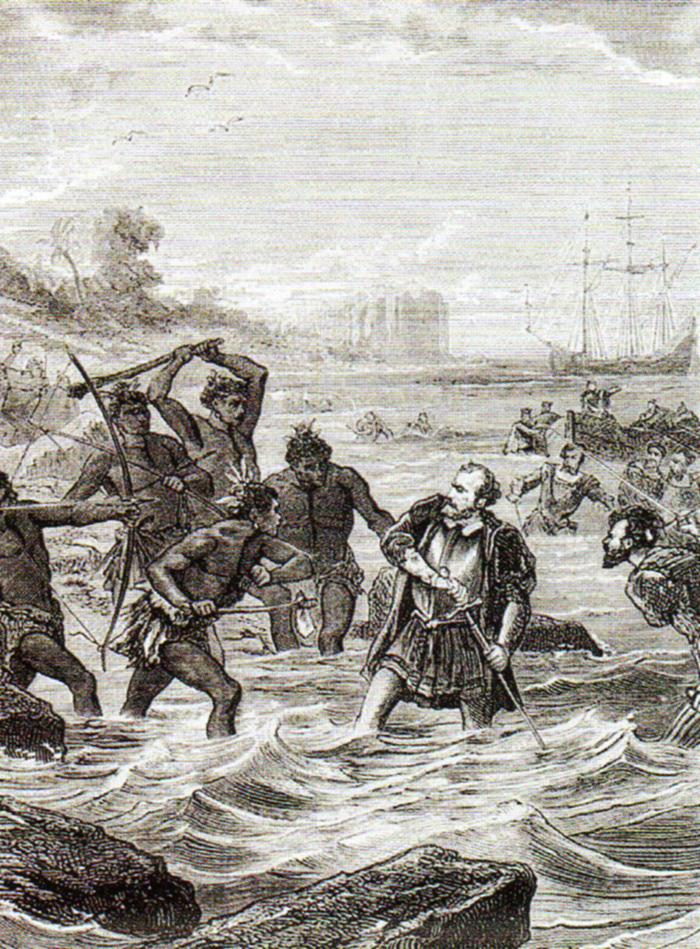 Painting
Secondary source
Unknown author · c. 1860
 Book
Secondary source
E.F. Benson · 1929
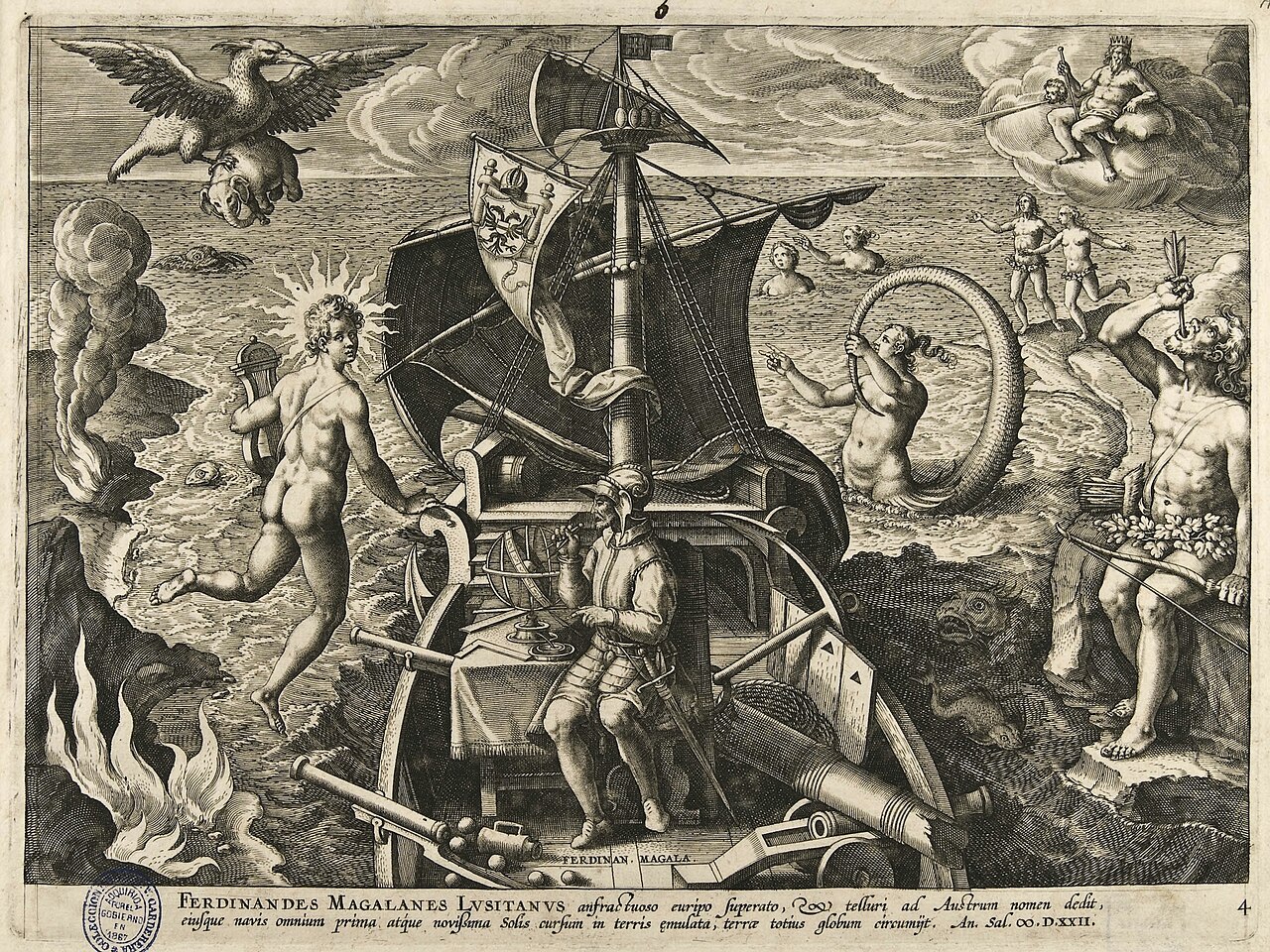 Painting
Secondary source
Johannes Stradanus · c. 1592
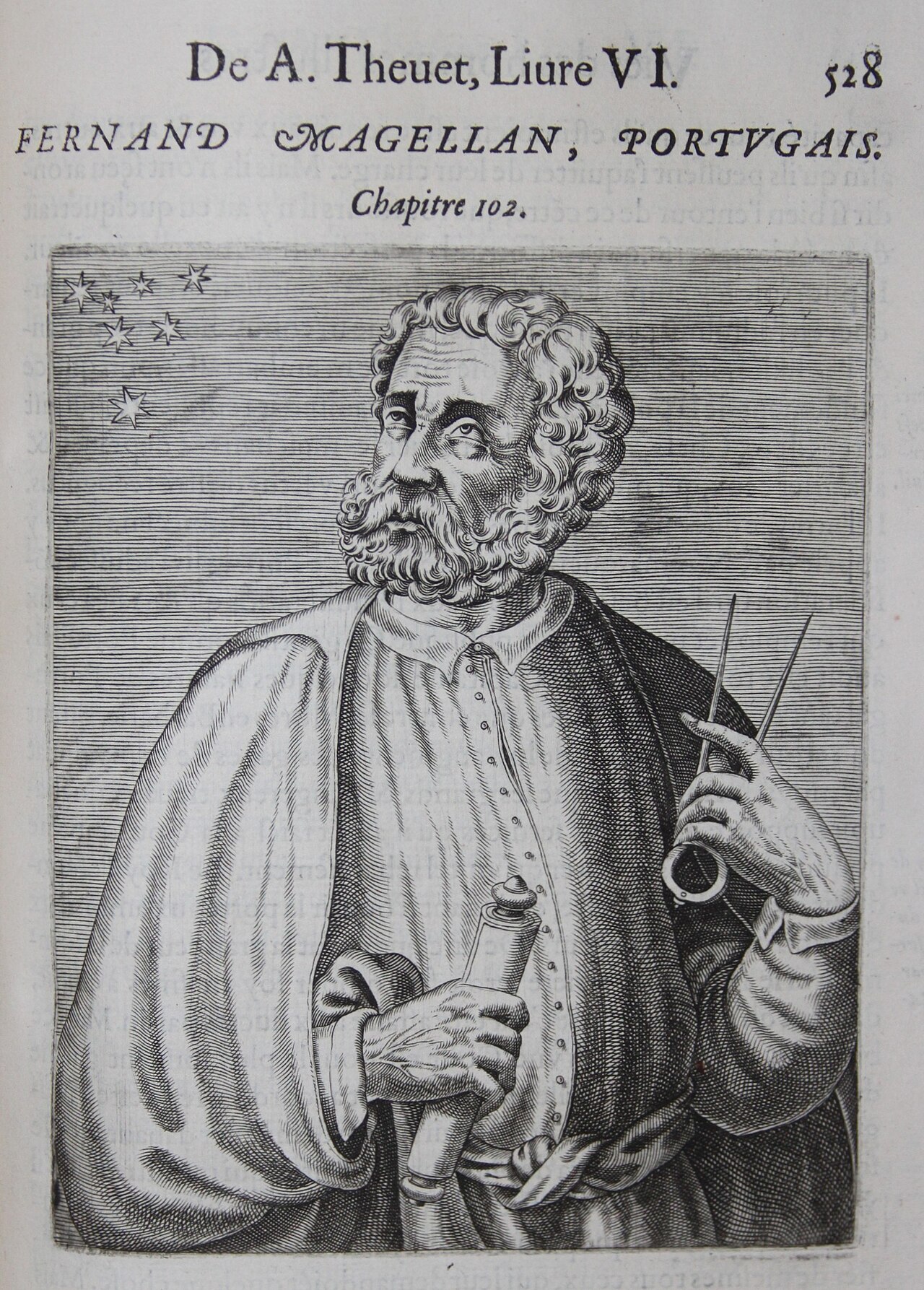 Painting
Secondary source
Lombards Library · 1584
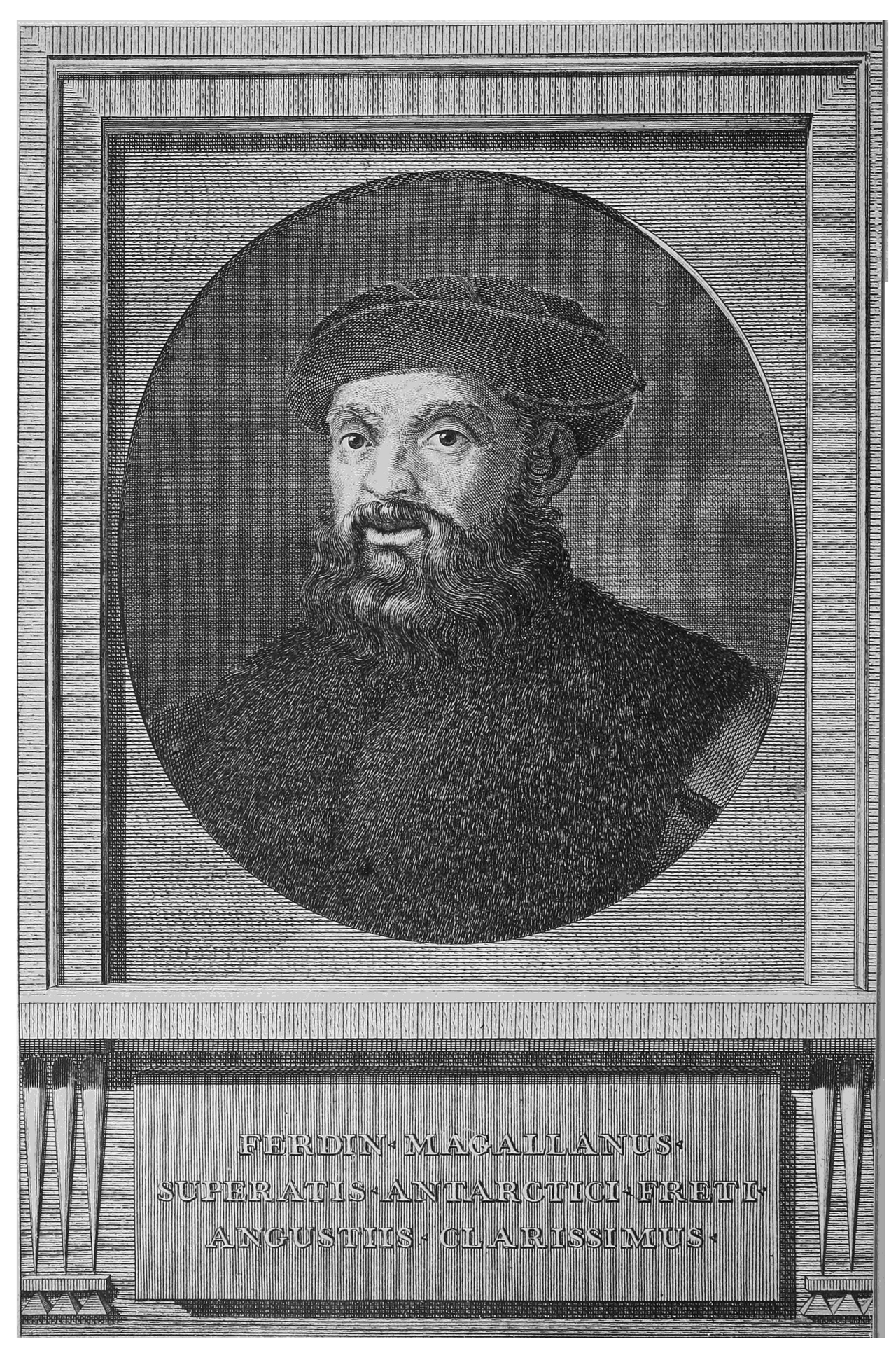 Painting
Secondary source
Henry Edward John Stanley, Baron Stanley · 1874
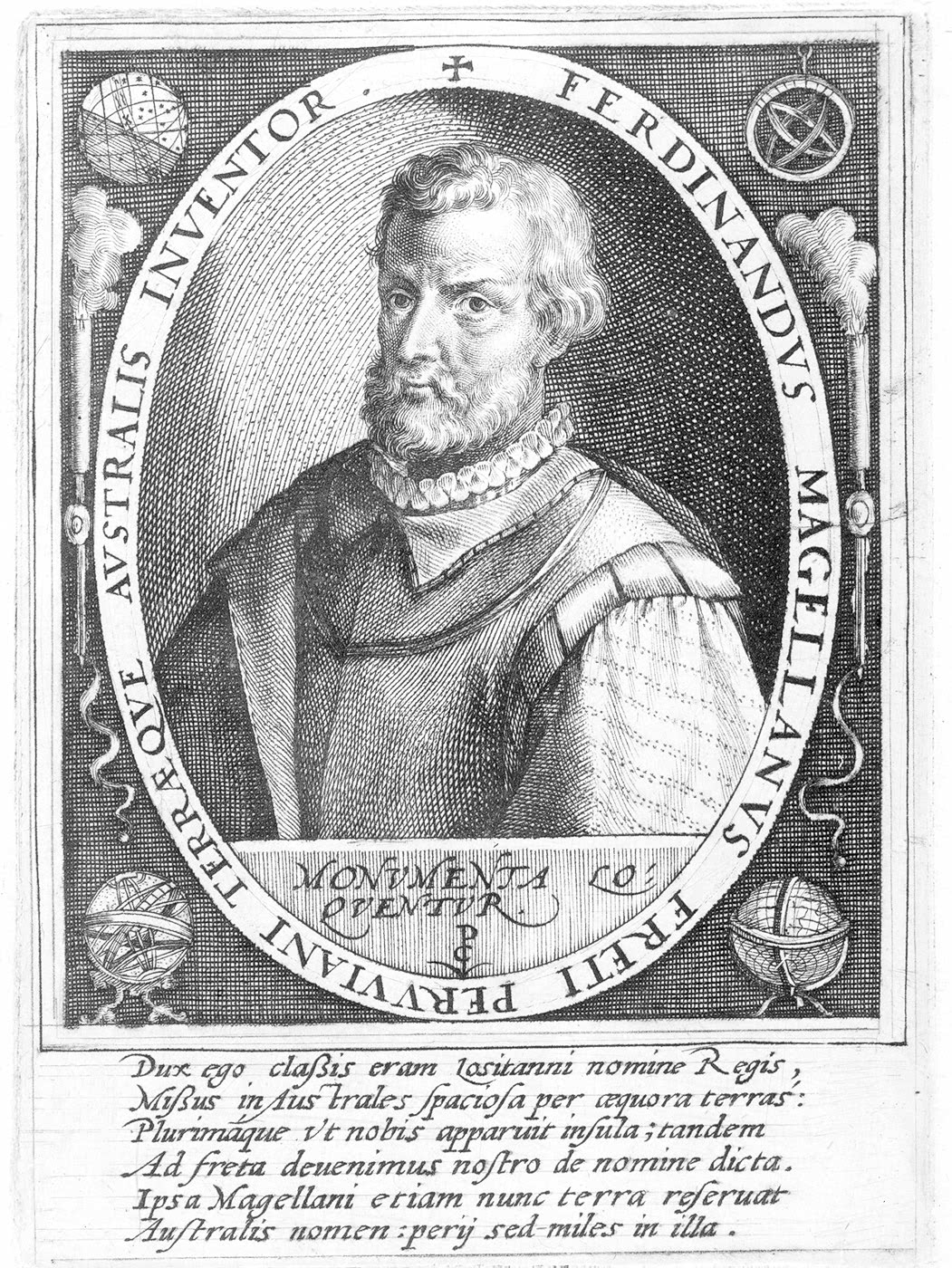 Painting
Secondary source
Crispijn van de Passe the Elder · 1598
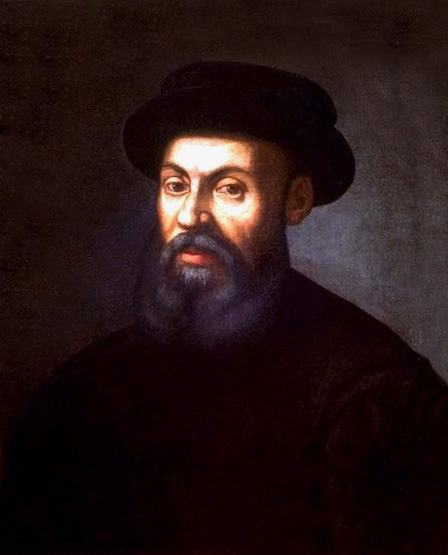 Painting
Secondary source
Unknown · 16th or 17th century
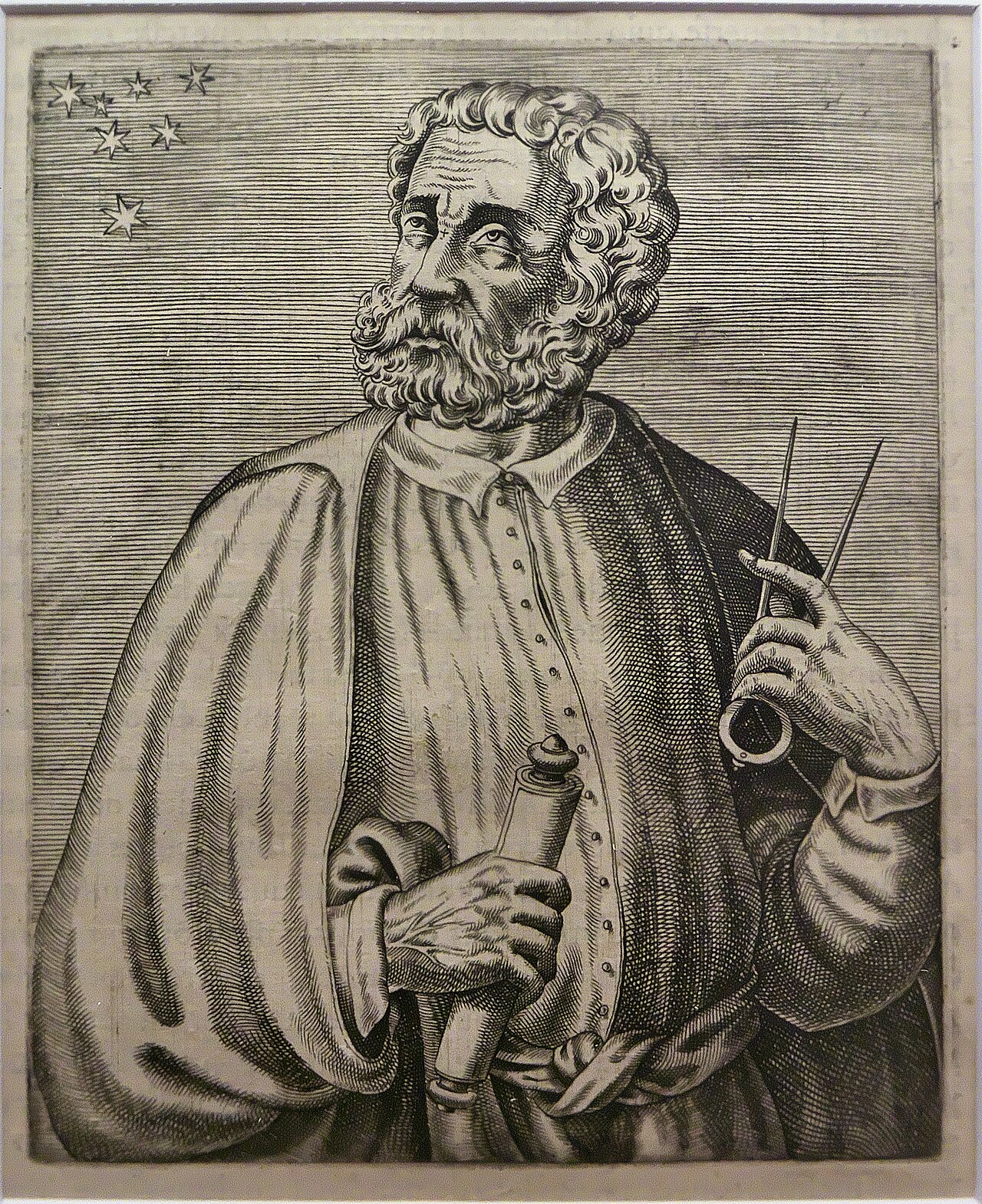 Painting
Secondary source
Unknown, after André Thevet · 1584 (original); digitized 2020
Secondary source
F. H. H. Guillemard · 1891
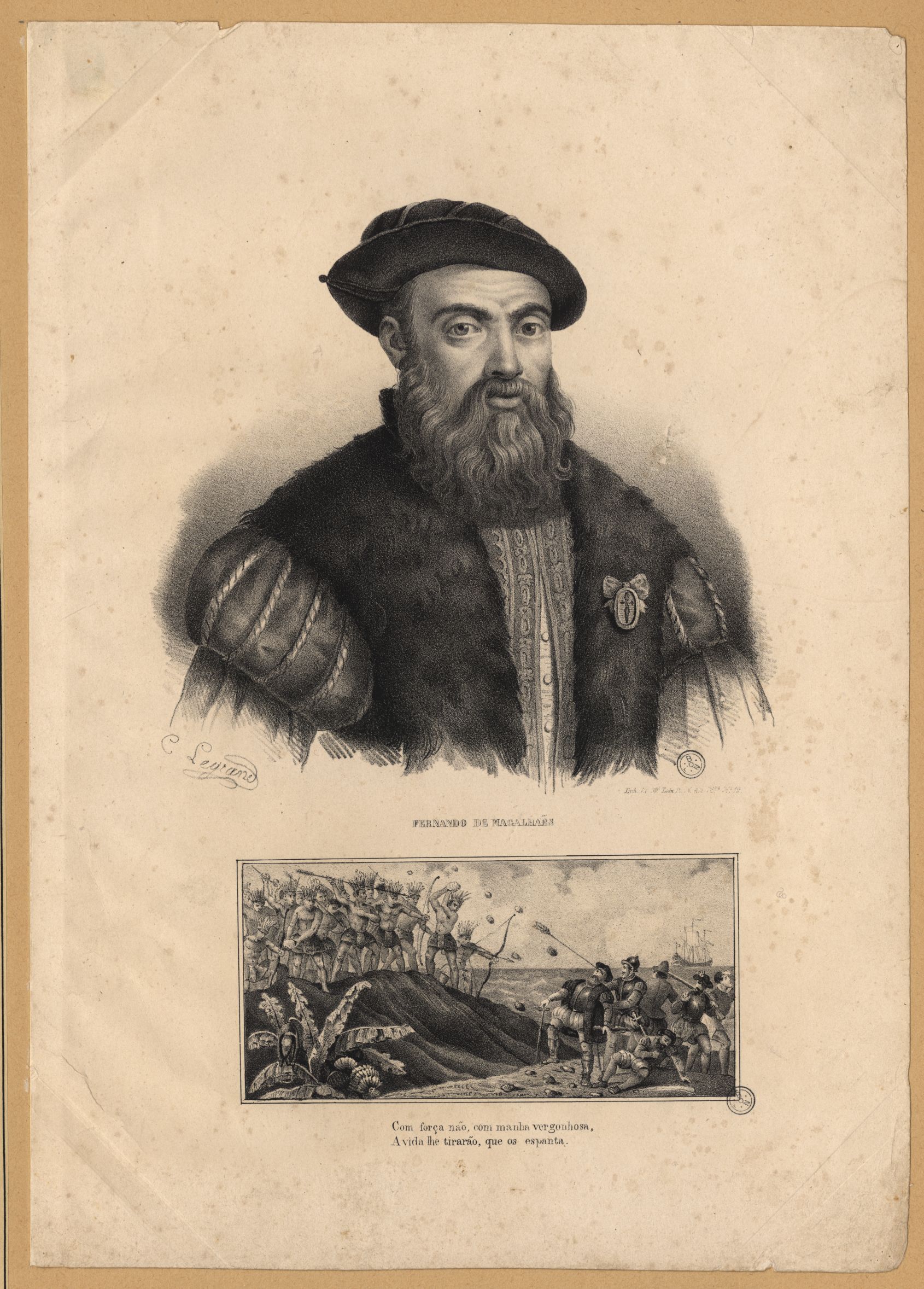 Painting
Secondary source
C. Legrand · 1841
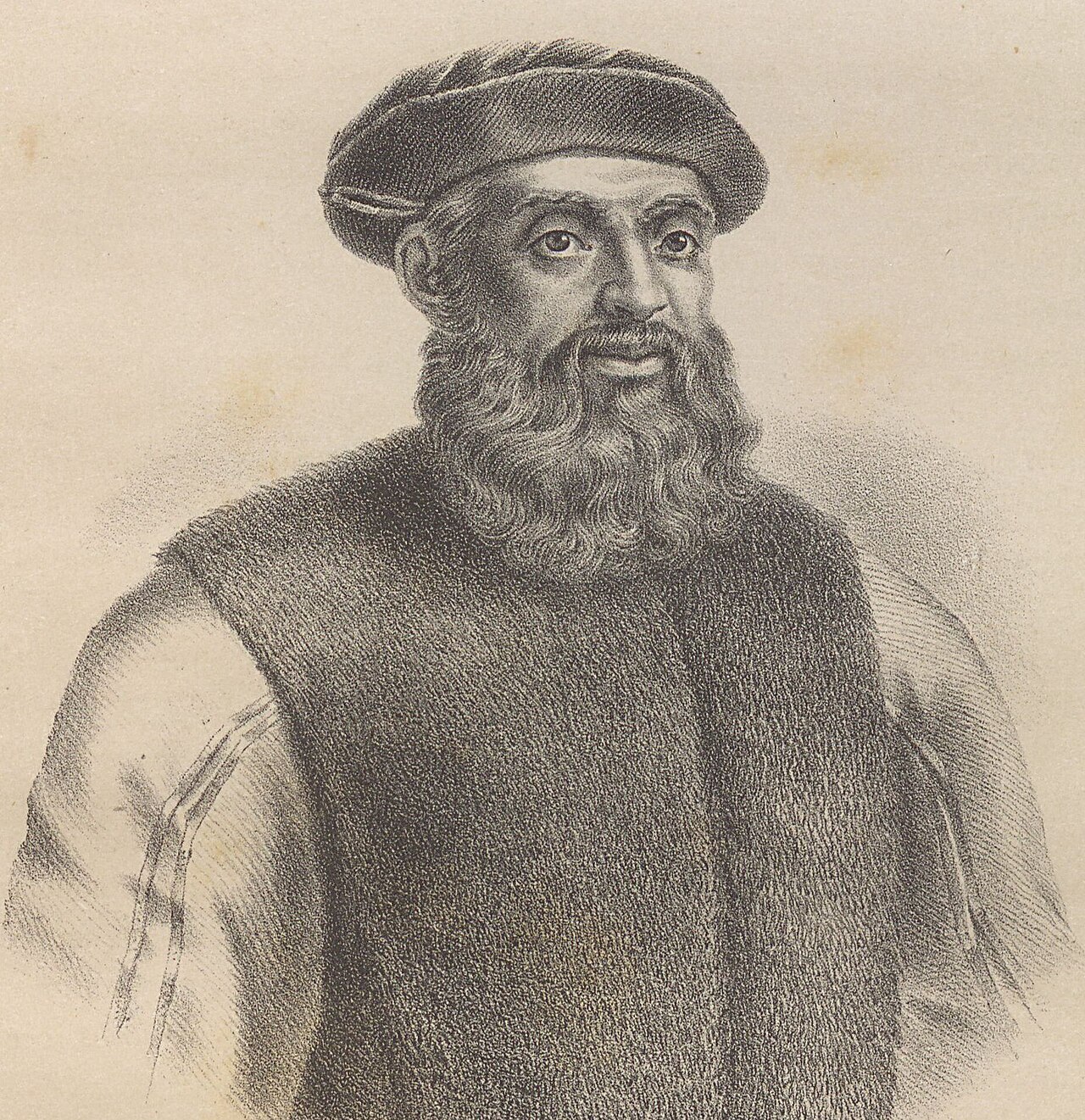 Painting
Secondary source
Unknown, published by José Ferrer de Couto and José March y Labores · 1854
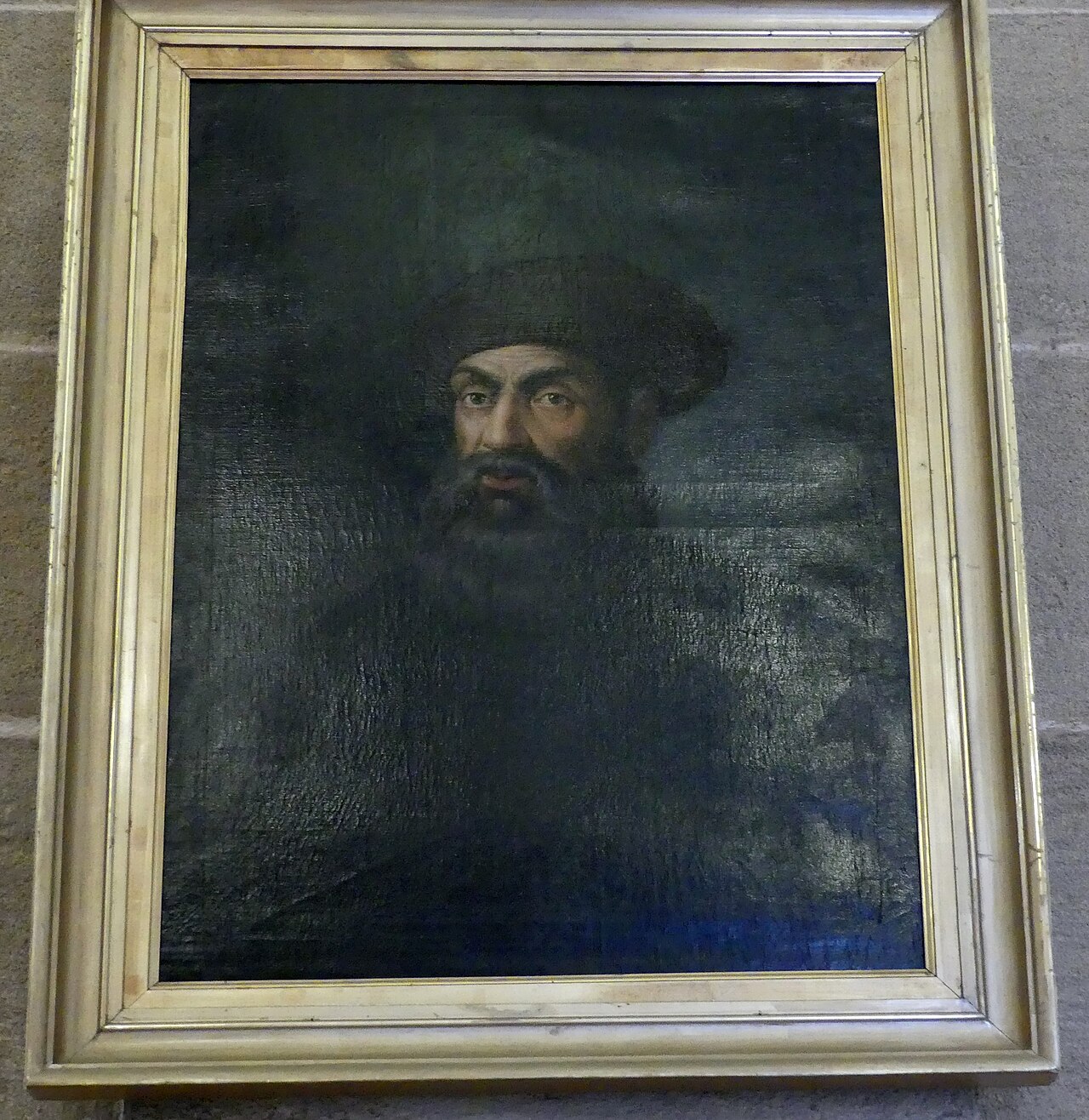 Painting
Secondary source
José María Chaves Ortiz · 19th century
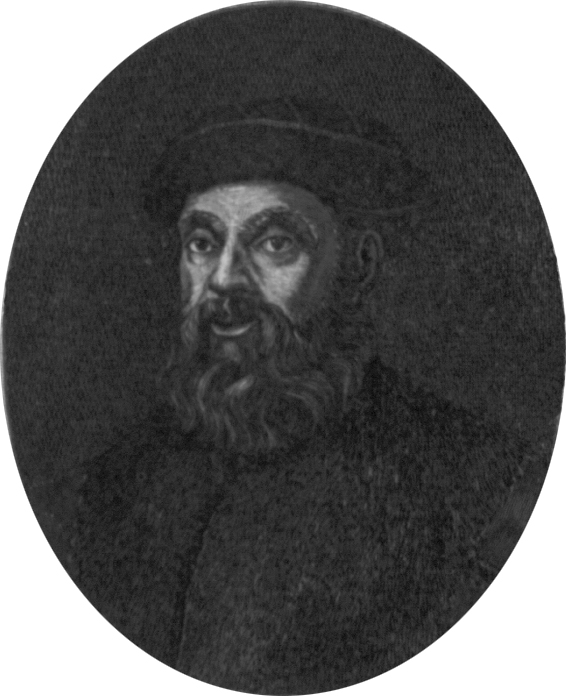 Painting
Secondary source
published 1901, reproducing an engraving of 1778
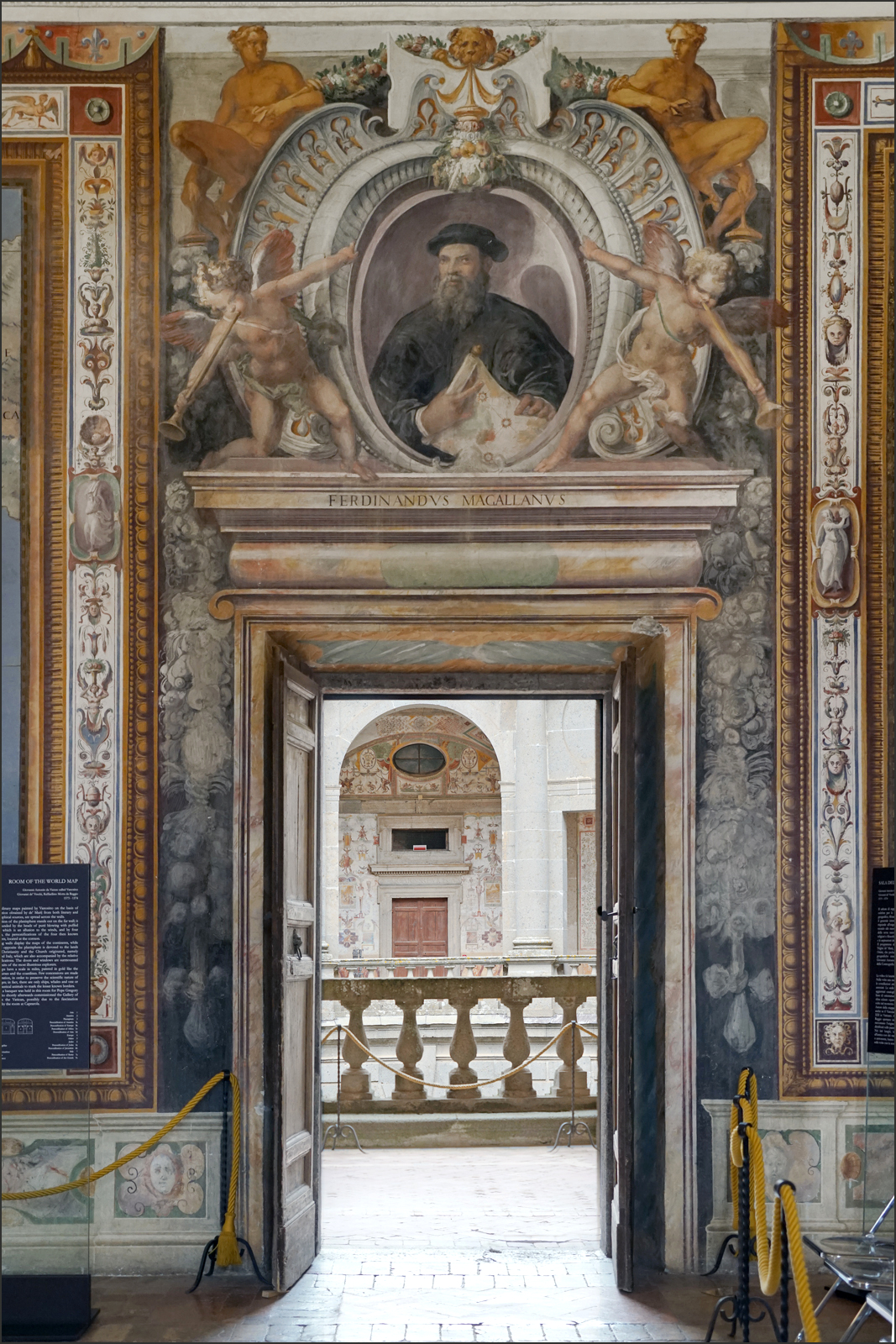 Painting
Secondary source
Giovanni Antonio Vanosino da Varese, Giovanni De'Vecchi, Raffaellino Motta da Reggio · 1573-1575
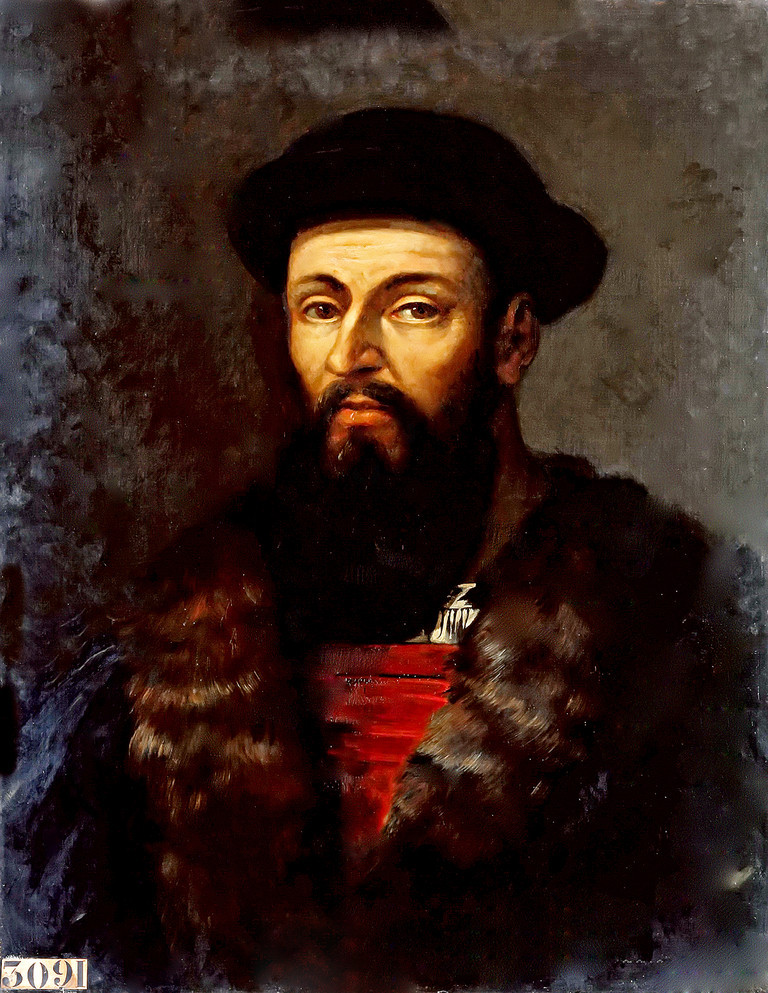 Painting
Secondary source
Charles-Philippe Larivière · 19th century
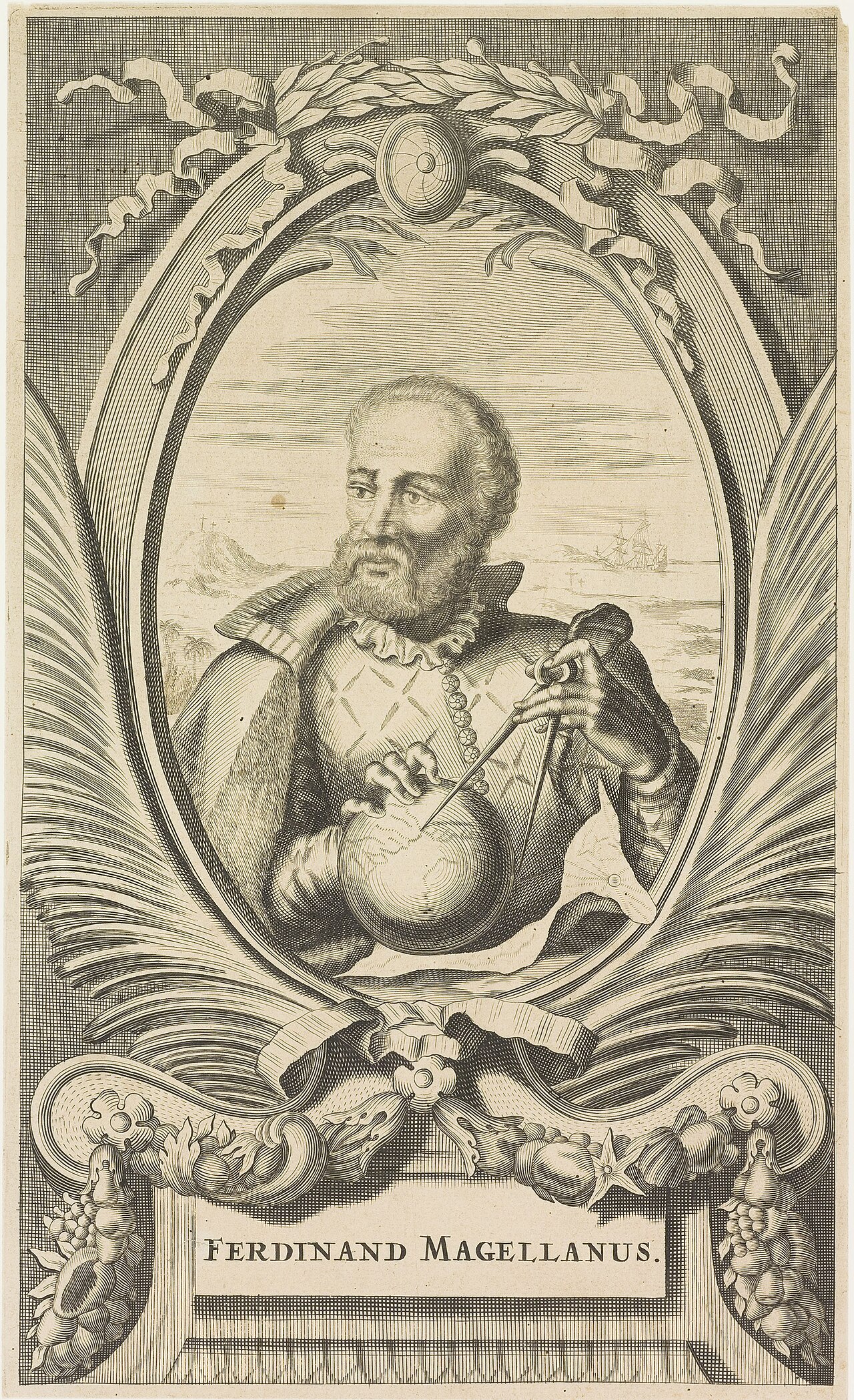 Painting
Secondary source
1580-1750
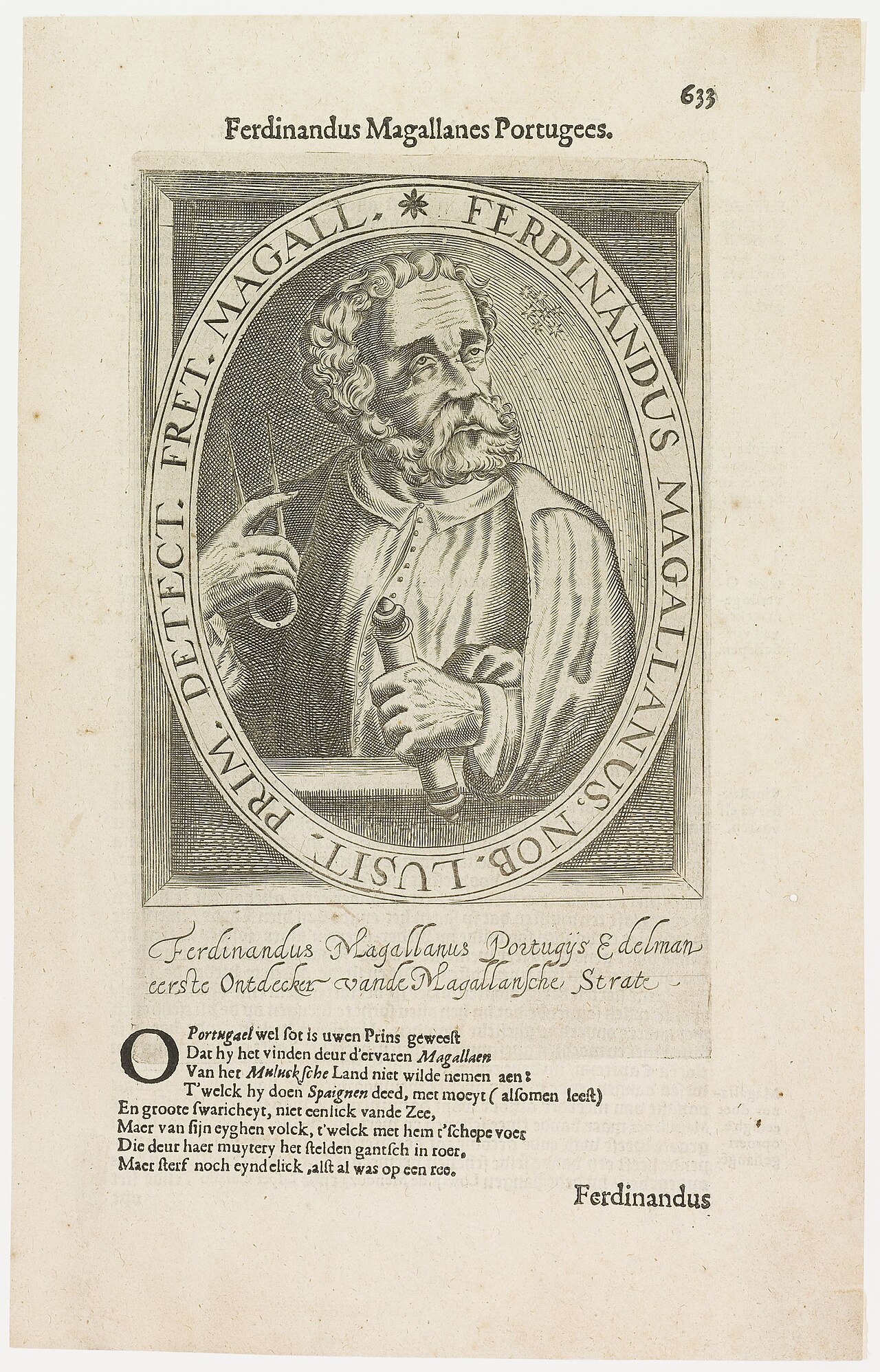 Painting
Secondary source
1600-1750
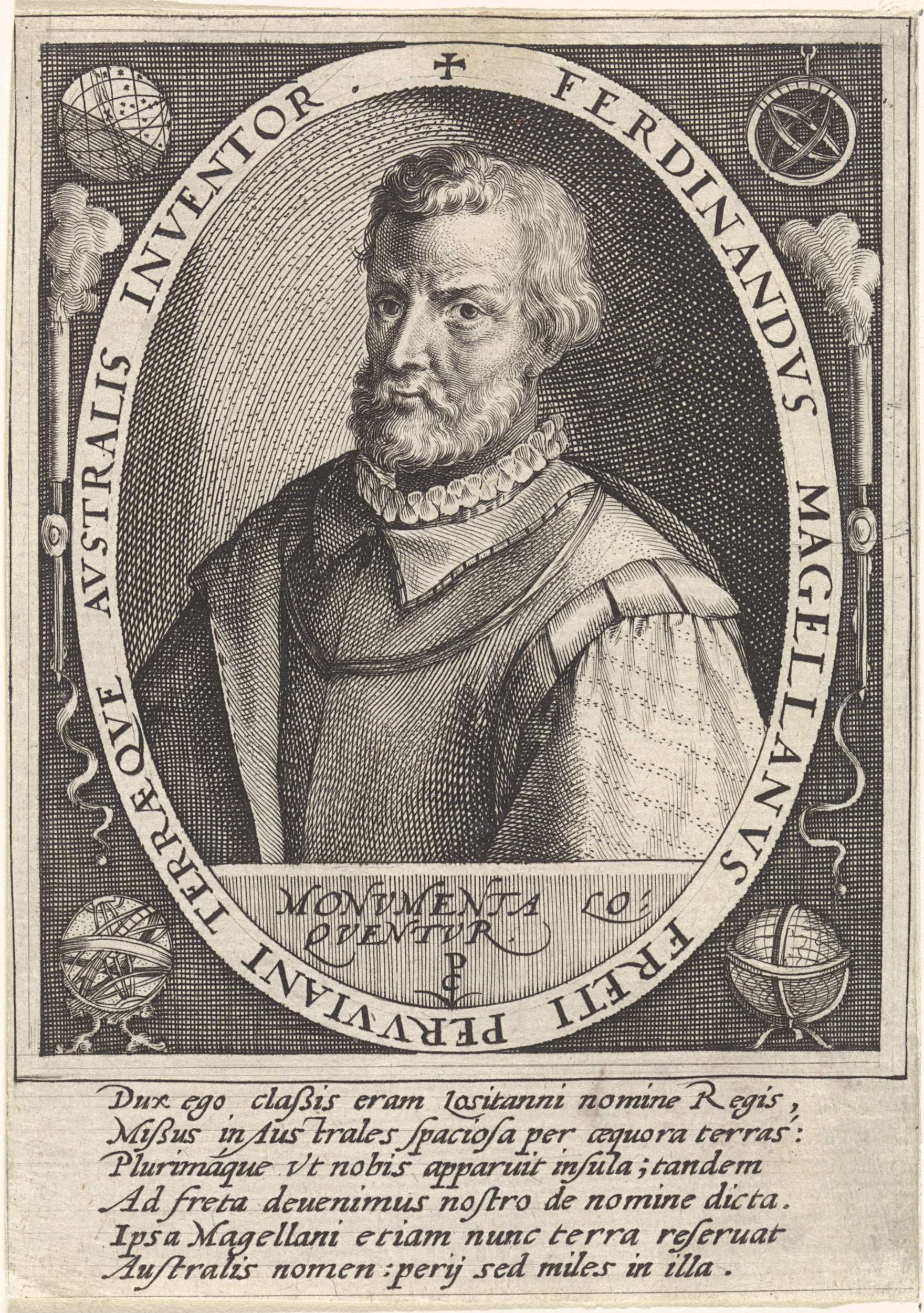 Painting
Secondary source
1598
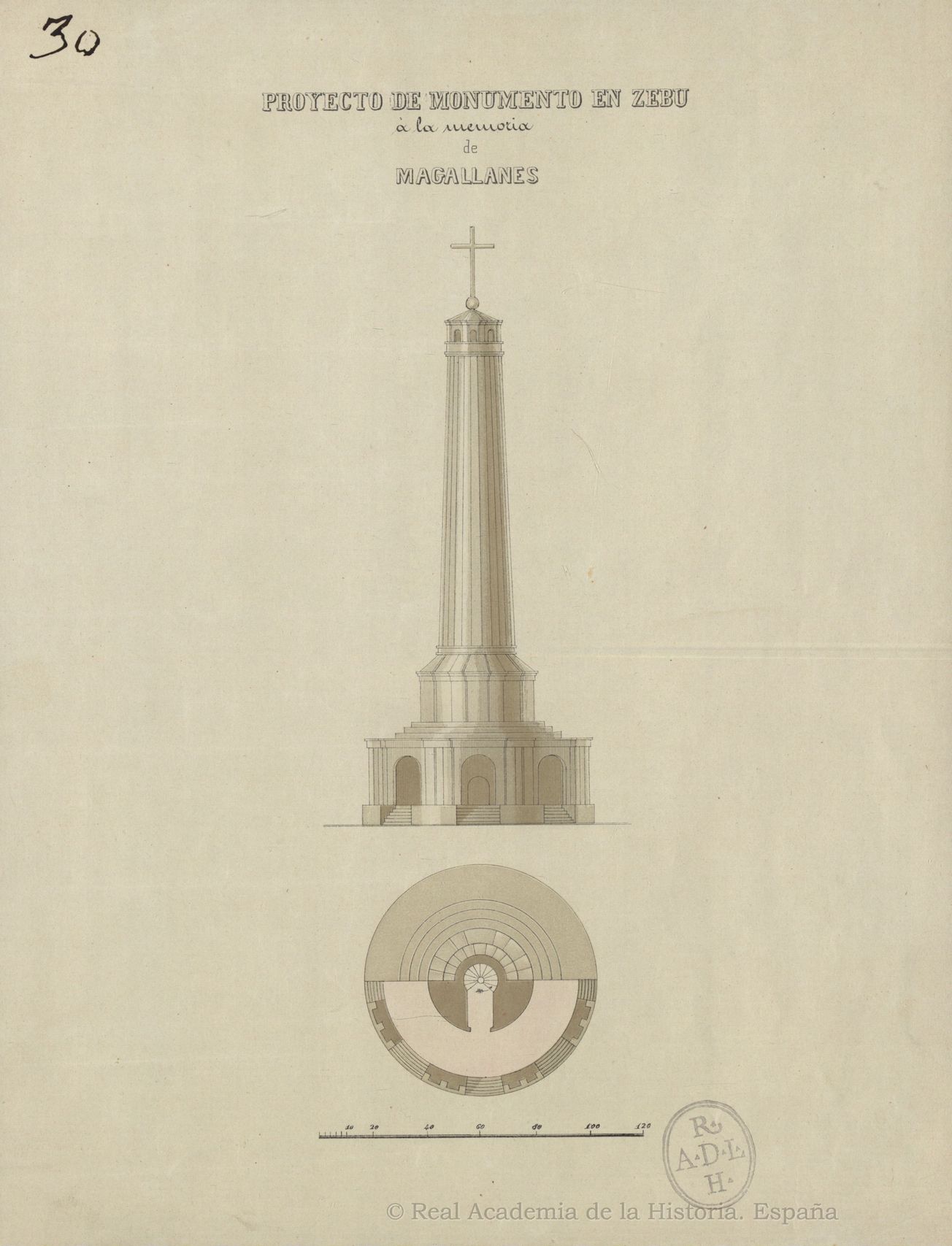 Document
Secondary source
1866
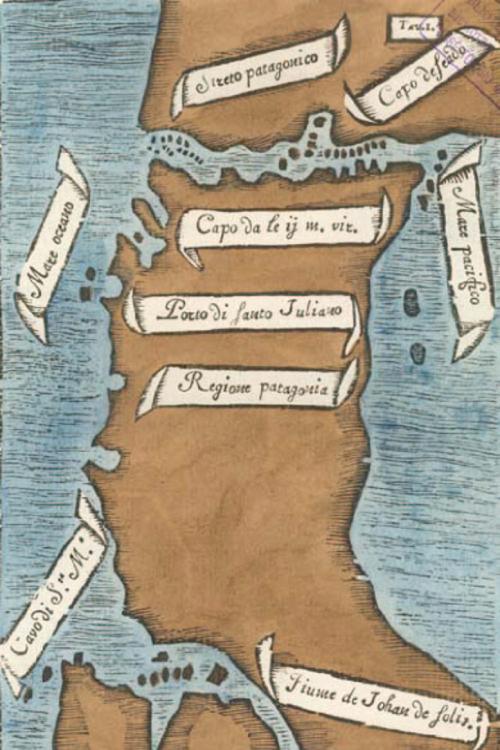 Artifact
Primary source
Antonio Pigafetta · c. 1520
Primary source
Antonio Pigafetta
Secondary source
Martín Fernández de Navarrete · 1825
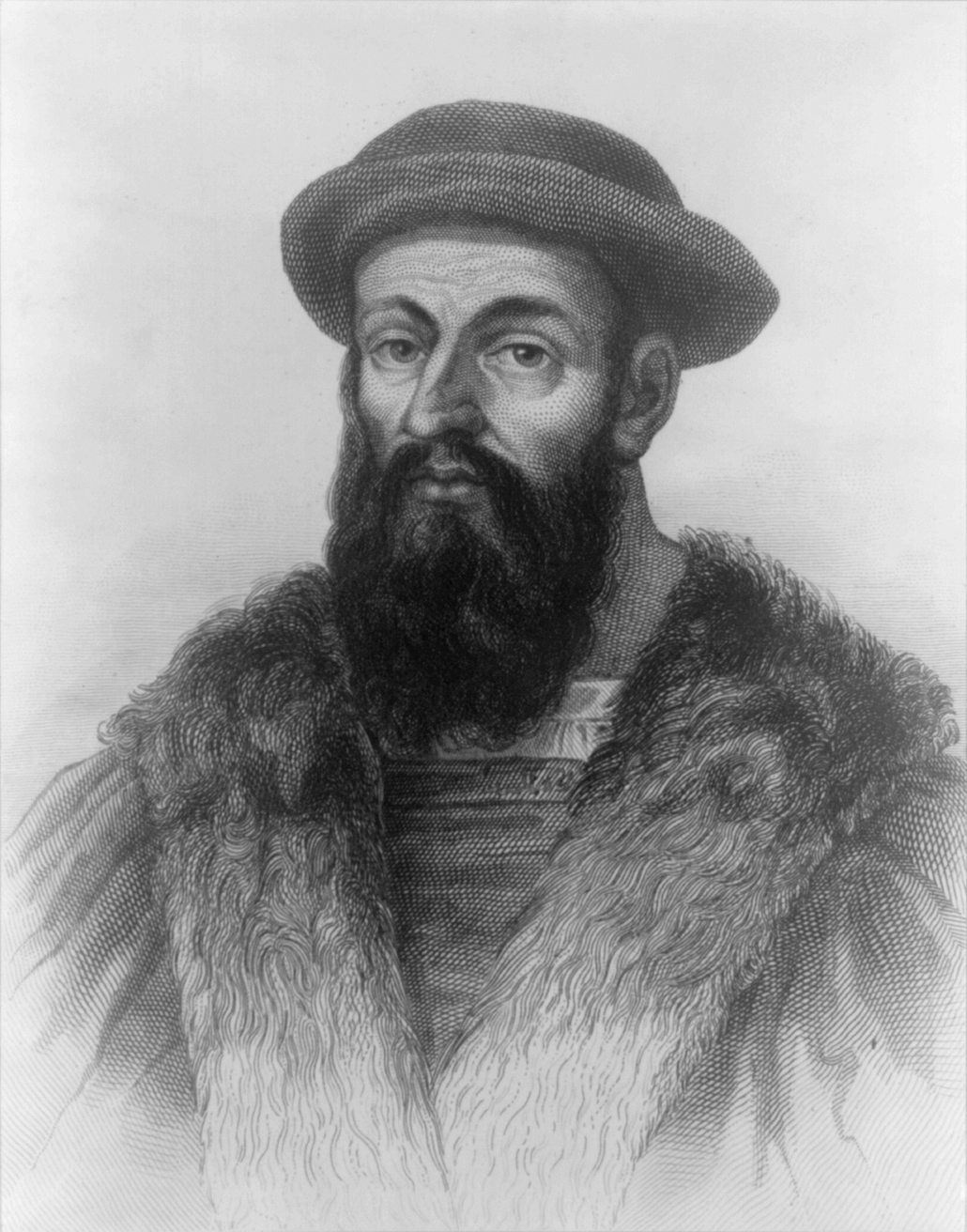 Painting
Secondary source
published 1810
Secondary source
1916
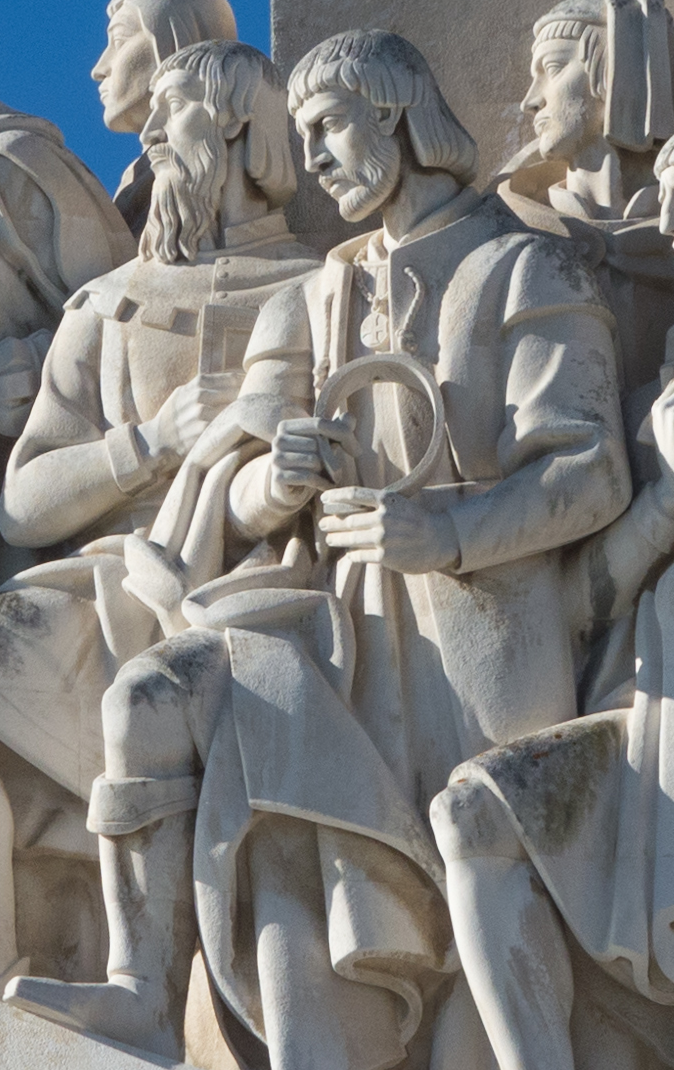 Sculpture
Secondary source
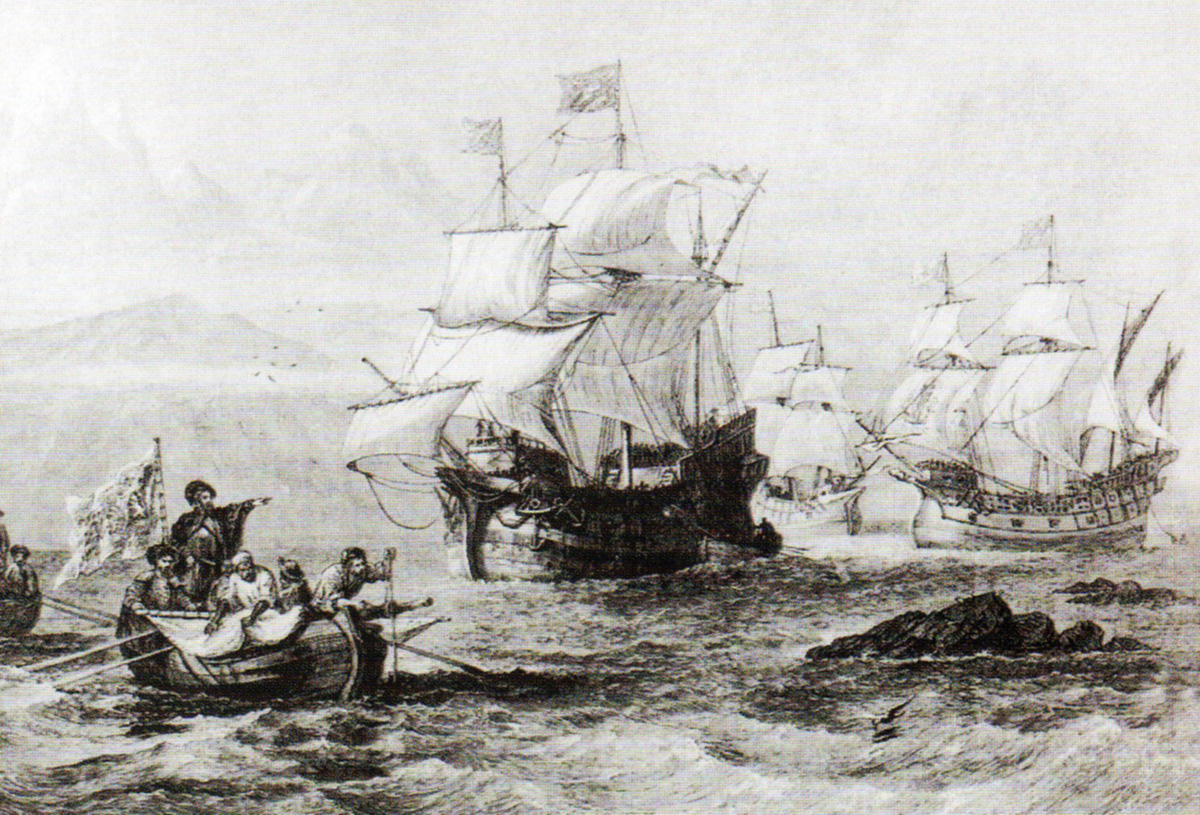 Painting
Secondary source
circa 1860
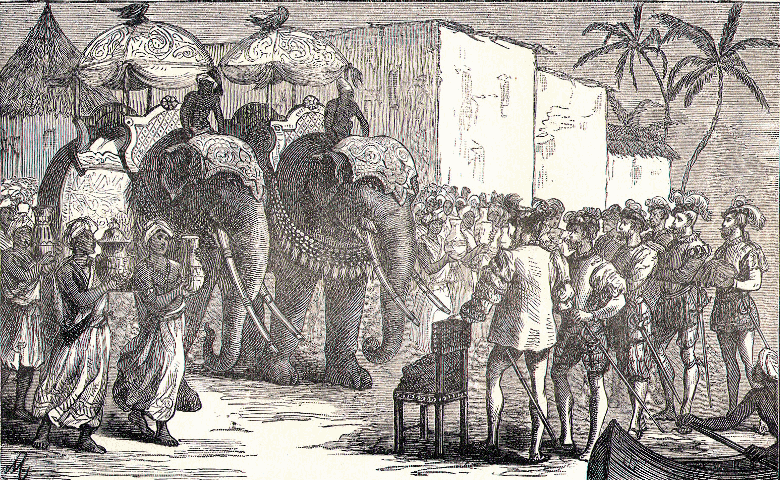 Painting
Secondary source
George M. Towle · 1879
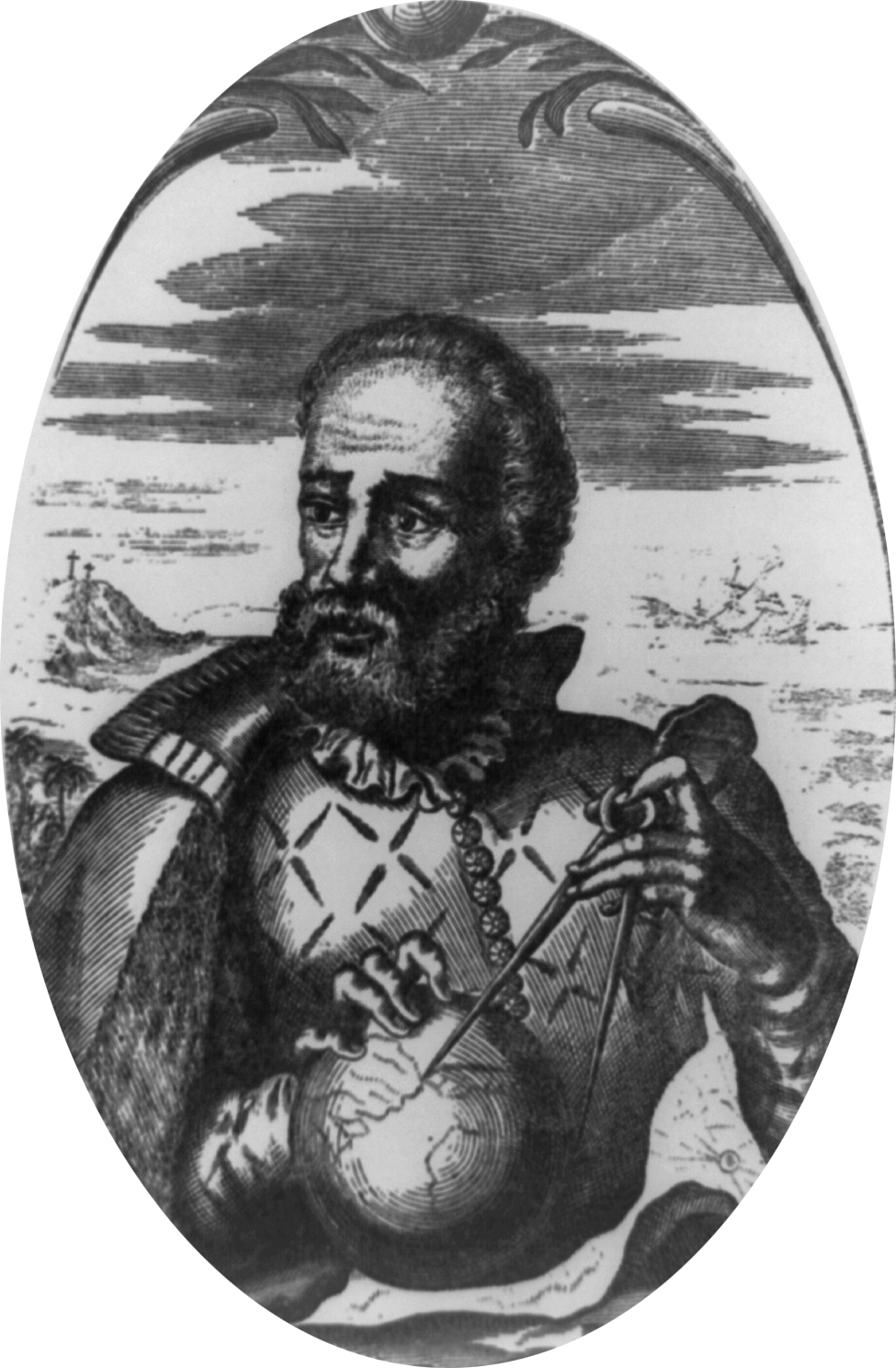 Painting
Secondary source
1886
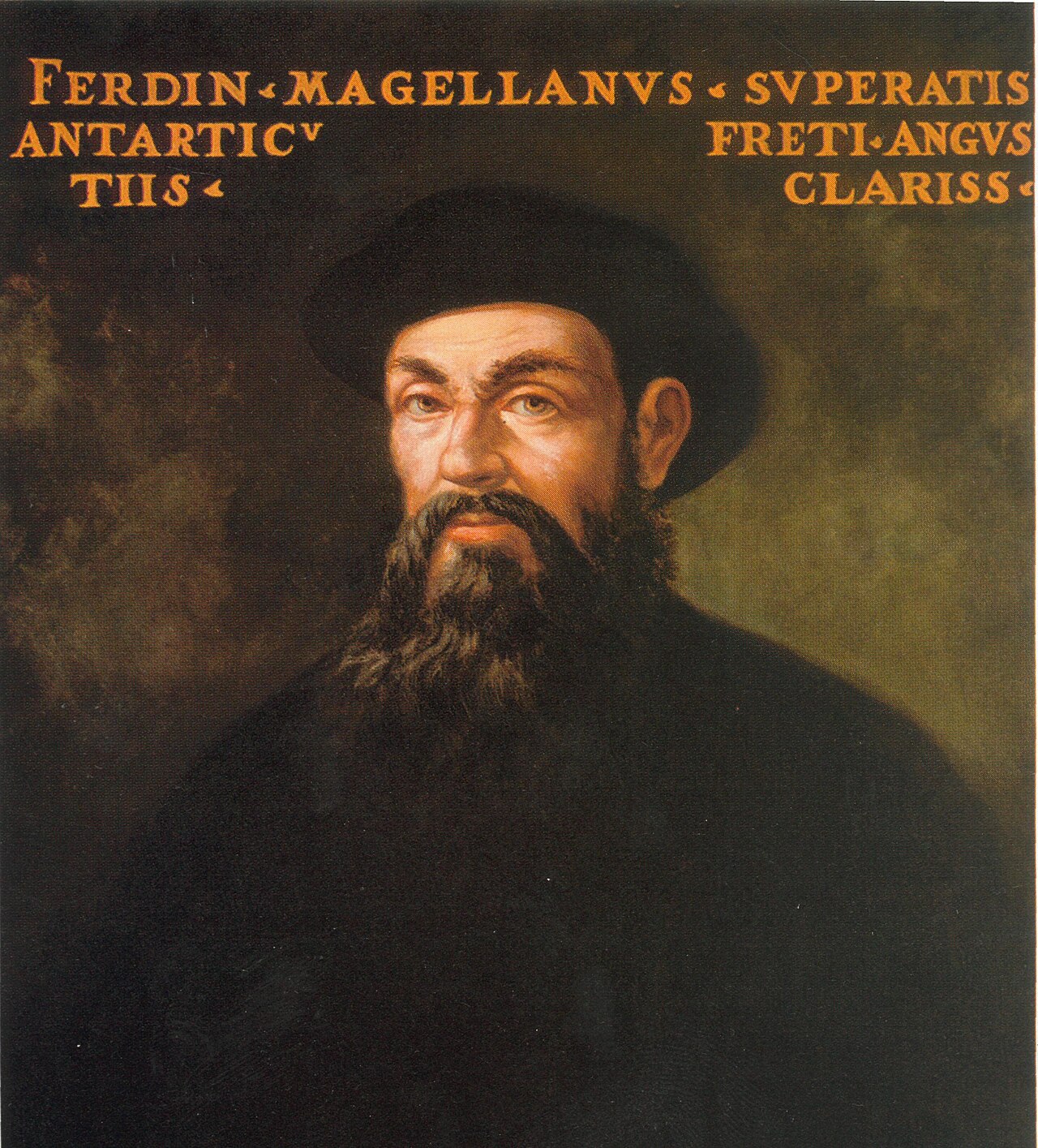 Painting
Secondary source
17th century
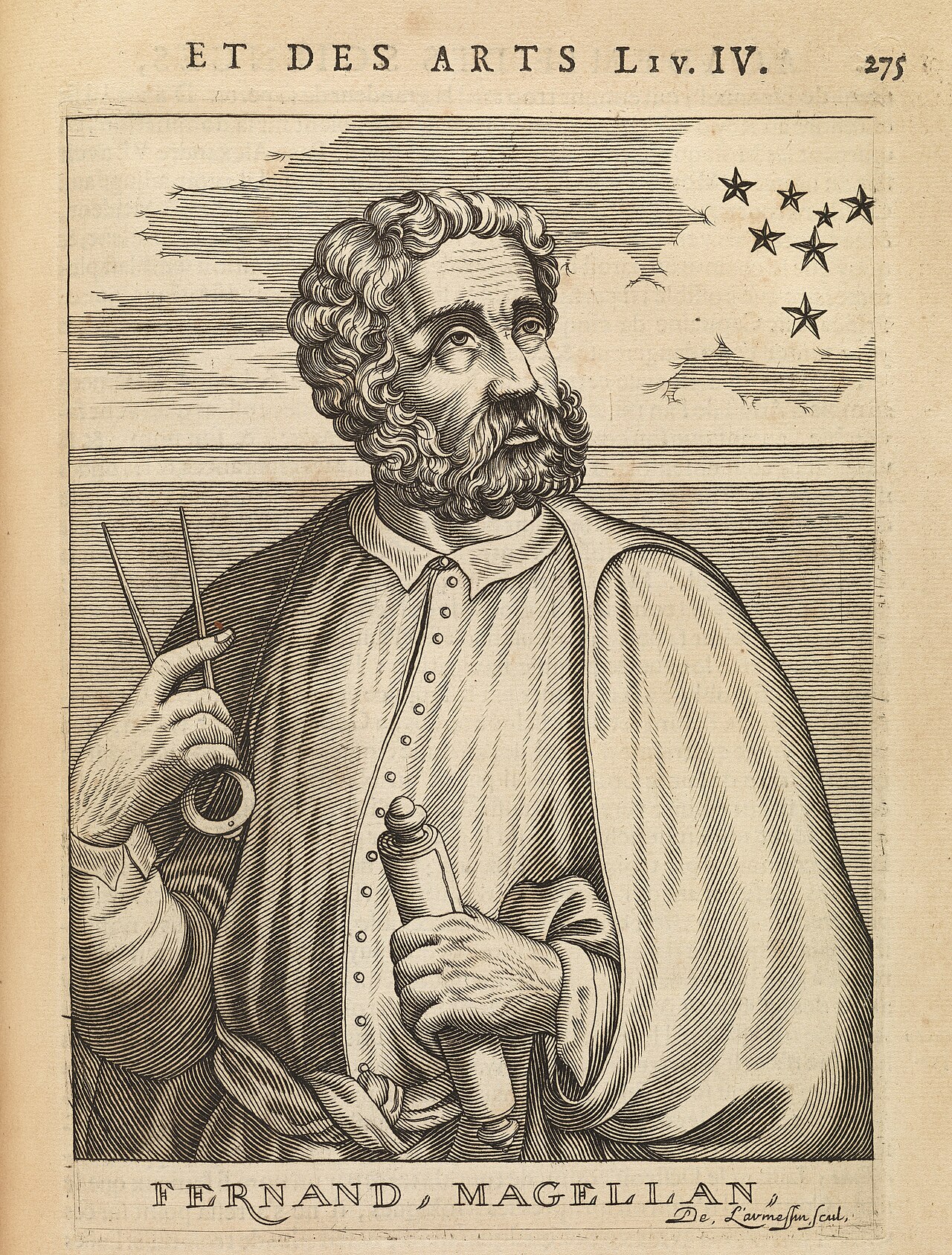 Painting
Secondary source
1682
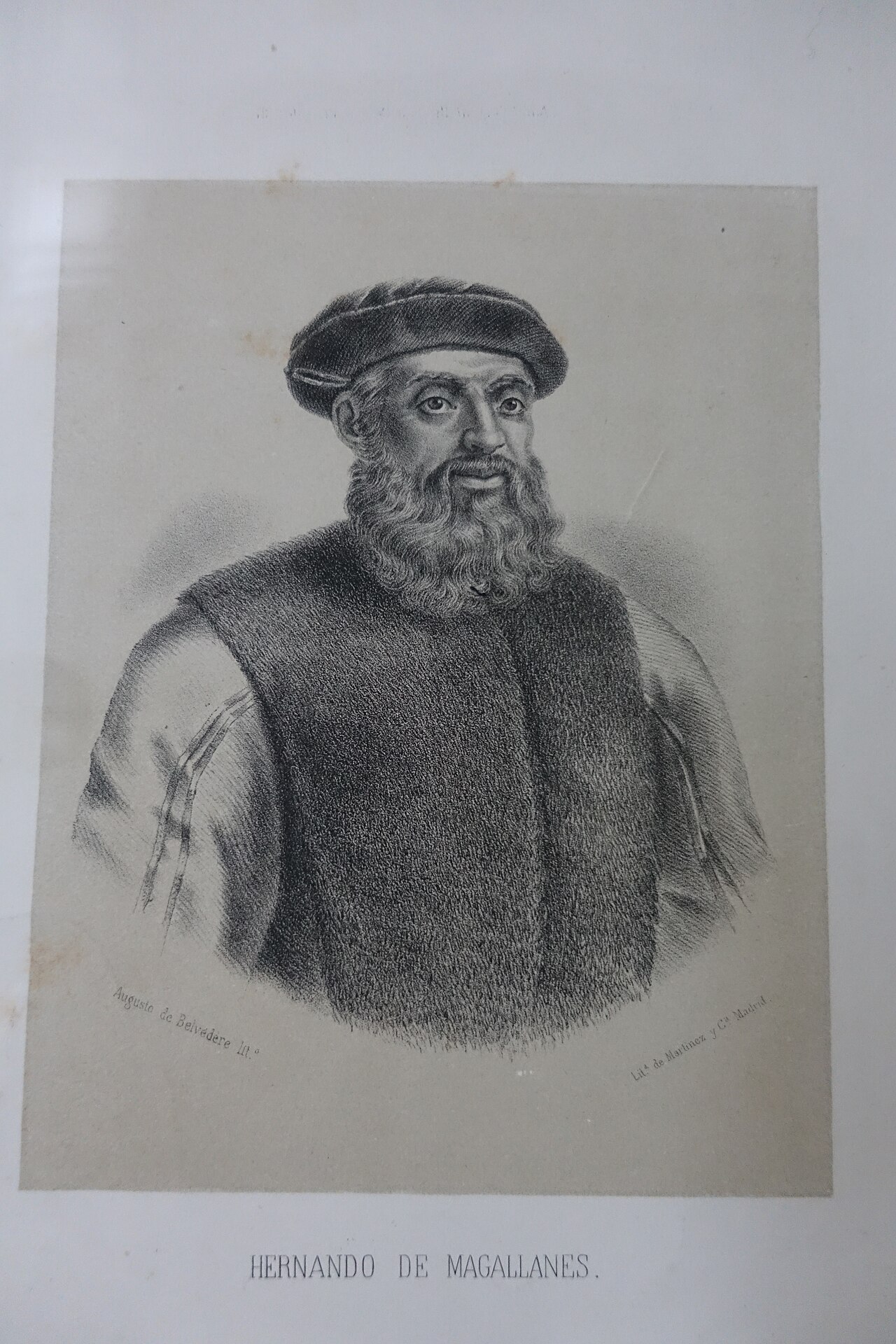 Painting
Secondary source
Augusto de Belvedere
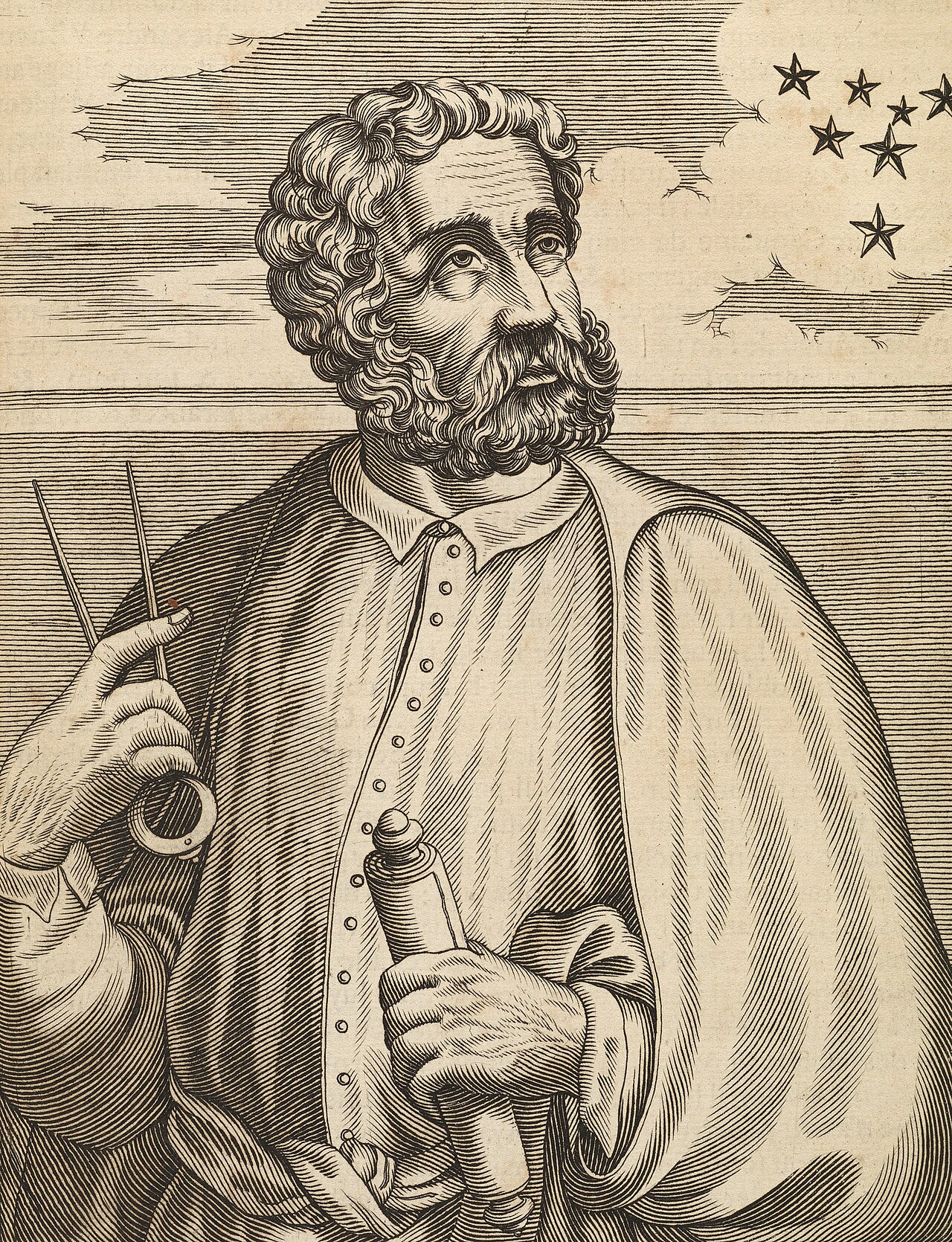 Painting
Secondary source
Isaac Bullart · 1682
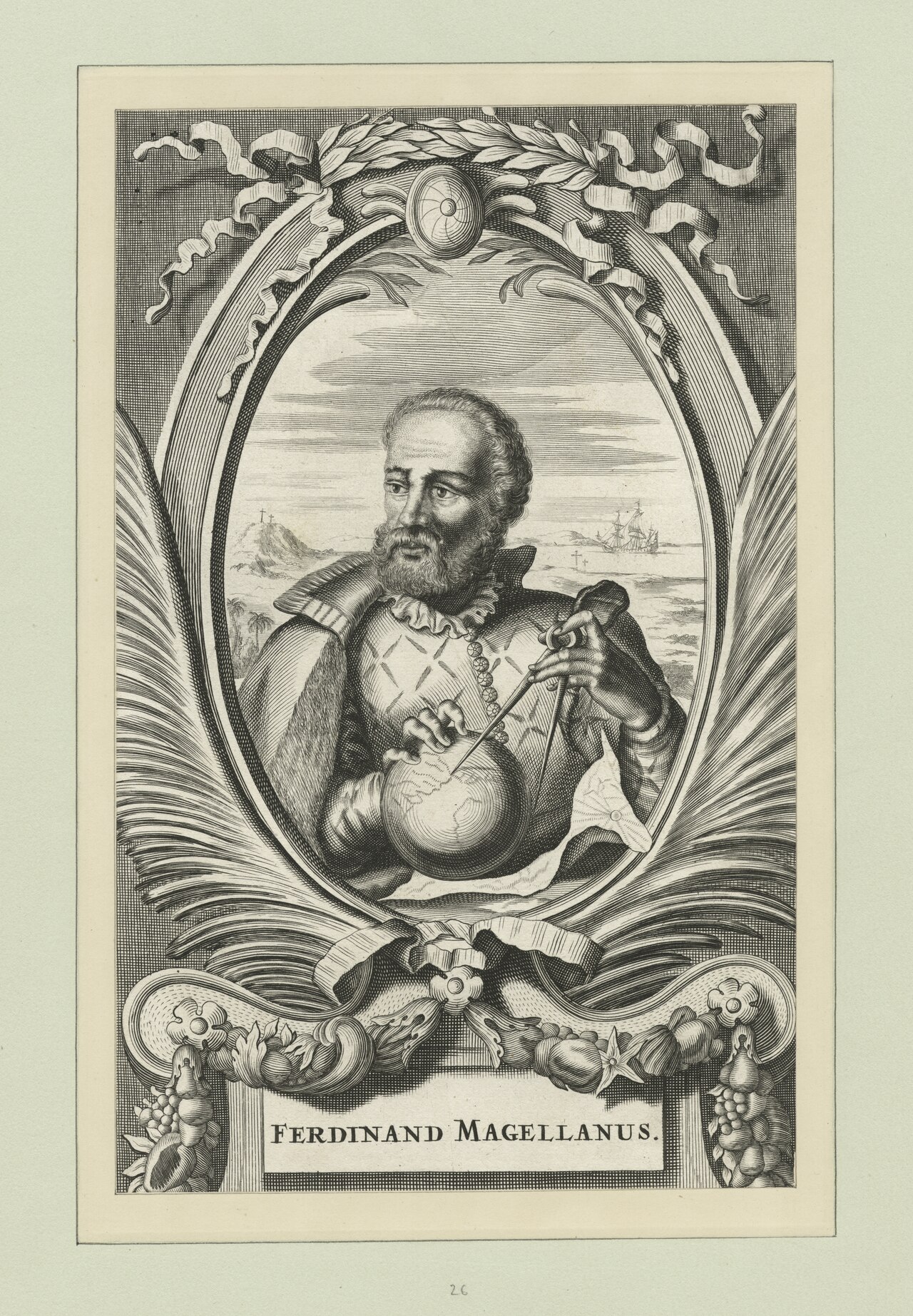 Painting
Secondary source
David McNeely Stauffer
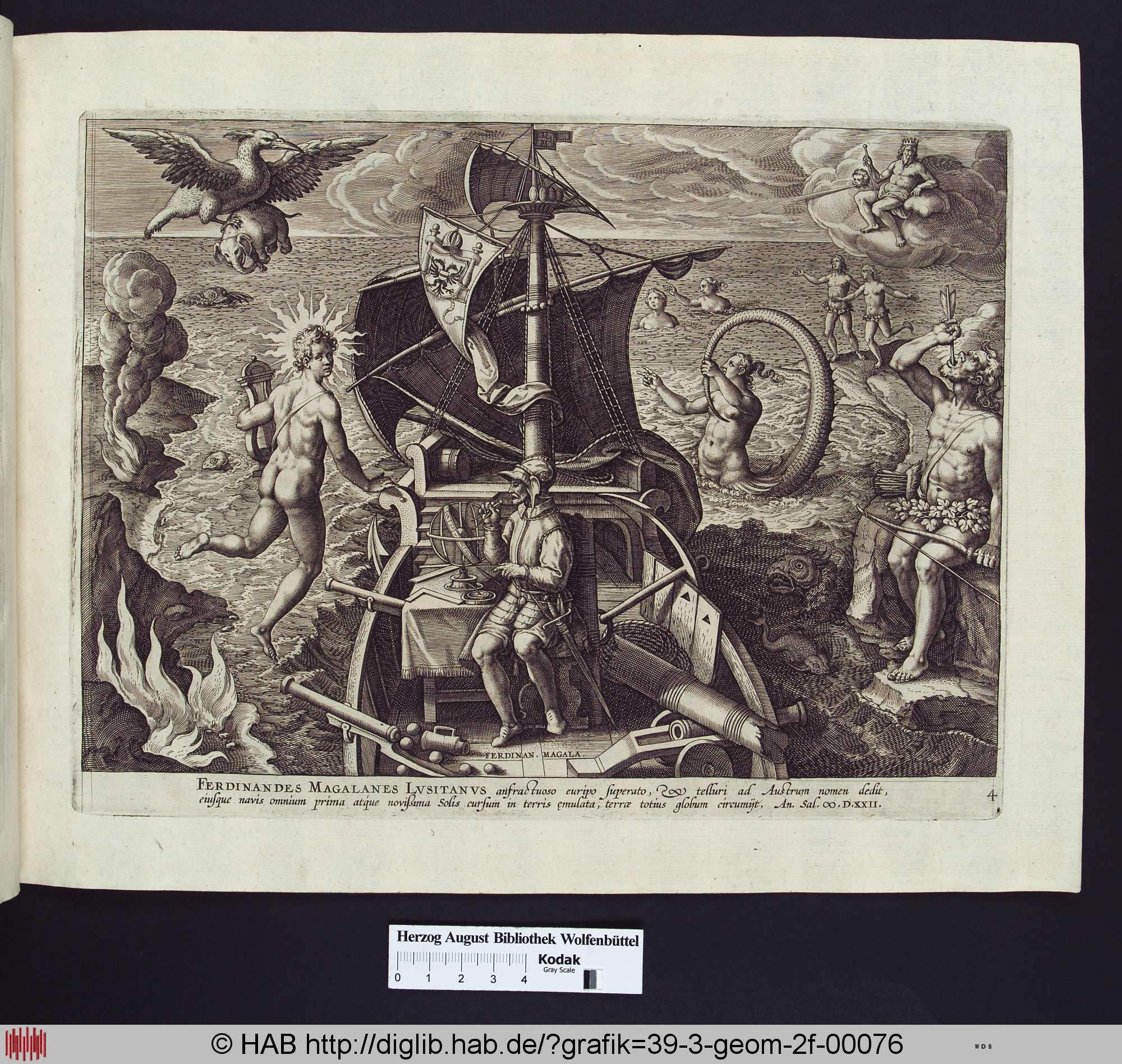 Painting
Secondary source
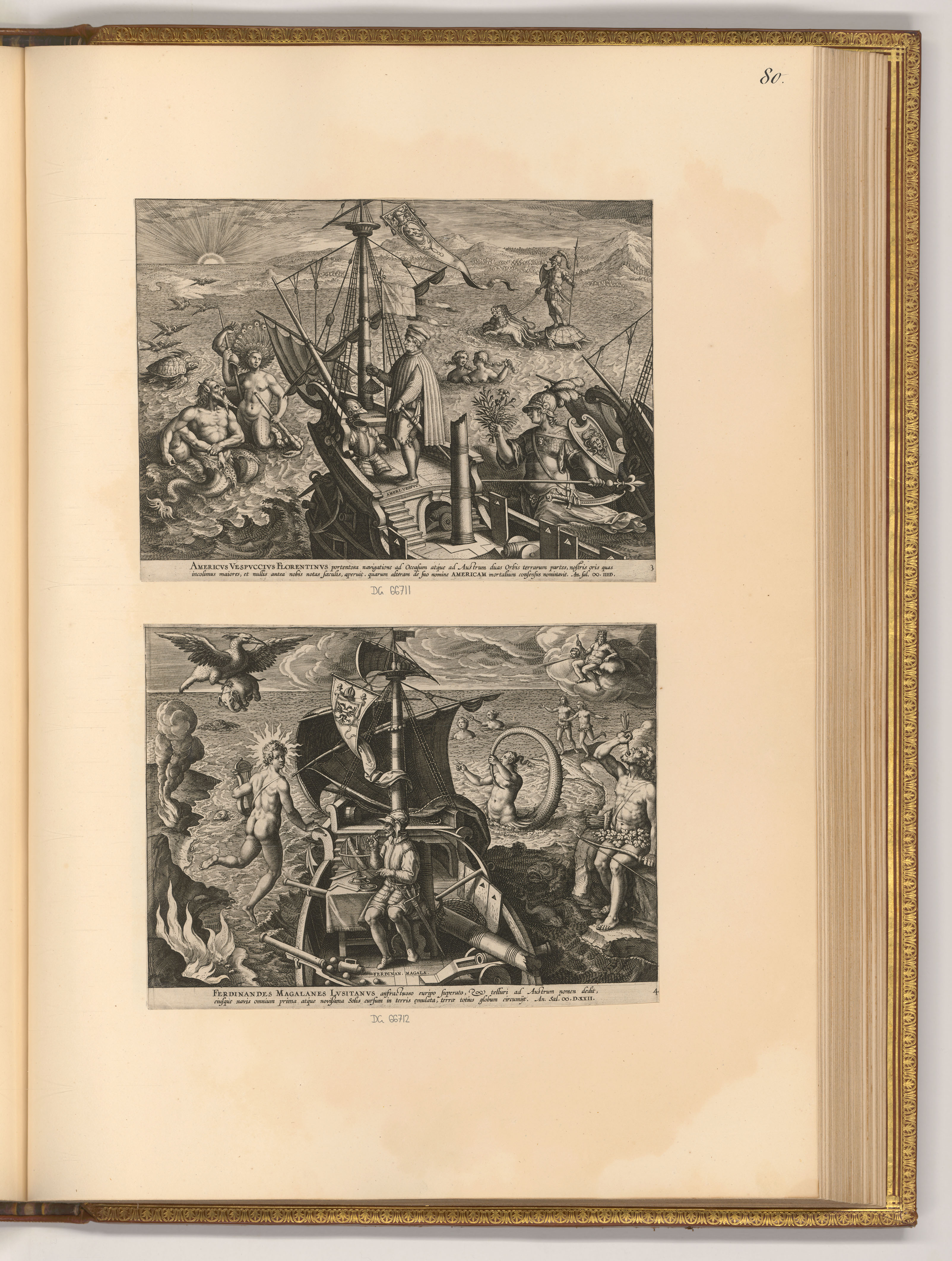 Painting
Secondary source
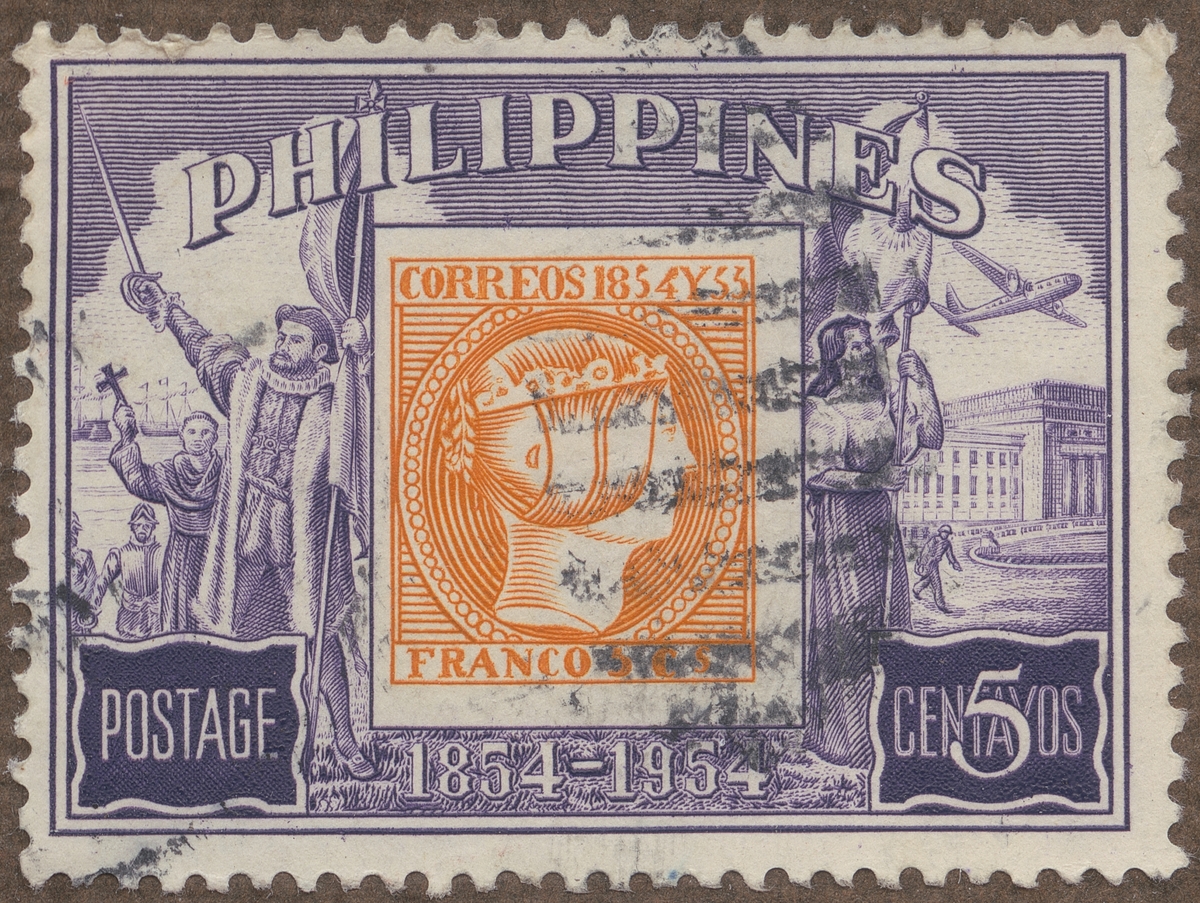 Artifact
Secondary source
1954
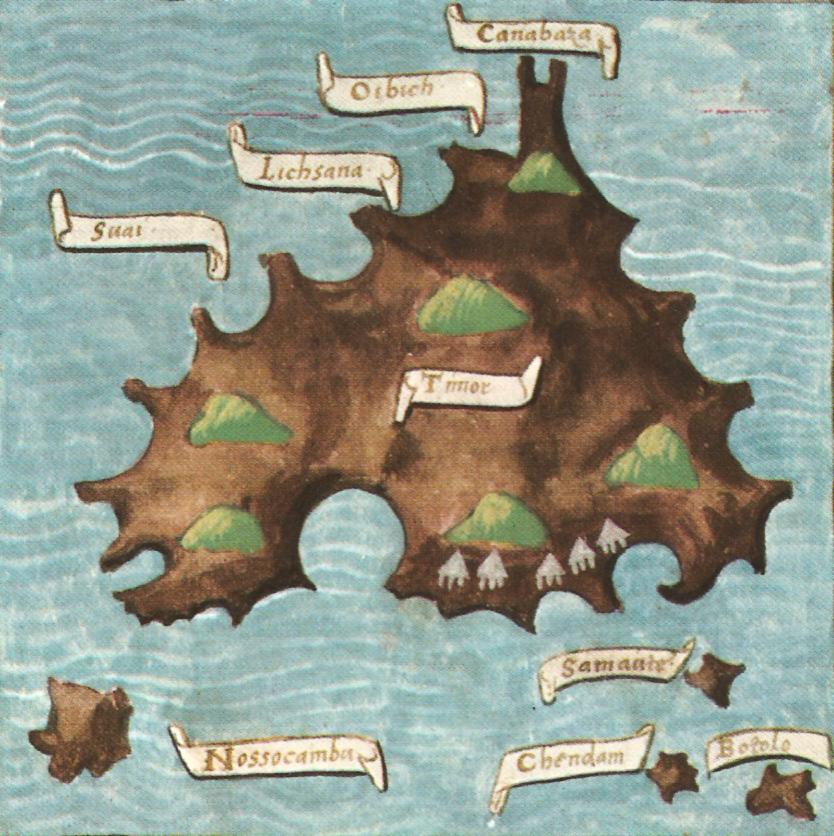 Document
Primary source
Antonio Pigafetta · 1522
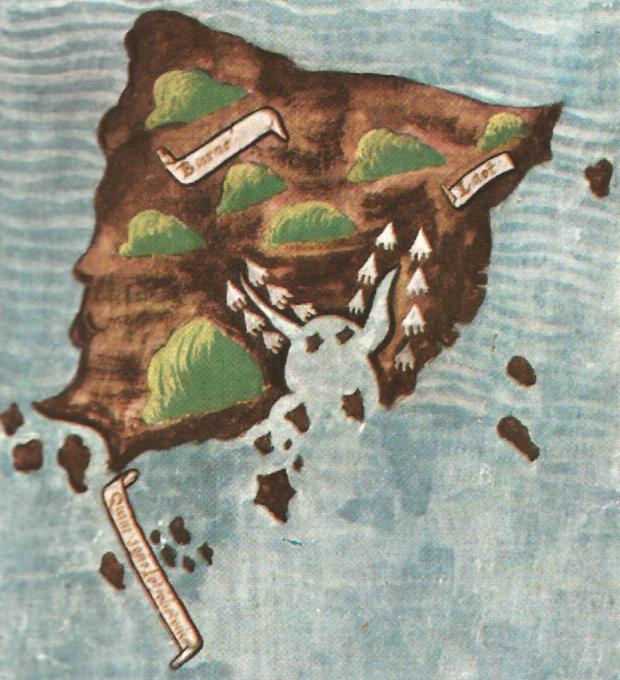 Document
Primary source
Antonio Pigafetta · 1521
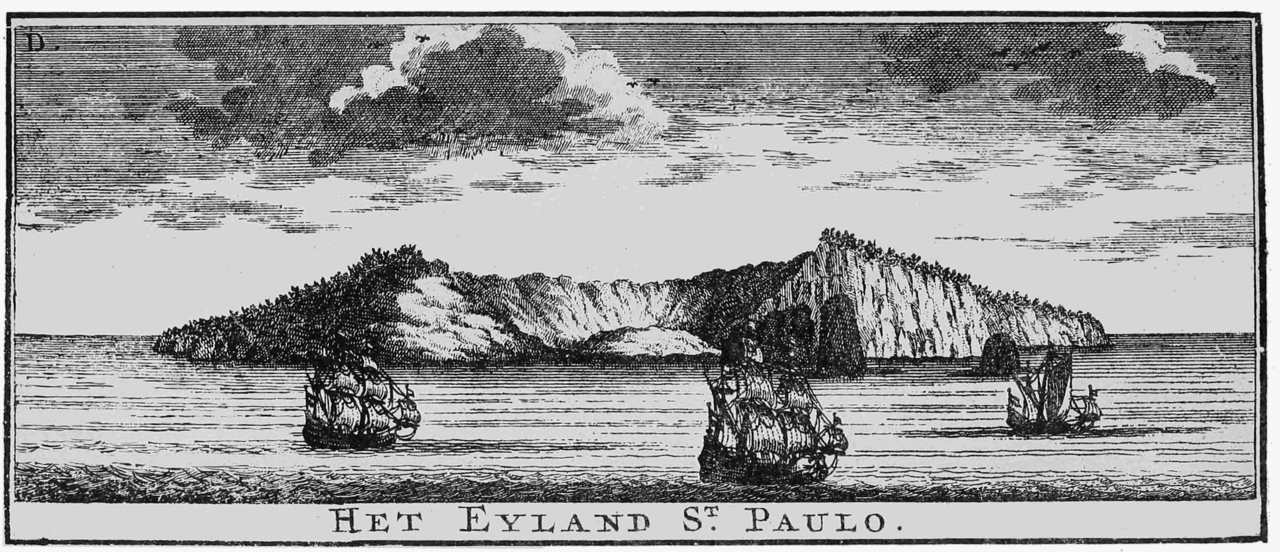 Painting
Secondary source
Henry Edward John Stanley, Baron Stanley · 1874
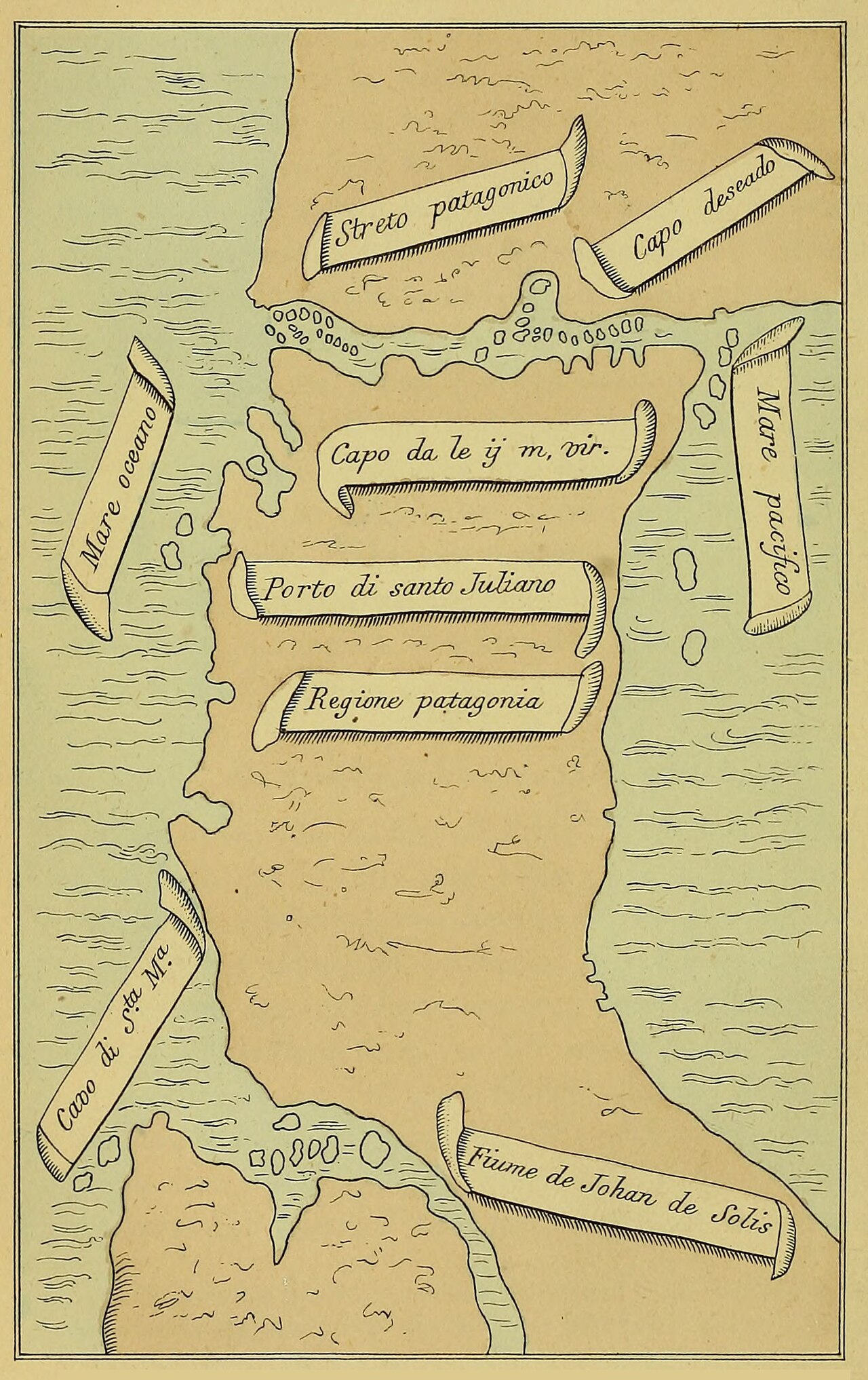 Document
Secondary source
Henry Edward John Stanley, Baron Stanley · 1874
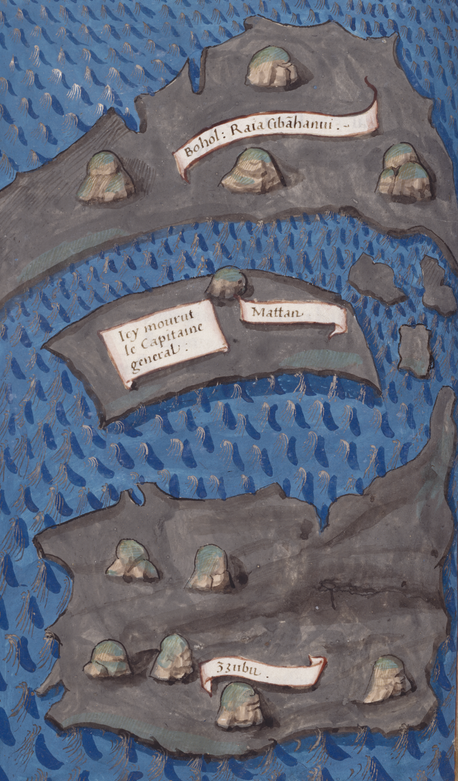 Book
Primary source
Antonio Pigafetta · 1525
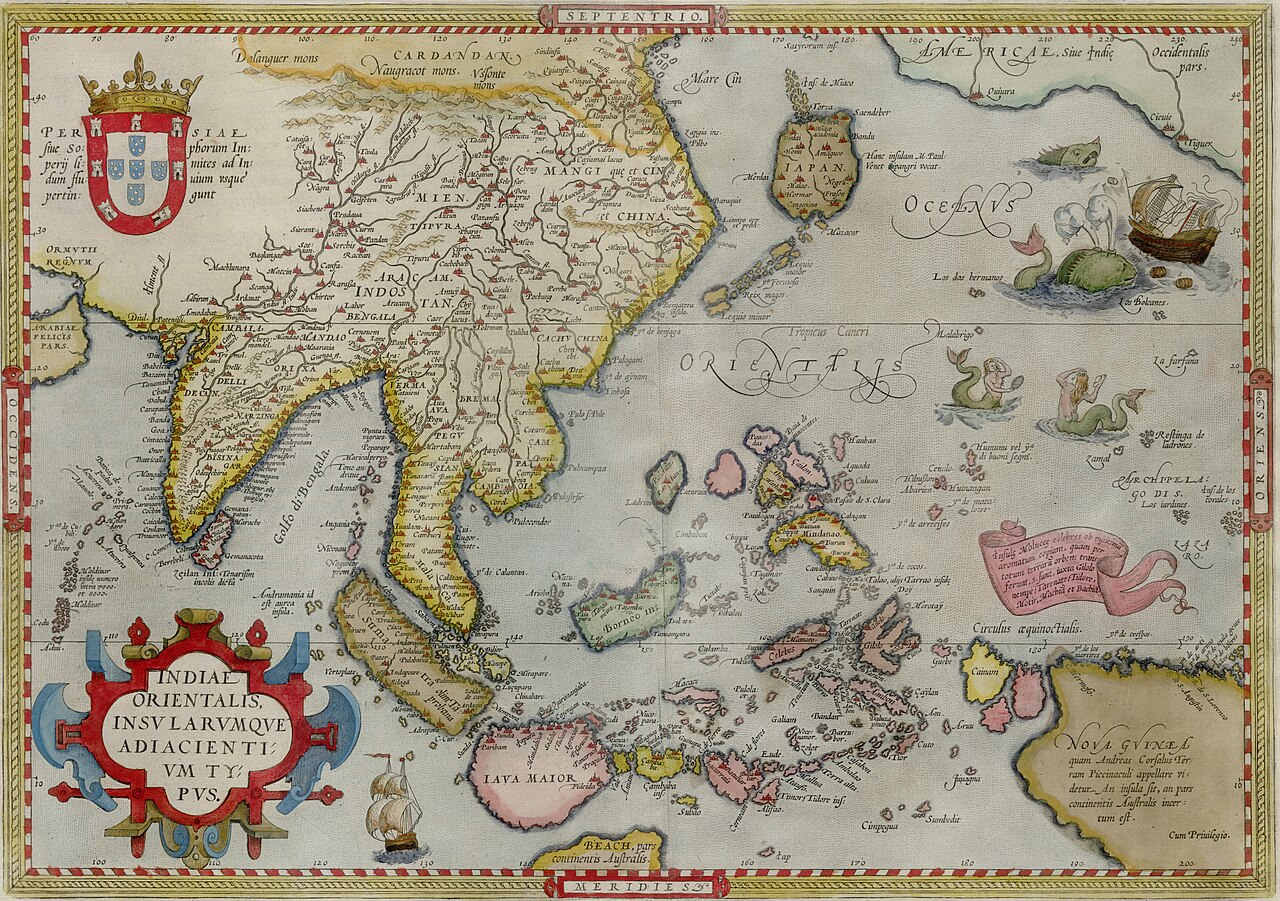 Document
Secondary source
Abraham Ortelius · 1579
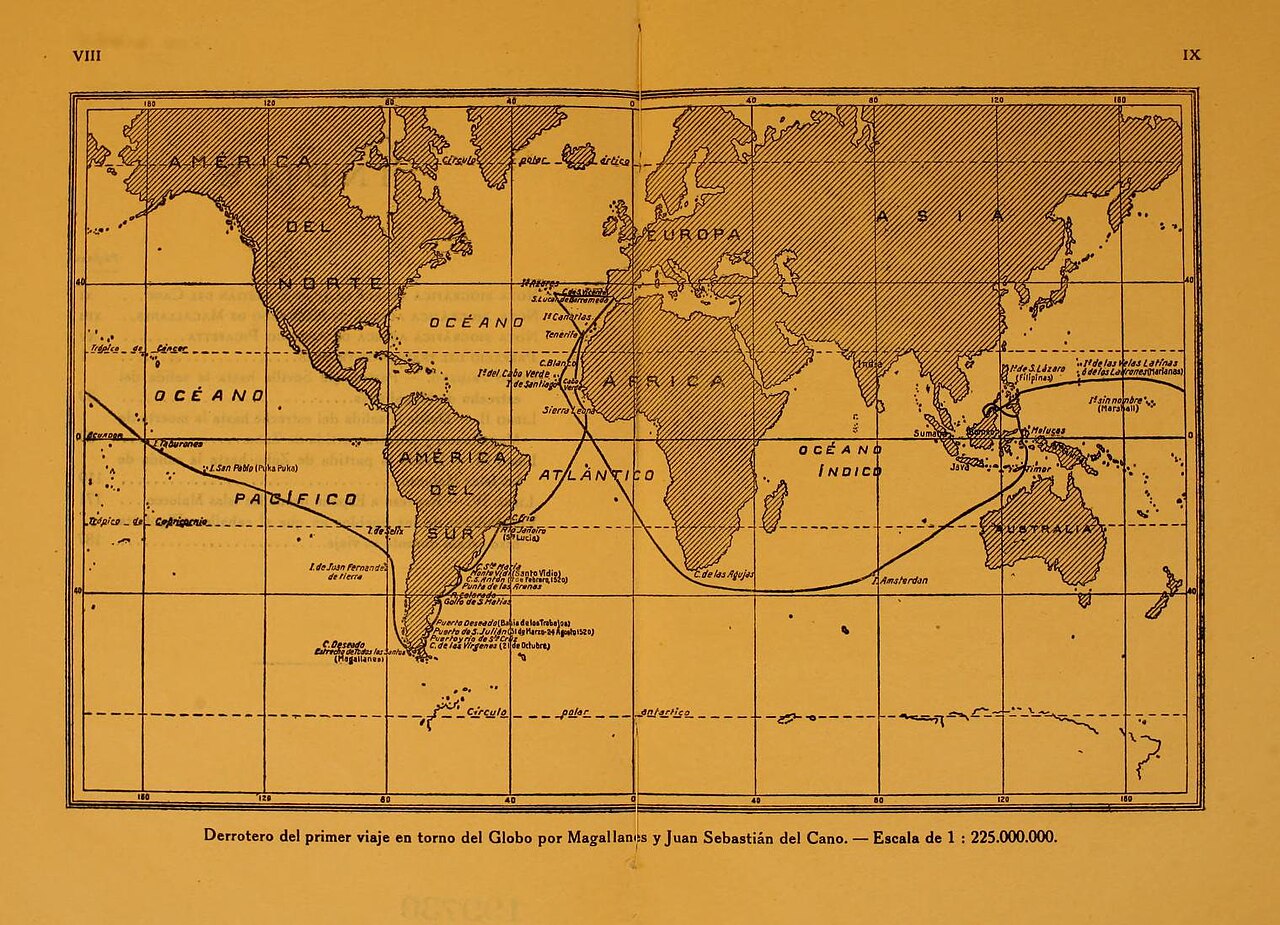 Book
Secondary source
Antonio Pigafetta · 1922
Want the full shelf? Chat with Ferdinand Magellan in the app and open the Sources panel — every quote links back to the original.
1 collection
A ready-made collection from the Humy team that features Ferdinand Magellan. Preview it, then try it free.
Paying customers



























Dr. Michael Calvert
Assistant Superintendent, South Allegheny School District, Pennsylvania
Been using Humy in his district since 2024
“We enjoyed the program last year and used it frequently.”

Jacob Chisom
World and American History, Monticello High School, Arkansas
Been using Humy in his classroom since 2024
“My students say it’s a welcome change of pace. I’m not a fan of the “sage on the stage” model, so I try to incorporate research-oriented and self-paced activities. With Humy, students have to take charge of their learning. They’ve become more adept at critical thinking, forming better questions, and improving their reading comprehension. The interview feature has been my go-to tool. I create assignments where students must ask historical figures a set number of questions, then summarize the responses to ensure they’re truly absorbing the material. This approach lets them actively explore the past rather than passively consuming information.”
Roger Campbell
7th-grade World History, Lancaster County, Pennsylvania
Been using Humy in his classroom since 2024
“Humy has helped me bring historical figures, sometimes long past, to life. When my students interact with these figures in real-time, it eliminates some of the perceived “ancient” characteristics of my curriculum. This has shifted my students’ thinking away from viewing history as abstract or irrelevant. Real-time interactions make historical figures relatable, even allowing students to ask off-topic questions that help put historical lives in a more relevant context for 13-year-olds. The feature I use the most is the interview feature. After teaching a topic, most recently Gandhi and Joan of Arc, I have the students ask pointed, focused questions. We practice good conversation techniques beforehand, teaching them to listen (or read) carefully and formulate thoughtful follow-up questions rather than just interrogating. It helps students practice effective conversation skills.”
Dr. Michael Calvert
Assistant Superintendent, South Allegheny School District, Pennsylvania
Been using Humy in his district since 2024
“We enjoyed the program last year and used it frequently.”
Jacob Chisom
World and American History, Monticello High School, Arkansas
Been using Humy in his classroom since 2024
“My students say it’s a welcome change of pace. I’m not a fan of the “sage on the stage” model, so I try to incorporate research-oriented and self-paced activities. With Humy, students have to take charge of their learning. They’ve become more adept at critical thinking, forming better questions, and improving their reading comprehension. The interview feature has been my go-to tool. I create assignments where students must ask historical figures a set number of questions, then summarize the responses to ensure they’re truly absorbing the material. This approach lets them actively explore the past rather than passively consuming information.”
Roger Campbell
7th-grade World History, Lancaster County, Pennsylvania
Been using Humy in his classroom since 2024
“Humy has helped me bring historical figures, sometimes long past, to life. When my students interact with these figures in real-time, it eliminates some of the perceived “ancient” characteristics of my curriculum. This has shifted my students’ thinking away from viewing history as abstract or irrelevant. Real-time interactions make historical figures relatable, even allowing students to ask off-topic questions that help put historical lives in a more relevant context for 13-year-olds. The feature I use the most is the interview feature. After teaching a topic, most recently Gandhi and Joan of Arc, I have the students ask pointed, focused questions. We practice good conversation techniques beforehand, teaching them to listen (or read) carefully and formulate thoughtful follow-up questions rather than just interrogating. It helps students practice effective conversation skills.”
FAQ
Like any LLM, the AI version of Ferdinand Magellan can get details wrong. Open one of these sources in a new tab to verify what you’ve read.

Spanish conquistador who led the conquest of the Inca Empire in Peru.

Spanish conquistador who led the expedition that caused the fall of the Aztec Empire in Mexico.

Spanish Conquistador, Explorer, Pioneer.

British explorer and cartographer known for his voyages to the Pacific Ocean.

A Spanish conquistador and explorer

An English explorer and privateer best known for his circumnavigation of the world in a single expedition between 1577 and 1580.
Ready when you are
20 messages free · No credit card · Available in 50+ languages.