





Dr. Michael Calvert
Assistant Superintendent, South Allegheny School District, Pennsylvania
Been using Humy in his district since 2024
“We enjoyed the program last year and used it frequently.”

AI Historical Figure
An English explorer and privateer best known for his circumnavigation of the world in a single expedition between 1577 and 1580.
Chat with Sir Francis Drake via text or voice — in 42 languages, drawing on a curated biography and 98 historical sources. Available 24/7.

Sir Francis Drake
Online · responds in seconds
Hello — I'm Sir Francis Drake. An English explorer and privateer best known for his circumnavigation of the world in a single expedition between 1577 and 1580. What would you like to ask me?
20 messages free · No credit card · Powered by Humy.ai
Live preview · Switch between 42 languages above · Send a message to continue in the app
Multilingual
Ask Sir Francis Drake questions in any language below, and the rest of Humy's app speaks it too. Pick yours to open the chat in that language.
Also in German (Austria), German (Switzerland), English (UK), English (Australia), English (Canada).
98 sources · 51 paintings · 21 books · 11 documents · 10 artifacts · 2 sculptures · 2 photographs · 1 newspaper article
Sir Francis Drake doesn’t improvise from thin air. The AI is grounded in 98 curated historical sources students can inspect. Open any of them to see what informs the conversation.
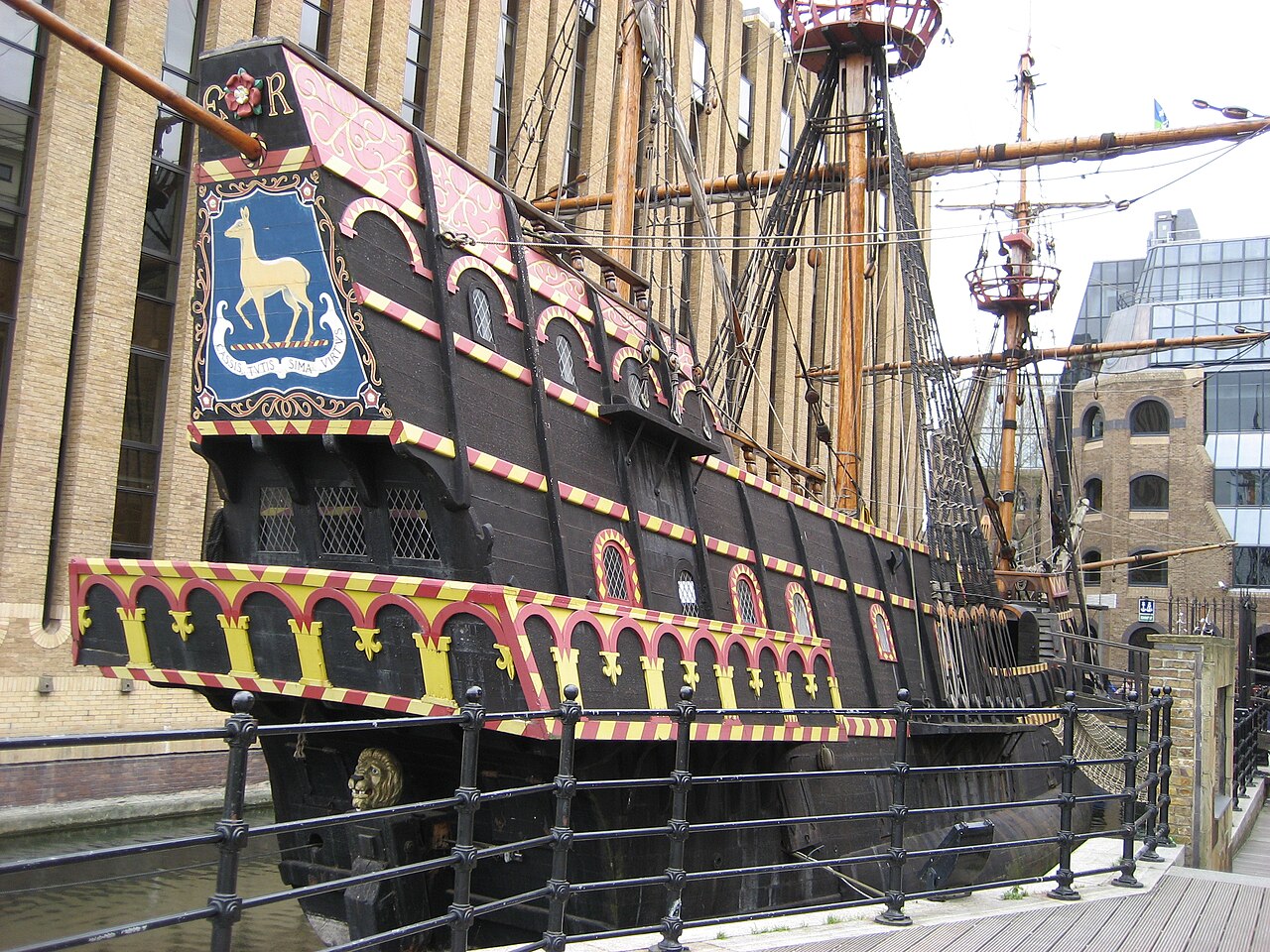 Artifact
Secondary source
1575 (as Pelican); renamed 1578
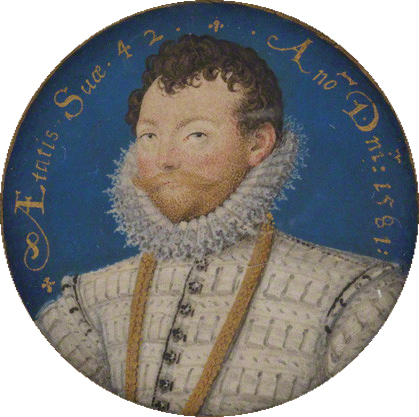 Painting
Primary source
Nicholas Hilliard · 1581
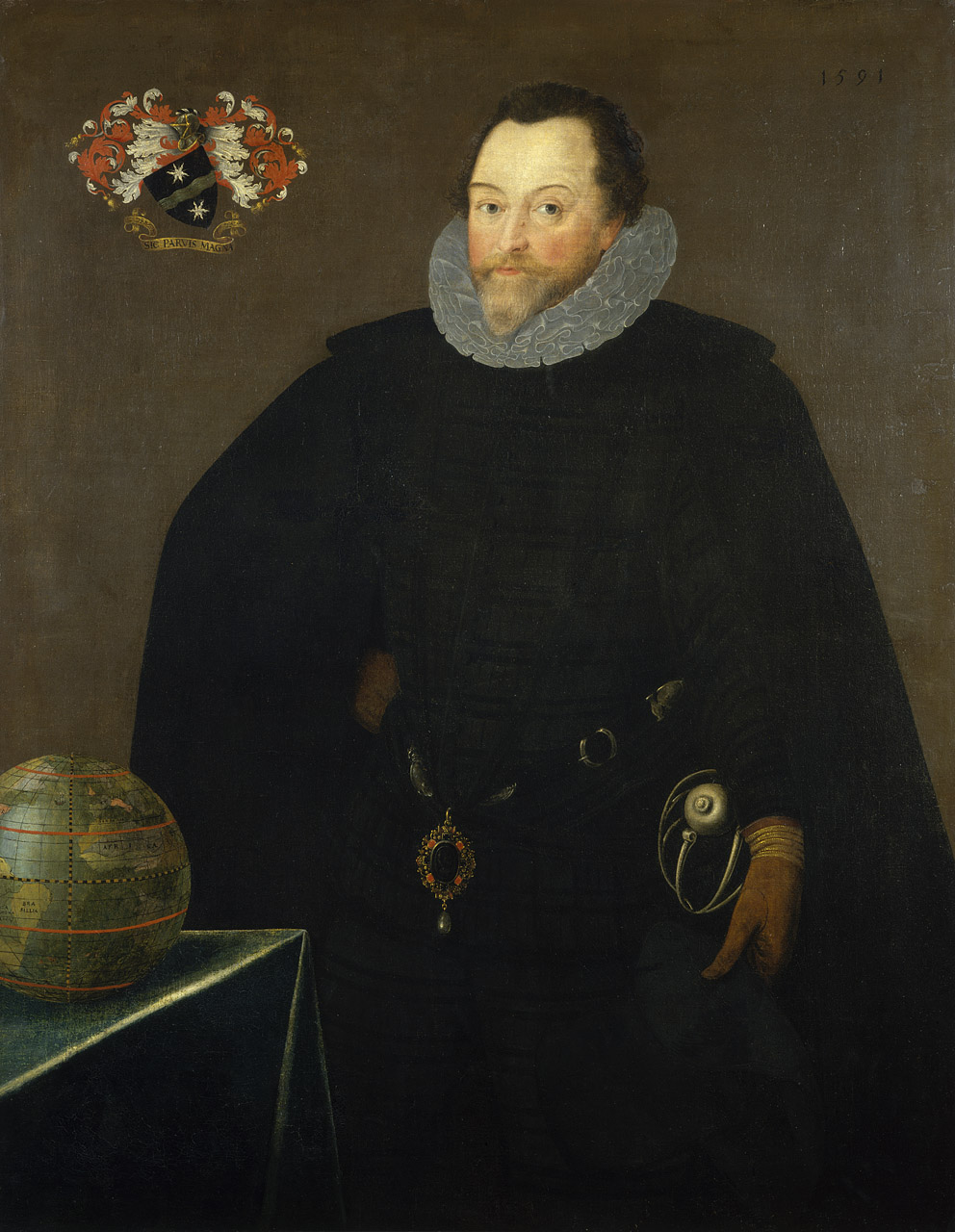 Painting
Primary source
Marcus Gheeraerts the Younger · 1591
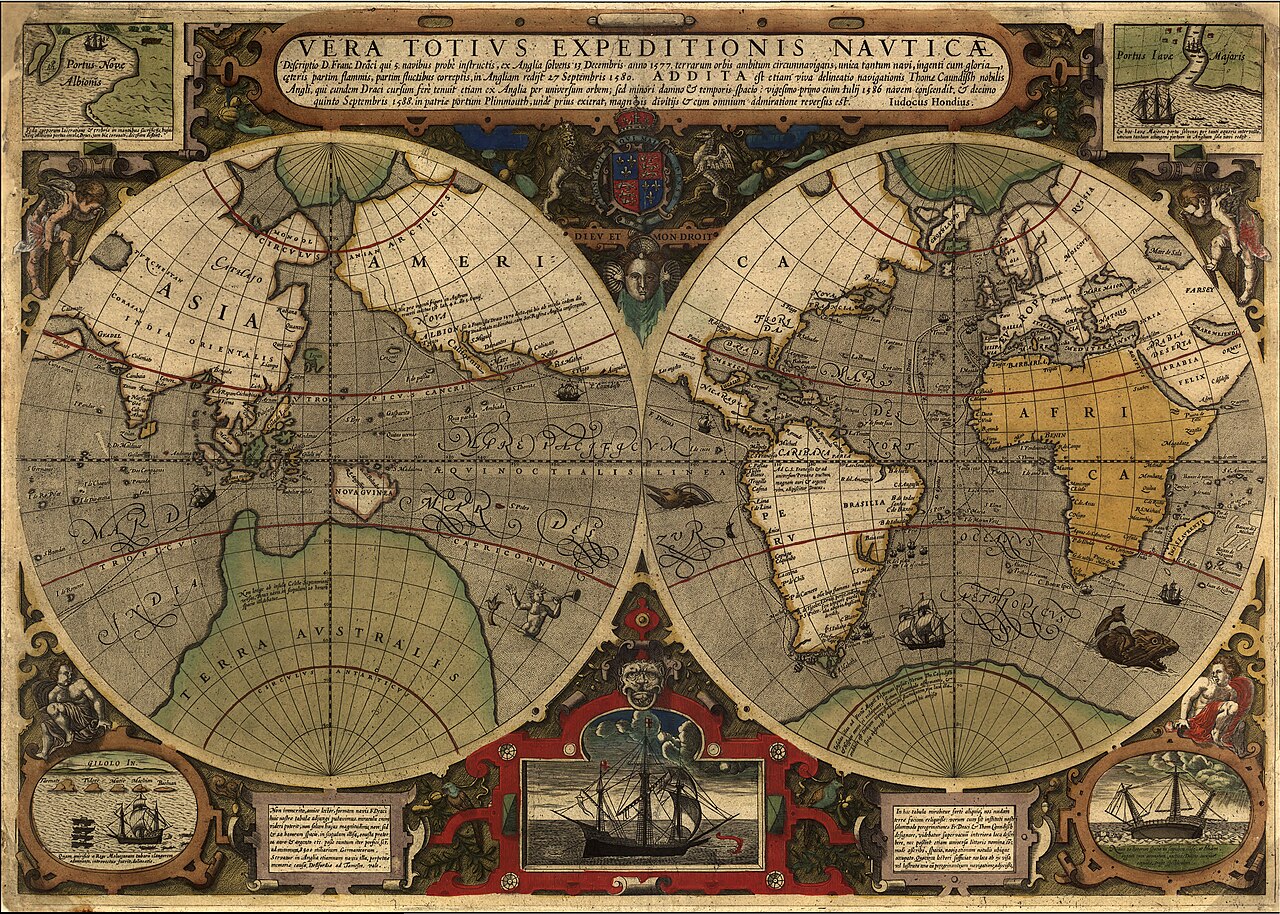 Document
Secondary source
Jodocus Hondius I · 1595
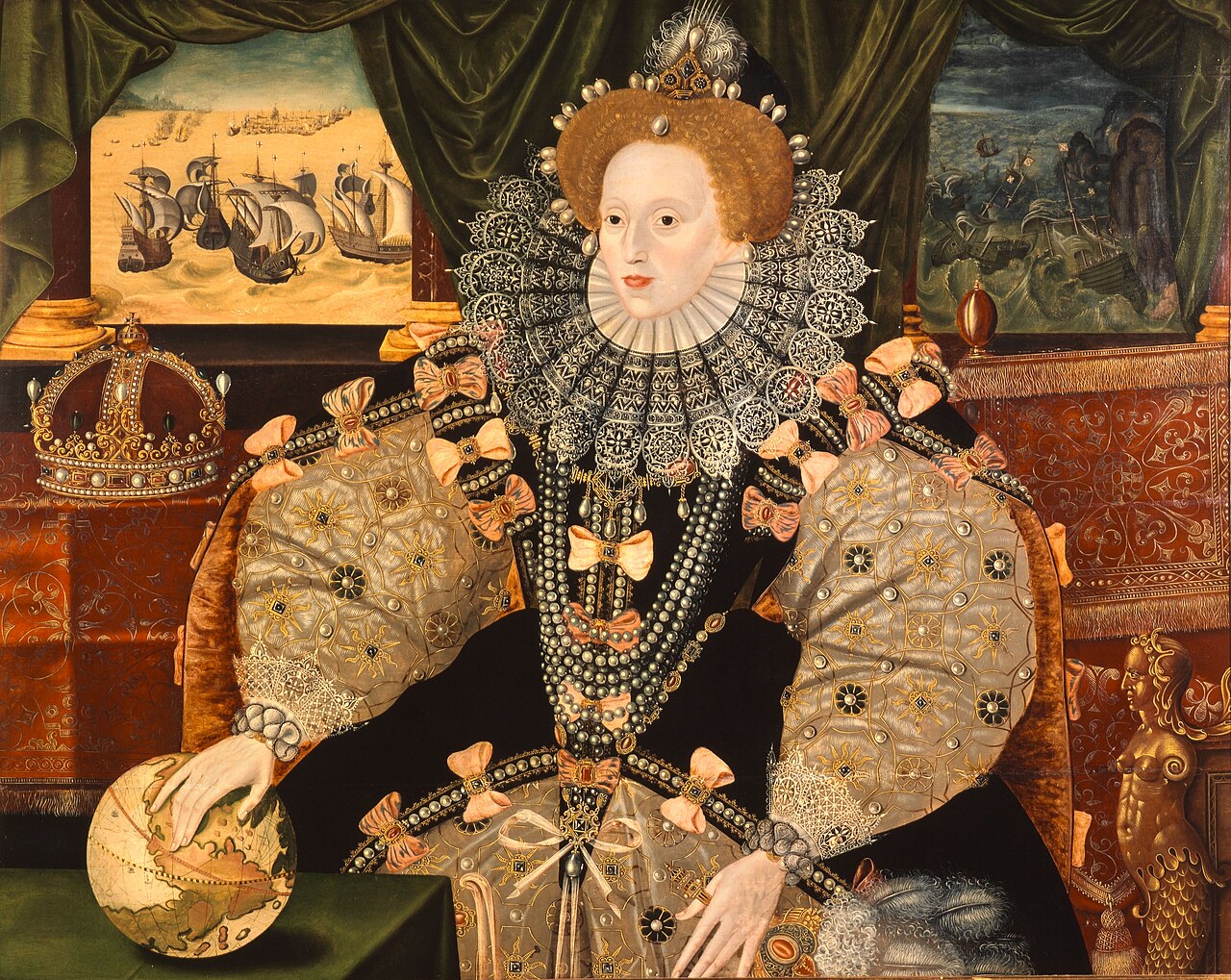 Painting
Primary source
Unknown English artist · 1588
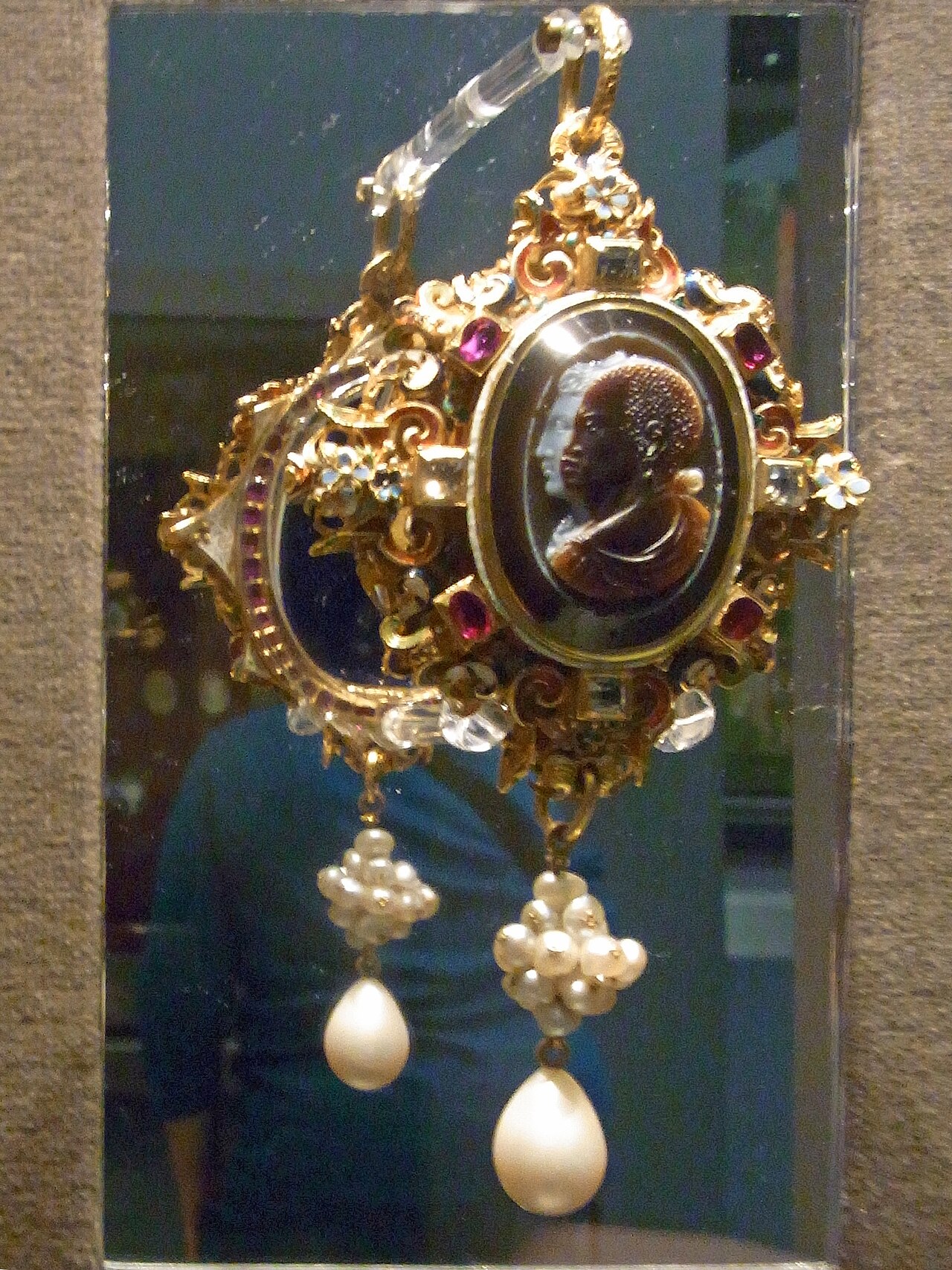 Artifact
Primary source
Nicholas Hilliard (miniatures); unknown goldsmith · c. 1586-88
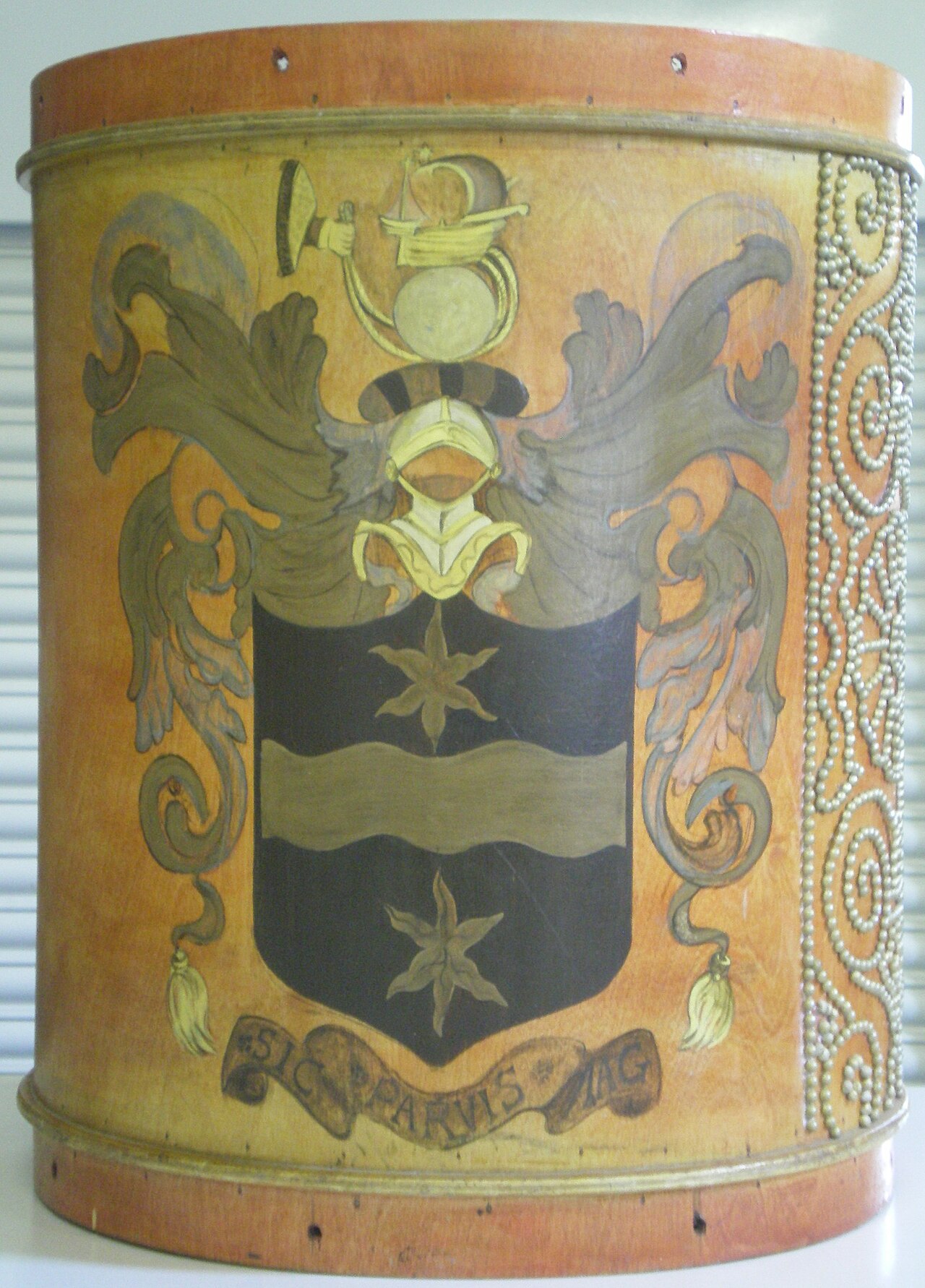 Artifact
Secondary source
16th century
 Book
Secondary source
Francis Fletcher (compiled by Drake's nephew) · 1628
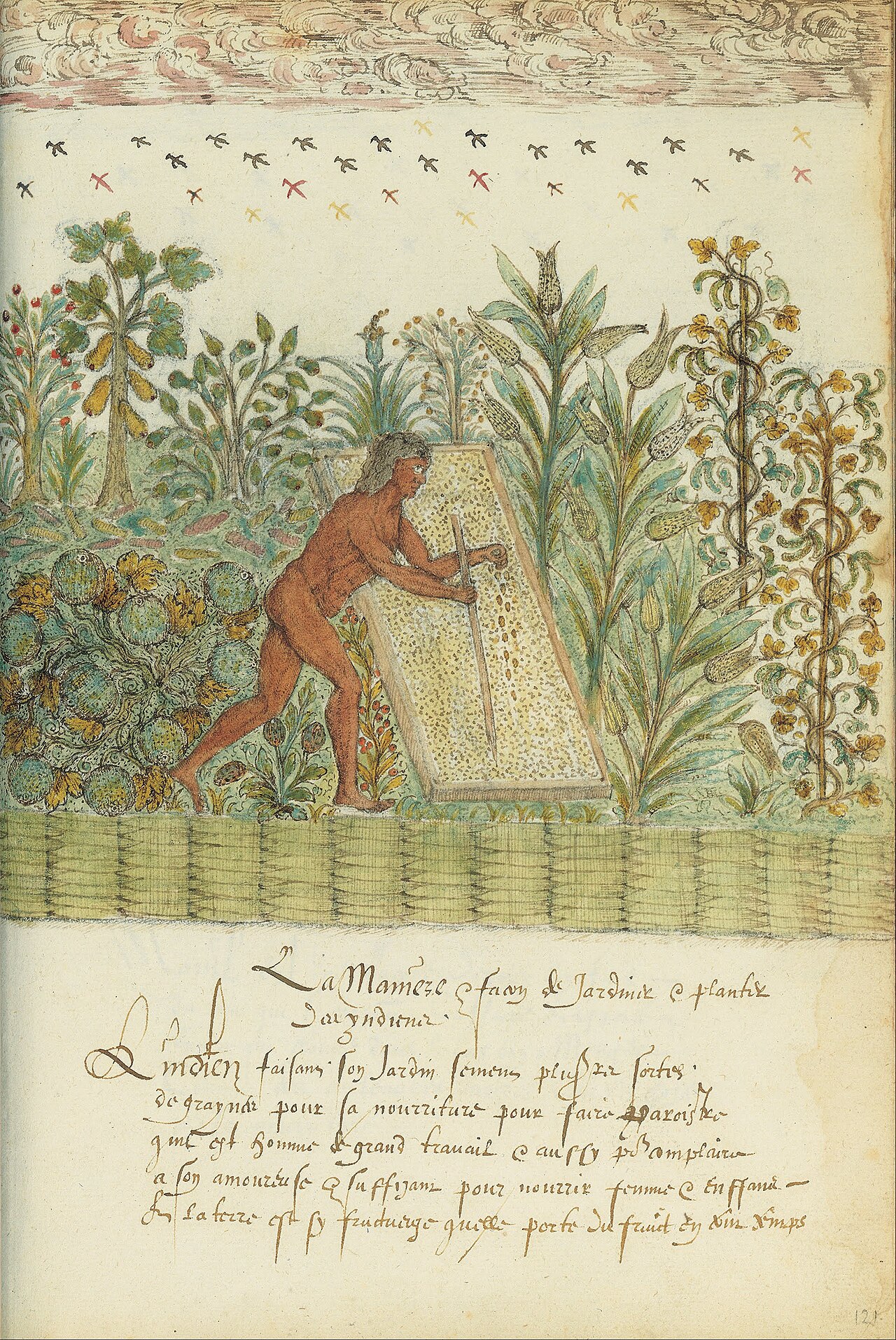 Painting
Secondary source
Unknown French artist · c. 1586
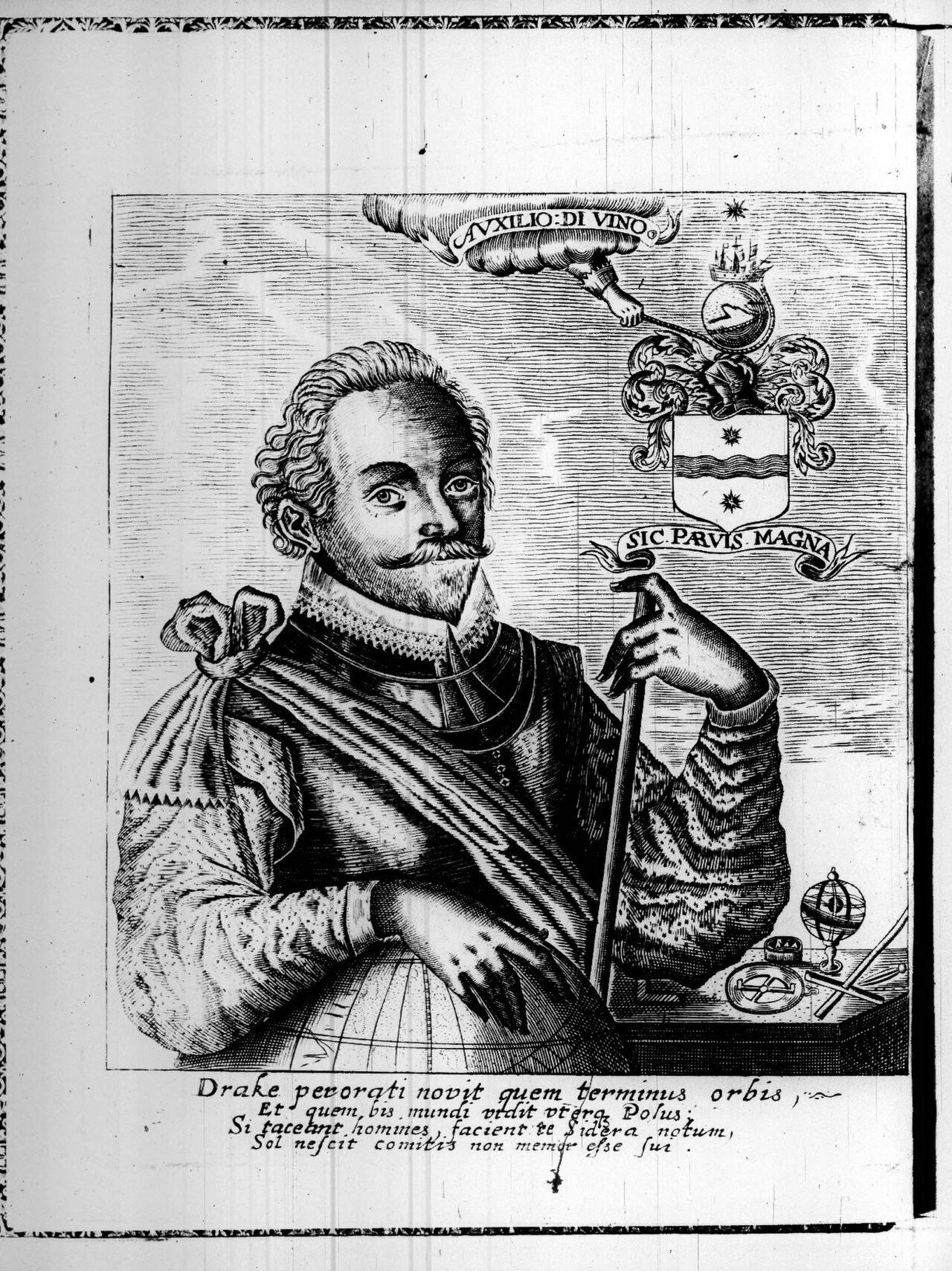 Book
Secondary source
Philip Nichols · 1626
 Book
Primary source
Walter Bigges · 1589
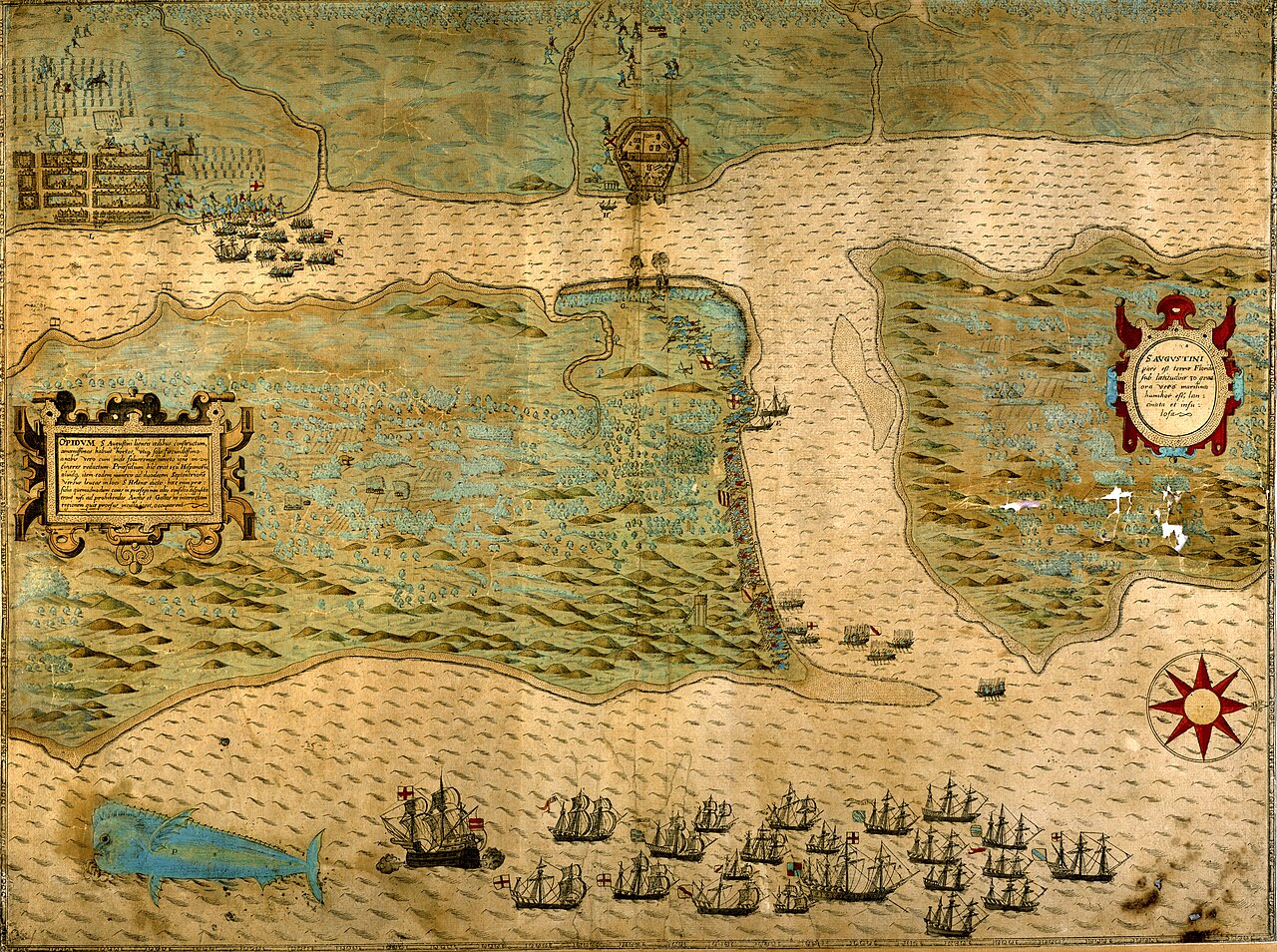 Document
Primary source
Baptista Boazio · 1589
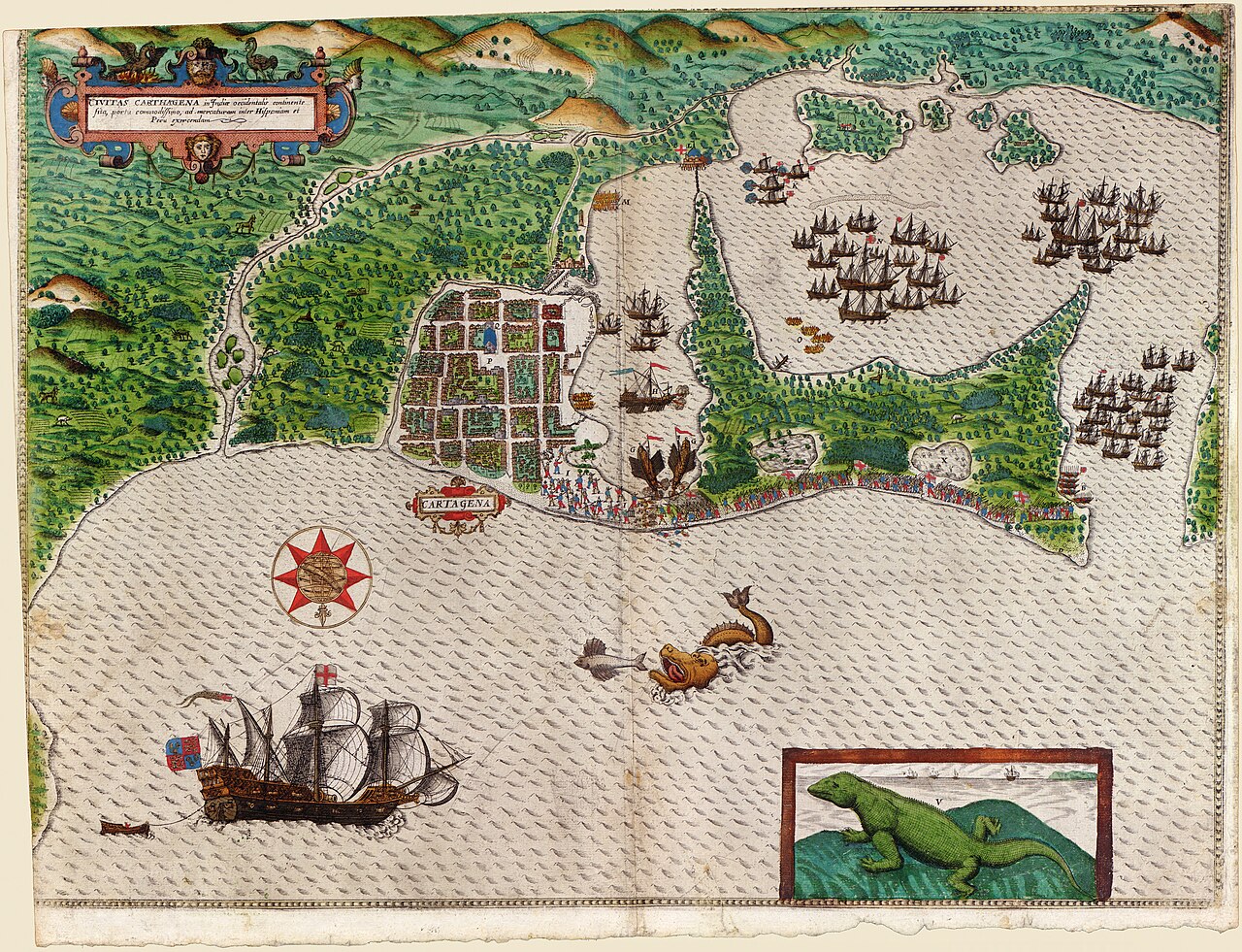 Document
Primary source
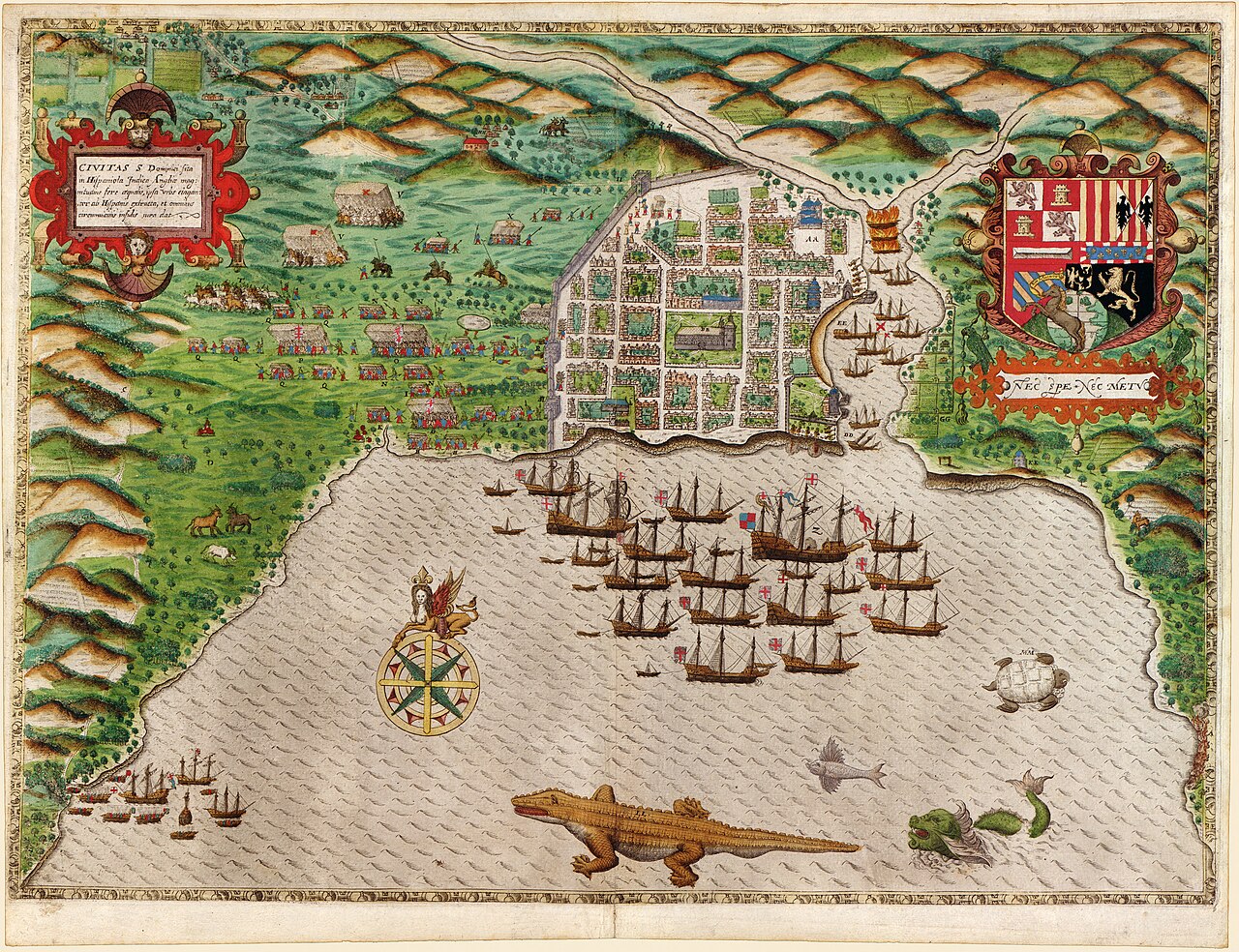 Document
Primary source
Giovanni Battista Boazio · 1586
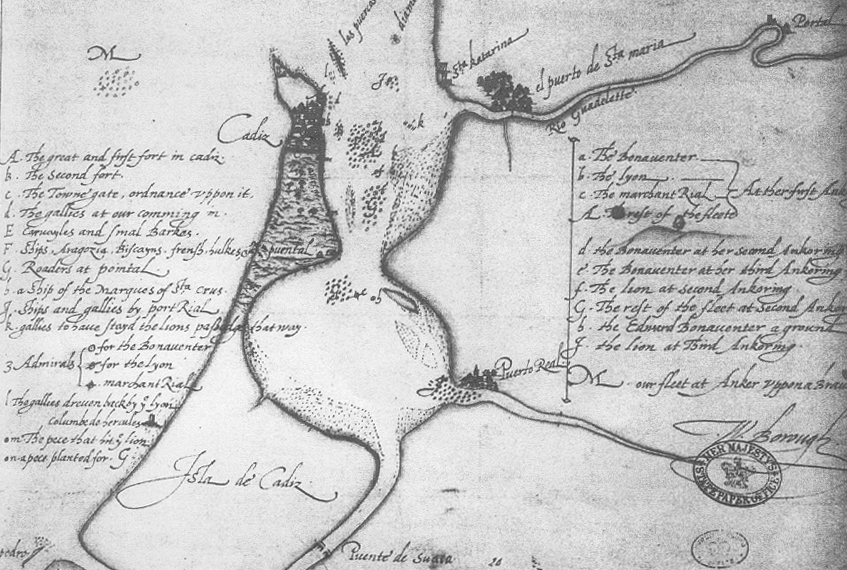 Document
Primary source
William Borough · 1587
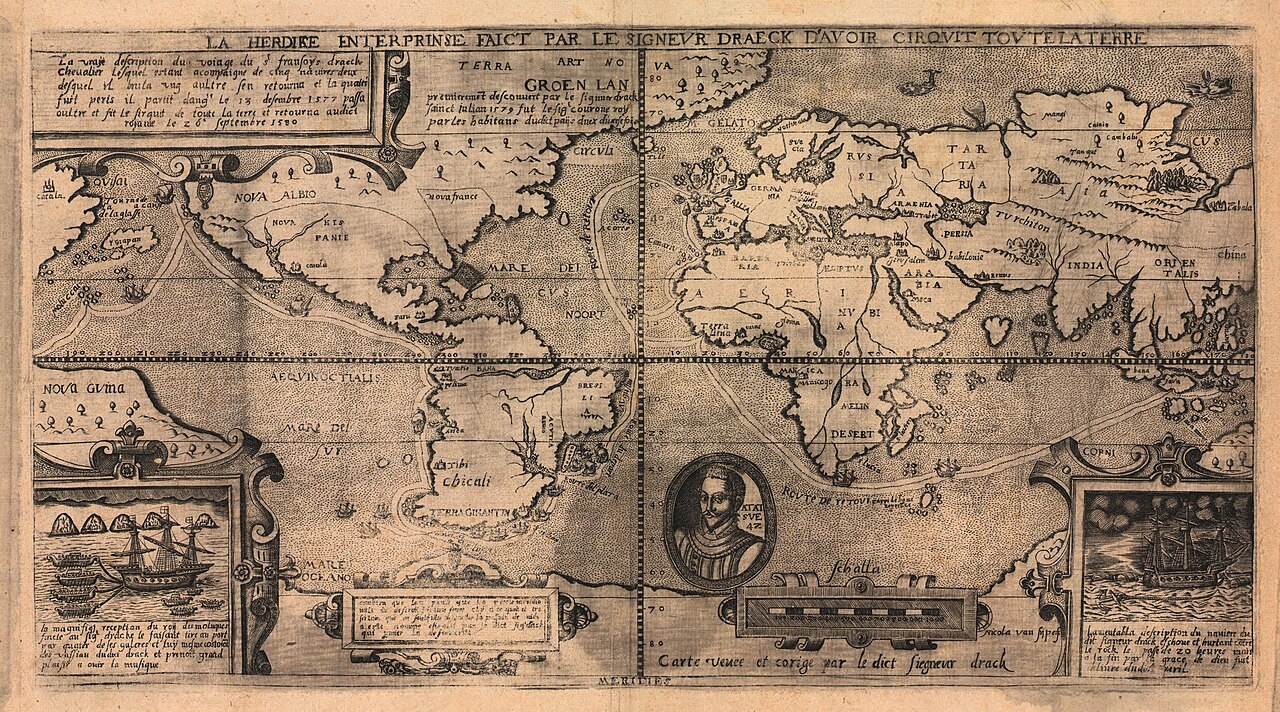 Document
Primary source
Nicola van Sype · 1589
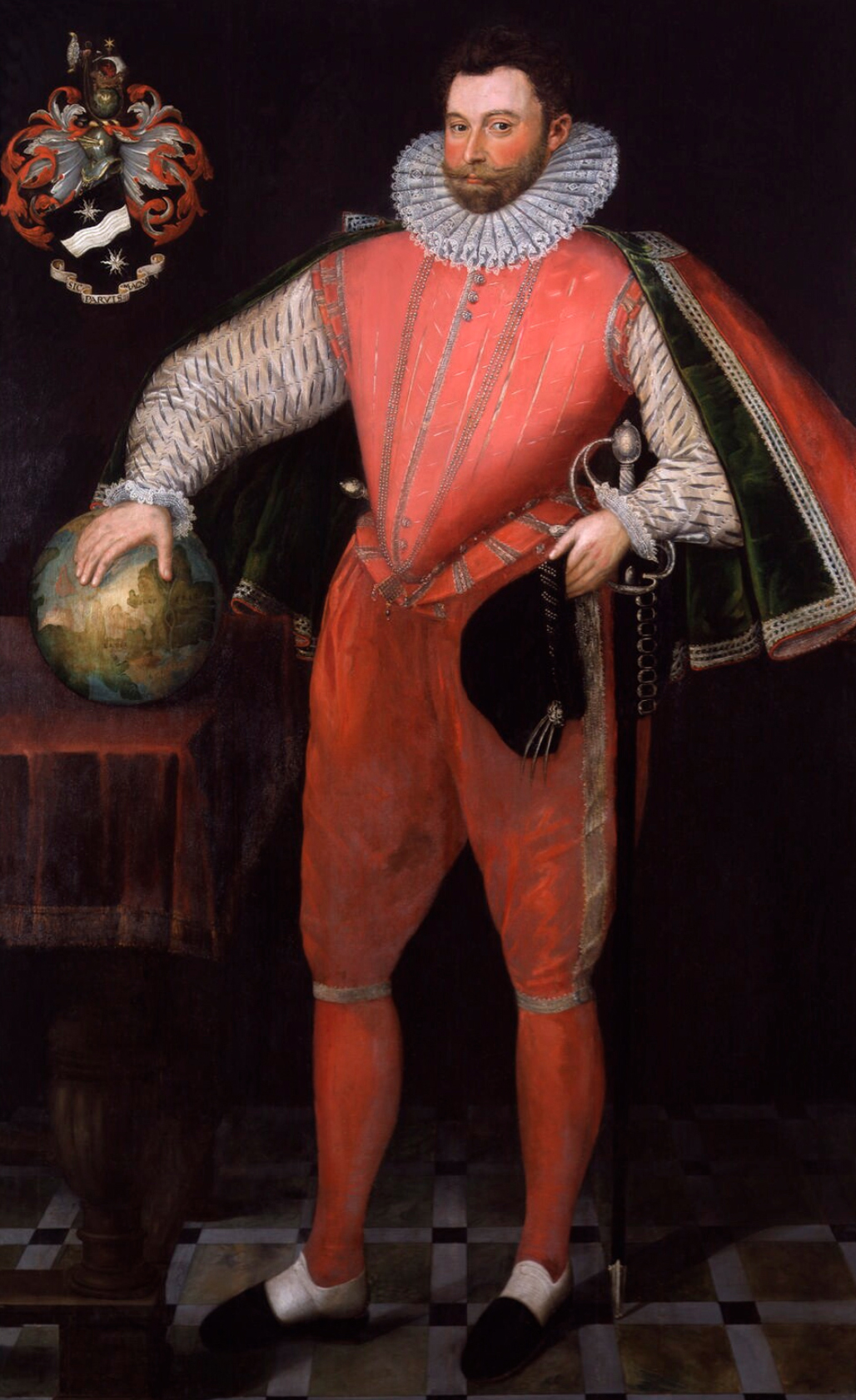 Painting
Primary source
1580
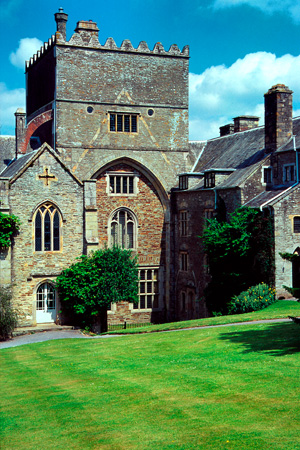 Artifact
Primary source
1278 (abbey); bought by Drake 1581
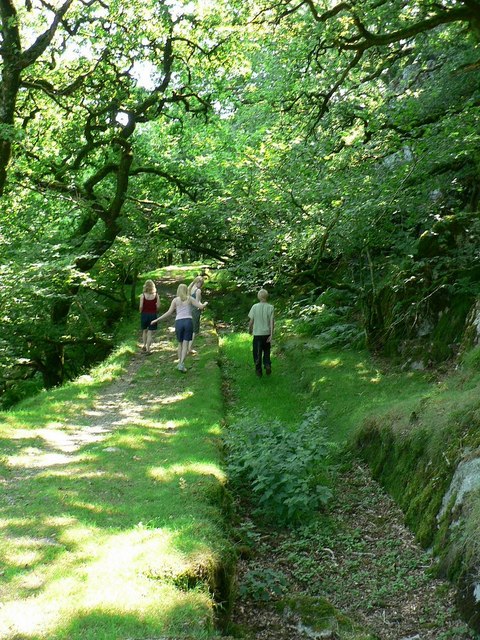 Artifact
Primary source
1590–91
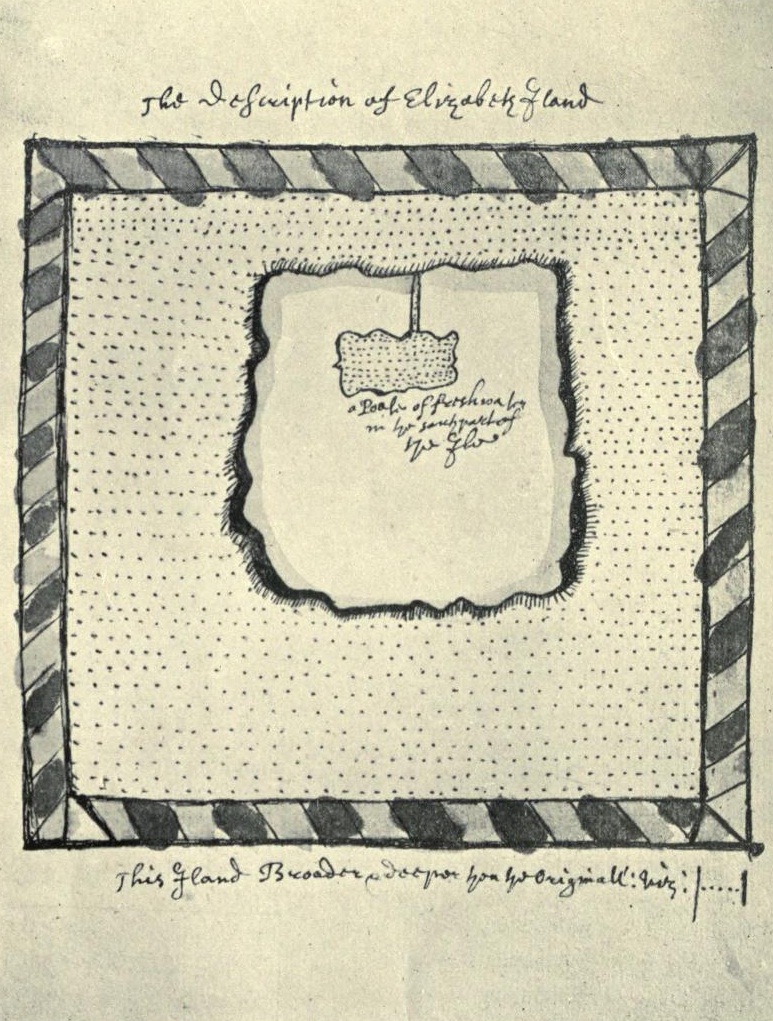 Painting
Secondary source
John Conyers, after Francis Fletcher · copy, after an original by Francis Fletcher (fl. 1577–1580)
 Book
Secondary source
William Camden · 1615
 Document
Primary source
Francis Drake
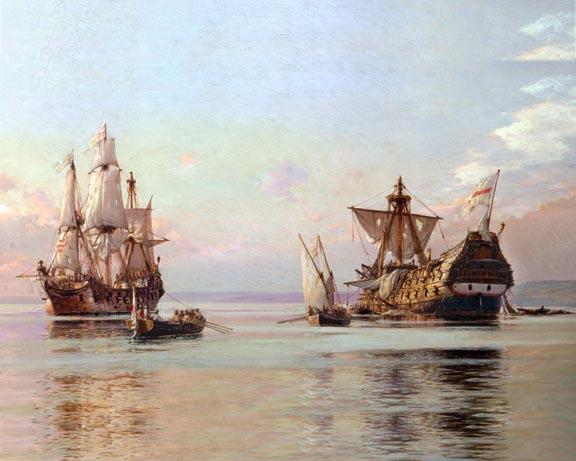 Painting
Secondary source
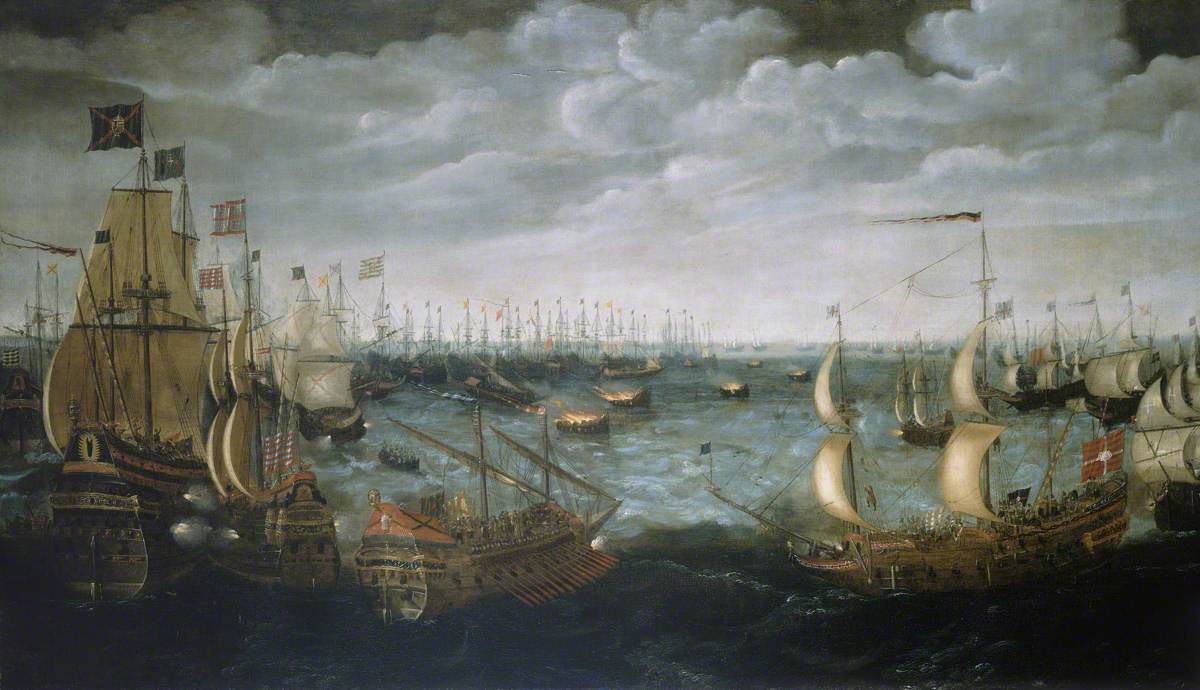 Painting
Primary source
Netherlandish School, 16th century · 1590
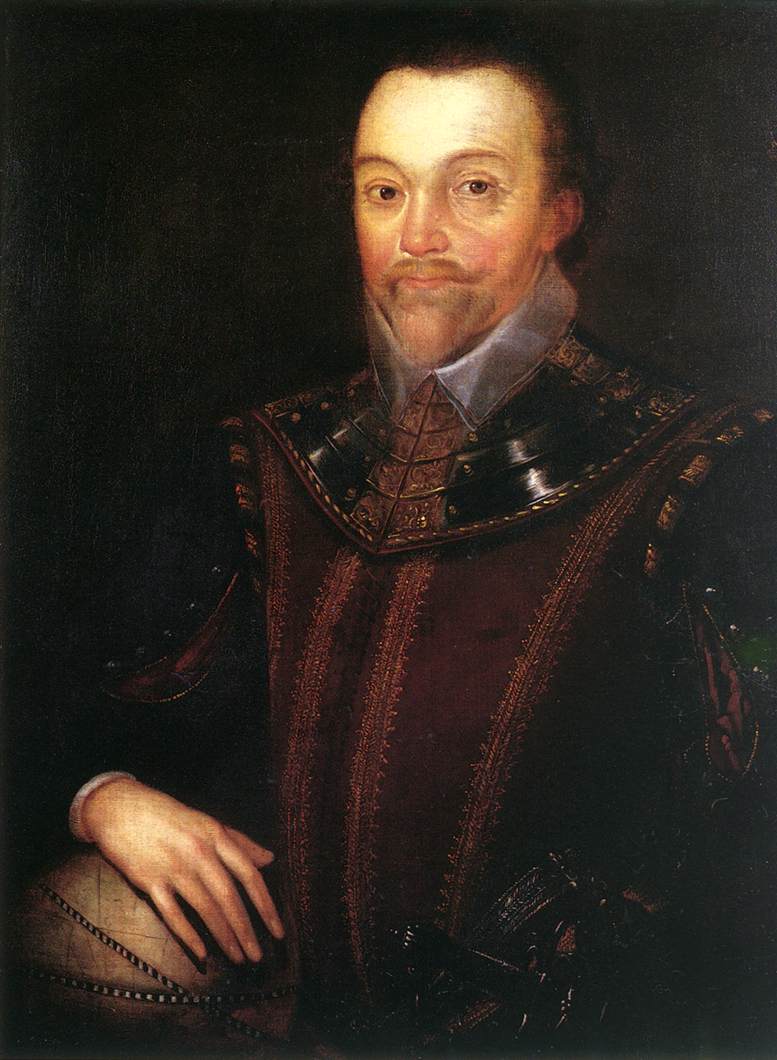 Painting
Primary source
Marcus Gheeraerts the Younger · 1590
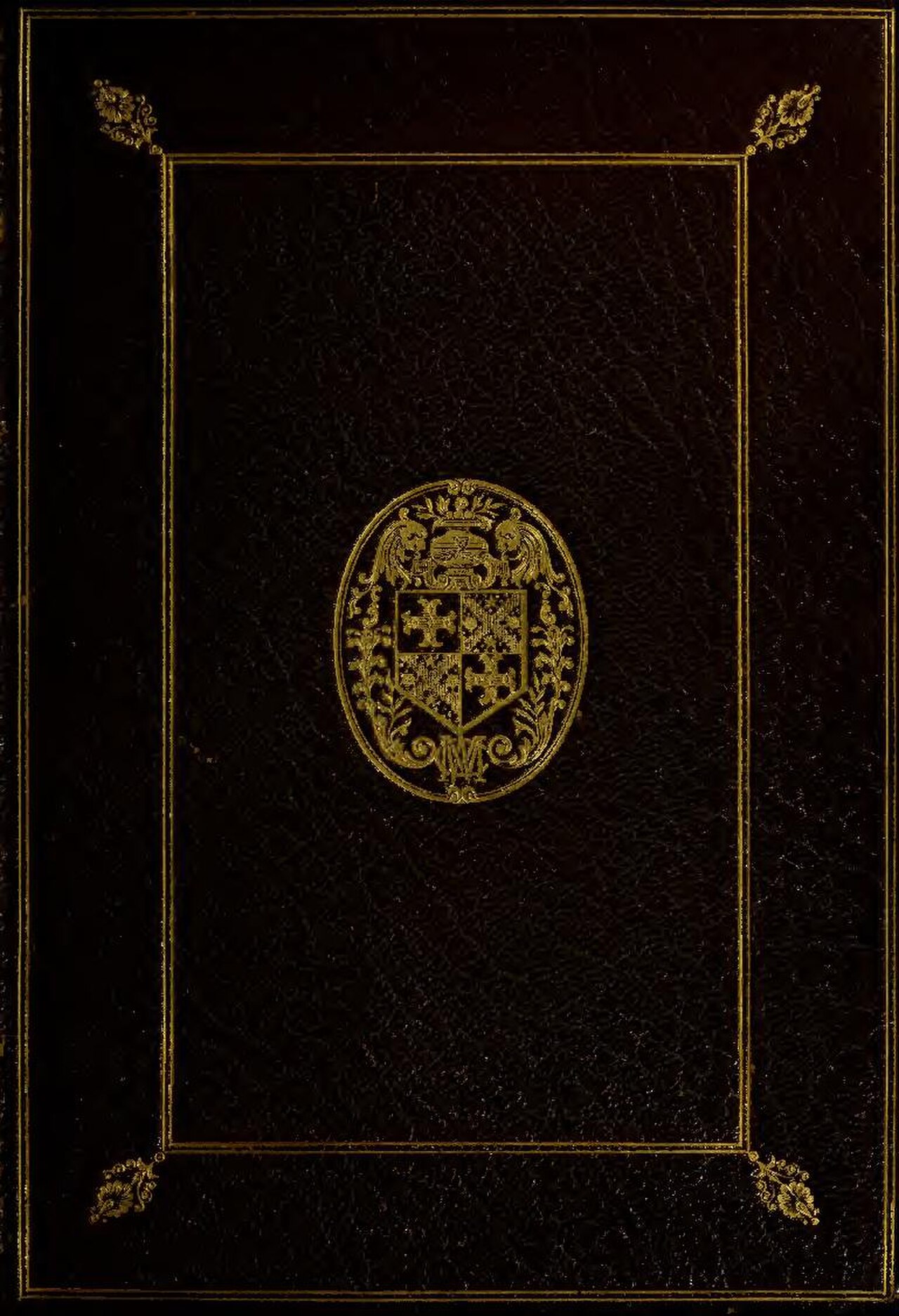 Book
Primary source
Anthony Wingfield (attributed) · 1589
 Book
Primary source
Thomas Maynarde · c. 1596
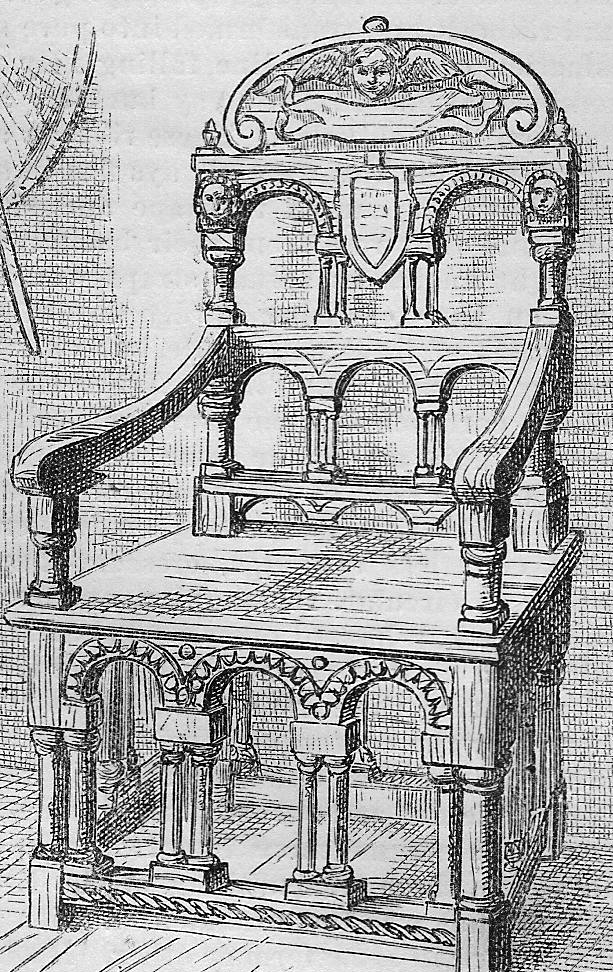 Artifact
Secondary source
John Davies · 1662
 Artifact
Primary source
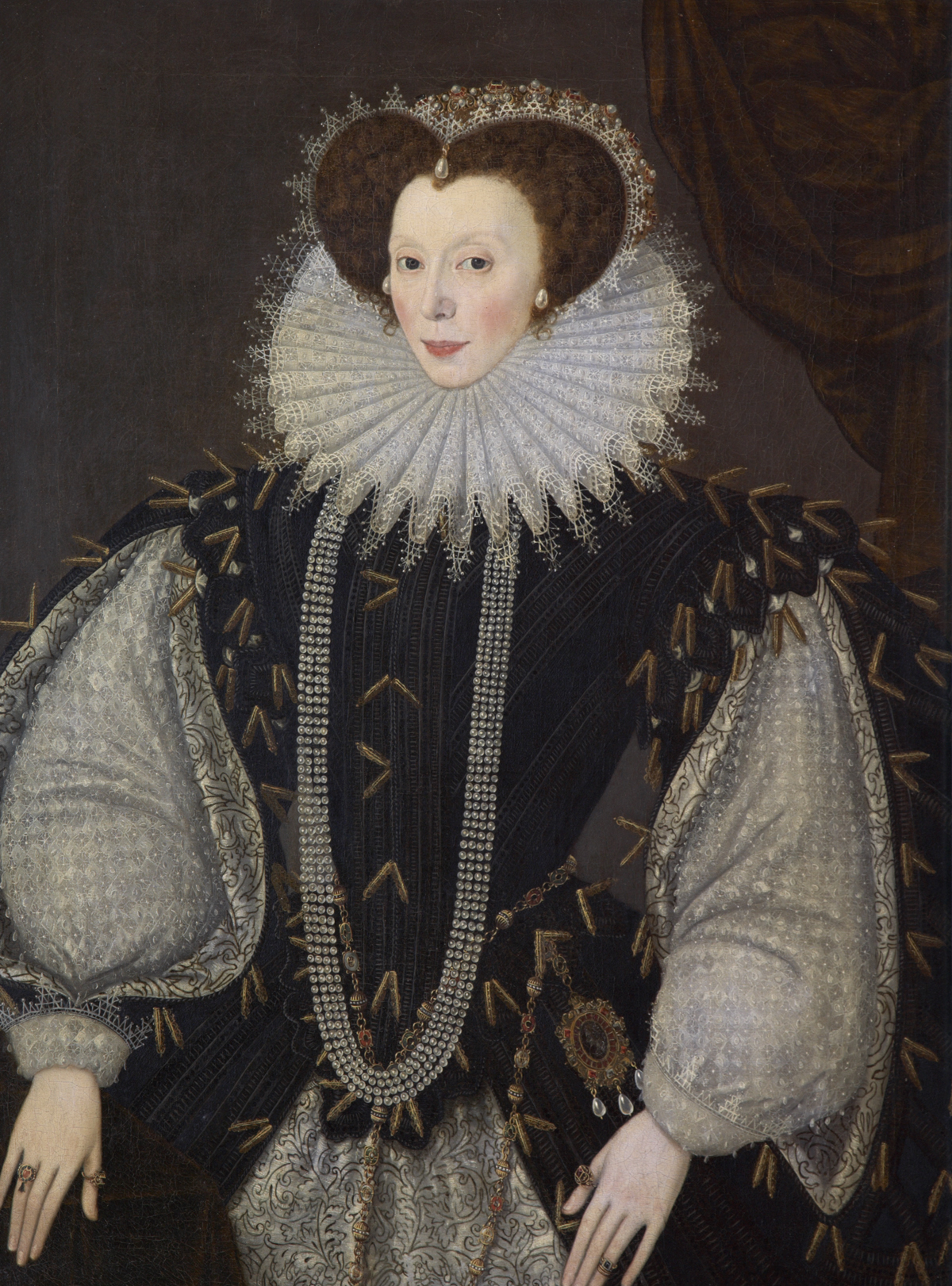 Painting
Primary source
George Gower
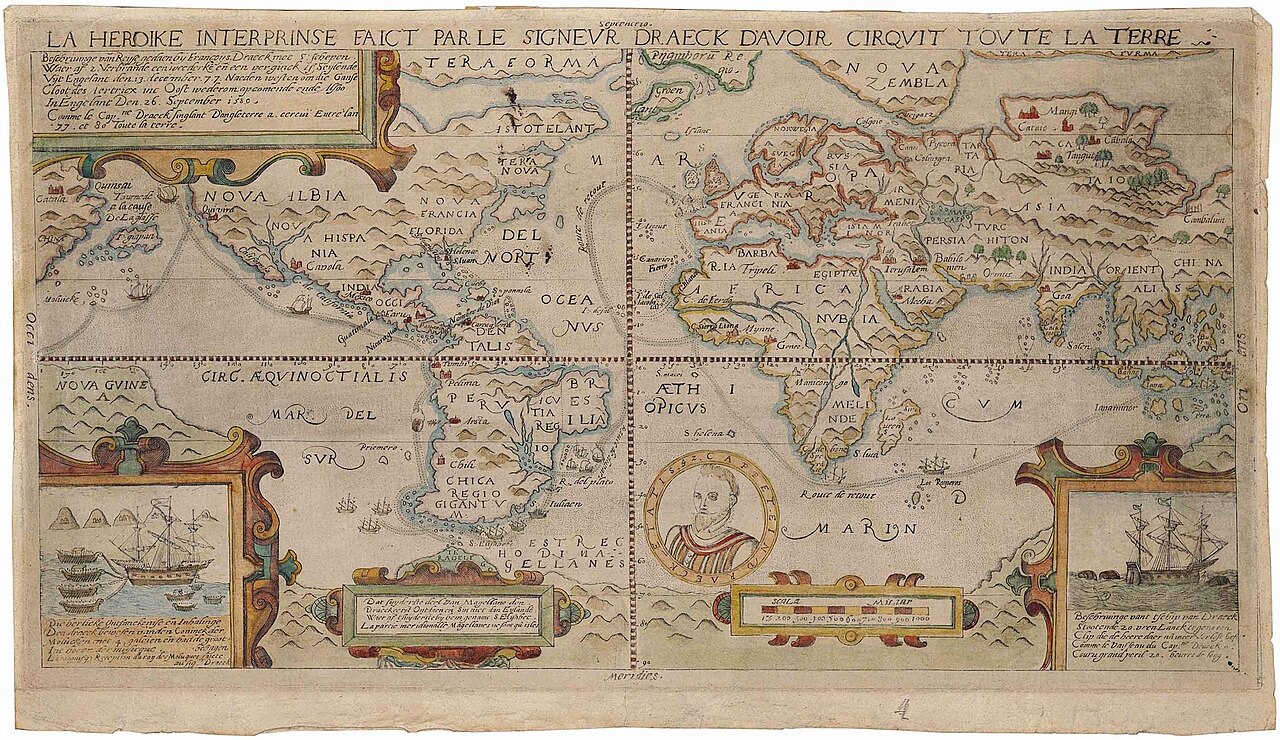 Artifact
Primary source
c. 1590
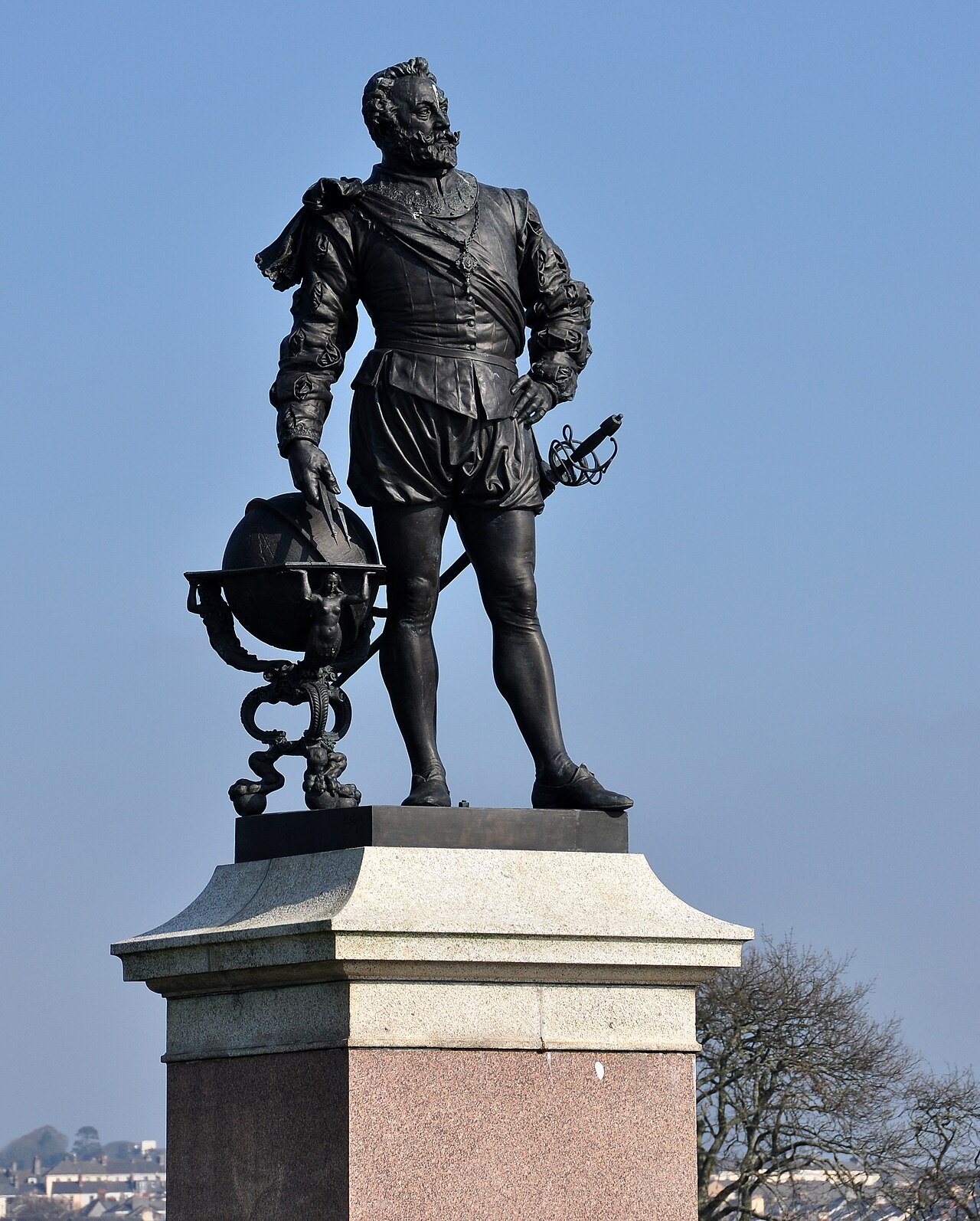 Sculpture
Secondary source
Joseph Edgar Boehm
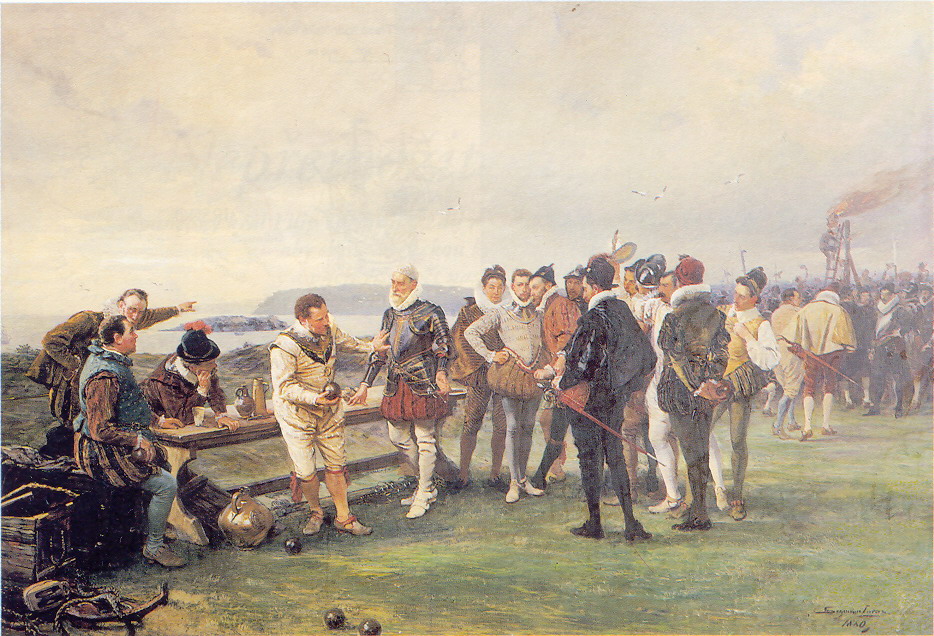 Painting
Secondary source
John Seymour Lucas
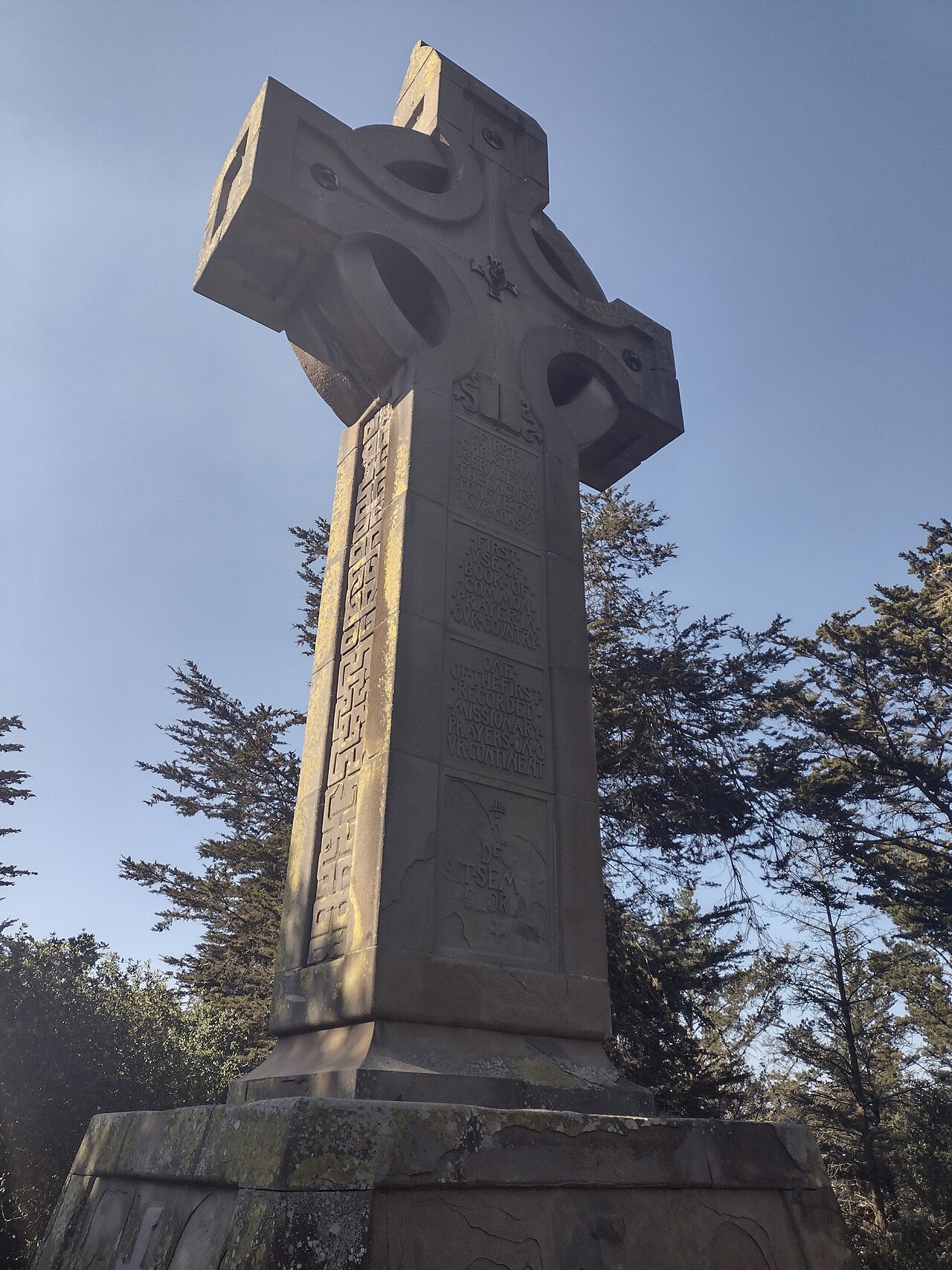 Sculpture
Secondary source
1894
Secondary source
Julian Stafford Corbett · 1912
Primary source
Walter Bigges
 Book
Primary source
Richard Hakluyt · 1880
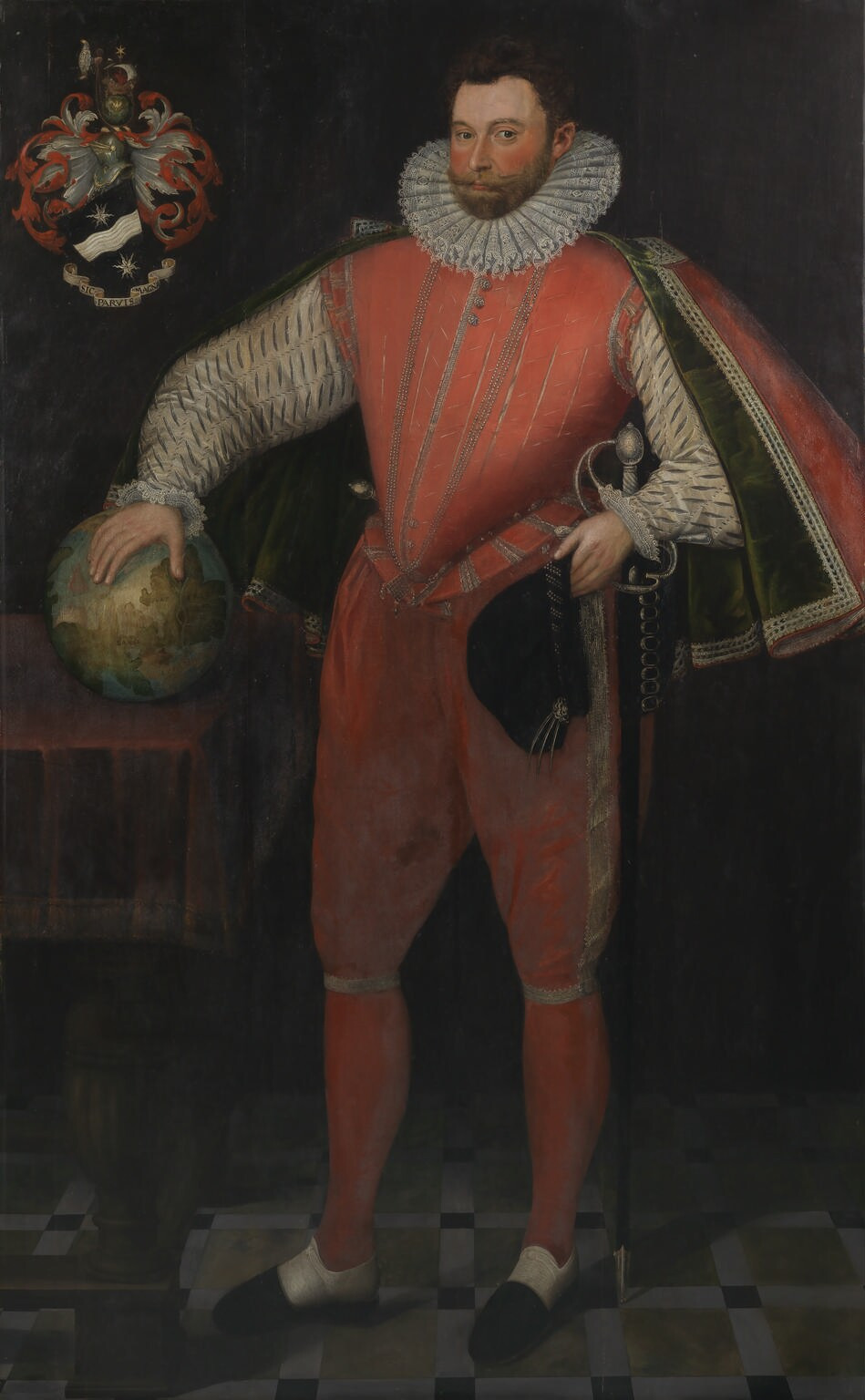 Painting
Primary source
Unidentified painter · 1580
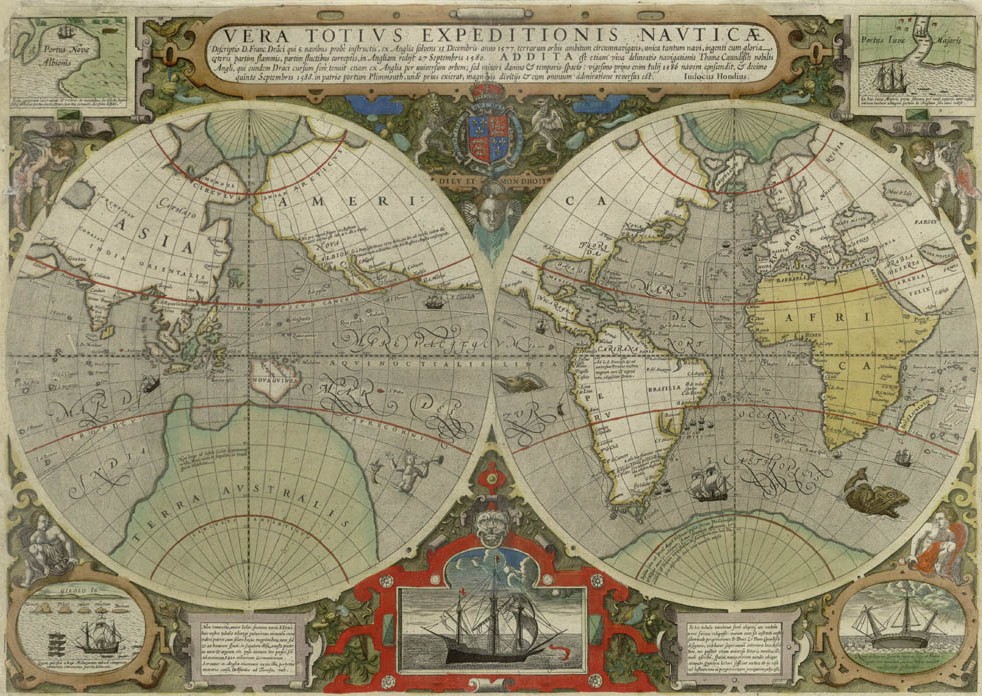 Artifact
Primary source
Jodocus Hondius · 1595
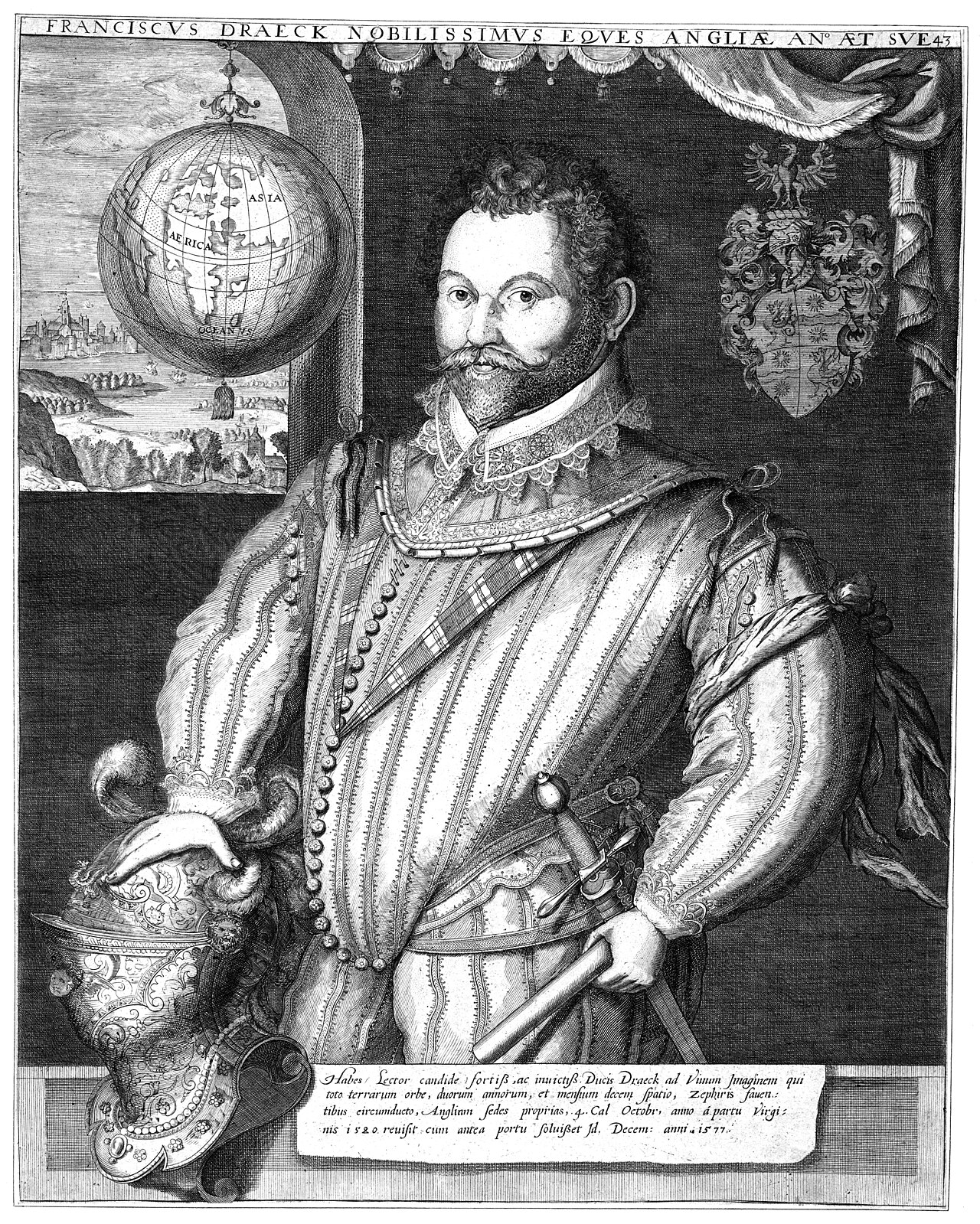 Painting
Primary source
Jodocus Hondius I · 1577
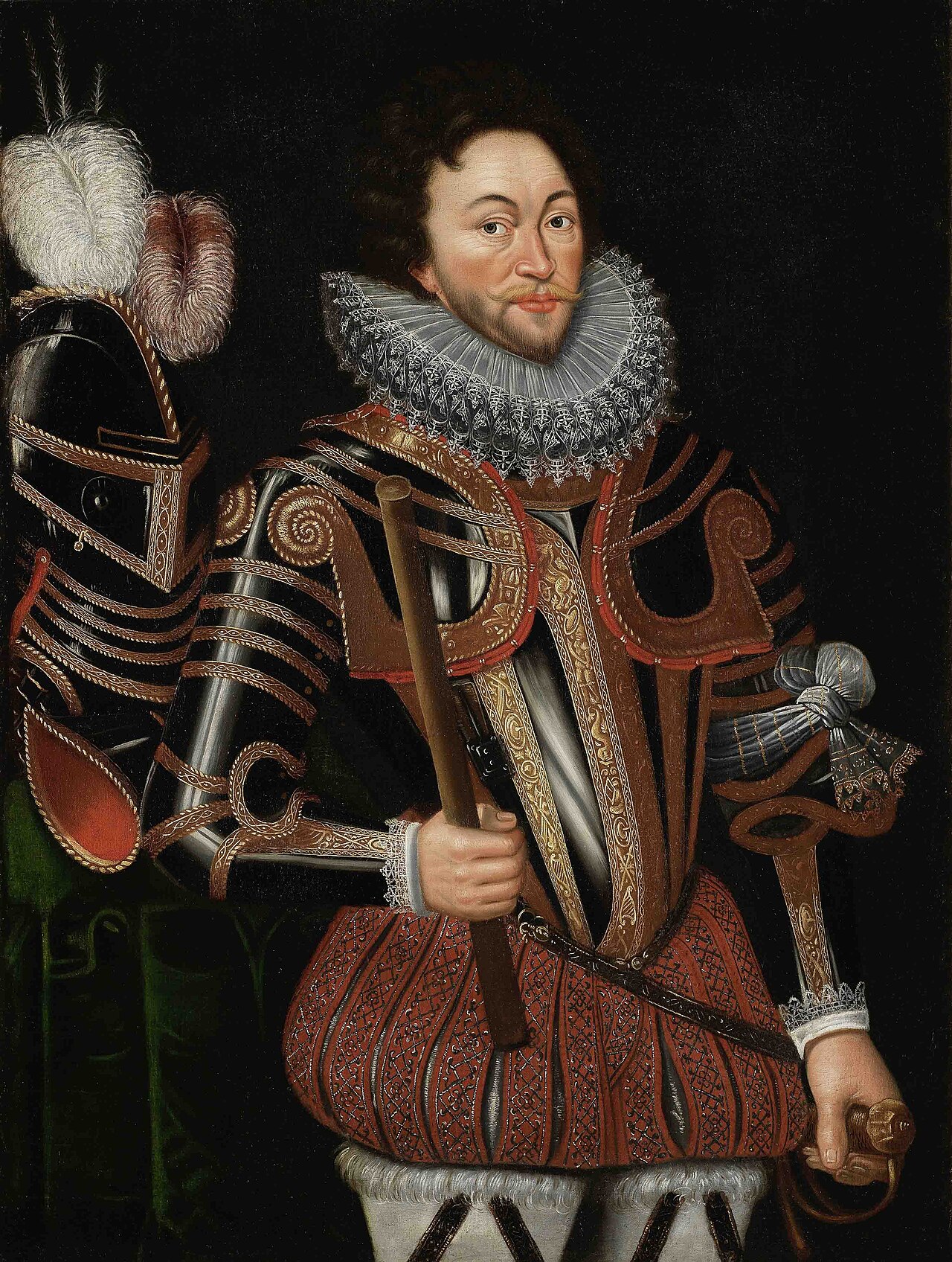 Painting
Primary source
Unidentified painter · late 16th century
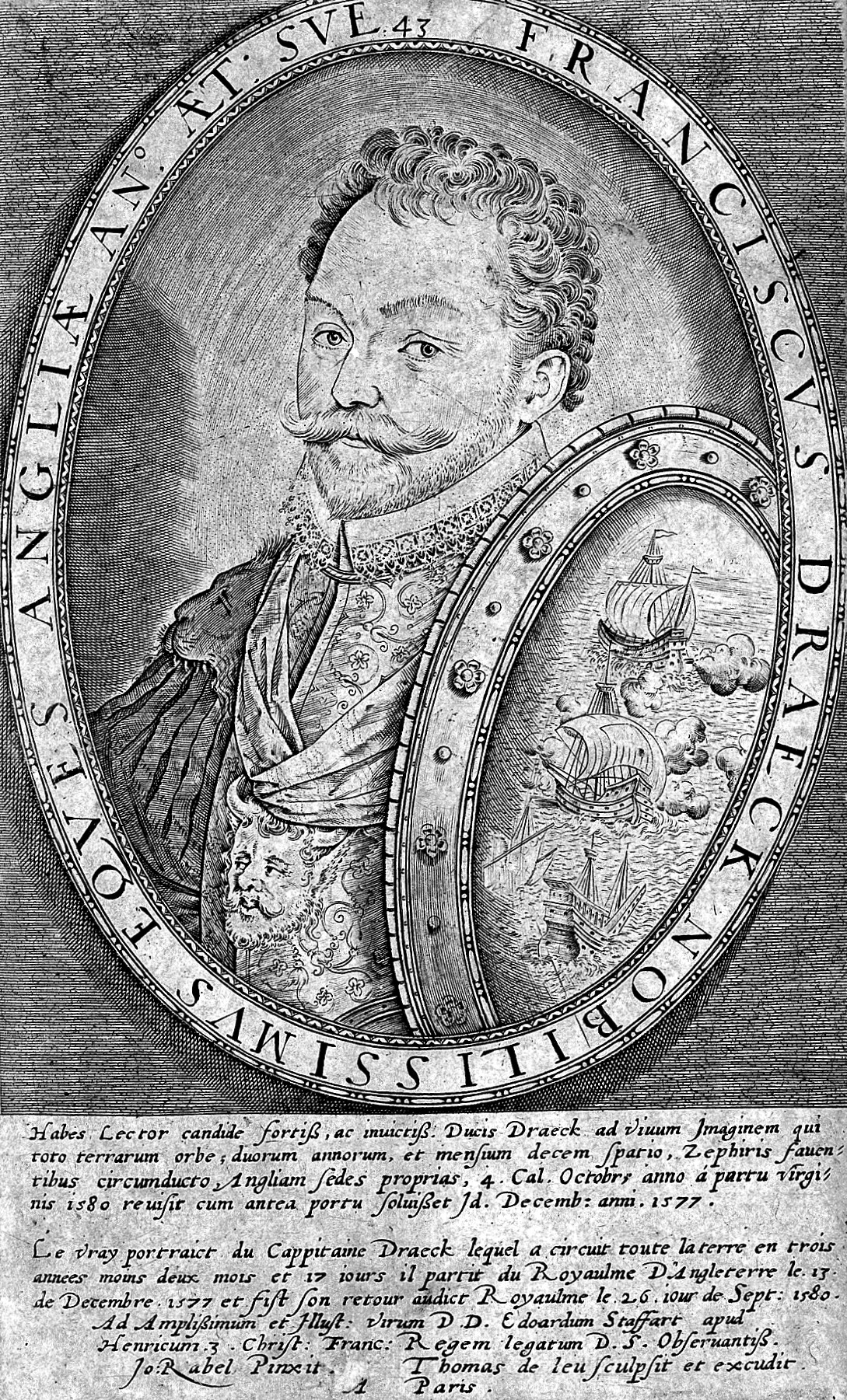 Painting
Primary source
Thomas de Leu after Jean Rabel
 Book
Primary source
Nicholas Breton · 1581
Secondary source
John Barrow · 1843
 Newspaper article
Primary source
Henry Haslop · 1586
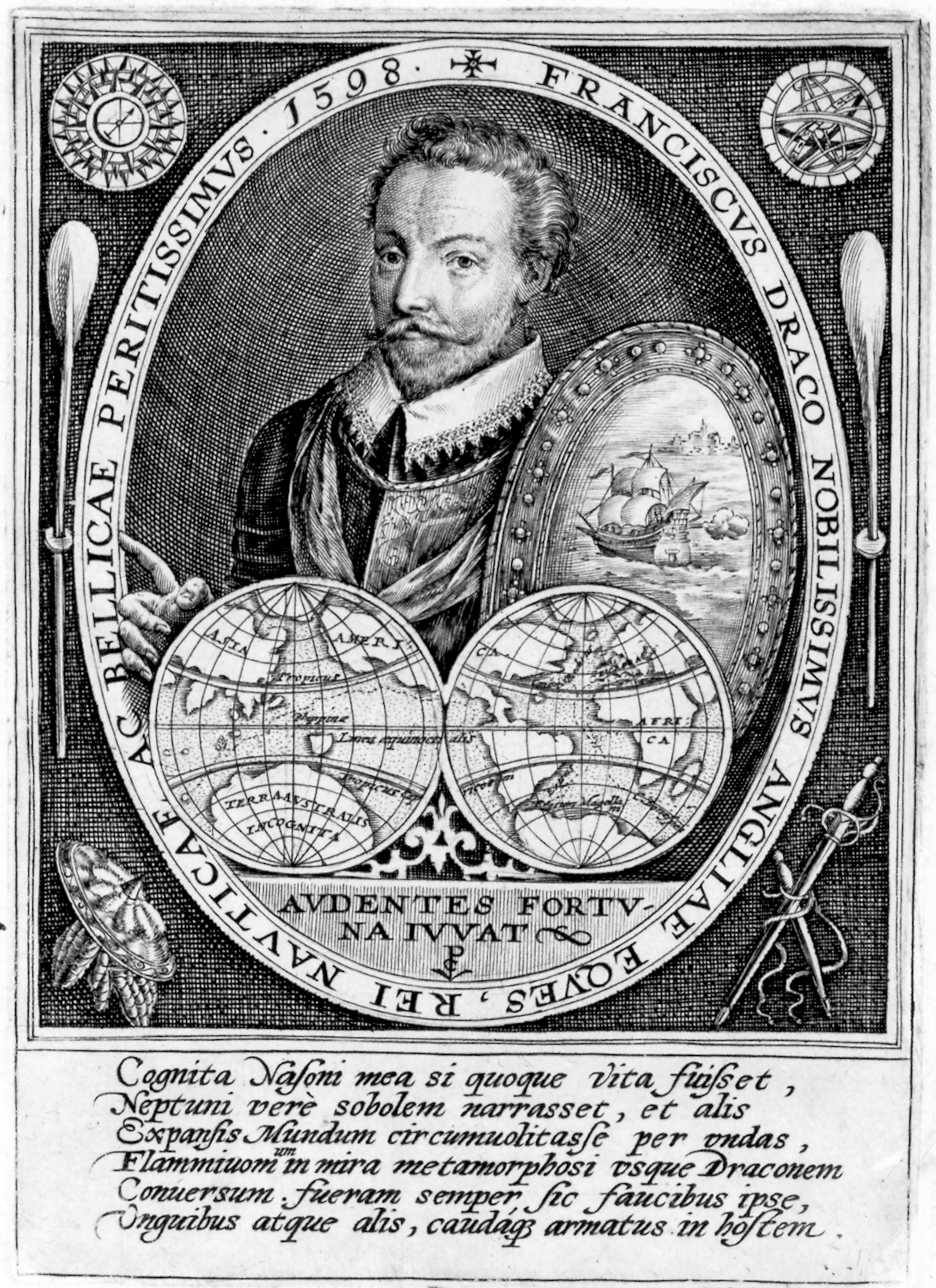 Painting
Secondary source
Crispijn van de Passe the Elder · 1599
Tertiary source
1911
Secondary source
Philip Nichols · 1653
Secondary source
1916
Secondary source
William Wood · 1918
 Document
Secondary source
John Pine · 1878
Primary source
Henry Savile · 1596
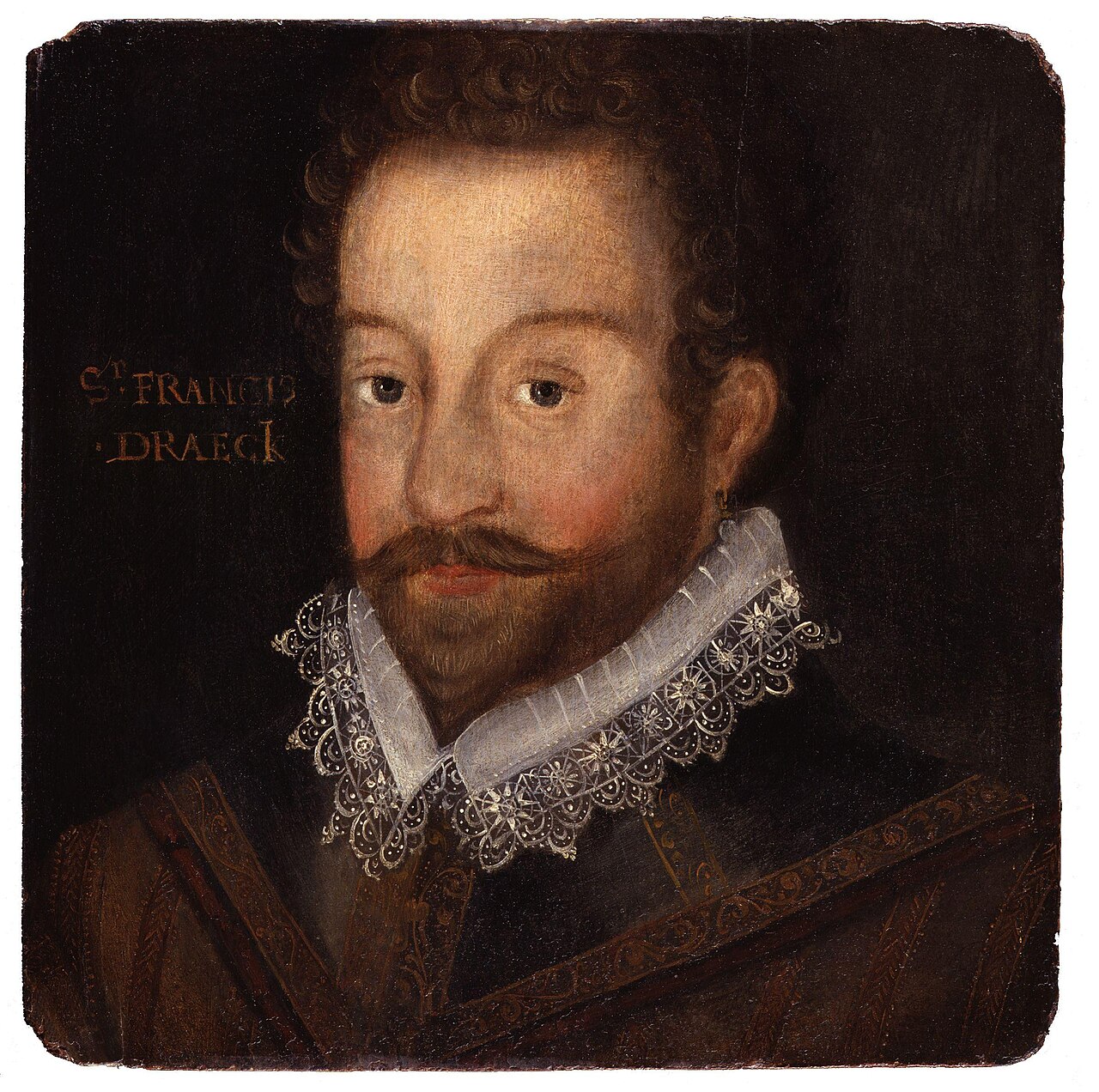 Painting
Primary source
Jodocus Hondius I · Unknown date; the artist died in 1612
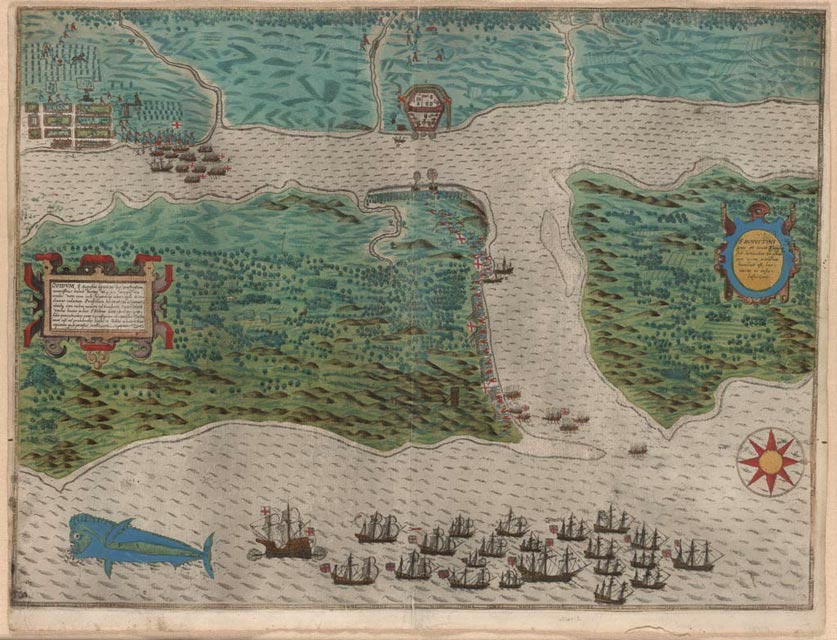 Document
Primary source
Boazio · 16th century
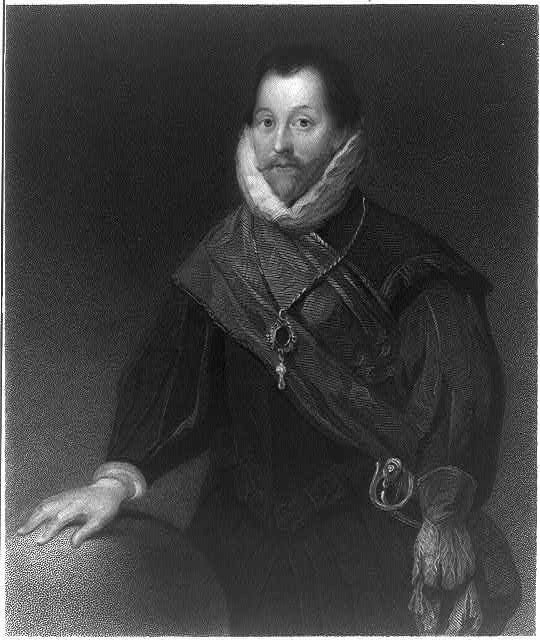 Painting
Secondary source
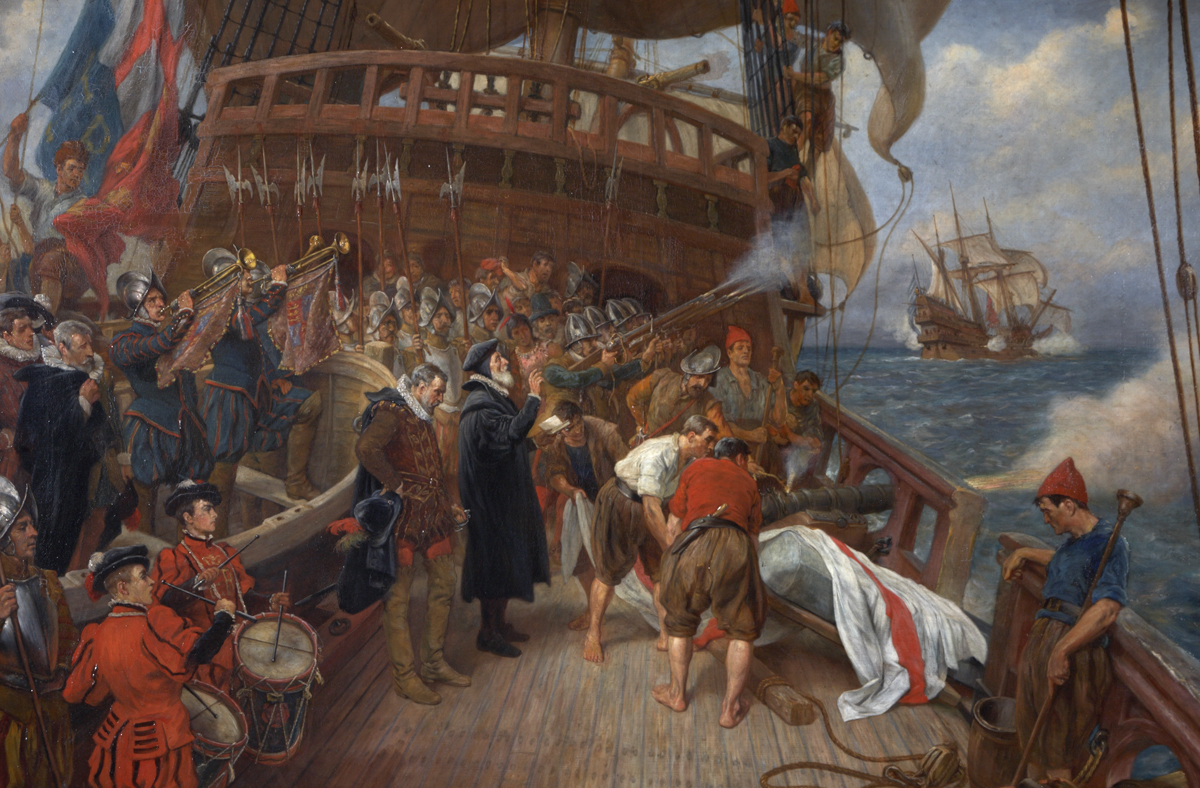 Painting
Secondary source
Thomas Davidson
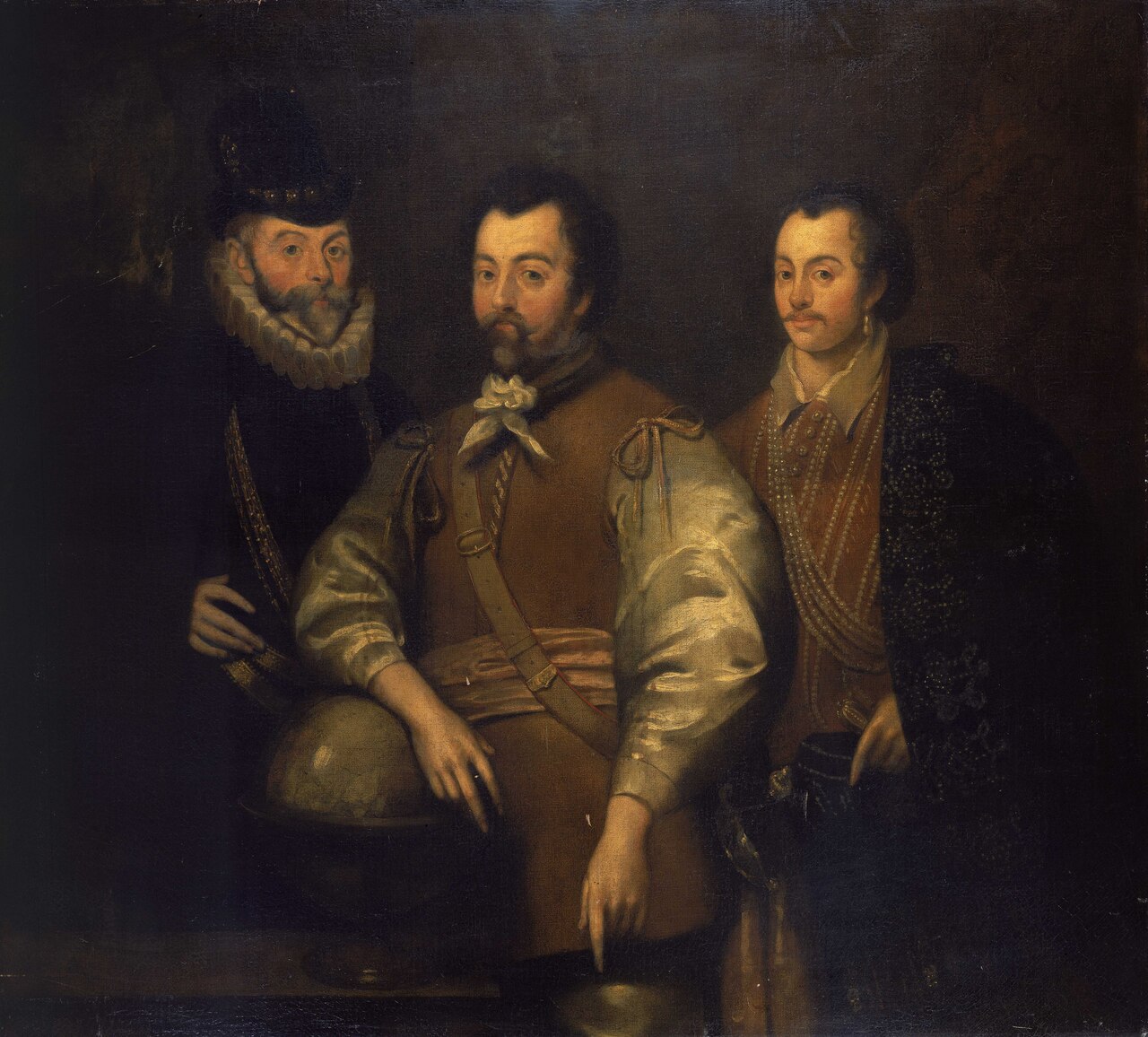 Painting
Secondary source
17th century
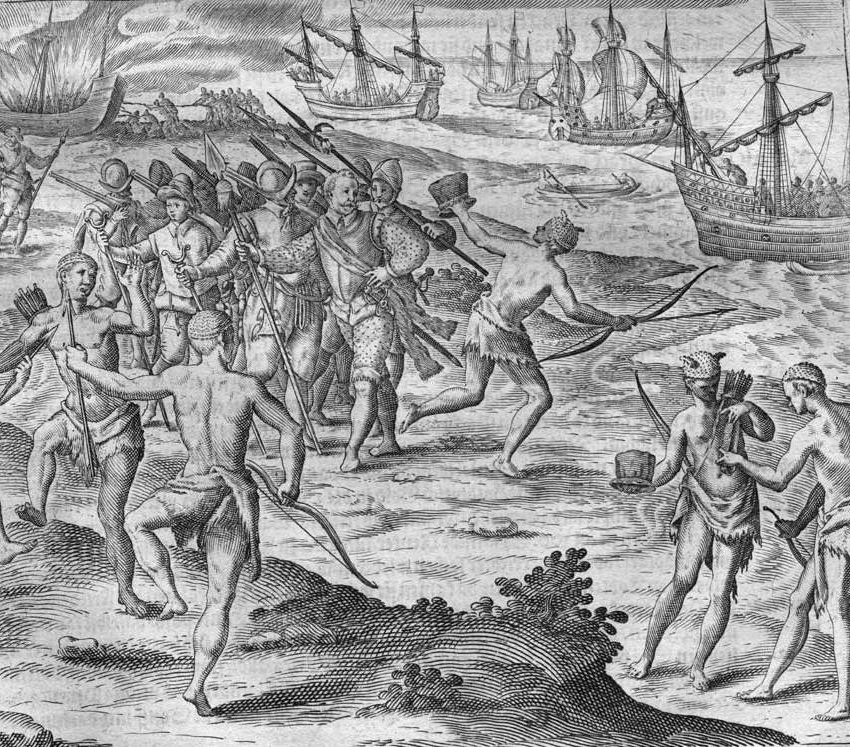 Painting
Secondary source
Theodor de Bry
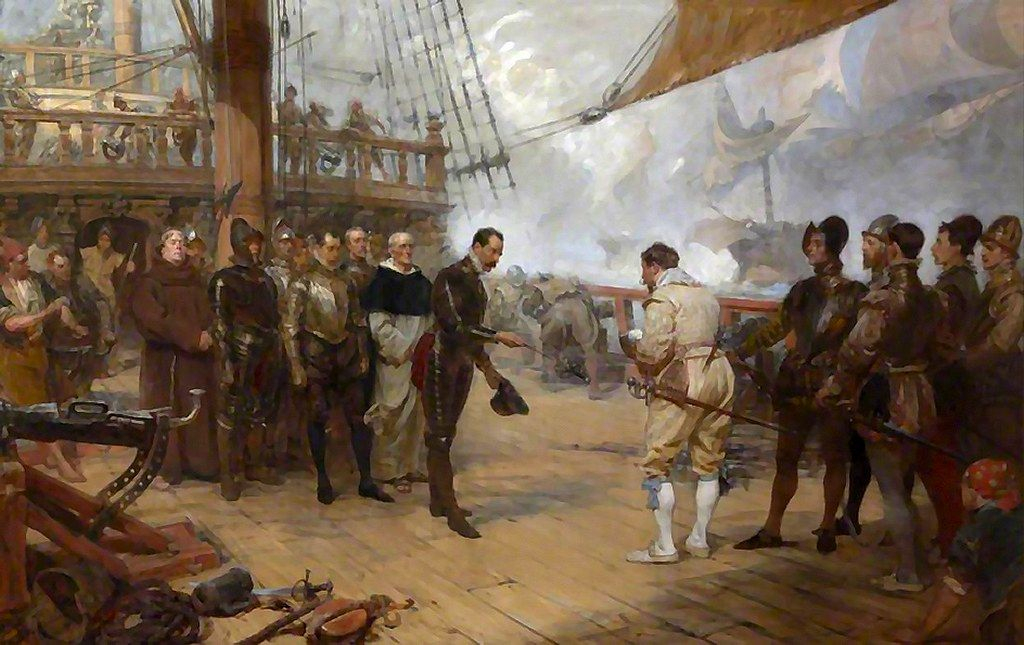 Painting
Secondary source
John Seymour Lucas · 1889
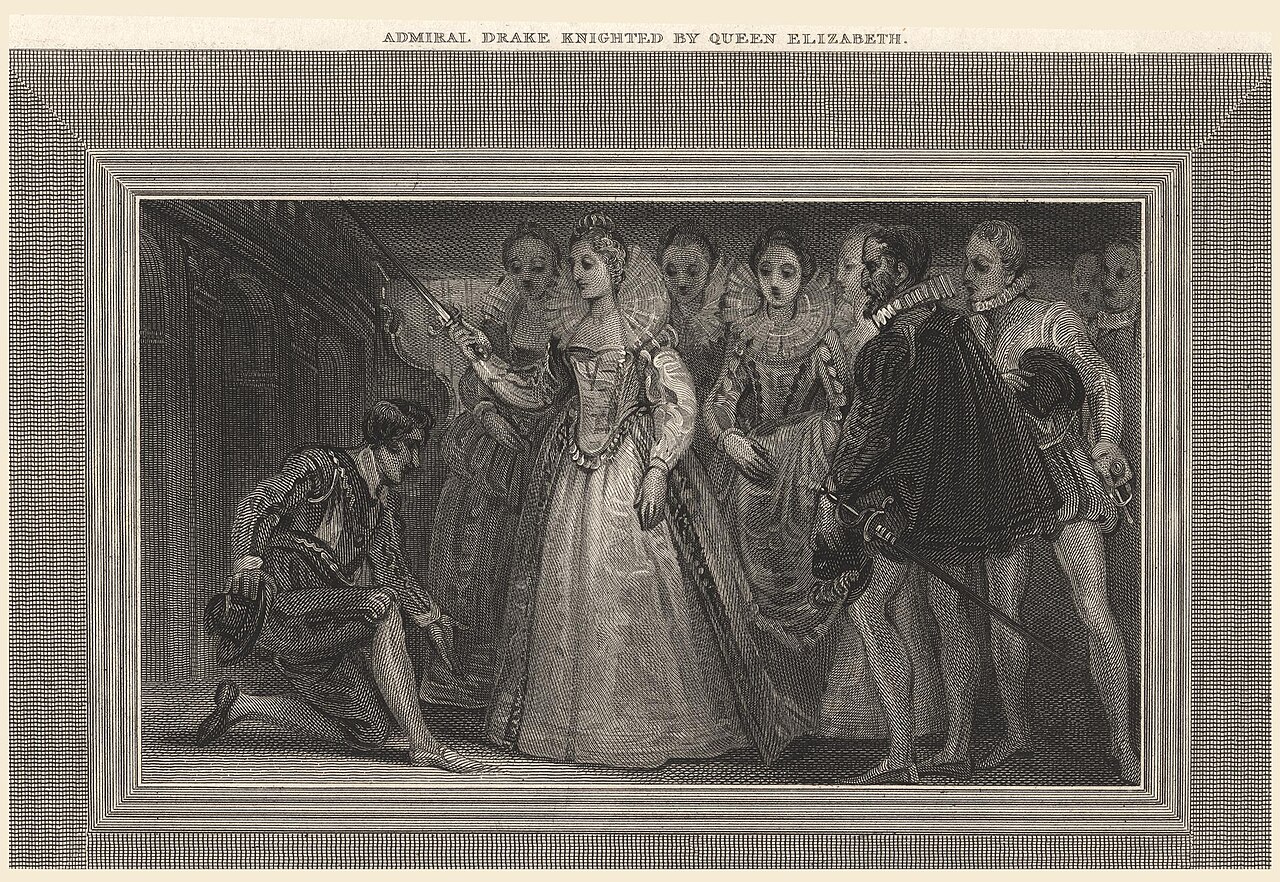 Painting
Secondary source
Unknown; probably first published before 1923
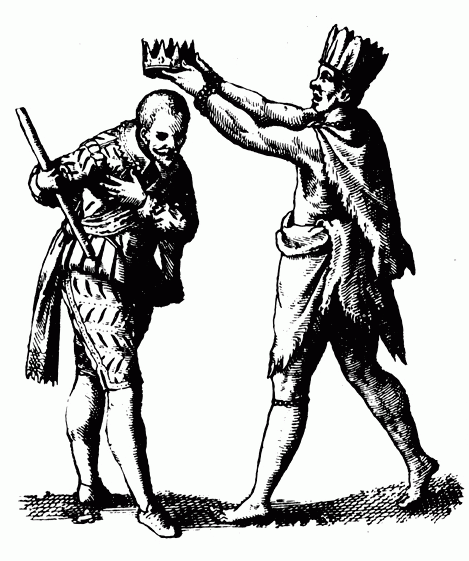 Painting
Secondary source
Theodor de Bry
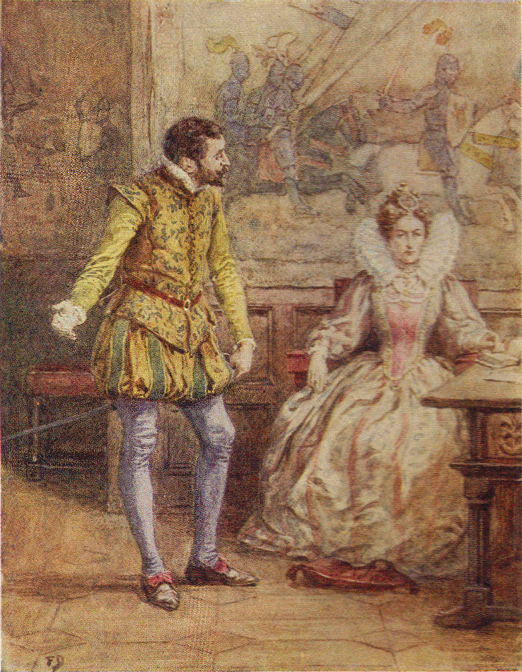 Painting
Secondary source
19th century
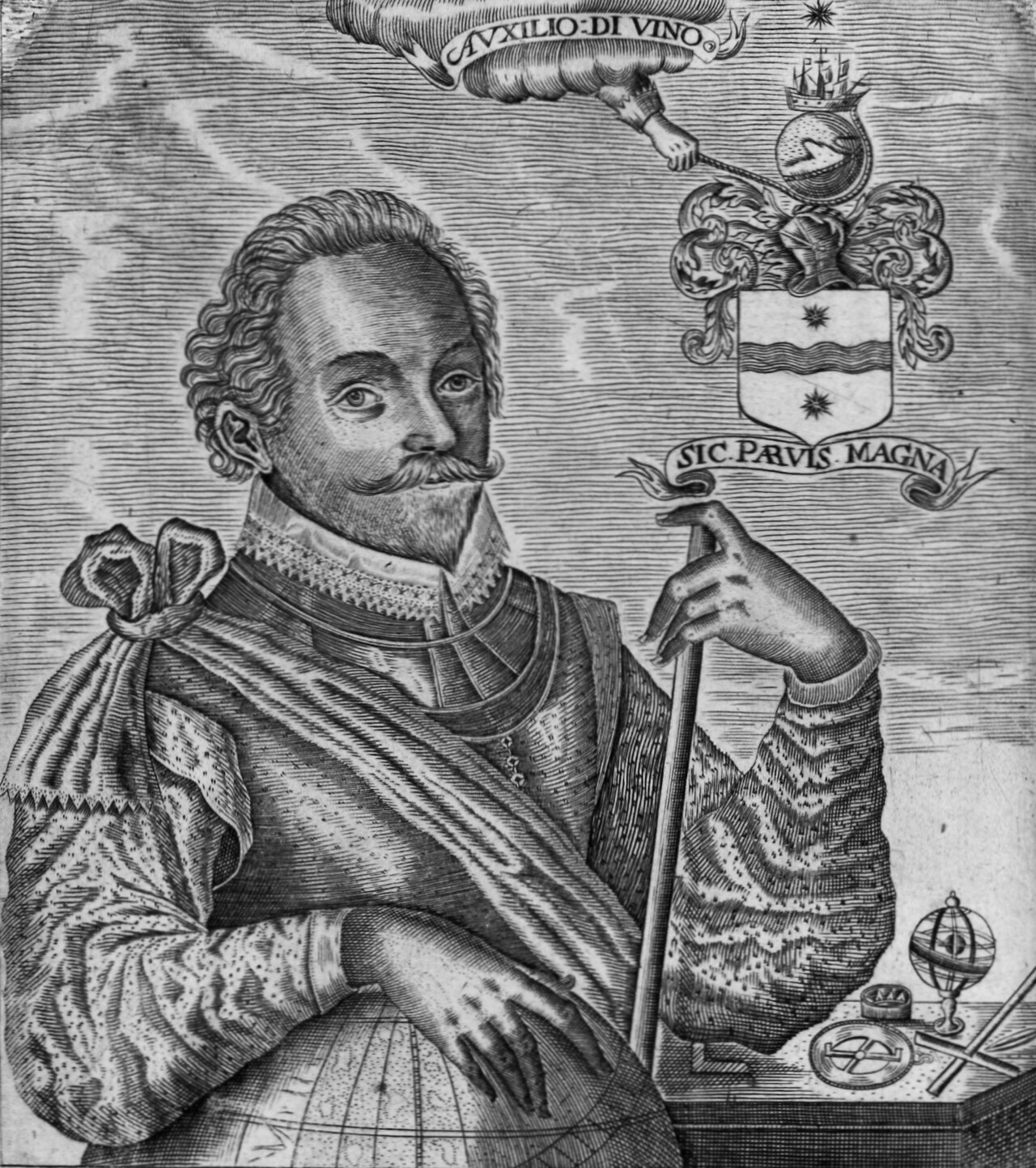 Painting
Secondary source
1628
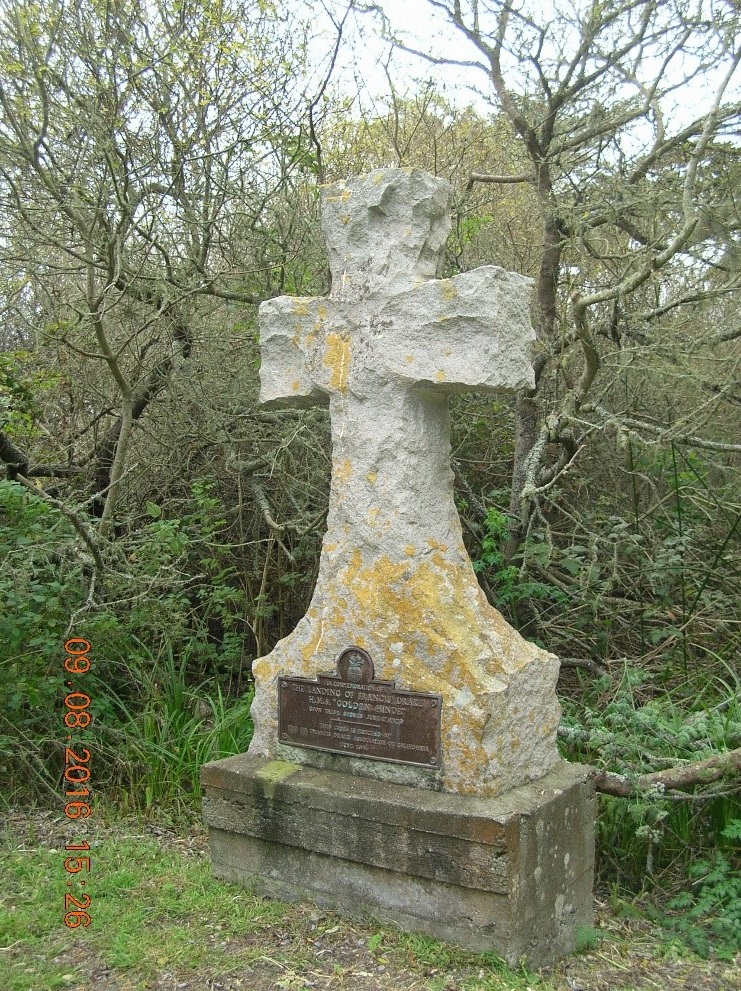 Photograph
Secondary source
MikeVdP · 1946
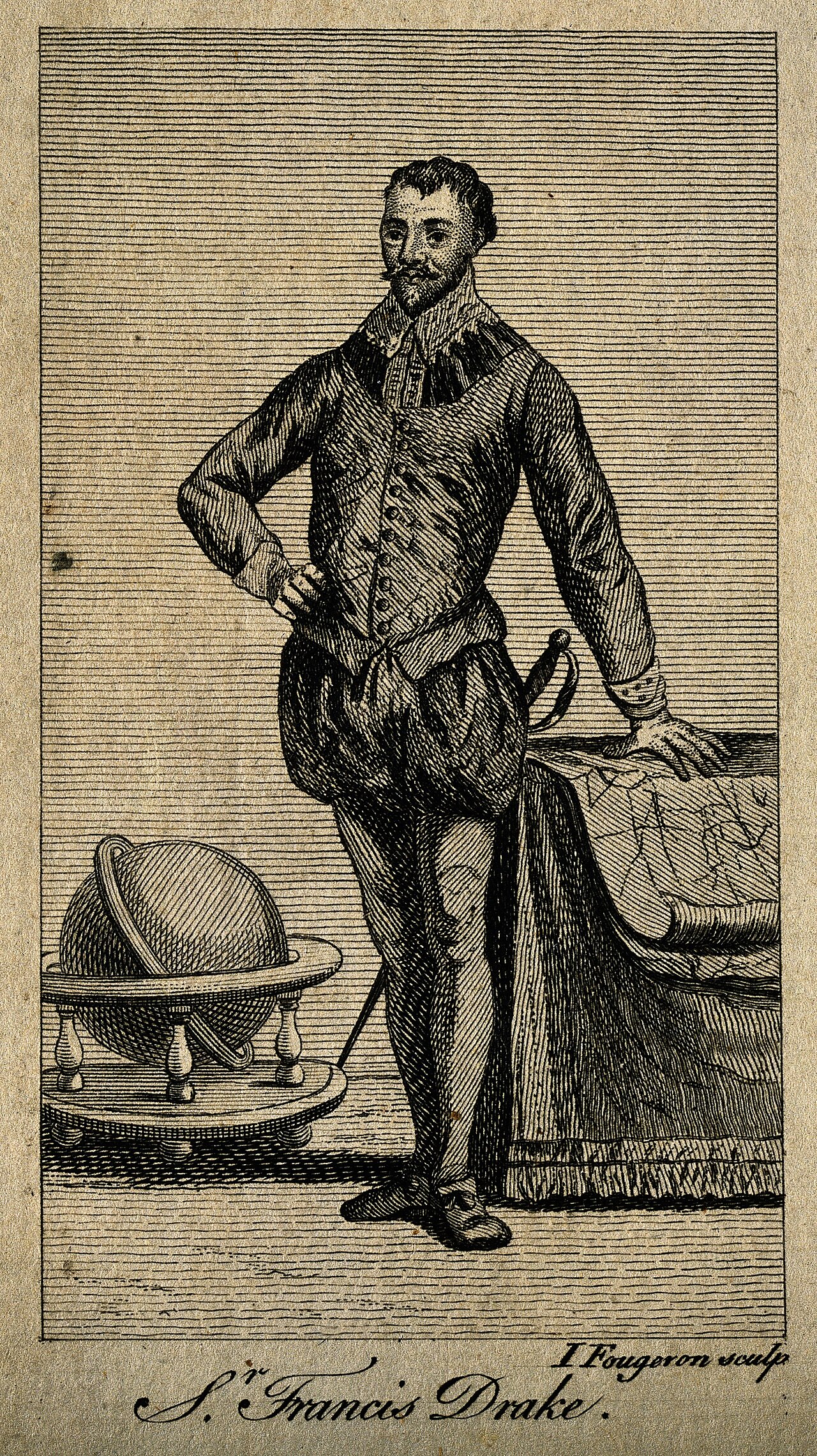 Painting
Secondary source
J. Fougeron
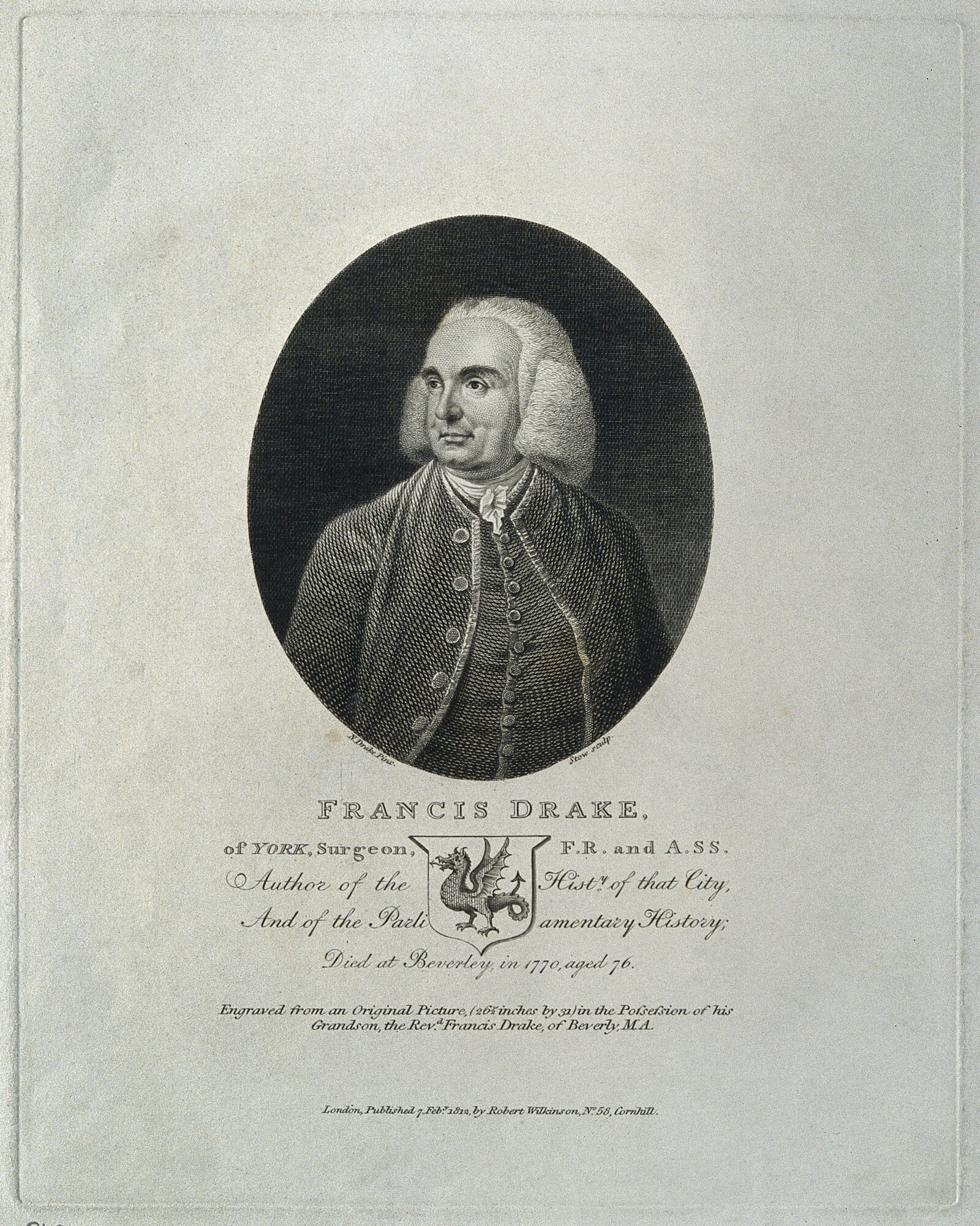 Painting
Secondary source
J. Stow · 1812
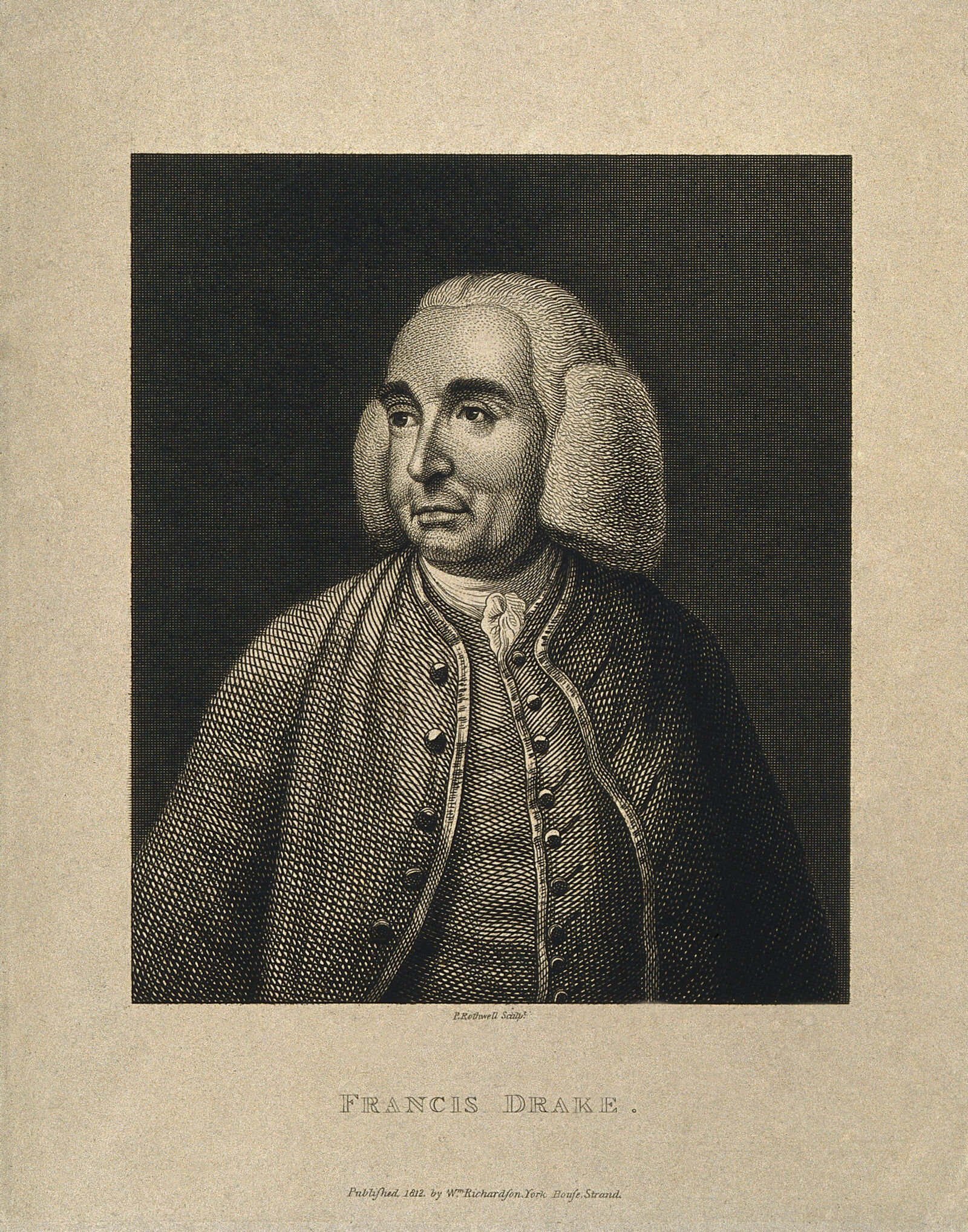 Painting
Secondary source
P. Rothwell · 1812
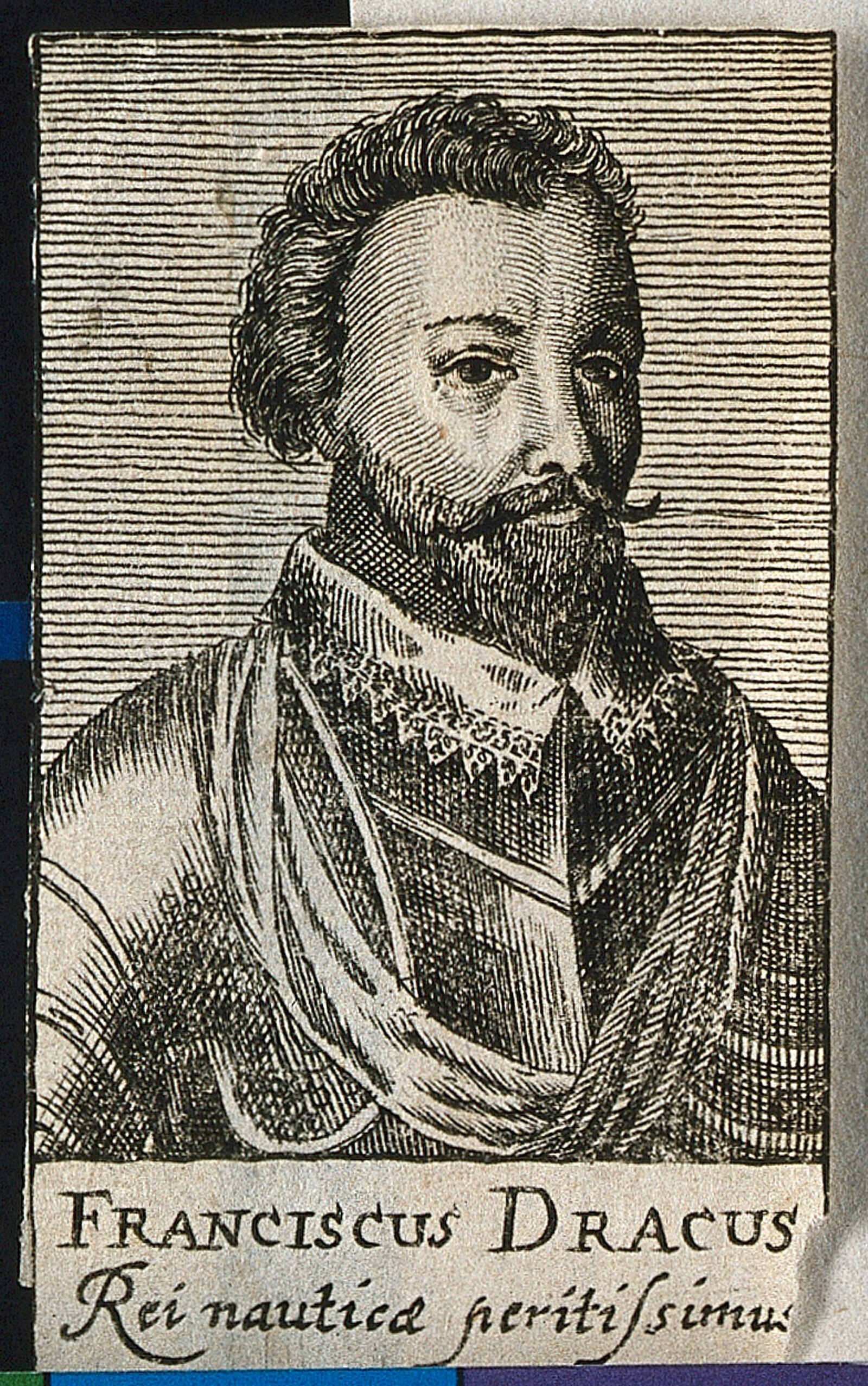 Painting
Secondary source
1688
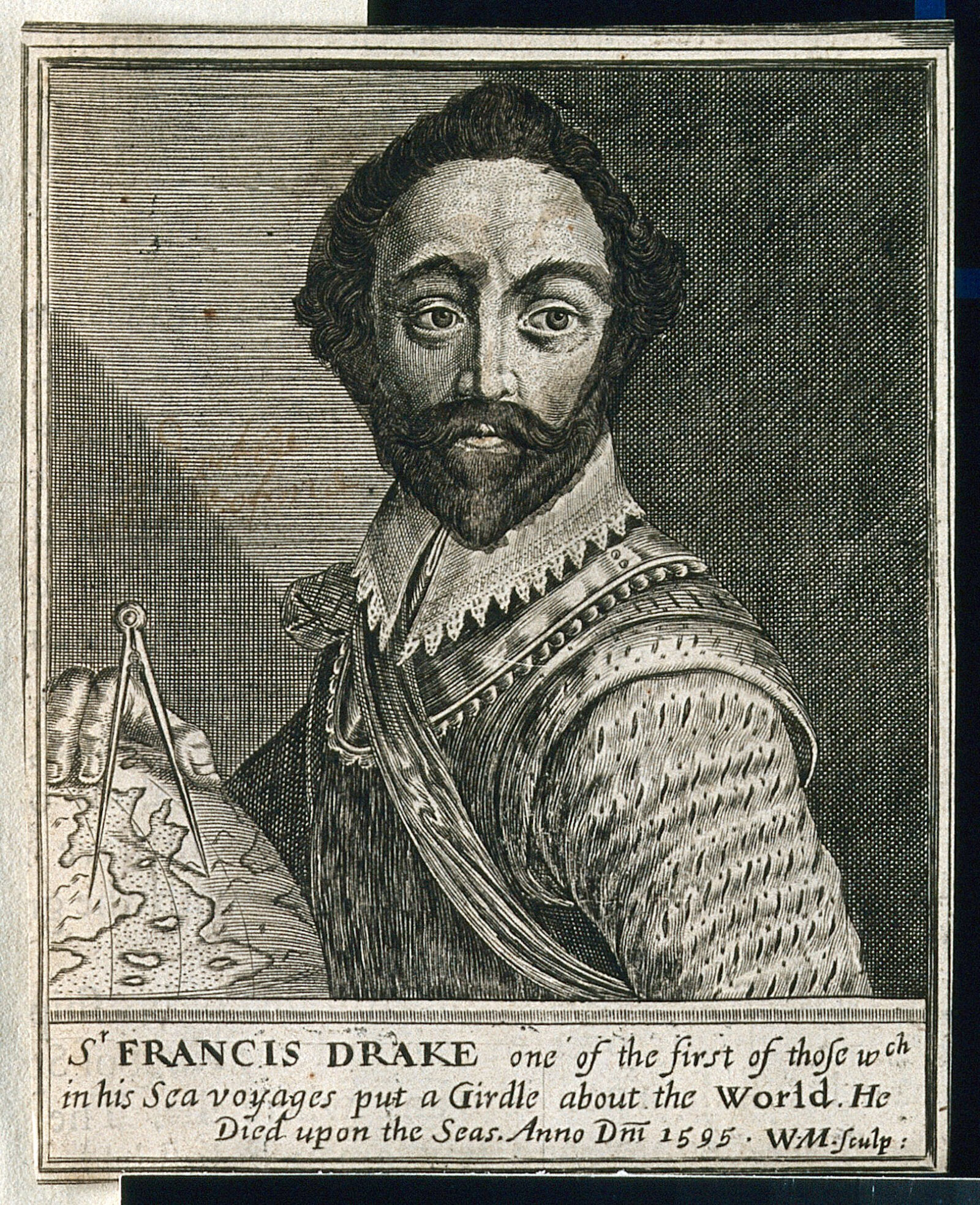 Painting
Secondary source
William Marshall · 1642
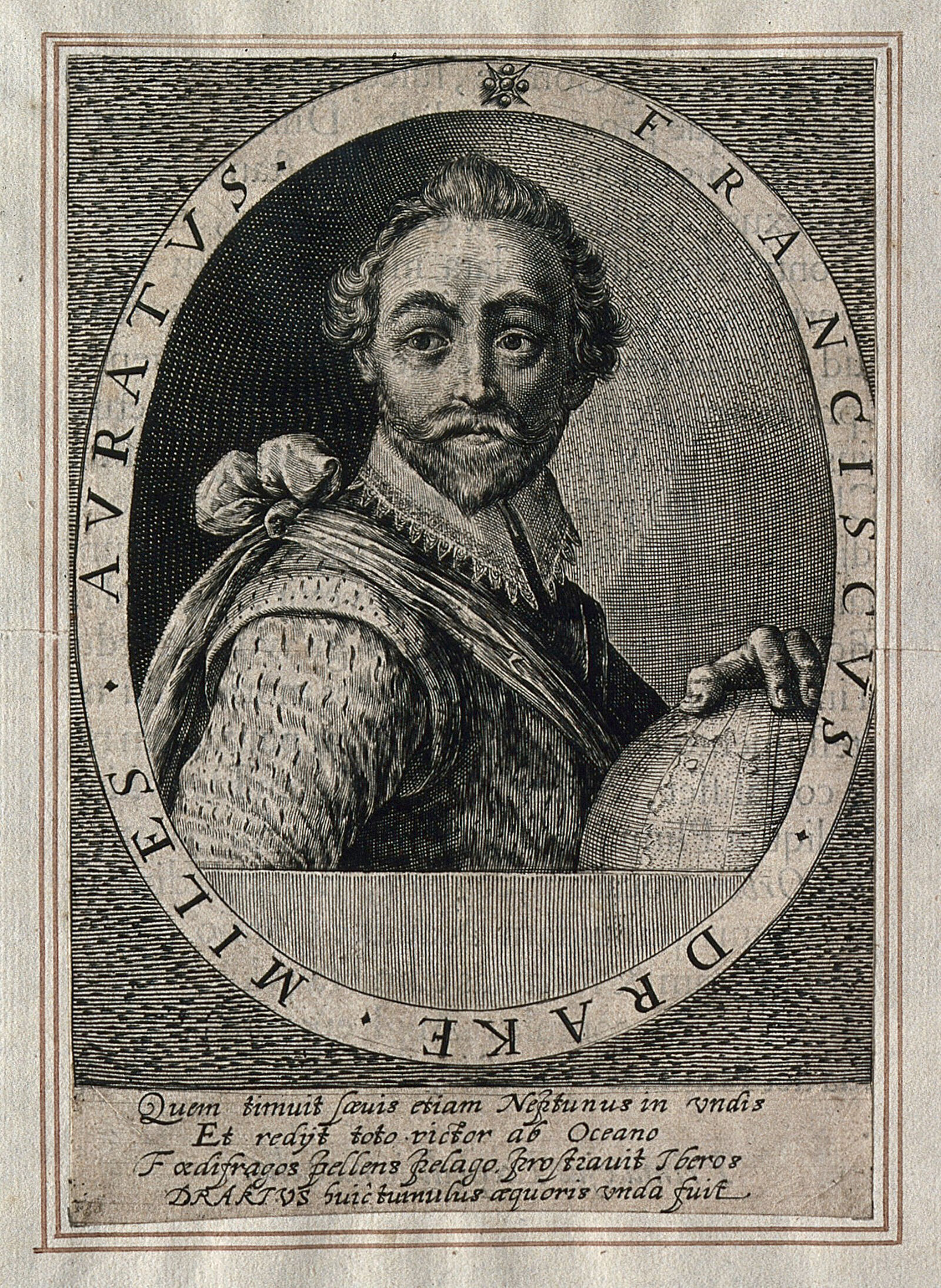 Painting
Secondary source
Crispijn van de Passe the Younger · 1620
Primary source
John Knox Laughton · 1894 (documents of 1588)
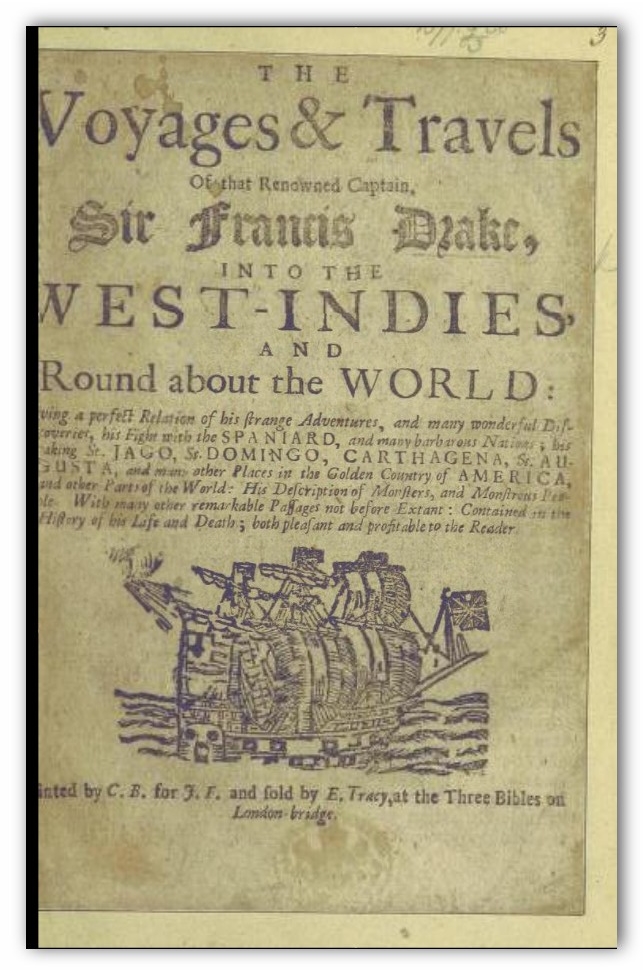 Book
Secondary source
1652
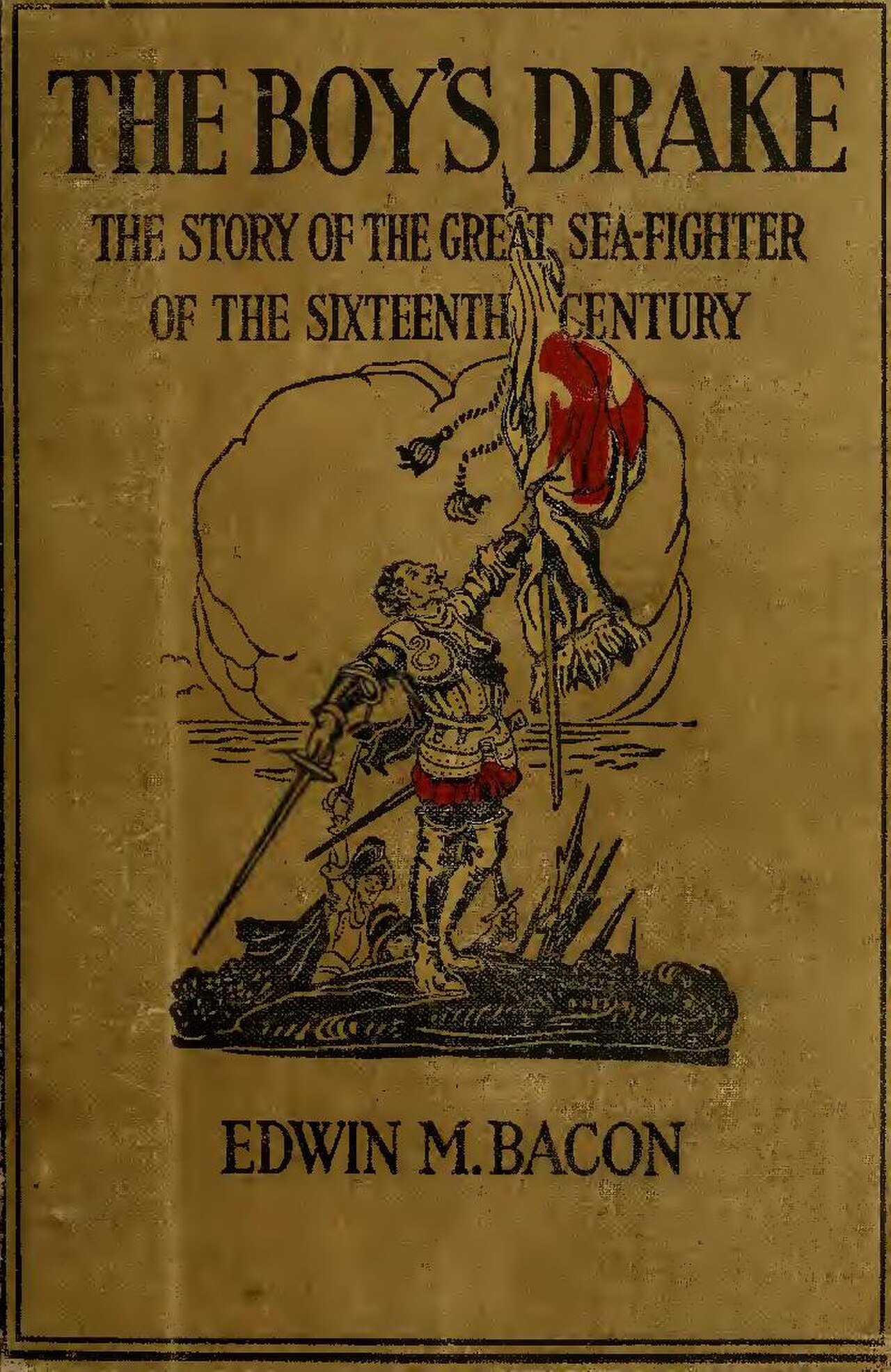 Book
Secondary source
Edwin M. Bacon
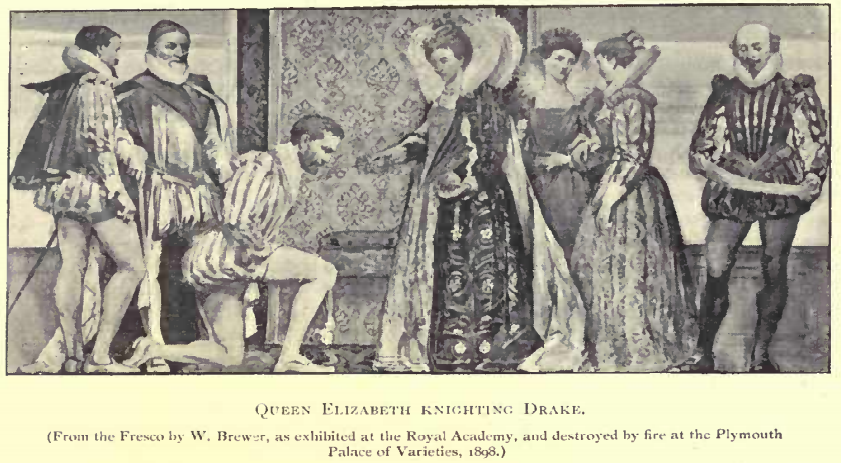 Painting
Secondary source
W. Brewer · 1897
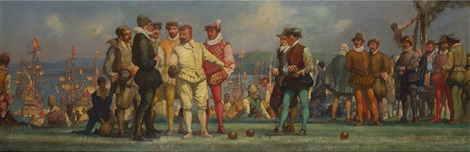 Painting
Secondary source
Kenneth Denton Shoesmith · 1919
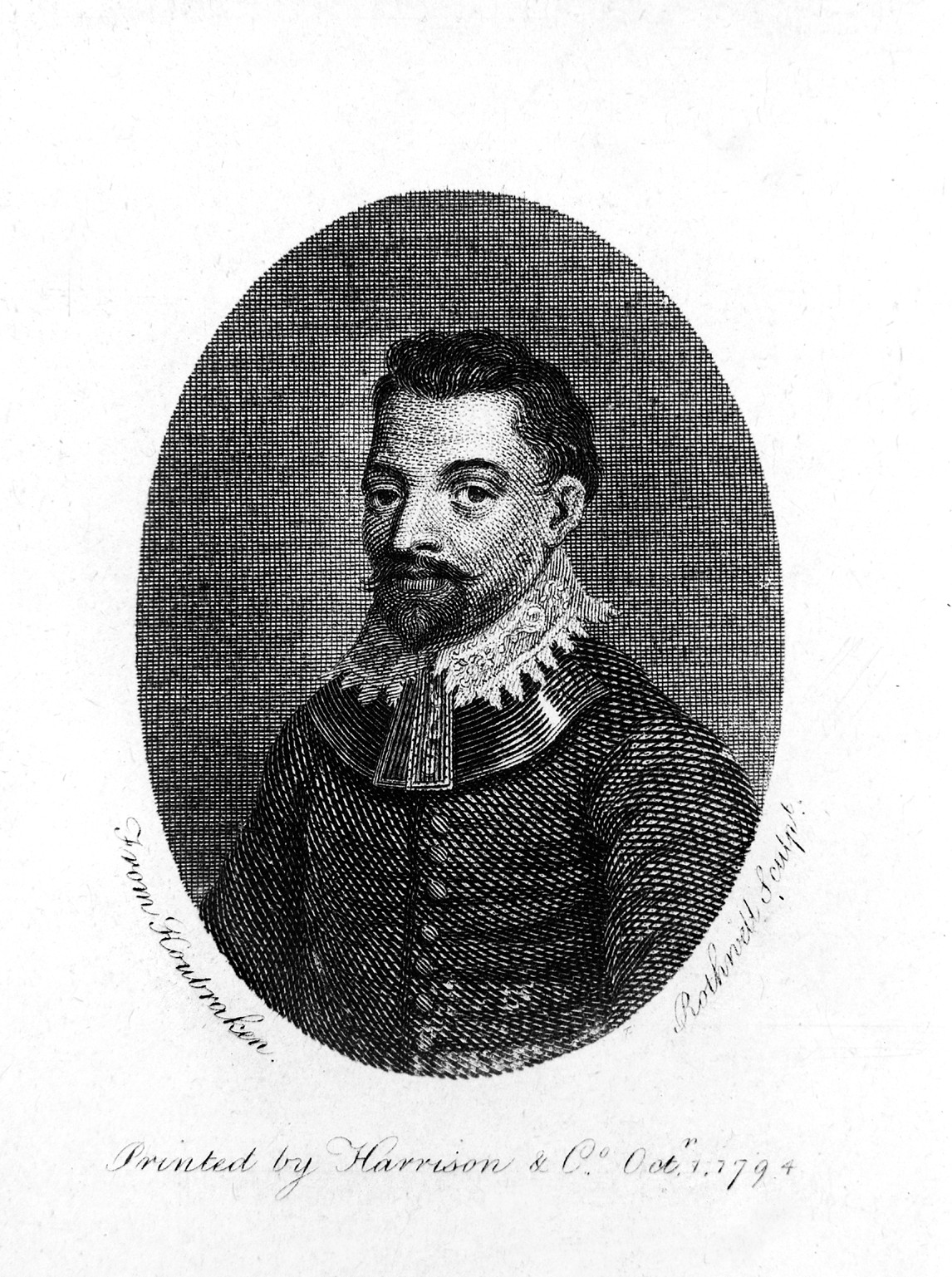 Painting
Secondary source
Thomas de Leu, after Jodocus Rabel
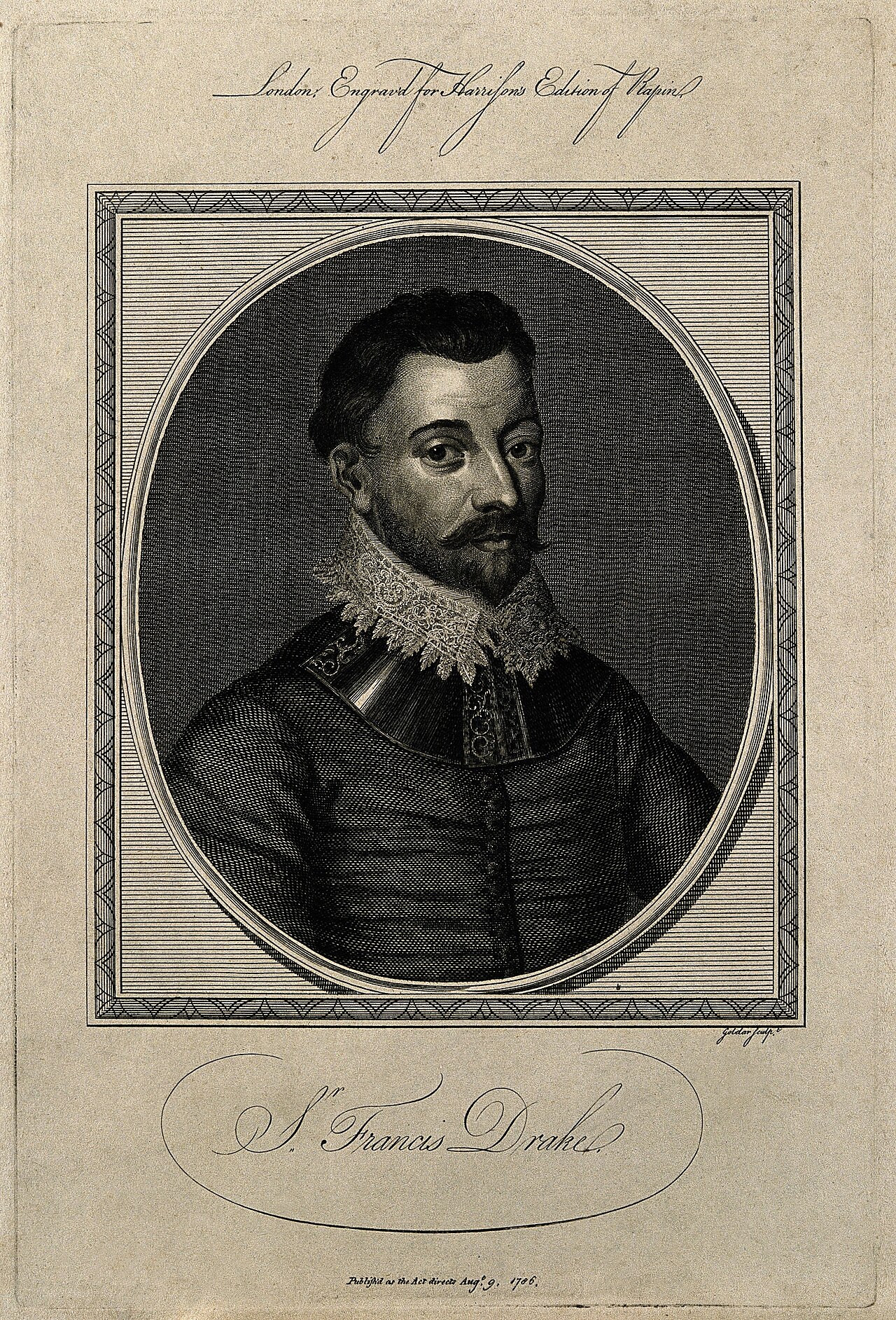 Painting
Secondary source
J. Goldar · 1786
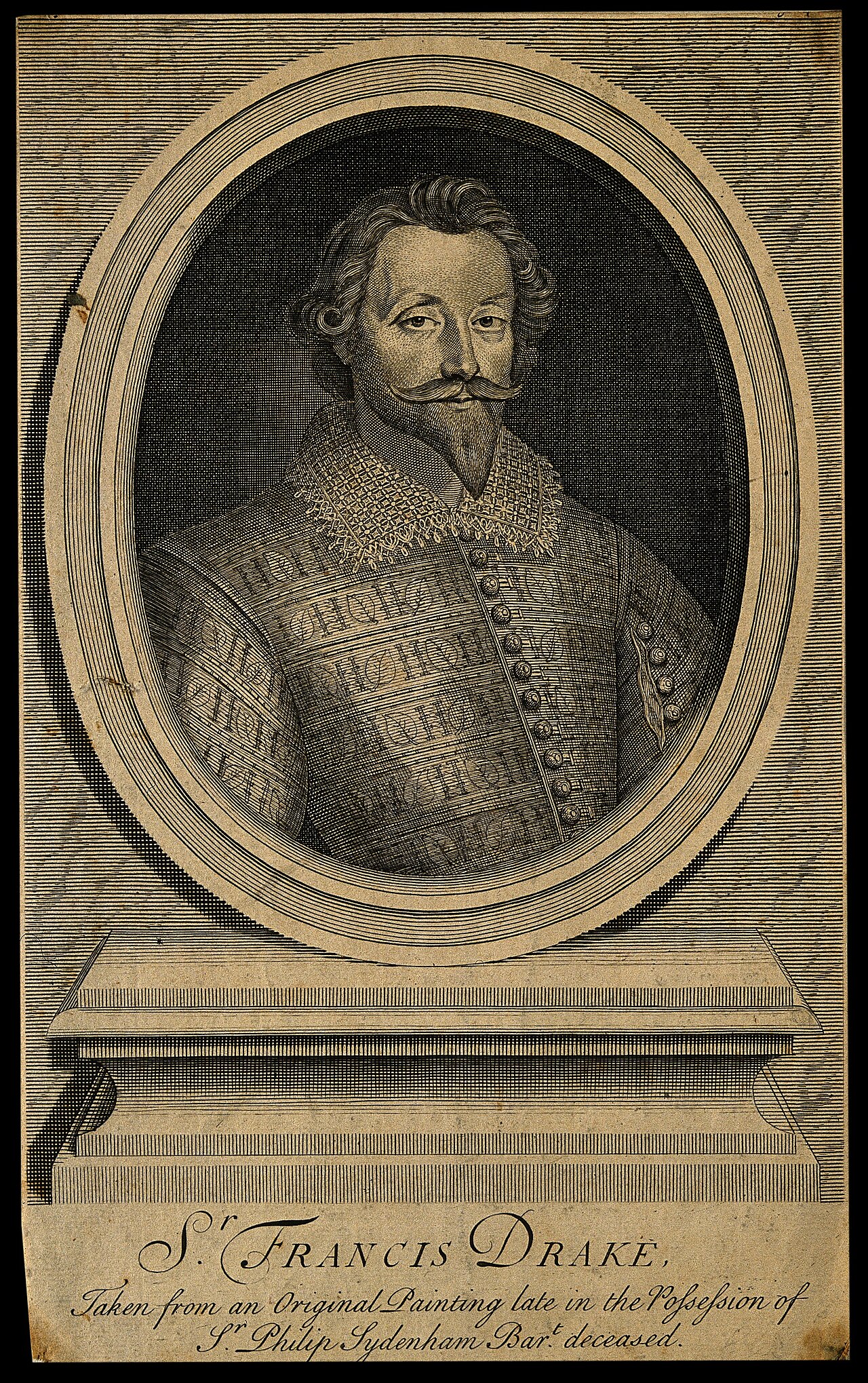 Painting
Secondary source
Robert White (painting, engraved after it) · 1705
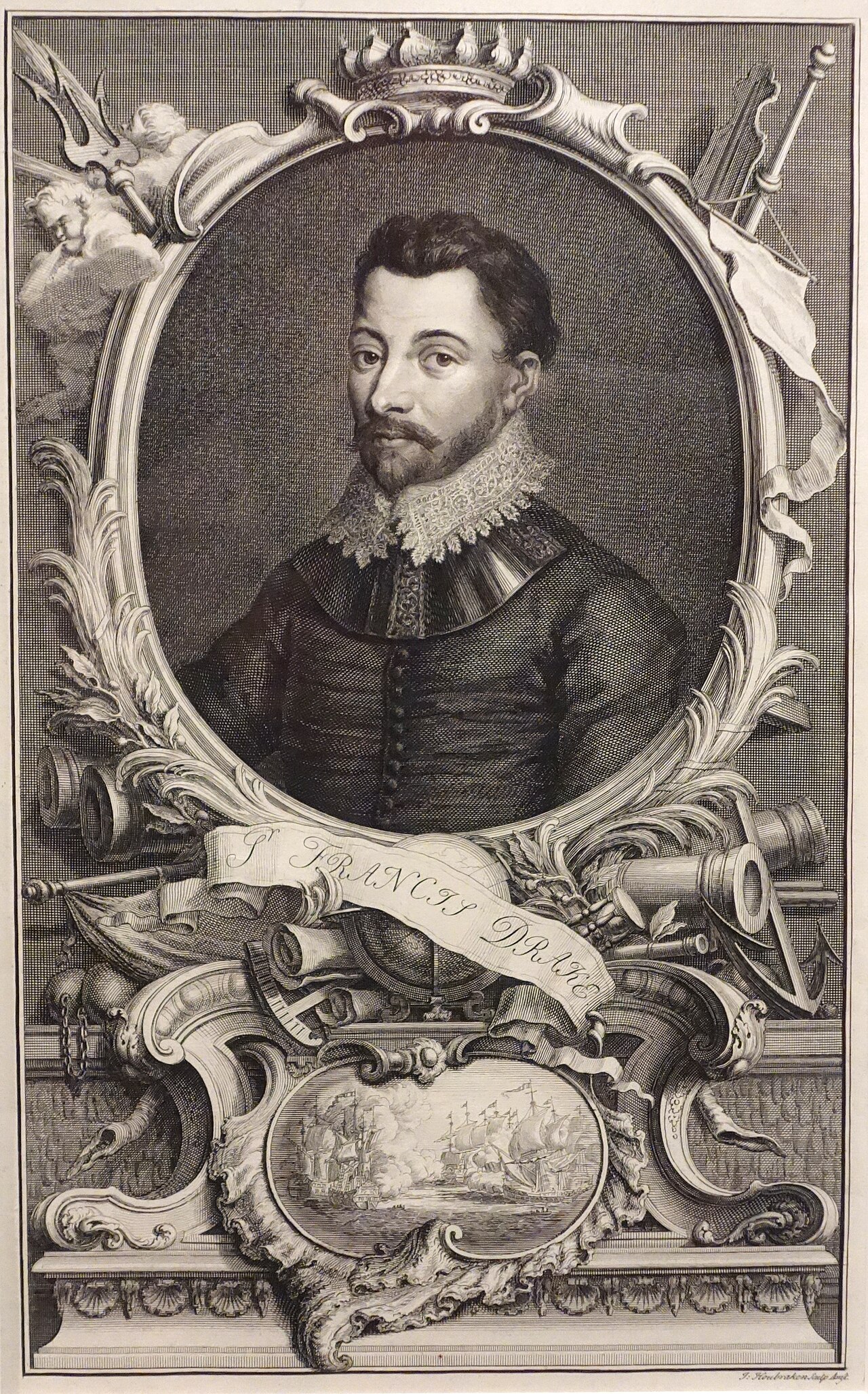 Painting
Secondary source
Jacobus Houbraken · c. 1720
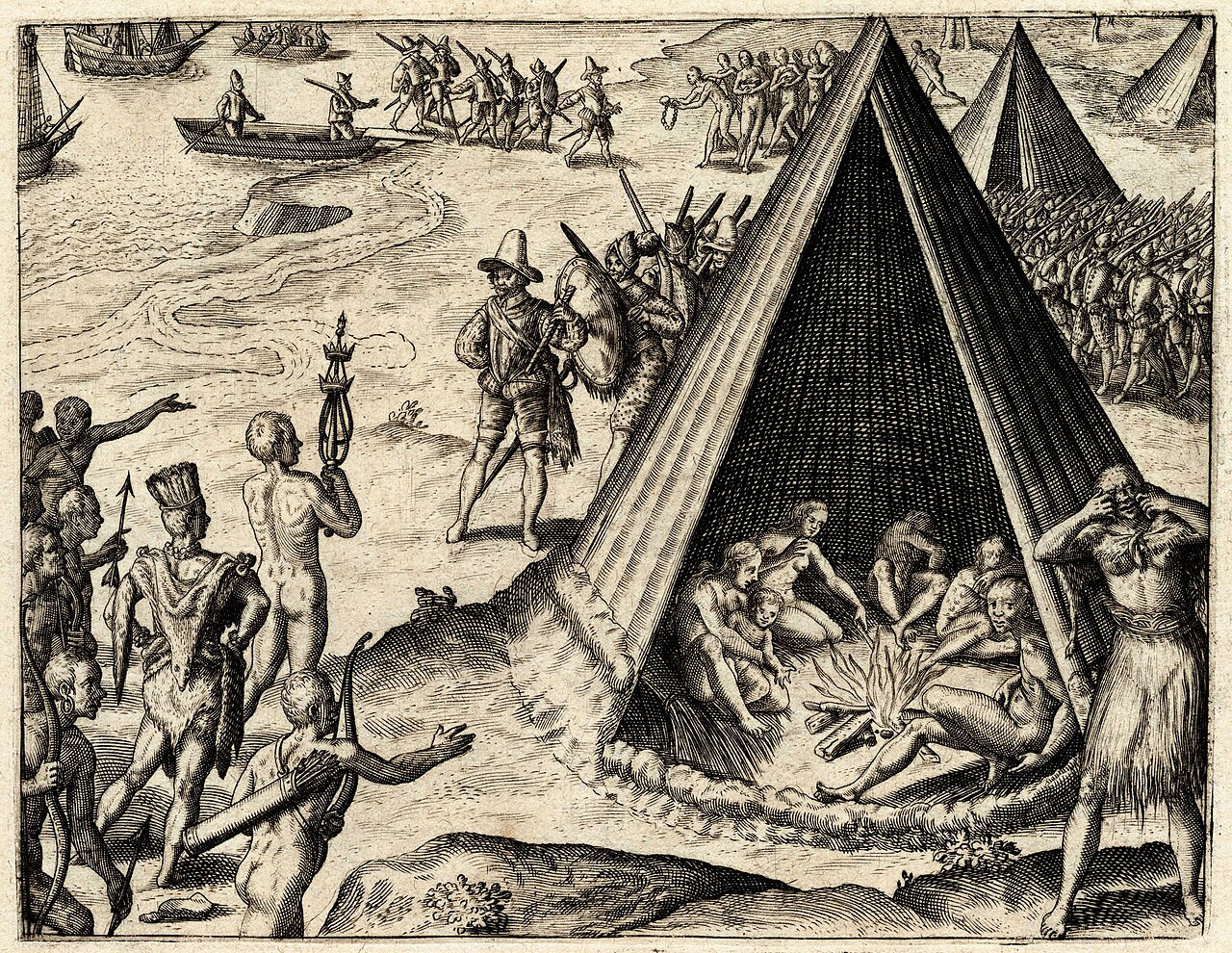 Artifact
Primary source
Theodor de Bry · 1590
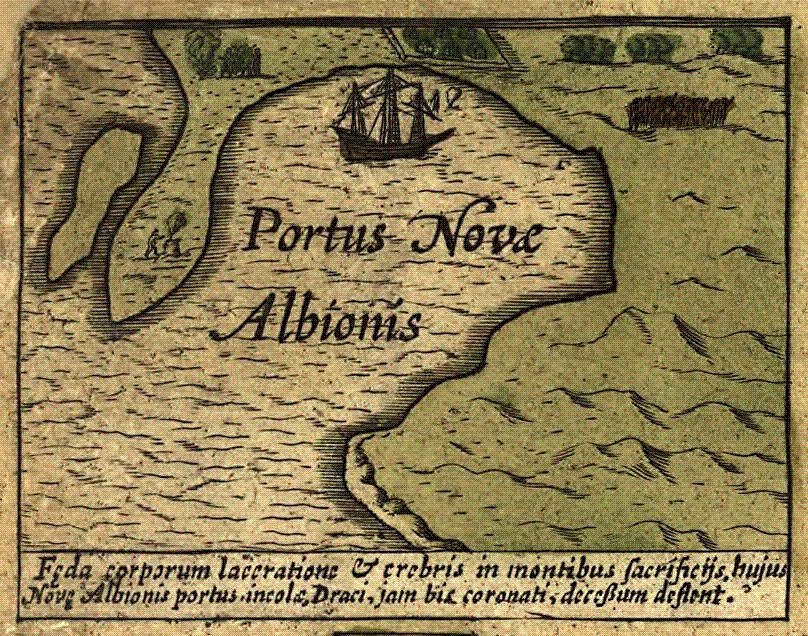 Document
Primary source
Jodocus Hondius · 1589
Tertiary source
1902
Secondary source
James Anthony Froude · 1893-1894 lectures, 1896 edition
Secondary source
Elizabeth Douglas Fuller-Eliott-Drake · 1911
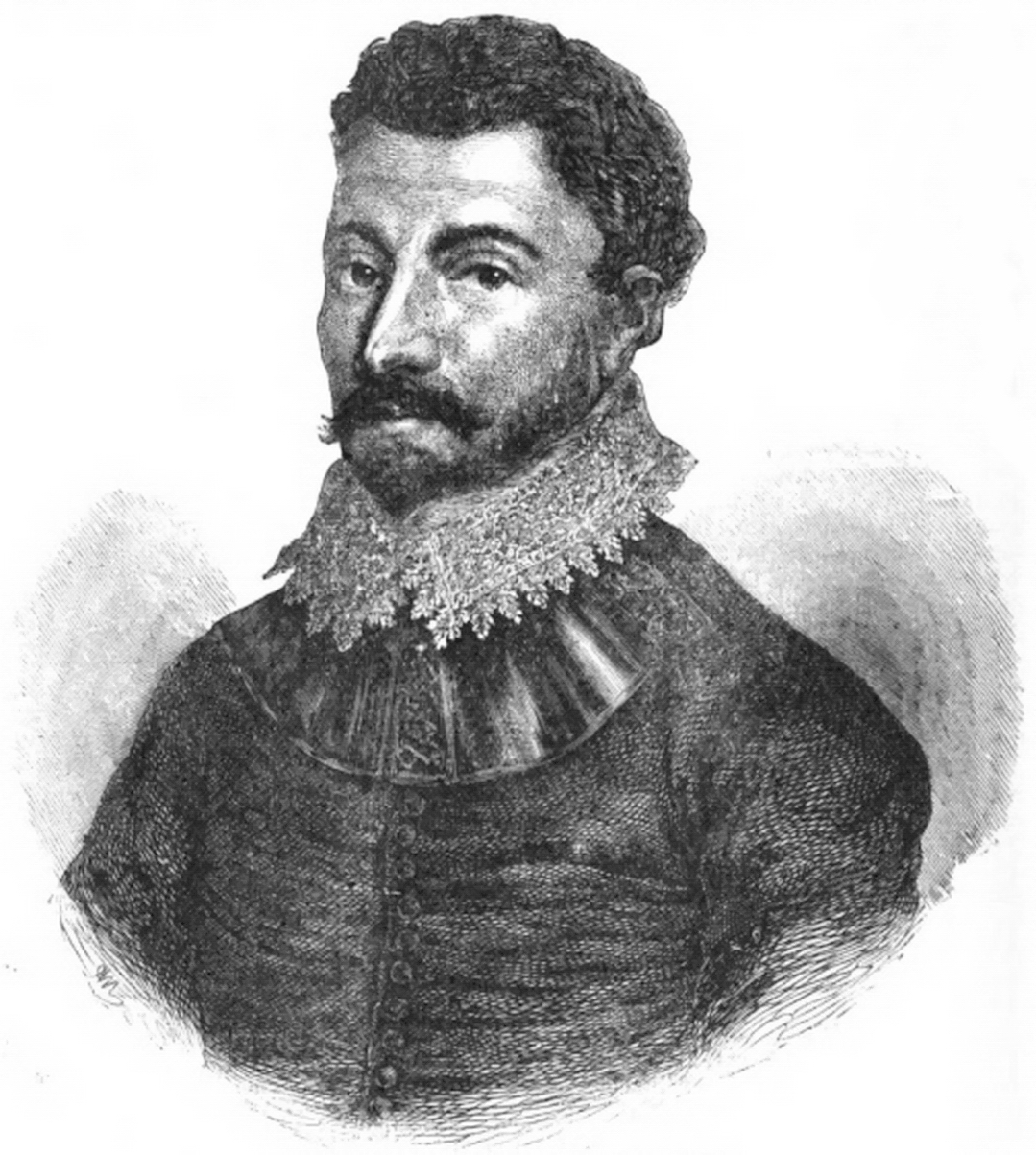 Painting
Secondary source
John Cassell · 1865
 Painting
Secondary source
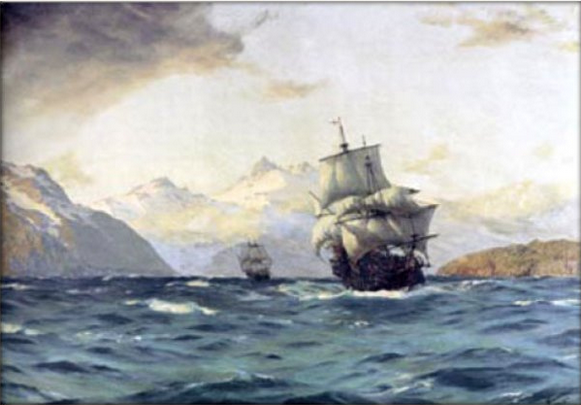 Painting
Secondary source
Thomas Somerscales
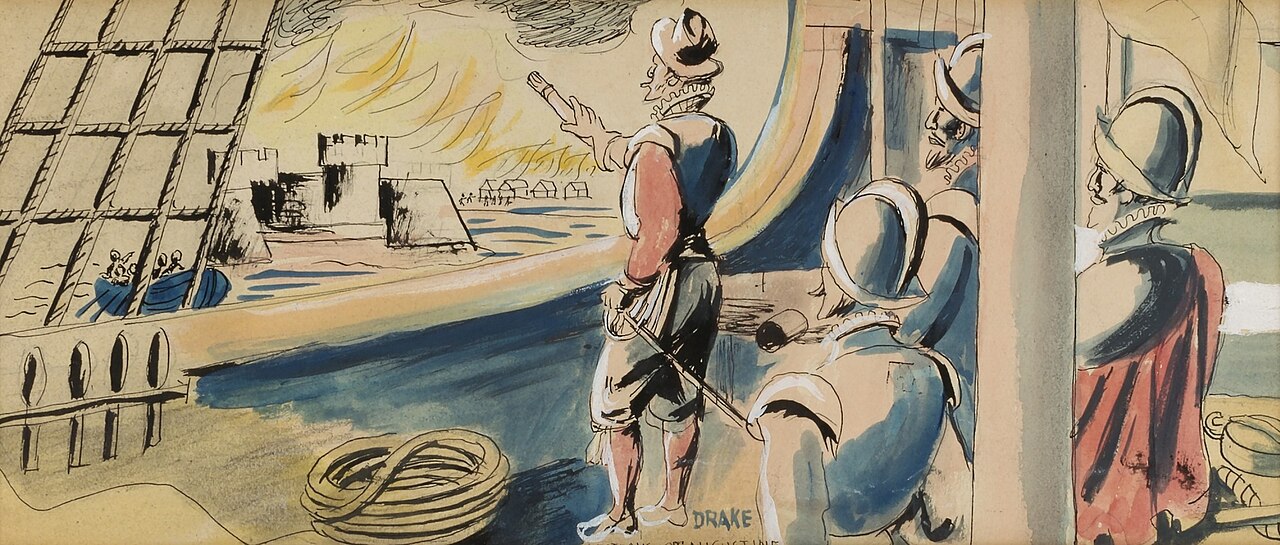 Painting
Secondary source
Edward Buk Ulreich
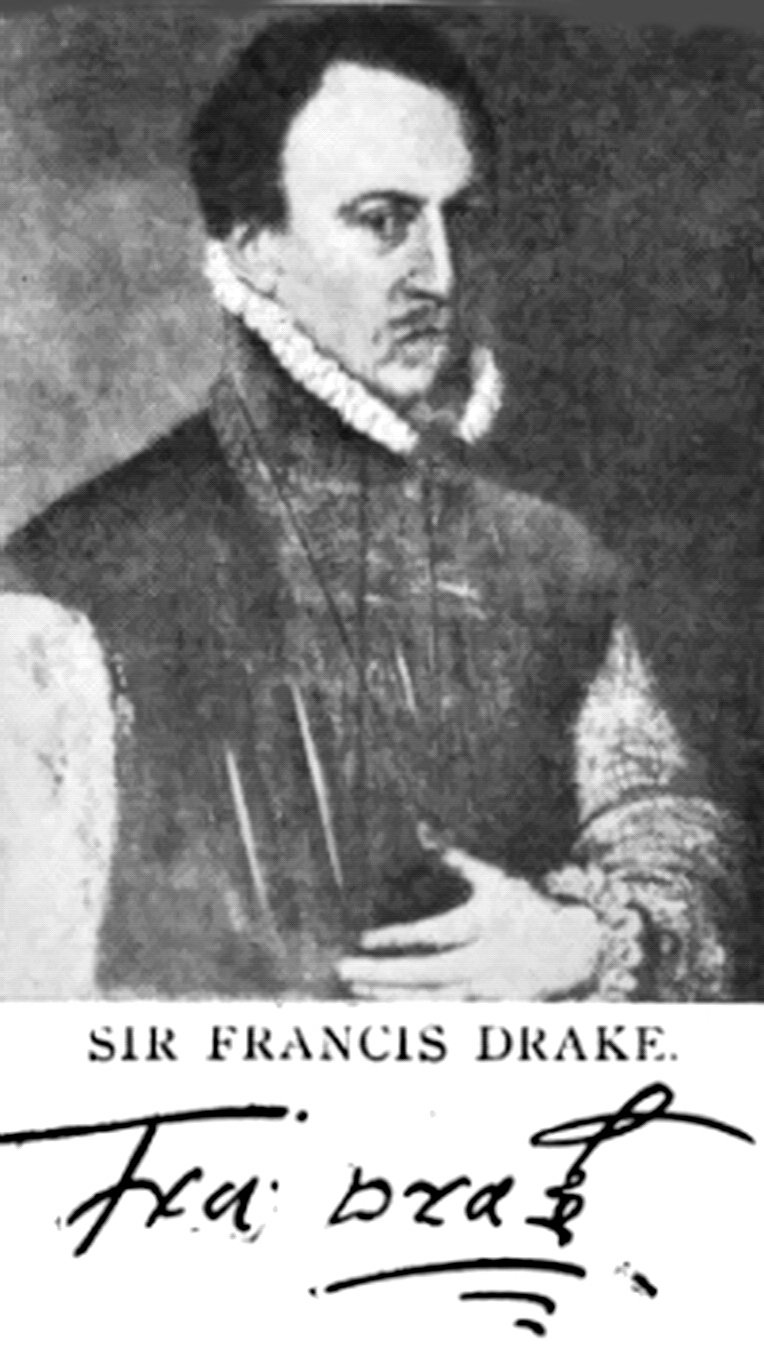 Painting
Secondary source
Farnham Bishop · 1916
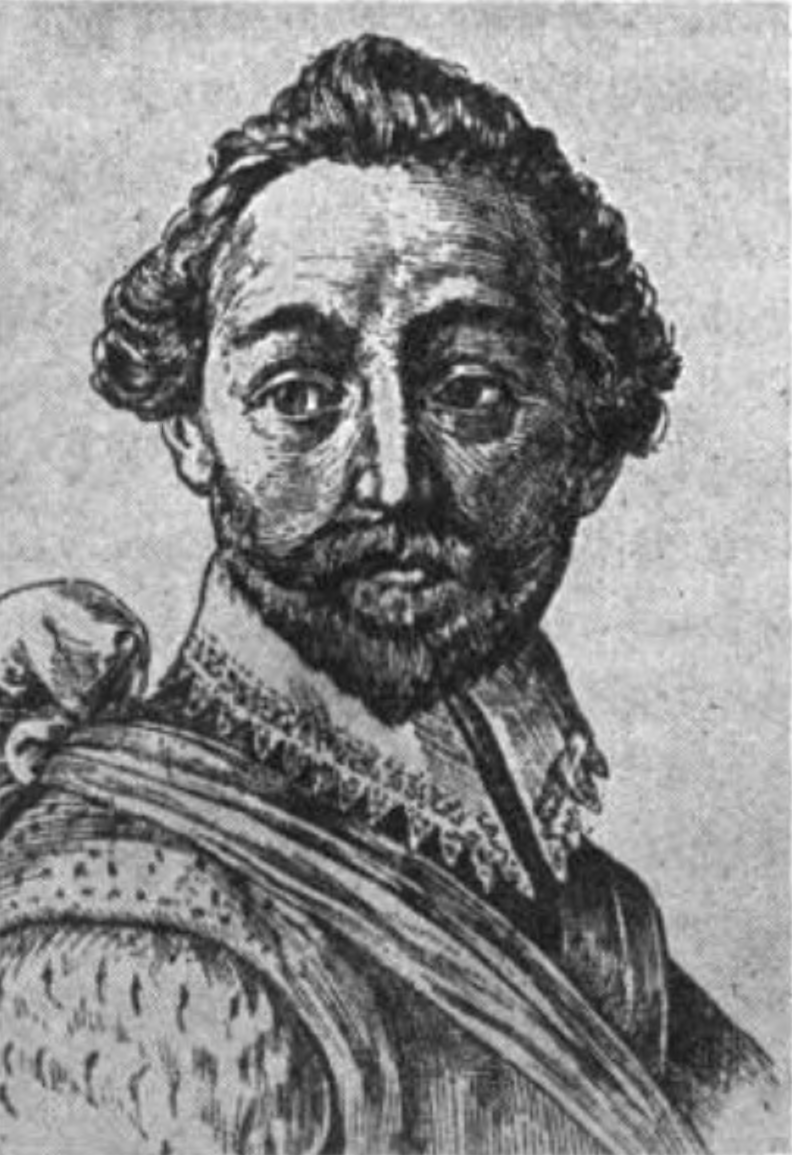 Painting
Secondary source
1919
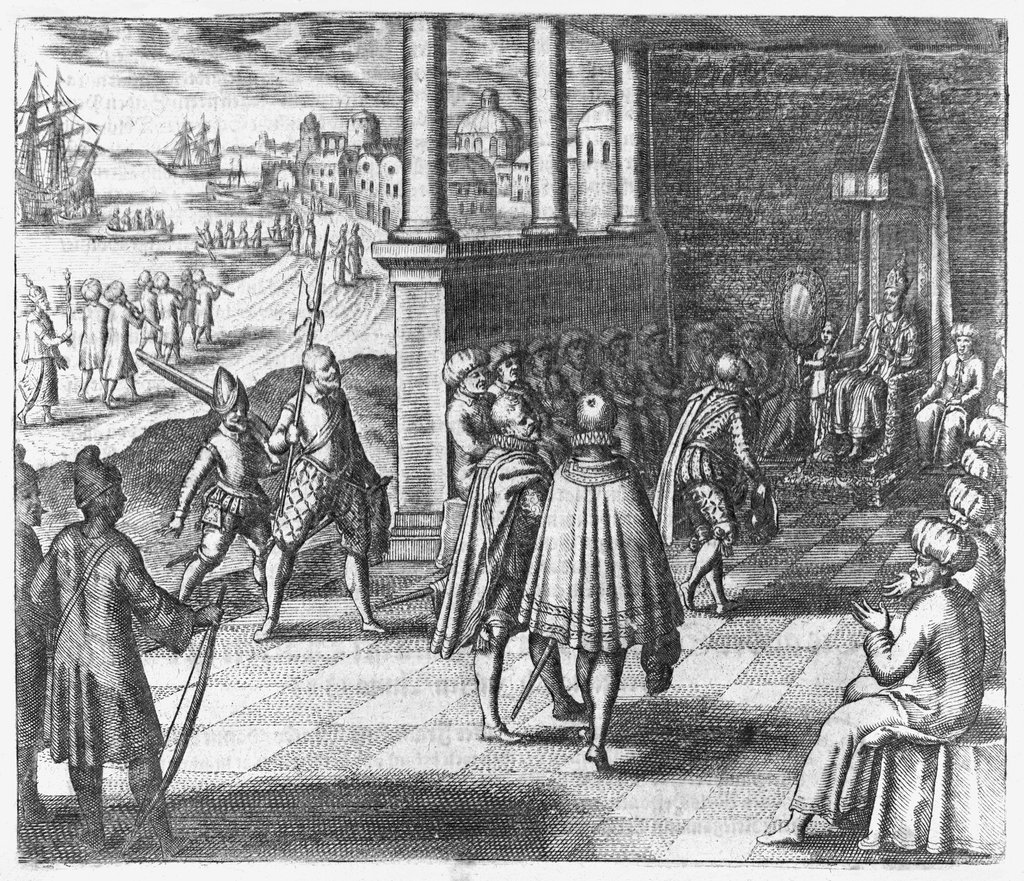 Painting
Secondary source
HHEHUM
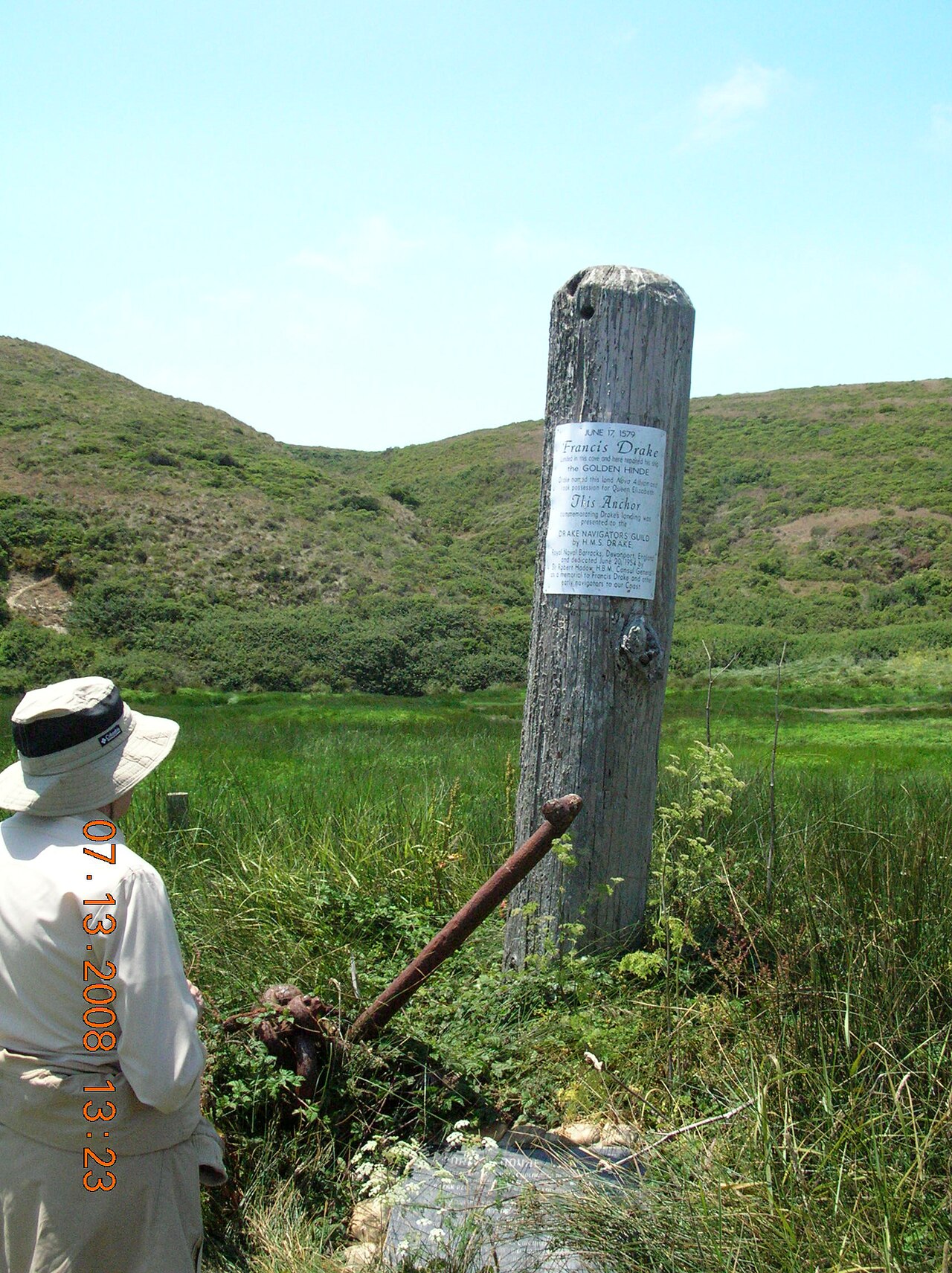 Photograph
Secondary source
MikeVdP · 2008-07-13
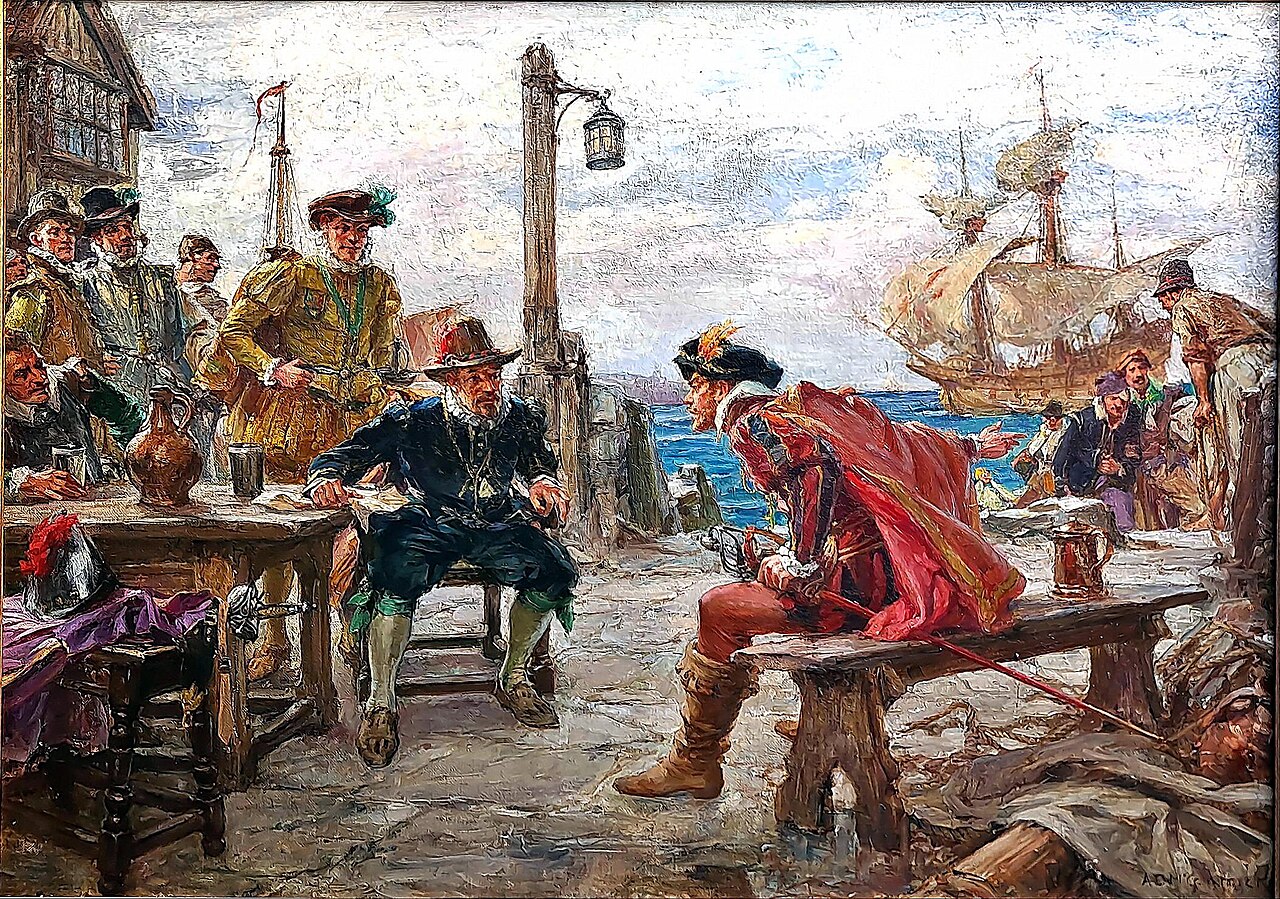 Painting
Secondary source
Arthur David McCormick · c. 1900–1910
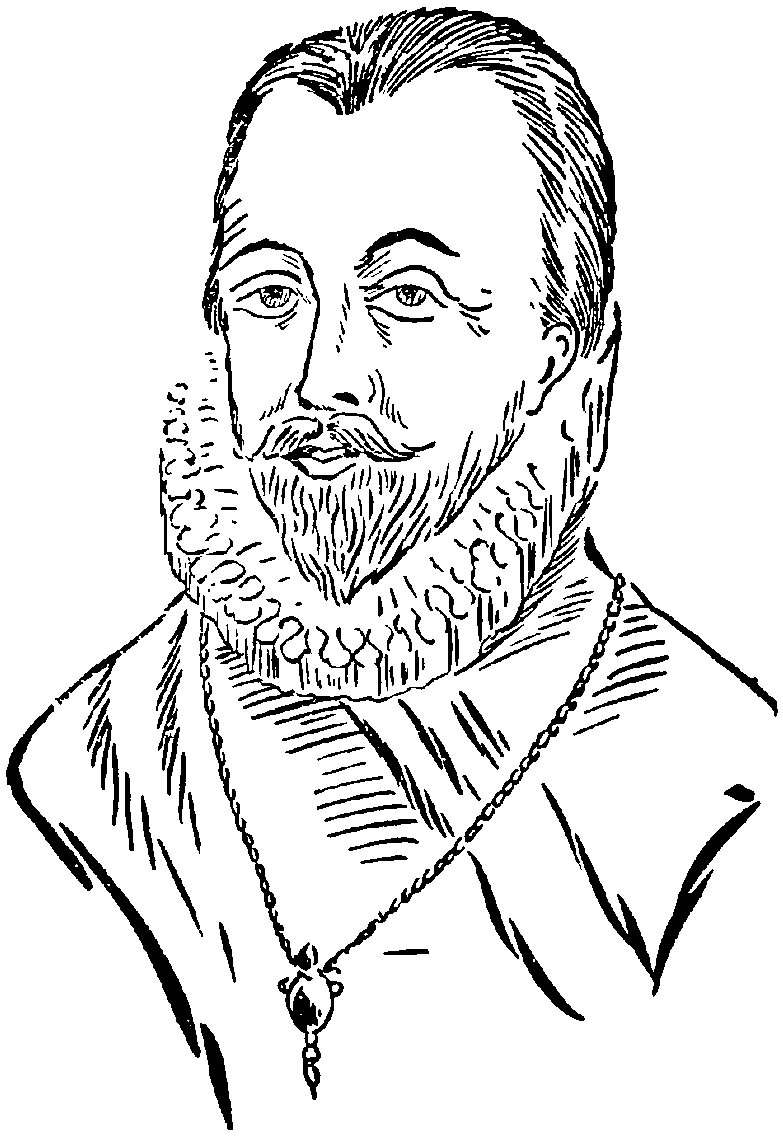 Painting
Secondary source
published 1921
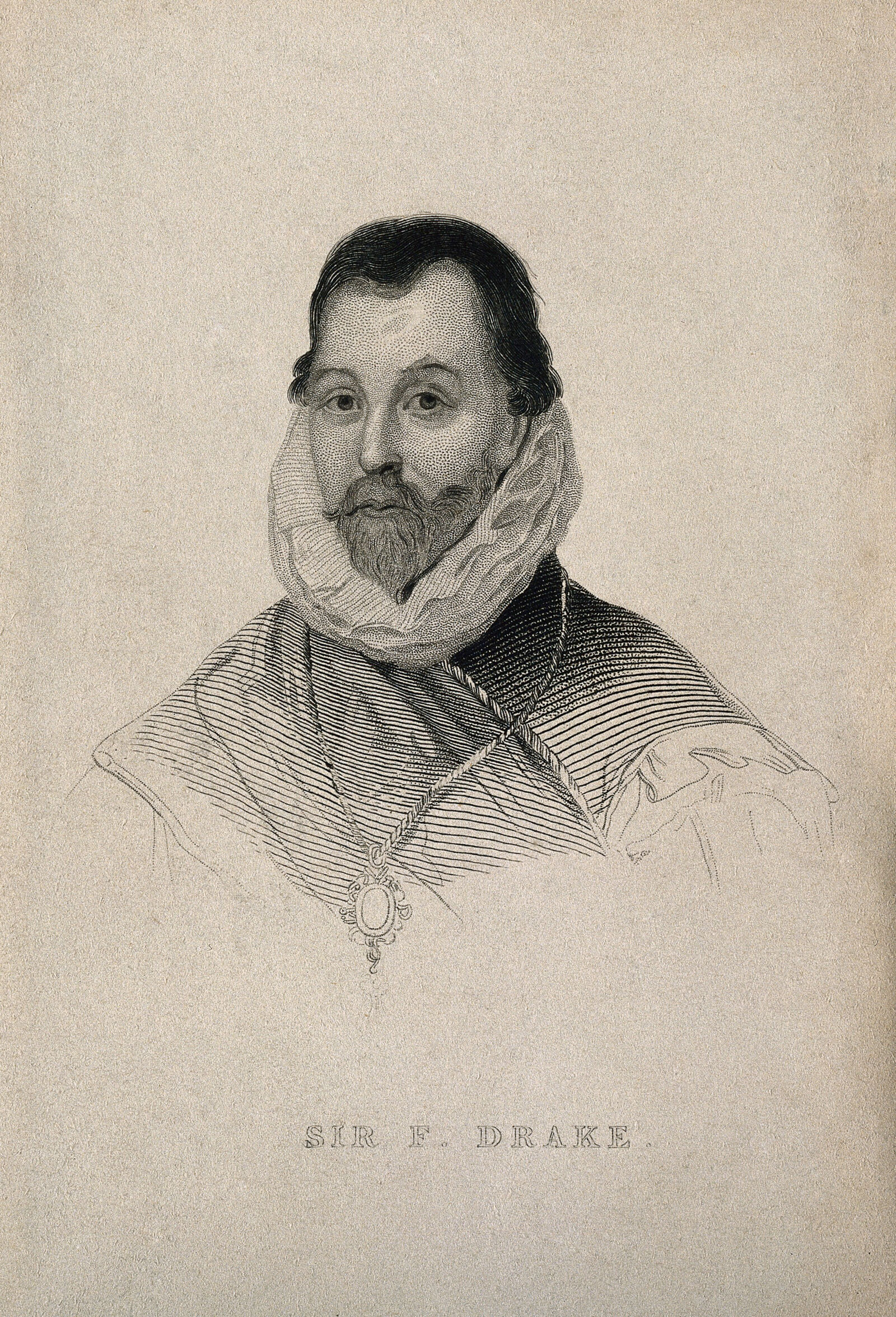 Painting
Secondary source
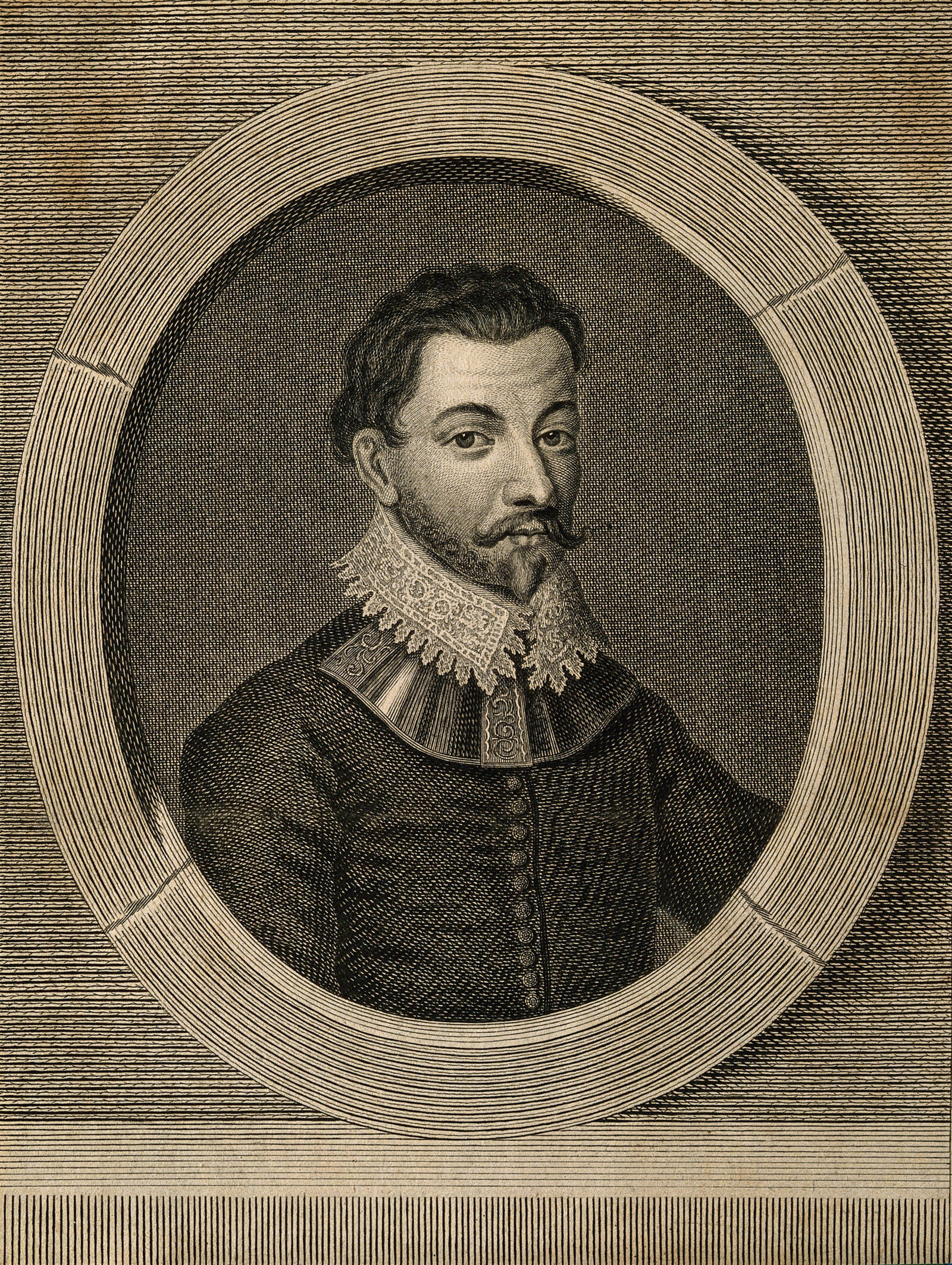 Painting
Secondary source
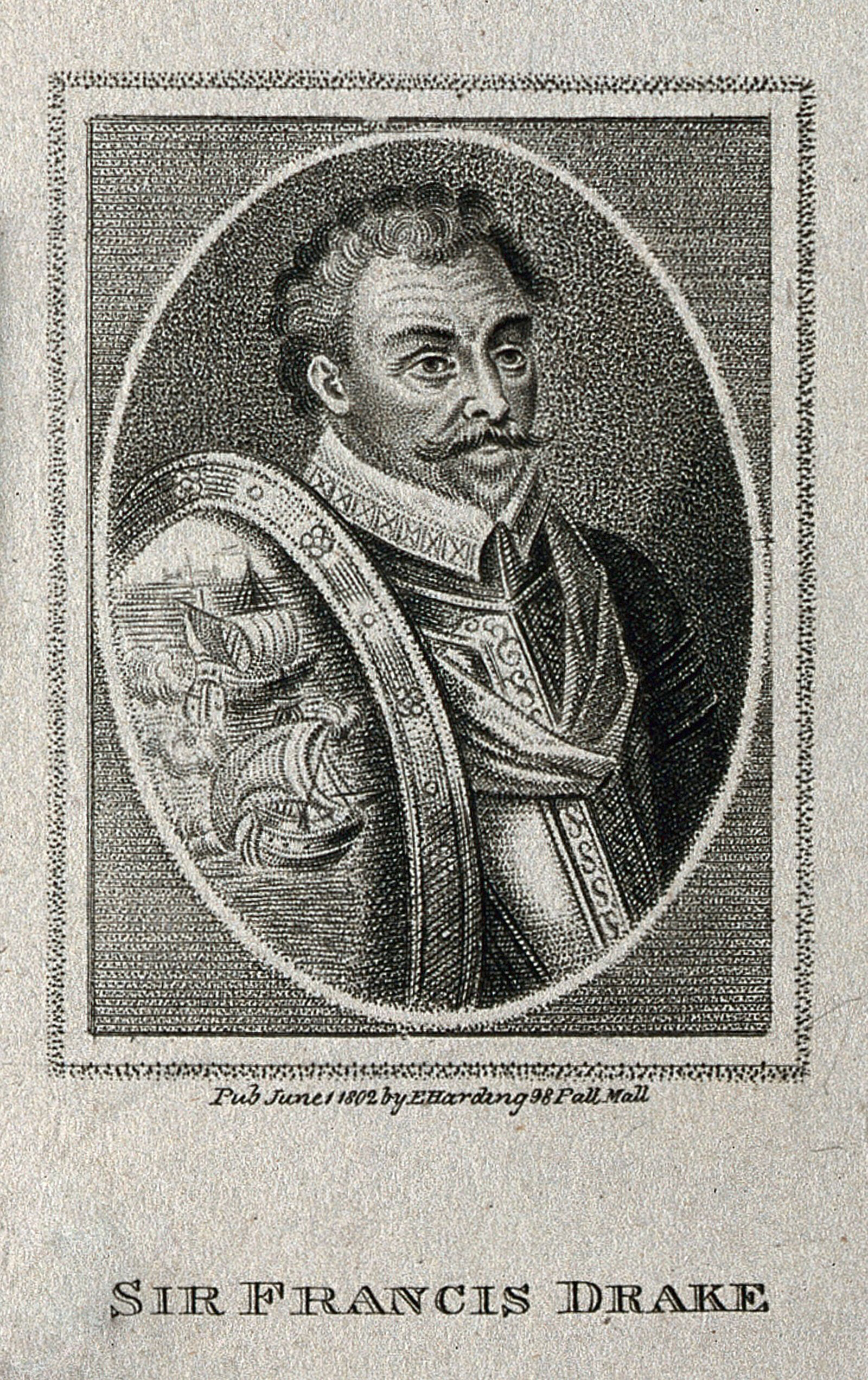 Painting
Secondary source
June 1 1802
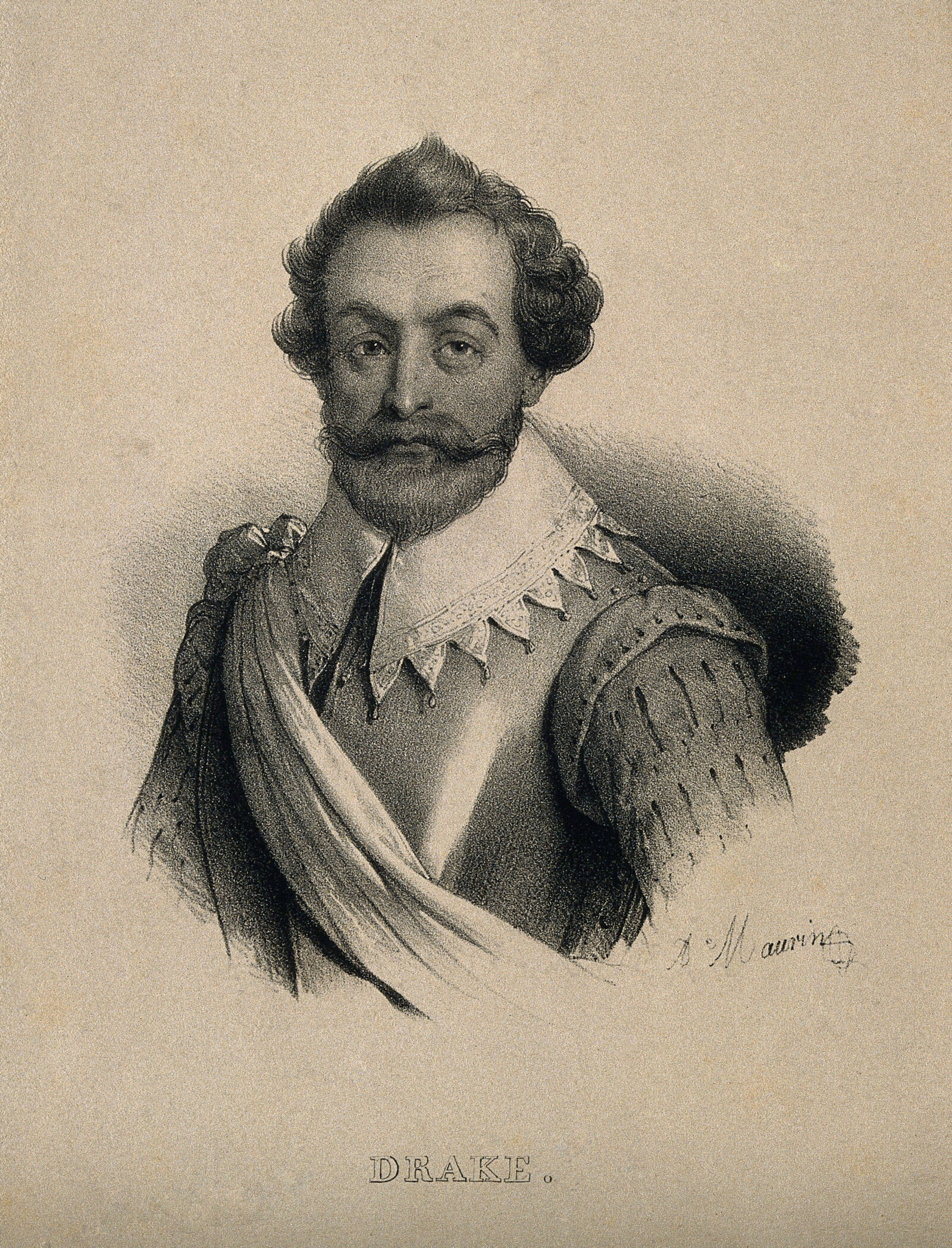 Painting
Secondary source
Antoine Maurin · 1800-1899
Want the full shelf? Chat with Sir Francis Drake in the app and open the Sources panel — every quote links back to the original.
2 collections
Ready-made collections from the Humy team that feature Sir Francis Drake. Preview any of them, then try it free.
Paying customers



























Dr. Michael Calvert
Assistant Superintendent, South Allegheny School District, Pennsylvania
Been using Humy in his district since 2024
“We enjoyed the program last year and used it frequently.”

Jacob Chisom
World and American History, Monticello High School, Arkansas
Been using Humy in his classroom since 2024
“My students say it’s a welcome change of pace. I’m not a fan of the “sage on the stage” model, so I try to incorporate research-oriented and self-paced activities. With Humy, students have to take charge of their learning. They’ve become more adept at critical thinking, forming better questions, and improving their reading comprehension. The interview feature has been my go-to tool. I create assignments where students must ask historical figures a set number of questions, then summarize the responses to ensure they’re truly absorbing the material. This approach lets them actively explore the past rather than passively consuming information.”
Roger Campbell
7th-grade World History, Lancaster County, Pennsylvania
Been using Humy in his classroom since 2024
“Humy has helped me bring historical figures, sometimes long past, to life. When my students interact with these figures in real-time, it eliminates some of the perceived “ancient” characteristics of my curriculum. This has shifted my students’ thinking away from viewing history as abstract or irrelevant. Real-time interactions make historical figures relatable, even allowing students to ask off-topic questions that help put historical lives in a more relevant context for 13-year-olds. The feature I use the most is the interview feature. After teaching a topic, most recently Gandhi and Joan of Arc, I have the students ask pointed, focused questions. We practice good conversation techniques beforehand, teaching them to listen (or read) carefully and formulate thoughtful follow-up questions rather than just interrogating. It helps students practice effective conversation skills.”
Dr. Michael Calvert
Assistant Superintendent, South Allegheny School District, Pennsylvania
Been using Humy in his district since 2024
“We enjoyed the program last year and used it frequently.”
Jacob Chisom
World and American History, Monticello High School, Arkansas
Been using Humy in his classroom since 2024
“My students say it’s a welcome change of pace. I’m not a fan of the “sage on the stage” model, so I try to incorporate research-oriented and self-paced activities. With Humy, students have to take charge of their learning. They’ve become more adept at critical thinking, forming better questions, and improving their reading comprehension. The interview feature has been my go-to tool. I create assignments where students must ask historical figures a set number of questions, then summarize the responses to ensure they’re truly absorbing the material. This approach lets them actively explore the past rather than passively consuming information.”
Roger Campbell
7th-grade World History, Lancaster County, Pennsylvania
Been using Humy in his classroom since 2024
“Humy has helped me bring historical figures, sometimes long past, to life. When my students interact with these figures in real-time, it eliminates some of the perceived “ancient” characteristics of my curriculum. This has shifted my students’ thinking away from viewing history as abstract or irrelevant. Real-time interactions make historical figures relatable, even allowing students to ask off-topic questions that help put historical lives in a more relevant context for 13-year-olds. The feature I use the most is the interview feature. After teaching a topic, most recently Gandhi and Joan of Arc, I have the students ask pointed, focused questions. We practice good conversation techniques beforehand, teaching them to listen (or read) carefully and formulate thoughtful follow-up questions rather than just interrogating. It helps students practice effective conversation skills.”
FAQ
Like any LLM, the AI version of Sir Francis Drake can get details wrong. Open one of these sources in a new tab to verify what you’ve read.

Spanish Conquistador & Explorer

Spanish conquistador who led the expedition that caused the fall of the Aztec Empire in Mexico.

A Spanish conquistador and explorer

Spanish conquistador who led the conquest of the Inca Empire in Peru.

Spanish Conquistador, Explorer, Pioneer.

French Navigator, Explorer, Diplomat.
Ready when you are
20 messages free · No credit card · Available in 50+ languages.