


Primary sourcePainting1591
Sir Francis Drake, 1540-96
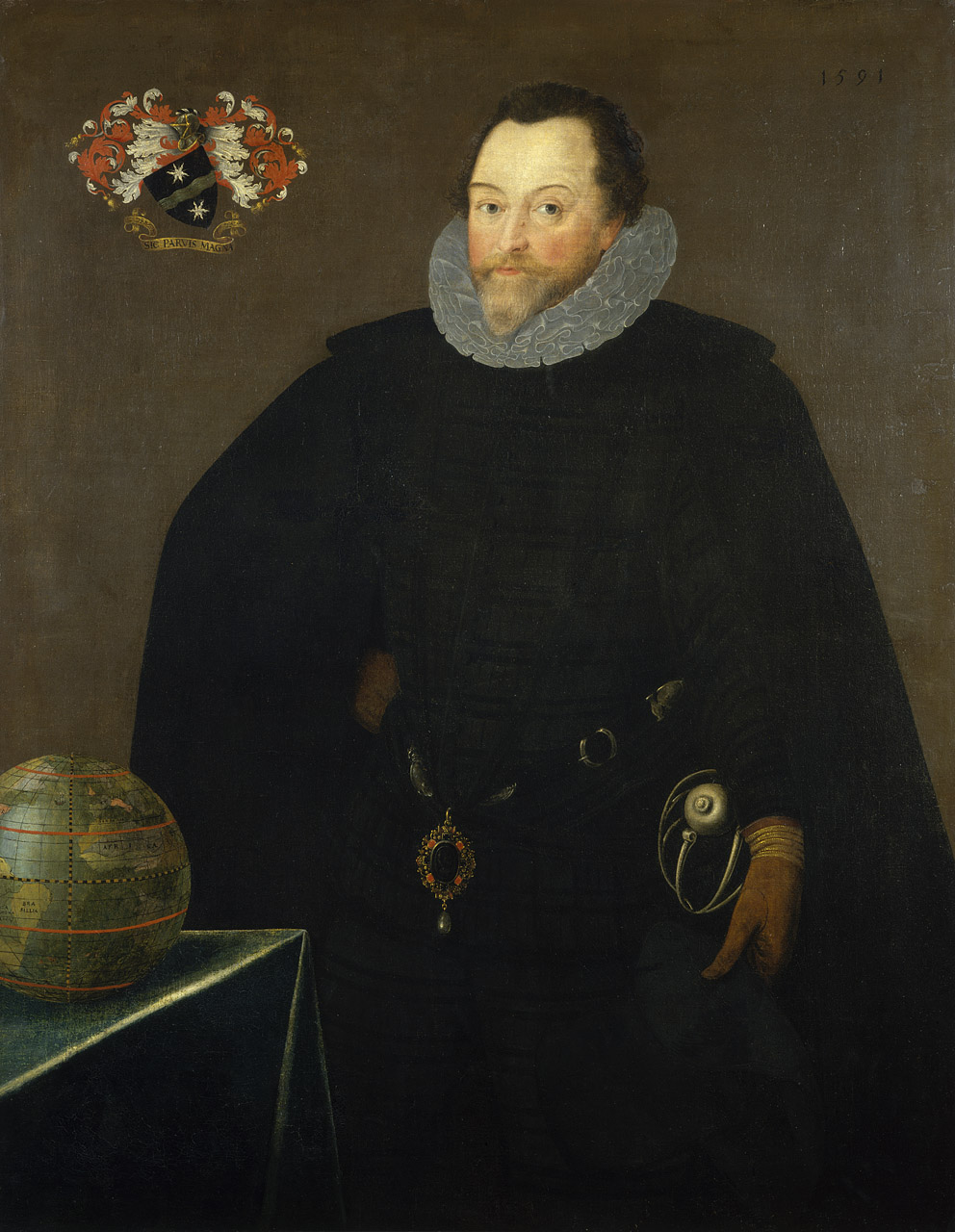
Marcus Gheeraerts the Younger · 1591
A 1591 portrait of Drake wearing the jewel given to him by Elizabeth I, posed beside a globe to celebrate his achievements.
This portrait shows Drake displaying the symbols of fame and royal favour he had won by this stage of his career.
About this source
What it is
This portrait of Francis Drake was painted by Marcus Gheeraerts the Younger in 1591. It shows him in black clothing with a large ruff, holding gloves, with a sword, a coat of arms, and a globe on a draped table beside him. He wears the gold and enamel 'Drake Jewel' given to him by Queen Elizabeth I. It is held by Royal Museums Greenwich.
Why it matters
Painted after Drake's role in defeating the Spanish Armada, this portrait presents him as a national hero at the height of his fame. The globe refers to his circumnavigation, the sword to his service to the crown, and the jewel and coat of arms to the wealth and status he had gained from a career that began humbly and included privateering raids against Spain.
- Why might Drake have chosen these particular objects to be shown with?
- What does the painting suggest about how Drake wanted to be remembered?
- What parts of his career, such as his raids on Spanish ships, are not shown directly in the image?
This painting is part of the curated material that grounds the AI version of Sir Francis Drake on Humy.ai — when students ask about related events, the AI can quote it and cite it.
More Sir Francis Drake sources
Meet the AI Sir Francis Drake →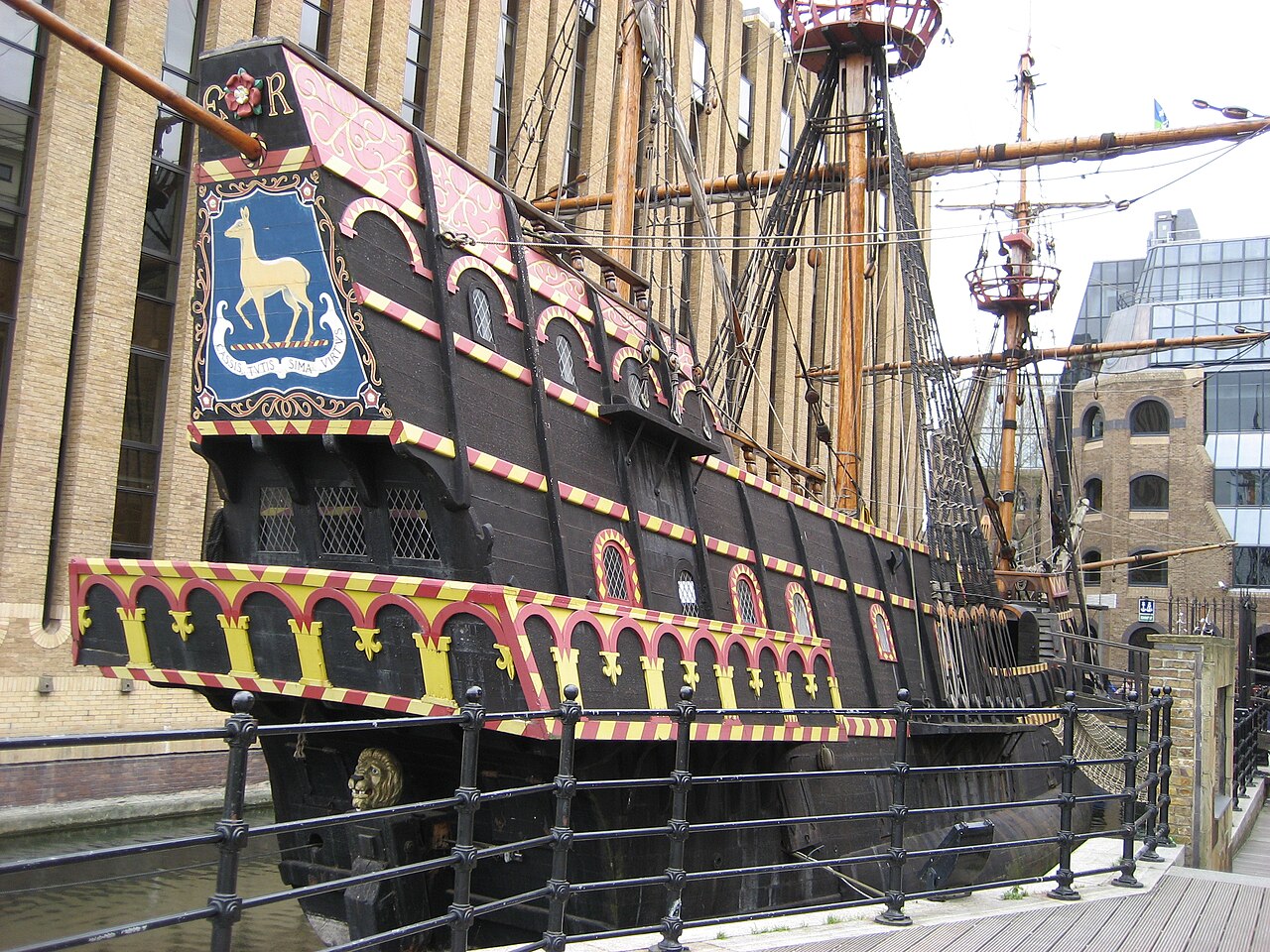 Artifact
Secondary source
Golden Hind
1575 (as Pelican); renamed 1578
 Painting
Primary source
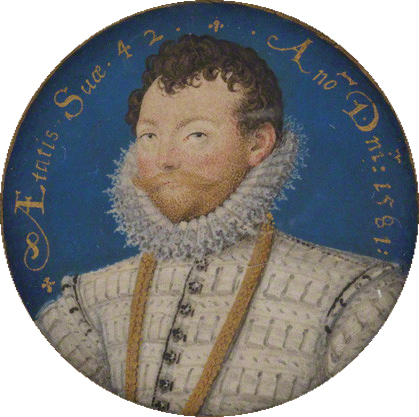
Sir Francis Drake
Nicholas Hilliard · 1581
 Document
Secondary source
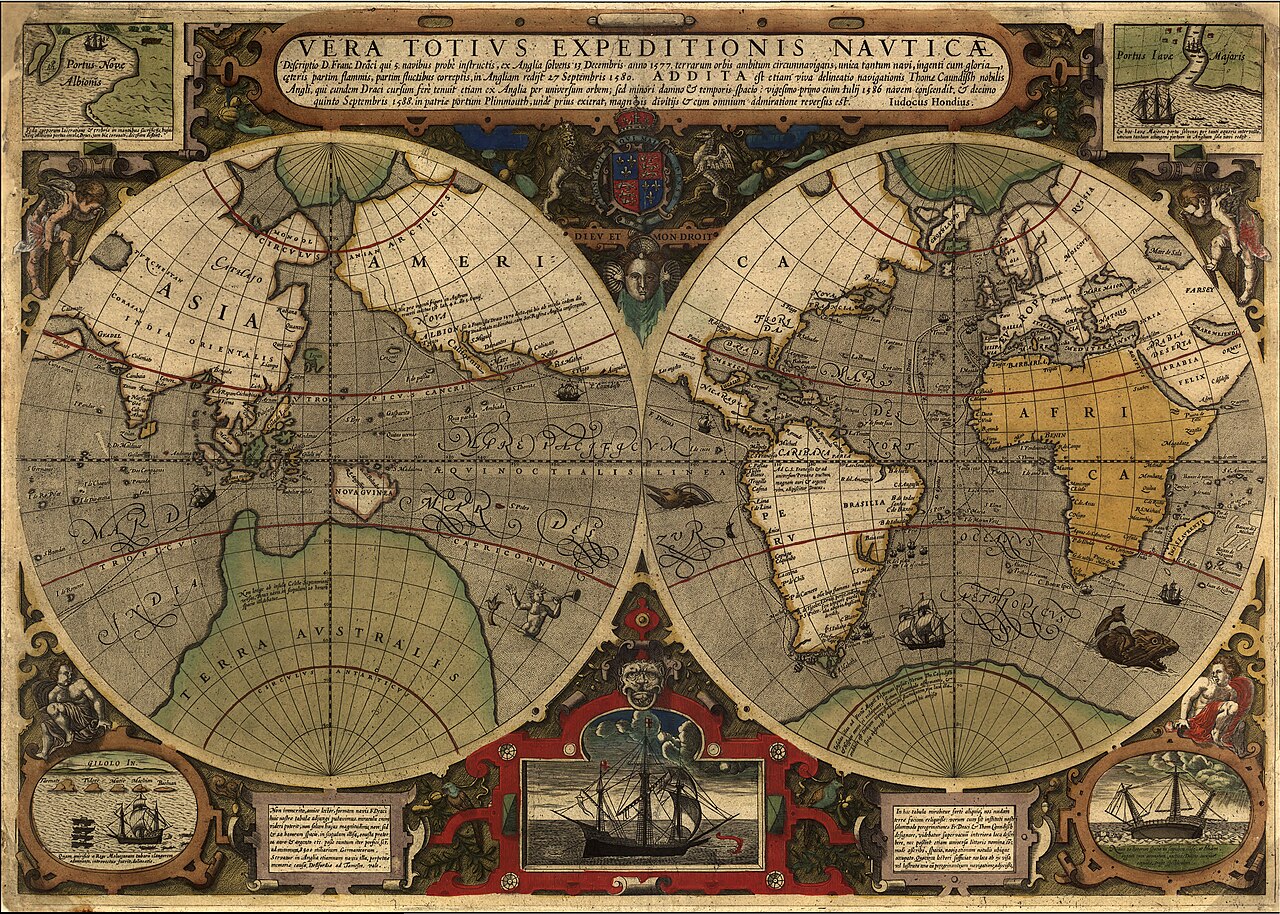
Vera Totius Expeditionis Nauticae
Jodocus Hondius I · 1595
 Painting
Primary source
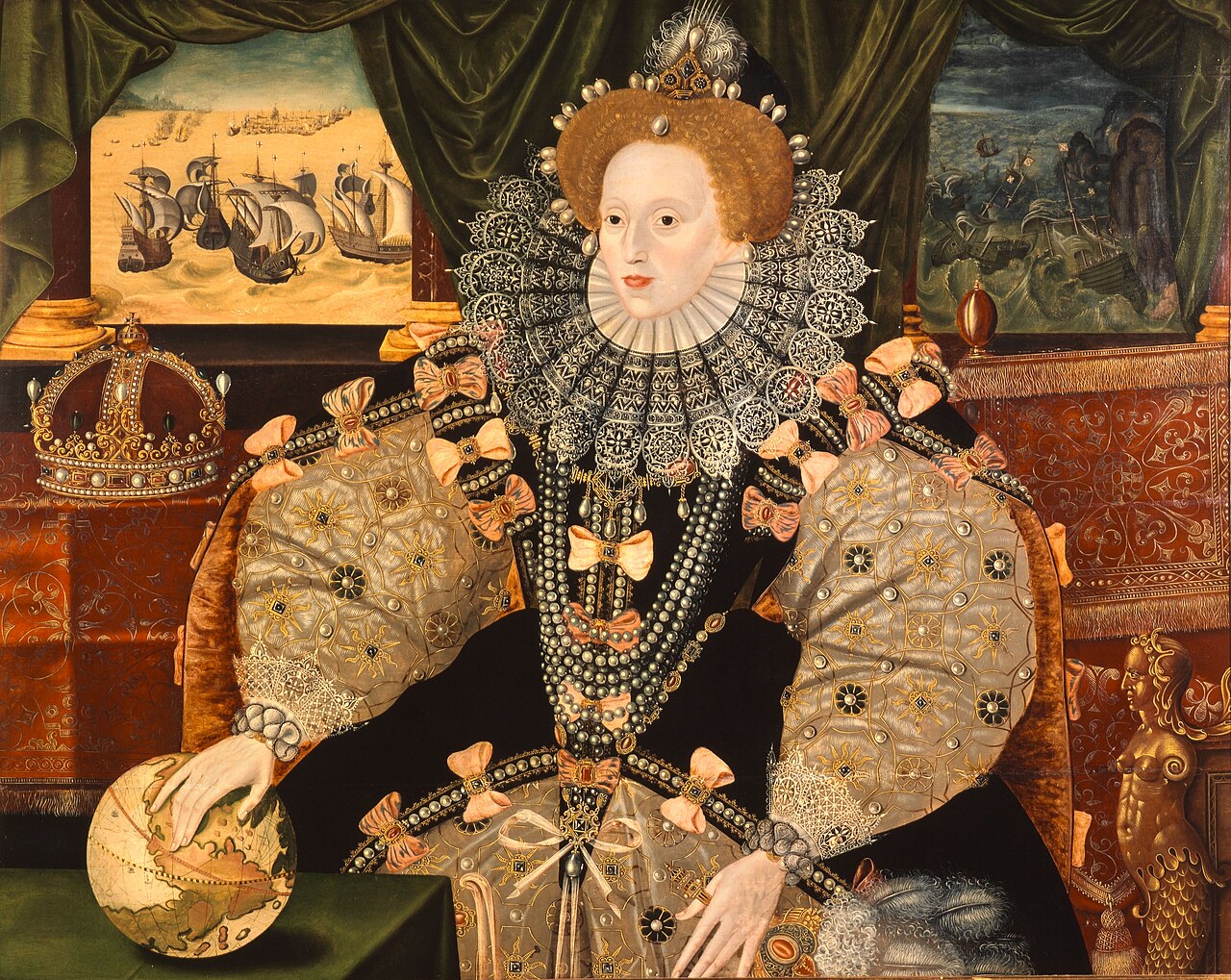
Armada Portrait
Unknown English artist · 1588
 Artifact
Primary source
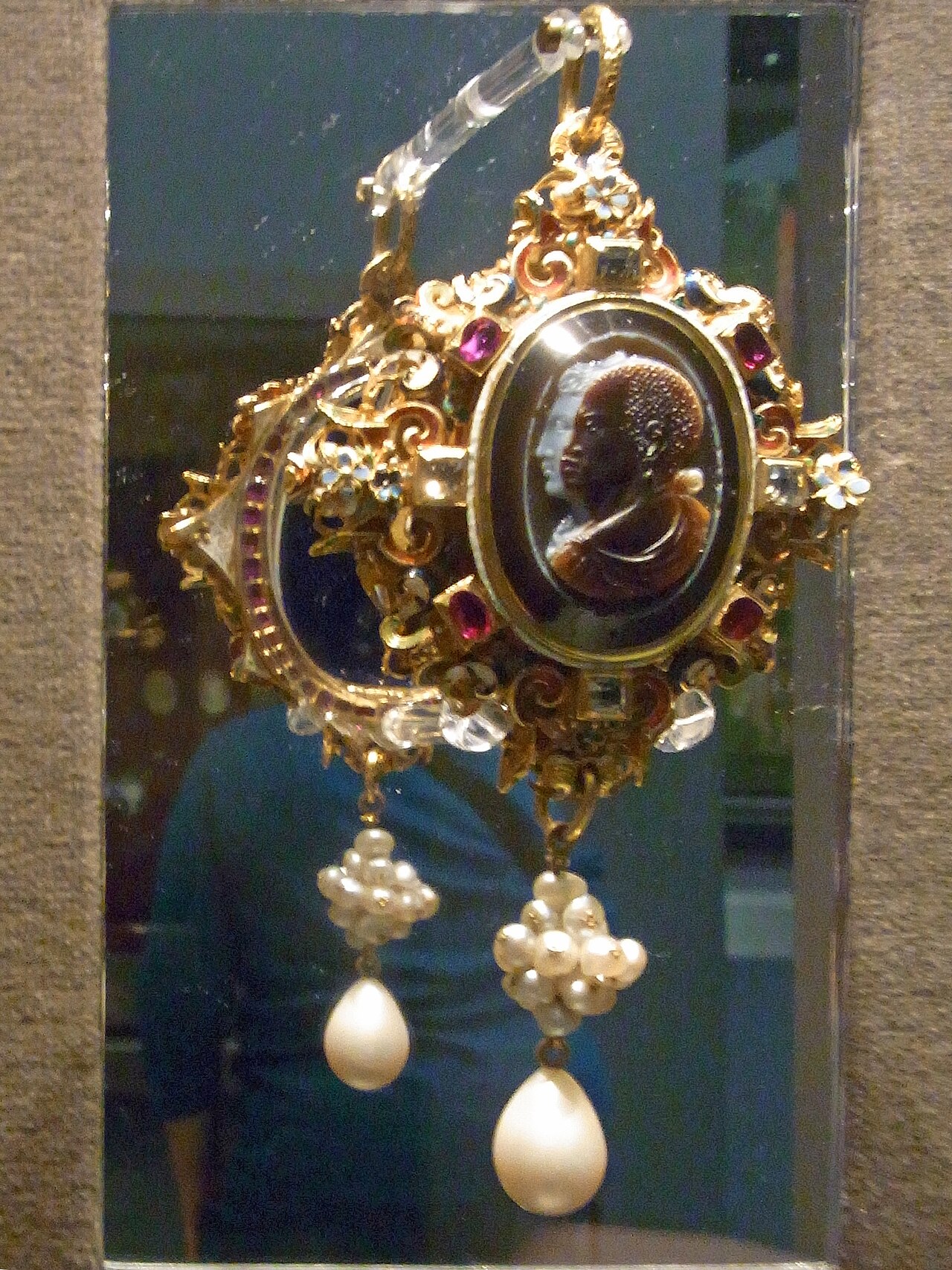
Drake Jewel
Nicholas Hilliard (miniatures); unknown goldsmith · c. 1586-88
Ready when you are
Start chatting with Sir Francis Drake now.
20 messages free · No credit card · Available in 50+ languages.