


Secondary sourceArtifact1575 (as Pelican); renamed 1578
Golden Hind
1575 (as Pelican); renamed 1578
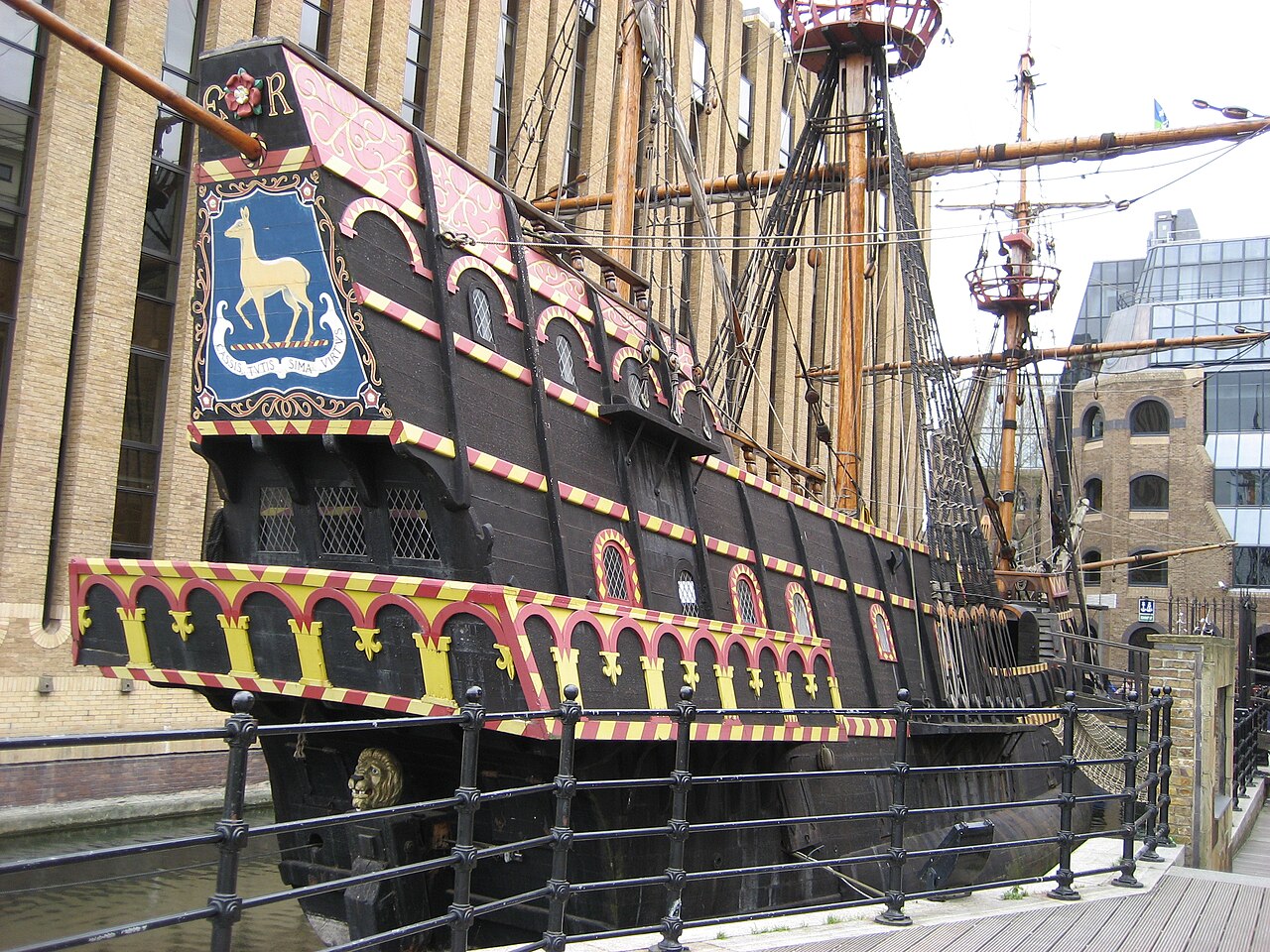
Drake's flagship for his 1577–80 circumnavigation of the world, later preserved at Deptford as a national relic until it rotted away.
Drake commissioned and captained this ship on the voyage that made him famous and earned his knighthood.
About this source
What it is
The Golden Hind was a galleon, originally named Pelican, that Francis Drake captained on his circumnavigation of the world between 1577 and 1580. He renamed her in 1578 to honour his patron Sir Christopher Hatton, whose family crest was a golden deer. After the voyage, the ship was kept on permanent display at Deptford on the Thames until it eventually rotted away. A full-sized seaworthy reconstruction now stands in London.
Why it matters
This was the ship from which Drake captured a huge Spanish treasure and completed only the second circumnavigation in history. Queen Elizabeth I herself boarded the ship and had Drake knighted aboard it, showing how closely his fame was tied to royal favour and to England's rivalry with Spain.
- Why might Elizabeth have wanted the ship preserved and displayed rather than kept at sea?
- What does renaming the ship after a patron tell you about how voyages were funded?
- What does the image of the replica show about how people today imagine Elizabethan ships?
This artifact is part of the curated material that grounds the AI version of Sir Francis Drake on Humy.ai — when students ask about related events, the AI can quote it and cite it.
More Sir Francis Drake sources
Meet the AI Sir Francis Drake →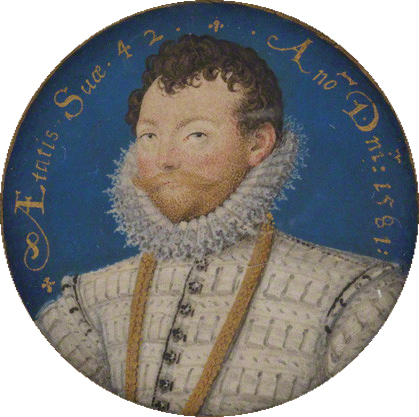 Painting
Primary source
Sir Francis Drake
Nicholas Hilliard · 1581
 Painting
Primary source
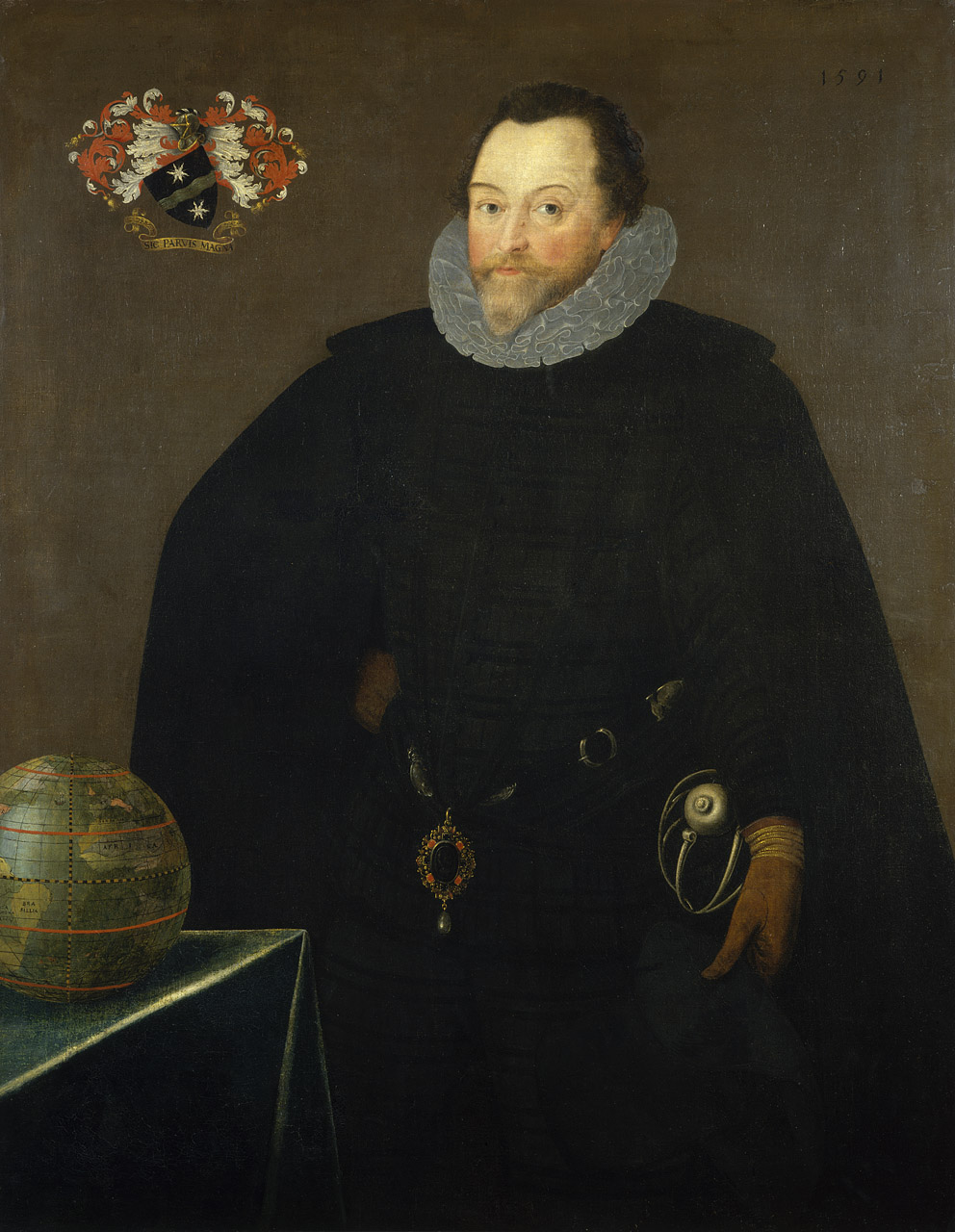
Sir Francis Drake, 1540-96
Marcus Gheeraerts the Younger · 1591
 Document
Secondary source
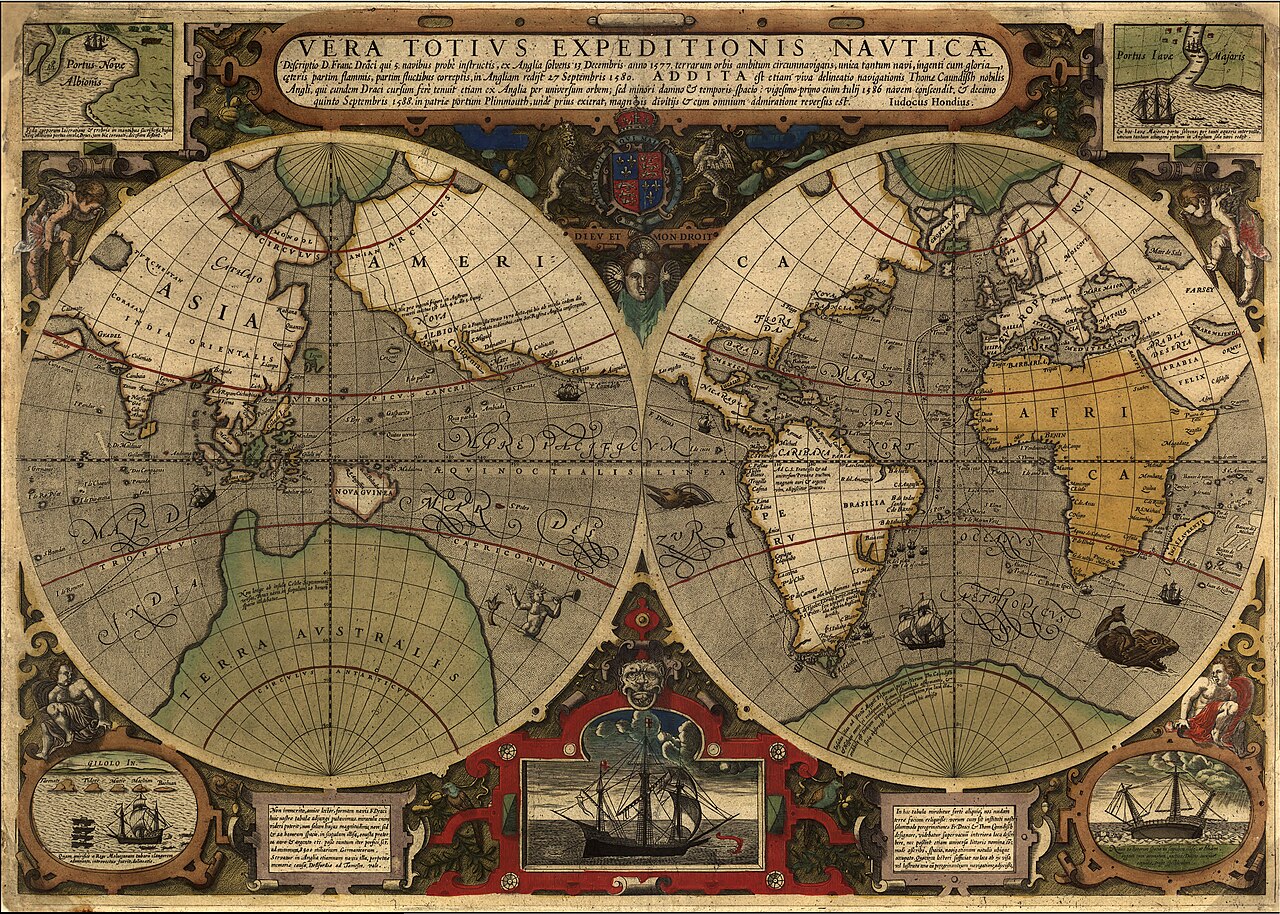
Vera Totius Expeditionis Nauticae
Jodocus Hondius I · 1595
 Painting
Primary source
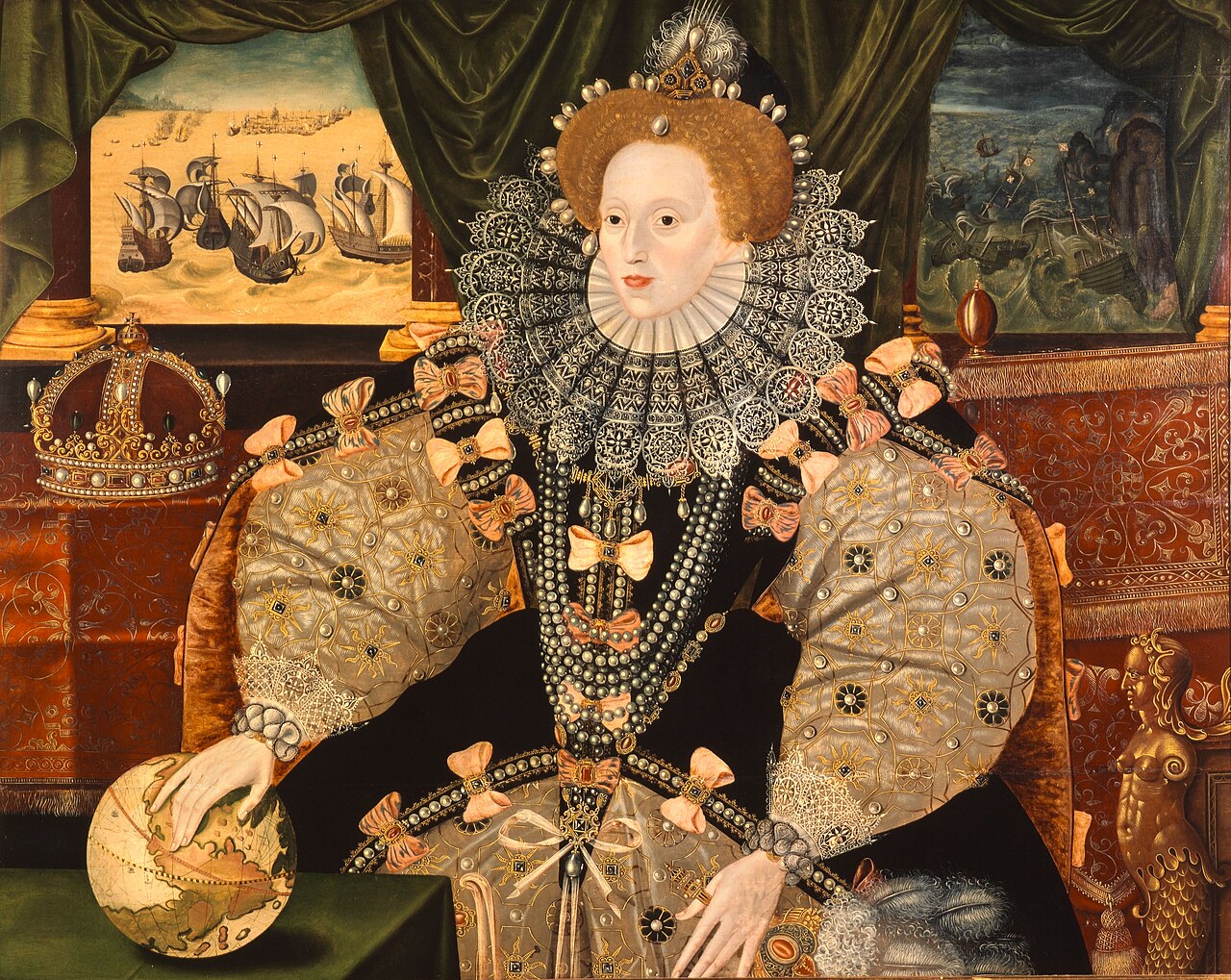
Armada Portrait
Unknown English artist · 1588
 Artifact
Primary source
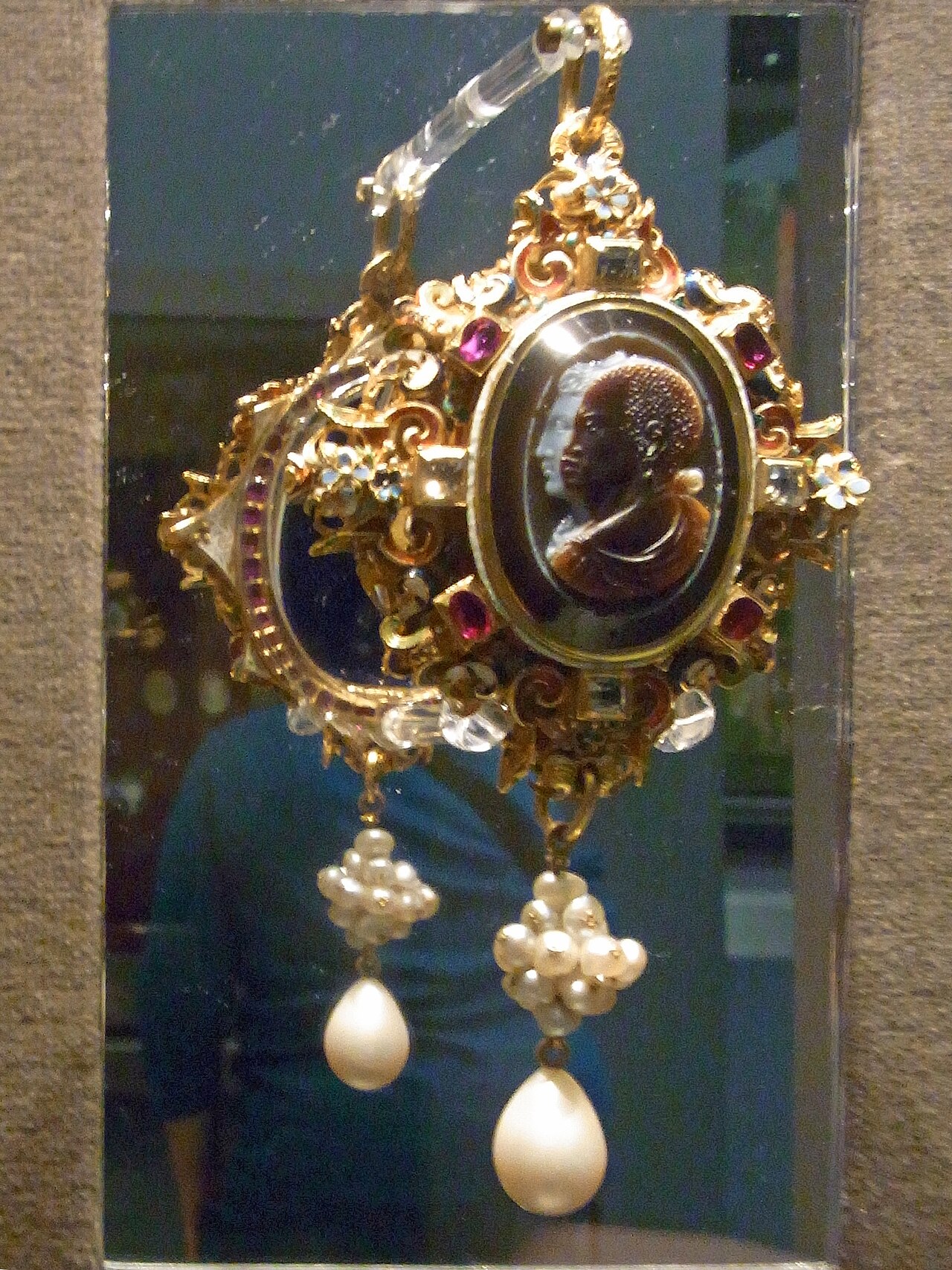
Drake Jewel
Nicholas Hilliard (miniatures); unknown goldsmith · c. 1586-88
Ready when you are
Start chatting with Sir Francis Drake now.
20 messages free · No credit card · Available in 50+ languages.