


Secondary sourcePainting1889
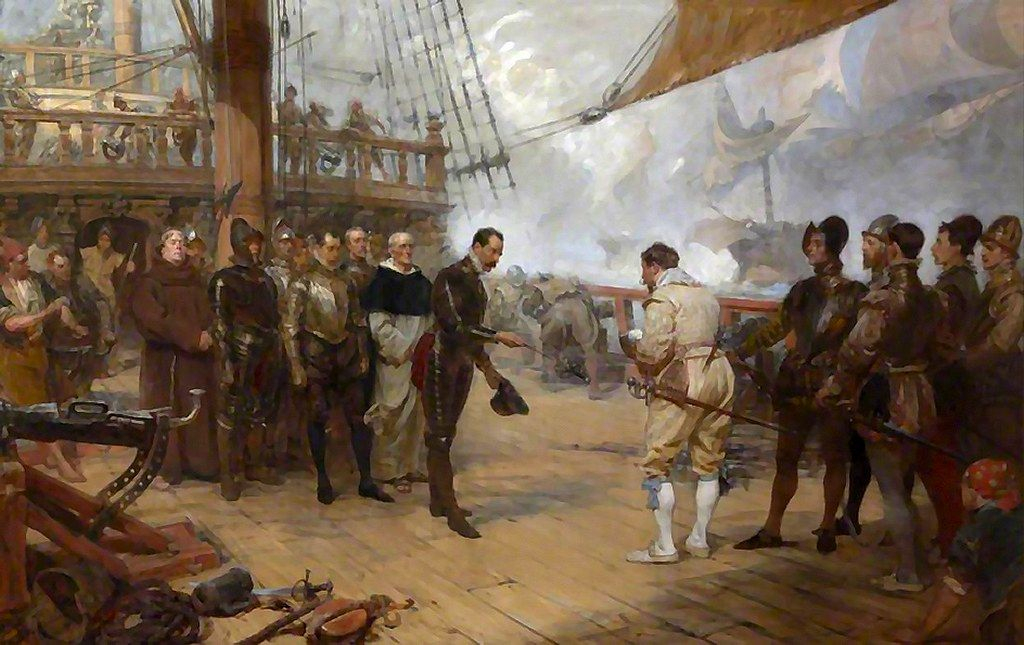
The Surrender of Pedro de Valdes to Francis Drake
John Seymour Lucas · 1889
An 1889 oil painting by John Seymour Lucas showing Drake receiving the surrender of Spanish commander Pedro de Valdes during the Armada fight of 1588.
Drake is shown as the English commander receiving a Spanish surrender during the Armada campaign, a moment that became part of his legend.
About this source
What it is
This is an oil painting on canvas by John Seymour Lucas, dated 1889. It shows a ship's deck where a richly dressed man in a plumed hat and sword faces armoured and helmeted men. A figure in dark armour presents a hat and sword hilt toward him. Robed clergy and armed men stand at left, with cannon, smoke and sails in the background. The painting shows the surrender of Pedro de Valdes aboard the Revenge during the attack of the Spanish Armada in 1588. It was presented to the City of Plymouth in 1929 and is on loan to the National Trust at Buckland Abbey.
Why it matters
The Spanish Armada was a large fleet sent against England in 1588. Drake was second in command of the English fleet during that campaign, and his capture of a Spanish ship and its commander became part of England's famous story of the defeat of the Armada. Lucas painted the scene more than three hundred years after the event, so it reflects Victorian ideas of heroism and national pride as well as the events themselves.
Look closer
- Who is shown in the centre, and how do the clothes and gestures of different men show rank or defeat?
- Why did a painter in 1889 choose to show this moment, and what would it have meant to viewers then?
- What might this painting leave out, such as the perspective of the Spanish sailors or the cost of the battle?
This painting is part of the curated material that grounds the AI version of Sir Francis Drake on Humy.ai — when students ask about related events, the AI can quote it and cite it.
More Sir Francis Drake sources
Meet the AI Sir Francis Drake →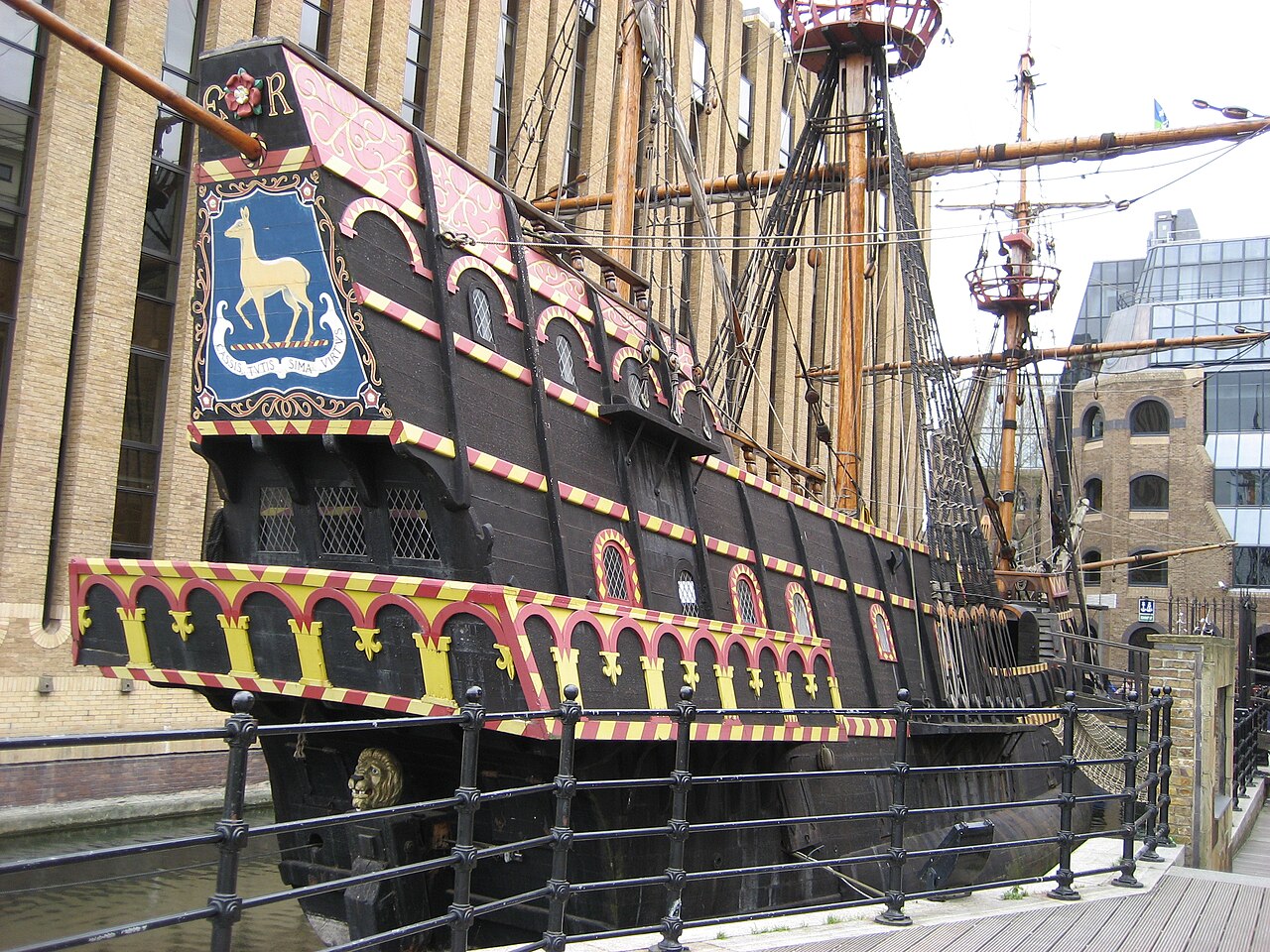 Artifact
Secondary source
Golden Hind
1575 (as Pelican); renamed 1578
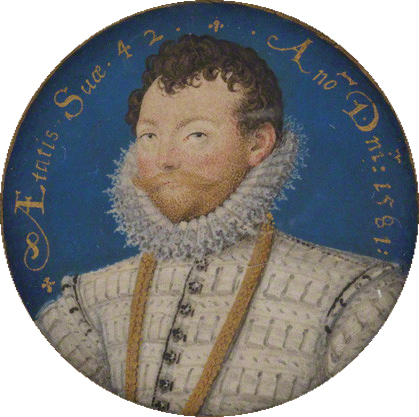 Painting
Primary source
Sir Francis Drake
Nicholas Hilliard · 1581
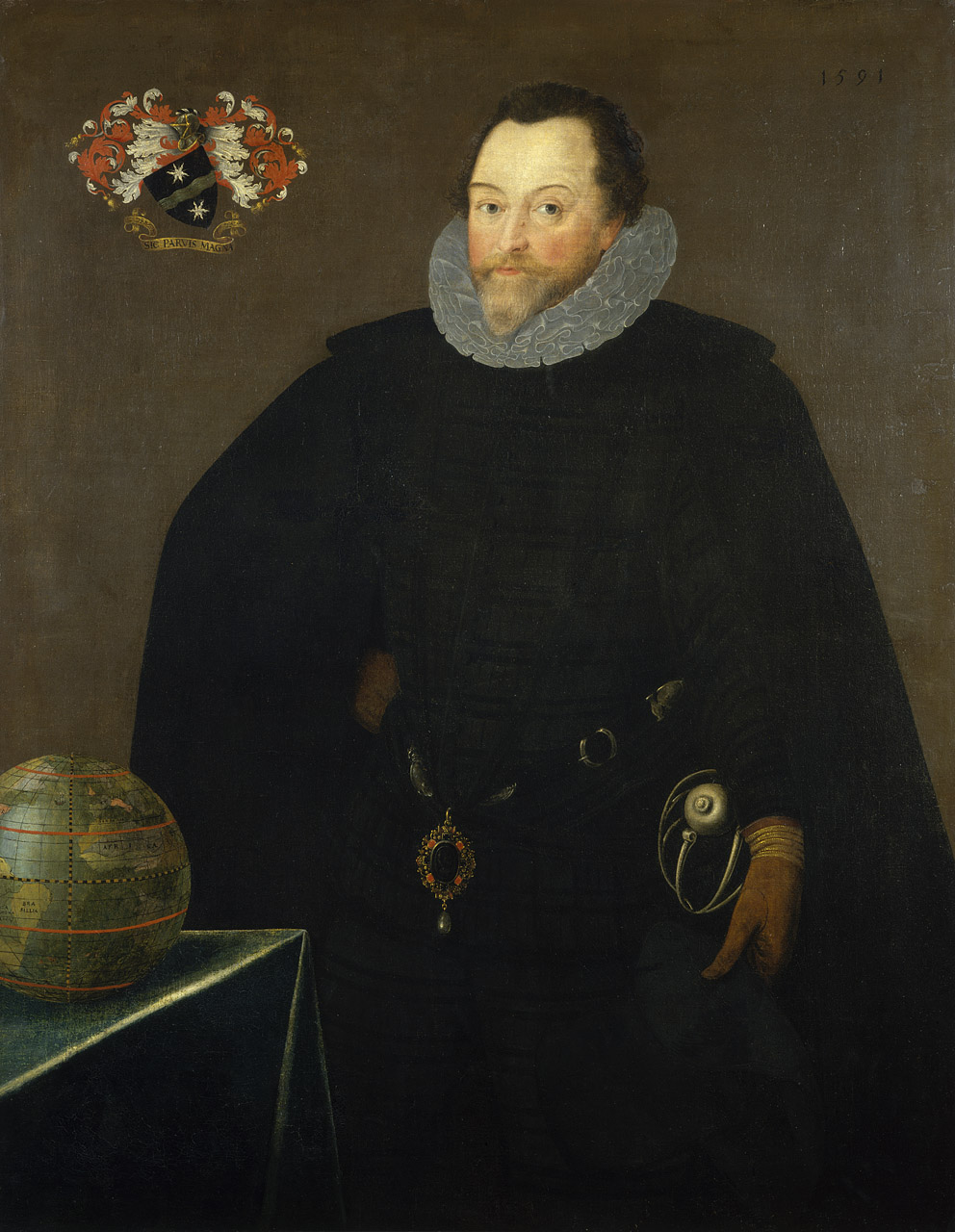 Painting
Primary source
Sir Francis Drake, 1540-96
Marcus Gheeraerts the Younger · 1591
 Document
Secondary source
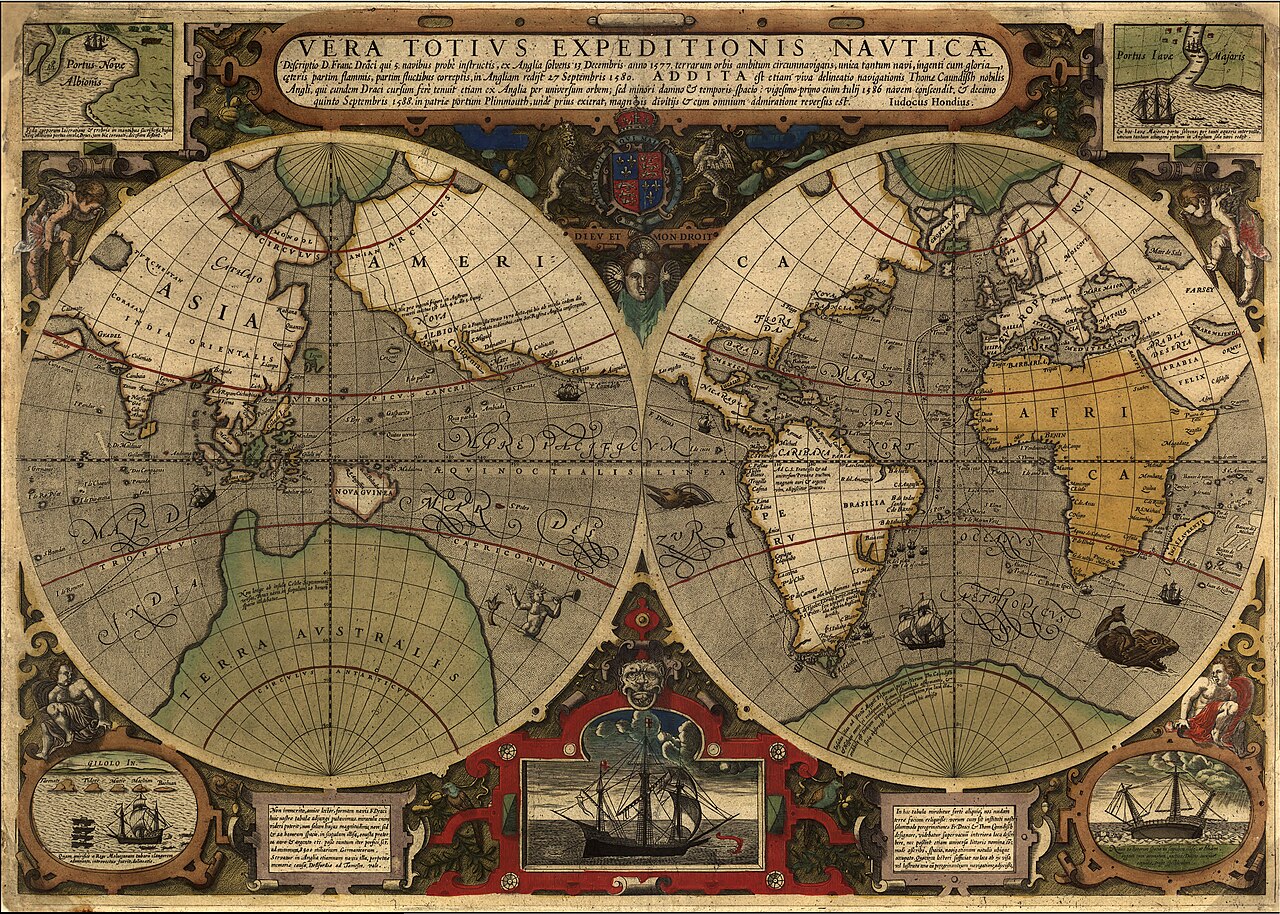
Vera Totius Expeditionis Nauticae
Jodocus Hondius I · 1595
 Painting
Primary source
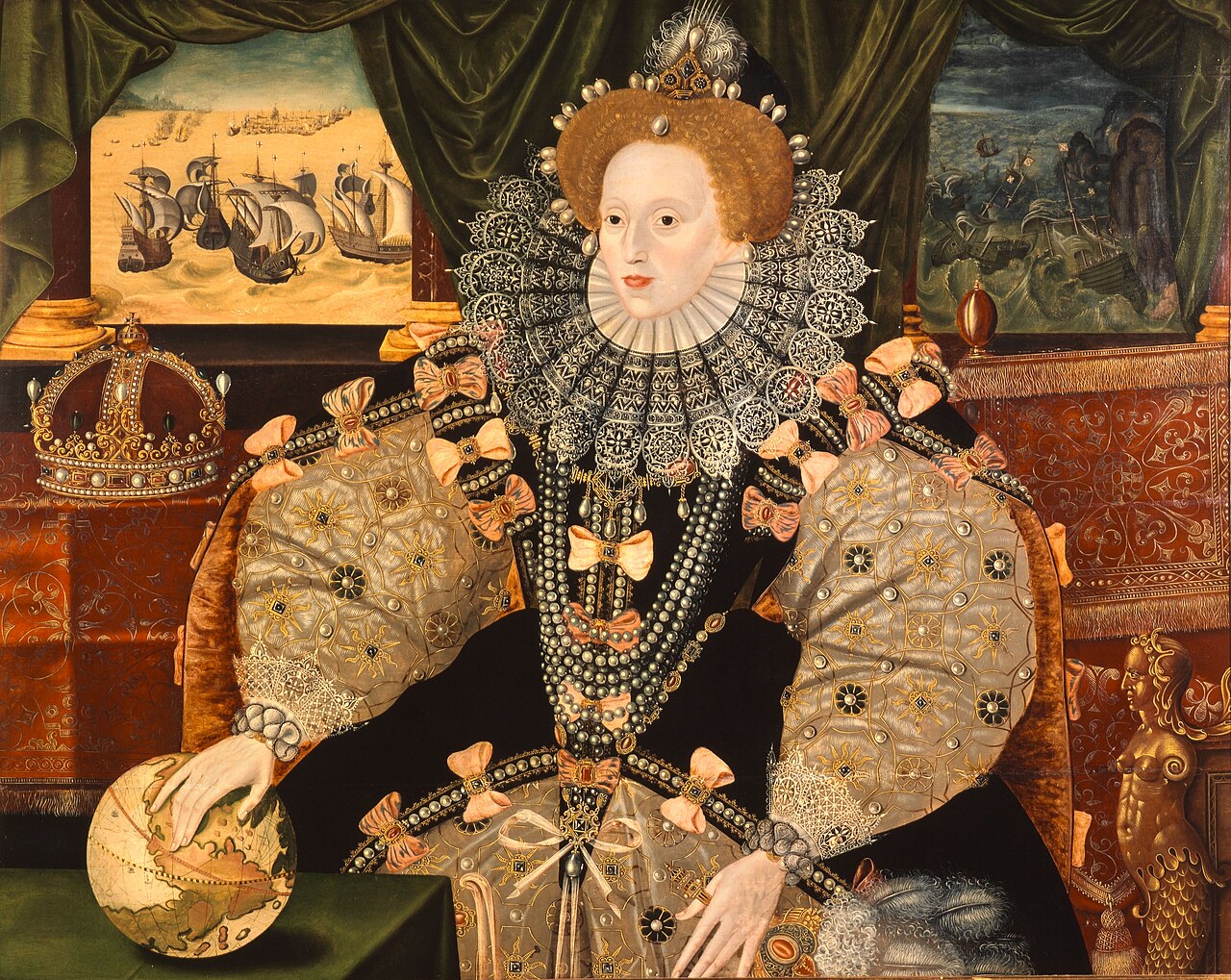
Armada Portrait
Unknown English artist · 1588
Ready when you are
Start chatting with Sir Francis Drake now.
20 messages free · No credit card · Available in 50+ languages.