





Dr. Michael Calvert
Assistant Superintendent, South Allegheny School District, Pennsylvania
Been using Humy in his district since 2024
“We enjoyed the program last year and used it frequently.”
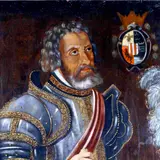
AI Historical Figure
Spanish conquistador who led the expedition that caused the fall of the Aztec Empire in Mexico.
Chat with Hernán Cortés via text or voice — in 42 languages, drawing on a curated biography and 90 historical sources. Available 24/7.

Hernán Cortés
Online · responds in seconds
Hello — I'm Hernán Cortés. Spanish conquistador who led the expedition that caused the fall of the Aztec Empire in Mexico. What would you like to ask me?
20 messages free · No credit card · Powered by Humy.ai
Live preview · Switch between 42 languages above · Send a message to continue in the app
Multilingual
Ask Hernán Cortés questions in any language below, and the rest of Humy's app speaks it too. Pick yours to open the chat in that language.
Also in German (Austria), German (Switzerland), English (UK), English (Australia), English (Canada).
90 sources · 34 paintings · 24 books · 12 documents · 9 letters · 5 artifacts · 4 sculptures · 2 photographs
Hernán Cortés doesn’t improvise from thin air. The AI is grounded in 90 curated historical sources students can inspect. Open any of them to see what informs the conversation.
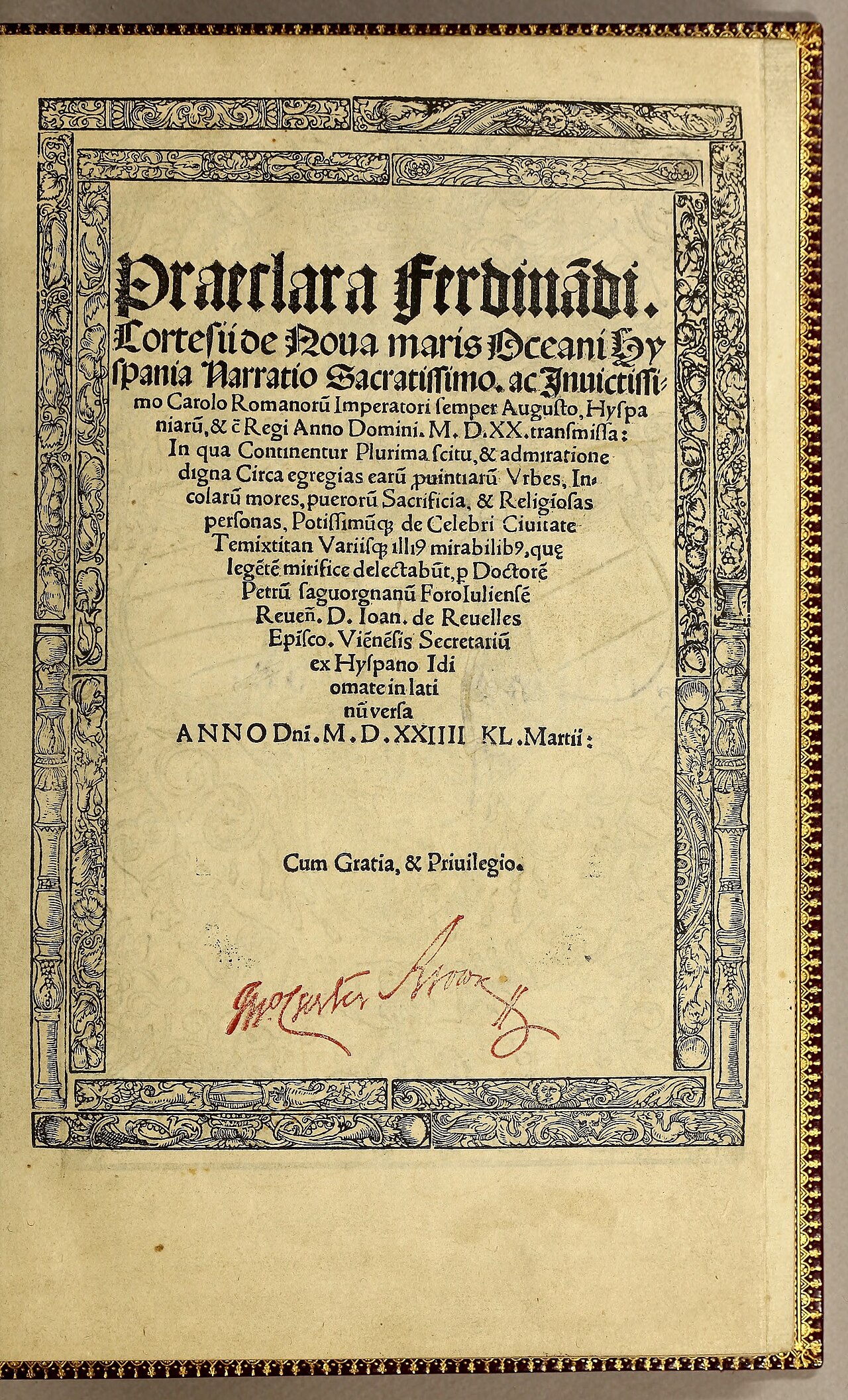 Letter
Primary source
Hernán Cortés · 1520 (printed 1524)
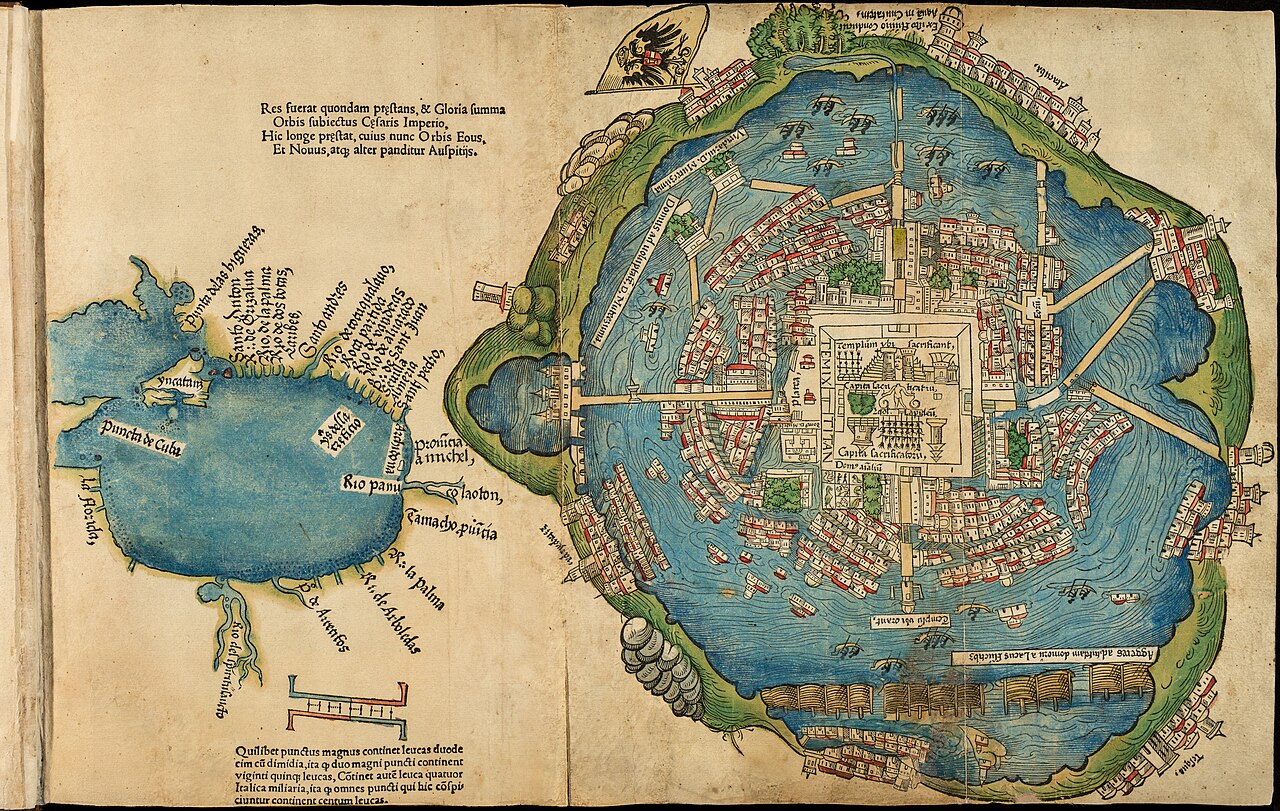 Document
Primary source
Unknown engraver, published by Friedrich Peypus · 1524
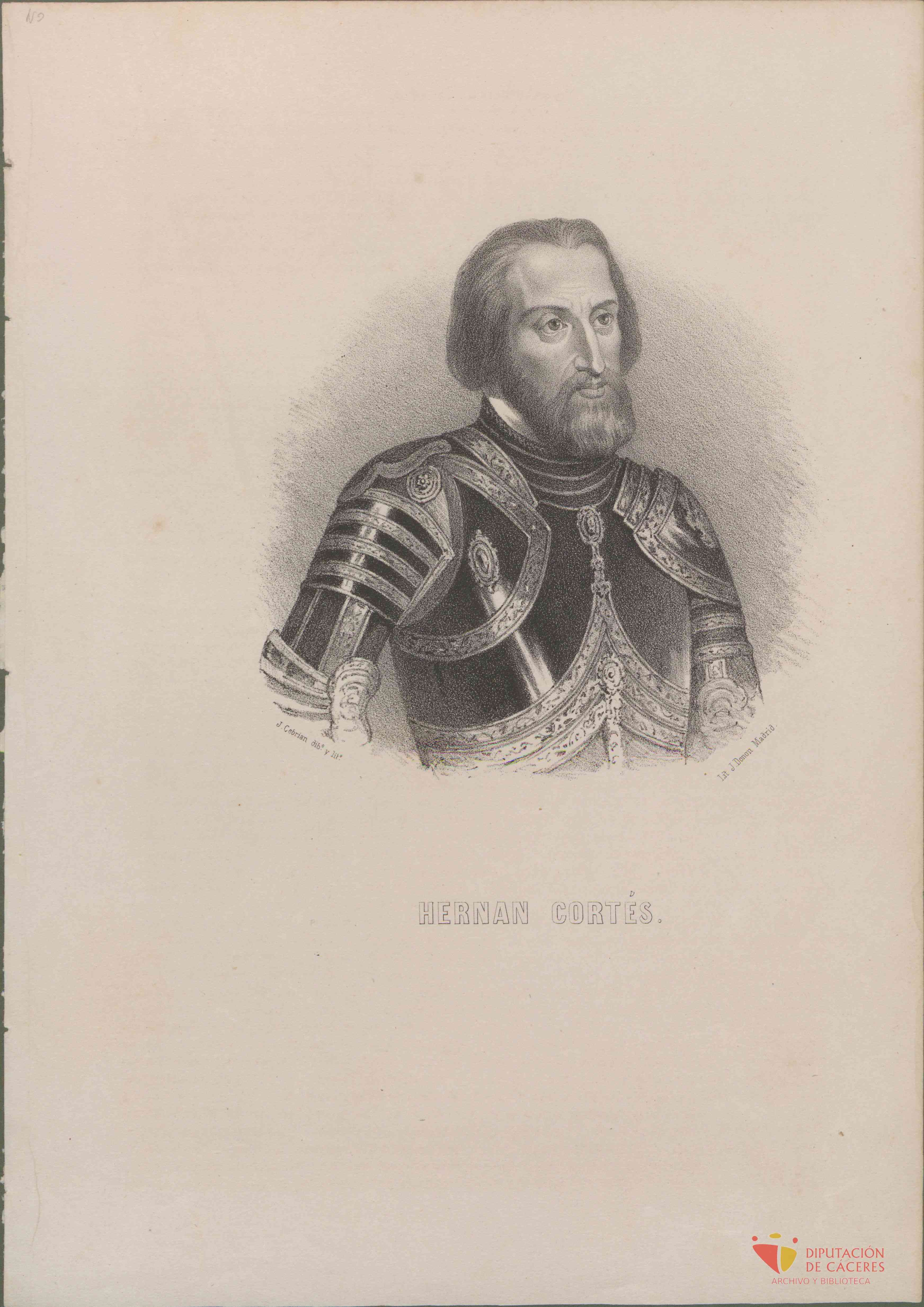 Painting
Secondary source
José Cebrián García · 1870
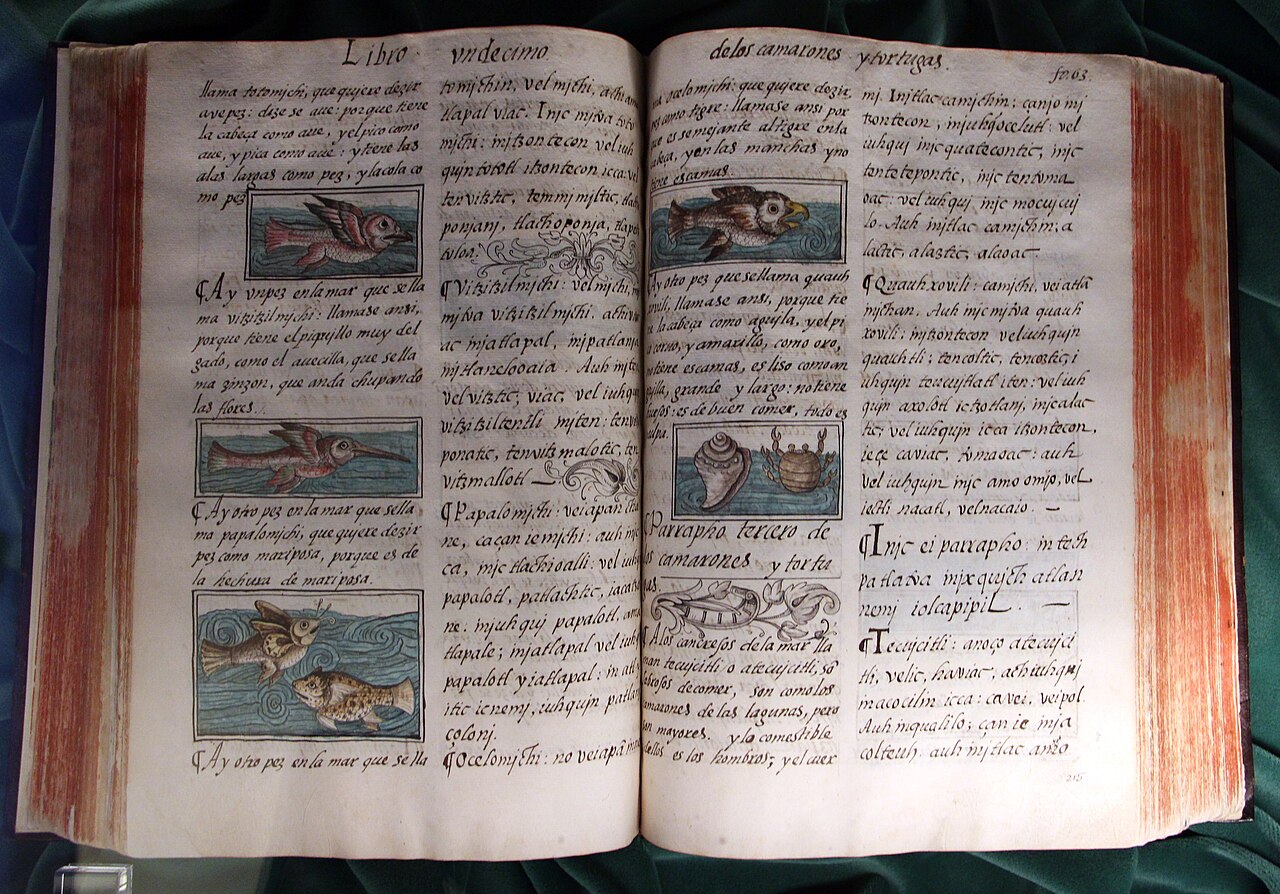 Book
Secondary source
Bernardino de Sahagún with Nahua collaborators · 1569
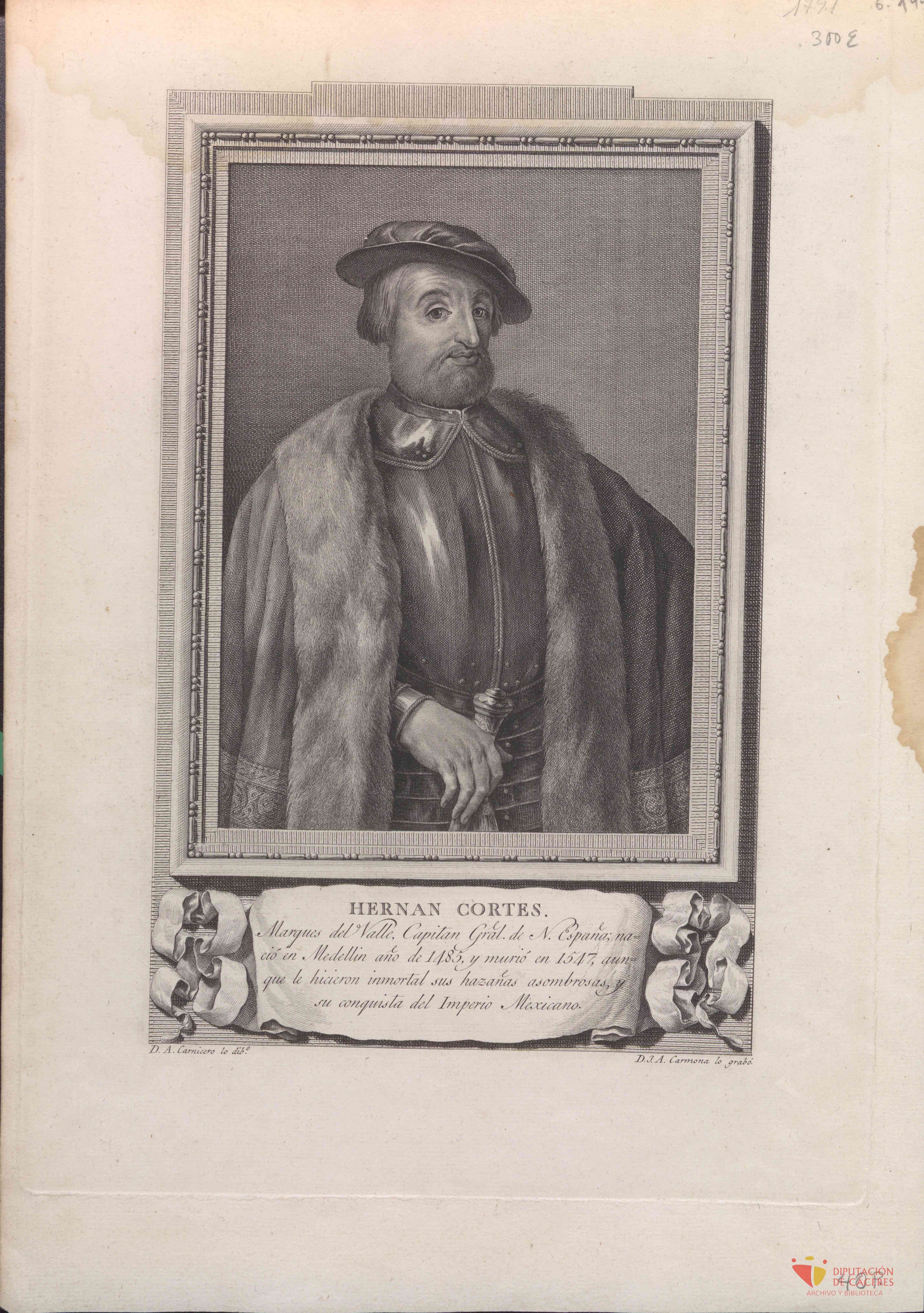 Painting
Secondary source
Antonio Carnicero Mancio, after Juan Antonio Salvador Carmona · 1805
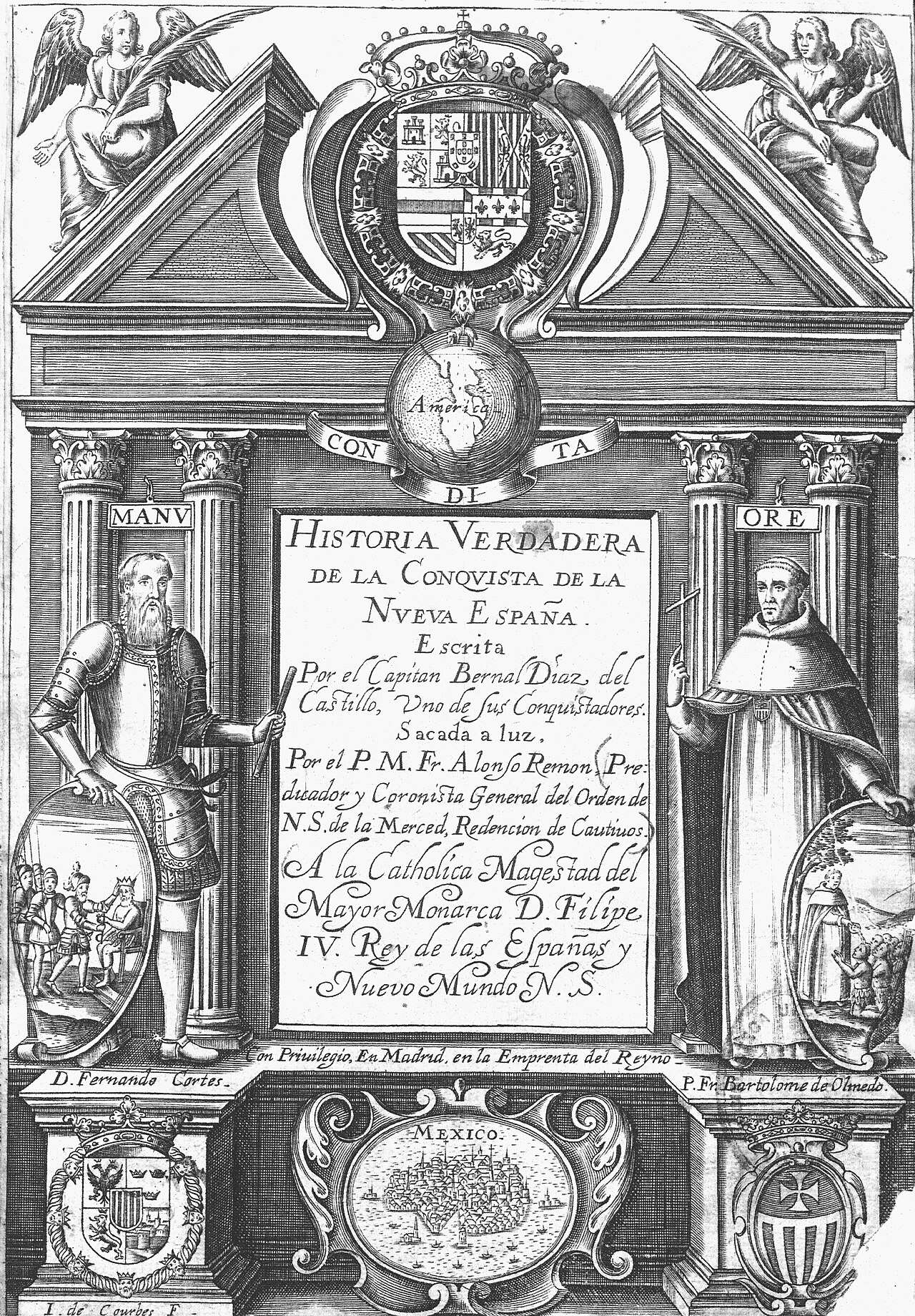 Book
Primary source
Bernal Díaz del Castillo · 1568
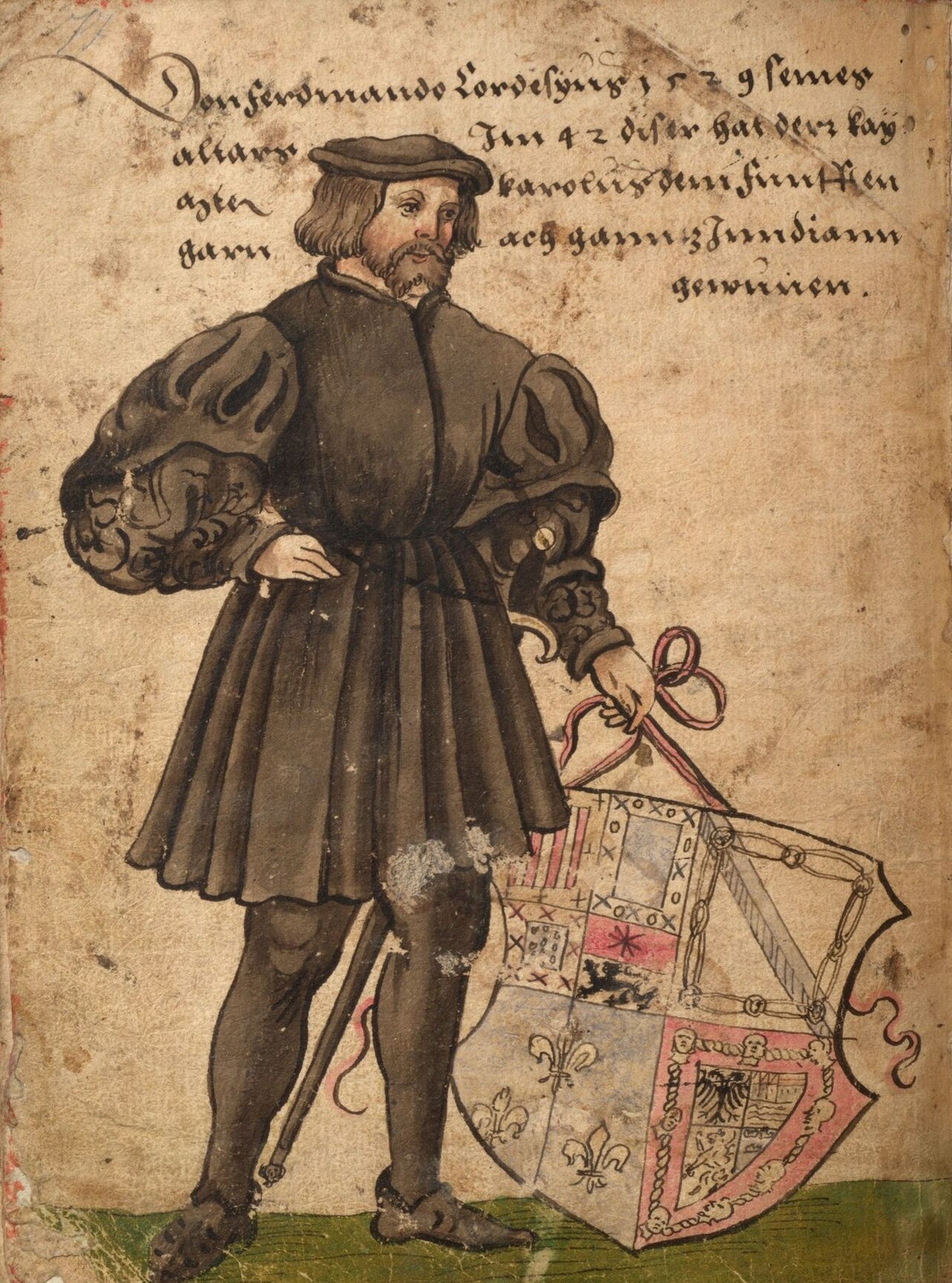 Painting
Primary source
Christoph Weiditz the Elder · 1529
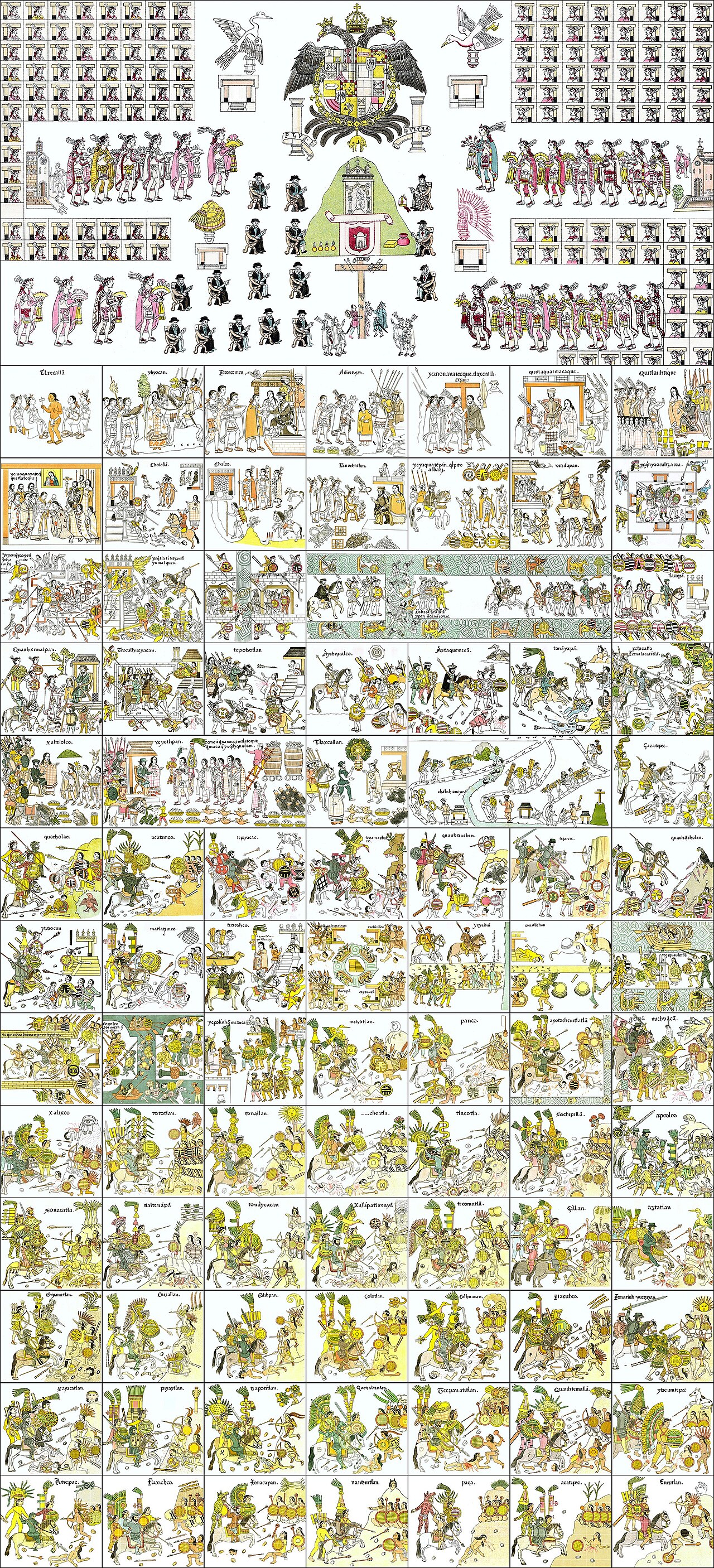 Painting
Secondary source
Unknown Tlaxcalan artists · 1552 (lost original); reconstruction 2010 from 1892 lithographs
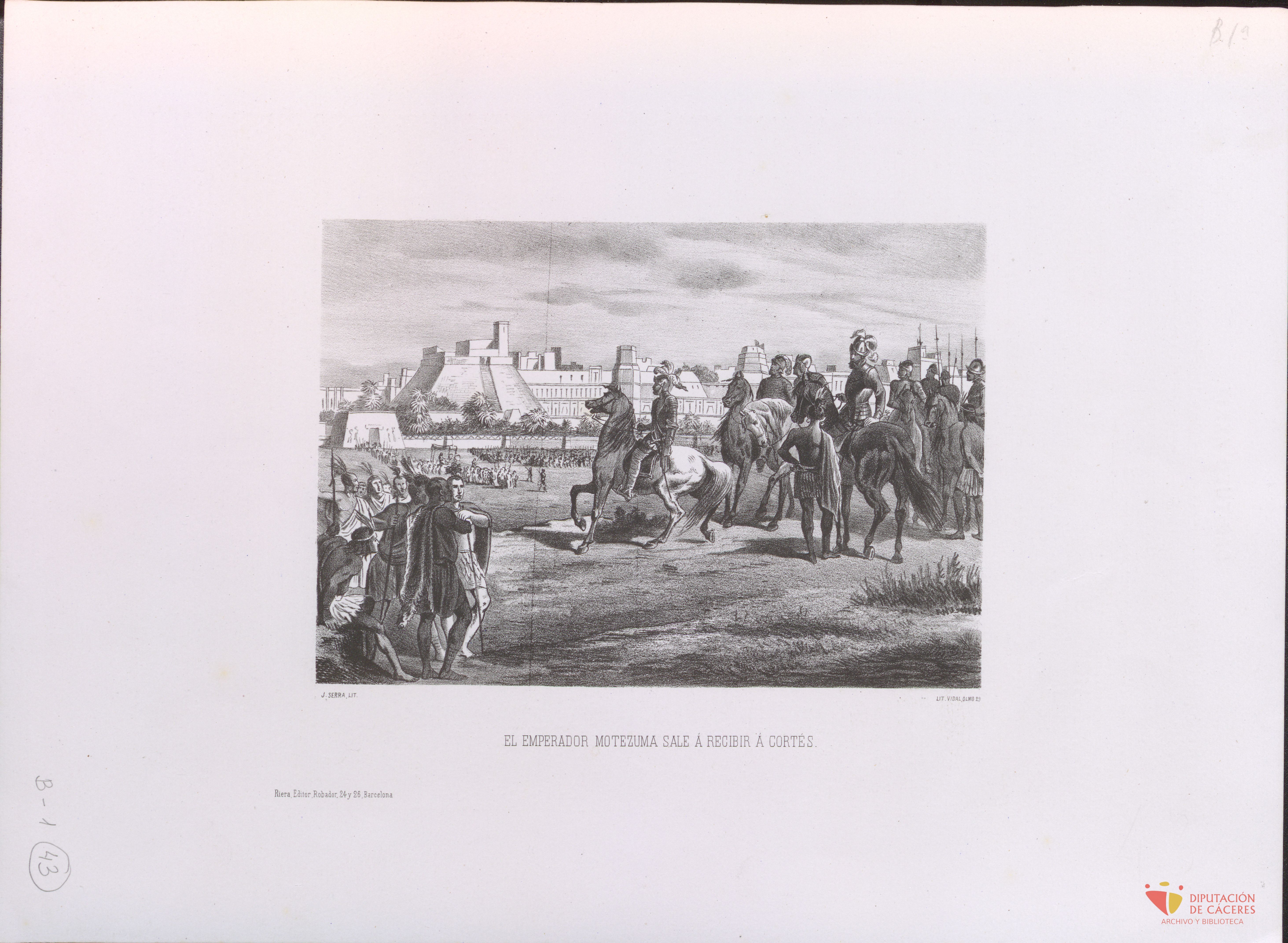 Painting
Secondary source
Rafael del Castillo de la Cuesta · 1880
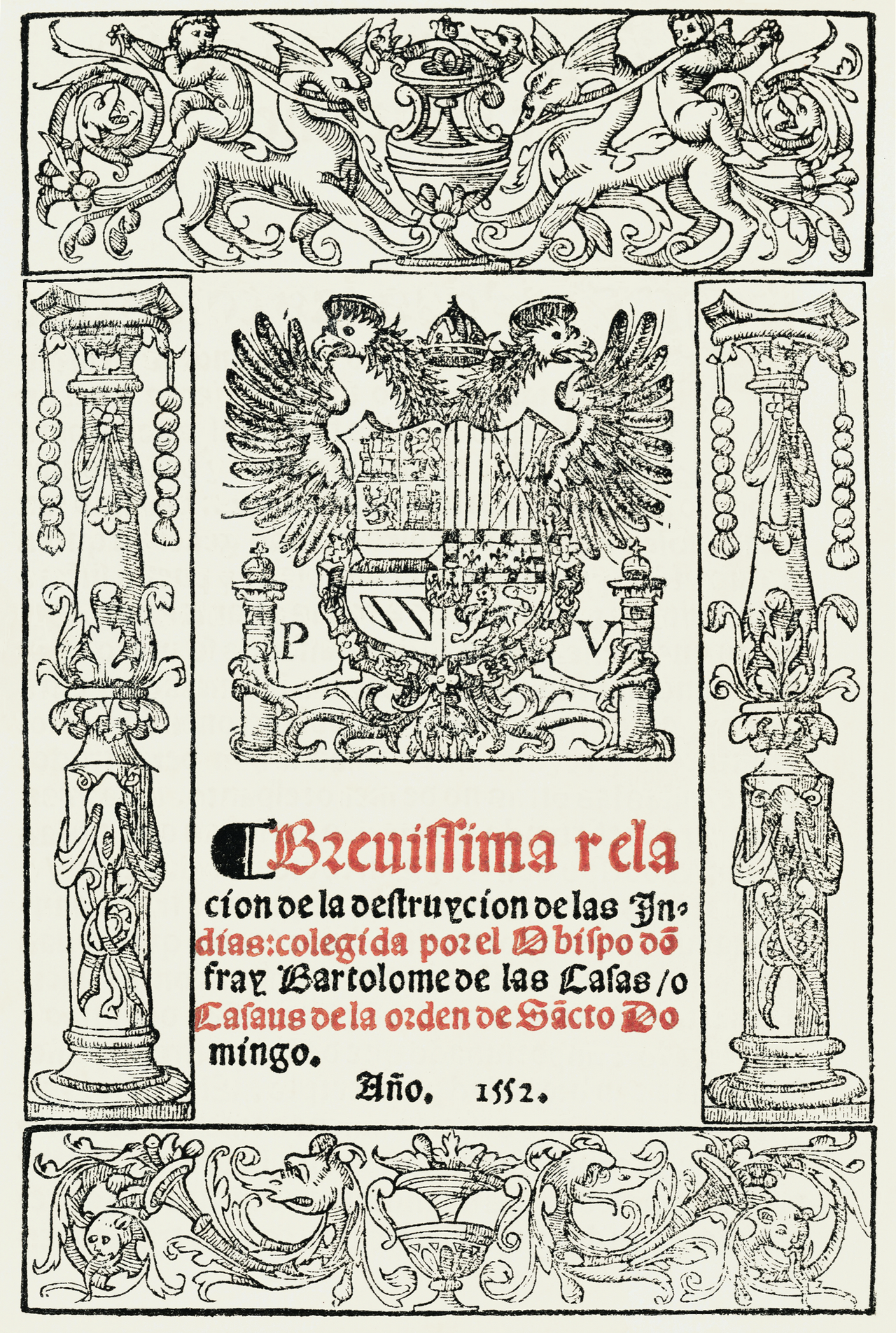 Book
Secondary source
Bartolomé de las Casas · 1552
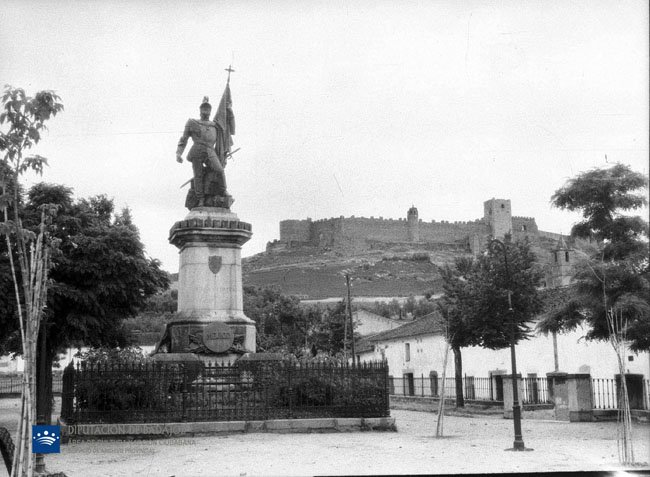 Photograph
Secondary source
Fernando Garrorena Arcas · 1928
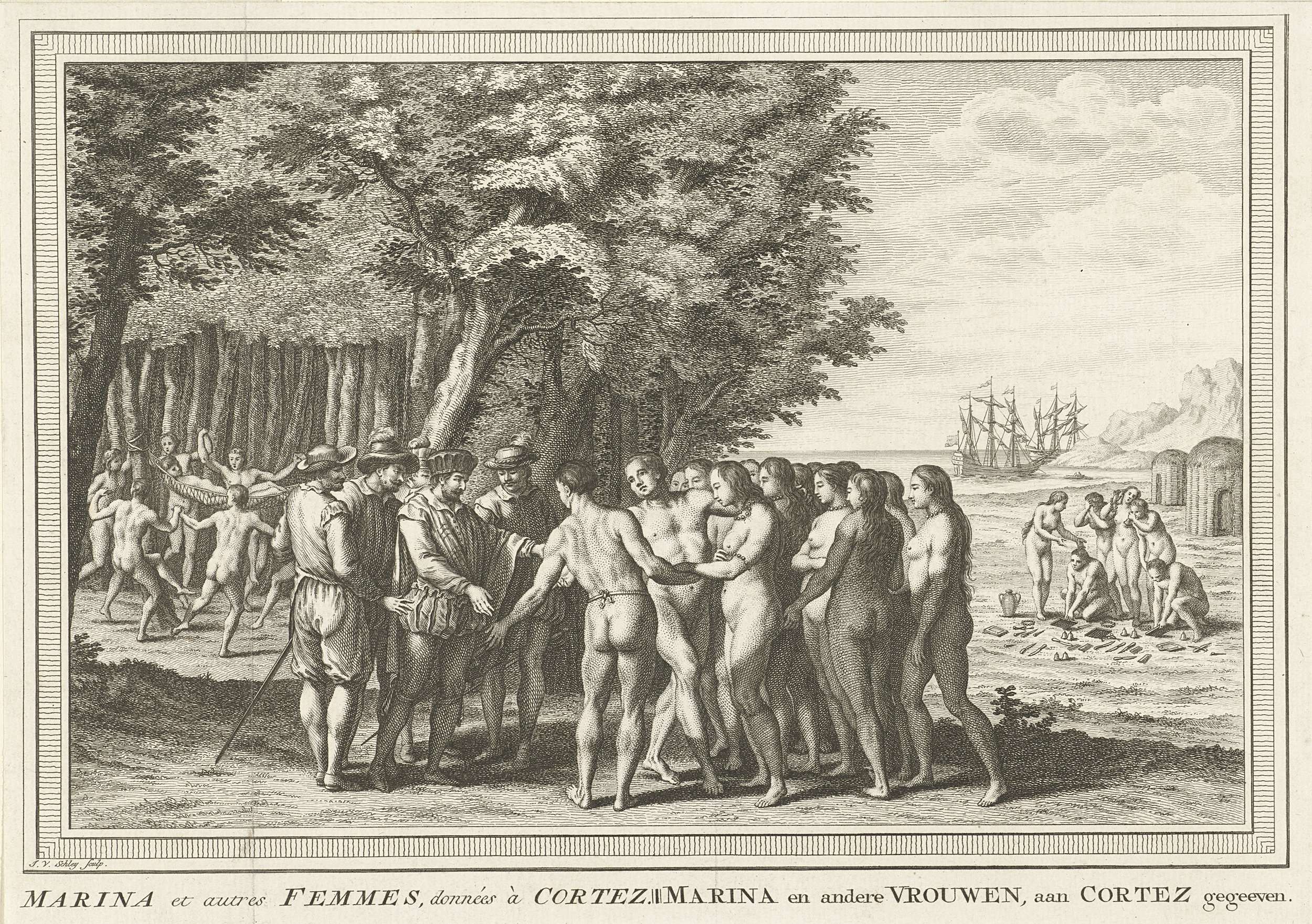 Painting
Secondary source
1519 (depicted event); print made later
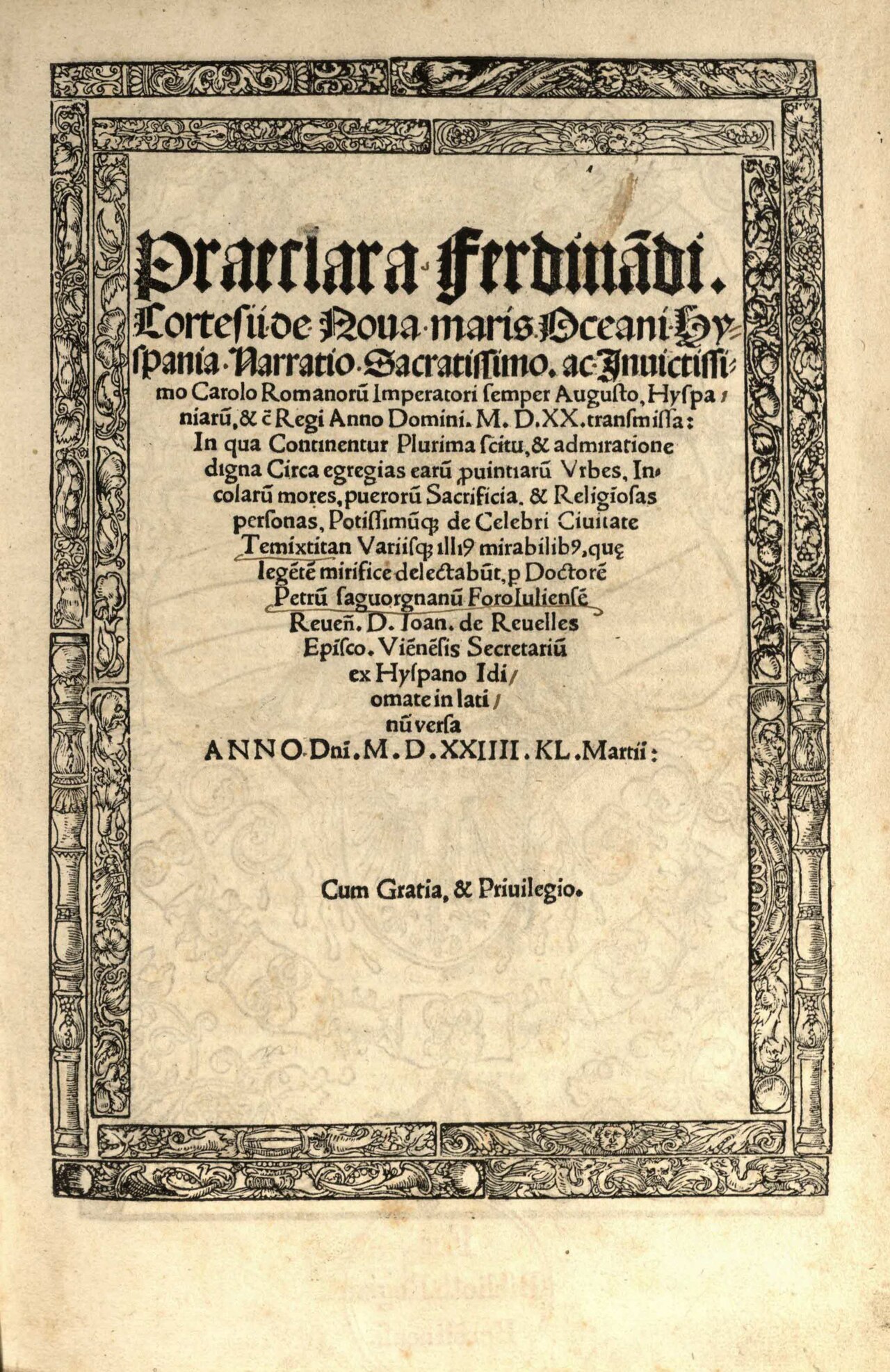 Letter
Primary source
Hernán Cortés · 15 May 1522
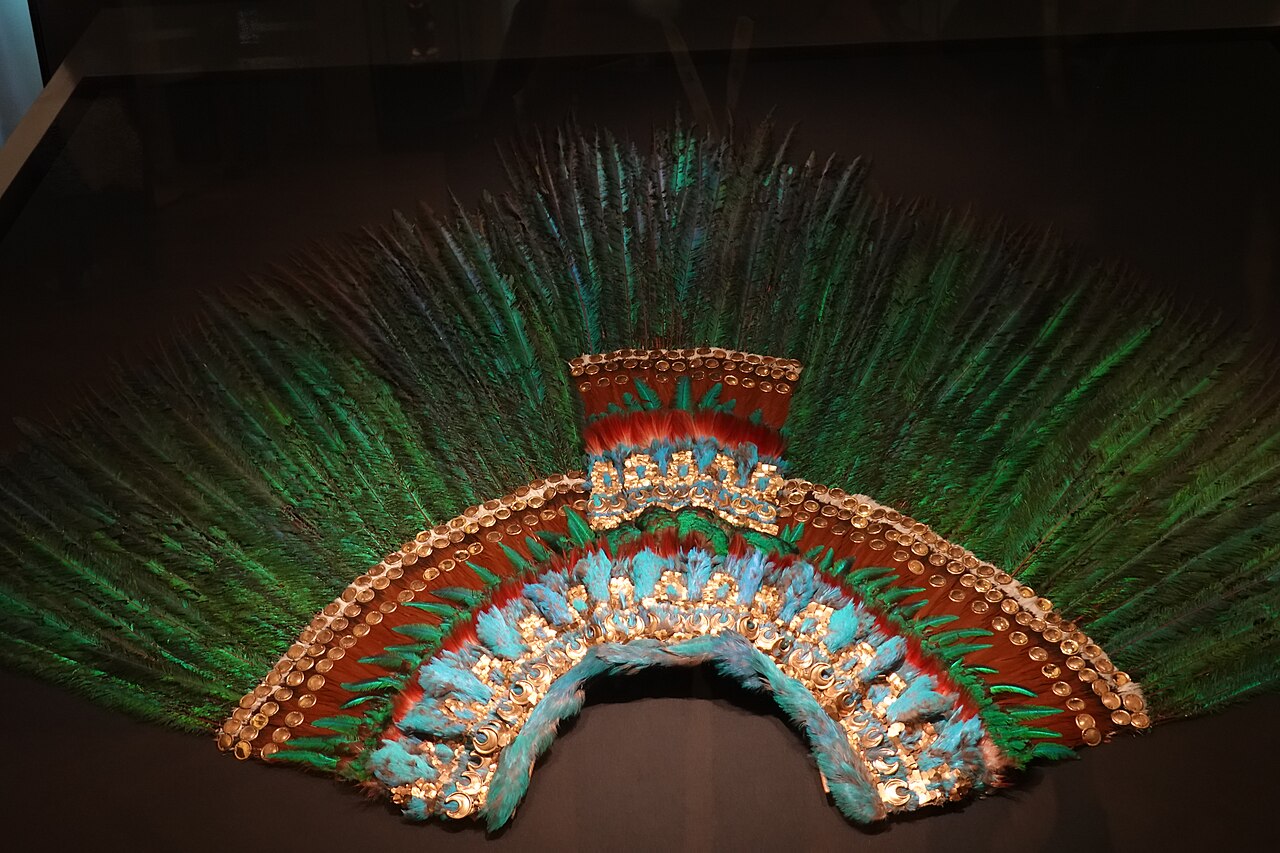 Artifact
Secondary source
Unknown Mexica artisan · c. 16th century
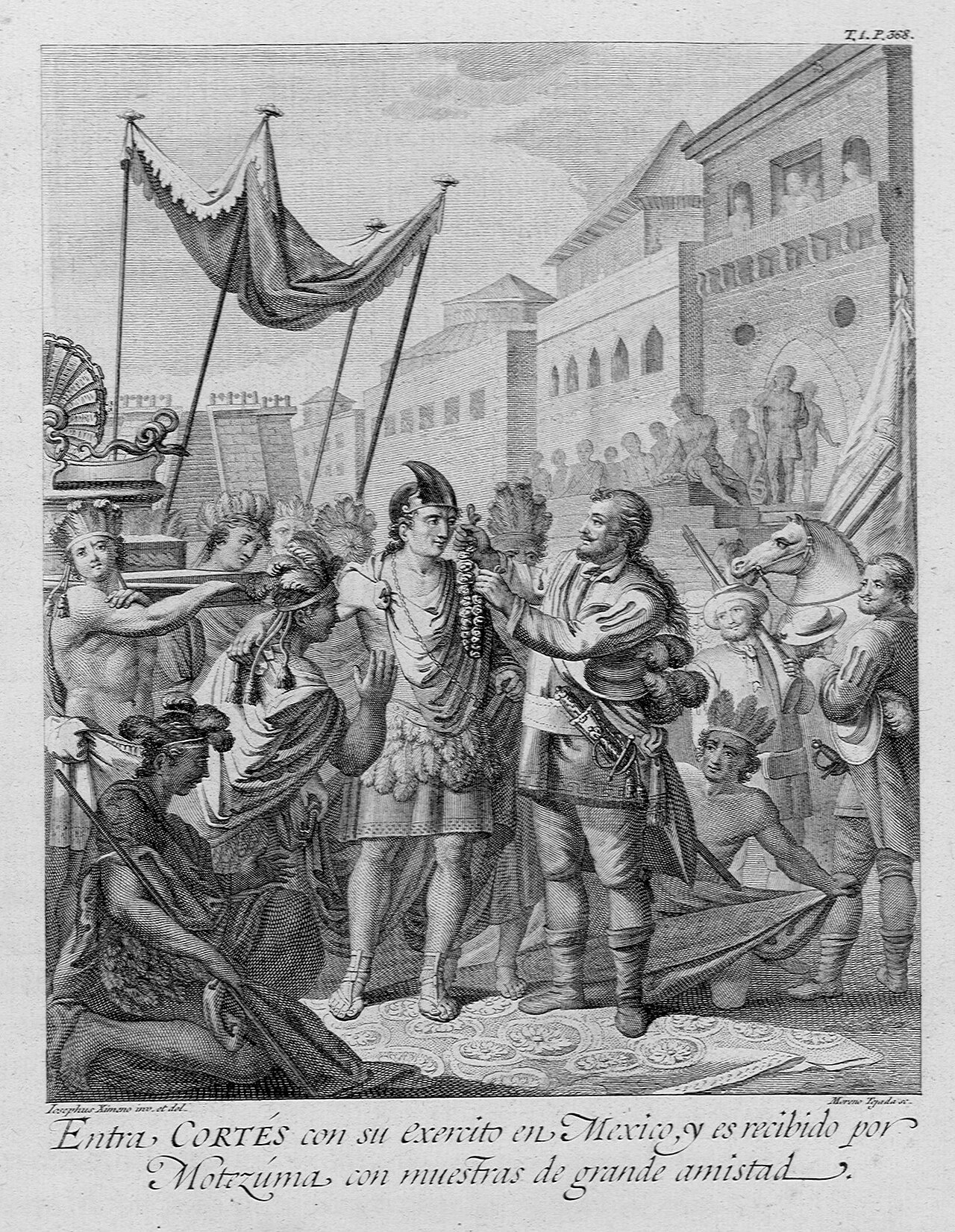 Book
Secondary source
Carlos María de Bustamante · 1829
 Letter
Primary source
Hernán Cortés · 3 September 1526
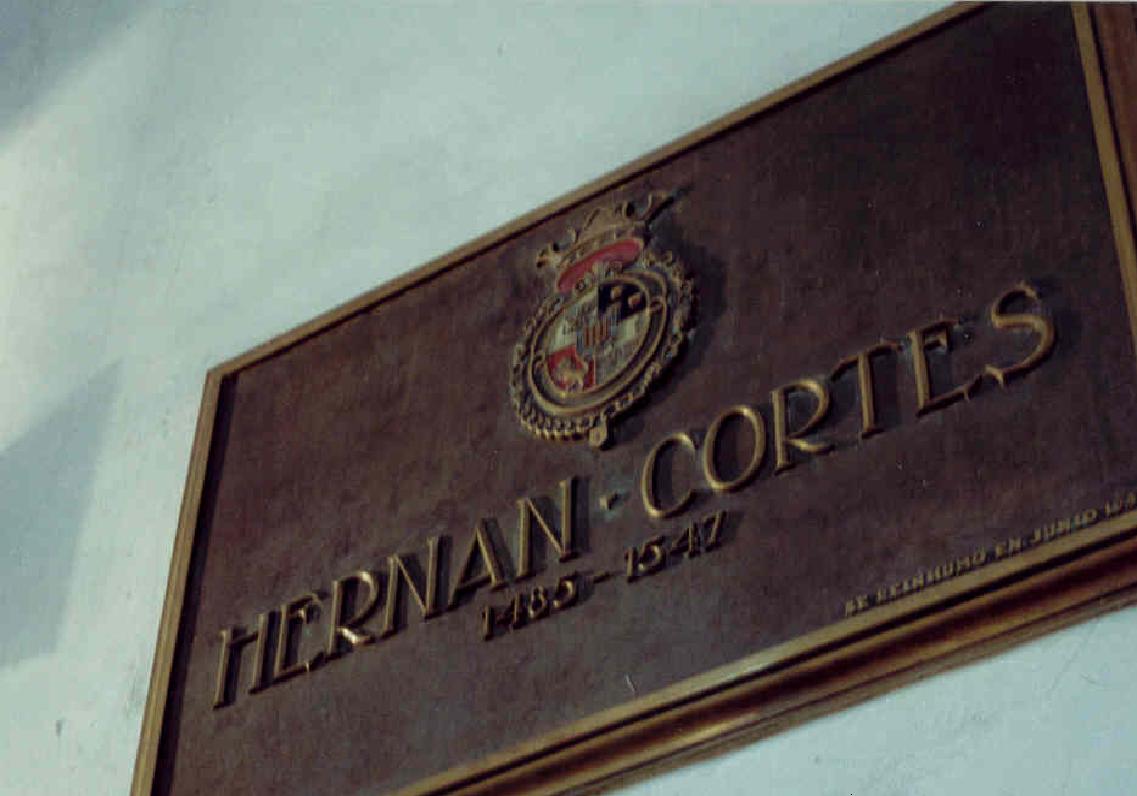 Artifact
Secondary source
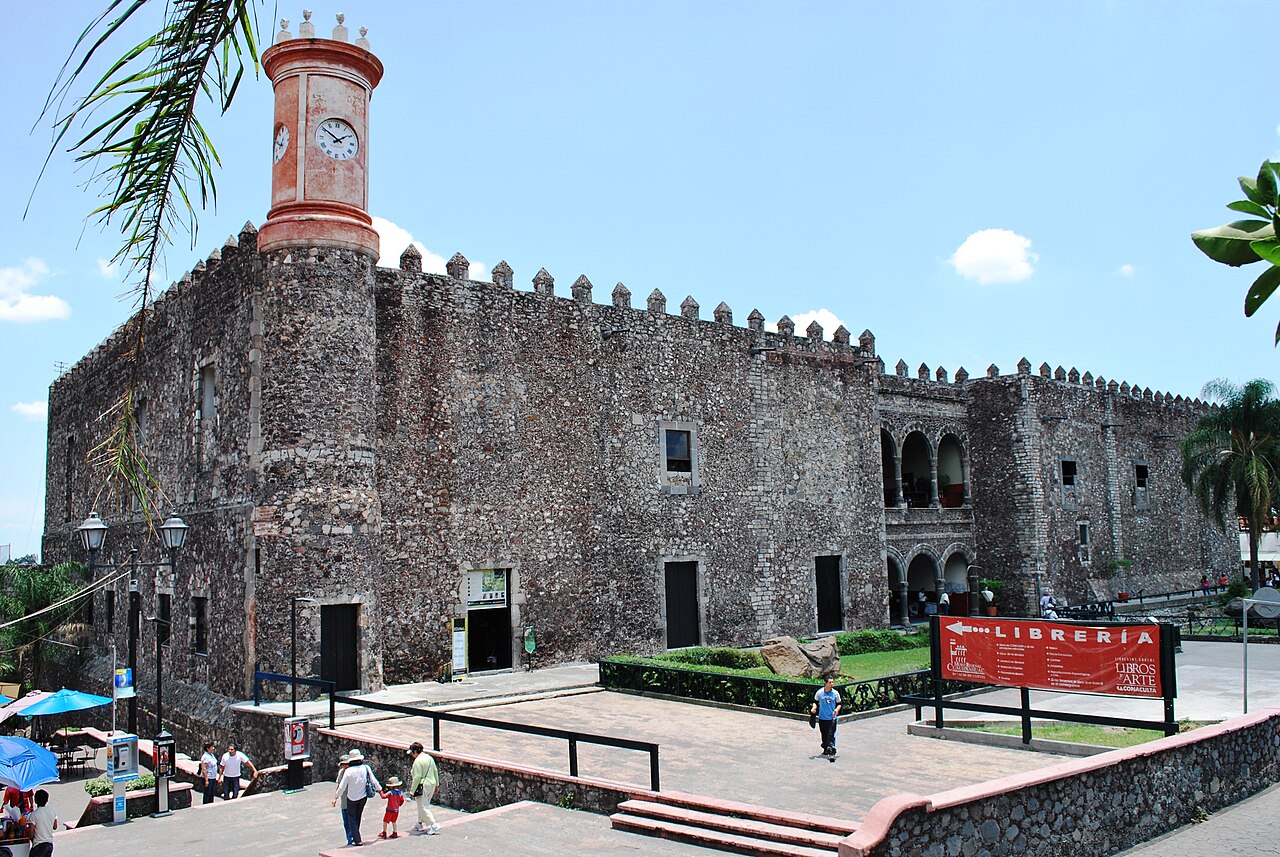 Artifact
Primary source
1529
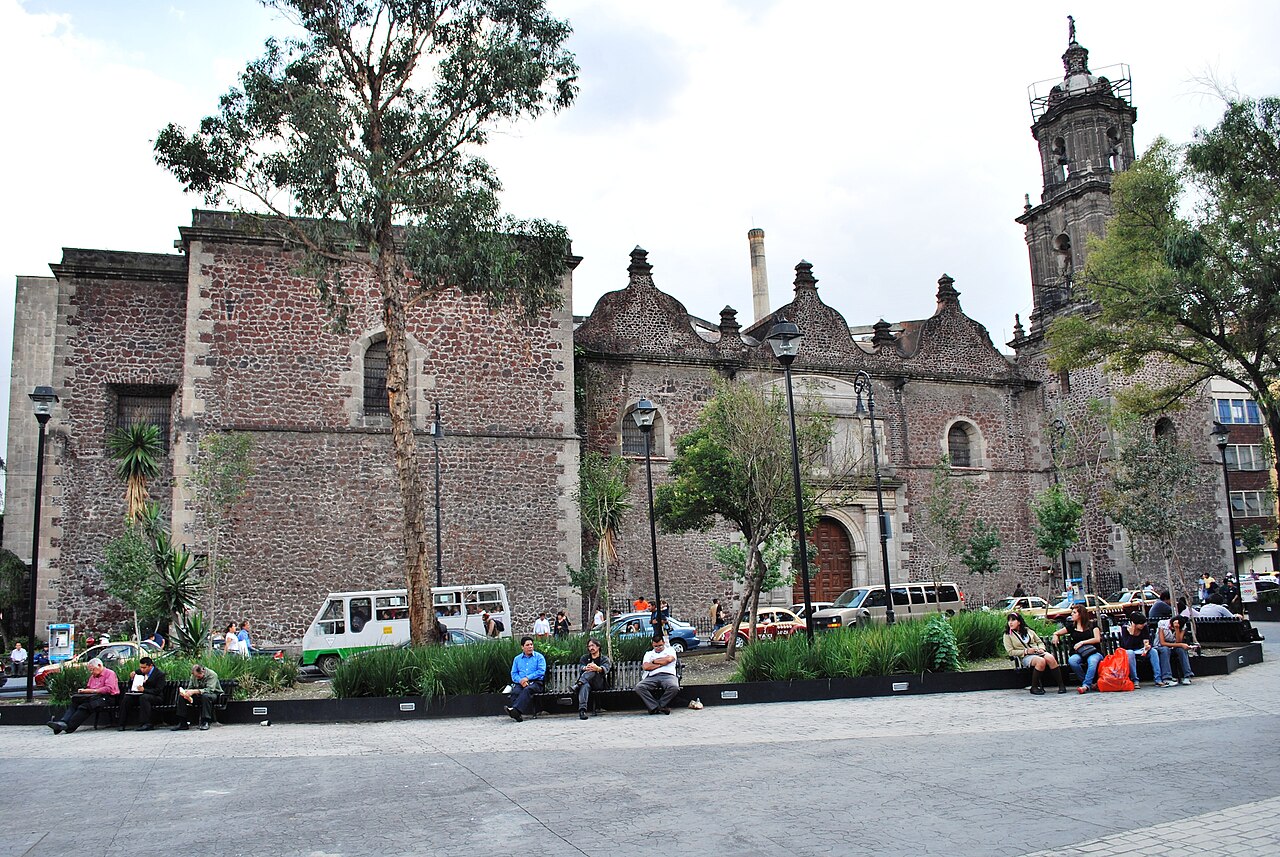 Artifact
Primary source
1524
 Document
Primary source
1525
 Document
Primary source
Hernán Cortés
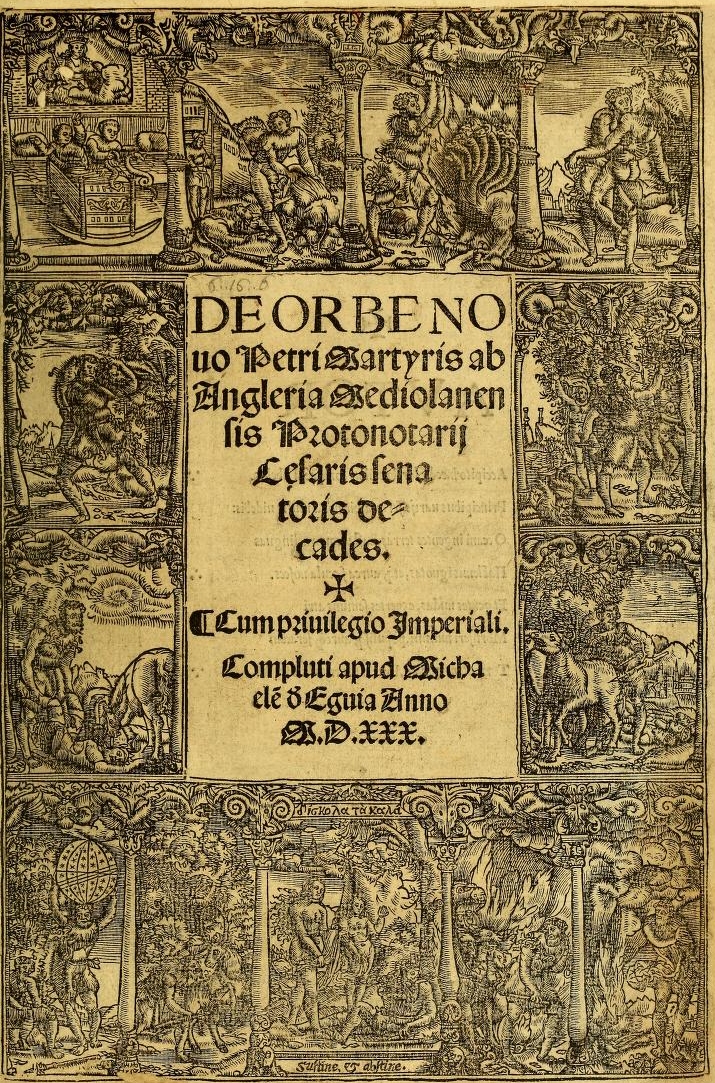 Book
Secondary source
Peter Martyr d'Anghiera · 1530 (complete edition)
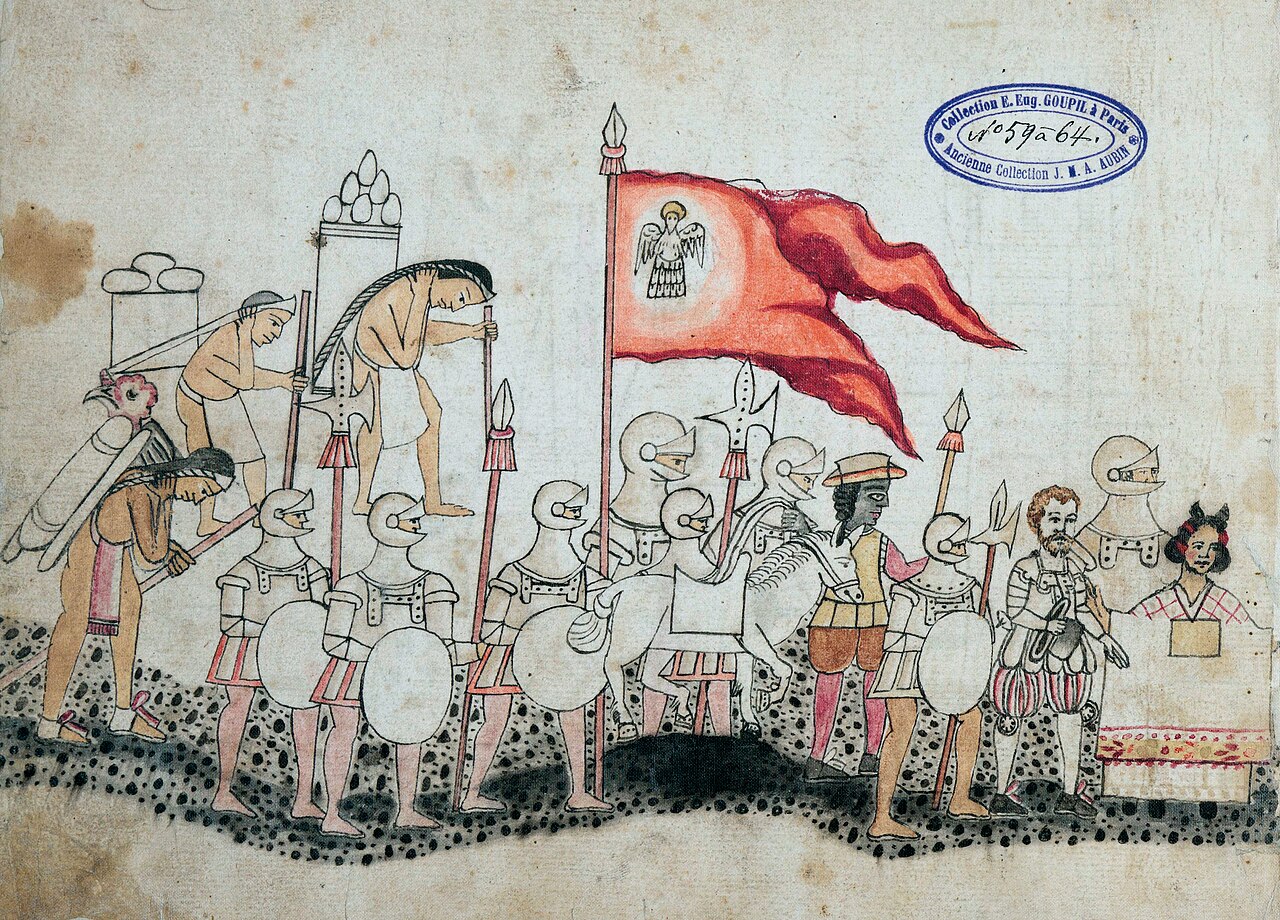 Document
Secondary source
16th century
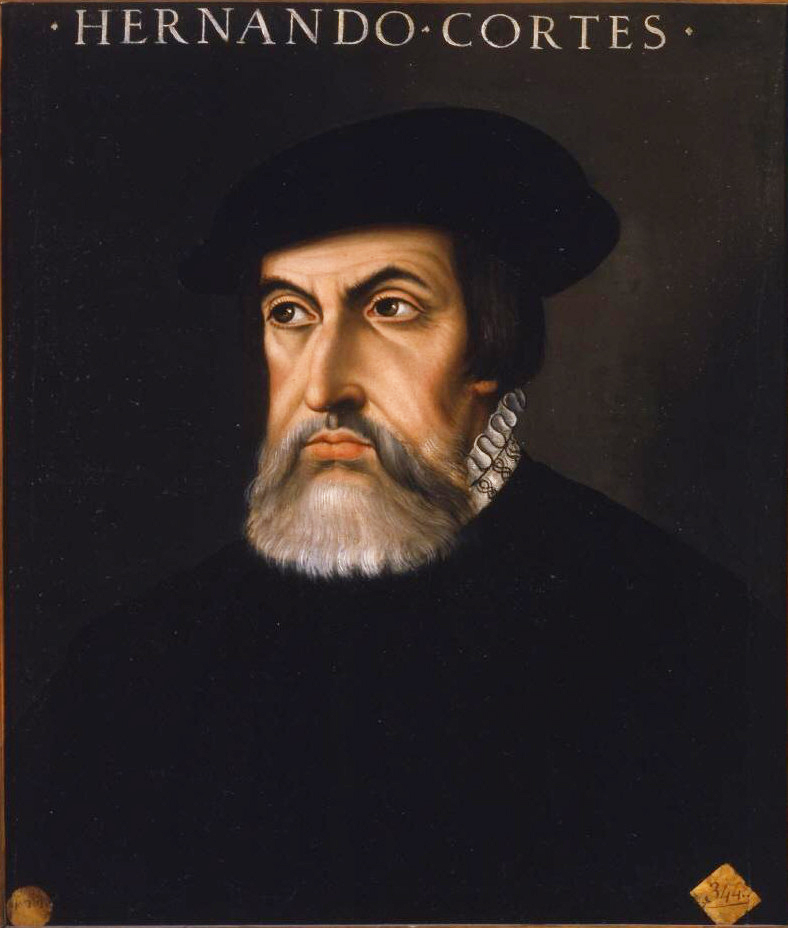 Painting
Secondary source
Unknown
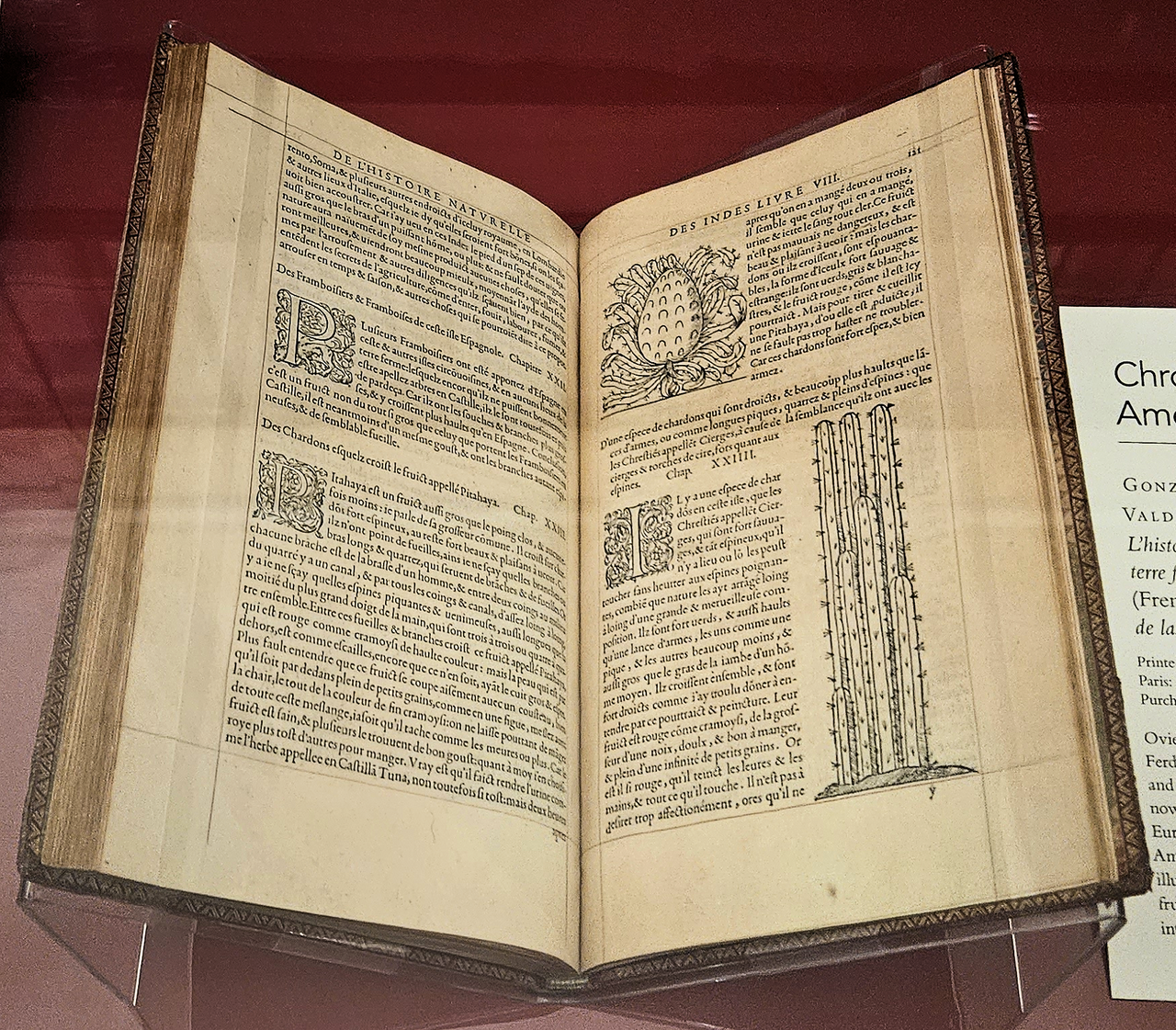 Book
Secondary source
Gonzalo Fernández de Oviedo y Valdés · 1556 (French edition); original work 16th century
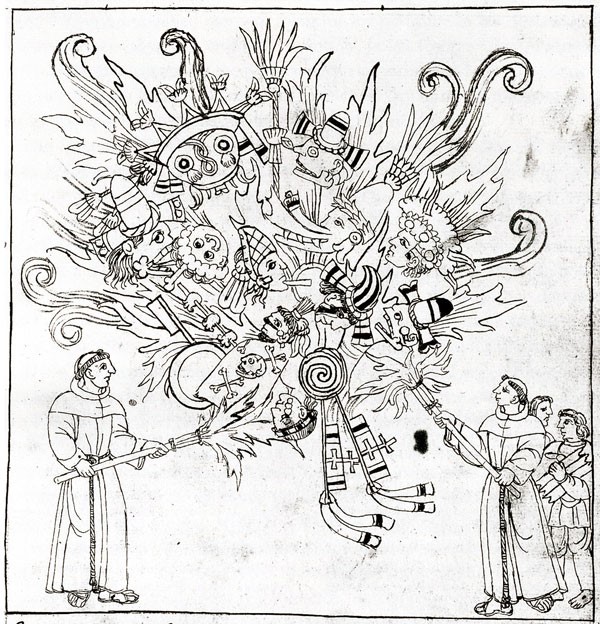 Book
Secondary source
Diego Muñoz Camargo · c. 1581-1585
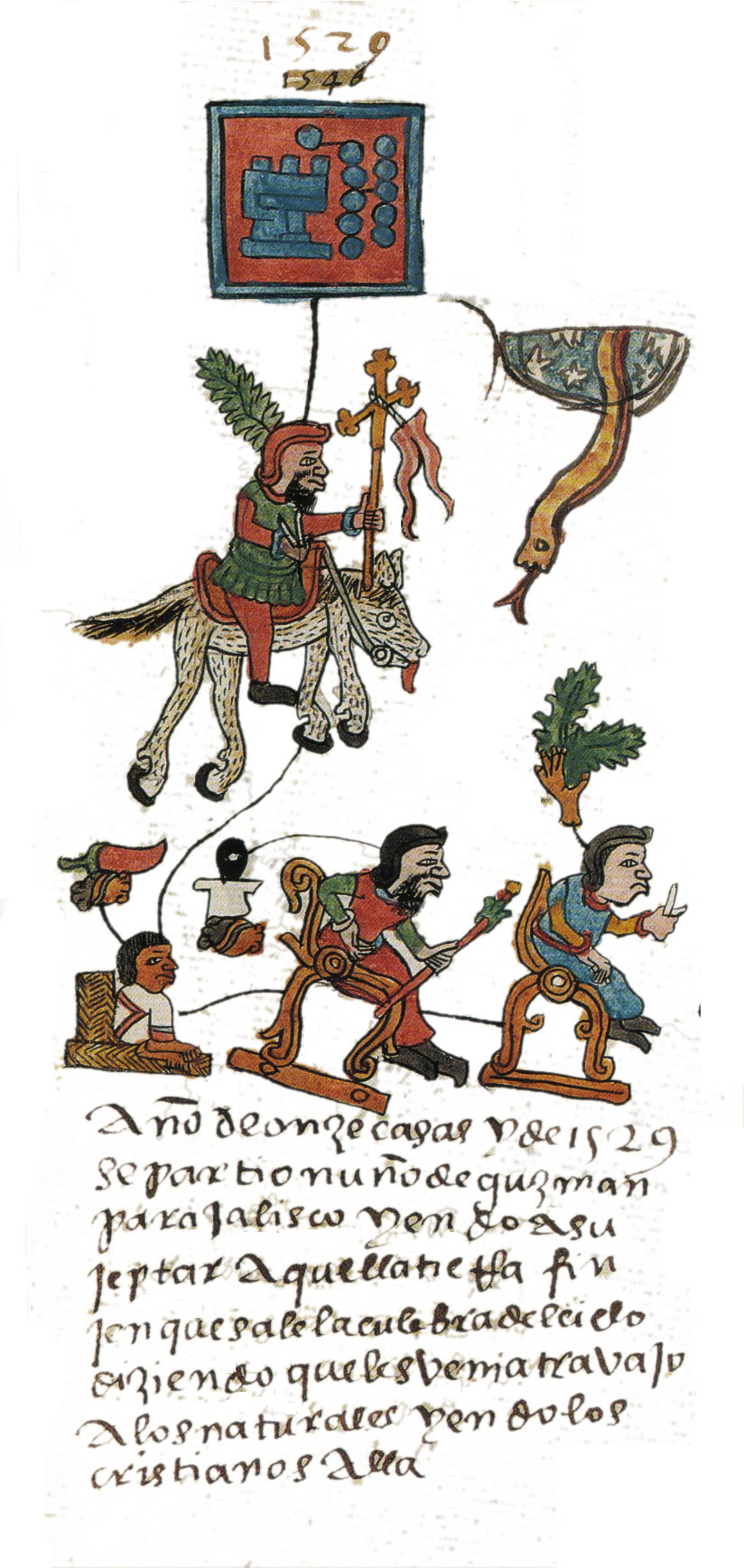 Document
Secondary source
16th century
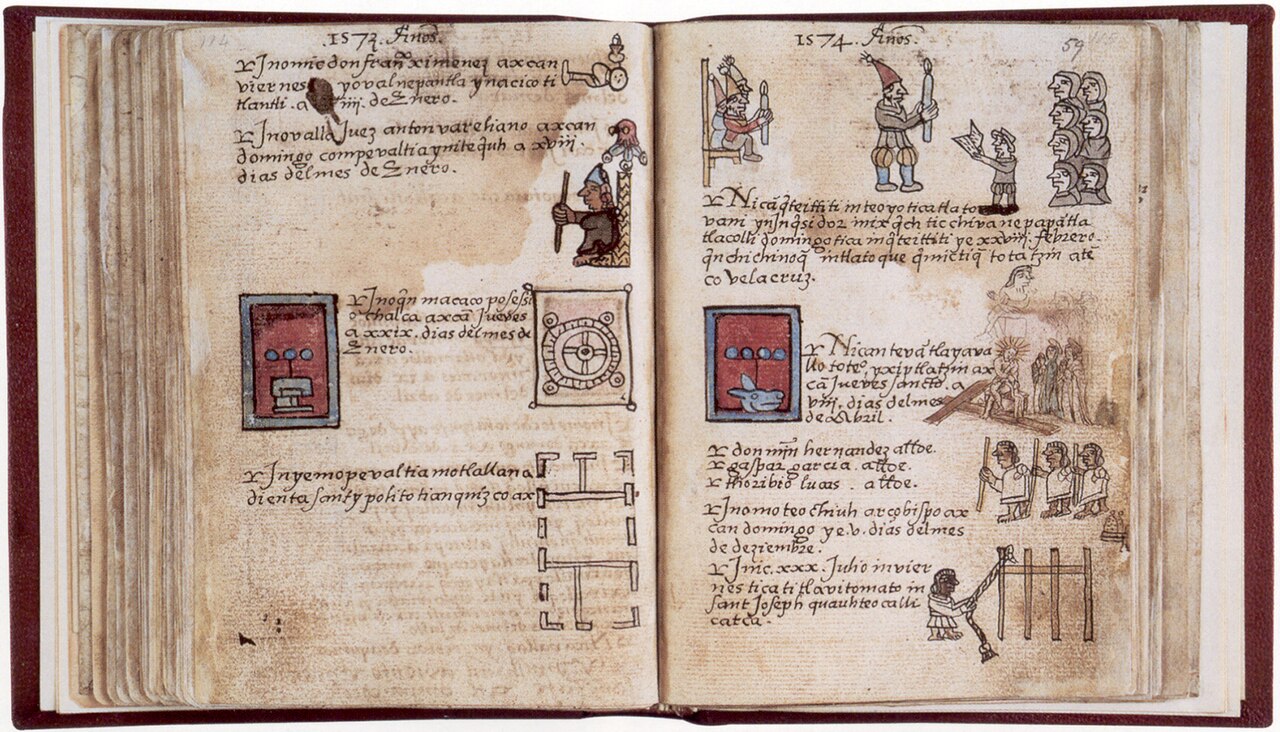 Document
Secondary source
1576
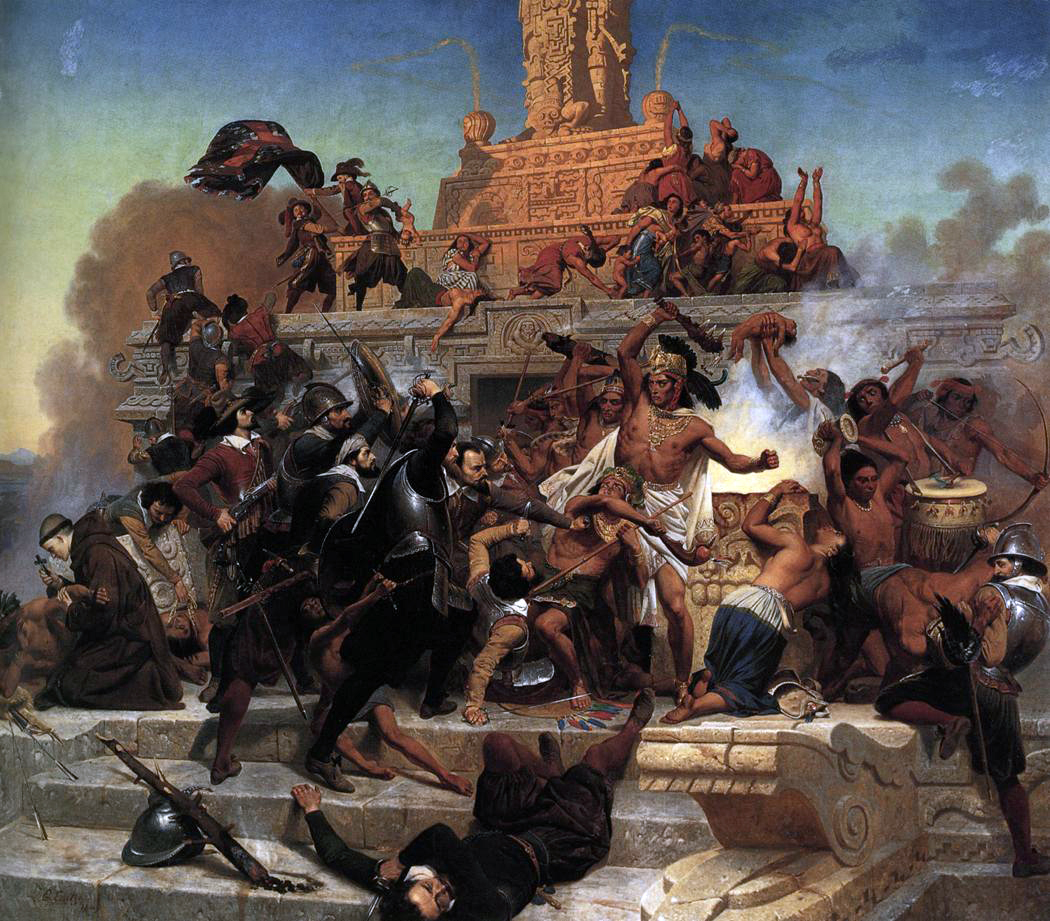 Painting
Secondary source
Emanuel Leutze · 1848
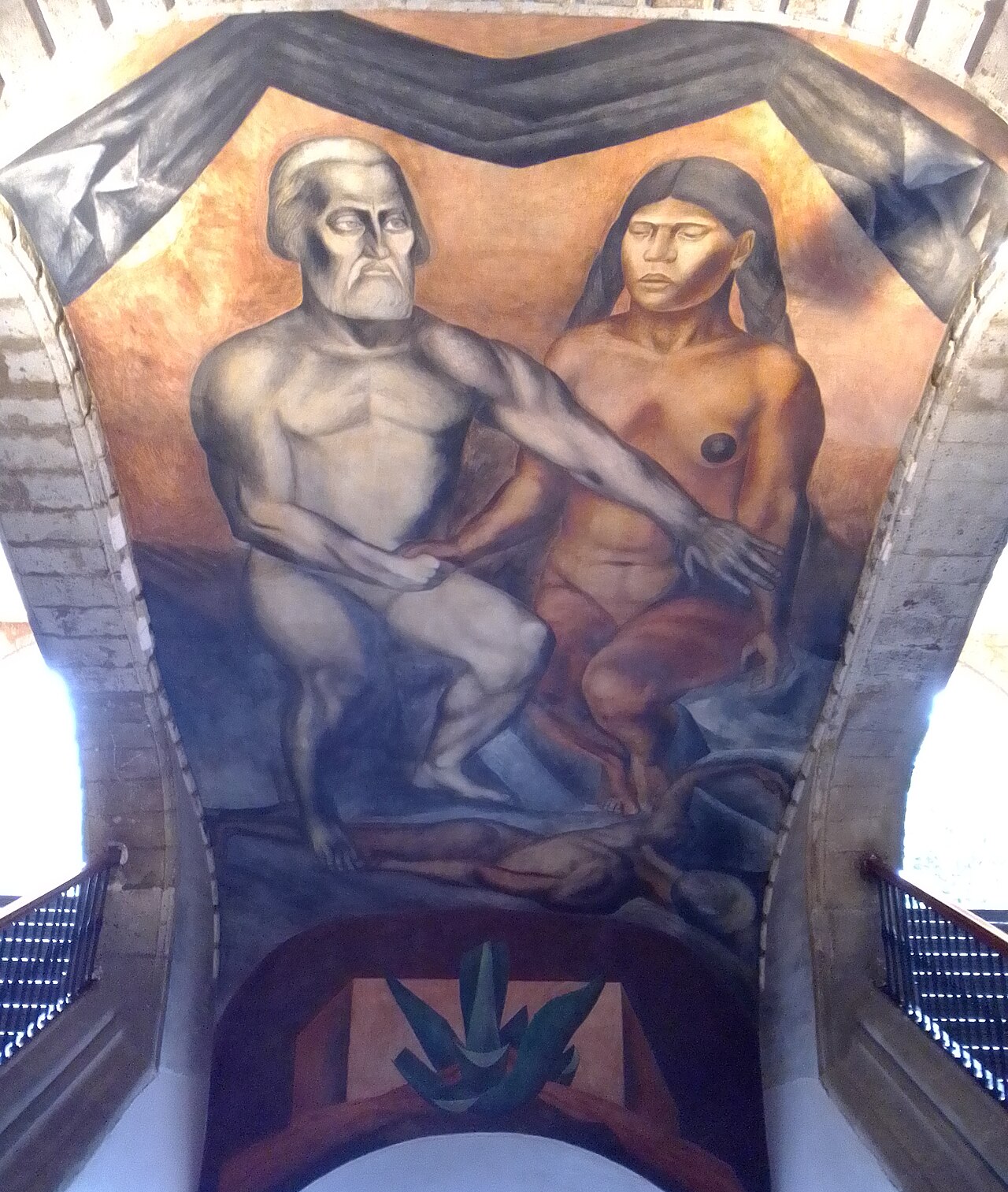 Painting
Secondary source
José Clemente Orozco · 1926
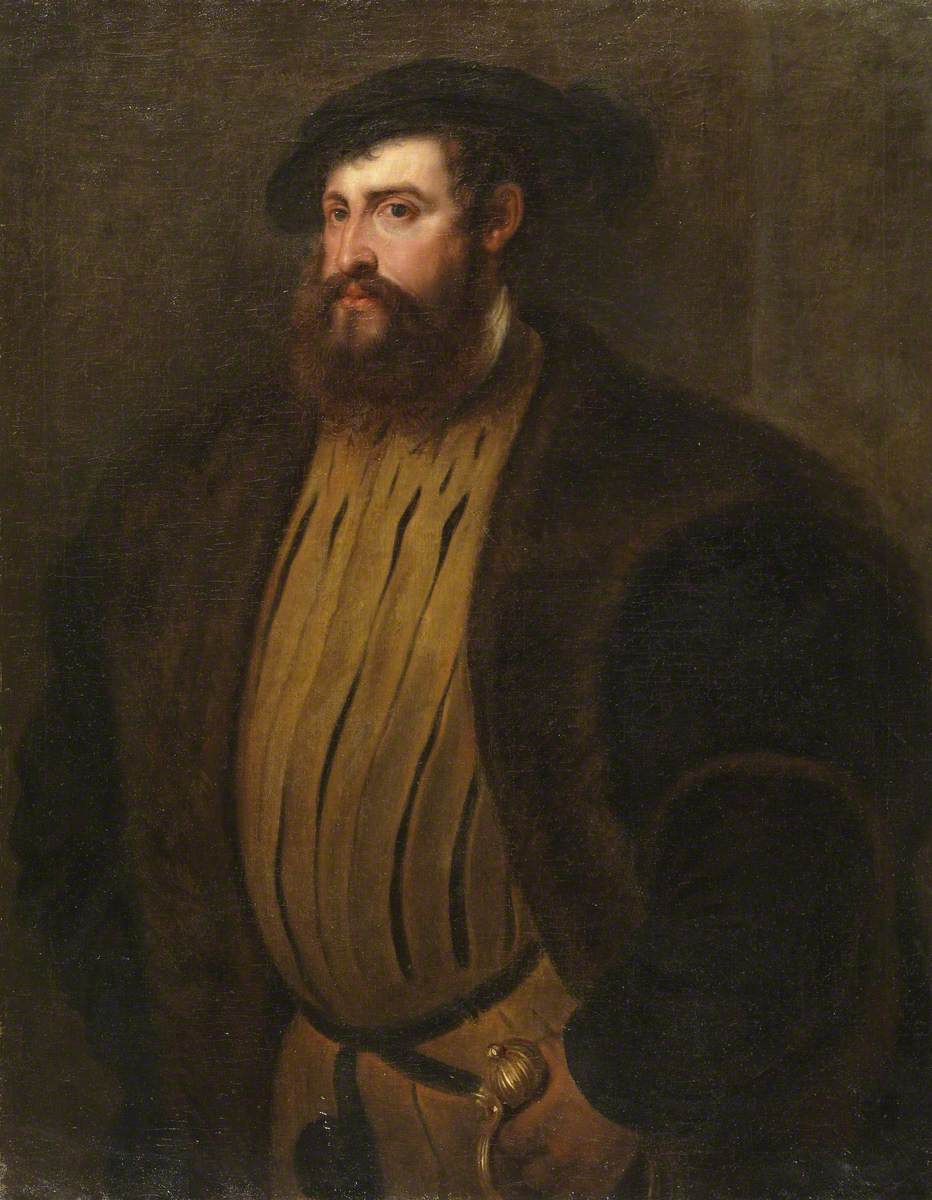 Painting
Secondary source
Peter Paul Rubens · 1610
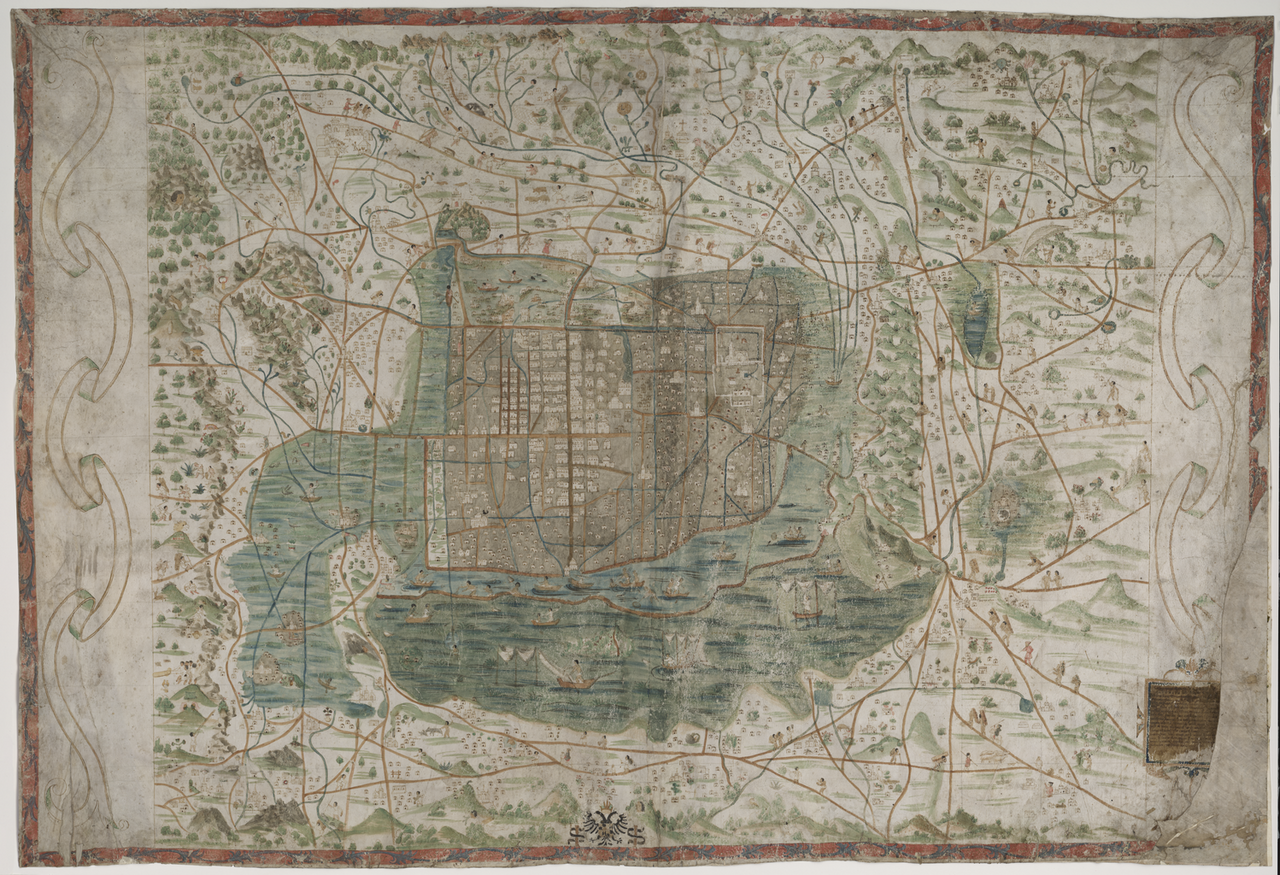 Document
Secondary source
Indigenous painters of the Colegio de Santa Cruz de Tlatelolco (attributed) · c. 1550
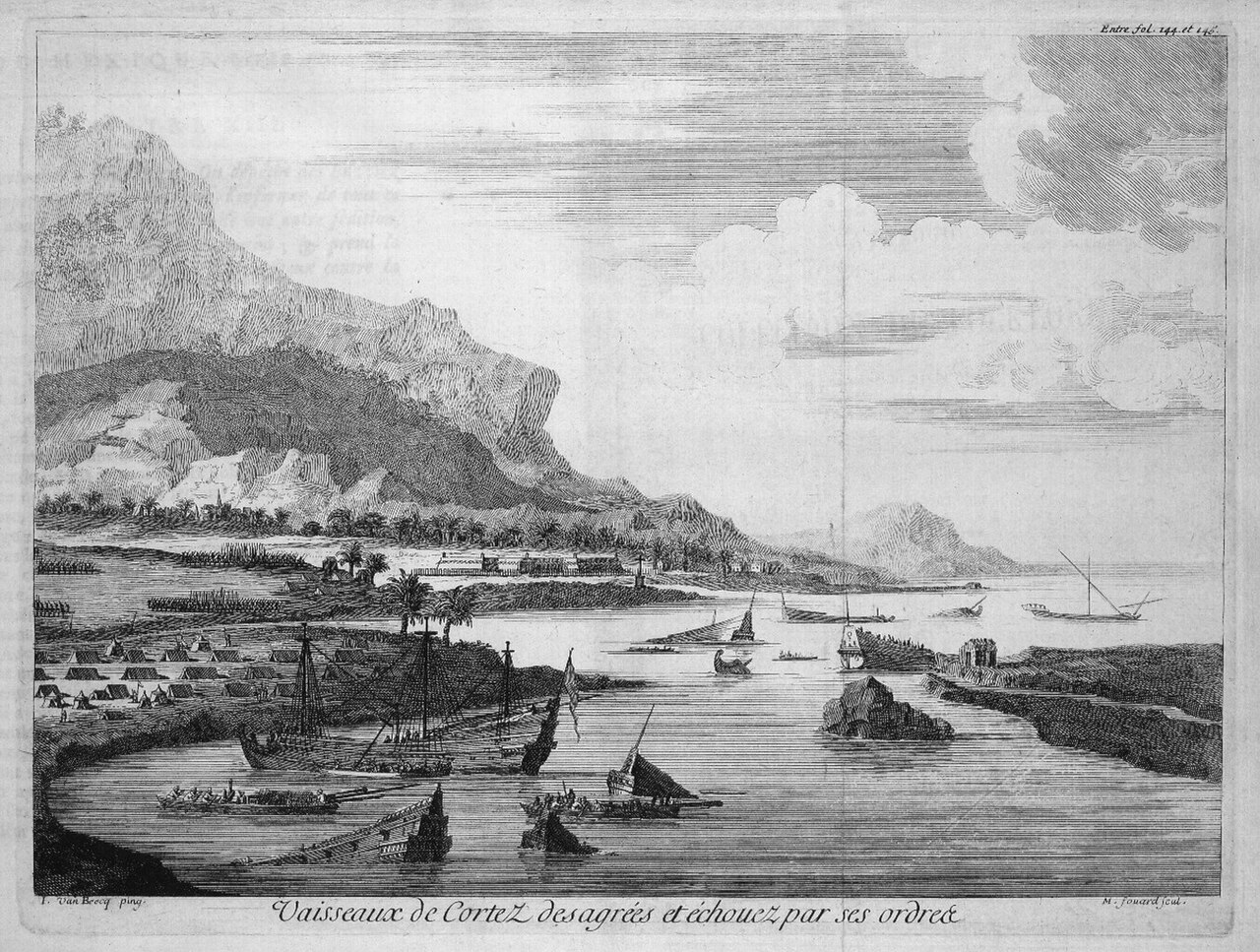 Painting
Secondary source
After Jan Karel Donatus van Beecq
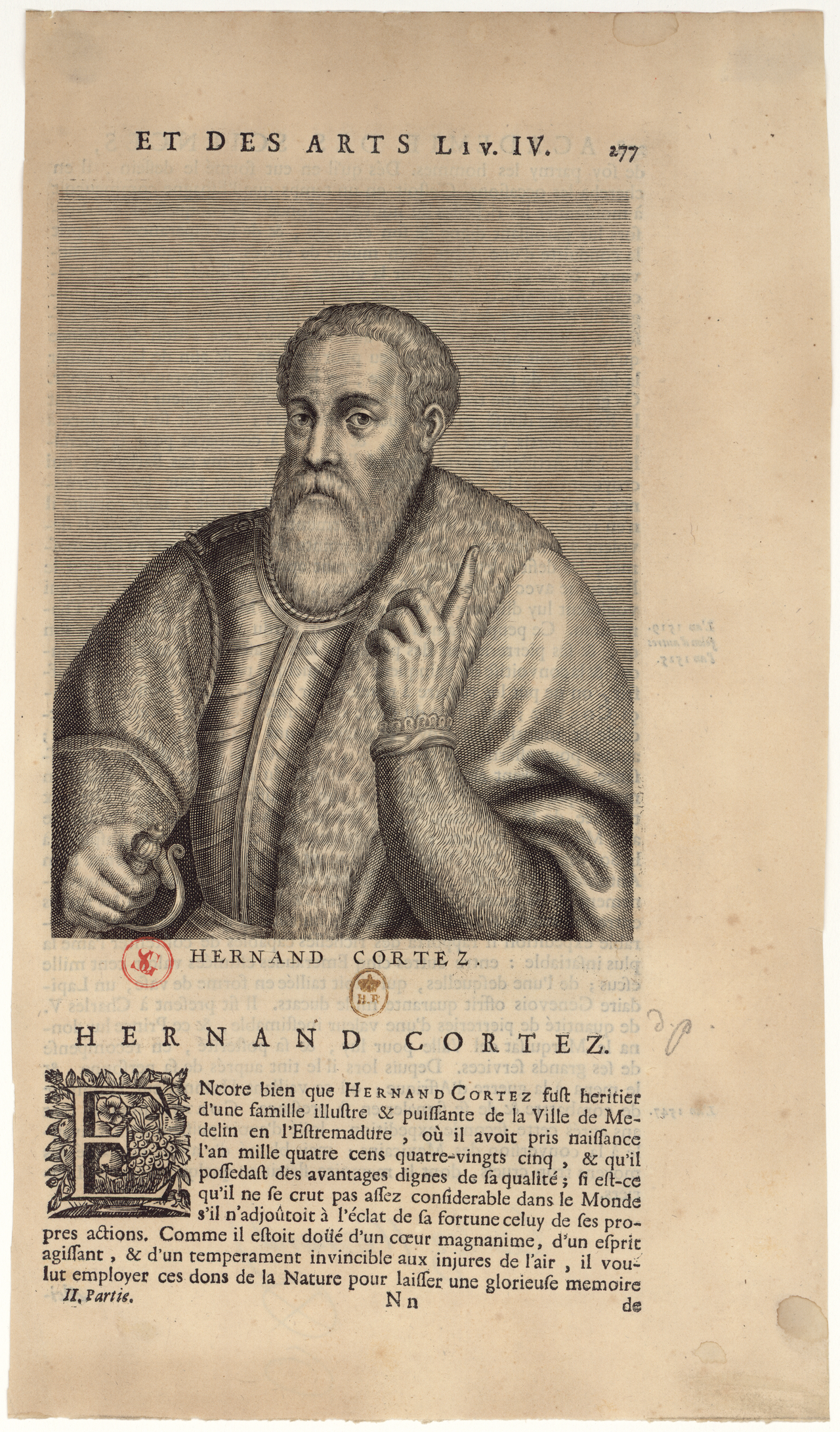 Painting
Secondary source
1601
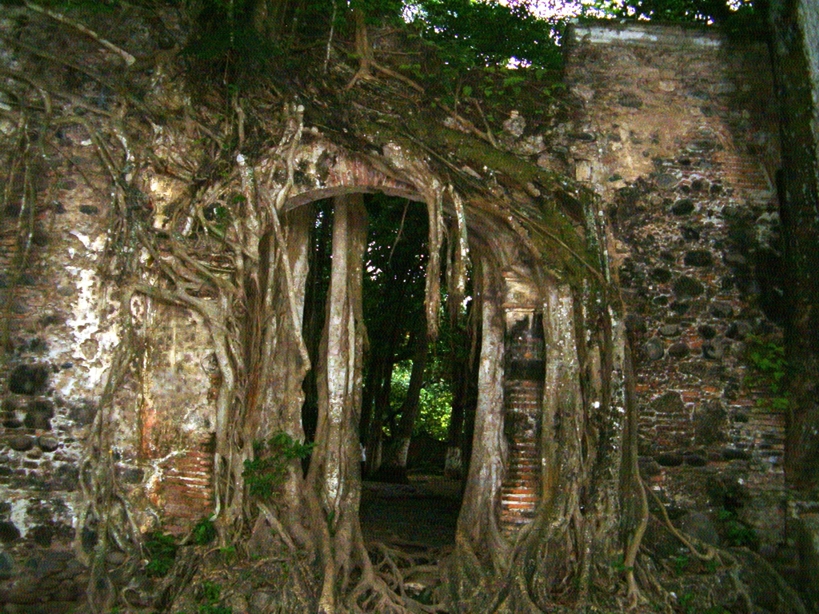 Photograph
Secondary source
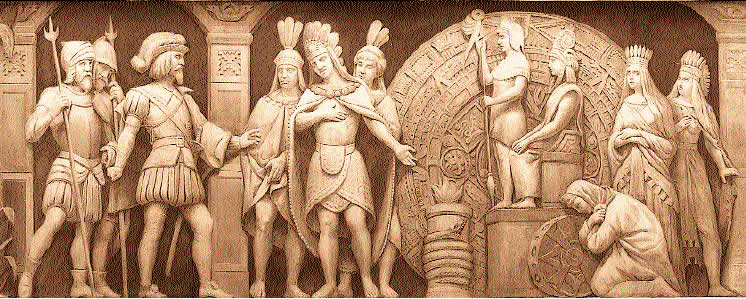 Painting
Secondary source
Architect of the Capitol · 19th century
 Book
Secondary source
William H. Prescott · 1843
 Letter
Primary source
Hernán Cortés · 1908 translation; letters originally written 1519-1526
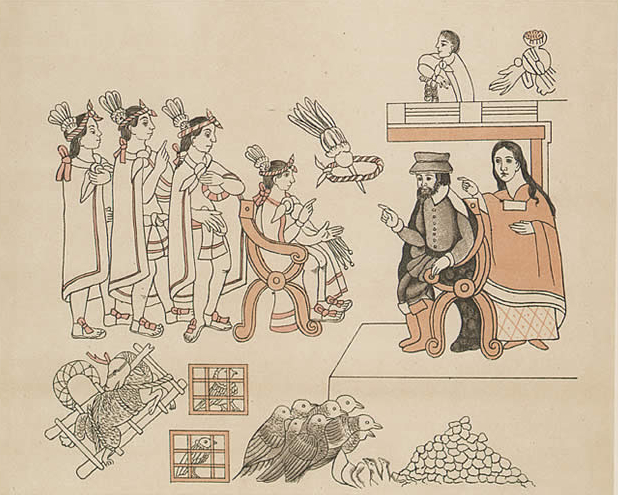 Painting
Primary source
unknown Tlaxcalan artists · Original: c. 1550; this facsimile published c. 1890
 Letter
Primary source
Hernán Cortés · 1868 (translation, letter dated earlier)
 Book
Primary source
Bernal Díaz del Castillo · 1844 (translation of earlier manuscript)
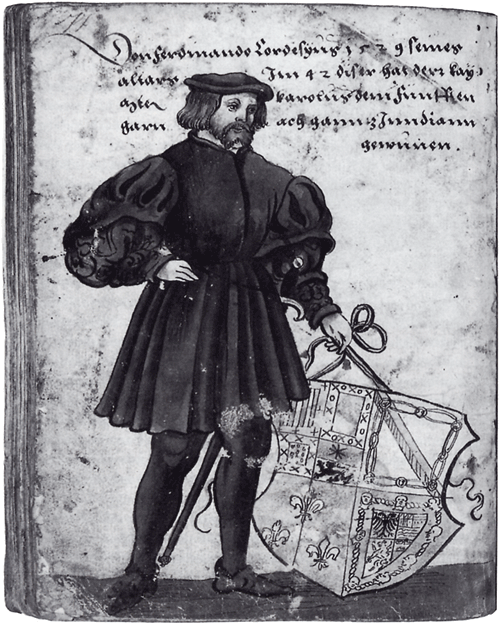 Painting
Primary source
Christoph Weiditz the Elder · 1529
Secondary source
Francis Augustus MacNutt · 1909
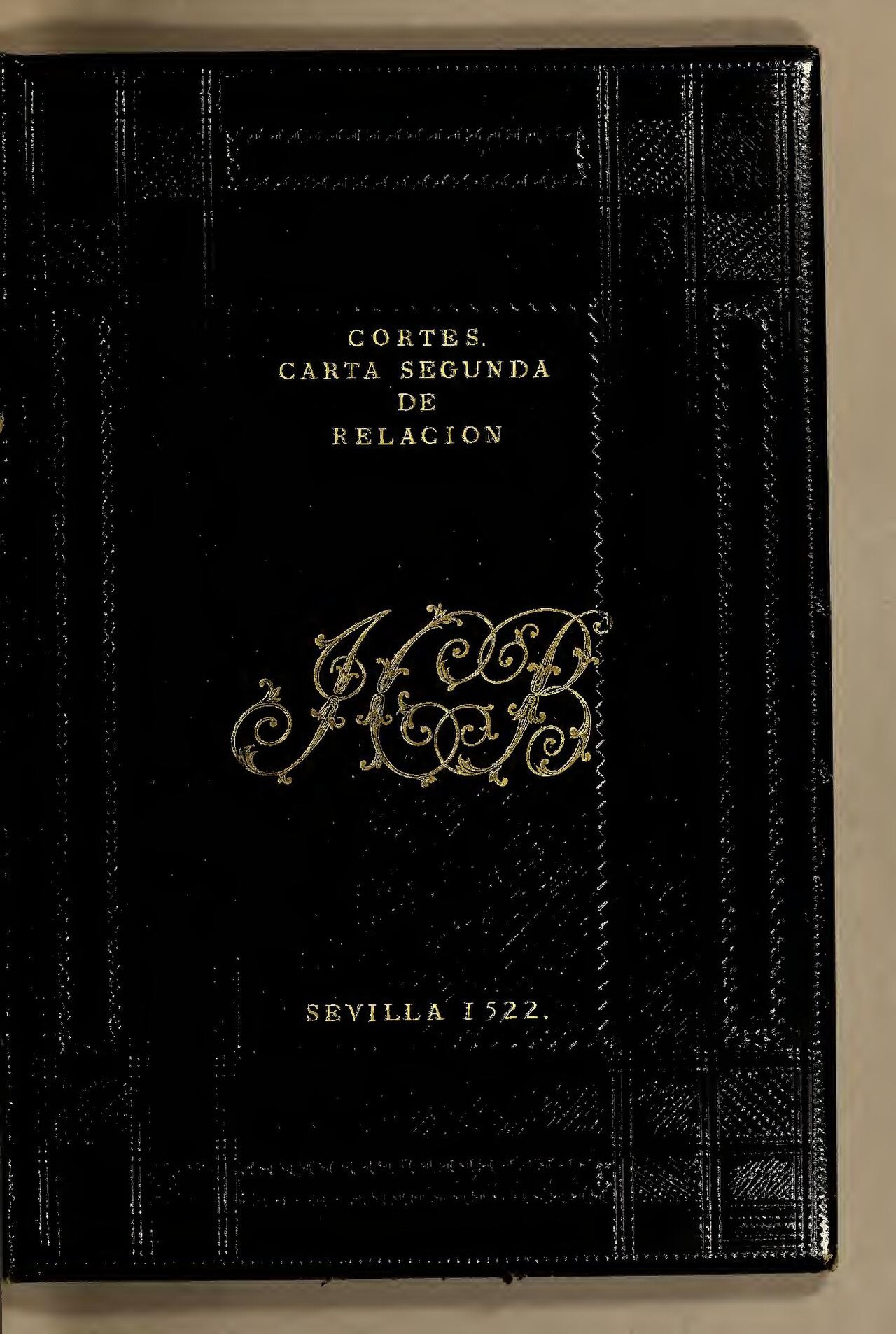 Document
Primary source
Hernán Cortés · 1522
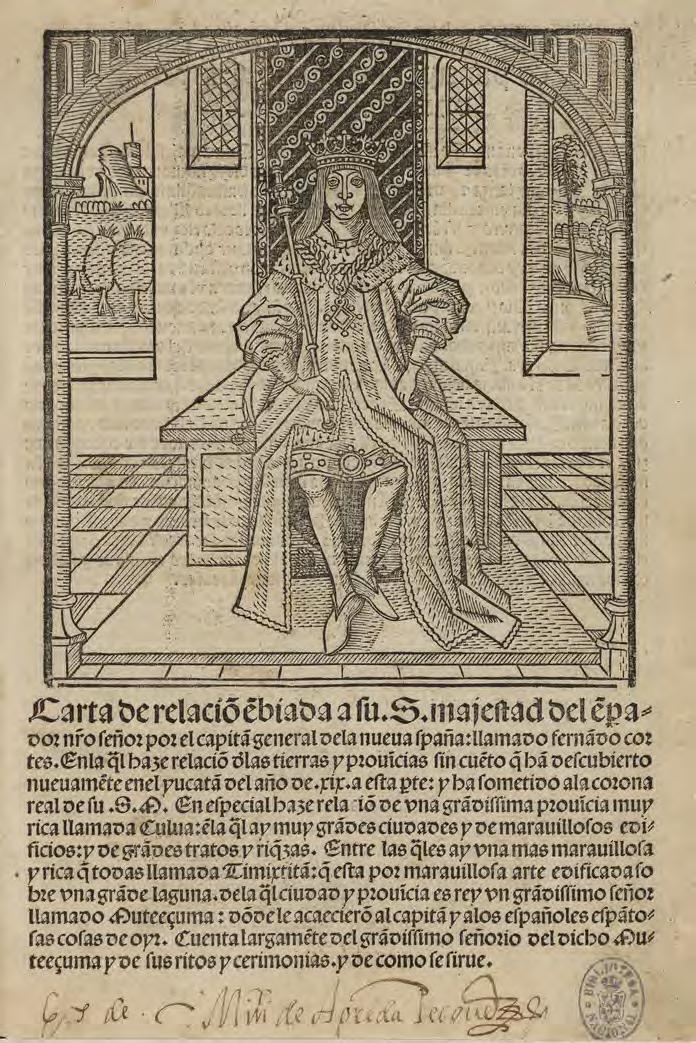 Letter
Primary source
Hernán Cortés · 30 October 1520 (printed 1522)
Secondary source
William Hickling Prescott · 1843 (this edition early 20th century)
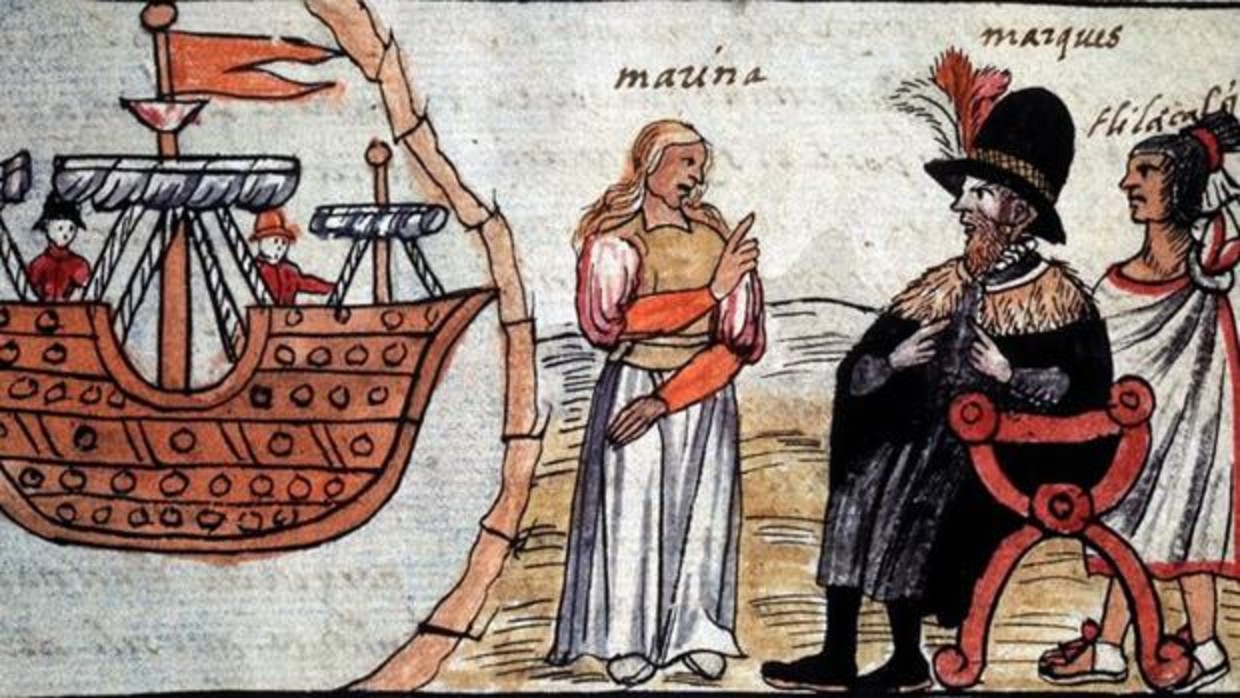 Painting
Primary source
Diego Durán · 1576
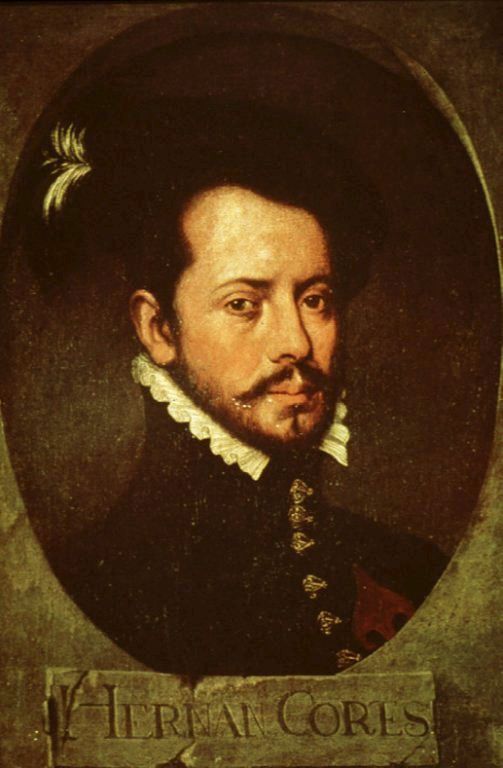 Painting
Primary source
Unidentified painter · first half of 16th century
 Book
Primary source
Francisco López de Gómara, Hernán Cortés, and others
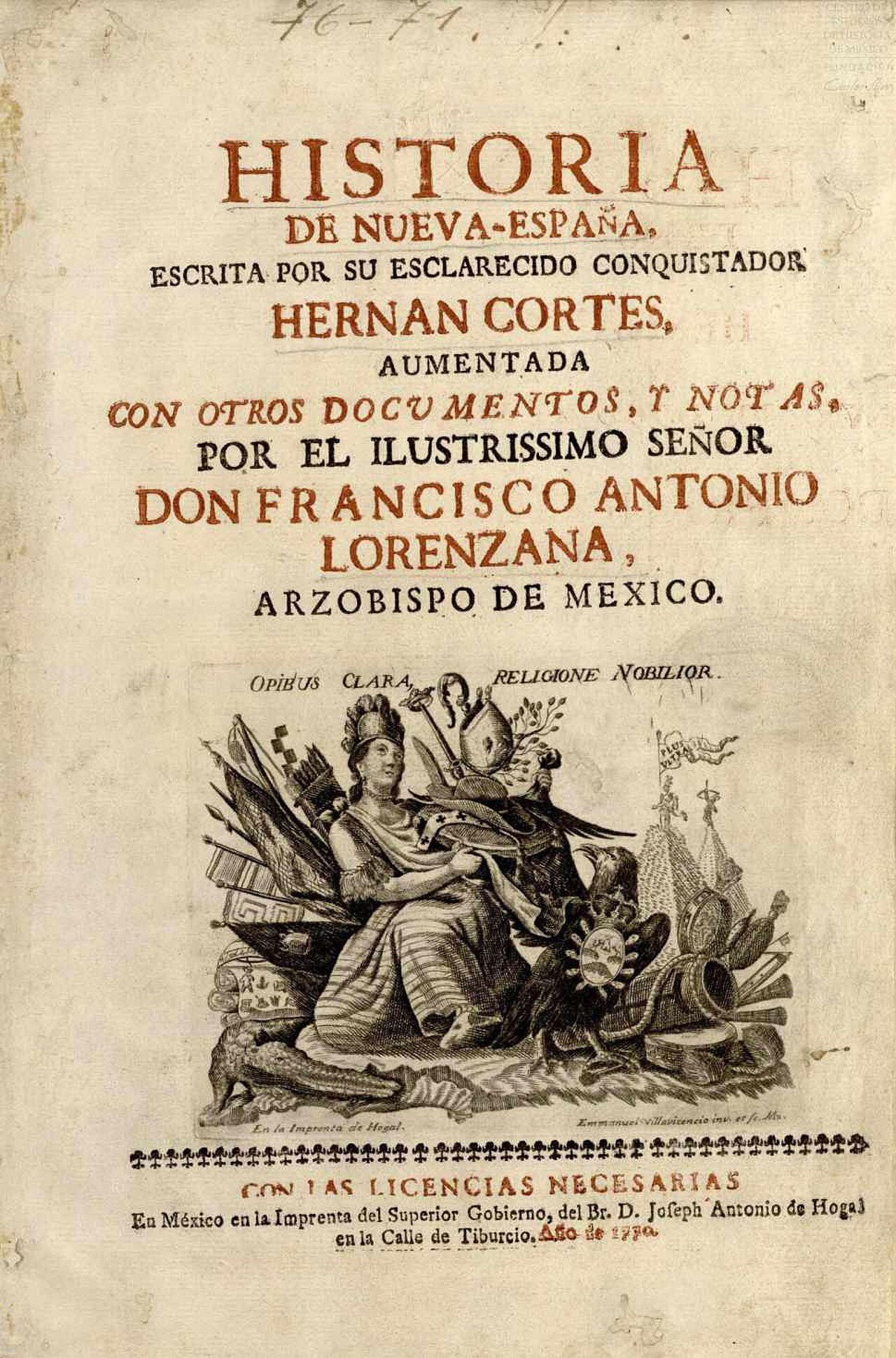 Book
Primary source
Hernán Cortés, edited by Francisco Antonio Lorenzana · 1770
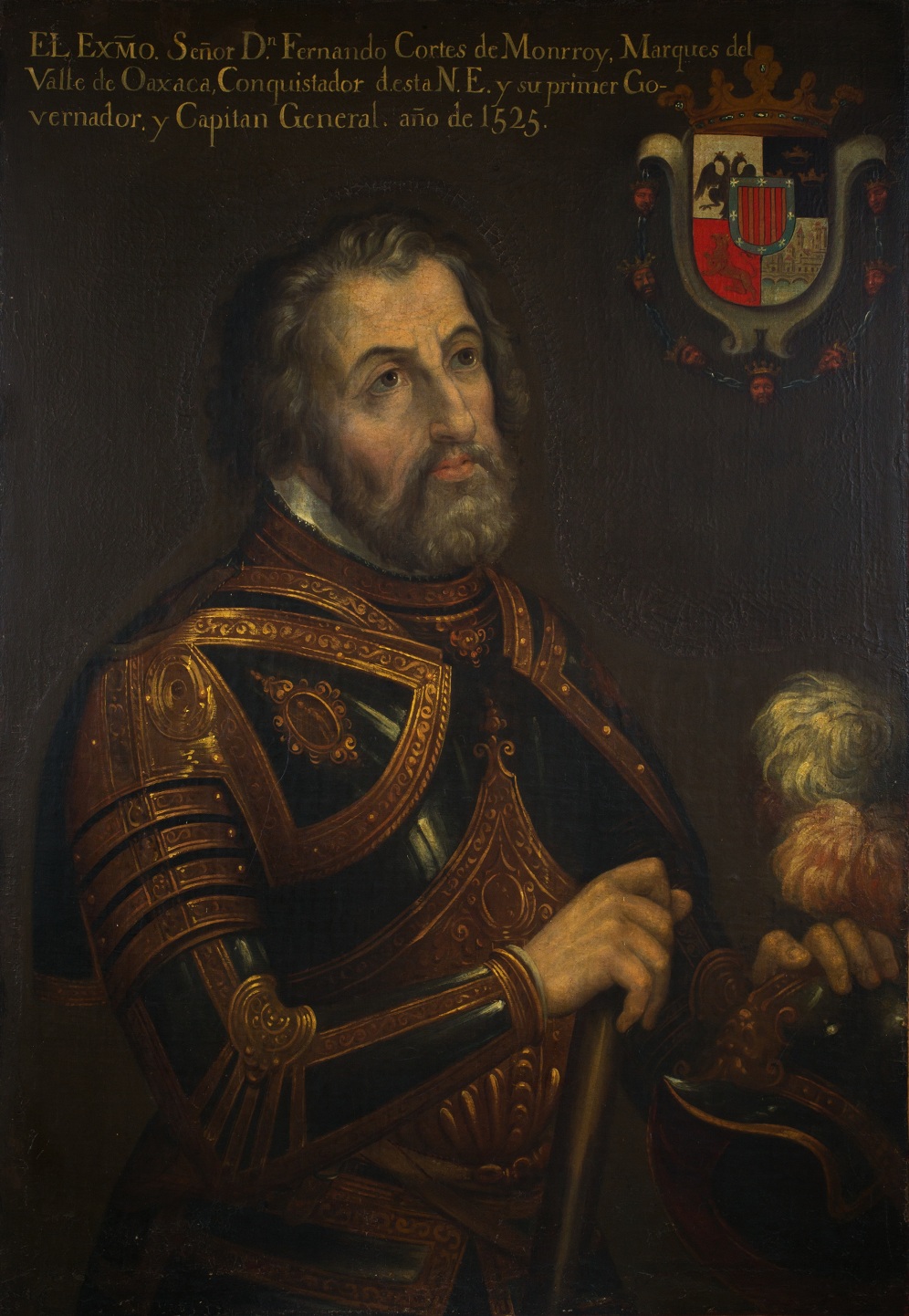 Painting
Secondary source
Unknown author · 1525 (colonial copy)
Secondary source
William Hickling Prescott · 1900
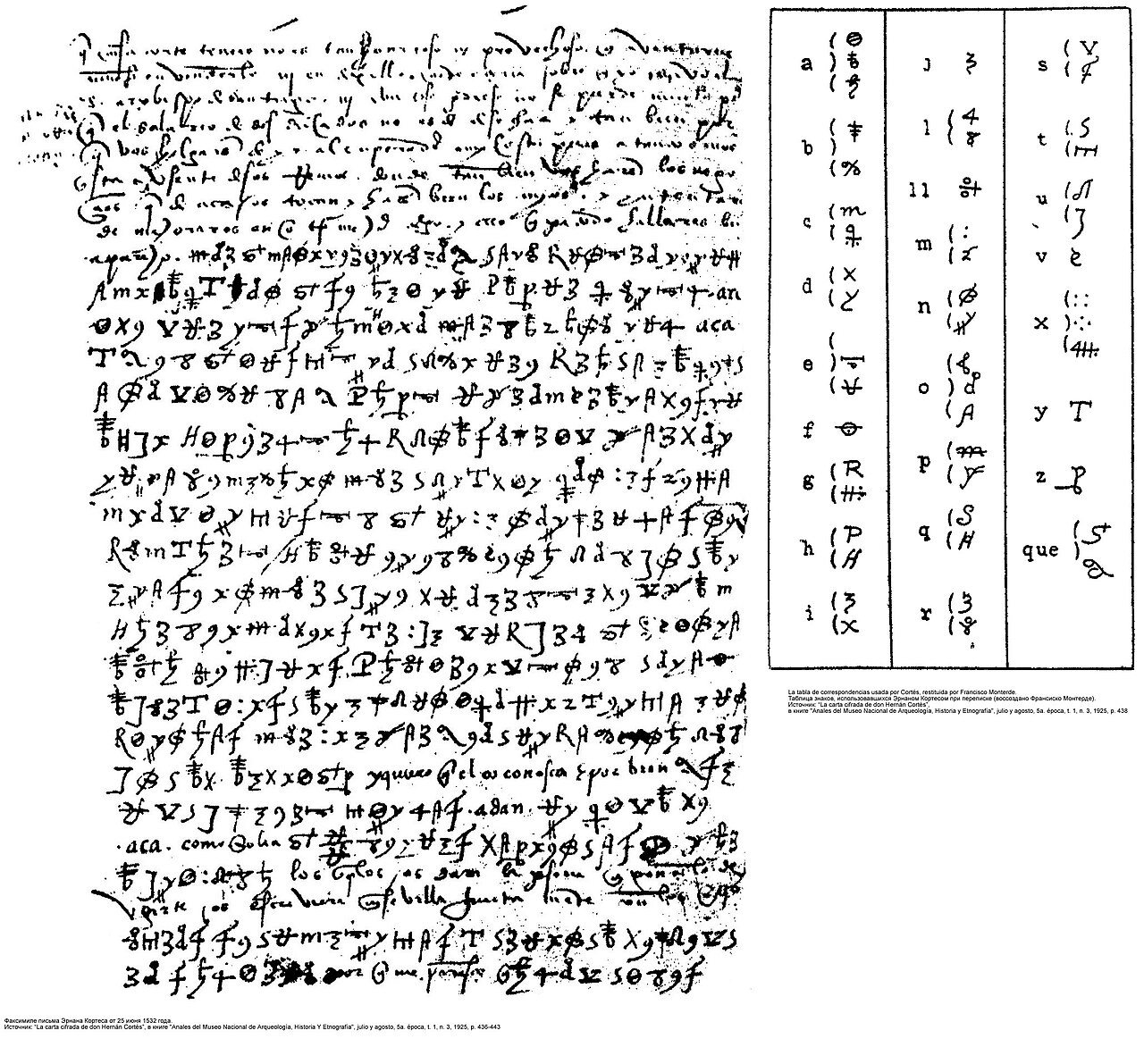 Letter
Primary source
Hernán Cortés · 25 June 1532
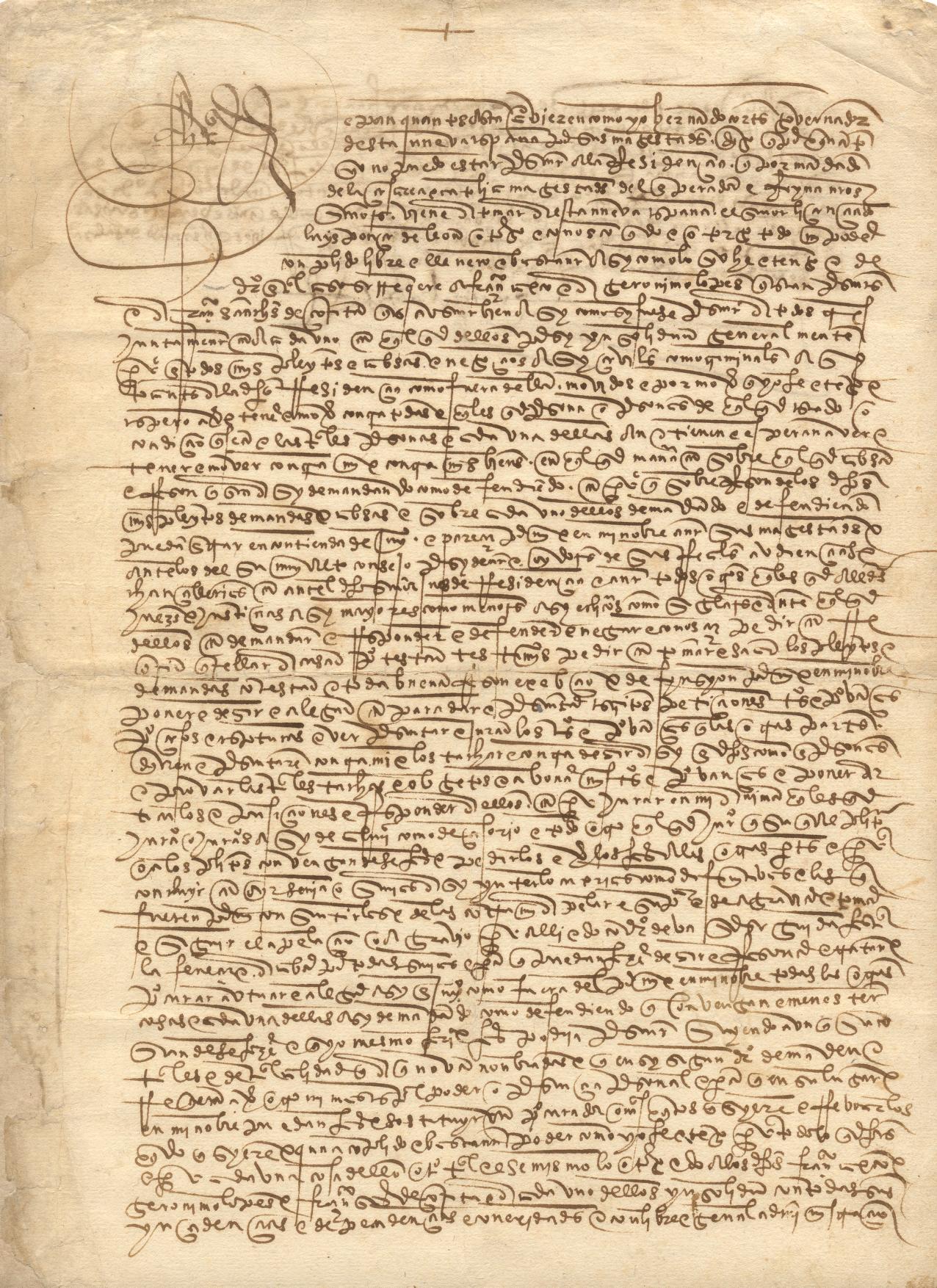 Document
Primary source
Hernán Cortés · 1526
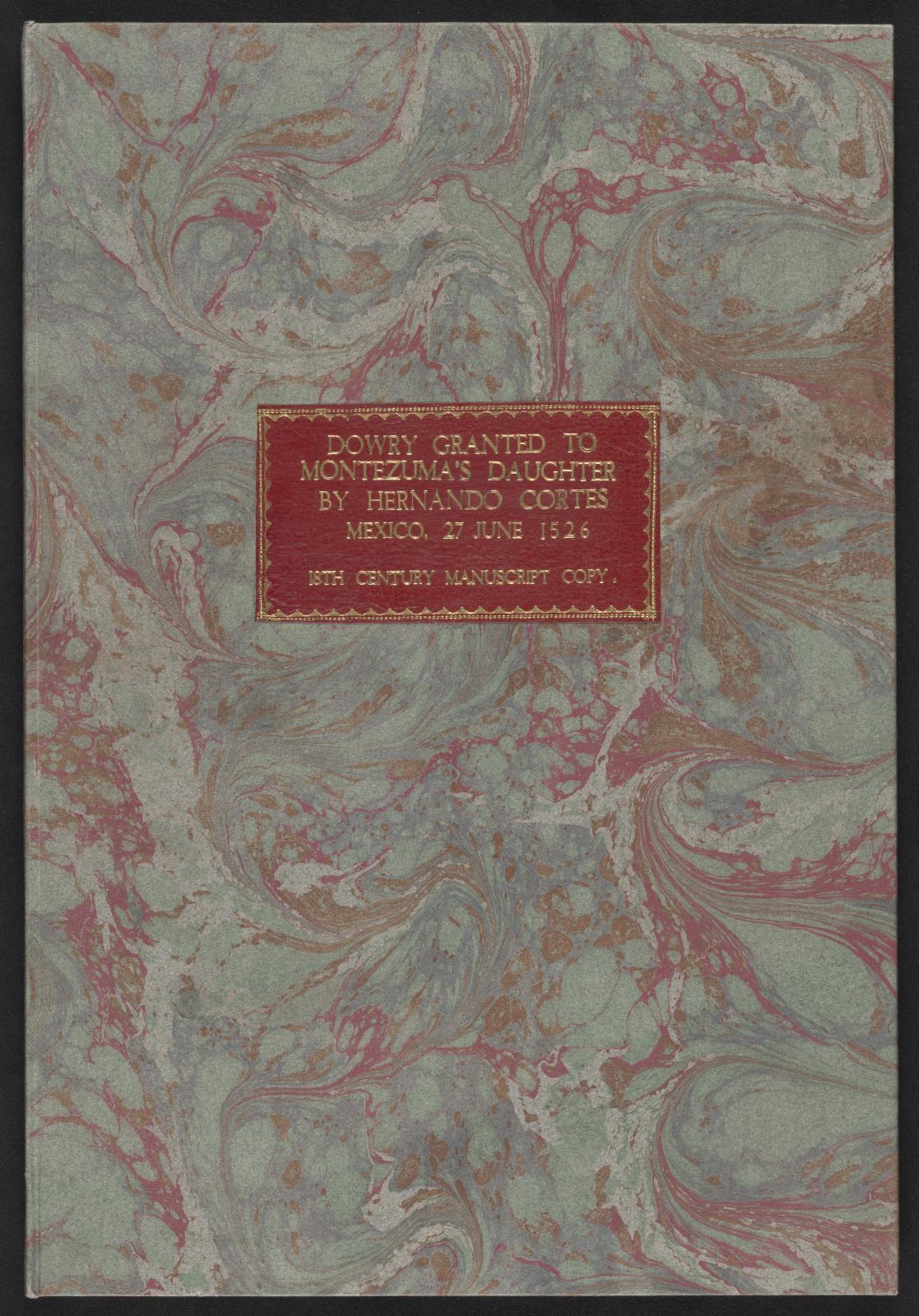 Document
Primary source
Hernán Cortés · 27 June 1526 (copy made c. 1750)
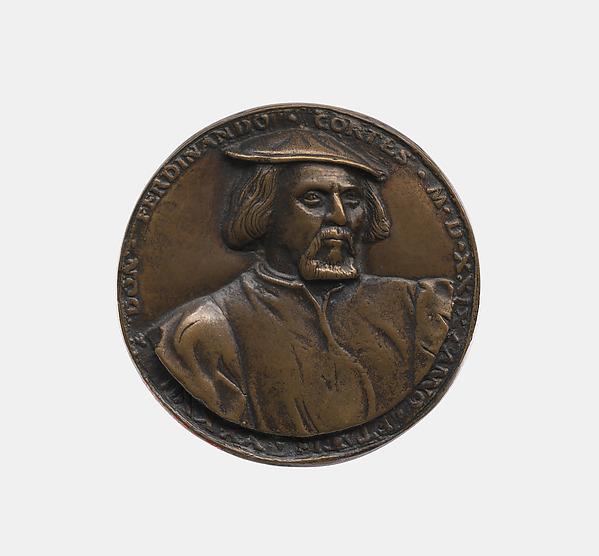 Sculpture
Primary source
Christoph Weiditz · 1529
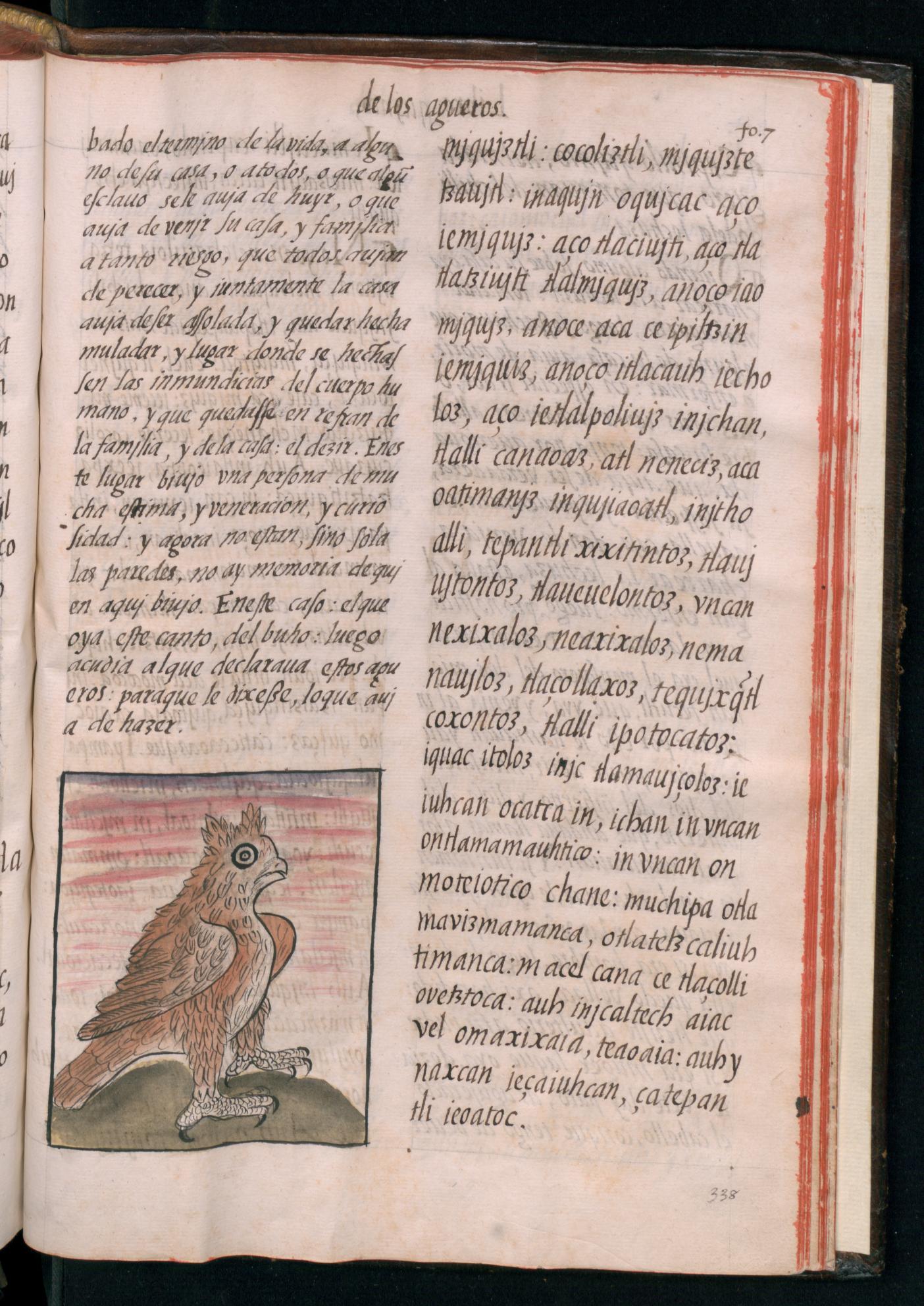 Painting
Primary source
Bernardino de Sahagún · 1577
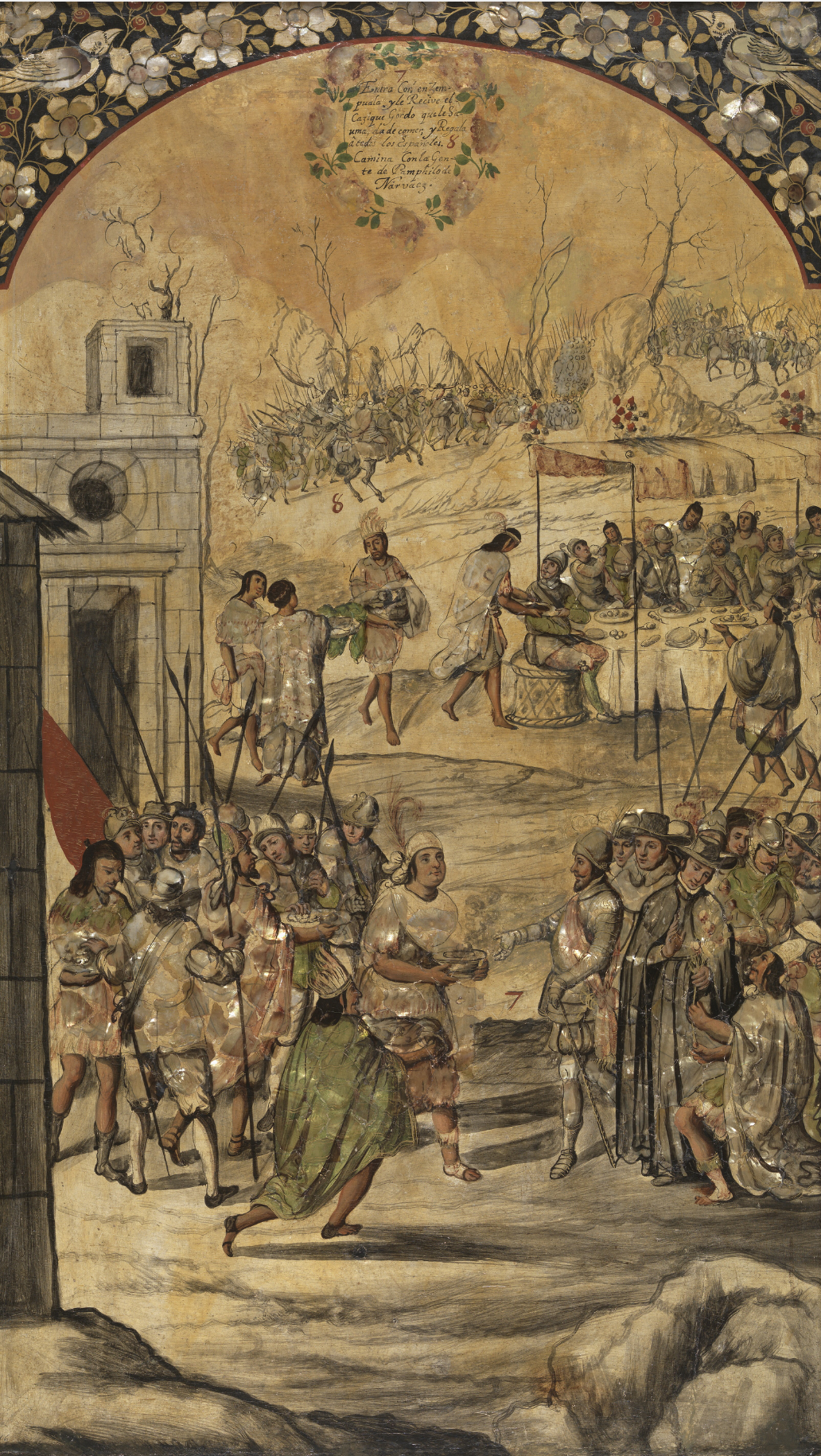 Painting
Secondary source
Juan González, Miguel González · 1698
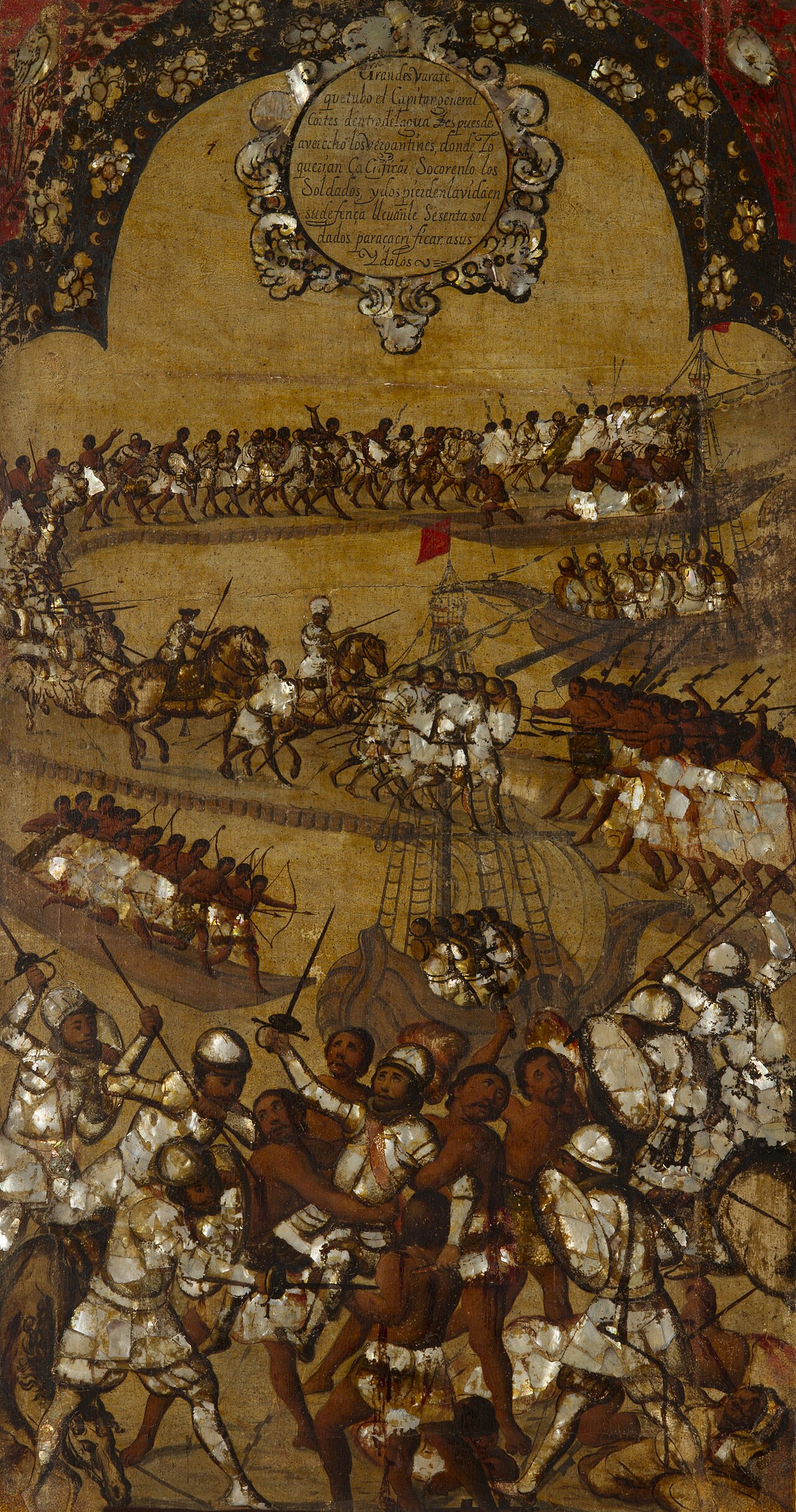 Painting
Secondary source
Miguel González · c. 1696-1715
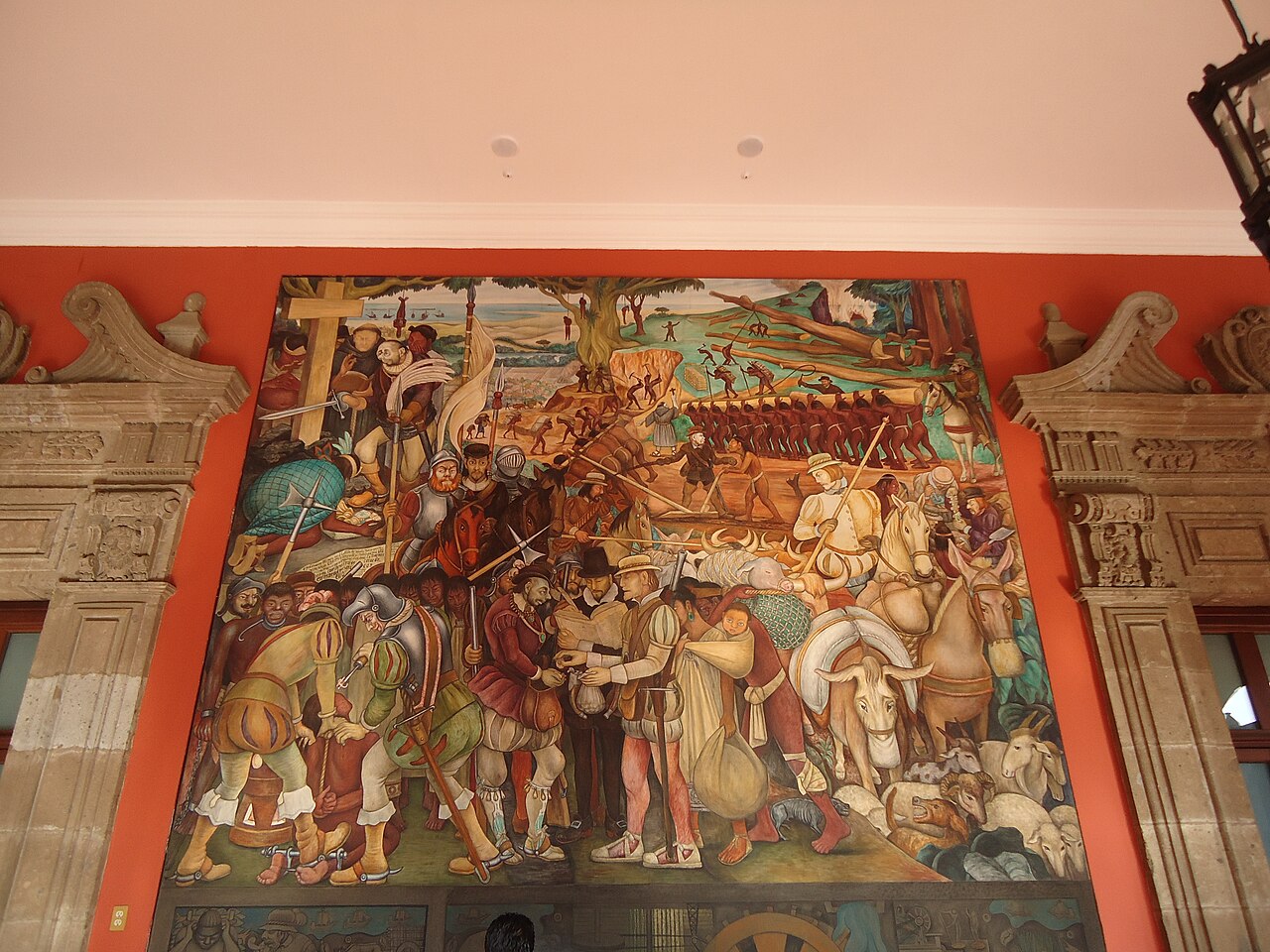 Painting
Secondary source
Diego Rivera
Primary source
Hernán Cortés · 1527–28 (voyage described in the collection)
Tertiary source
1891
Tertiary source
1911
Secondary source
Secondary source
1908
Secondary source
1908
Secondary source
John S. C. Abbott · 1901
 Document
Secondary source
Hernán Cortés · 1870
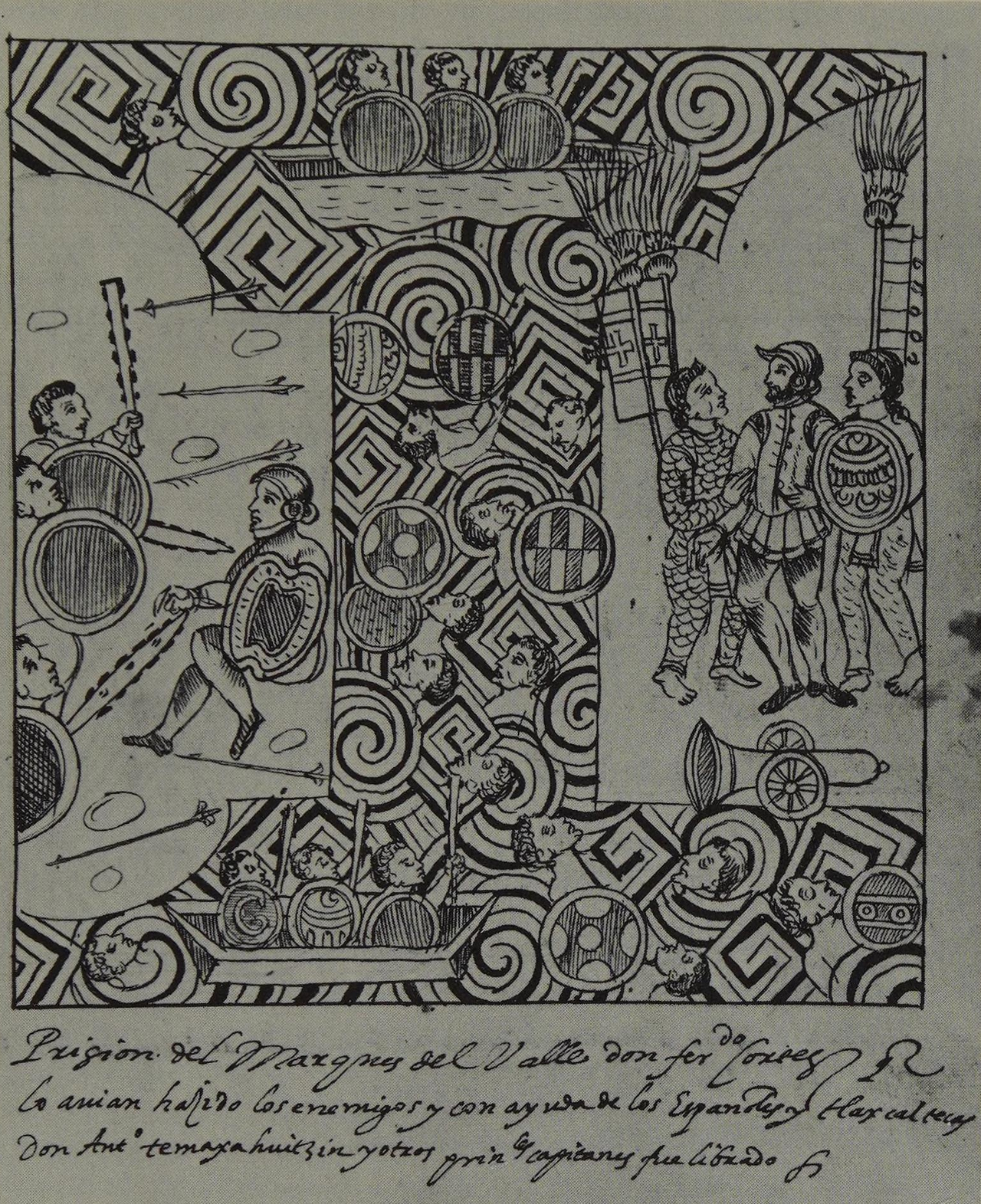 Painting
Secondary source
Diego Muñoz Camargo · circa 1580
Secondary source
Philip, Uncle (1798-1866) · 1843
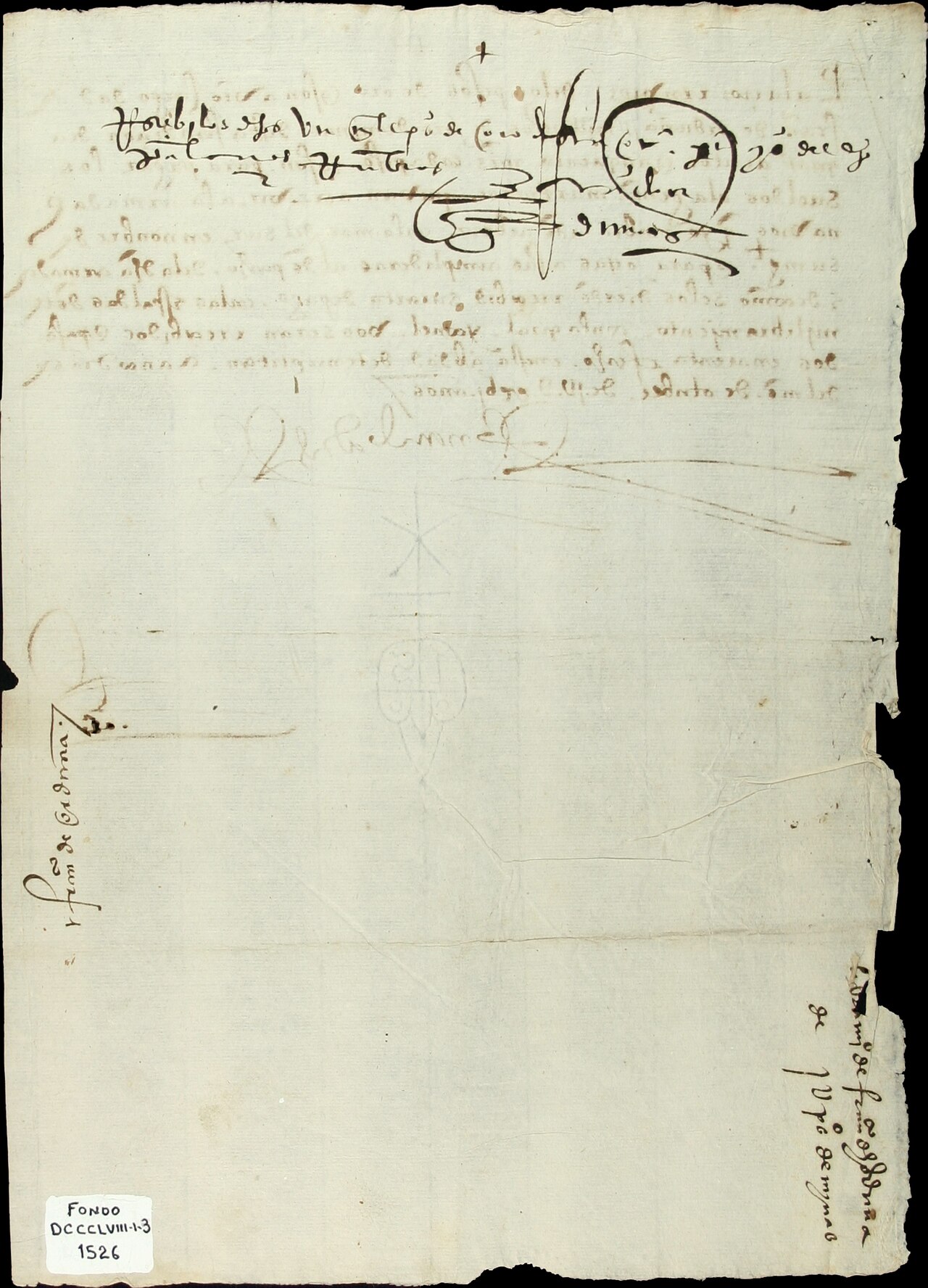 Document
Primary source
Hernán Cortés · 1526
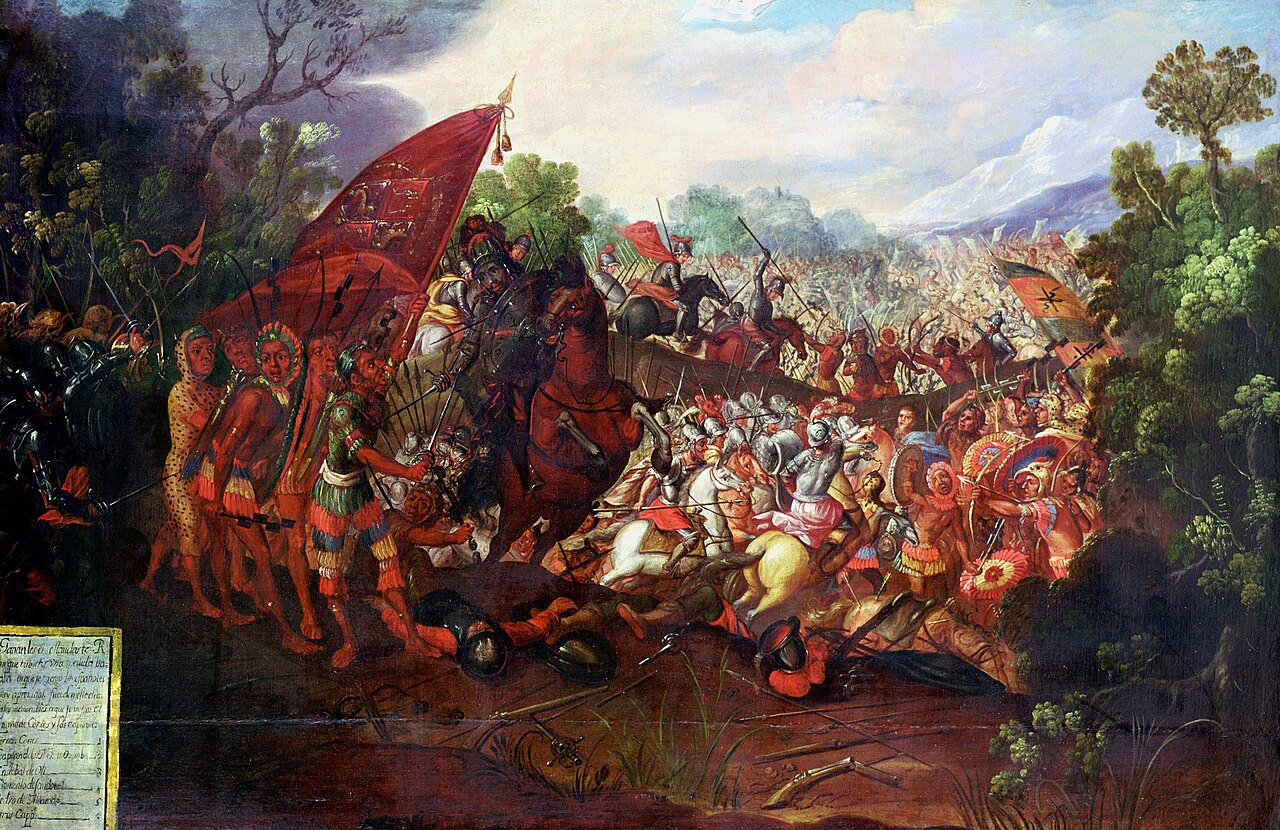 Painting
Secondary source
second half of the 17th century
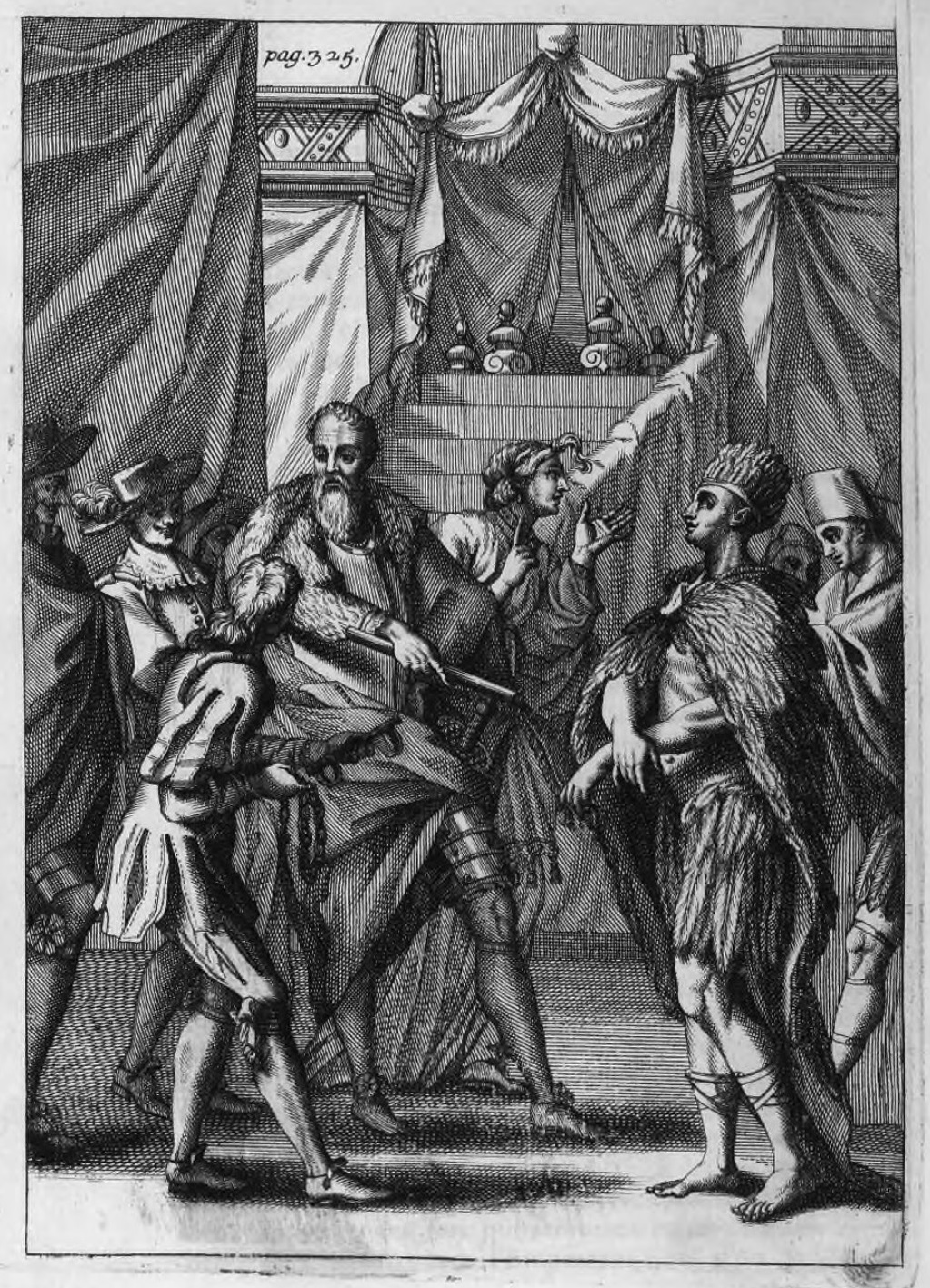 Painting
Secondary source
Jan Karel Donatus Van Beecq · 17th century
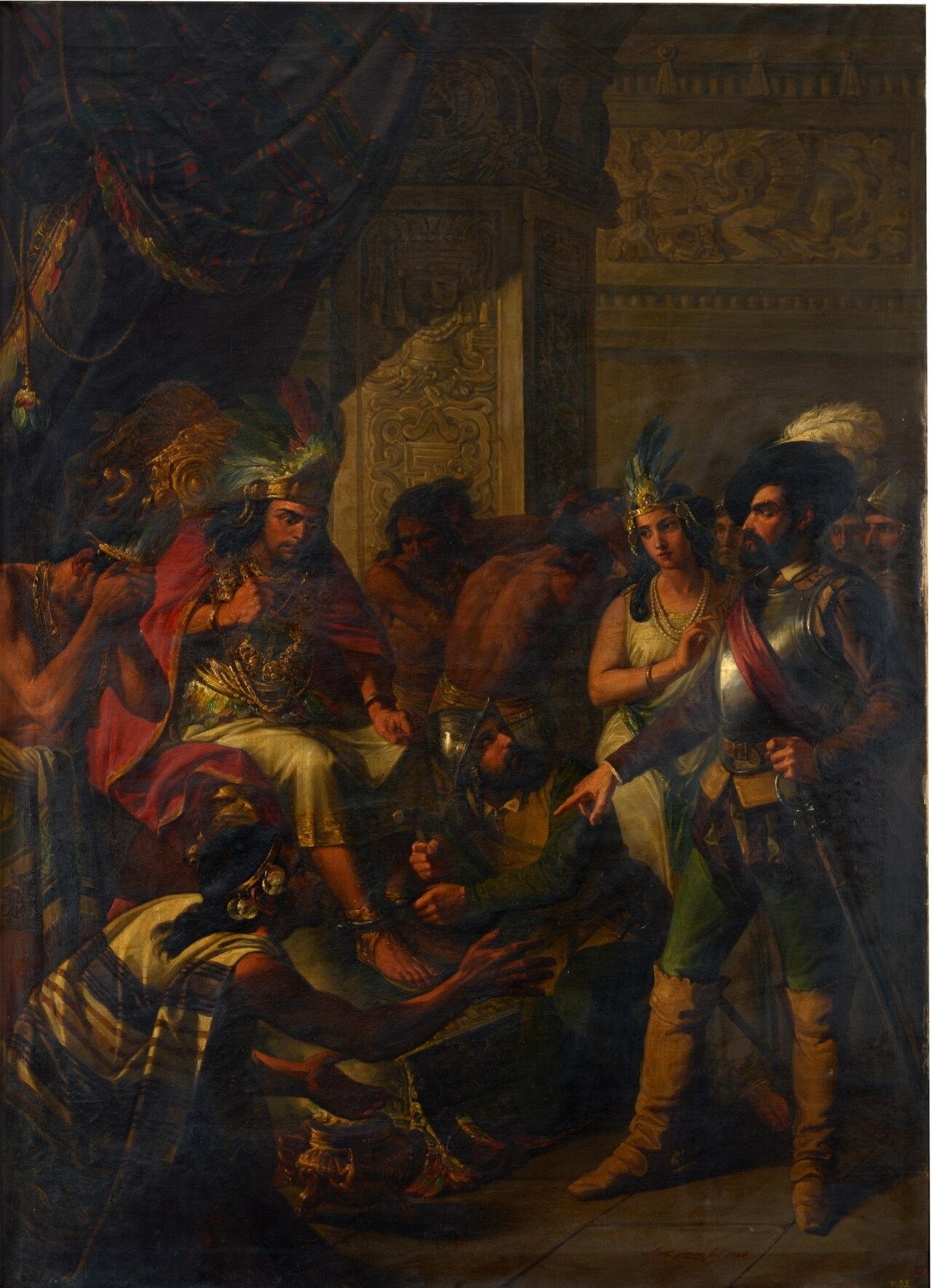 Painting
Secondary source
Antoni Gómez i Cros · 1858
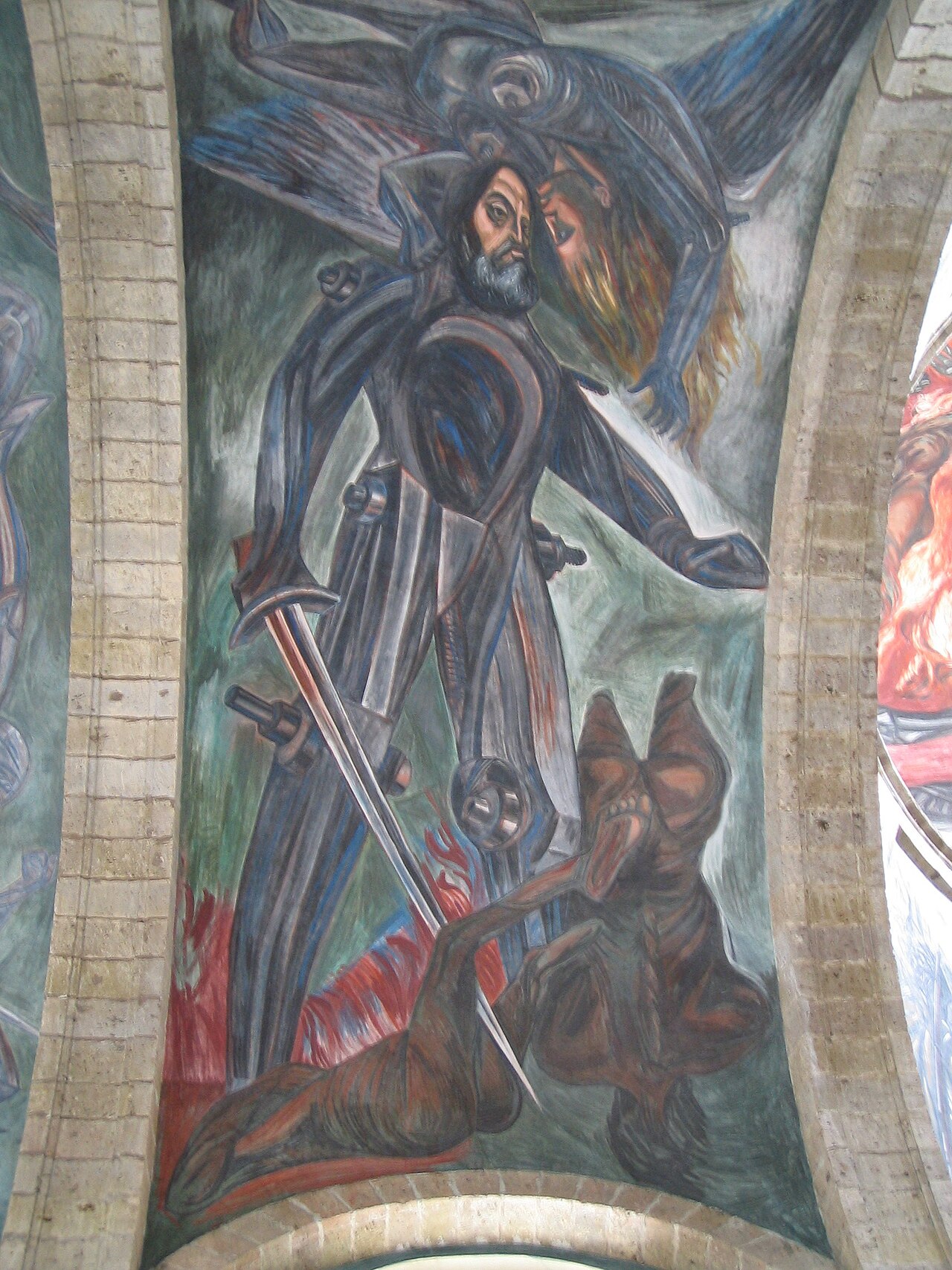 Painting
Secondary source
José Clemente Orozco · 2006-07
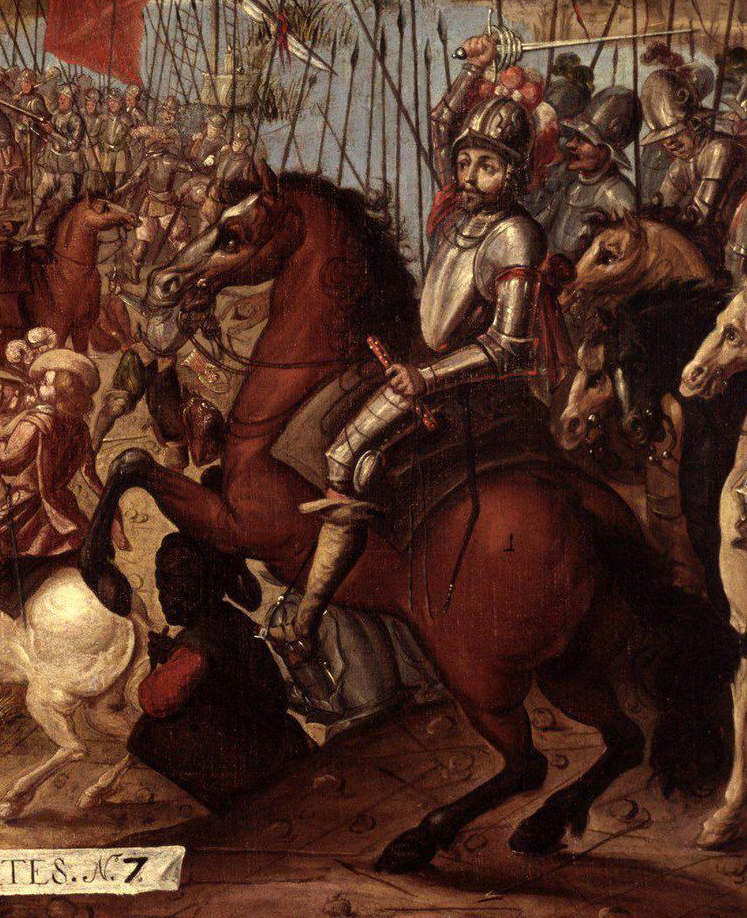 Painting
Secondary source
second half of the 17th century
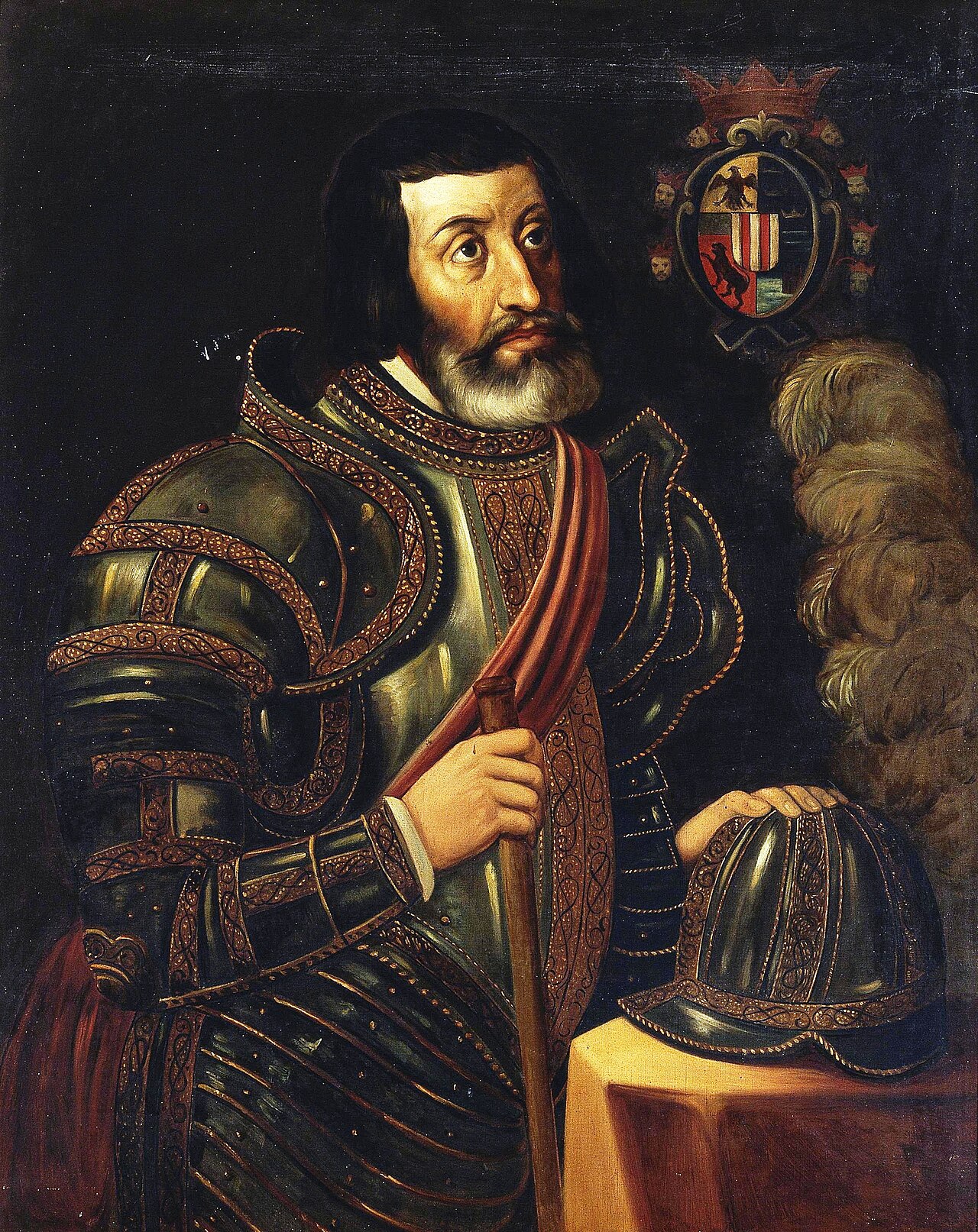 Painting
Secondary source
José Salomé Pina · circa 1879
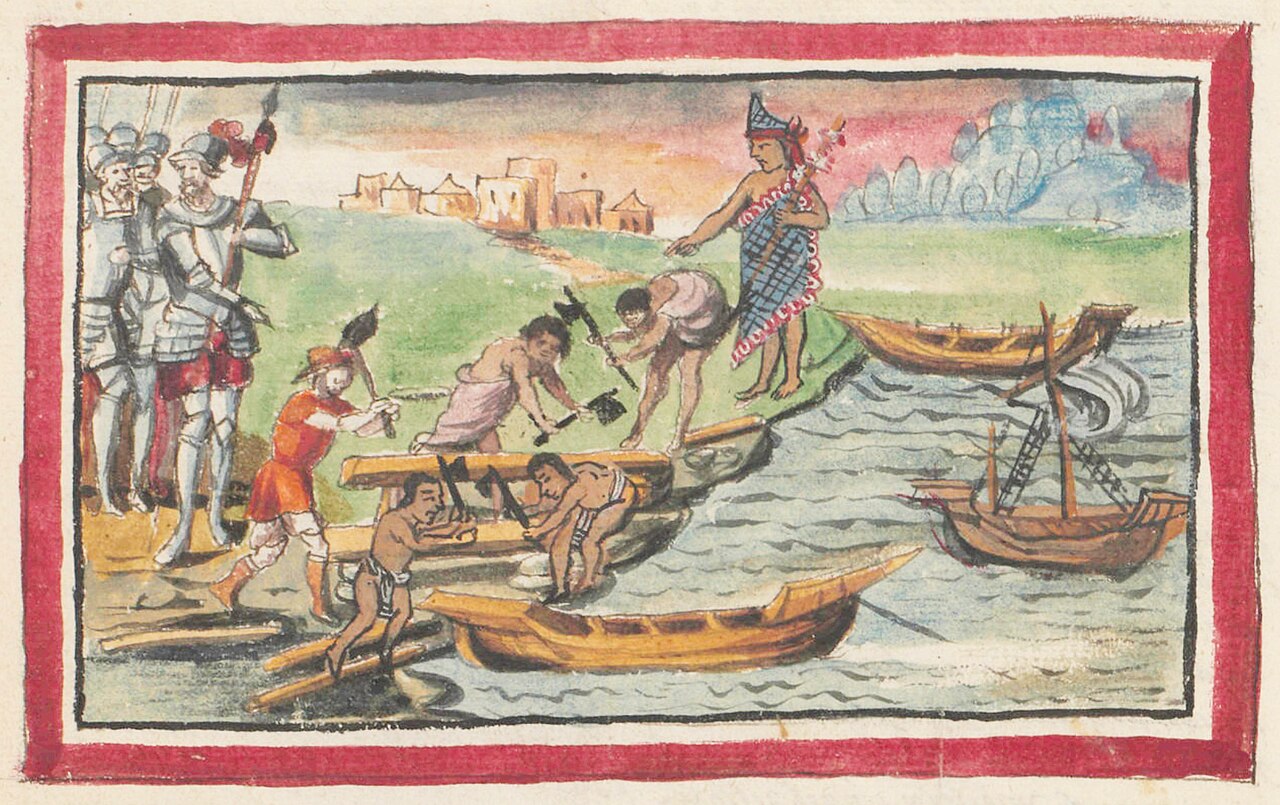 Painting
Secondary source
Diego Durán · 1579
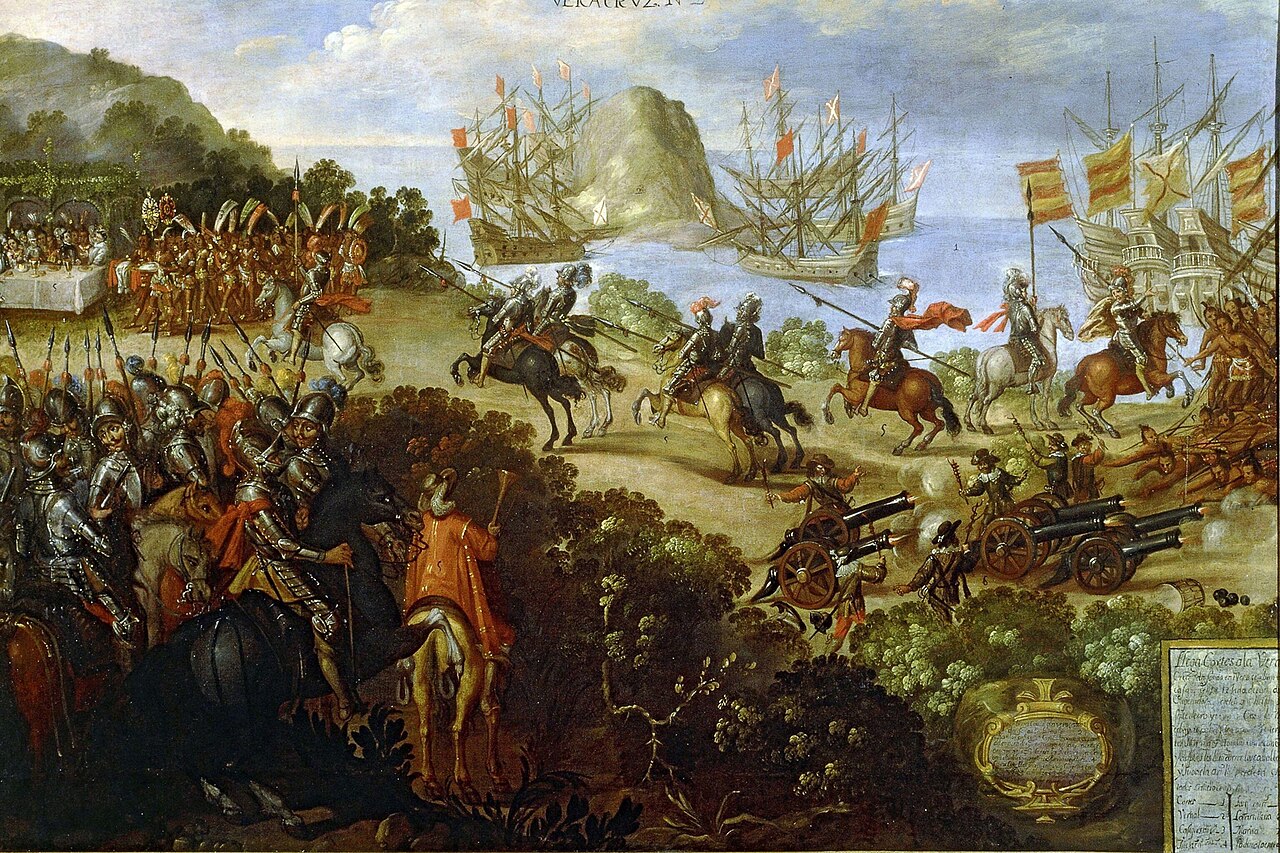 Painting
Secondary source
second half of 17th century
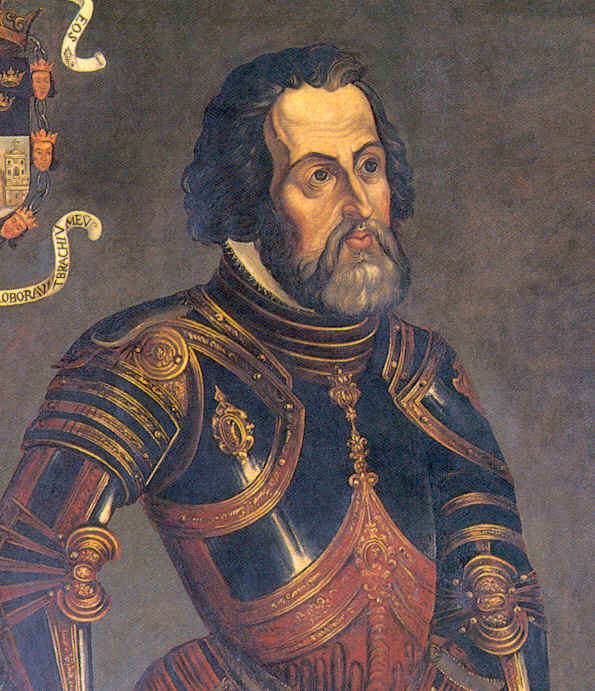 Painting
Secondary source
16th century
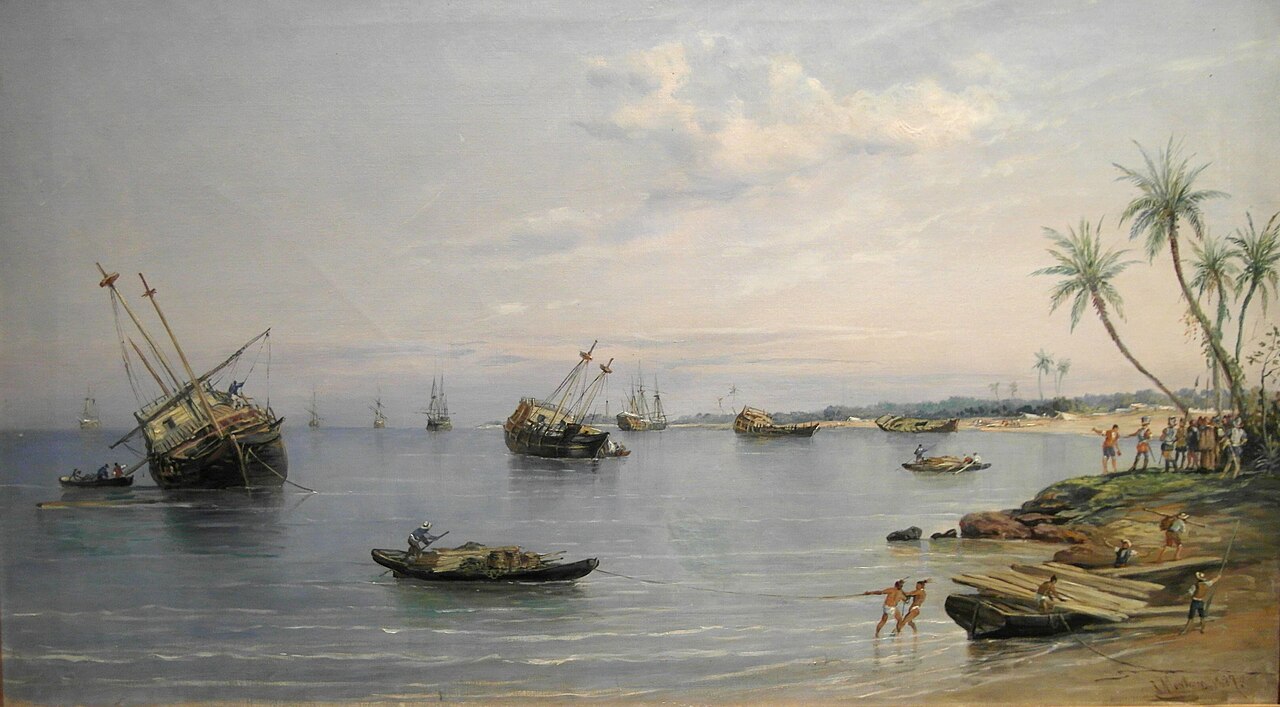 Painting
Secondary source
Rafael Monleón · 1887
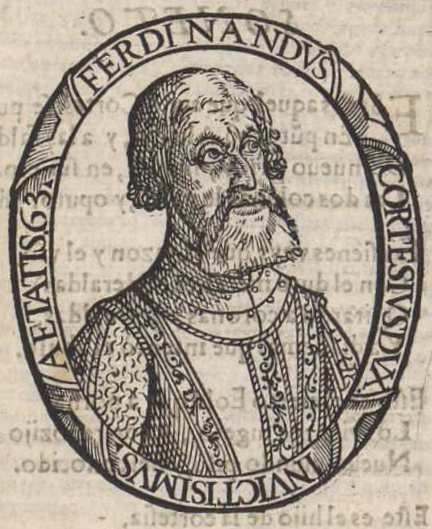 Artifact
Secondary source
Anonymous (16th century) · 1594
Secondary source
Joachim Heinrich Campe · 1911
Primary source
1843
Secondary source
Prescott · 1922
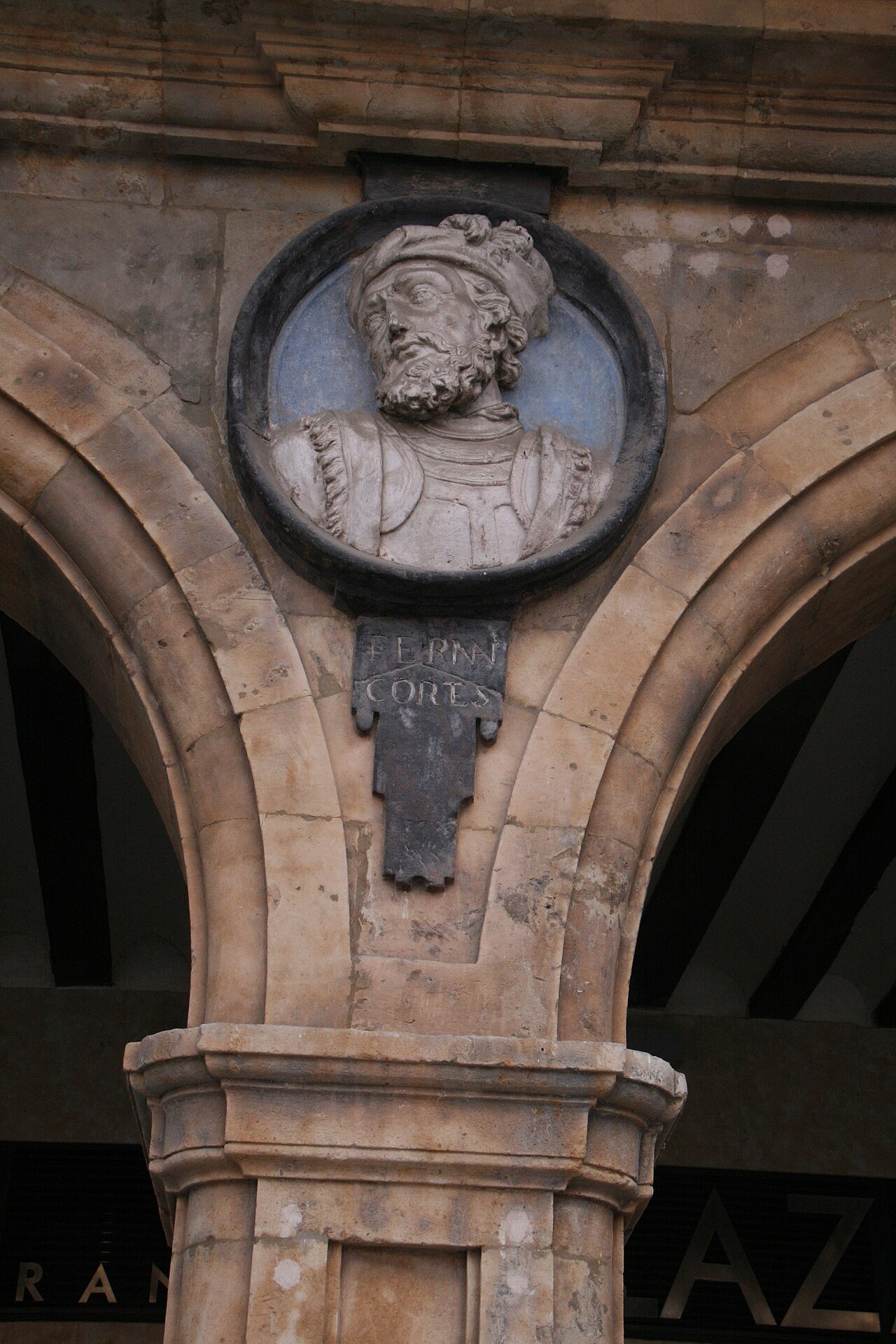 Sculpture
Secondary source
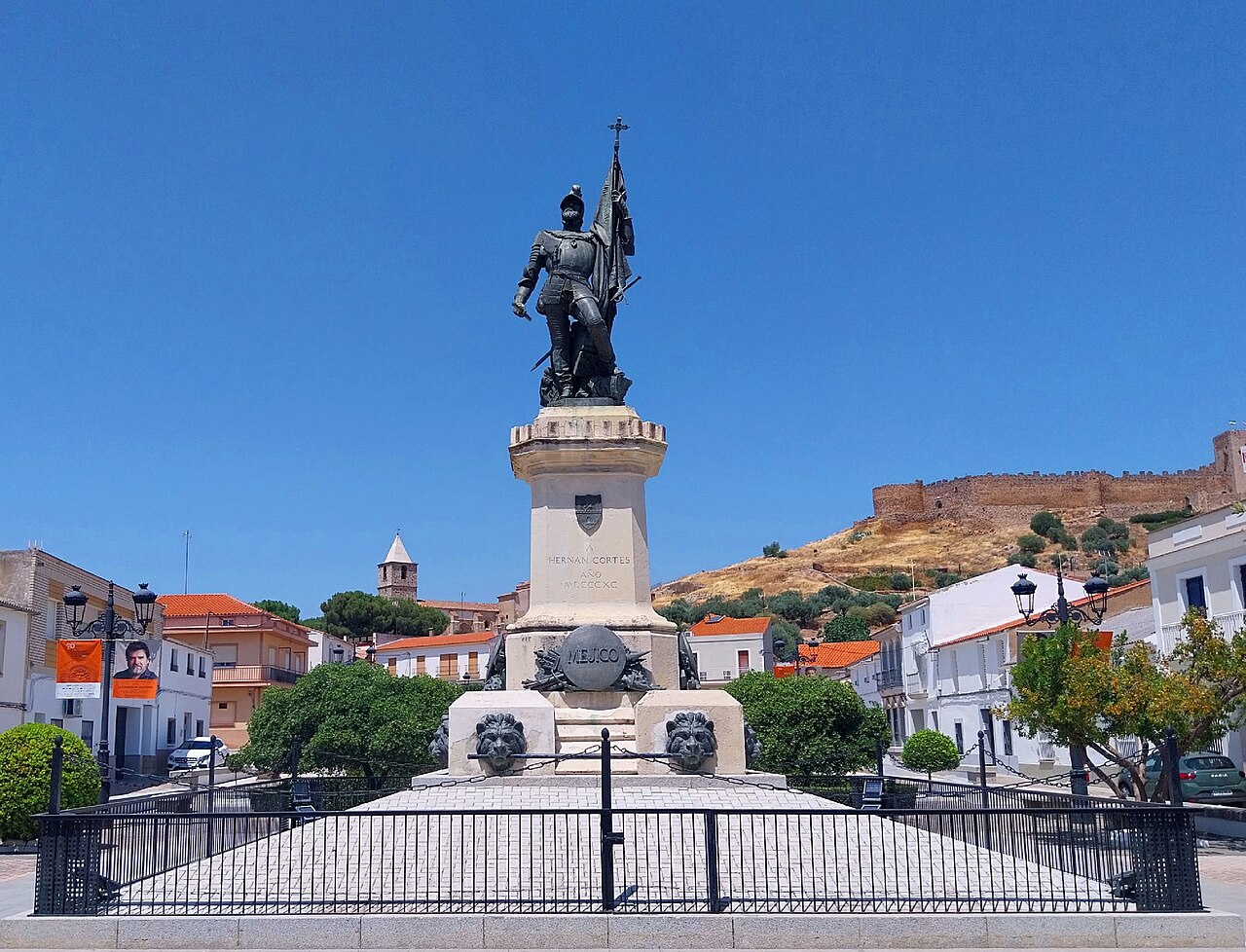 Sculpture
Secondary source
30 July 2024 (photograph of the monument)
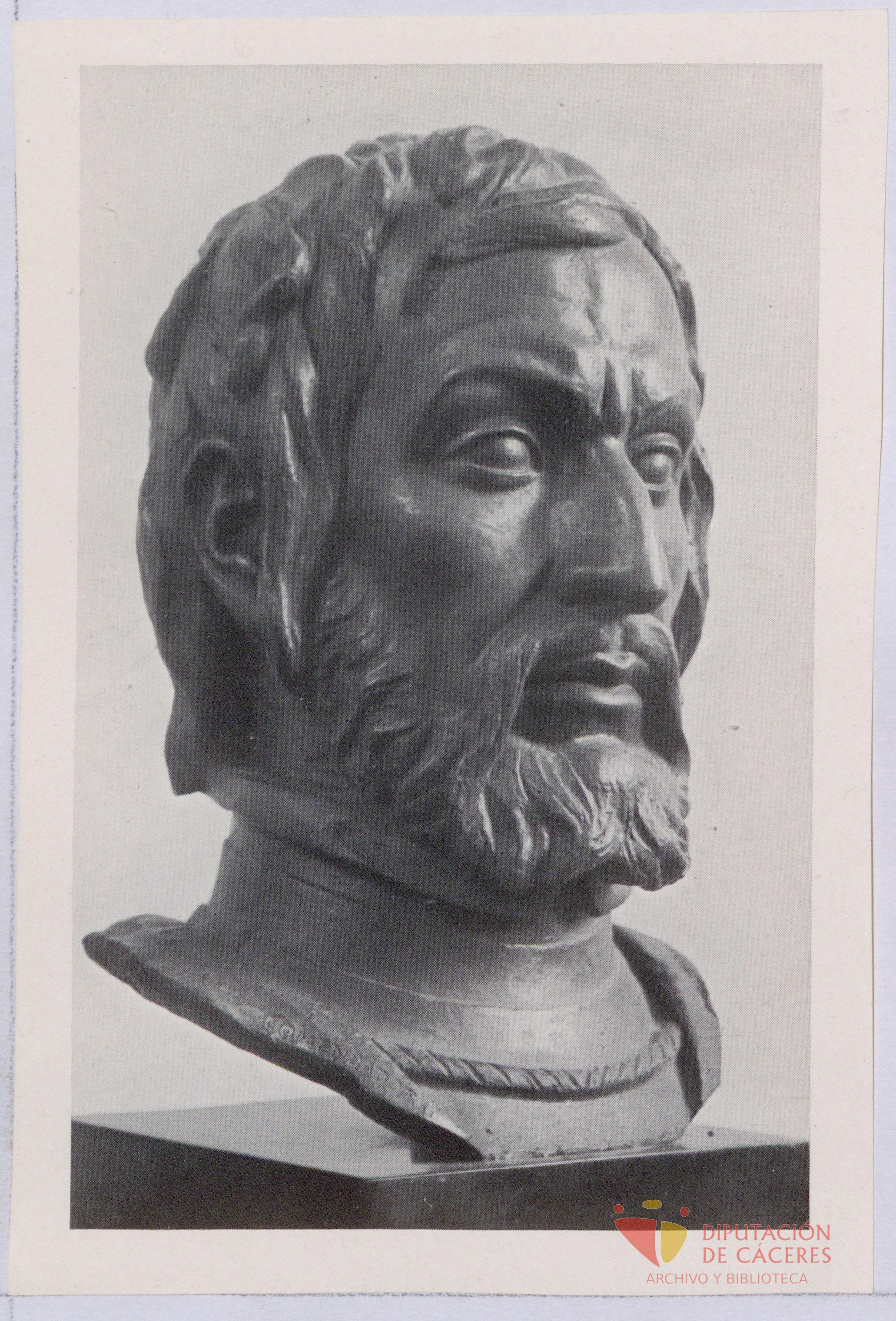 Sculpture
Secondary source
Enrique Pérez Comendador · twentieth century
Secondary source
2010
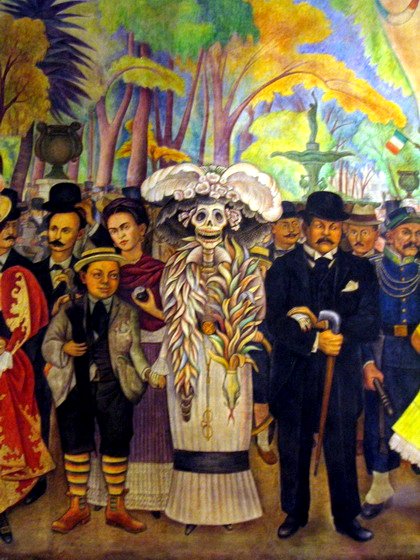 Painting
Secondary source
Diego Rivera · 1946-1947
Want the full shelf? Chat with Hernán Cortés in the app and open the Sources panel — every quote links back to the original.
2 collections
Ready-made collections from the Humy team that feature Hernán Cortés. Preview any of them, then try it free.
Paying customers



























Dr. Michael Calvert
Assistant Superintendent, South Allegheny School District, Pennsylvania
Been using Humy in his district since 2024
“We enjoyed the program last year and used it frequently.”

Jacob Chisom
World and American History, Monticello High School, Arkansas
Been using Humy in his classroom since 2024
“My students say it’s a welcome change of pace. I’m not a fan of the “sage on the stage” model, so I try to incorporate research-oriented and self-paced activities. With Humy, students have to take charge of their learning. They’ve become more adept at critical thinking, forming better questions, and improving their reading comprehension. The interview feature has been my go-to tool. I create assignments where students must ask historical figures a set number of questions, then summarize the responses to ensure they’re truly absorbing the material. This approach lets them actively explore the past rather than passively consuming information.”
Roger Campbell
7th-grade World History, Lancaster County, Pennsylvania
Been using Humy in his classroom since 2024
“Humy has helped me bring historical figures, sometimes long past, to life. When my students interact with these figures in real-time, it eliminates some of the perceived “ancient” characteristics of my curriculum. This has shifted my students’ thinking away from viewing history as abstract or irrelevant. Real-time interactions make historical figures relatable, even allowing students to ask off-topic questions that help put historical lives in a more relevant context for 13-year-olds. The feature I use the most is the interview feature. After teaching a topic, most recently Gandhi and Joan of Arc, I have the students ask pointed, focused questions. We practice good conversation techniques beforehand, teaching them to listen (or read) carefully and formulate thoughtful follow-up questions rather than just interrogating. It helps students practice effective conversation skills.”
Dr. Michael Calvert
Assistant Superintendent, South Allegheny School District, Pennsylvania
Been using Humy in his district since 2024
“We enjoyed the program last year and used it frequently.”
Jacob Chisom
World and American History, Monticello High School, Arkansas
Been using Humy in his classroom since 2024
“My students say it’s a welcome change of pace. I’m not a fan of the “sage on the stage” model, so I try to incorporate research-oriented and self-paced activities. With Humy, students have to take charge of their learning. They’ve become more adept at critical thinking, forming better questions, and improving their reading comprehension. The interview feature has been my go-to tool. I create assignments where students must ask historical figures a set number of questions, then summarize the responses to ensure they’re truly absorbing the material. This approach lets them actively explore the past rather than passively consuming information.”
Roger Campbell
7th-grade World History, Lancaster County, Pennsylvania
Been using Humy in his classroom since 2024
“Humy has helped me bring historical figures, sometimes long past, to life. When my students interact with these figures in real-time, it eliminates some of the perceived “ancient” characteristics of my curriculum. This has shifted my students’ thinking away from viewing history as abstract or irrelevant. Real-time interactions make historical figures relatable, even allowing students to ask off-topic questions that help put historical lives in a more relevant context for 13-year-olds. The feature I use the most is the interview feature. After teaching a topic, most recently Gandhi and Joan of Arc, I have the students ask pointed, focused questions. We practice good conversation techniques beforehand, teaching them to listen (or read) carefully and formulate thoughtful follow-up questions rather than just interrogating. It helps students practice effective conversation skills.”
FAQ
Like any LLM, the AI version of Hernán Cortés can get details wrong. Open one of these sources in a new tab to verify what you’ve read.

A Spanish conquistador and explorer

An English explorer and privateer best known for his circumnavigation of the world in a single expedition between 1577 and 1580.

Spanish Conquistador & Explorer

Spanish Conquistador, Explorer, Pioneer.

French Navigator, Explorer, Diplomat.

Negotiator of New Amsterdam.
Ready when you are
20 messages free · No credit card · Available in 50+ languages.