


Secondary sourceDocumentc. 1550
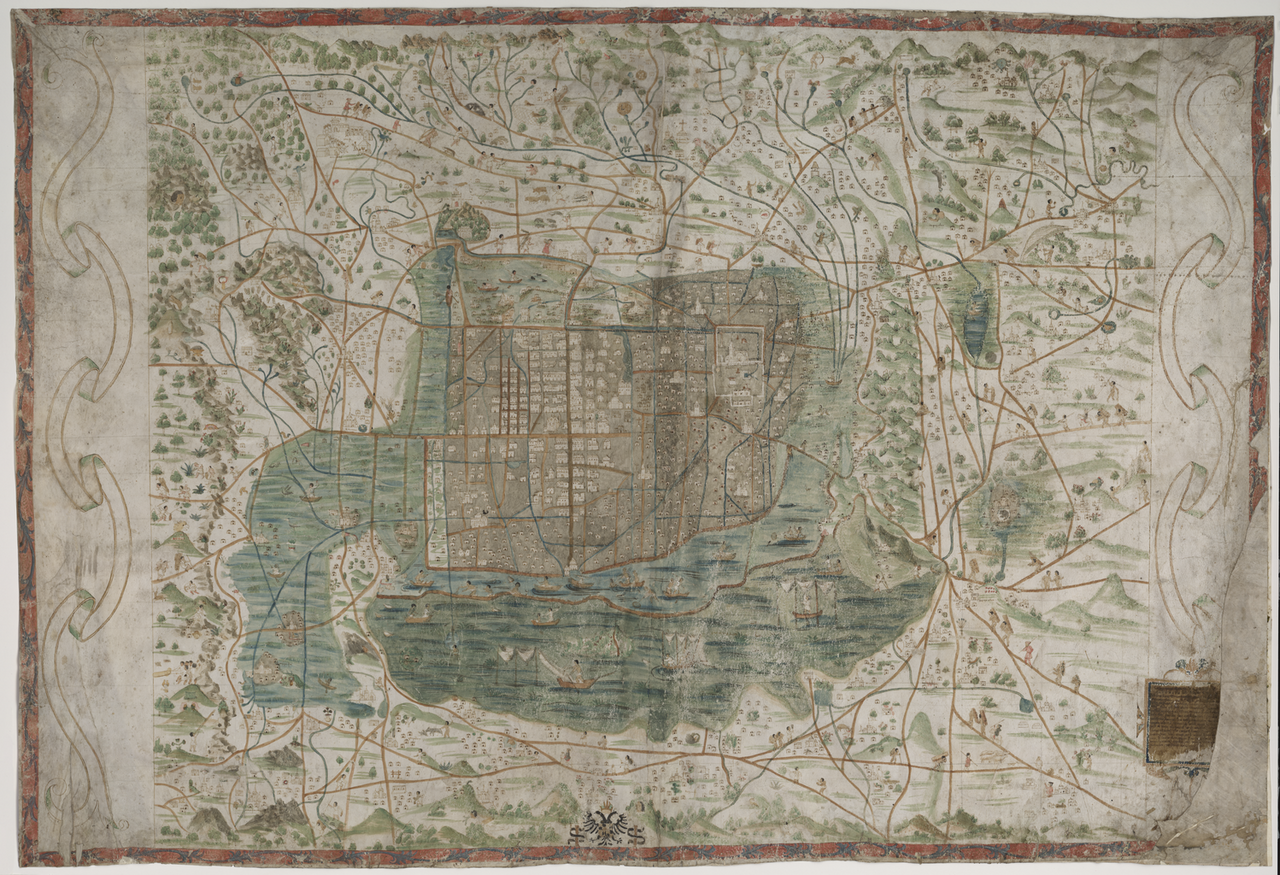
Map of Mexico-Tenochtitlan (Uppsala Map)
Indigenous painters of the Colegio de Santa Cruz de Tlatelolco (attributed) · c. 1550
An indigenous-made map from around 1550 of Mexico City, built on the ruins of the Aztec capital Cortés conquered and rebuilt as New Spain's capital.
Shows the city Cortés conquered and rebuilt as the capital of New Spain, one generation after the conquest.
About this source
What it is
This painted map was made around 1550, probably by an Aztec artist trained in European methods at the Colegio de Santa Cruz de Tlatelolco. It is the earliest known city map of Mexico City and is held at Uppsala University Library in Sweden.
Why it matters
The map shows Mexico City about a generation after Hernán Cortés conquered the Aztec capital of Tenochtitlán and the Spanish rebuilt it as the capital of New Spain. Although the street layout from Aztec times survived, the temples were replaced with Spanish-style buildings, including a cathedral at the city's center. Made by someone from the city itself, likely of Aztec heritage, the map offers a rare indigenous perspective on the new colonial world Cortés helped create.
Look closer
- What symbols on the map represent place-names, and what language do they come from?
- How does the map show both the old Aztec city and the new Spanish buildings together?
- Why might an indigenous mapmaker's view of this changed city be especially valuable to historians?
This document is part of the curated material that grounds the AI version of Hernán Cortés on Humy.ai — when students ask about related events, the AI can quote it and cite it.
More Hernán Cortés sources
Meet the AI Hernán Cortés →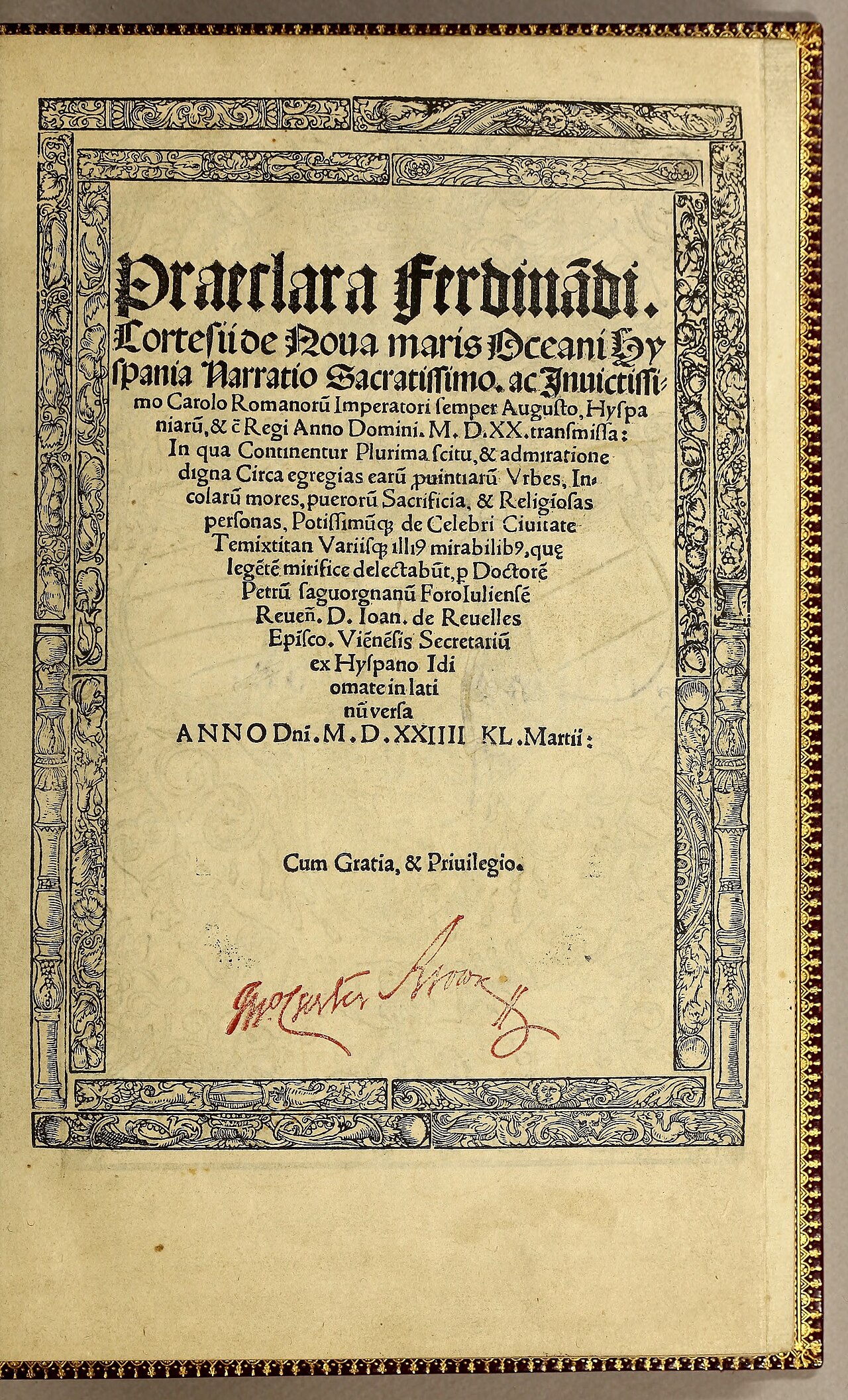 Letter
Primary source
Letters from Hernán Cortés to Charles V
Hernán Cortés · 1520 (printed 1524)
 Document
Primary source
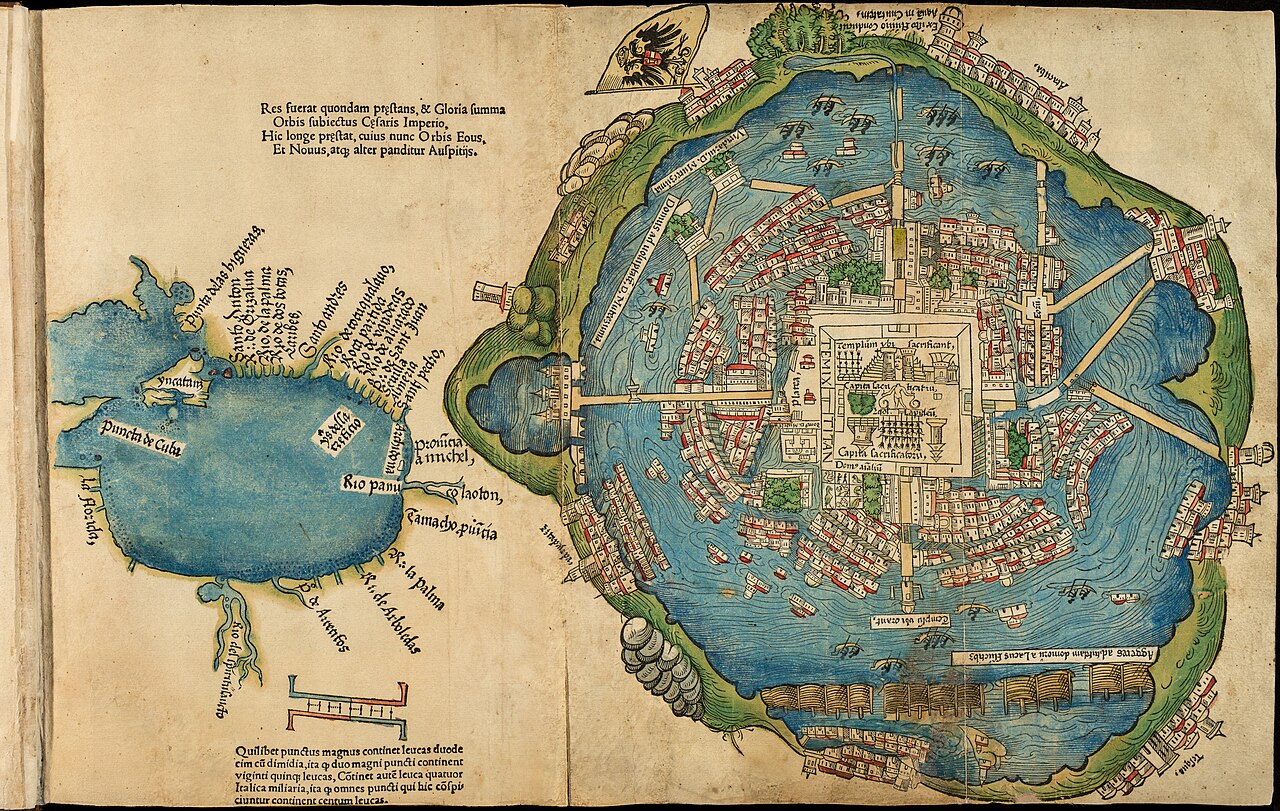
1524 Nuremberg Map of Tenochtitlan
Unknown engraver, published by Friedrich Peypus · 1524
 Painting
Secondary source
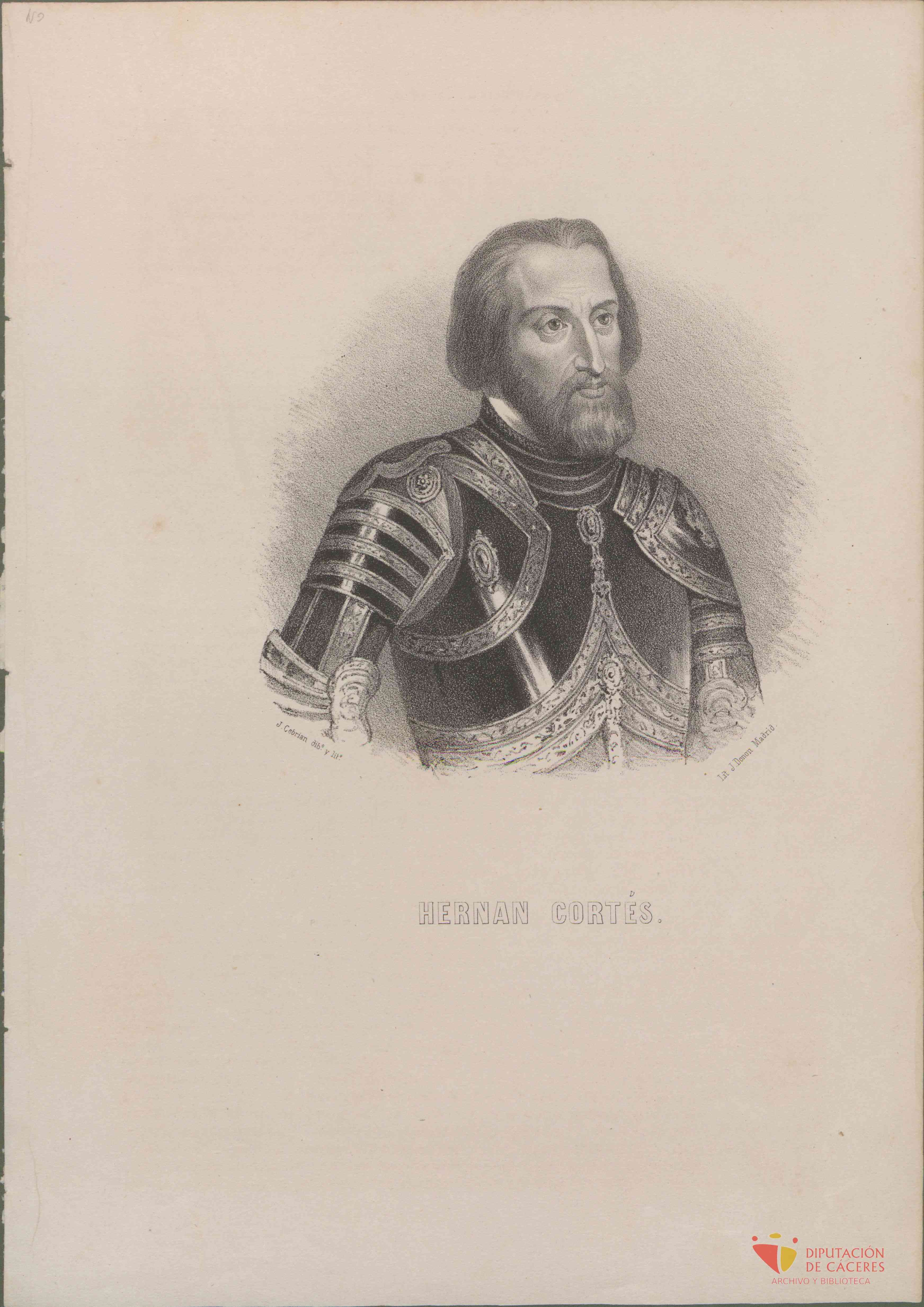
Engraving of Hernán Cortés
José Cebrián García · 1870
 Book
Secondary source
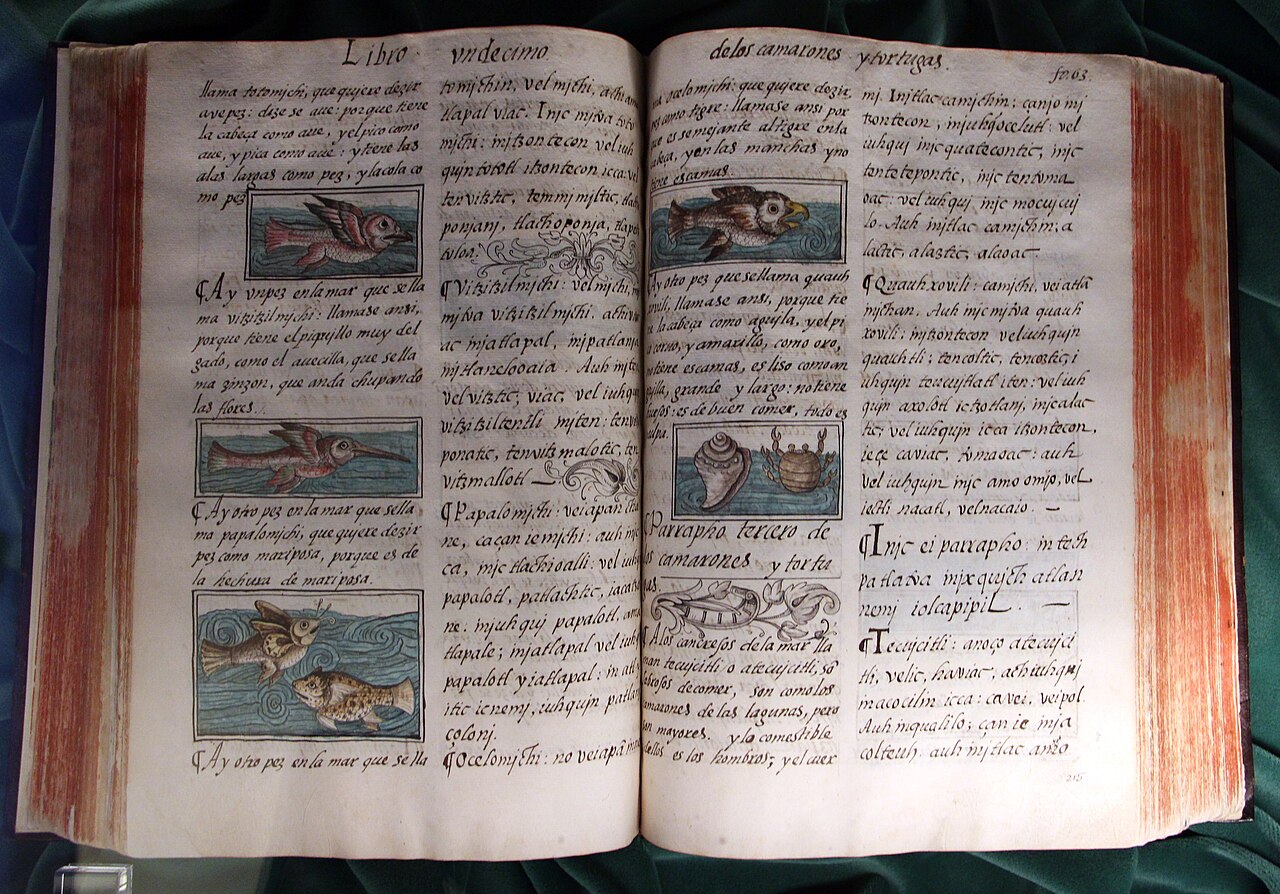
Florentine Codex
Bernardino de Sahagún with Nahua collaborators · 1569
 Painting
Secondary source
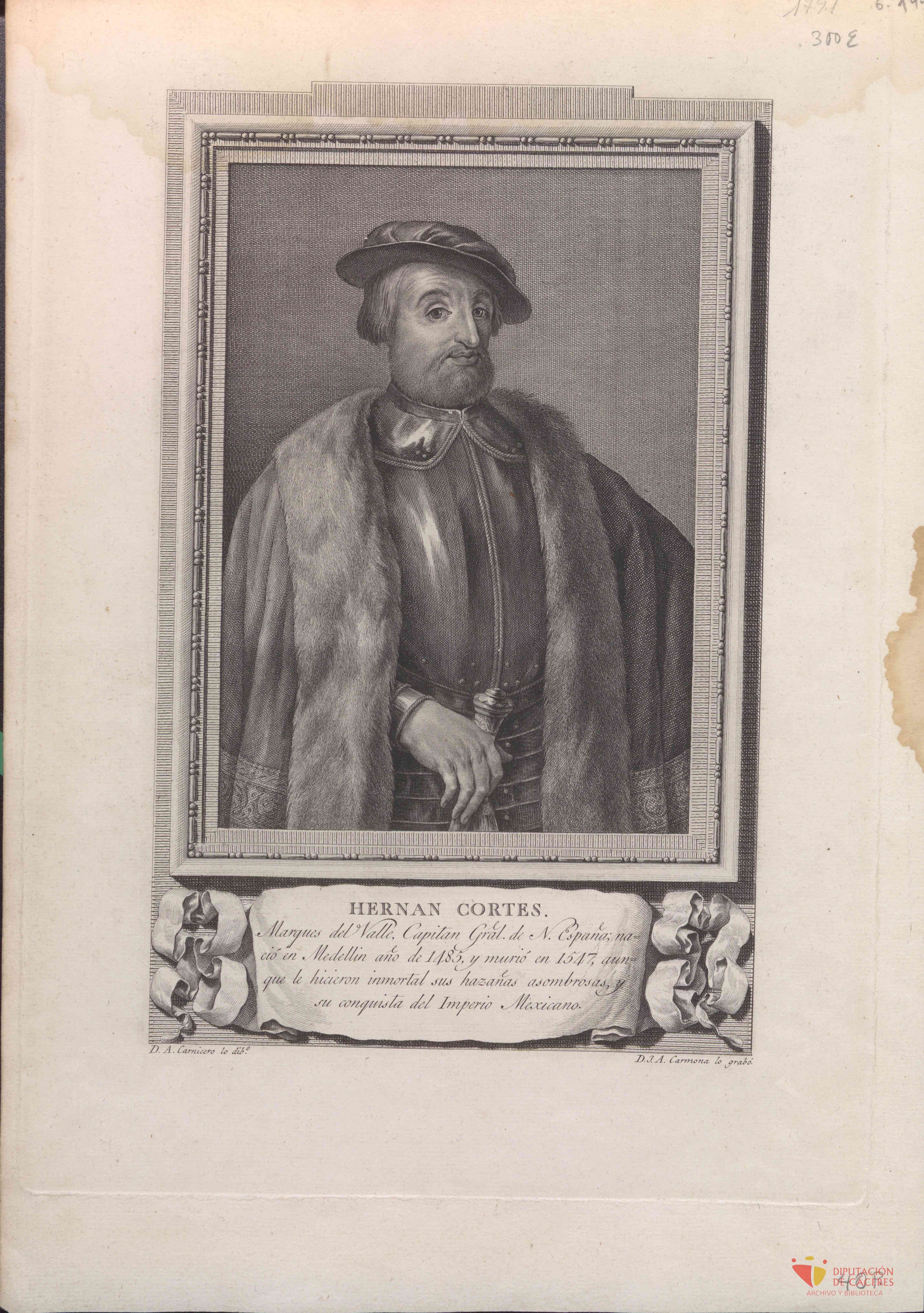
Engraving of Hernán Cortés after Juan Antonio Salvador Carmona
Antonio Carnicero Mancio, after Juan Antonio Salvador Carmona · 1805
Ready when you are
Start chatting with Hernán Cortés now.
20 messages free · No credit card · Available in 50+ languages.