


Secondary sourceBook1569
Florentine Codex
Bernardino de Sahagún with Nahua collaborators · 1569
A Nahuatl-language illustrated manuscript recording indigenous accounts of omens, Moctezuma's envoys, and the Spanish conquest.
Contains the indigenous account of Moctezuma's envoys, his speech to Cortés, and his imprisonment.
About this source
What it is
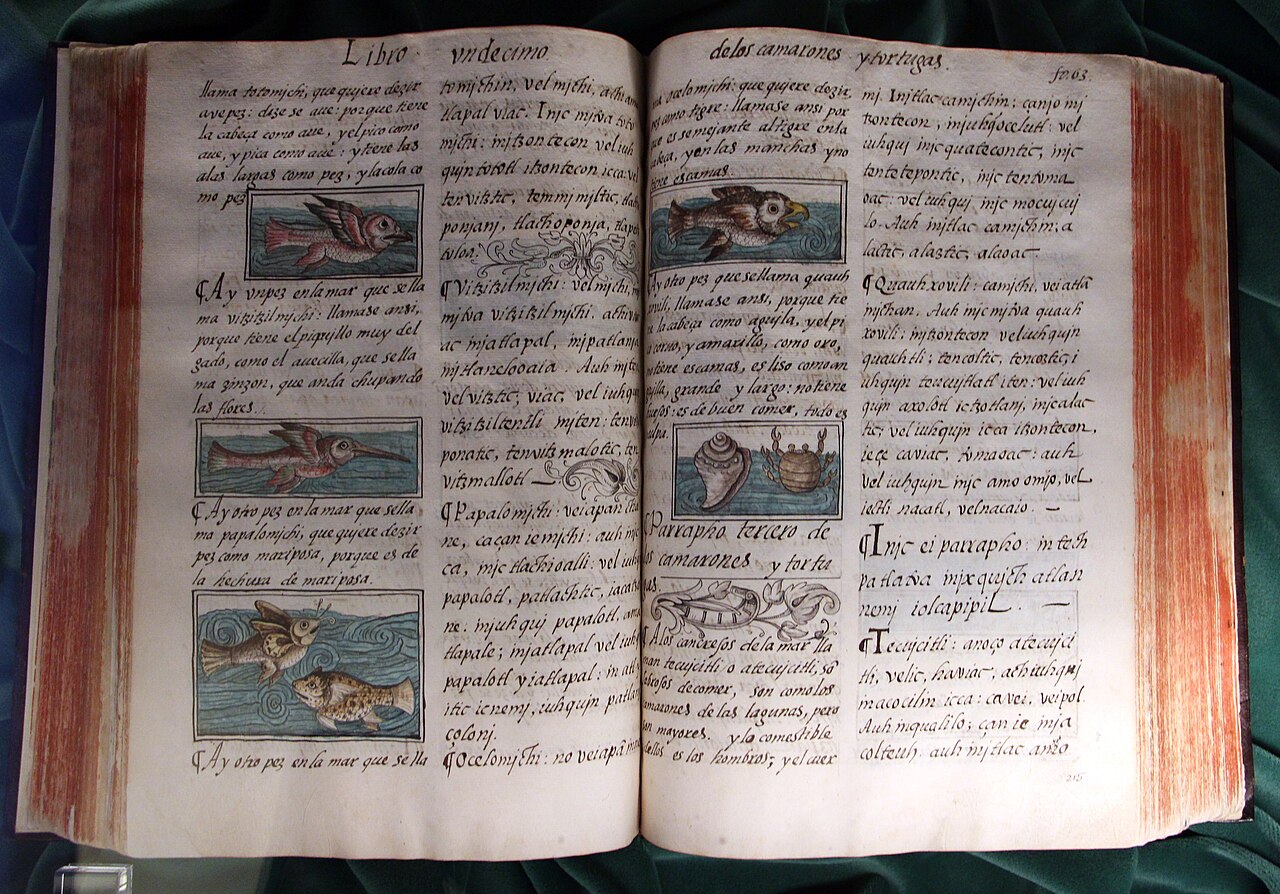
The Florentine Codex is a 16th-century manuscript created from 1545 to 1590 by the Franciscan friar Bernardino de Sahagún working with Nahua elders and former students who had been educated at the Colegio de Santa Cruz de Tlatelolco. Written in Nahuatl with over 2,000 illustrations, it is held today in the Biblioteca Medicea Laurenziana in Florence, Italy.
Why it matters
The Codex preserves the classic indigenous account of Moctezuma's reign, including the omens said to precede the conquest, his envoys, his welcome speech to Cortés, and his captivity. Because it was compiled with Nahua collaborators rather than only Spanish observers, it offers a rare window into how the Mexica themselves remembered these events.
Look closer
- Why might Sahagún have needed Nahua elders and students to produce this work?
- How might an account written decades after the conquest differ from one written during it?
- What does the detailed illustration of plants, animals, and fish (as in this volume) tell you about the scope of the project beyond politics?
This book is part of the curated material that grounds the AI version of Montezuma II and Hernán Cortés on Humy.ai — when students ask about related events, the AI can quote it and cite it.
More Montezuma II sources
Meet the AI Montezuma II →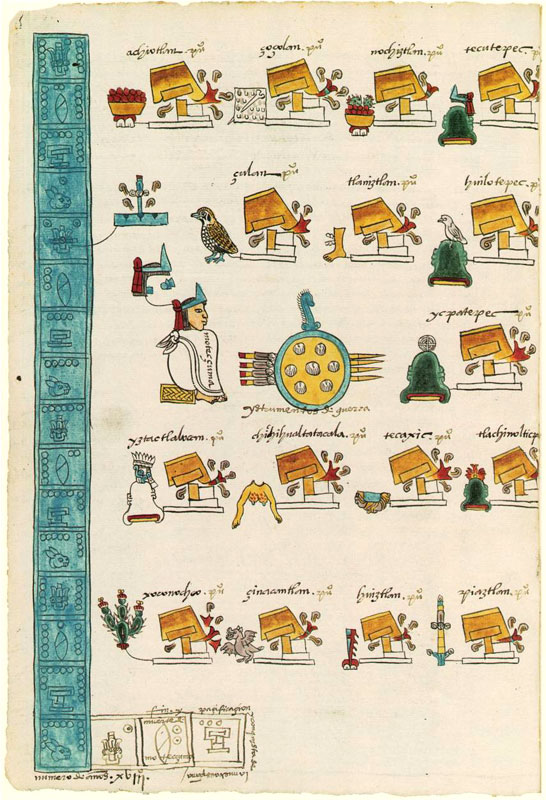 Document
Secondary source
Codex Mendoza, Folio 15v
Unknown author · 16th century
 Painting
Secondary source
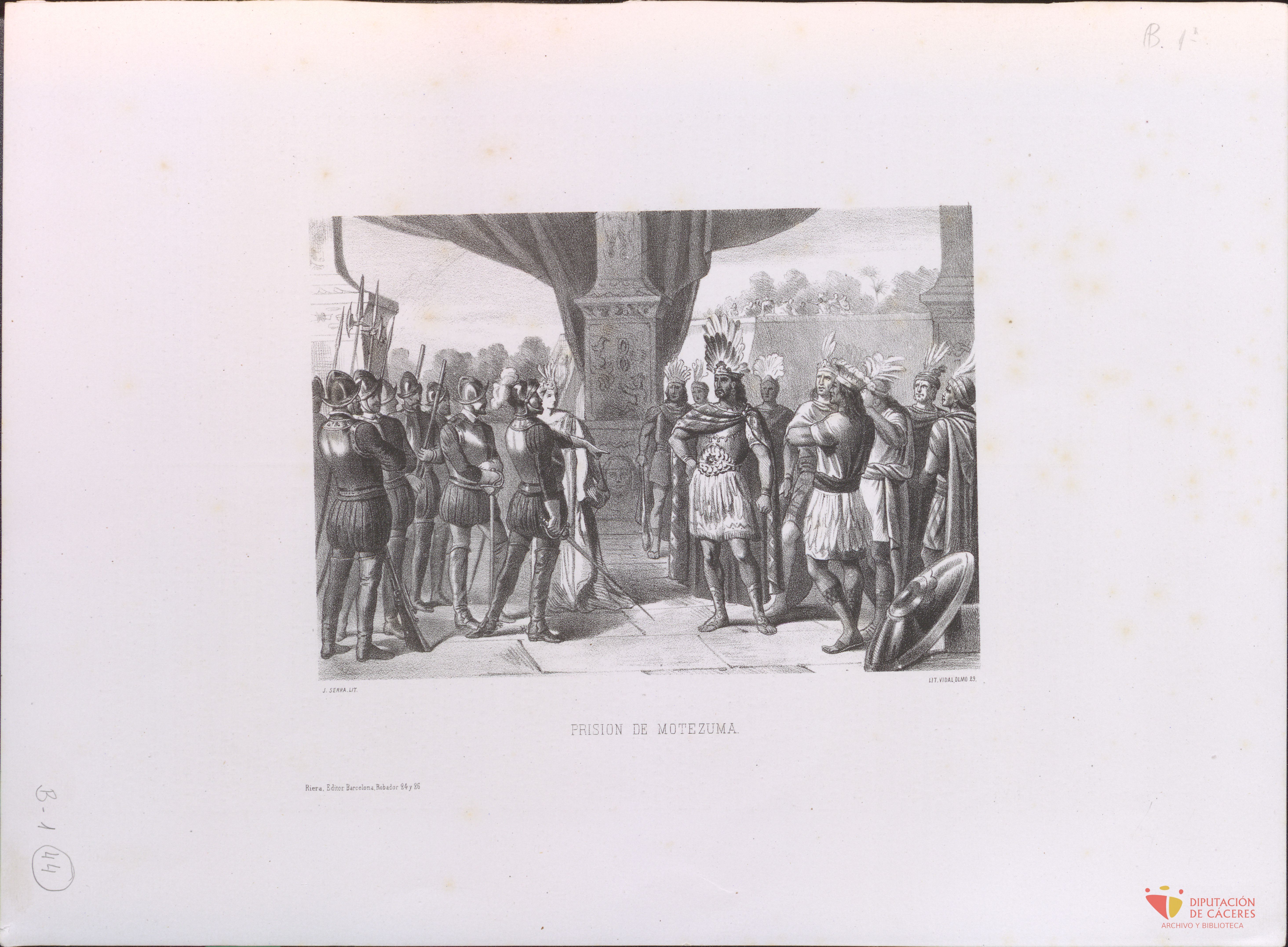
Prisión del emperador Moctezuma
Rafael del Castillo de la Cuesta · 1880
 Painting
Secondary source
Hernán Cortés takes Moctezuma prisoner
Louis Auguste Turgis · 1895
 Letter
Primary source
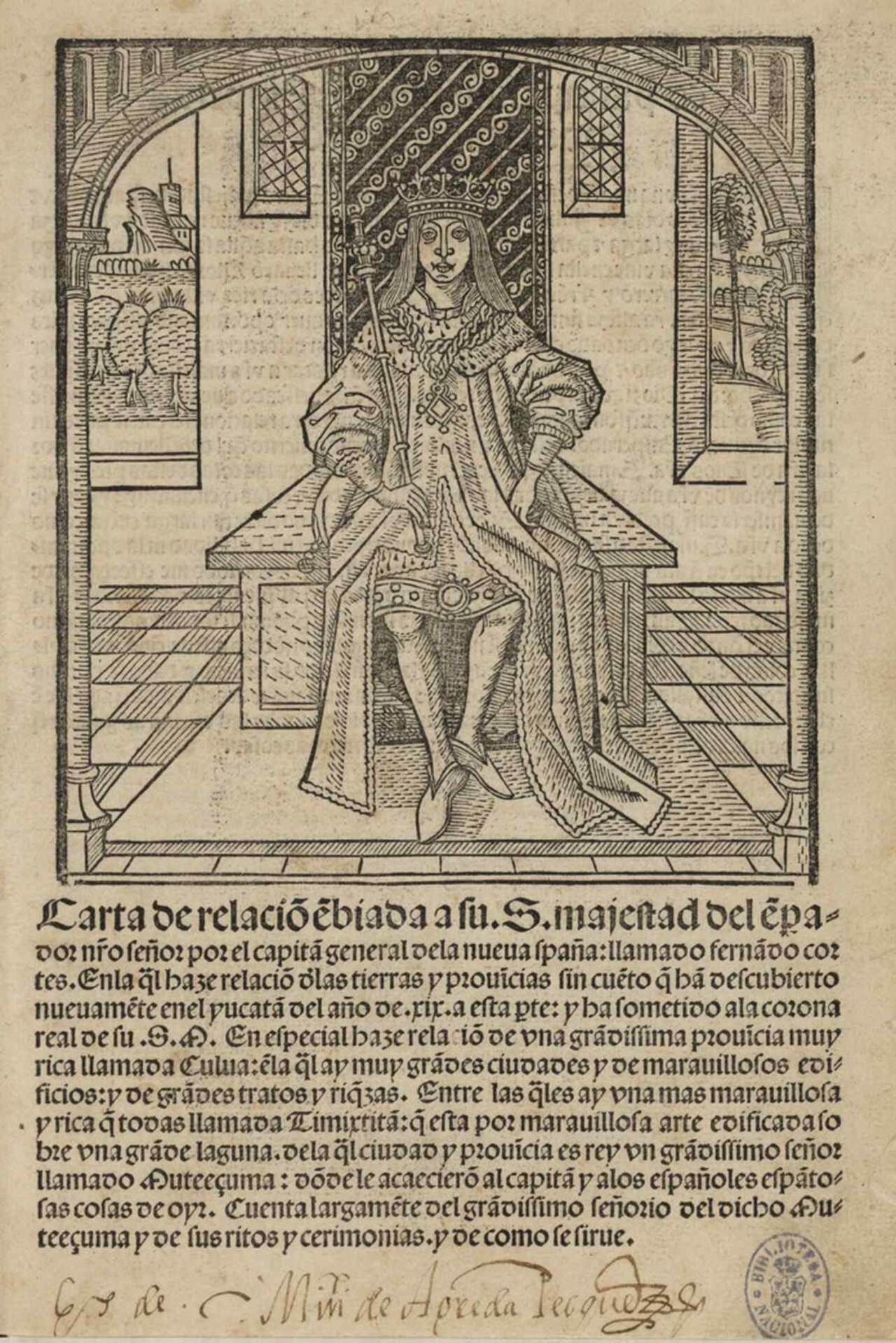
Second Letter to Charles V
Hernán Cortés · 1520 (printed 1522)
 Painting
Secondary source
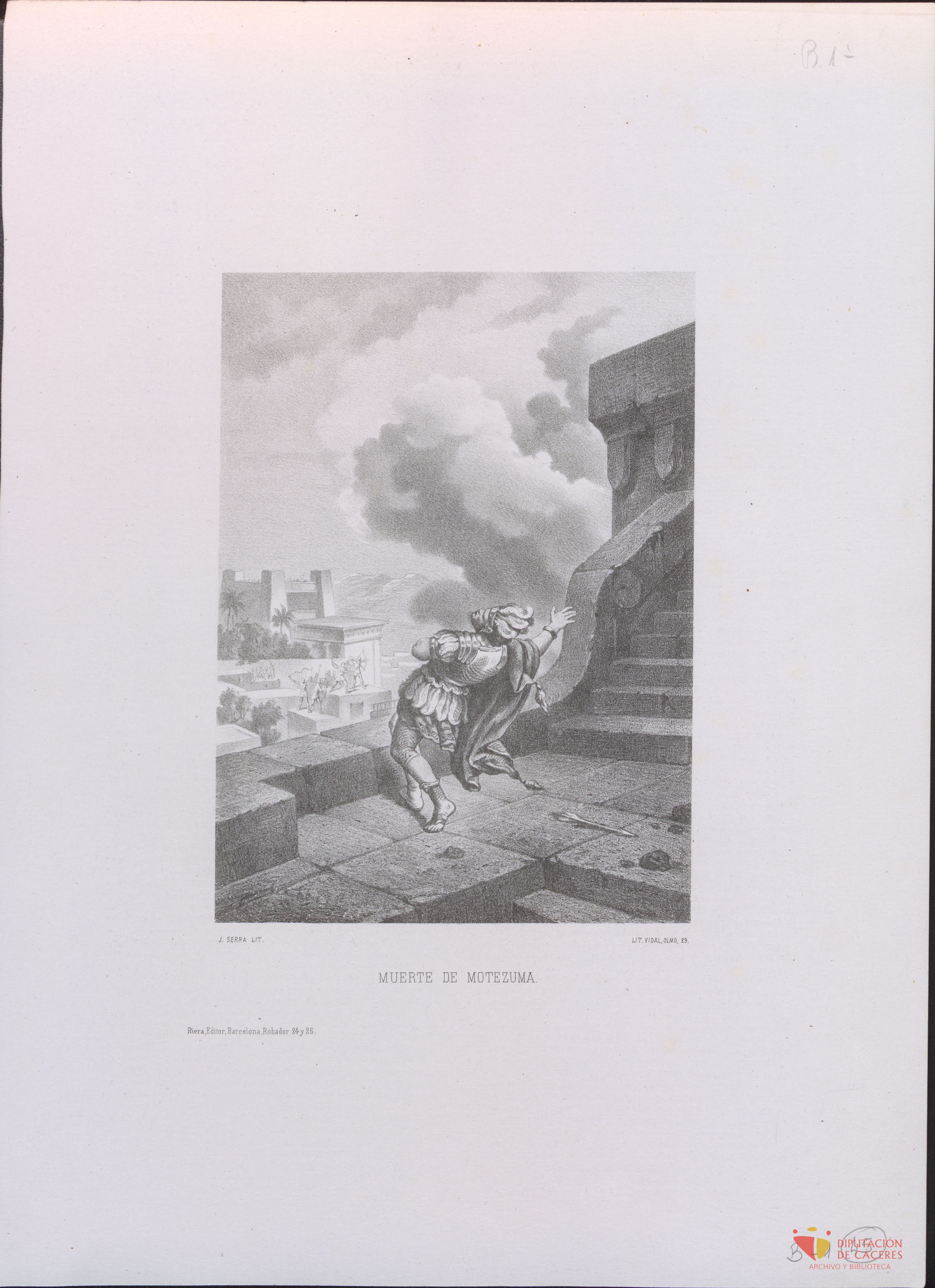
Recreation of Moctezuma's Death
Rafael del Castillo de la Cuesta · 1880
Ready when you are
Start chatting with Montezuma II now.
20 messages free · No credit card · Available in 50+ languages.