


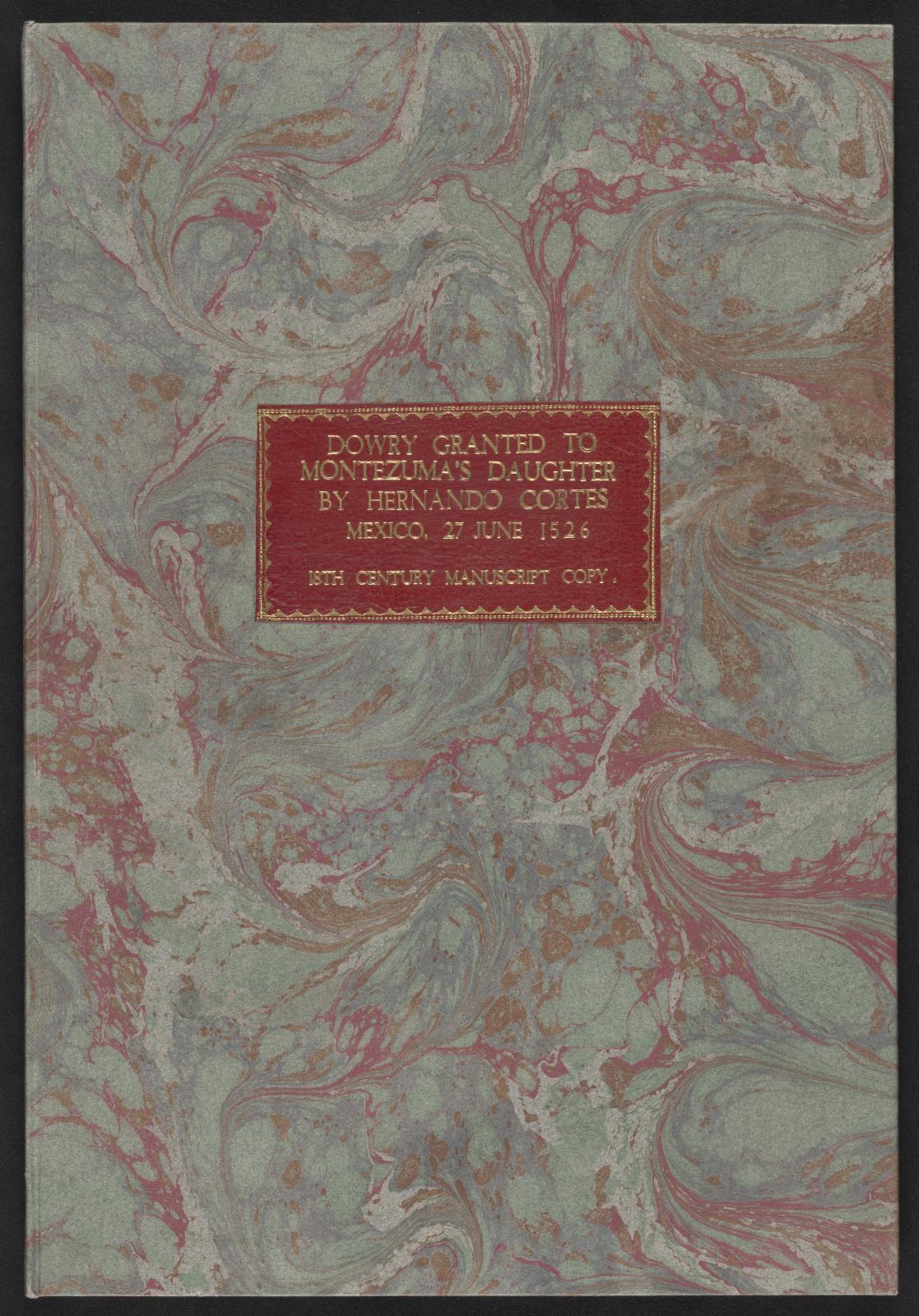
Primary sourceDocument27 June 1526 (copy made c. 1750)
Hernán Cortés's Grant of Dowry to Doña Isabel, 1526
Hernán Cortés · 27 June 1526 (copy made c. 1750)
A document in which Cortés grants a dowry to Montezuma's daughter, recalling the emperor's aid to the Spanish during the conquest.
Written by Cortés as guardian of Montezuma's daughter, showing his role in shaping colonial Mexican society.
About this source
What it is
In this 1526 document, Hernán Cortés justifies granting a large dowry, including lands and labor, to Doña Isabel, the eldest daughter of the Aztec emperor Montezuma, on her marriage to a Spanish nobleman. Cortés served as guardian of Montezuma's daughters and as Captain General of New Spain. The copy held today was made around 1750 from the 1526 original.
Why it matters
This document shows how Cortés used his power as trustee to reward and tie together Spanish and Indigenous elites after the conquest. It also reveals how Cortés remembered and used Montezuma's cooperation with the Spanish to justify his decisions.
Look closer
- Why might Cortés want to publicly recall Montezuma's help to the Spanish?
- What does the gift of lands and Indian labor reveal about colonial society?
- How might Doña Isabel's own view of this marriage and gift differ from Cortés's account?
This document is part of the curated material that grounds the AI version of Hernán Cortés on Humy.ai — when students ask about related events, the AI can quote it and cite it.
More Hernán Cortés sources
Meet the AI Hernán Cortés →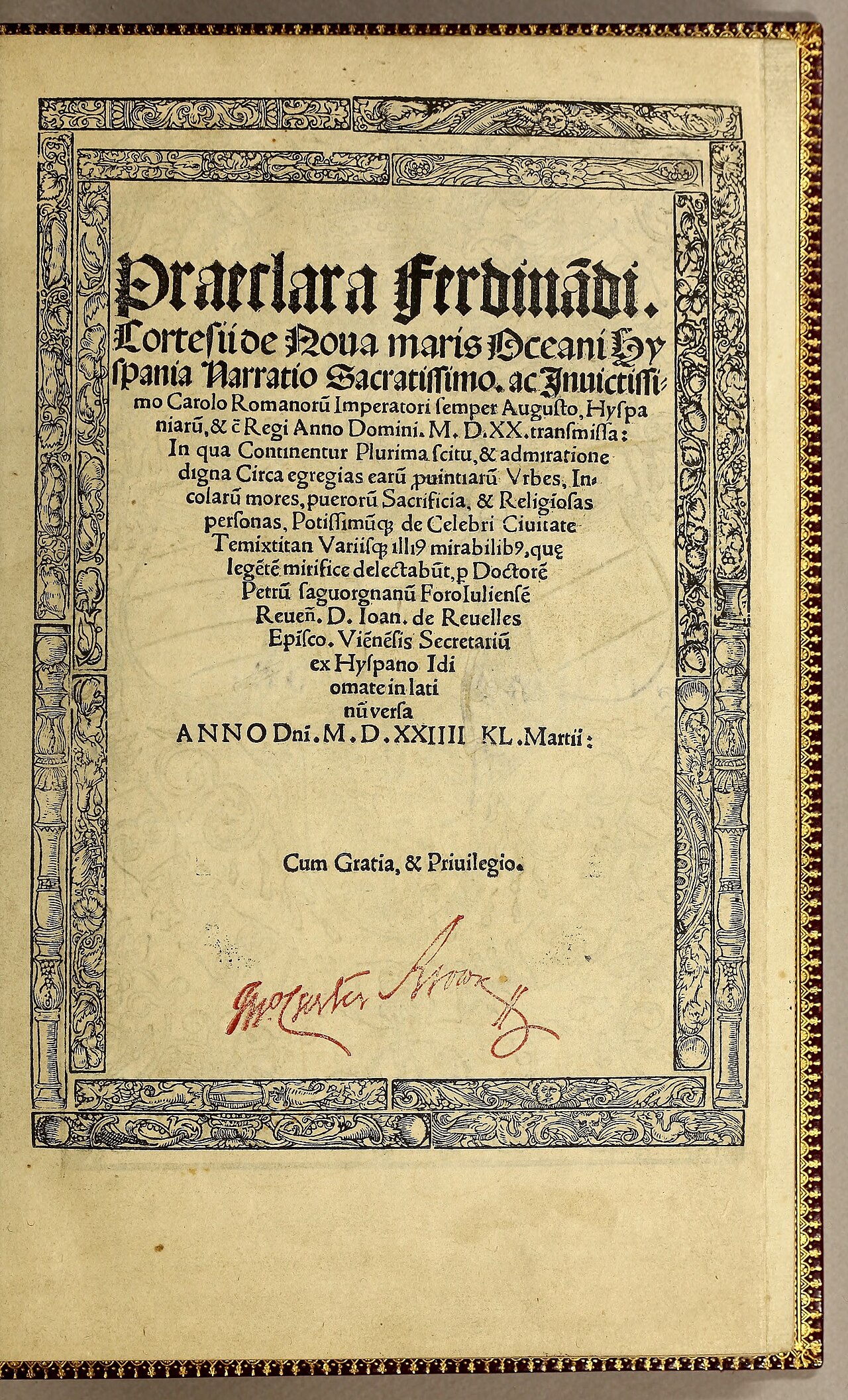 Letter
Primary source
Letters from Hernán Cortés to Charles V
Hernán Cortés · 1520 (printed 1524)
 Document
Primary source
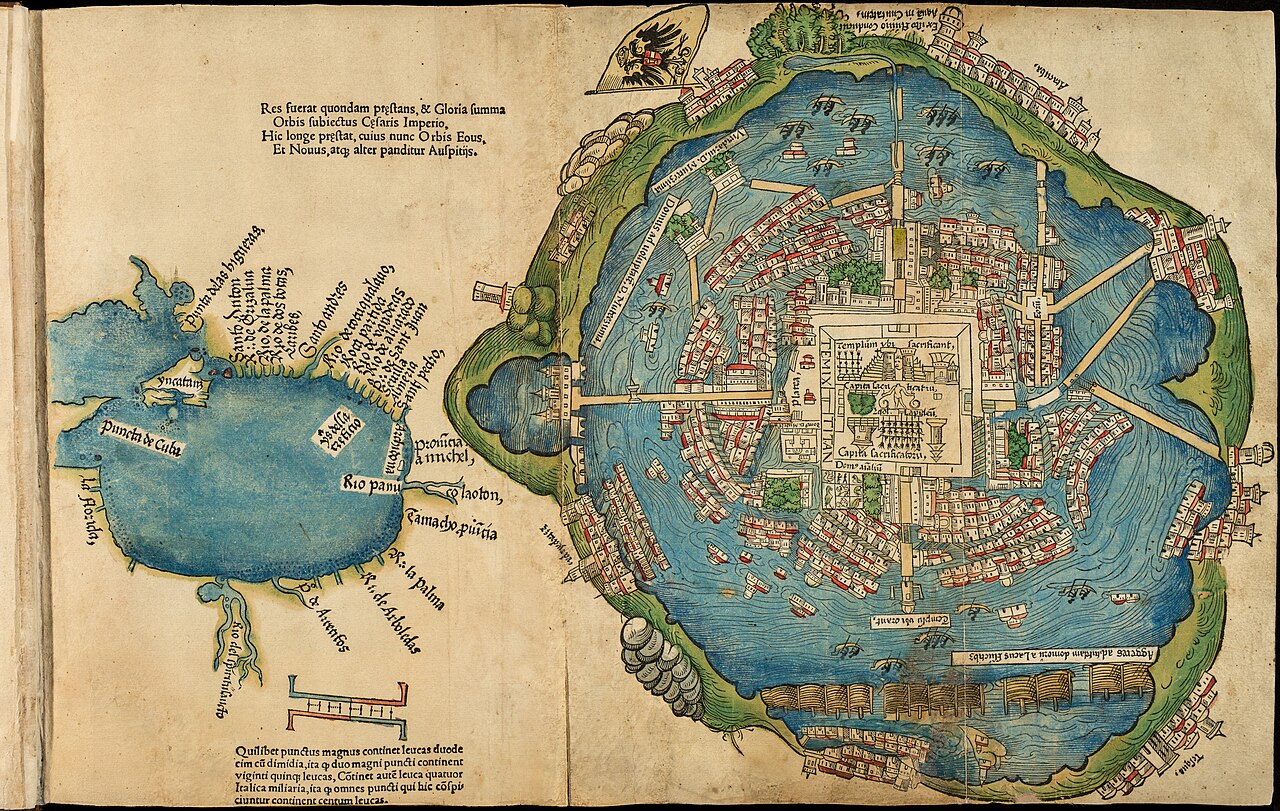
1524 Nuremberg Map of Tenochtitlan
Unknown engraver, published by Friedrich Peypus · 1524
 Painting
Secondary source
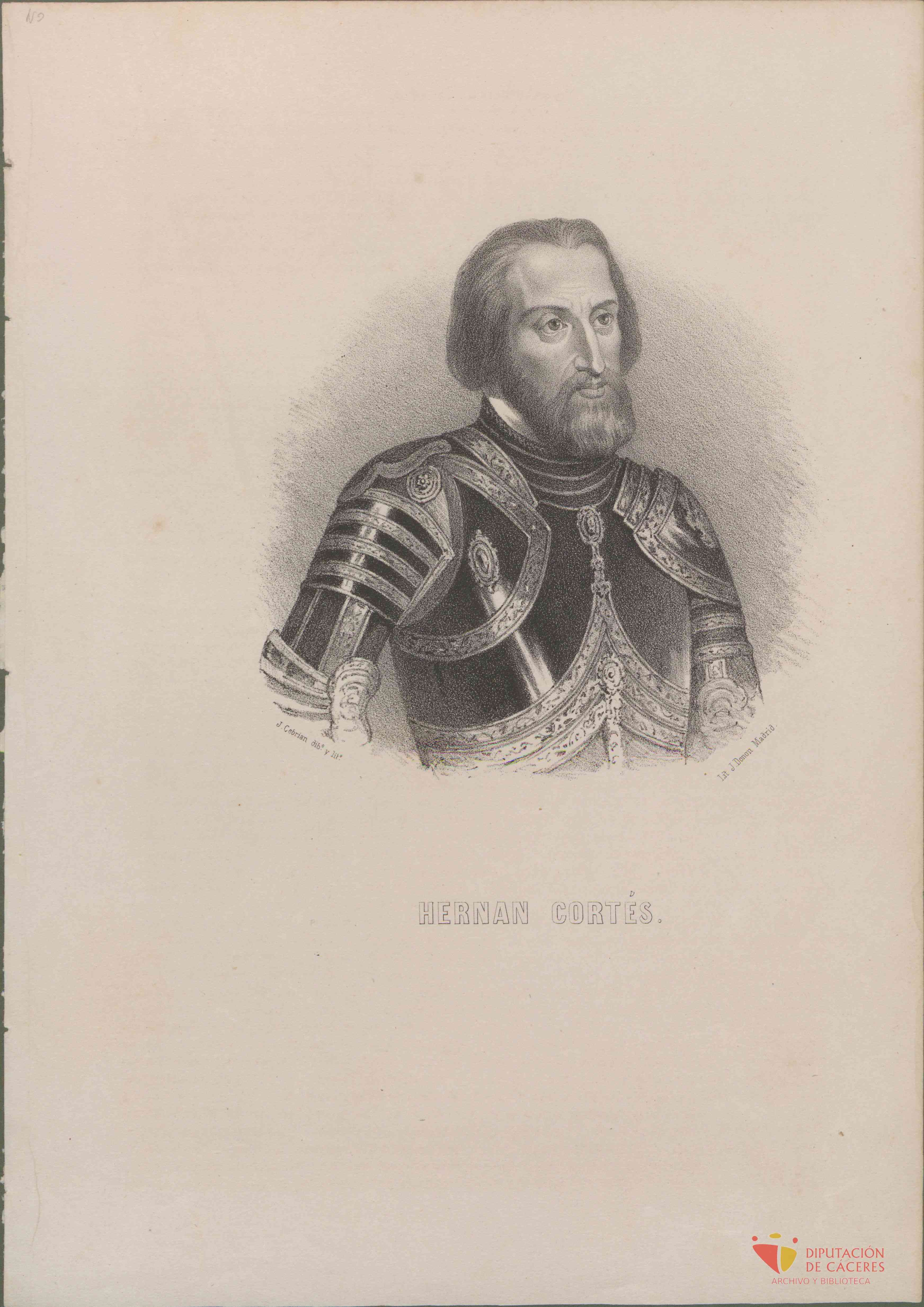
Engraving of Hernán Cortés
José Cebrián García · 1870
 Book
Secondary source
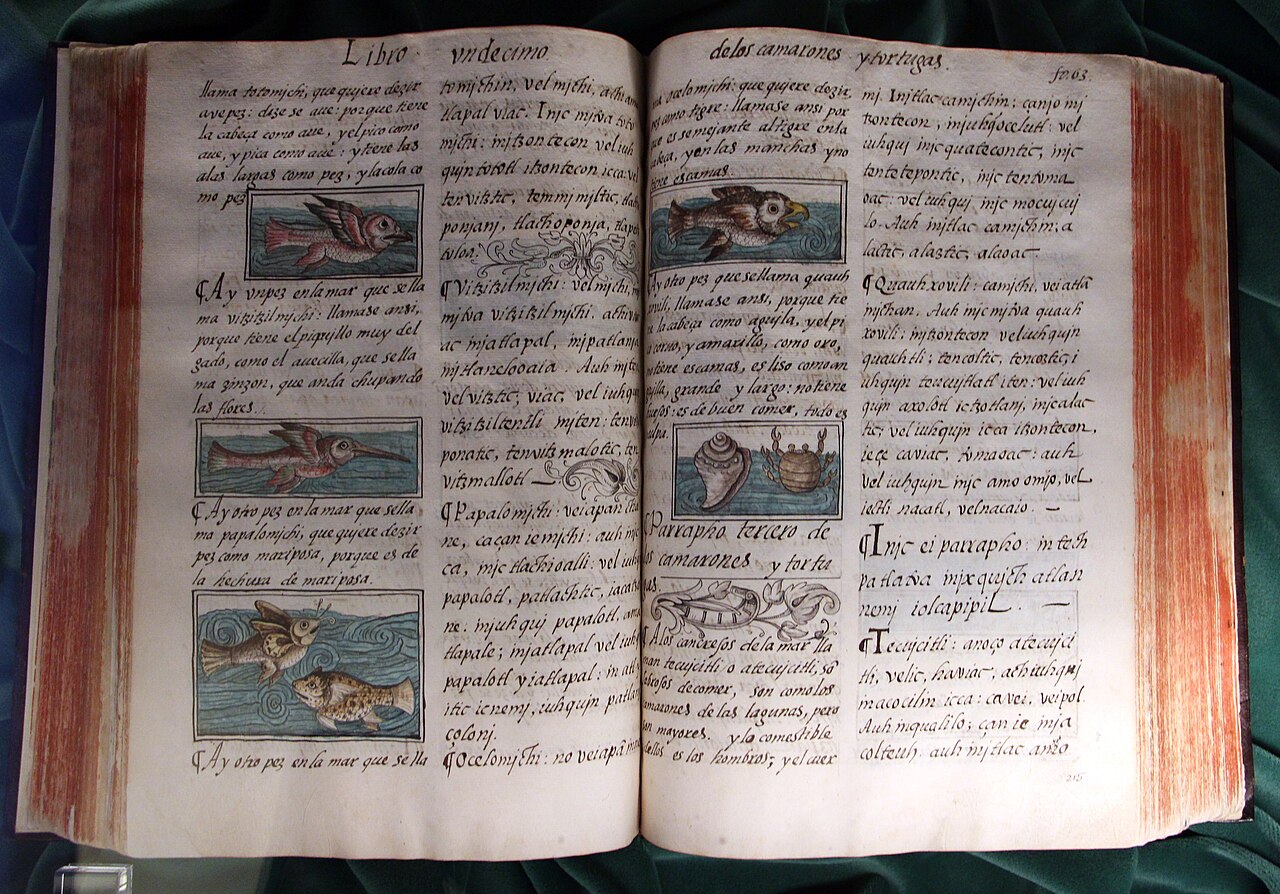
Florentine Codex
Bernardino de Sahagún with Nahua collaborators · 1569
 Painting
Secondary source
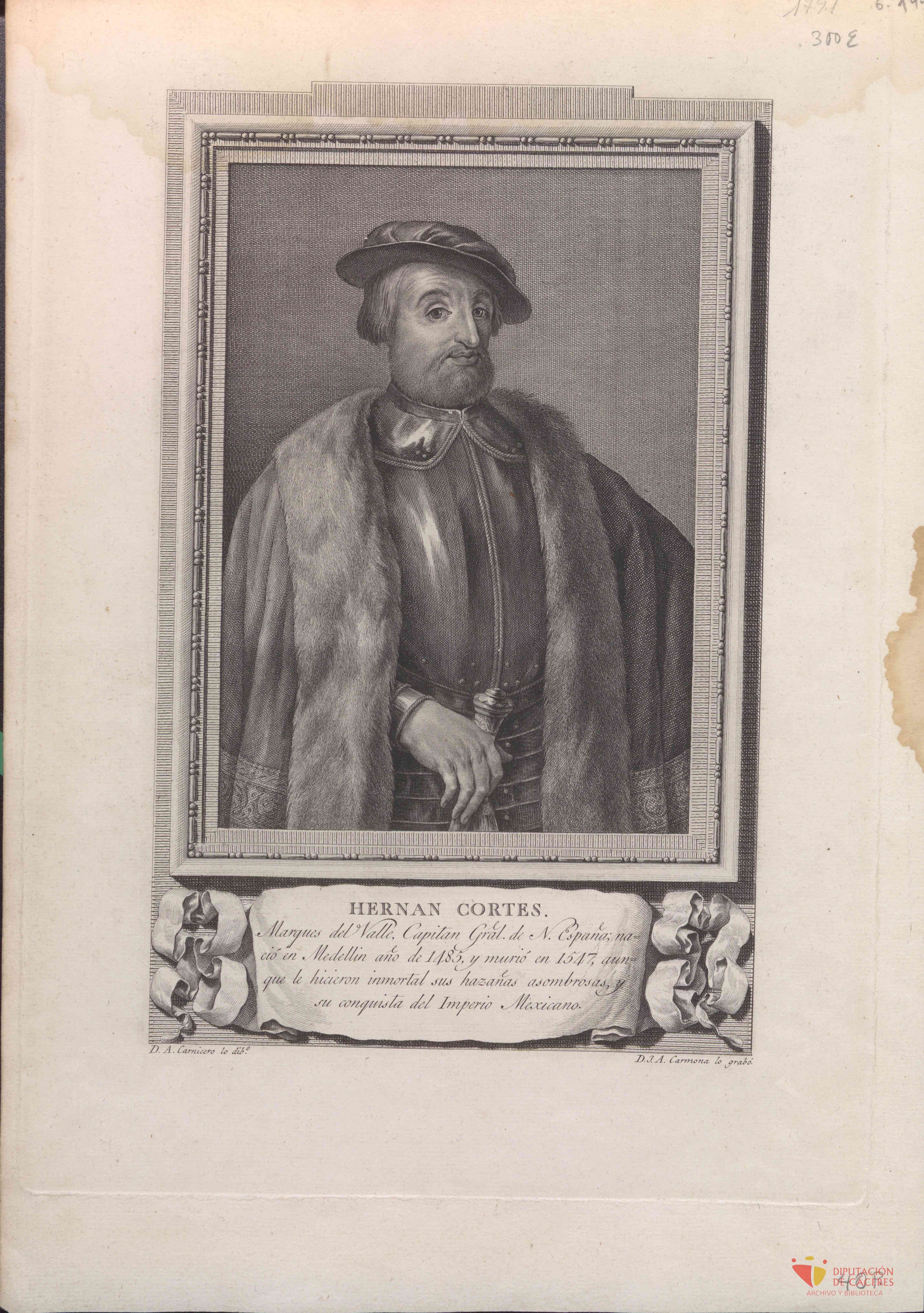
Engraving of Hernán Cortés after Juan Antonio Salvador Carmona
Antonio Carnicero Mancio, after Juan Antonio Salvador Carmona · 1805
Ready when you are
Start chatting with Hernán Cortés now.
20 messages free · No credit card · Available in 50+ languages.