


Secondary sourcePainting16th century
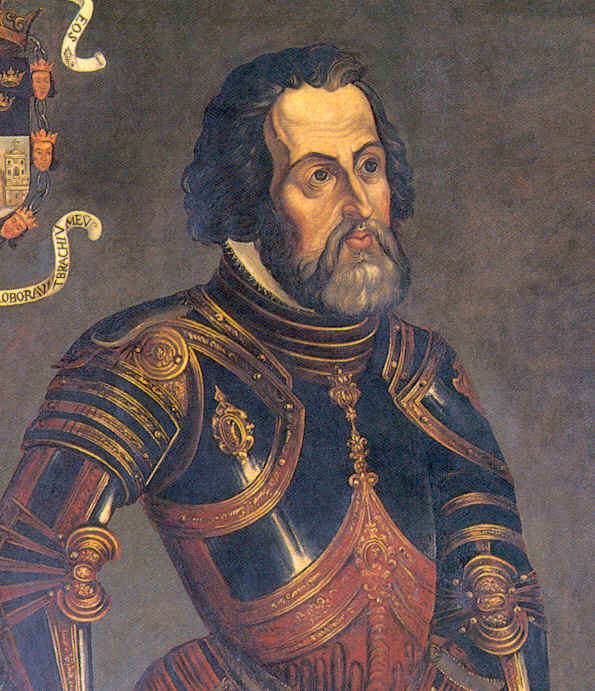
Portrait of Hernán Cortés (16th century)
16th century
A sixteenth-century oil portrait of a bearded Cortés in gilded armor. It was probably painted after his death, so it may not show his real face.
Offers a sixteenth-century image of Cortés's appearance, though it was probably imagined after his death.
About this source
What it is
This is an oil portrait of a bearded man with dark hair, wearing gilded and blue-black steel armor with a red lower breastplate. He turns his head to the right against a grey background. A partial coat of arms appears at upper left, and a scroll at left reads 'LOBORI' and 'TRIACHIVM'. The painting is dated to the 16th century by unknown artist, and the curator notes it was probably imagined after Cortés's death.
Why it matters
Portraits like this shaped how later people saw Cortés. Because the artist and exact date are uncertain, the image shows more about the wish to present a conqueror as a noble warrior than about his true appearance. Historians compare such images with other evidence before trusting them.
Look closer
- What details of the armor and scroll are meant to show status or achievement?
- Why might a portrait be painted after the sitter has died?
- What can we not know about this face from the painting alone?
This painting is part of the curated material that grounds the AI version of Hernán Cortés on Humy.ai — when students ask about related events, the AI can quote it and cite it.
More Hernán Cortés sources
Meet the AI Hernán Cortés →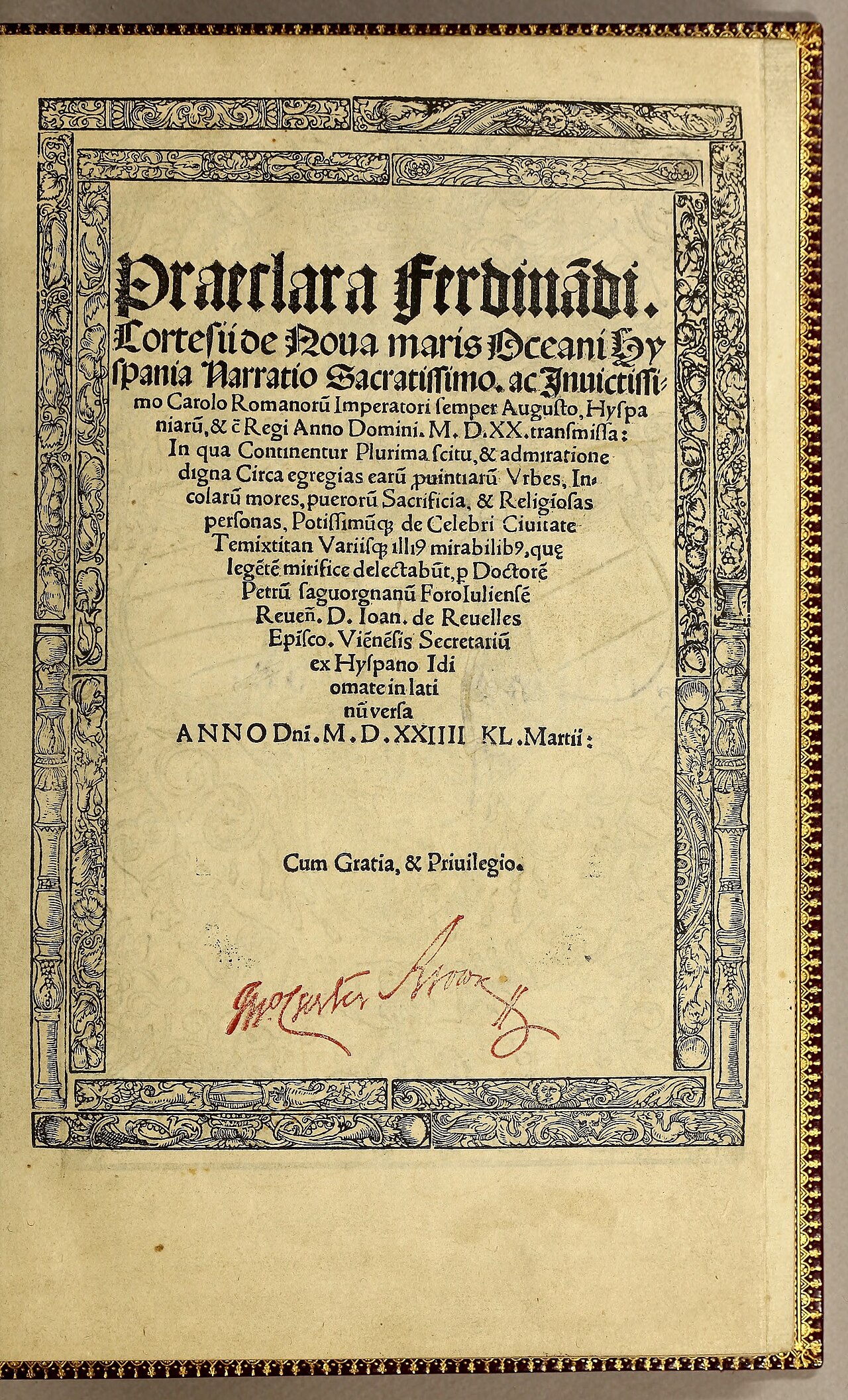 Letter
Primary source
Letters from Hernán Cortés to Charles V
Hernán Cortés · 1520 (printed 1524)
 Document
Primary source
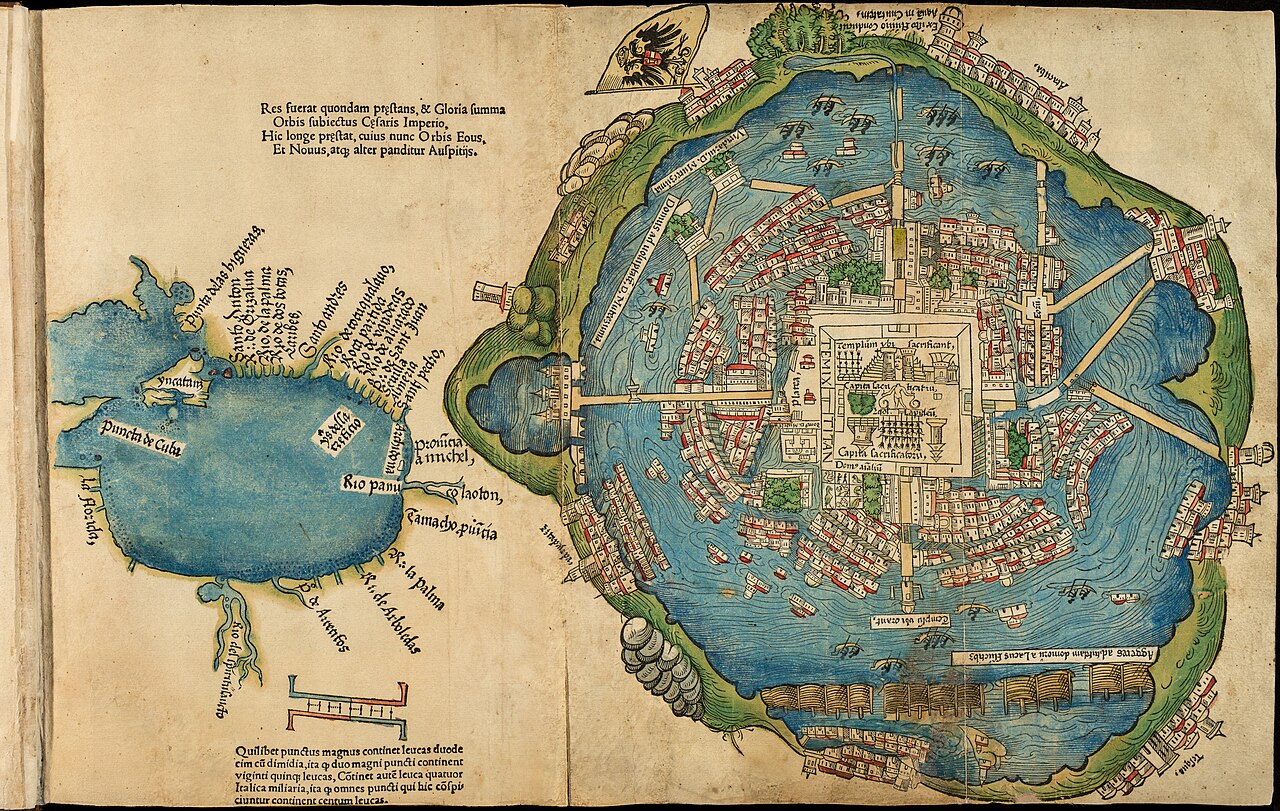
1524 Nuremberg Map of Tenochtitlan
Unknown engraver, published by Friedrich Peypus · 1524
 Painting
Secondary source
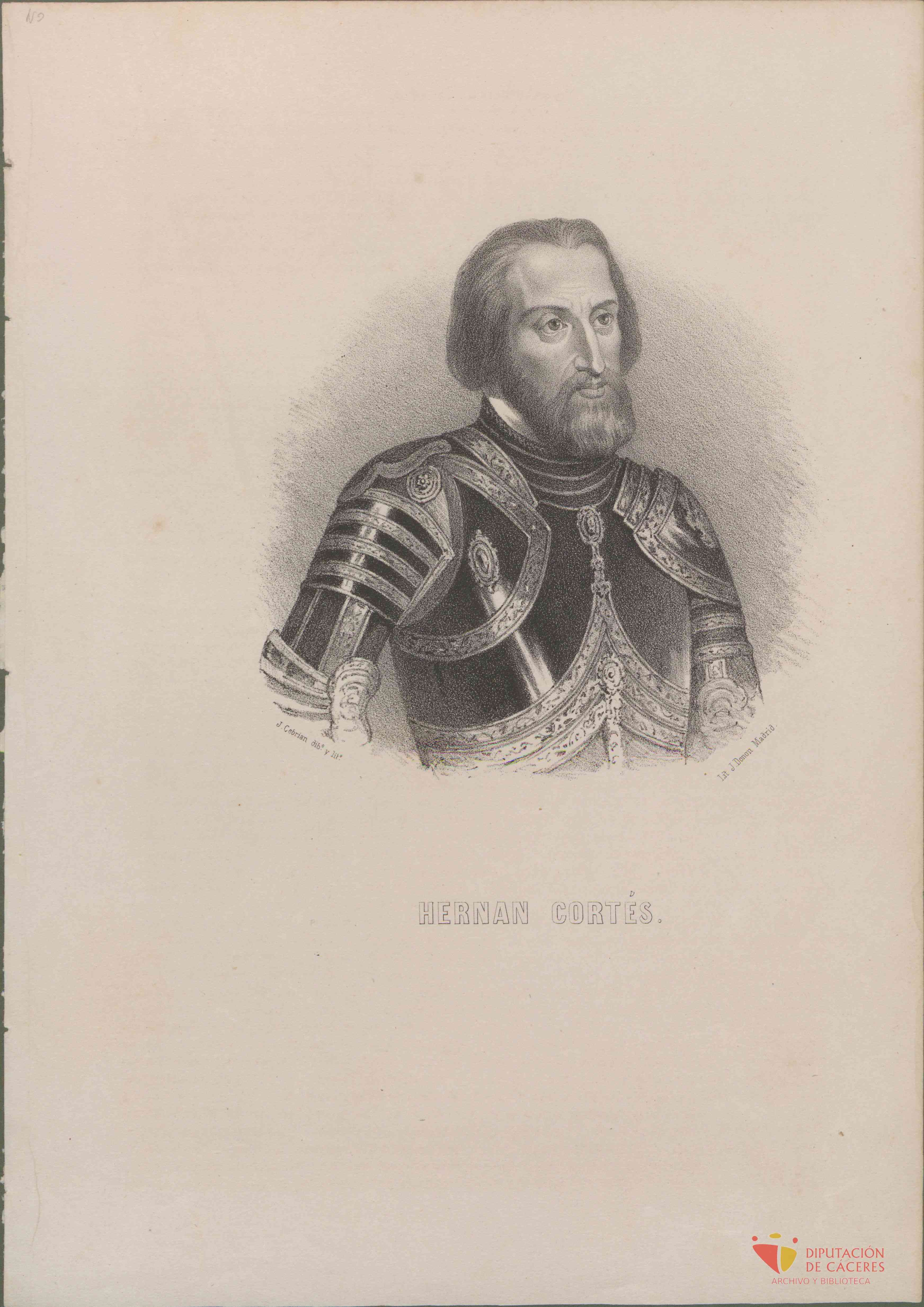
Engraving of Hernán Cortés
José Cebrián García · 1870
 Book
Secondary source
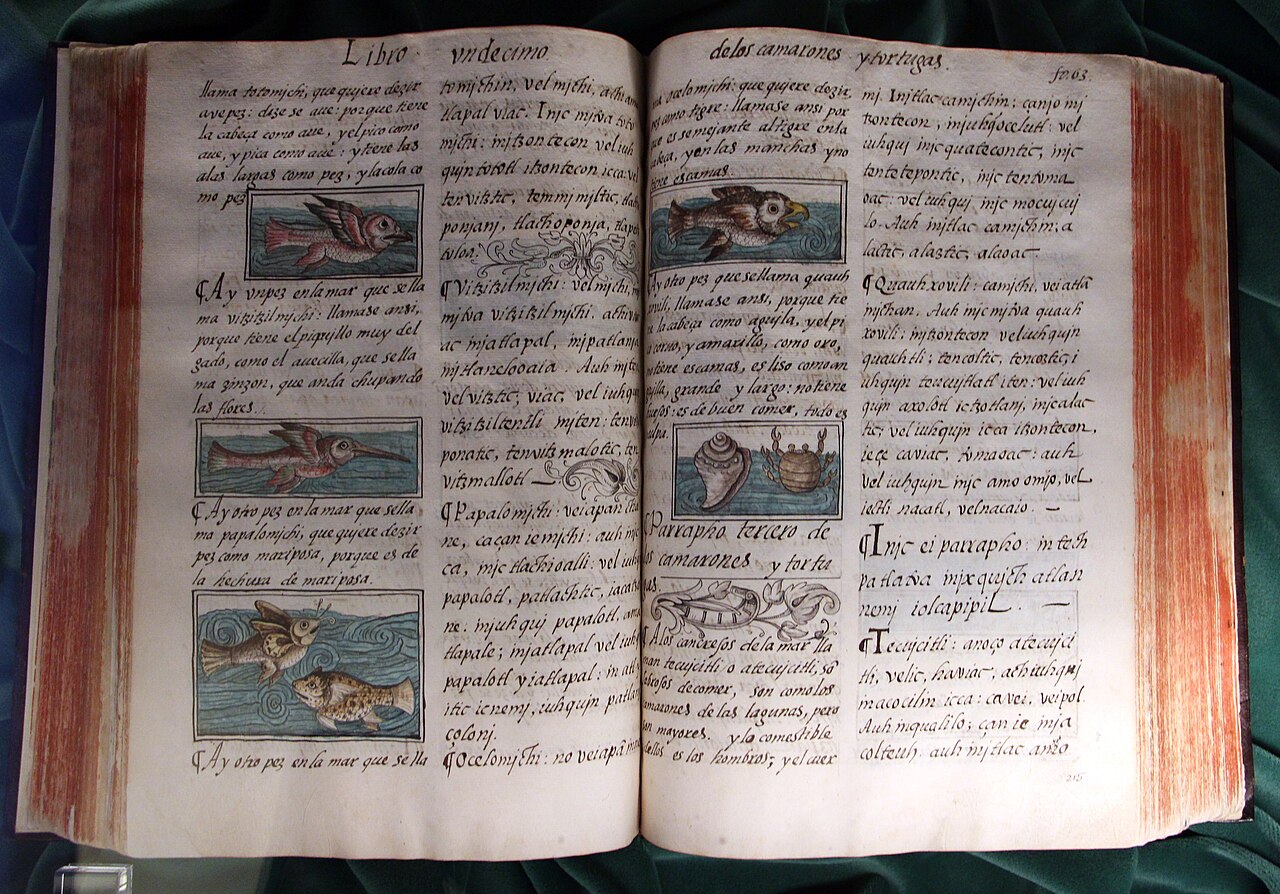
Florentine Codex
Bernardino de Sahagún with Nahua collaborators · 1569
 Painting
Secondary source
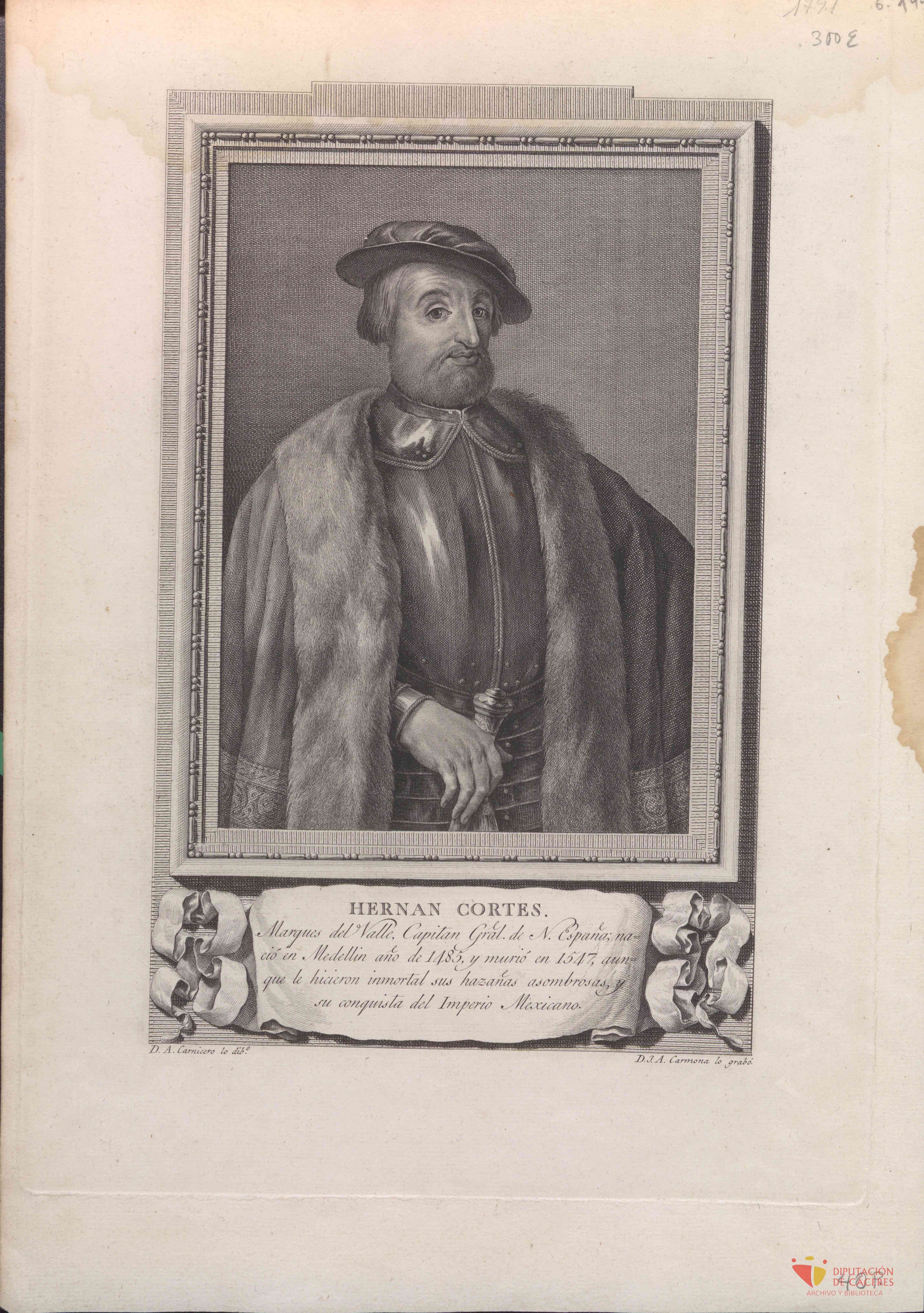
Engraving of Hernán Cortés after Juan Antonio Salvador Carmona
Antonio Carnicero Mancio, after Juan Antonio Salvador Carmona · 1805
Ready when you are
Start chatting with Hernán Cortés now.
20 messages free · No credit card · Available in 50+ languages.