


Secondary sourceArtifactc. 16th century
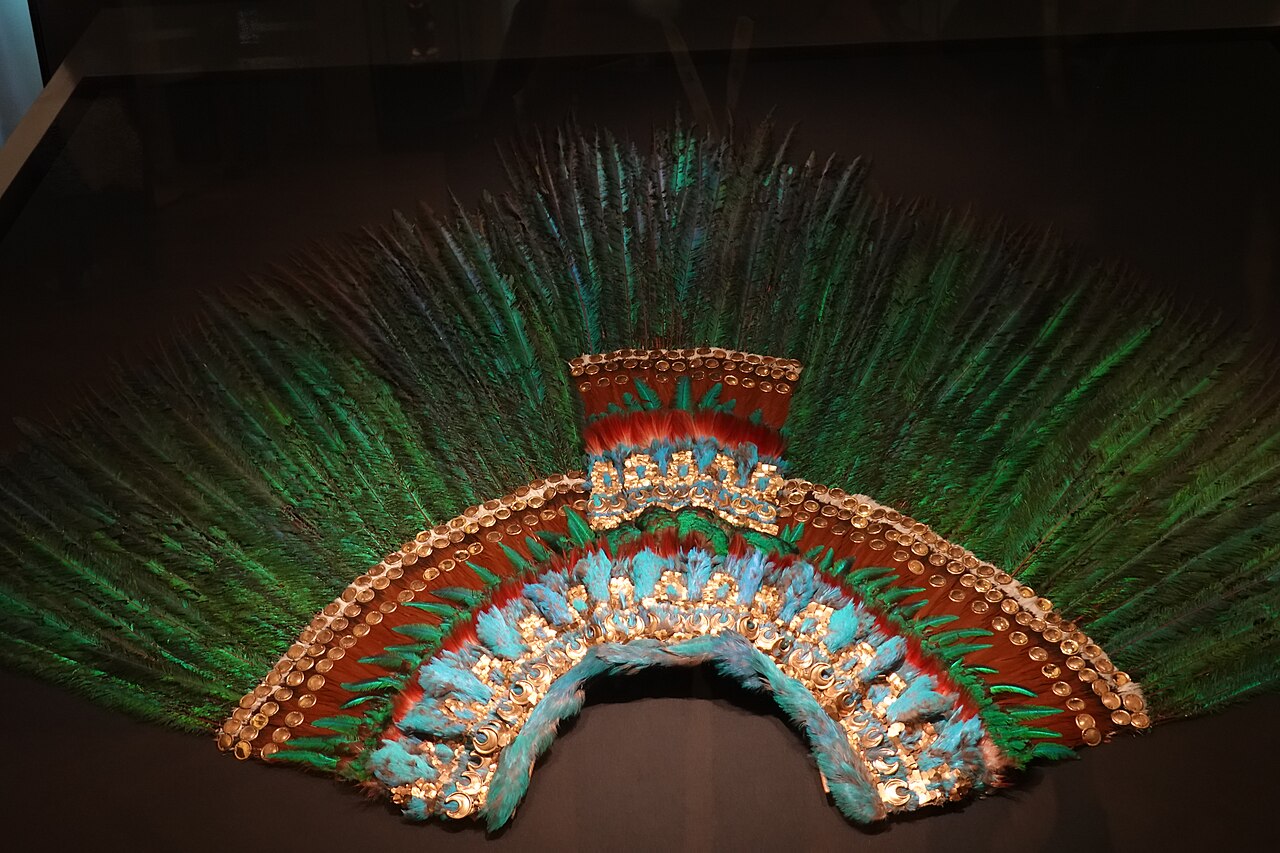
Montezuma's Headdress
Unknown Mexica artisan · c. 16th century
A quetzal-feather headdress traditionally said to have belonged to Moctezuma II, now at the centre of a repatriation dispute between Mexico and Austria.
Traditionally attributed to Moctezuma II, though no confirmed evidence proves it belonged to him personally.
About this source
What it is
This featherwork object, known in Nahuatl as a quetzalāpanecayōtl, is made of quetzal and blue cotinga feathers with sewn-on gold. It has been in Austrian collections since the late 16th century and is now held by the Weltmuseum Wien.
Why it matters
Although there is no confirmed evidence that it belonged to Moctezuma II, tradition has long linked it to him, and it is the most famous surviving example of Aztec featherwork. In the 20th century it became a symbol of Mexico's indigenous heritage, and Mexico has formally requested its return from Austria, making the object a focus of ongoing debate over colonial-era collecting and cultural ownership.
Look closer
- Why is it hard to prove whether this headdress actually belonged to Moctezuma?
- What might the headdress have been used for besides being worn as a crown?
- Why do you think Mexico wants this object returned, and why might Austria be reluctant to do so?
This artifact is part of the curated material that grounds the AI version of Montezuma II and Hernán Cortés on Humy.ai — when students ask about related events, the AI can quote it and cite it.
More Montezuma II sources
Meet the AI Montezuma II →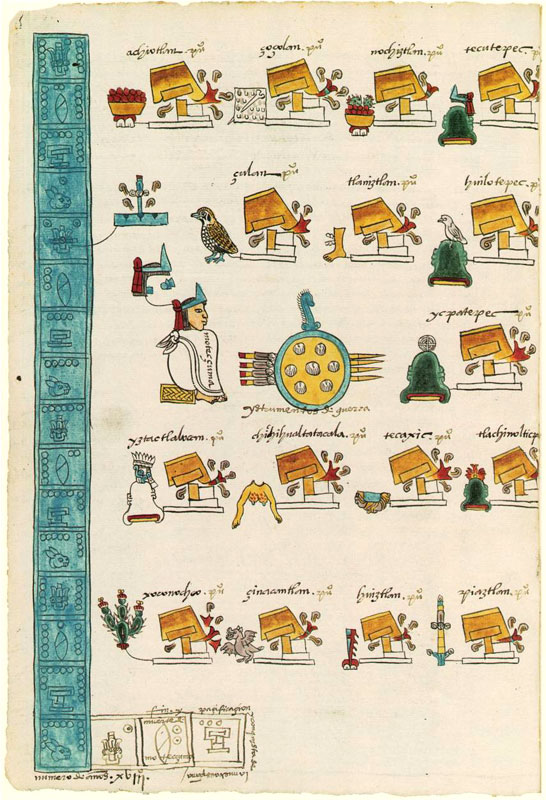 Document
Secondary source
Codex Mendoza, Folio 15v
Unknown author · 16th century
 Painting
Secondary source
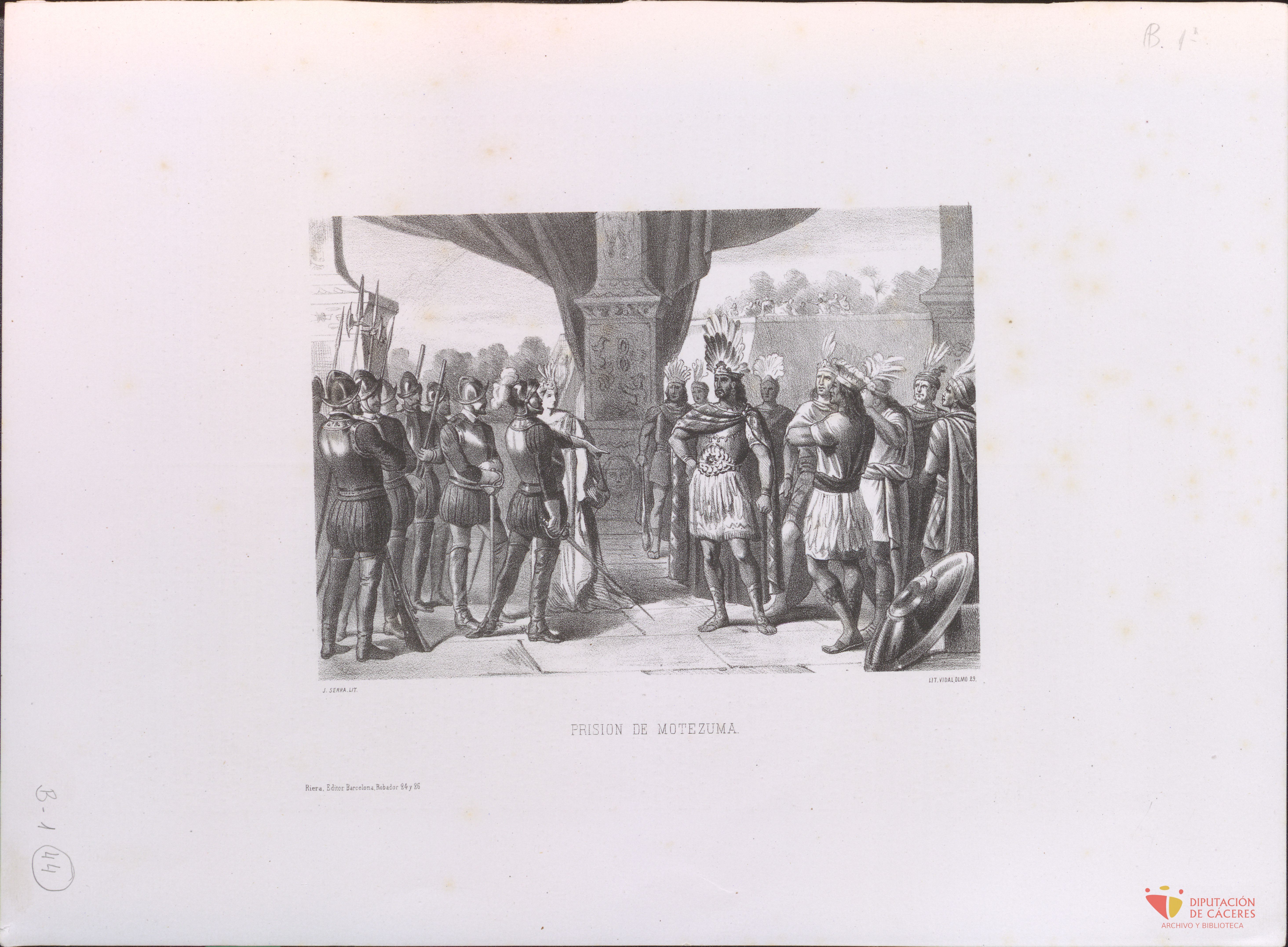
Prisión del emperador Moctezuma
Rafael del Castillo de la Cuesta · 1880
 Book
Secondary source
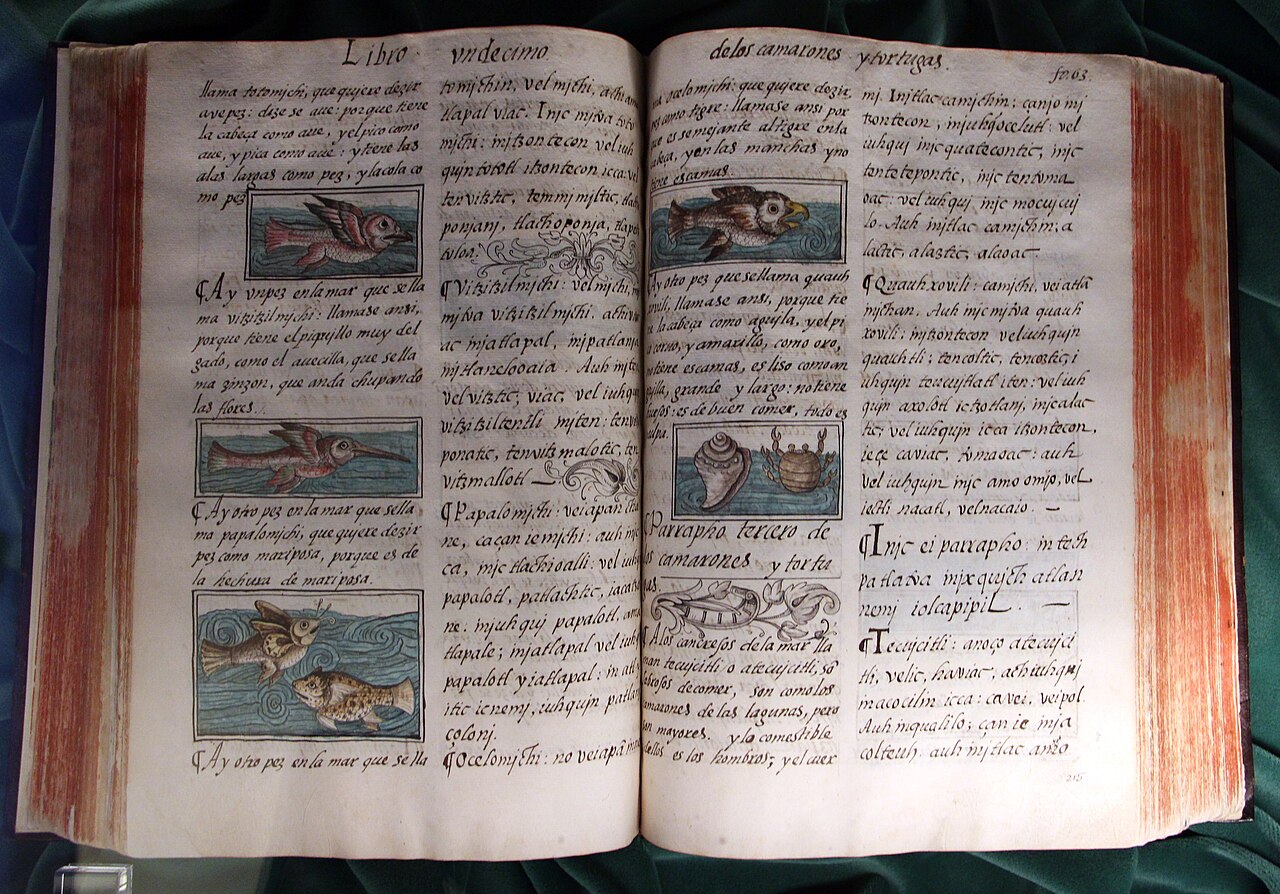
Florentine Codex
Bernardino de Sahagún with Nahua collaborators · 1569
 Painting
Secondary source
Hernán Cortés takes Moctezuma prisoner
Louis Auguste Turgis · 1895
 Letter
Primary source
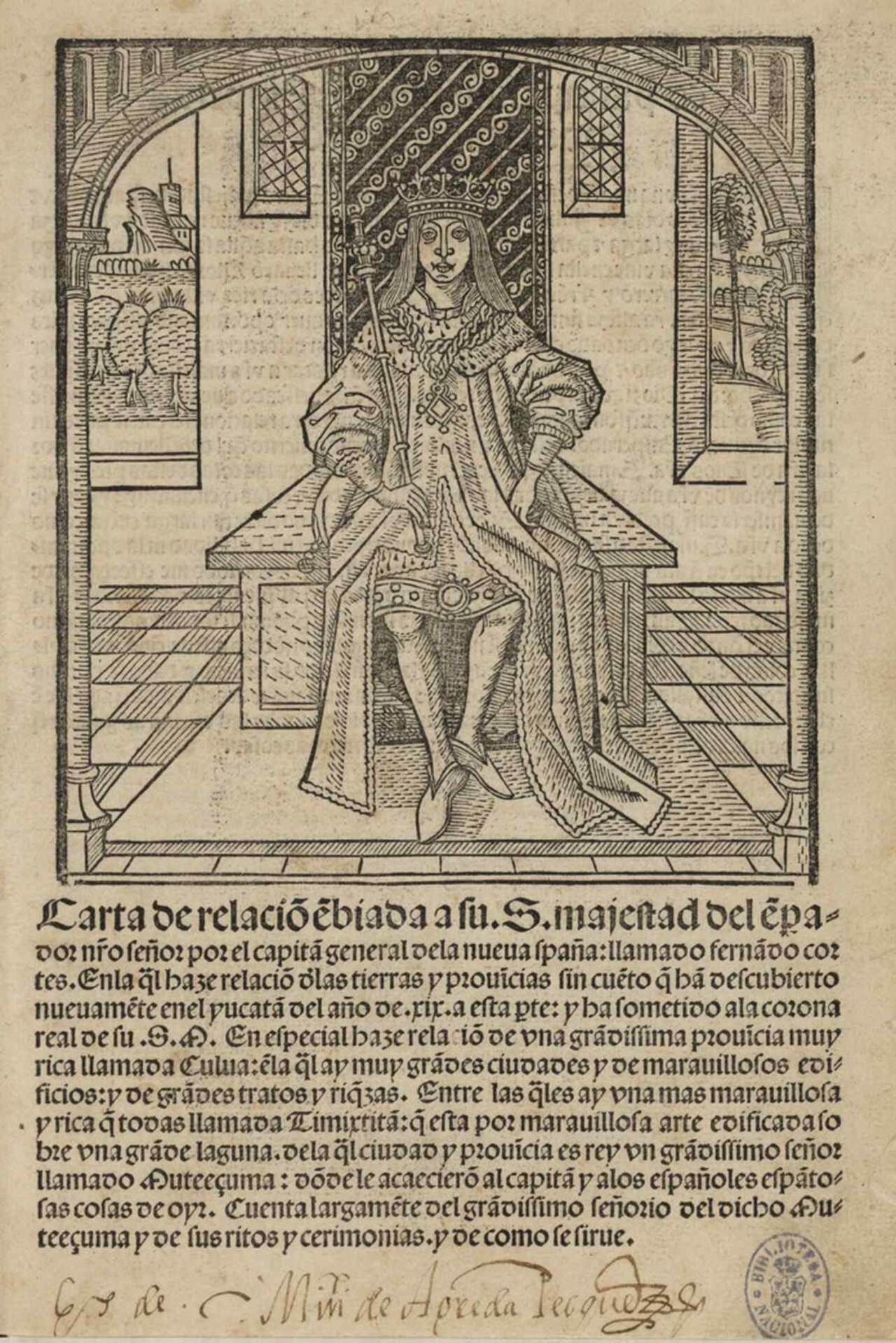
Second Letter to Charles V
Hernán Cortés · 1520 (printed 1522)
Ready when you are
Start chatting with Montezuma II now.
20 messages free · No credit card · Available in 50+ languages.