


Primary sourceBook1568
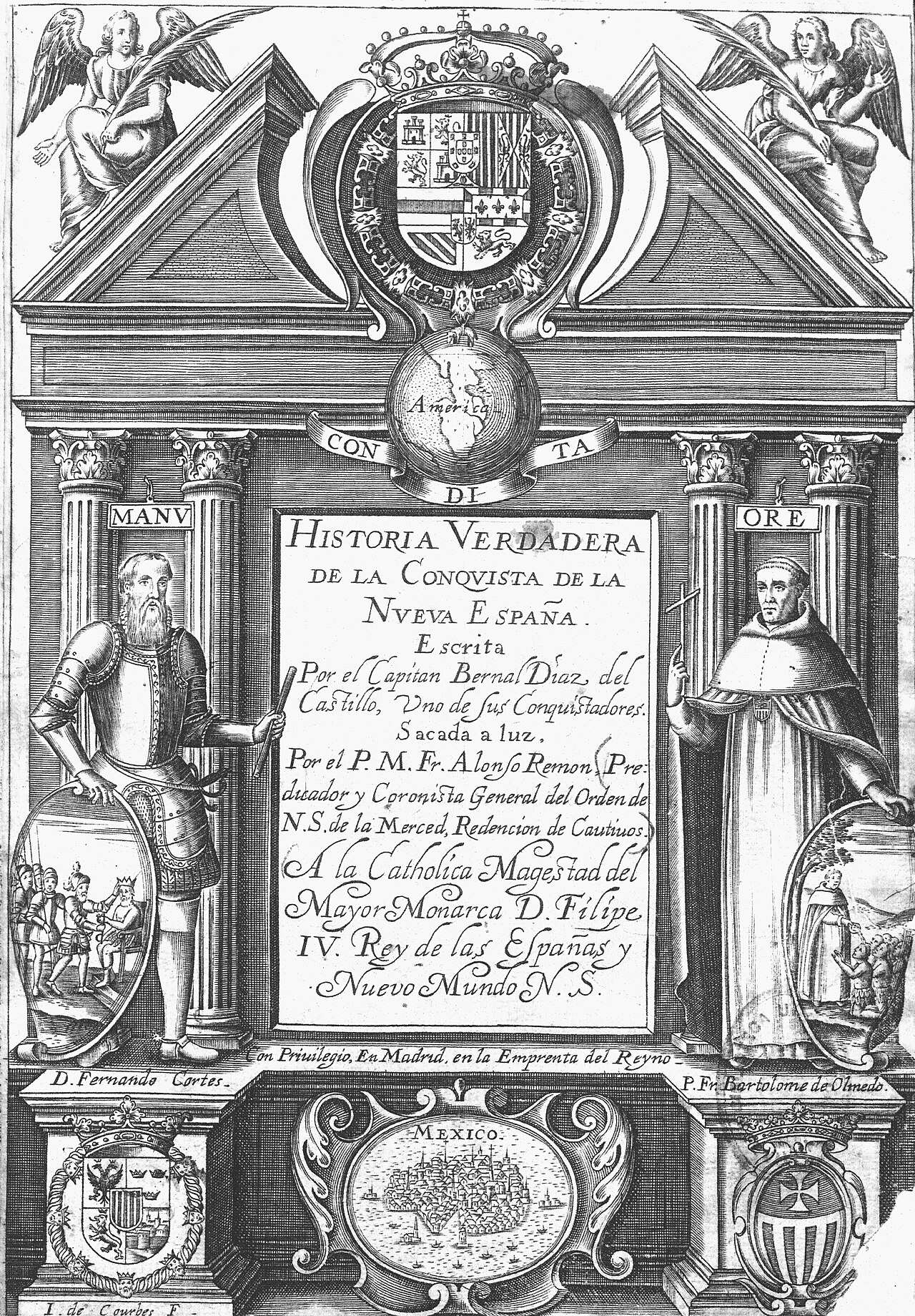
Historia verdadera de la conquista de la Nueva España
Bernal Díaz del Castillo · 1568
A Spanish soldier's 1568 memoir describing Moctezuma's appearance, court manners, and imprisonment during the conquest.
Gives a detailed eyewitness description of Moctezuma's appearance, manners, and captivity under the Spanish.
About this source
What it is
This book is a first-person memoir written in 1568 by Bernal Díaz del Castillo, a soldier who took part in the Spanish expeditions into Mexico, including that led by Hernán Cortés. Written late in his life, it narrates the conquest of the Aztec Empire from a common soldier's perspective.
Why it matters
Díaz del Castillo gives one of the most detailed European descriptions of Moctezuma's appearance, dining customs, and later imprisonment. He wrote partly to challenge accounts that gave all credit to Cortés, making this a valuable but one-sided source that still shapes how Moctezuma is remembered in the West.
Look closer
- Why might a soldier's account of Moctezuma differ from a letter written by Cortés himself?
- Díaz wrote this account decades after the events — how might memory and old age affect his description?
- What does the author's criticism of Cortés tell you about tensions among the Spanish conquerors?
This book is part of the curated material that grounds the AI version of Montezuma II and Hernán Cortés on Humy.ai — when students ask about related events, the AI can quote it and cite it.
More Montezuma II sources
Meet the AI Montezuma II →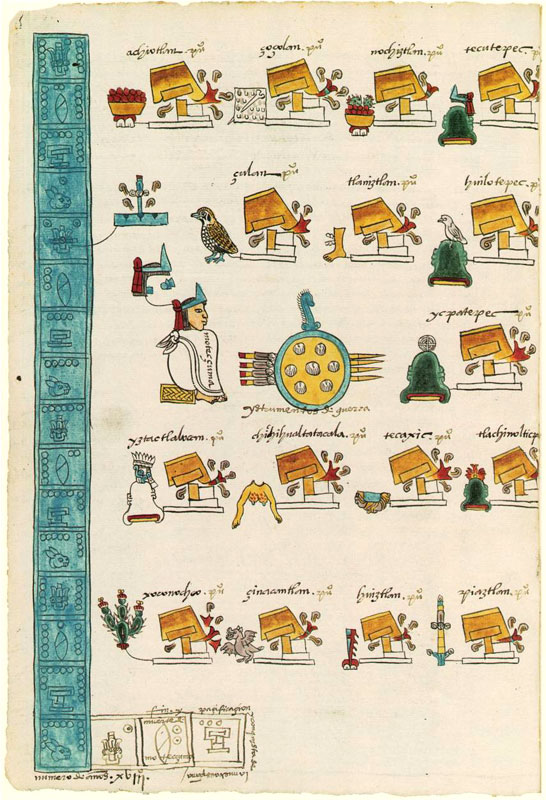 Document
Secondary source
Codex Mendoza, Folio 15v
Unknown author · 16th century
 Painting
Secondary source
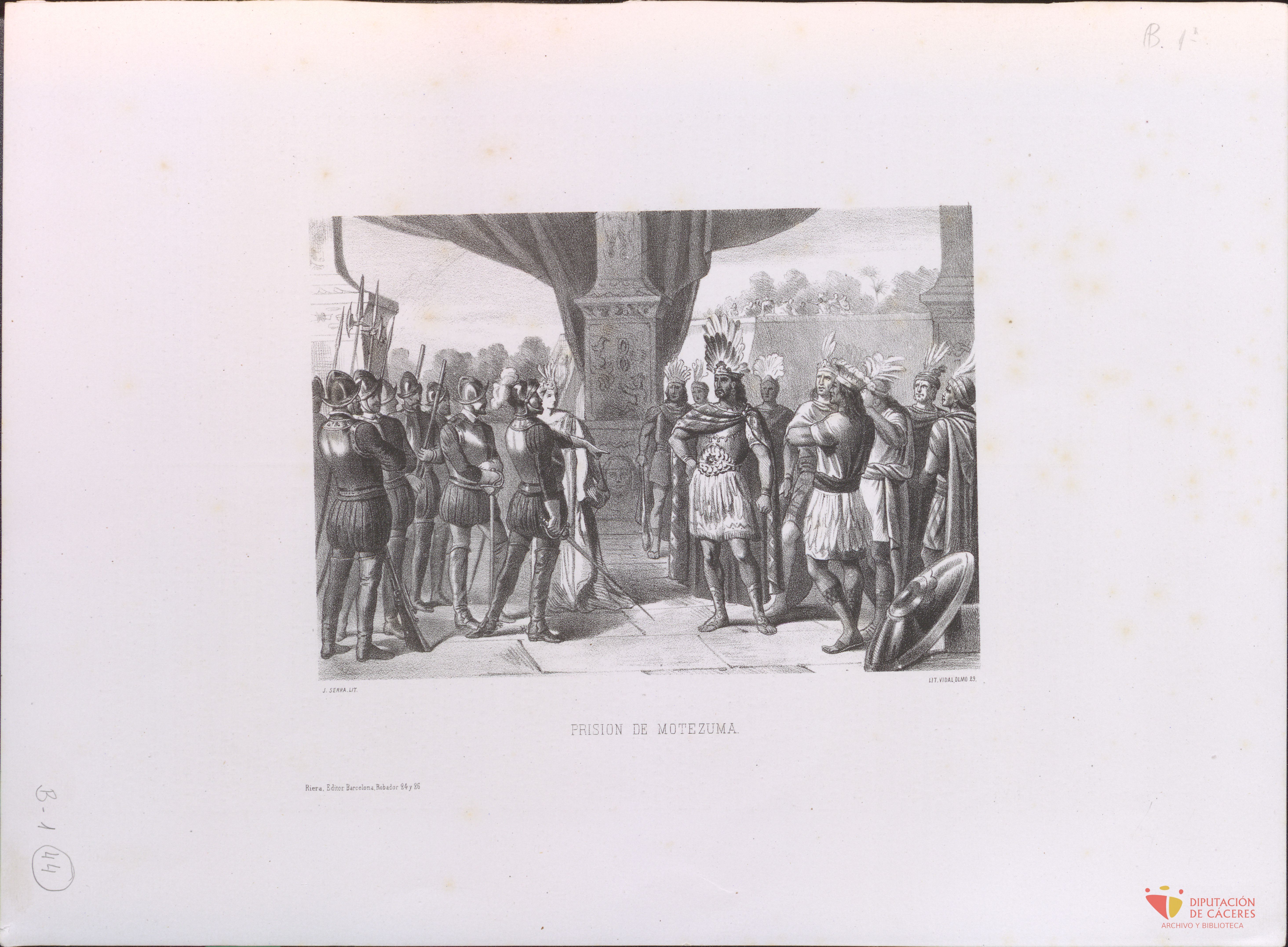
Prisión del emperador Moctezuma
Rafael del Castillo de la Cuesta · 1880
 Book
Secondary source
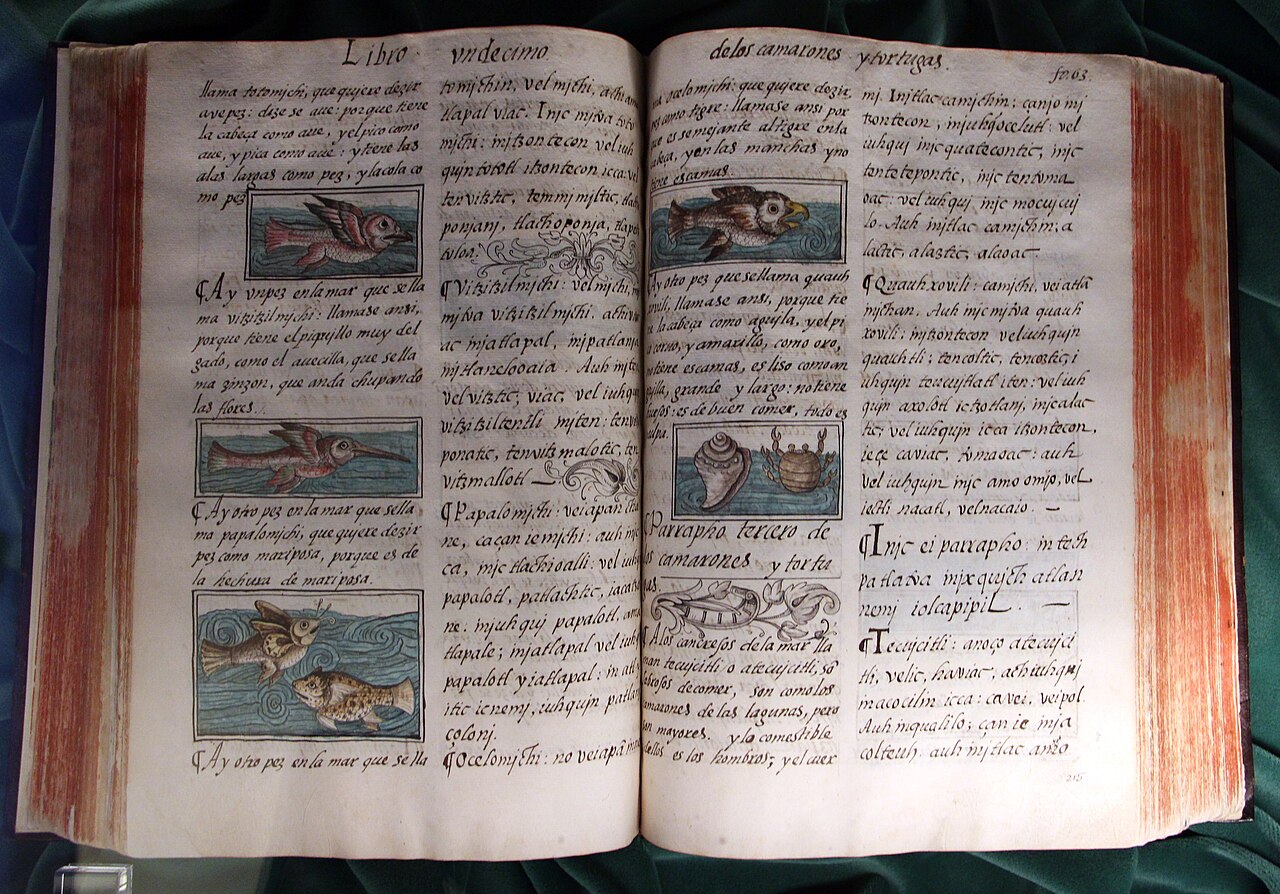
Florentine Codex
Bernardino de Sahagún with Nahua collaborators · 1569
 Painting
Secondary source
Hernán Cortés takes Moctezuma prisoner
Louis Auguste Turgis · 1895
 Letter
Primary source
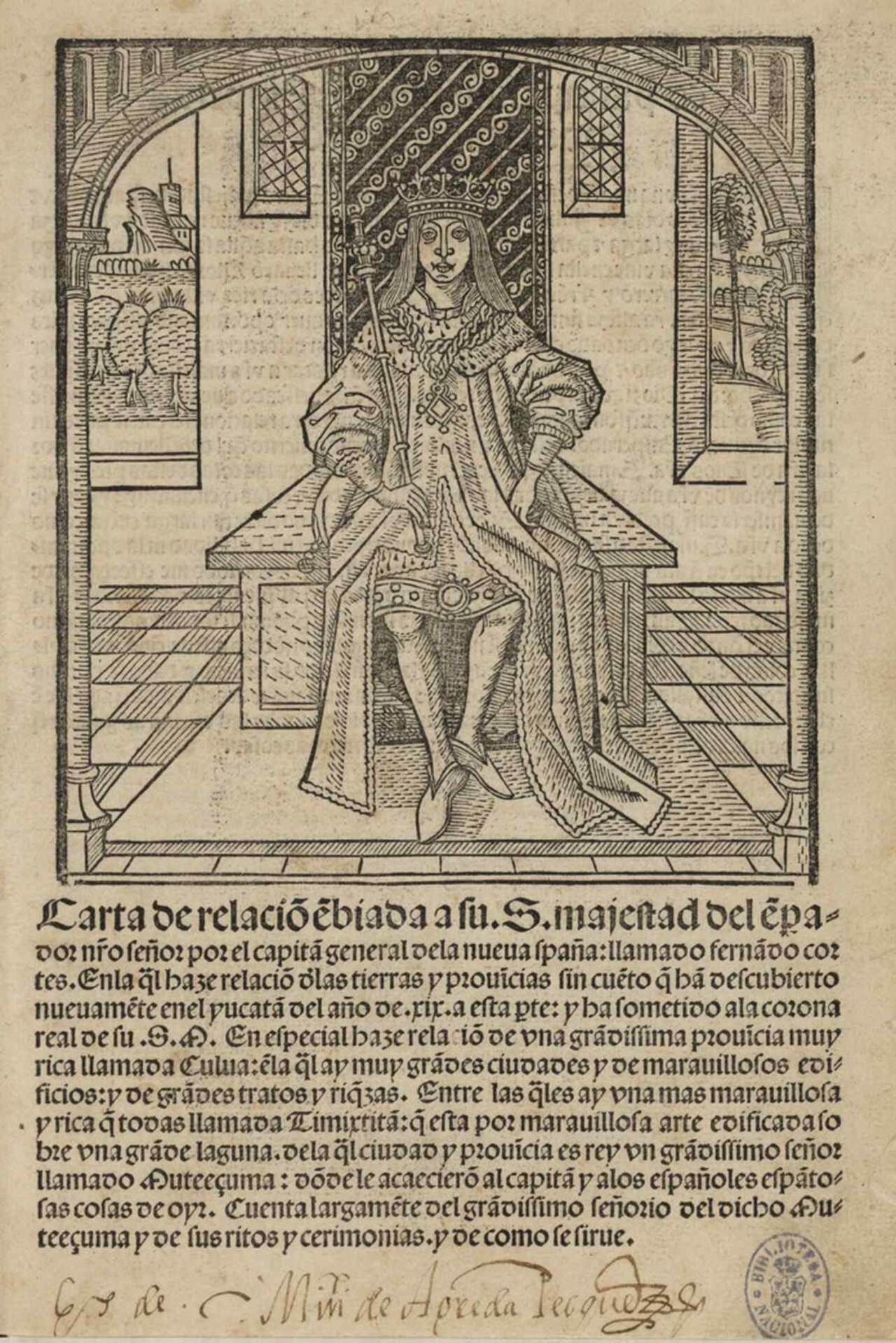
Second Letter to Charles V
Hernán Cortés · 1520 (printed 1522)
Ready when you are
Start chatting with Montezuma II now.
20 messages free · No credit card · Available in 50+ languages.