


Primary sourceDocument1525
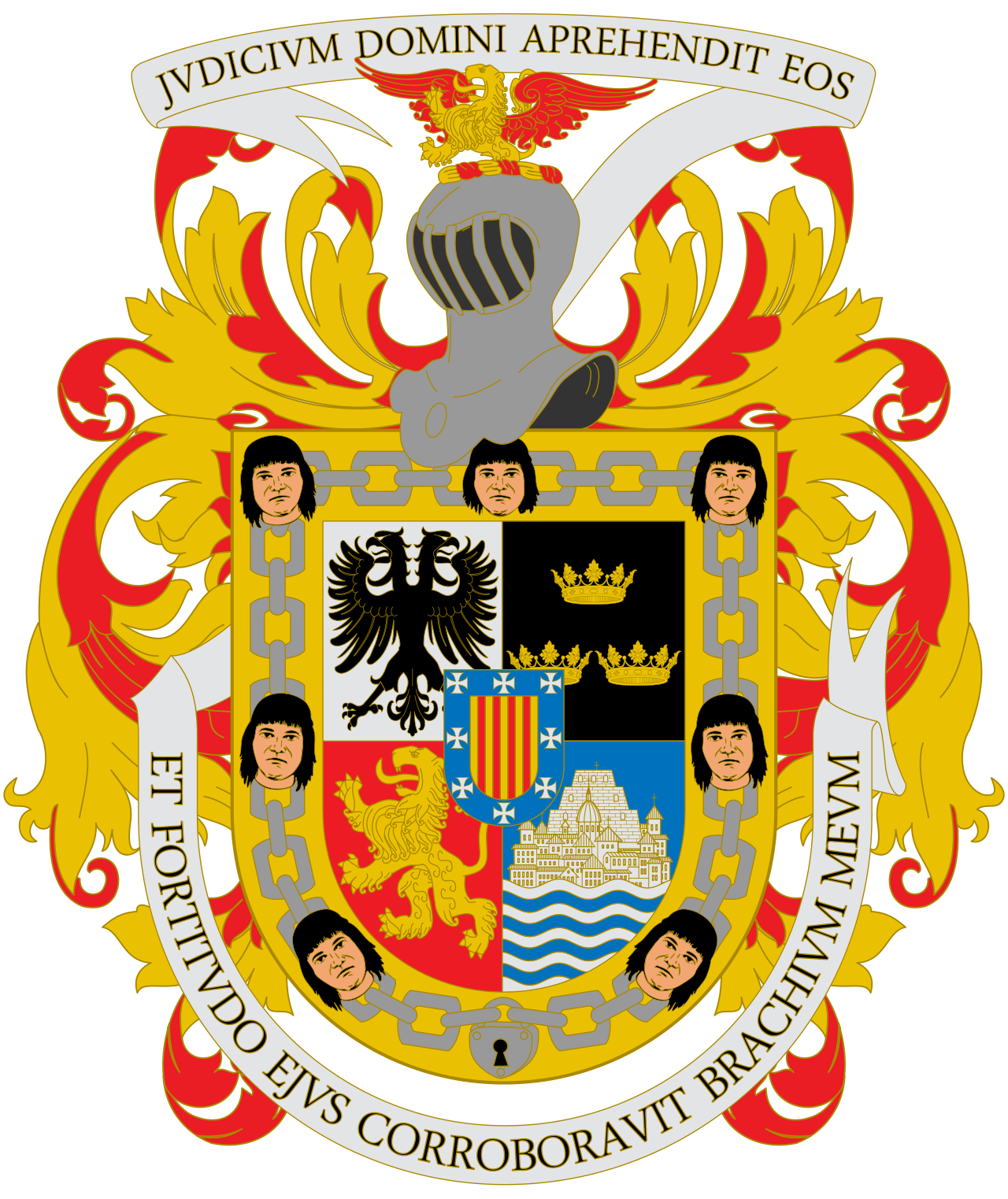
Coat of Arms of Hernán Cortés
1525
The heraldic coat of arms granted to Hernán Cortés by Charles V in 1525, symbolizing his conquest of Mexico.
This coat of arms was granted personally to Cortés by Charles V to mark and reward his conquest of Mexico.
About this source
What it is
This is the coat of arms granted to Hernán Cortés by the Holy Roman Emperor and King of Spain, Charles V, in 1525. It combines heraldic imagery including a double-headed eagle, crowns, a lion, and a depiction of a lake city, surrounded by a chain bearing human heads.
Why it matters
Coats of arms granted by the Crown were a way of rewarding and formally recognizing conquest. The imagery on Cortés's arms, including the lake city representing the conquered Aztec capital and the chain of heads, visually commemorates the defeat of indigenous rulers and turns conquest into a symbol of noble status passed down through his family.
Look closer
- Why do you think the lake city and conquered rulers were chosen as symbols for this coat of arms?
- What does it mean that the King of Spain personally granted this honor to Cortés?
- How might the people depicted on the chain of heads have felt about this image, if they could have seen it?
This document is part of the curated material that grounds the AI version of Hernán Cortés on Humy.ai — when students ask about related events, the AI can quote it and cite it.
More Hernán Cortés sources
Meet the AI Hernán Cortés →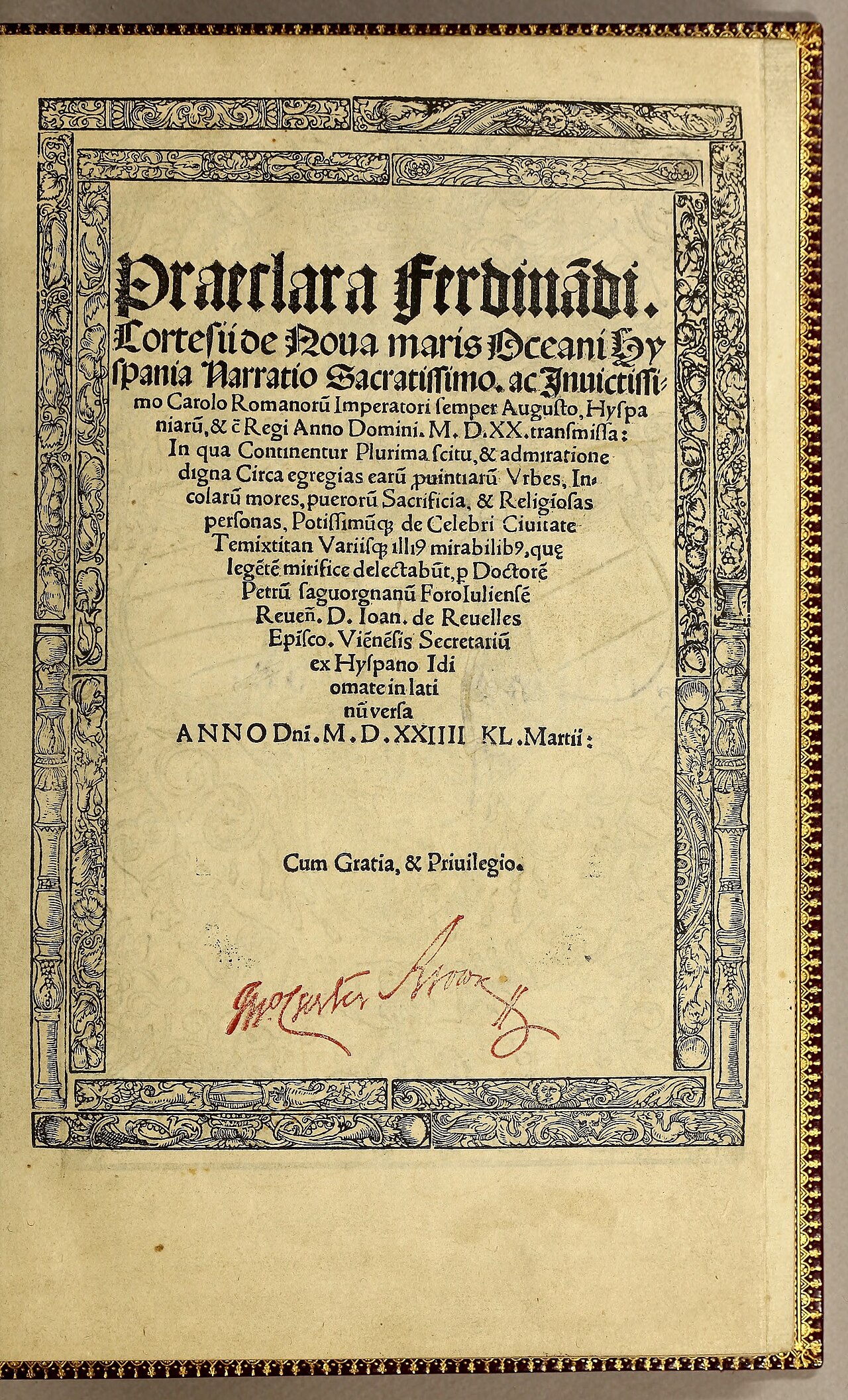 Letter
Primary source
Letters from Hernán Cortés to Charles V
Hernán Cortés · 1520 (printed 1524)
 Document
Primary source
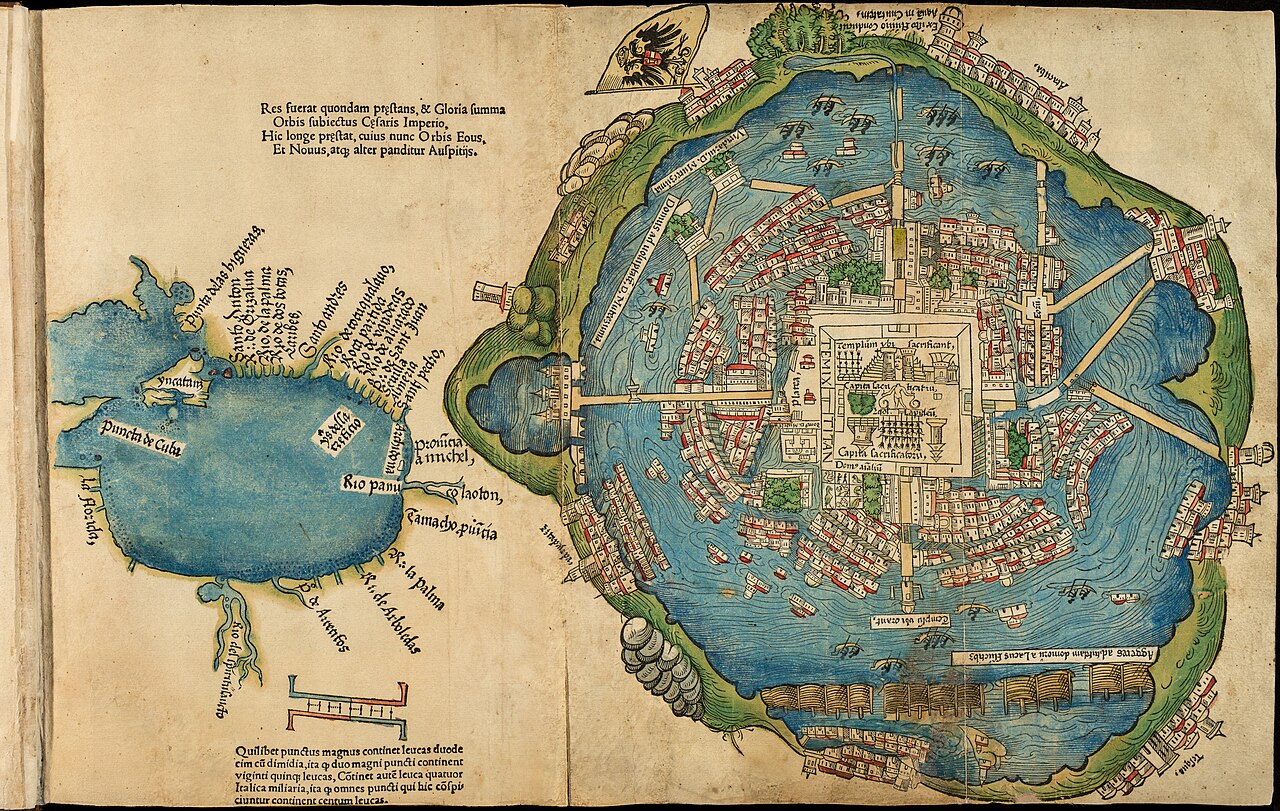
1524 Nuremberg Map of Tenochtitlan
Unknown engraver, published by Friedrich Peypus · 1524
 Painting
Secondary source
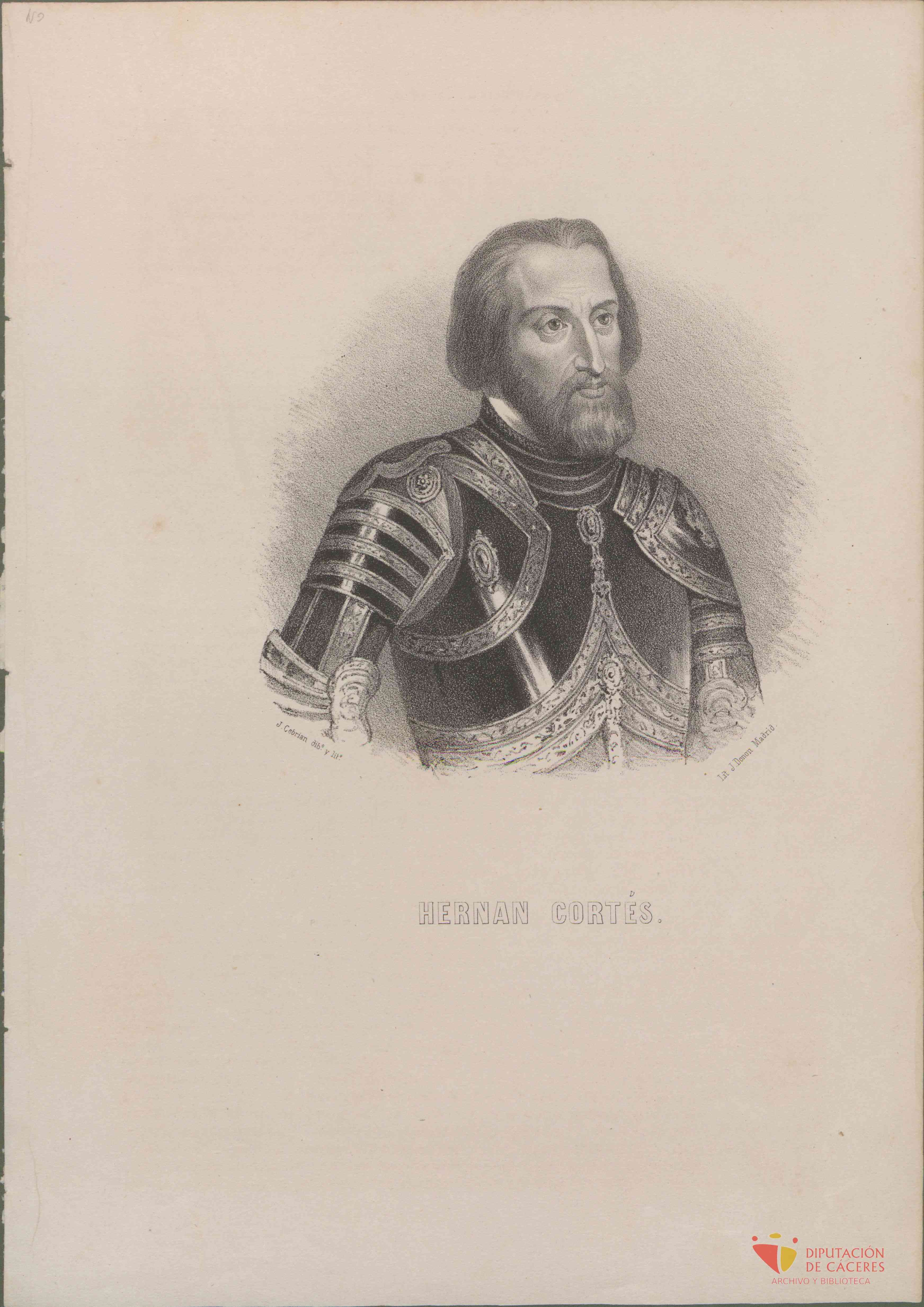
Engraving of Hernán Cortés
José Cebrián García · 1870
 Book
Secondary source
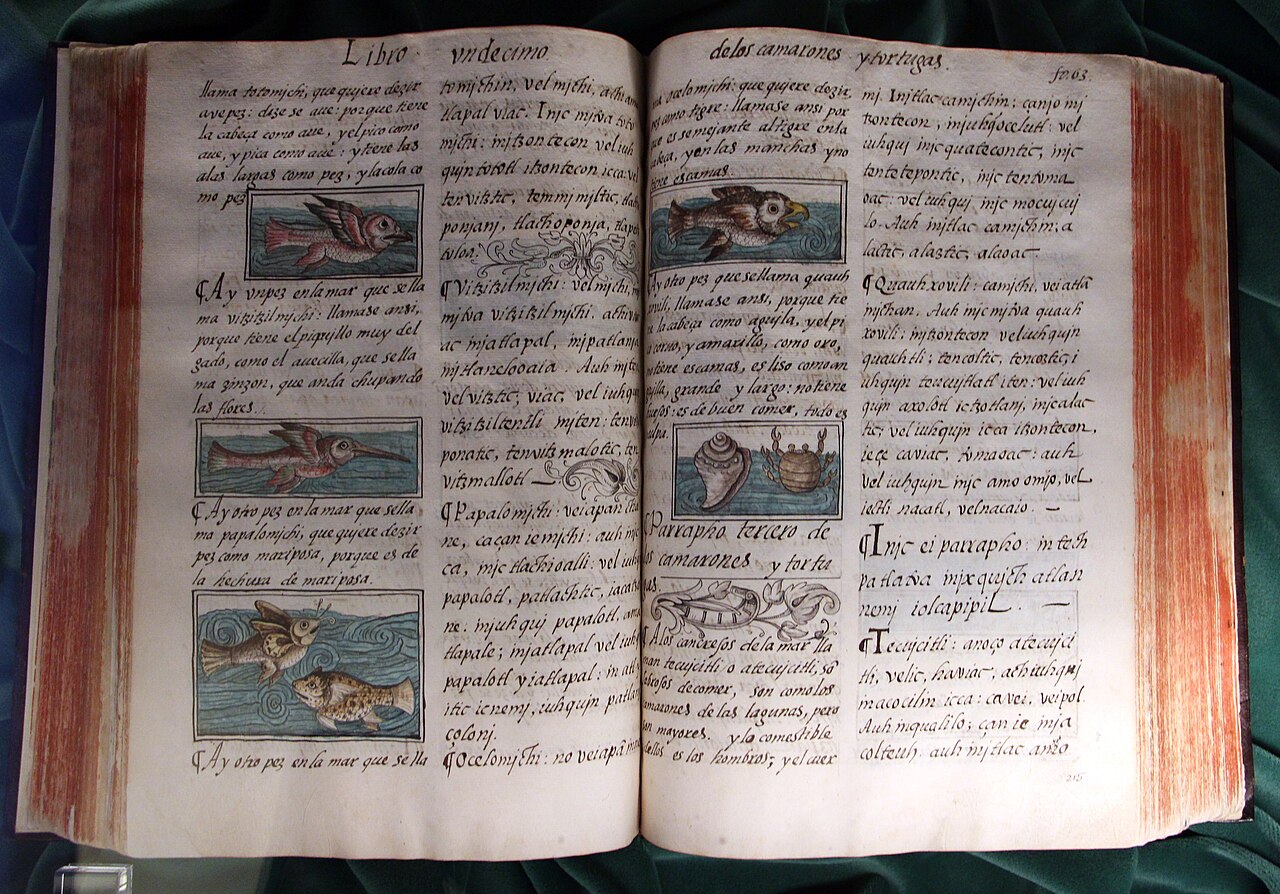
Florentine Codex
Bernardino de Sahagún with Nahua collaborators · 1569
 Painting
Secondary source
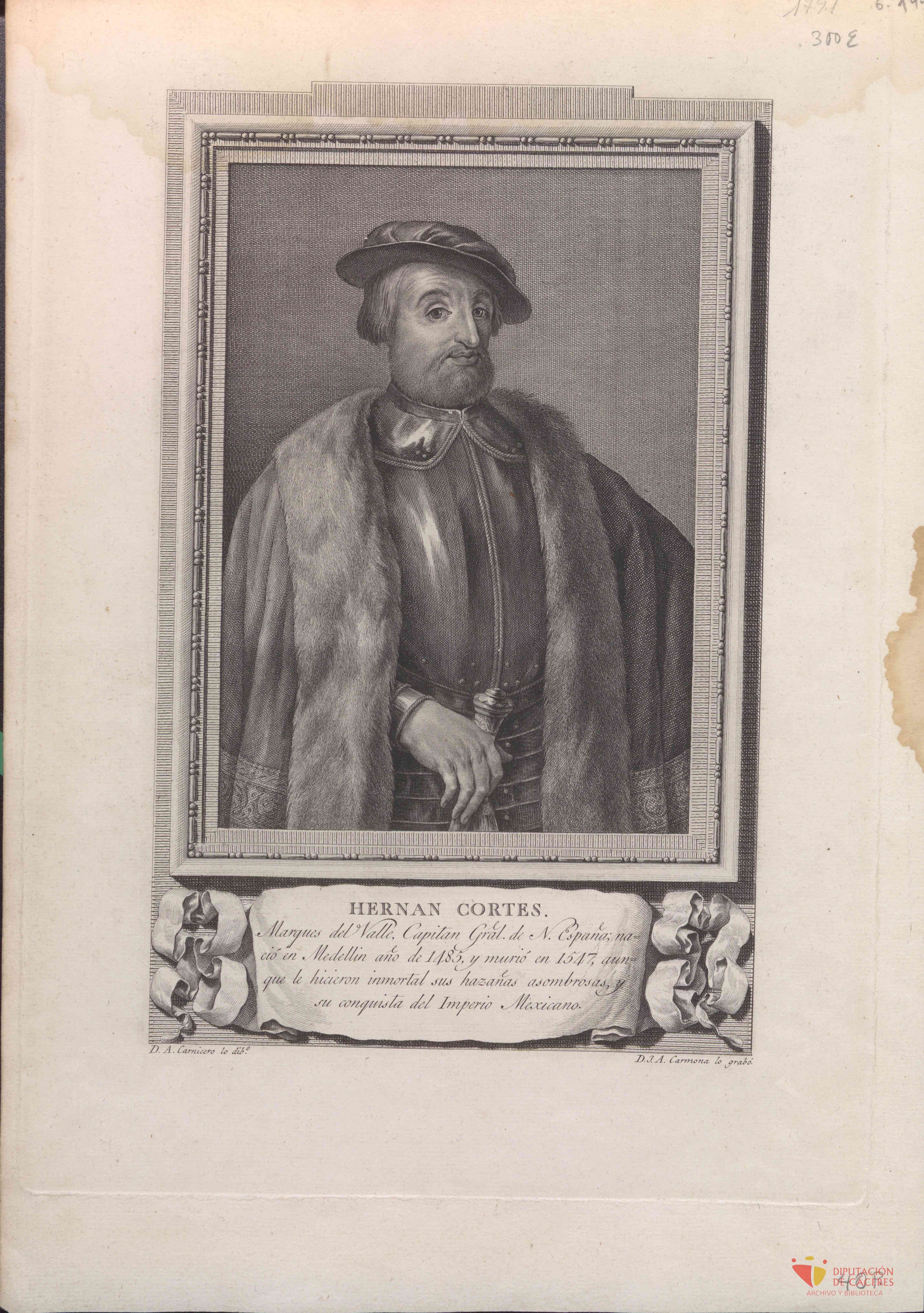
Engraving of Hernán Cortés after Juan Antonio Salvador Carmona
Antonio Carnicero Mancio, after Juan Antonio Salvador Carmona · 1805
Ready when you are
Start chatting with Hernán Cortés now.
20 messages free · No credit card · Available in 50+ languages.