


Secondary sourceDocument16th century
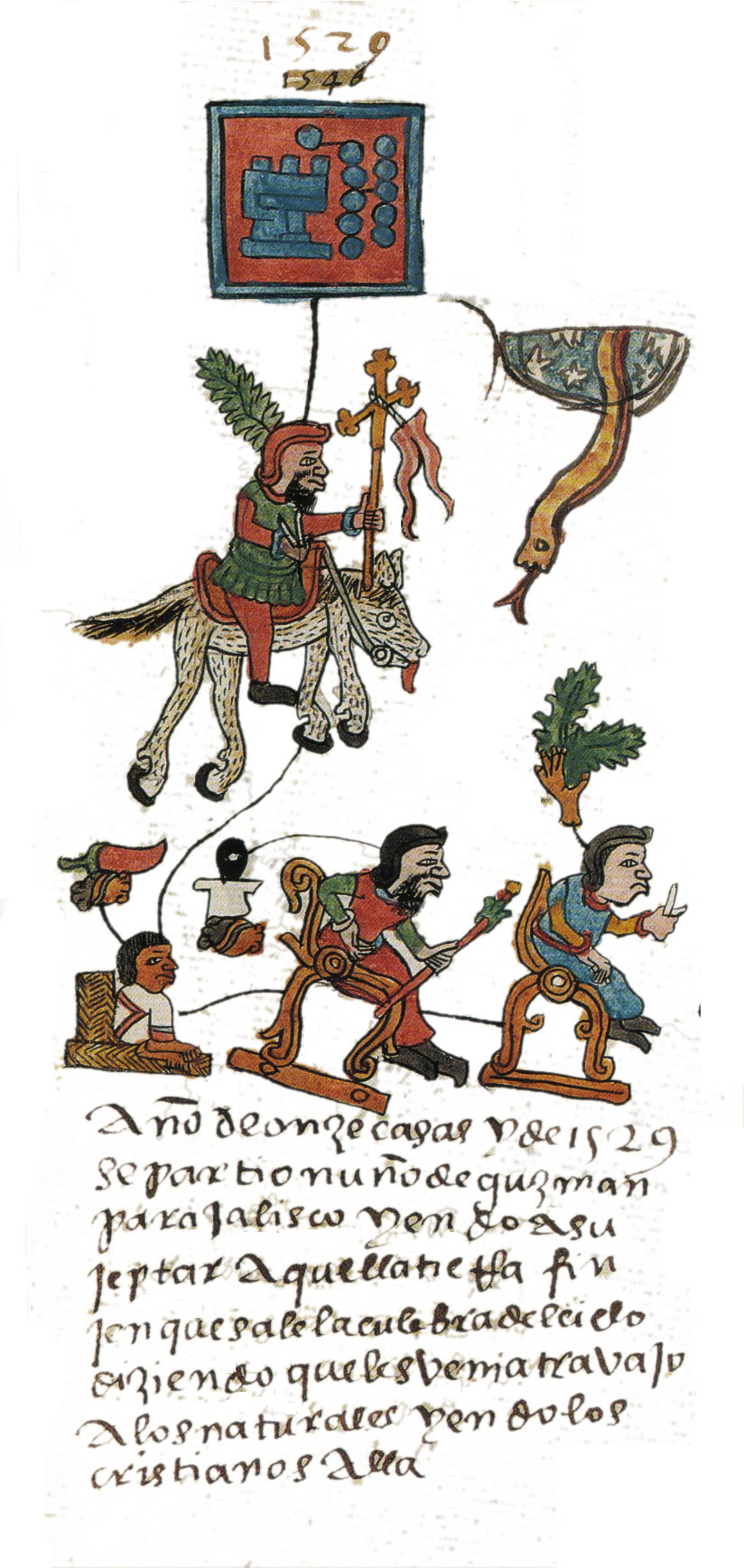
Codex Telleriano-Remensis
16th century
An Aztec pictorial manuscript recording events of Moctezuma II's reign, including omens, eclipses, and the arrival of the Spaniards.
The codex's pictorial annals record events from Moctezuma II's reign, including omens and the Spanish arrival.
About this source
What it is
The Codex Telleriano-Remensis is a sixteenth-century Aztec manuscript painted on European paper, now held at the Bibliothèque nationale de France. It combines calendar sections with a pictorial history recording rulers' reigns, battles, earthquakes, and eclipses from the fourteenth century into early colonial Mexico.
Why it matters
Its historical section records events from Moctezuma II's reign, such as the 1507 New Fire ceremony and omens later linked to the Spanish conquest. The codex shows how Aztec scribes recorded time, nature, and politics together, and it preserves some of the earliest written evidence of earthquakes in the Americas.
Look closer
- Why might omens and natural events like eclipses be recorded alongside political history?
- What does the mixture of pictures and later Spanish annotations tell you about who used this manuscript and when?
- What might be missing from an account written partly after the conquest?
This document is part of the curated material that grounds the AI version of Montezuma II and Hernán Cortés on Humy.ai — when students ask about related events, the AI can quote it and cite it.
More Montezuma II sources
Meet the AI Montezuma II →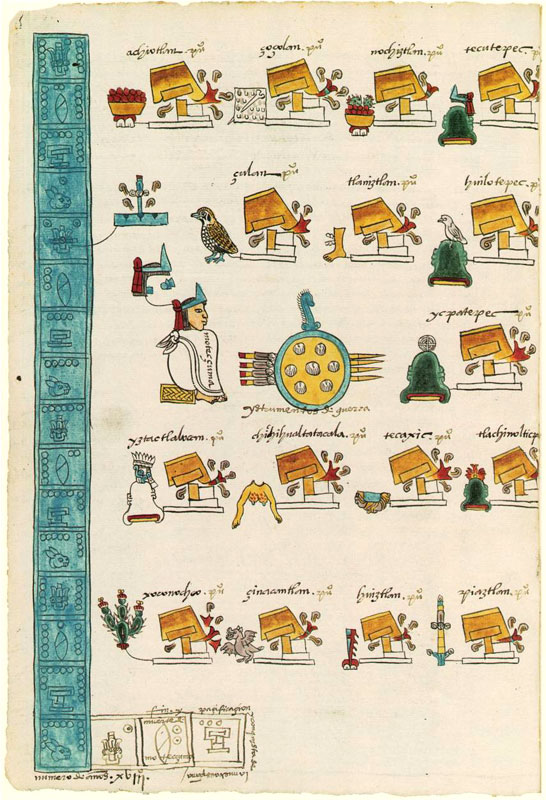 Document
Secondary source
Codex Mendoza, Folio 15v
Unknown author · 16th century
 Painting
Secondary source
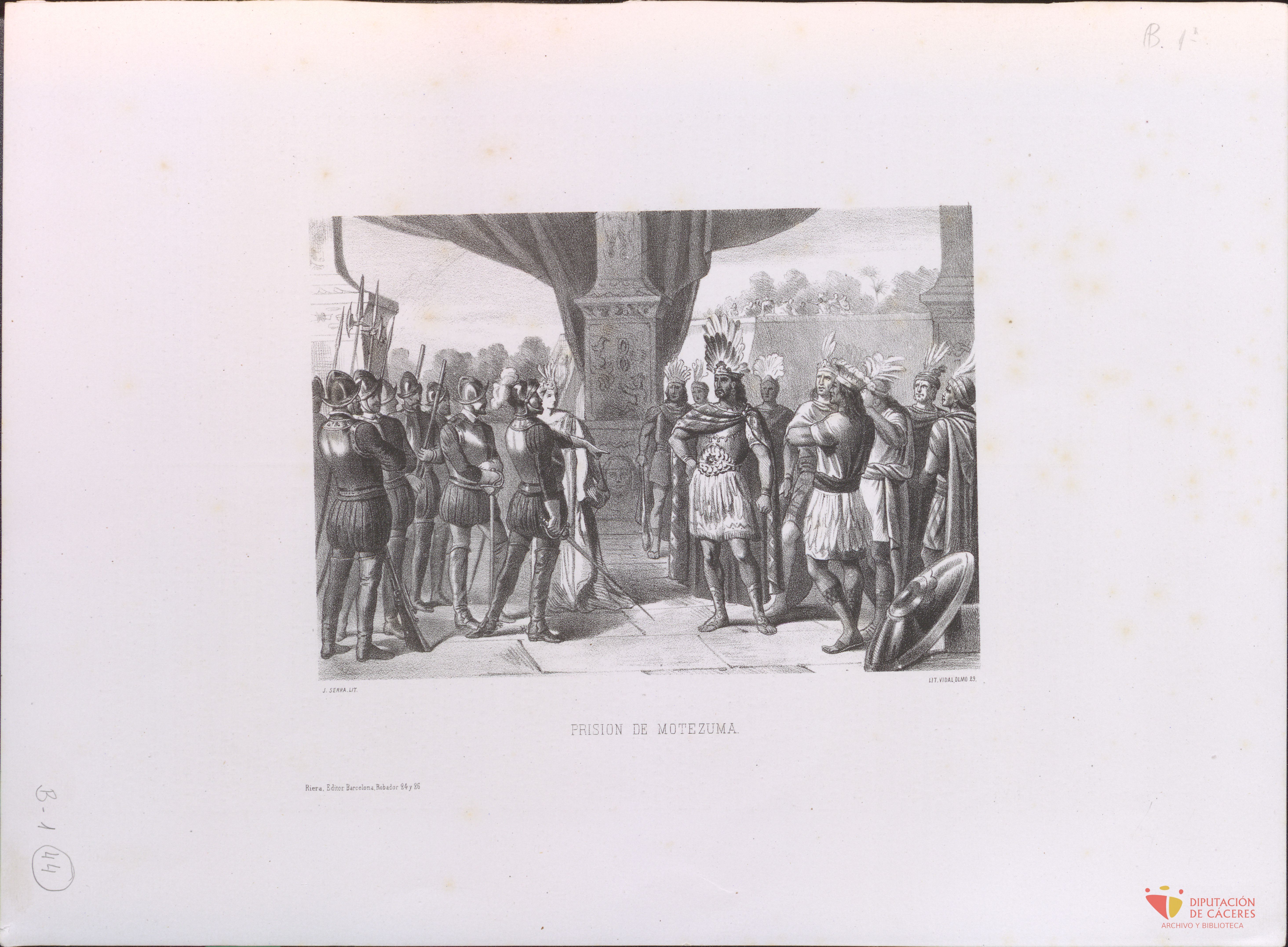
Prisión del emperador Moctezuma
Rafael del Castillo de la Cuesta · 1880
 Book
Secondary source
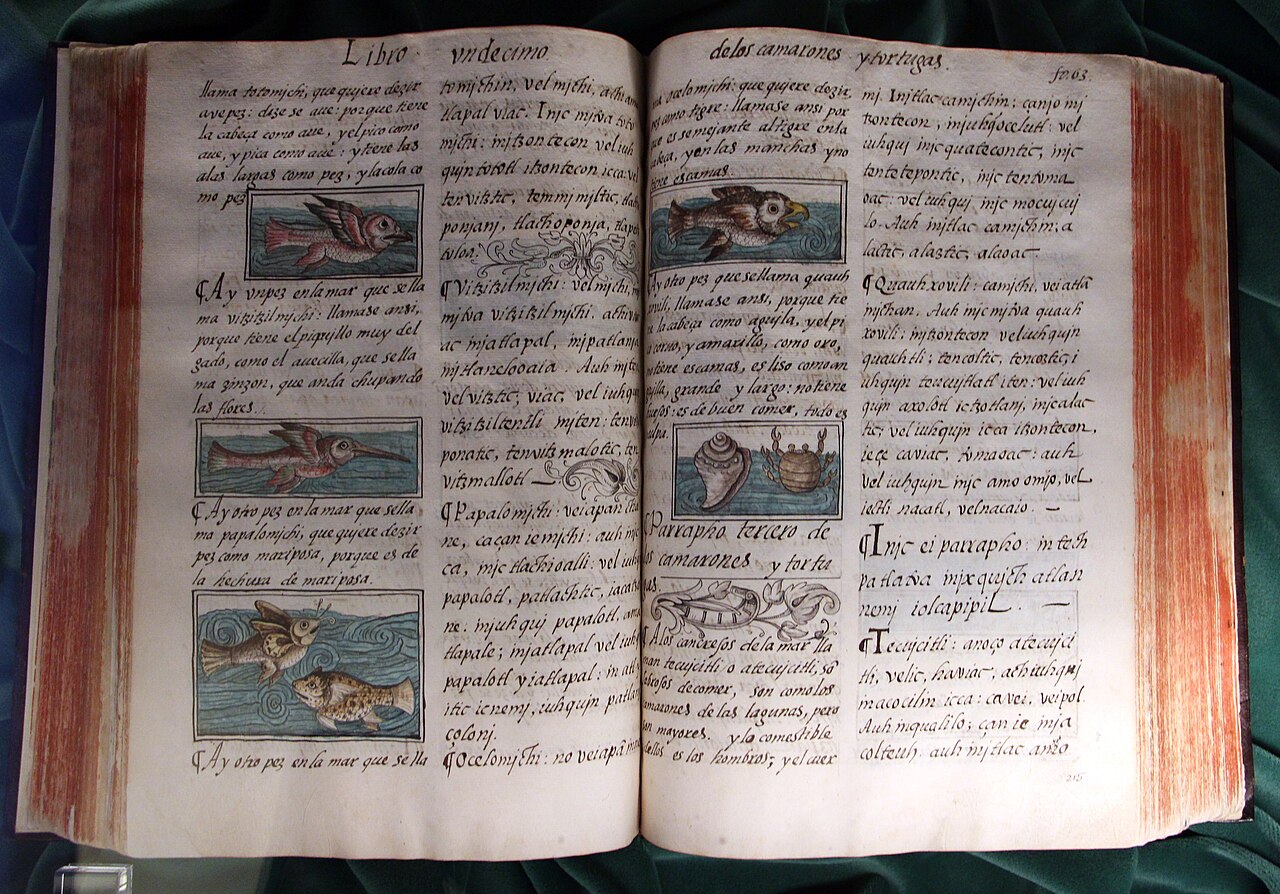
Florentine Codex
Bernardino de Sahagún with Nahua collaborators · 1569
 Painting
Secondary source
Hernán Cortés takes Moctezuma prisoner
Louis Auguste Turgis · 1895
 Letter
Primary source
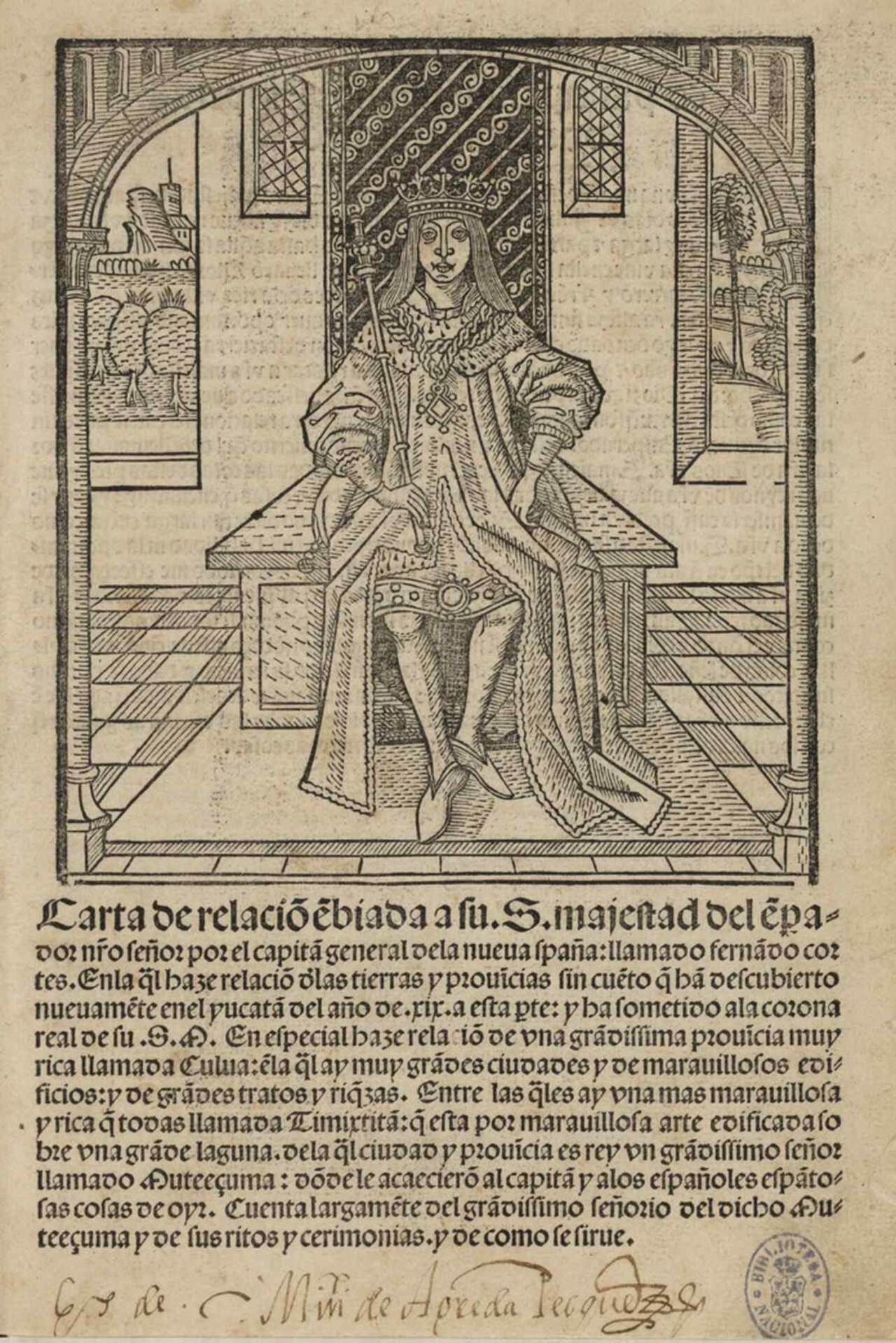
Second Letter to Charles V
Hernán Cortés · 1520 (printed 1522)
Ready when you are
Start chatting with Montezuma II now.
20 messages free · No credit card · Available in 50+ languages.