


Secondary sourceDocument16th century
Codex Azcatitlan
16th century
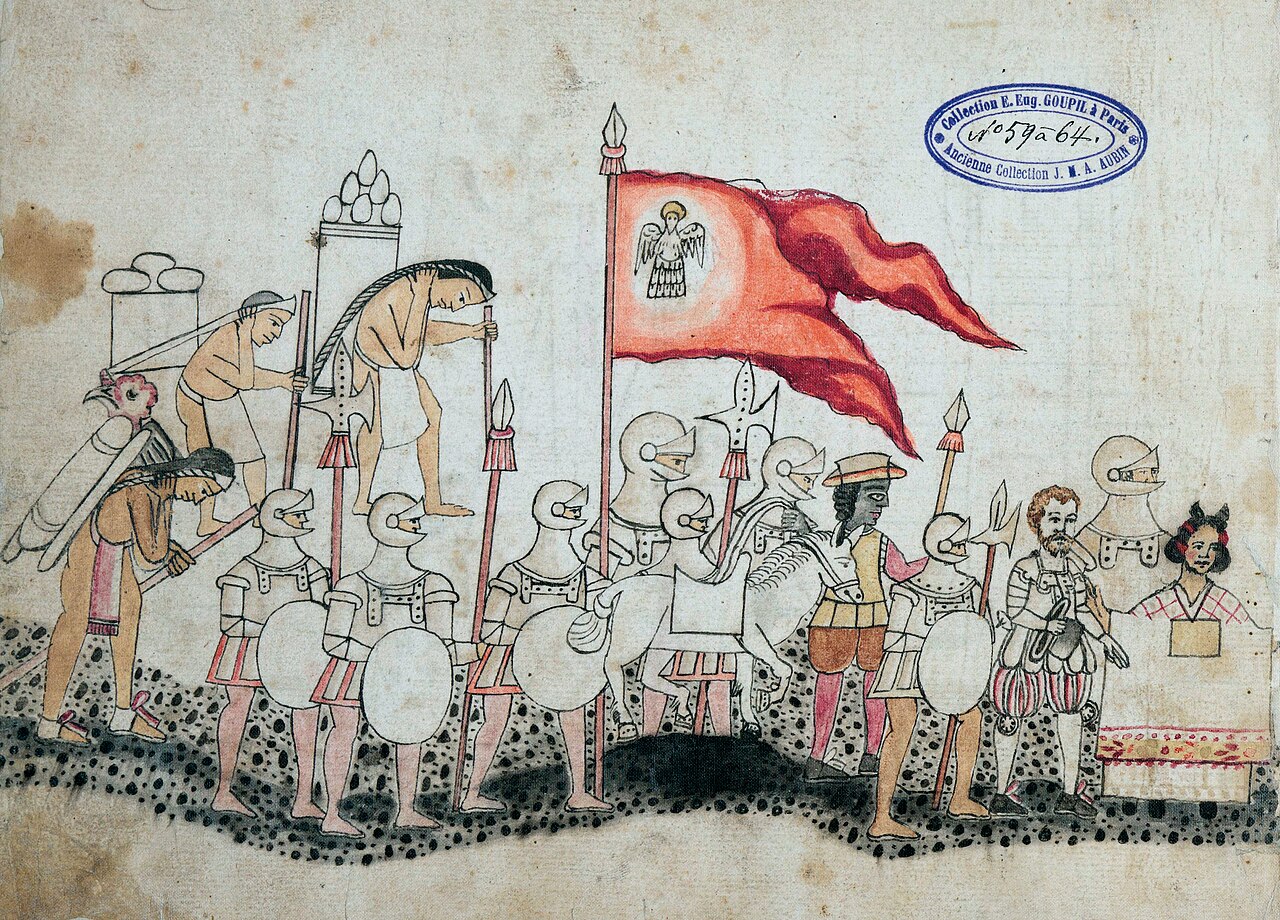
An Aztec pictorial history whose final pages depict Moctezuma II's reign, the arrival of the Spanish, and the massacre at the Templo Mayor.
The codex's final pages depict Moctezuma II's reign and the Spanish conquest that ended it.
About this source
What it is
The Codex Azcatitlan is an Aztec pictorial manuscript made of European paper, likely created in the second half of the sixteenth century by two Indigenous artists, a master and an apprentice. It is held today at the Bibliothèque nationale de France.
Why it matters
The codex narrates Mexica history from their migration out of Aztlán through to events after the Spanish conquest, with its final pages covering Moctezuma II's reign, the arrival of Spanish forces, and the massacre at the Templo Mayor. It blends Mesoamerican painting traditions with European artistic techniques, reflecting the mixed world its creators lived in after the conquest.
Look closer
- What European artistic techniques can you spot mixed with traditional Mesoamerican style?
- Why might two different artists, a master and an apprentice, have worked on this manuscript?
- What does the depiction of Spanish soldiers suggest about how the artists viewed the conquest?
This document is part of the curated material that grounds the AI version of Montezuma II and Hernán Cortés on Humy.ai — when students ask about related events, the AI can quote it and cite it.
More Montezuma II sources
Meet the AI Montezuma II →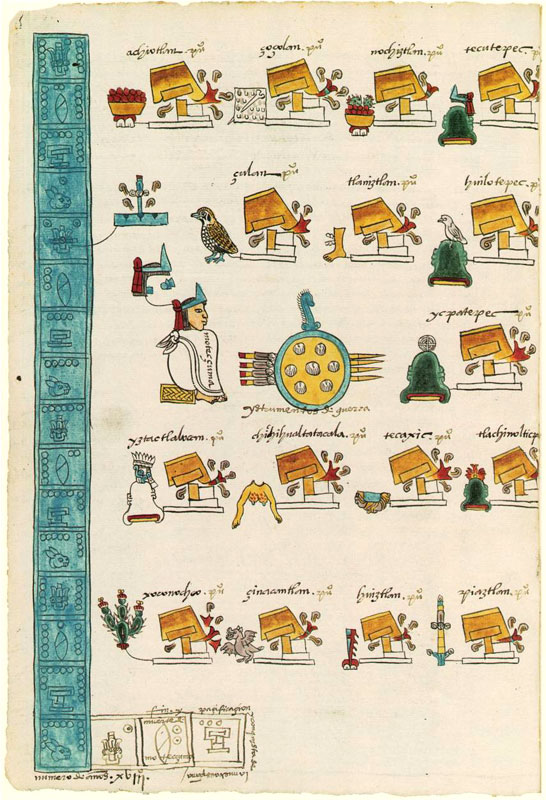 Document
Secondary source
Codex Mendoza, Folio 15v
Unknown author · 16th century
 Painting
Secondary source
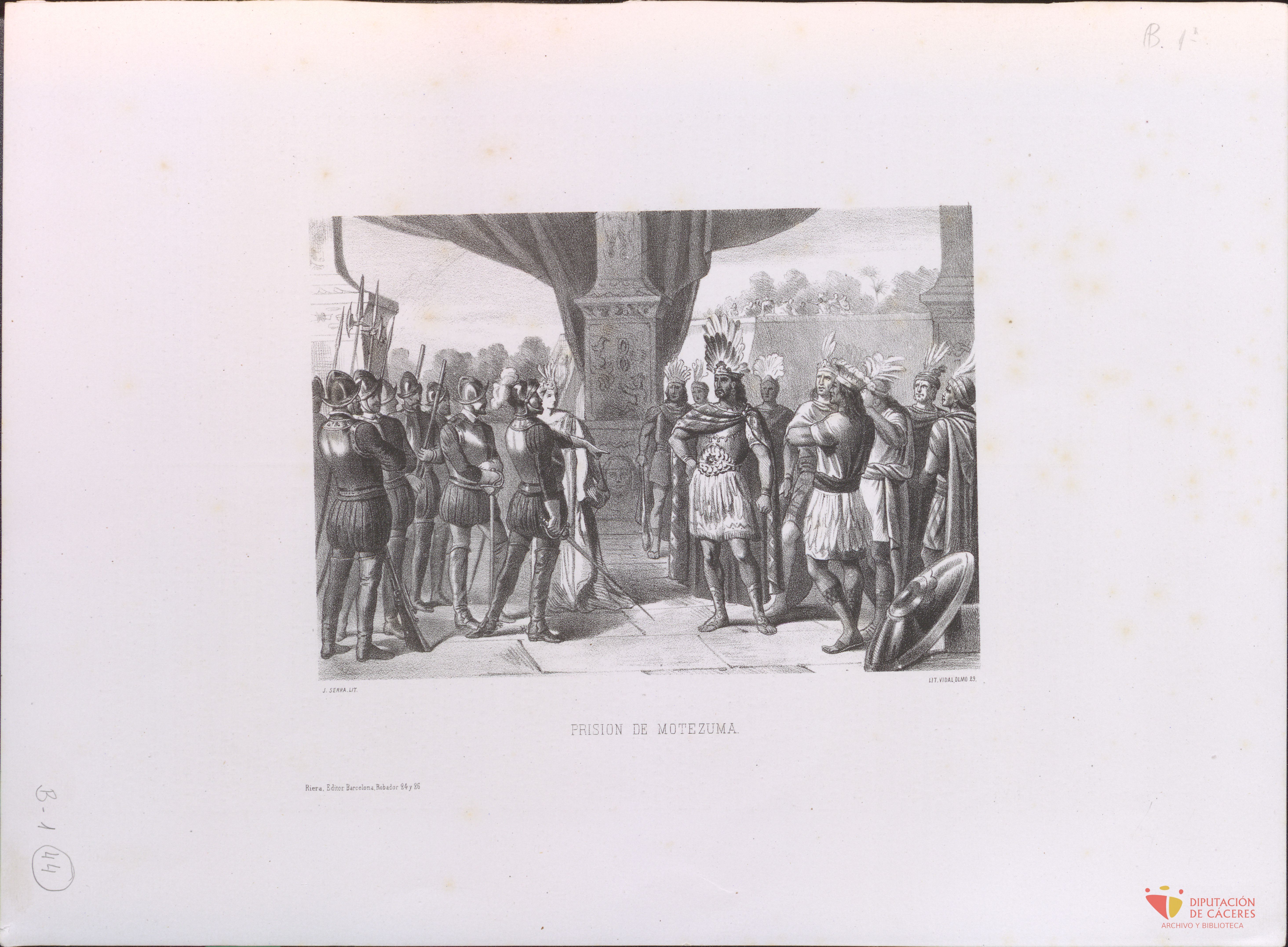
Prisión del emperador Moctezuma
Rafael del Castillo de la Cuesta · 1880
 Book
Secondary source
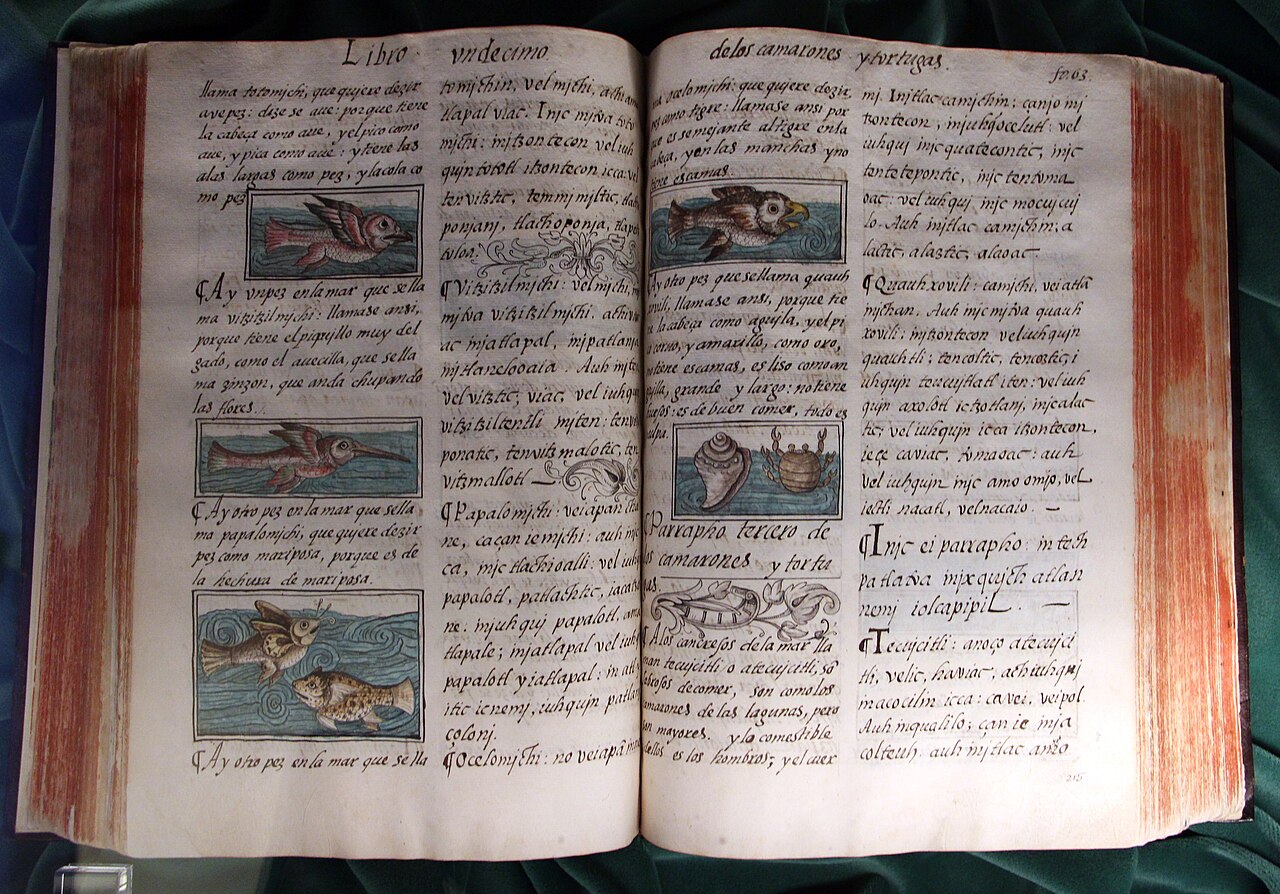
Florentine Codex
Bernardino de Sahagún with Nahua collaborators · 1569
 Painting
Secondary source
Hernán Cortés takes Moctezuma prisoner
Louis Auguste Turgis · 1895
 Letter
Primary source
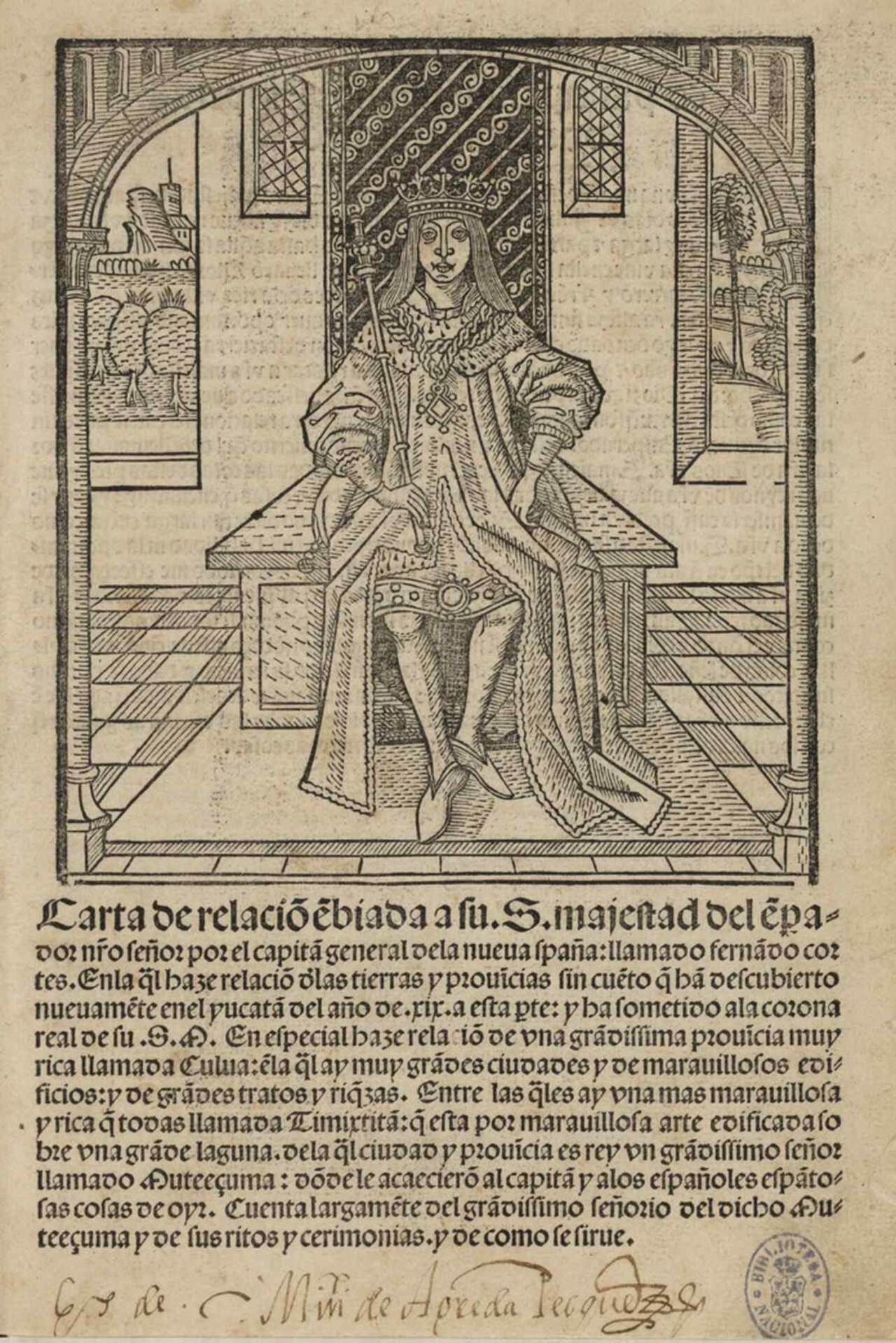
Second Letter to Charles V
Hernán Cortés · 1520 (printed 1522)
Ready when you are
Start chatting with Montezuma II now.
20 messages free · No credit card · Available in 50+ languages.