


Secondary sourcePainting1610
Hernan Cortez (after Titian)
Peter Paul Rubens · 1610
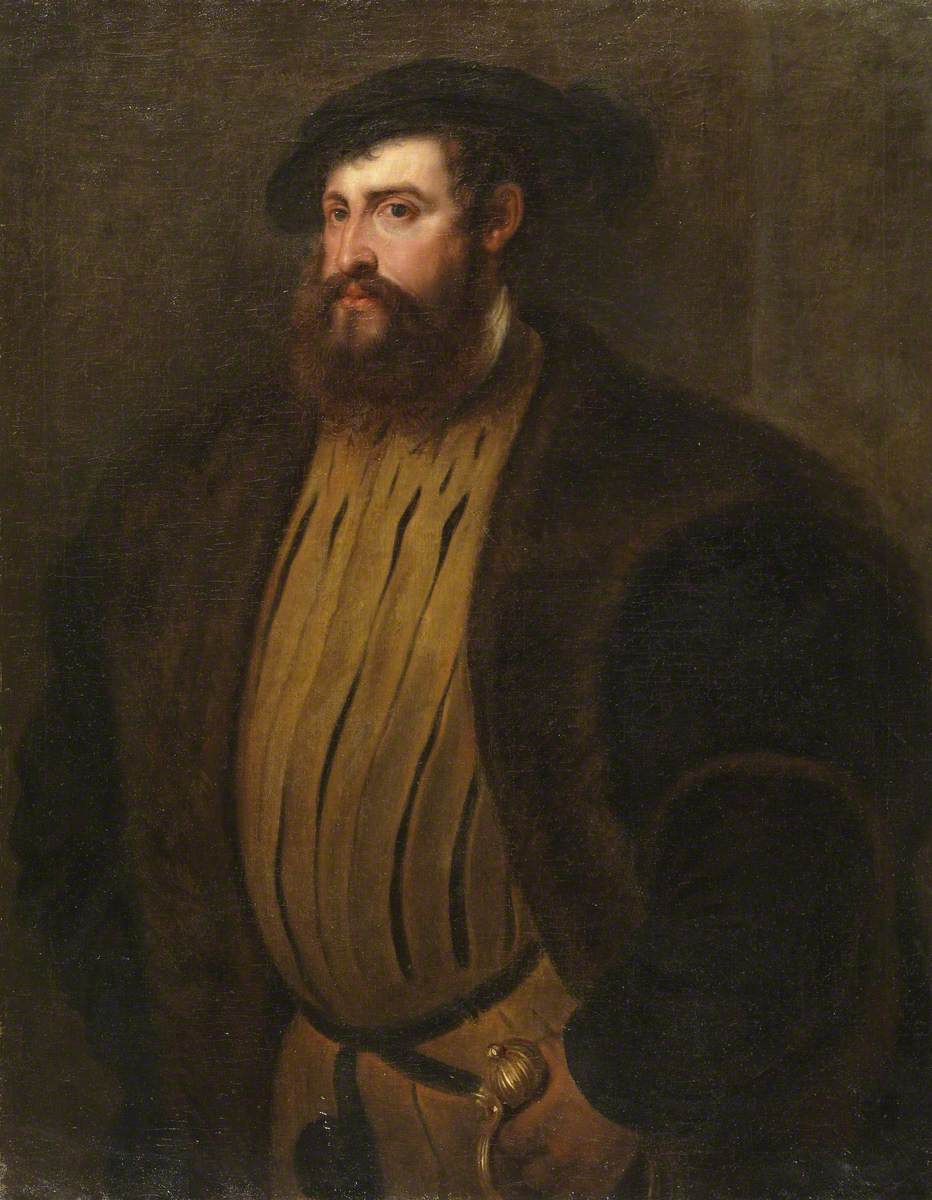
A 1610 portrait by Peter Paul Rubens, copied from a lost Titian-type original, traditionally said to show Cortés.
A traditional, though uncertain, portrait identification of Cortés, showing how Europe pictured him after his death.
About this source
What it is
This oil painting was made in 1610 by the Flemish artist Peter Paul Rubens as a copy of a lost portrait attributed to the Titian tradition. It is held today at the Courtauld Gallery in London. The man wears a dark hat, a fur-trimmed coat, a gold doublet, and a sword.
Why it matters
The identification of the sitter as Cortés is traditional but uncertain, which makes this a useful case for thinking about how historical images can be misattributed or guessed at over time. If genuine, it shows how Europeans imagined the appearance of a famous conquistador decades after his death.
Look closer
- What clues in the clothing or pose might have led people to think this is Cortés?
- Why is it important for historians to question whether a portrait's subject is correctly identified?
- What does the uncertainty around this painting teach about trusting images as historical evidence?
This painting is part of the curated material that grounds the AI version of Hernán Cortés on Humy.ai — when students ask about related events, the AI can quote it and cite it.
More Hernán Cortés sources
Meet the AI Hernán Cortés →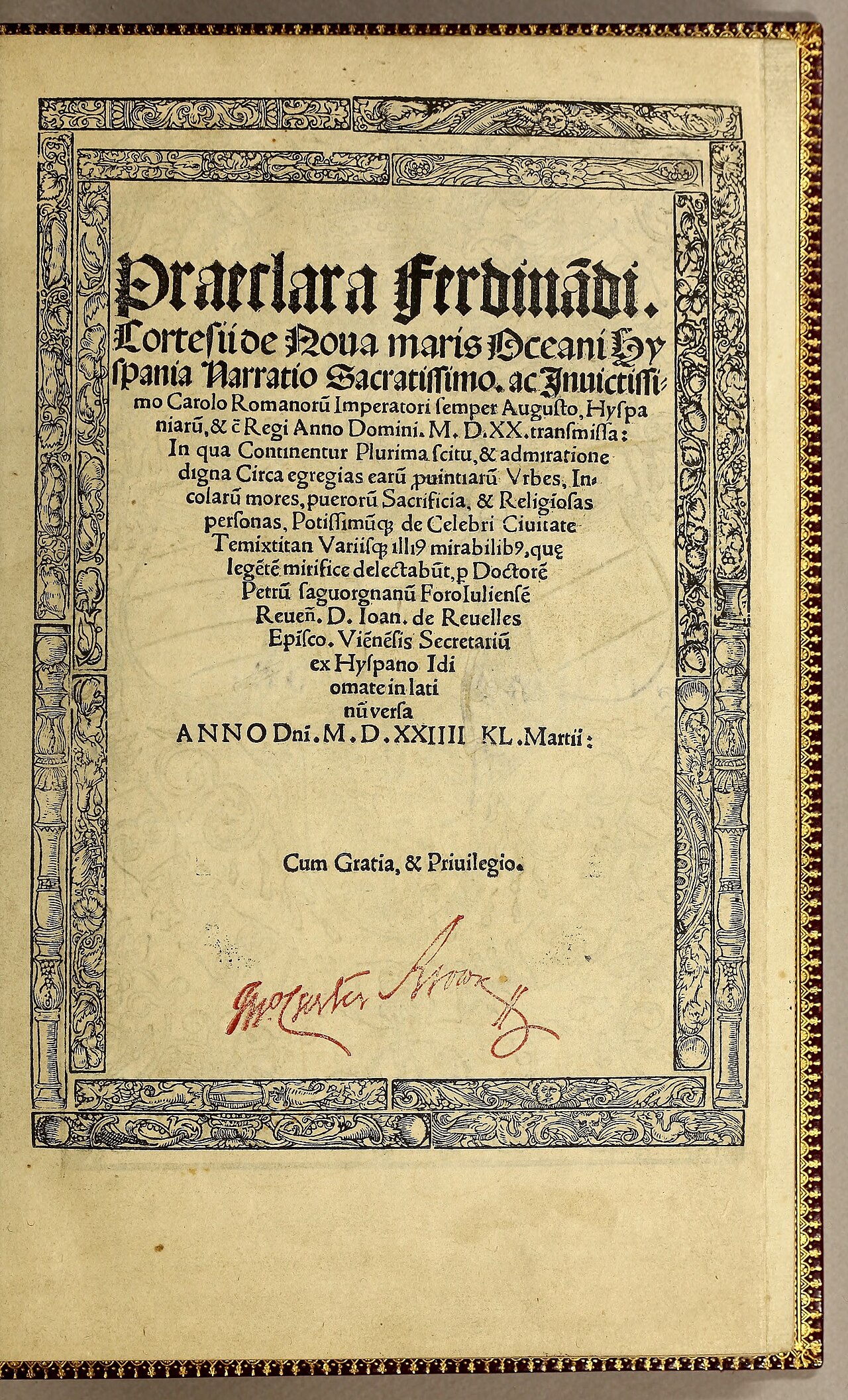 Letter
Primary source
Letters from Hernán Cortés to Charles V
Hernán Cortés · 1520 (printed 1524)
 Document
Primary source
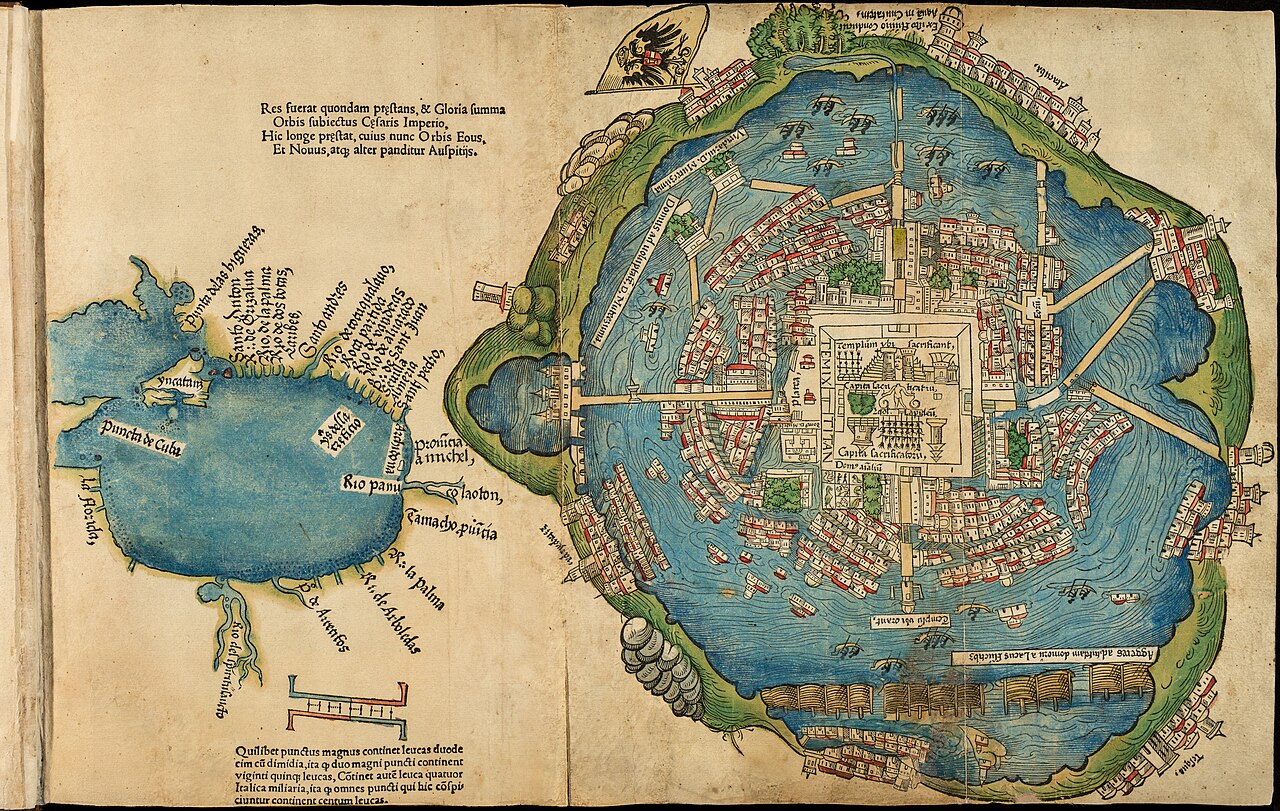
1524 Nuremberg Map of Tenochtitlan
Unknown engraver, published by Friedrich Peypus · 1524
 Painting
Secondary source
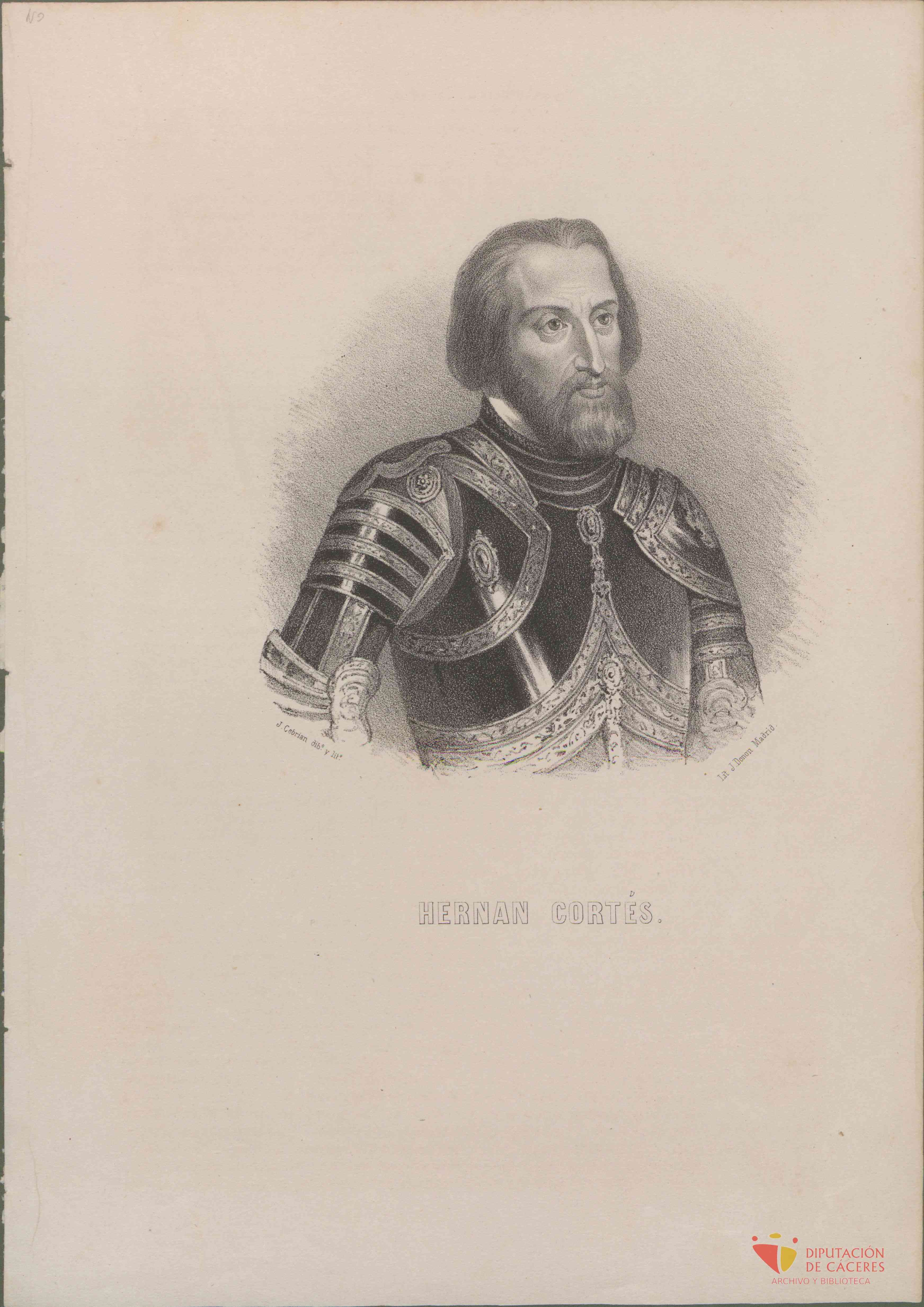
Engraving of Hernán Cortés
José Cebrián García · 1870
 Book
Secondary source
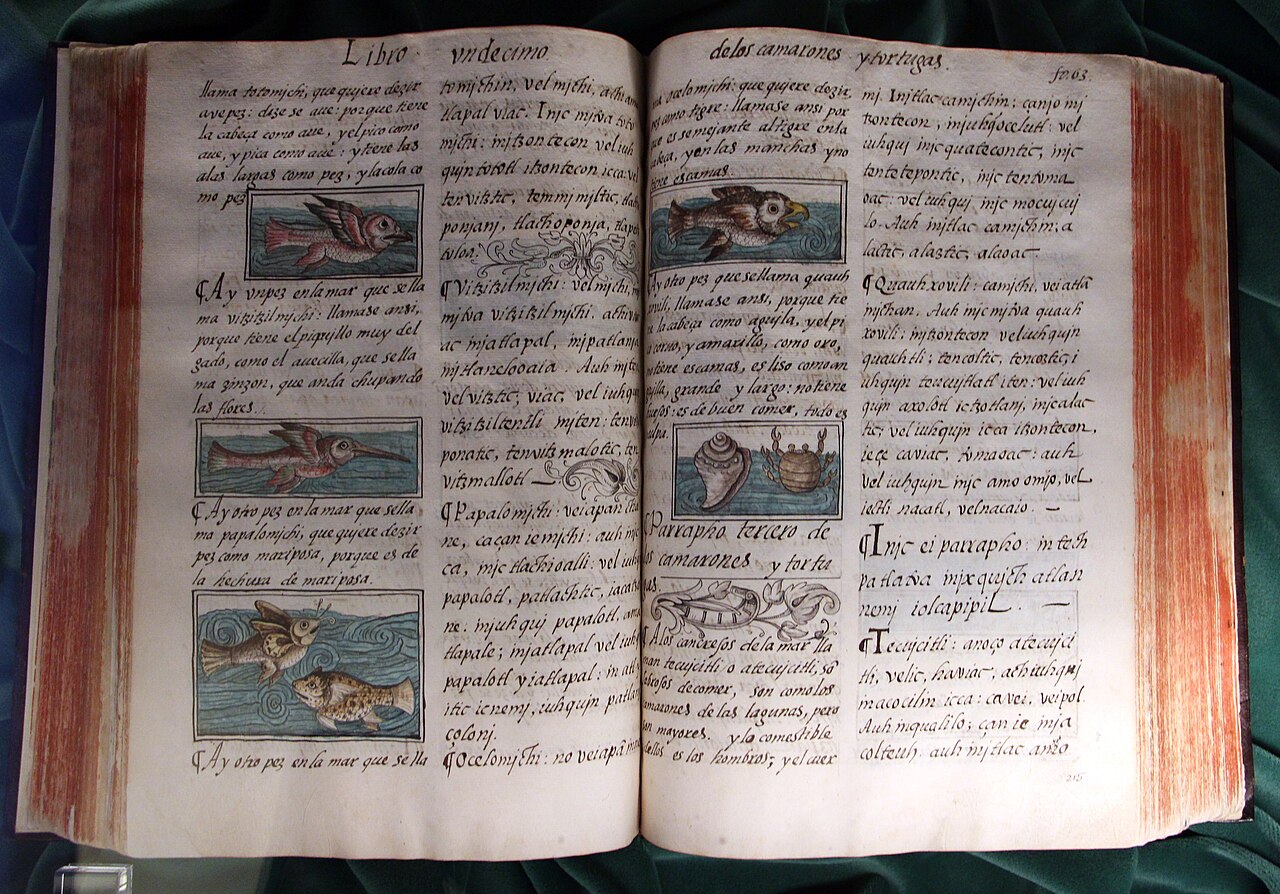
Florentine Codex
Bernardino de Sahagún with Nahua collaborators · 1569
 Painting
Secondary source
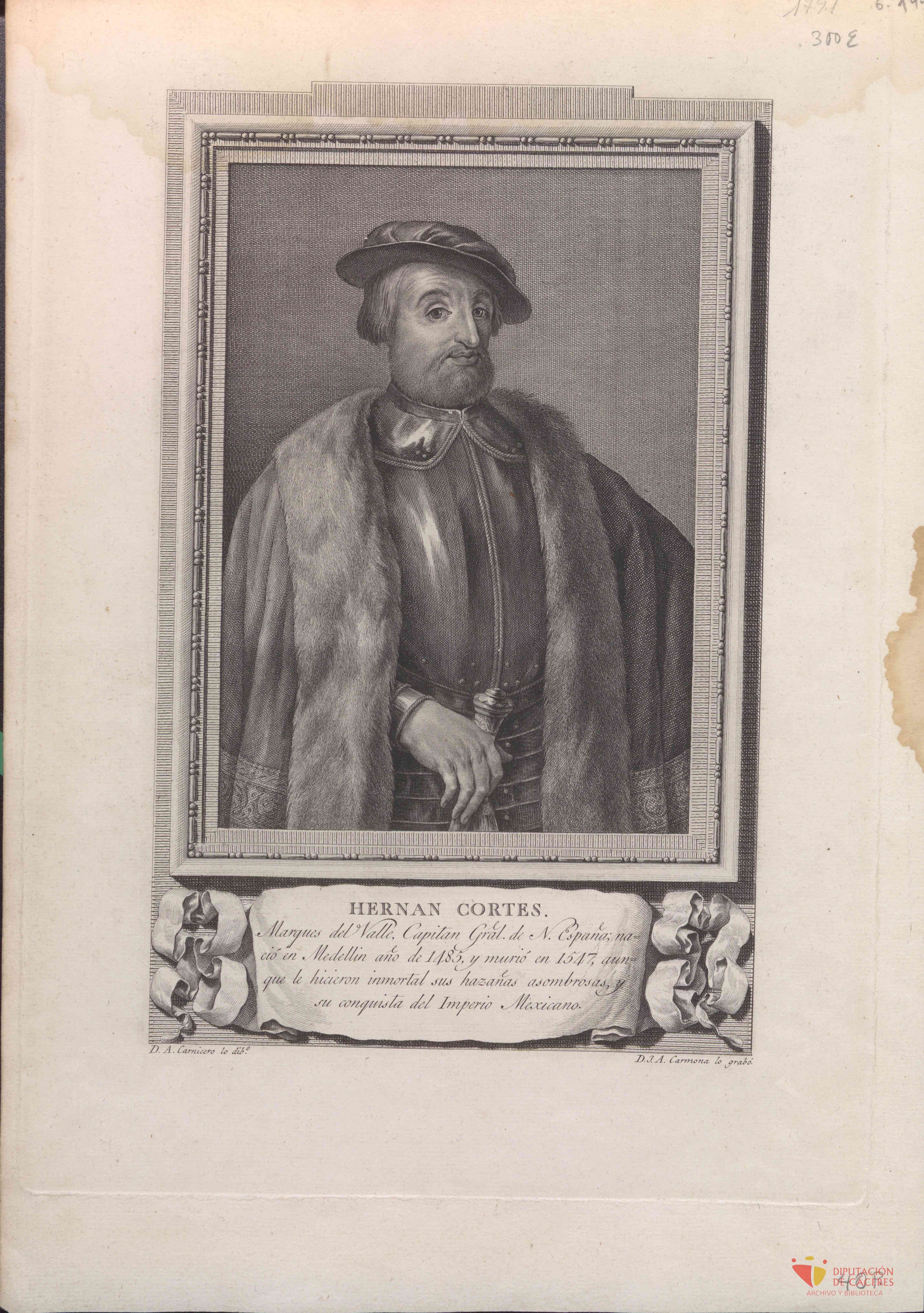
Engraving of Hernán Cortés after Juan Antonio Salvador Carmona
Antonio Carnicero Mancio, after Juan Antonio Salvador Carmona · 1805
Ready when you are
Start chatting with Hernán Cortés now.
20 messages free · No credit card · Available in 50+ languages.