


Secondary sourceArtifact
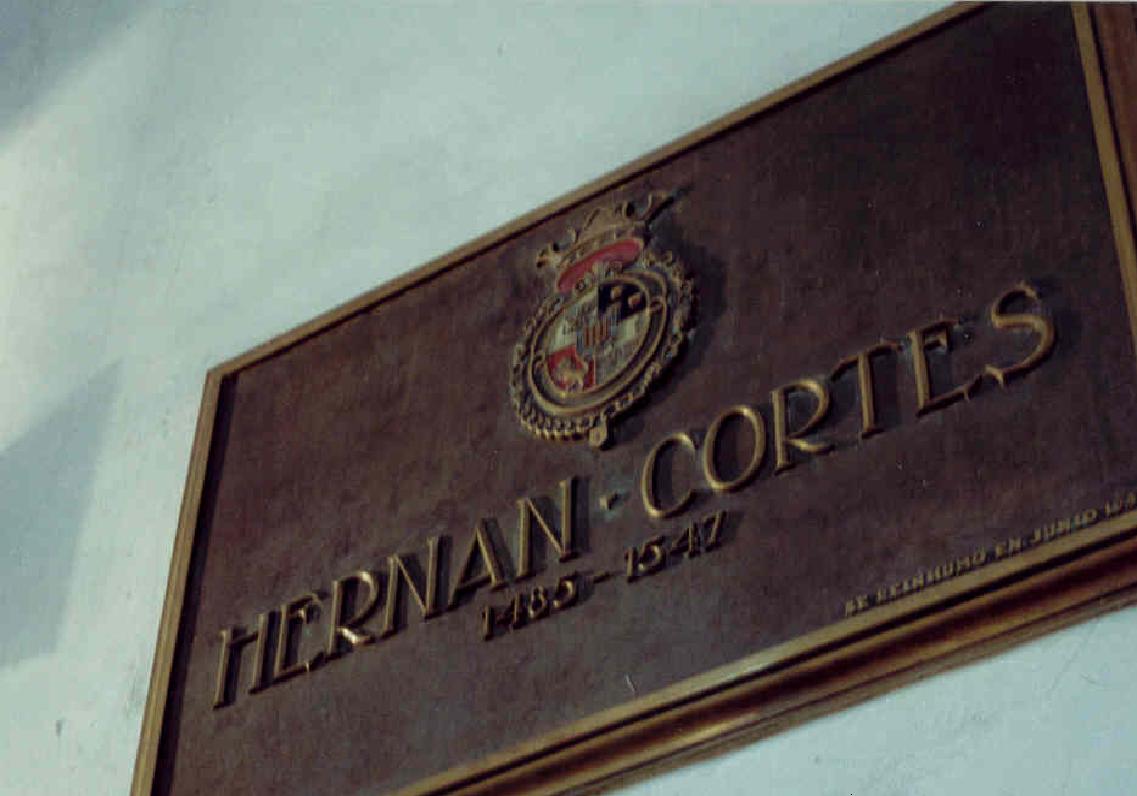
Grave of Hernán Cortés
The bronze plaque marking the hidden and later rediscovered tomb of Hernán Cortés in the Hospital de Jesús, which he founded.
This plaque marks the grave of Cortés himself, whose remains were hidden and rediscovered, reflecting his disputed memory in Mexico.
About this source
What it is
This photograph shows a bronze plaque in the church of the Hospital de Jesús in Mexico City, marking the final resting place of Hernán Cortés. The plaque bears his name and his birth and death dates.
Why it matters
Cortés's remains were moved many times after his death in Spain. Following Mexican independence, strong anti-Spanish feeling led to fears his tomb would be desecrated, so his bones were secretly hidden for over a century before being rediscovered in 1946. The plaque is a quiet record of this hidden, contested history.
Look closer
- Why might a conqueror's grave need to be hidden after independence?
- What does the plainness of the plaque suggest about how Mexico wanted to remember Cortés?
- Why do you think the remains were rediscovered and marked rather than left hidden?
This artifact is part of the curated material that grounds the AI version of Hernán Cortés on Humy.ai — when students ask about related events, the AI can quote it and cite it.
More Hernán Cortés sources
Meet the AI Hernán Cortés →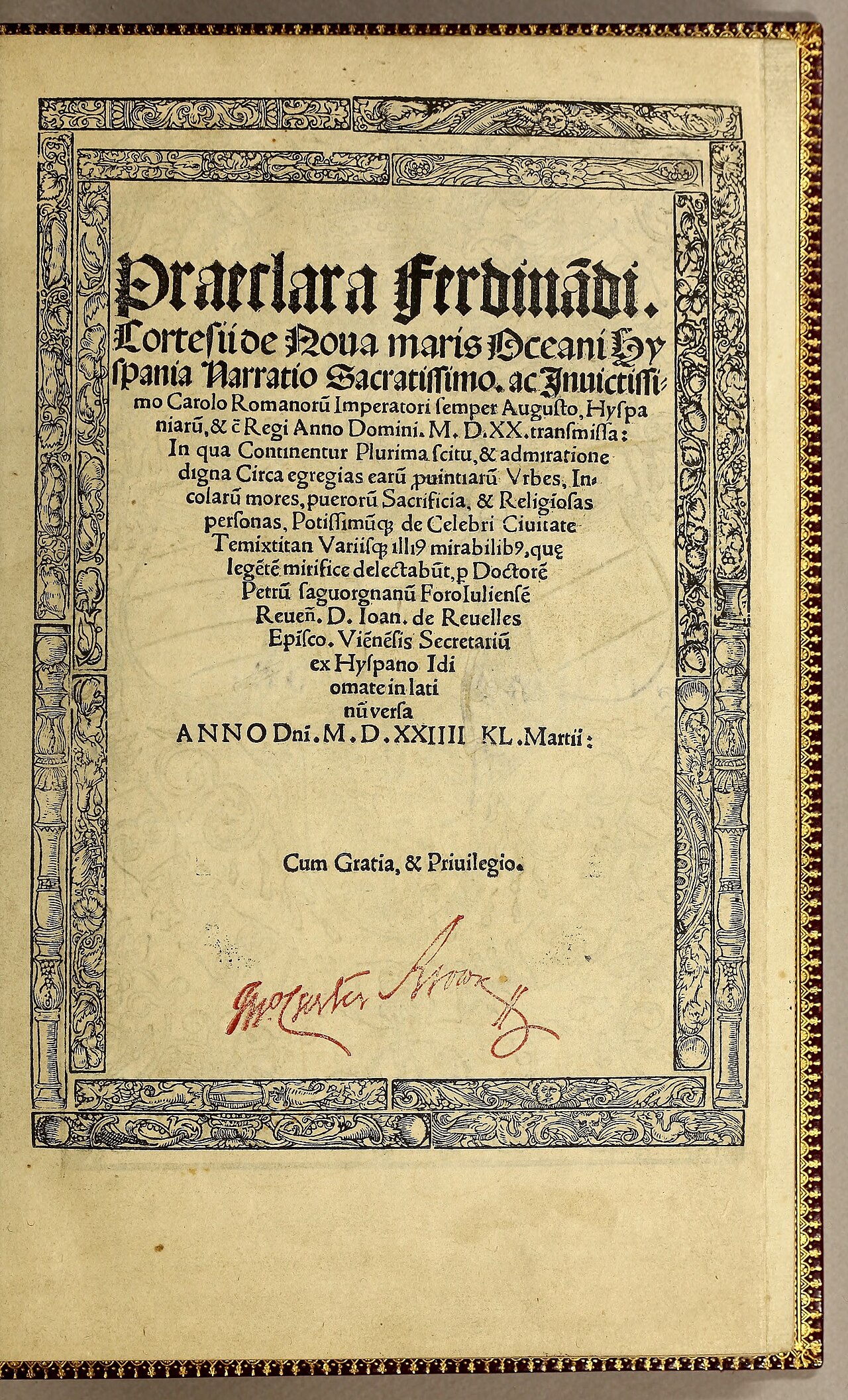 Letter
Primary source
Letters from Hernán Cortés to Charles V
Hernán Cortés · 1520 (printed 1524)
 Document
Primary source
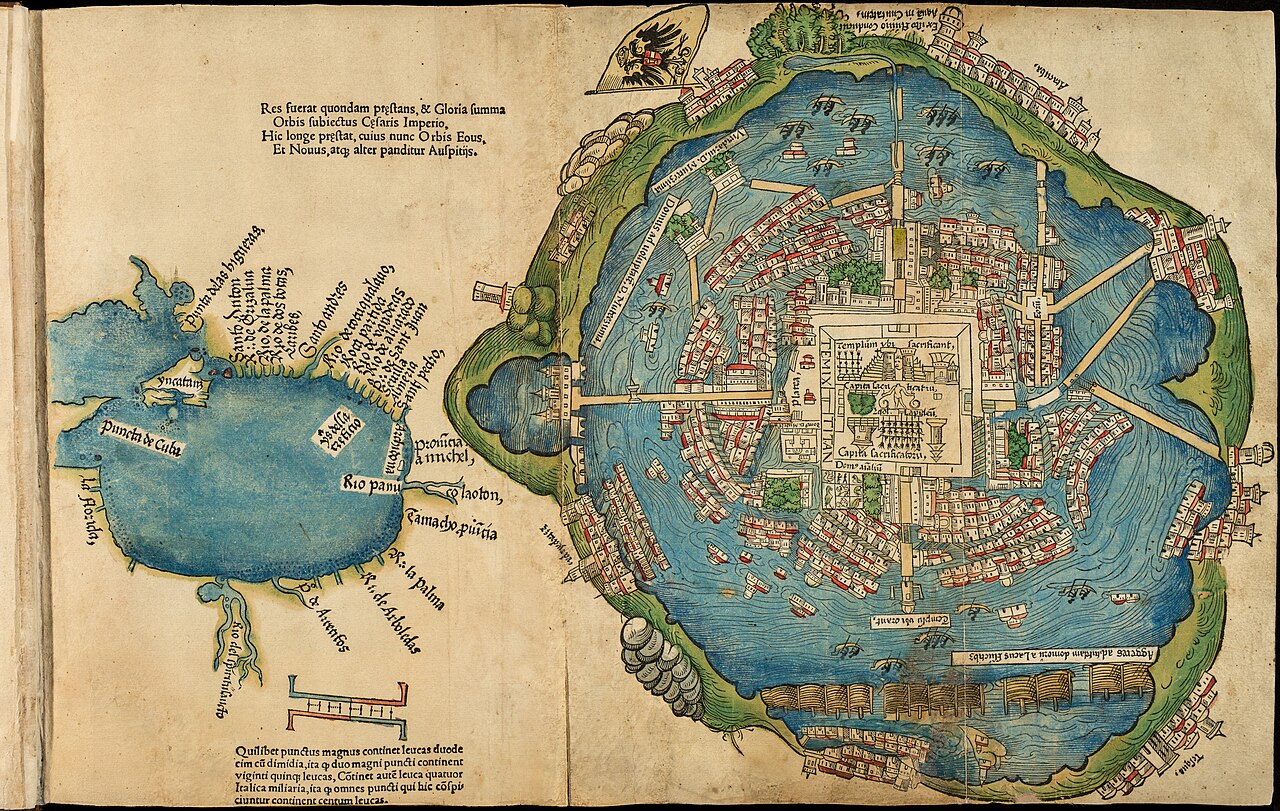
1524 Nuremberg Map of Tenochtitlan
Unknown engraver, published by Friedrich Peypus · 1524
 Painting
Secondary source
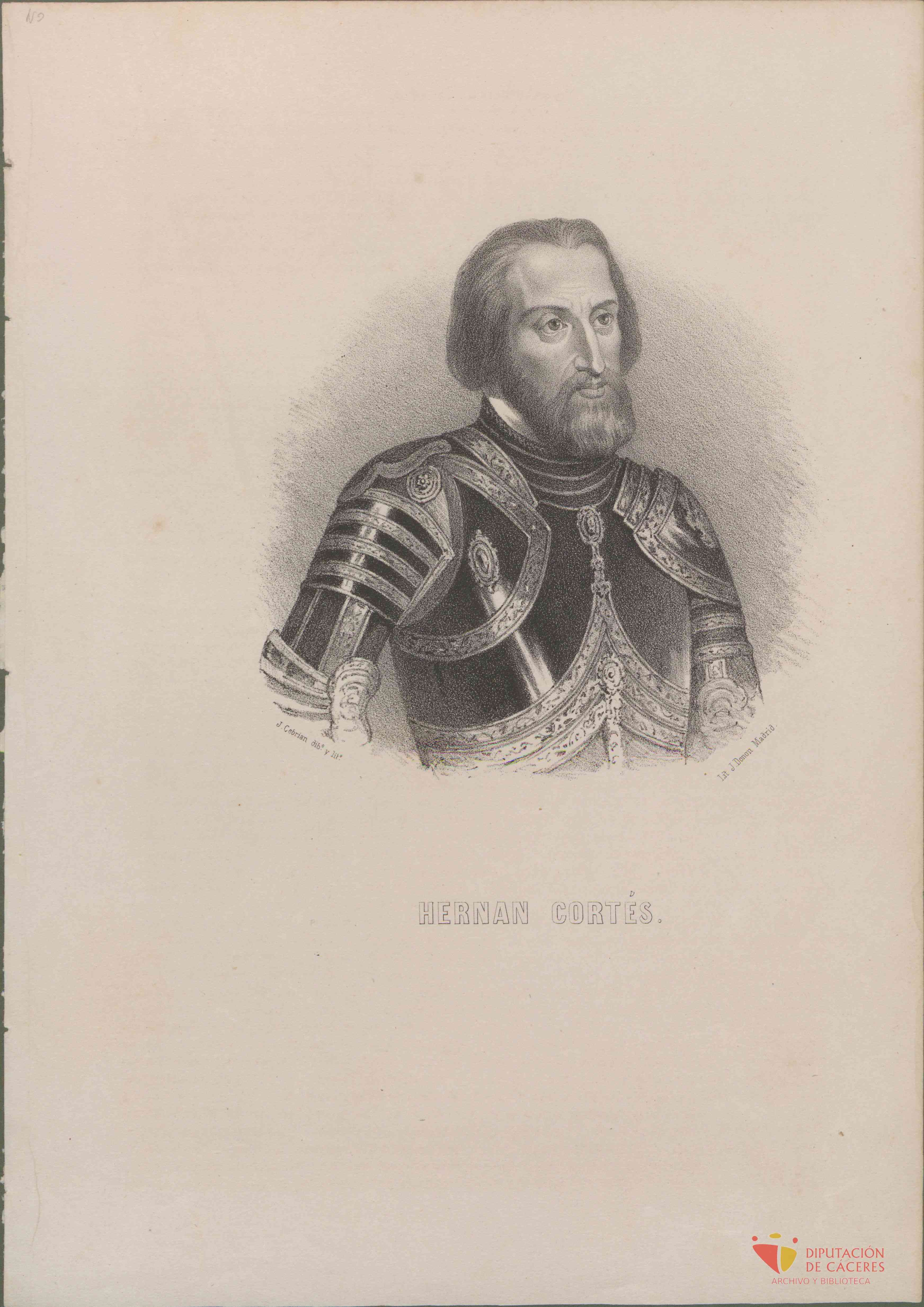
Engraving of Hernán Cortés
José Cebrián García · 1870
 Book
Secondary source
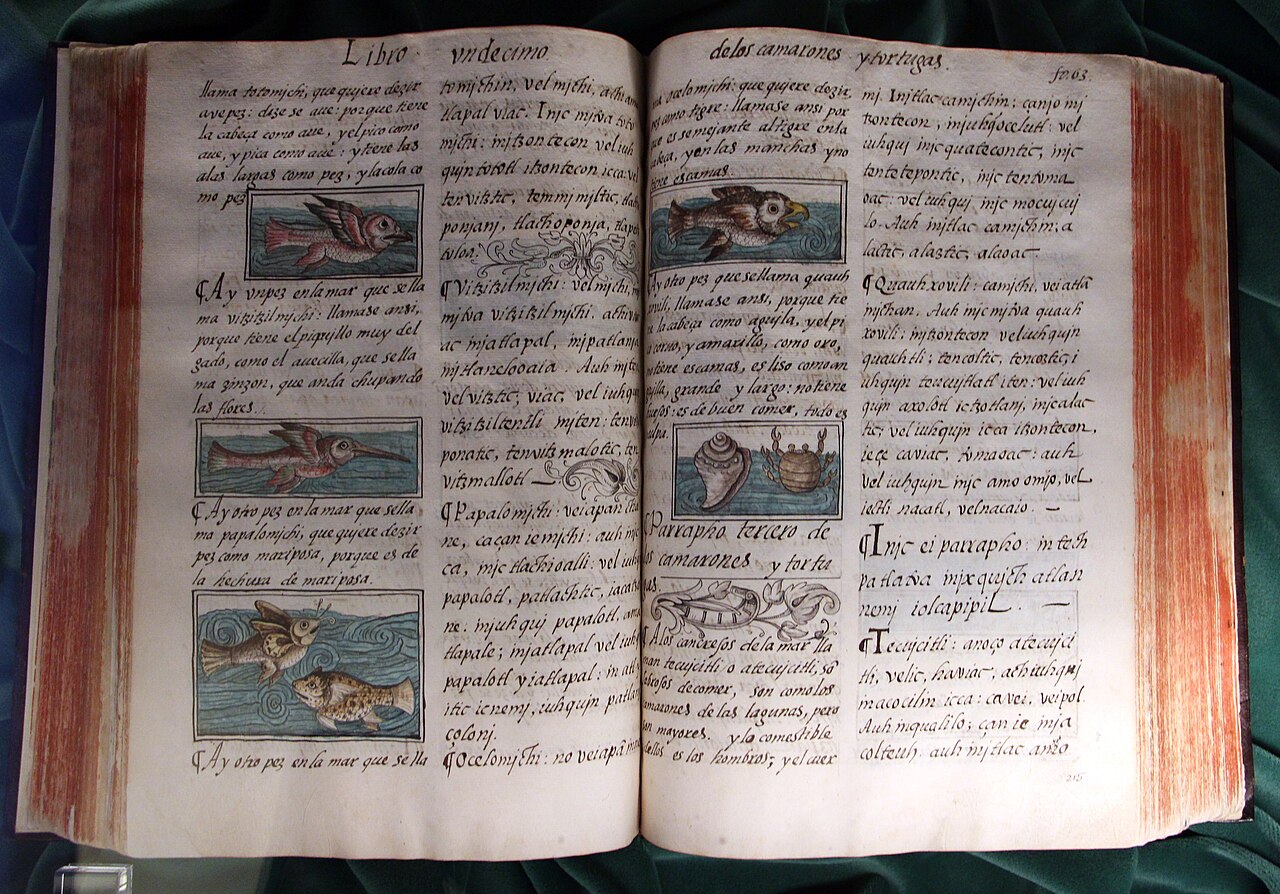
Florentine Codex
Bernardino de Sahagún with Nahua collaborators · 1569
 Painting
Secondary source
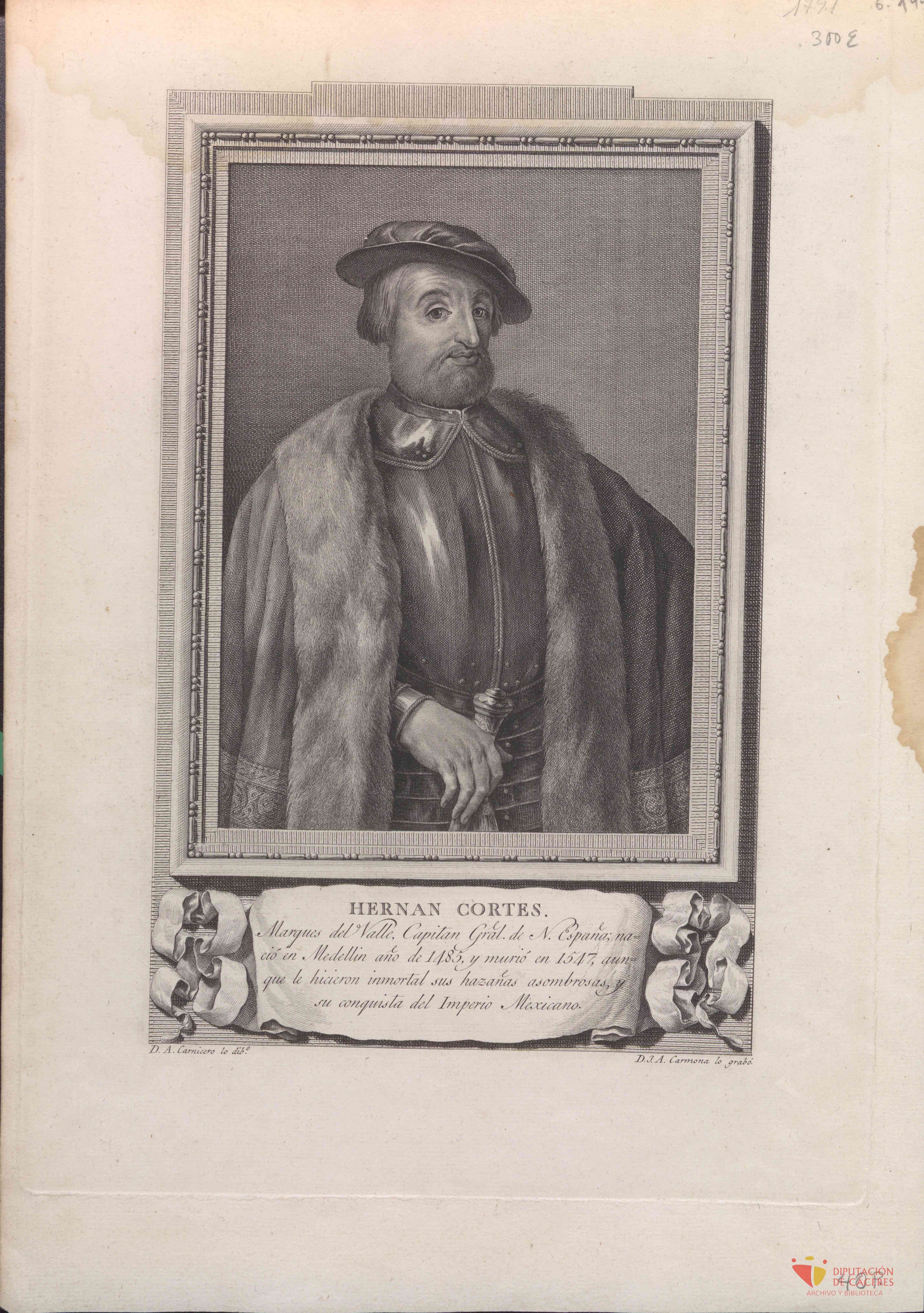
Engraving of Hernán Cortés after Juan Antonio Salvador Carmona
Antonio Carnicero Mancio, after Juan Antonio Salvador Carmona · 1805
Ready when you are
Start chatting with Hernán Cortés now.
20 messages free · No credit card · Available in 50+ languages.