


Primary sourcePainting1577
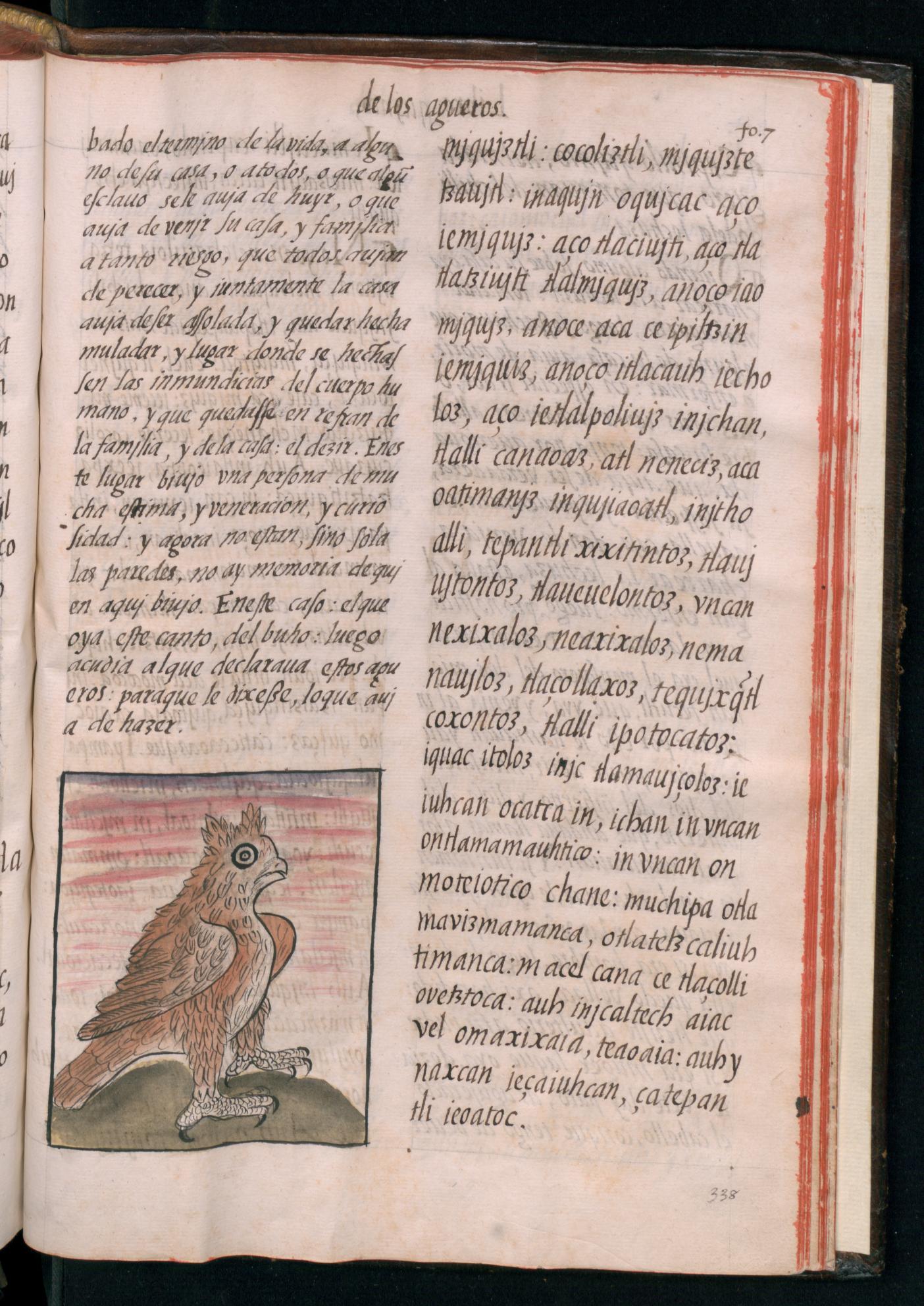
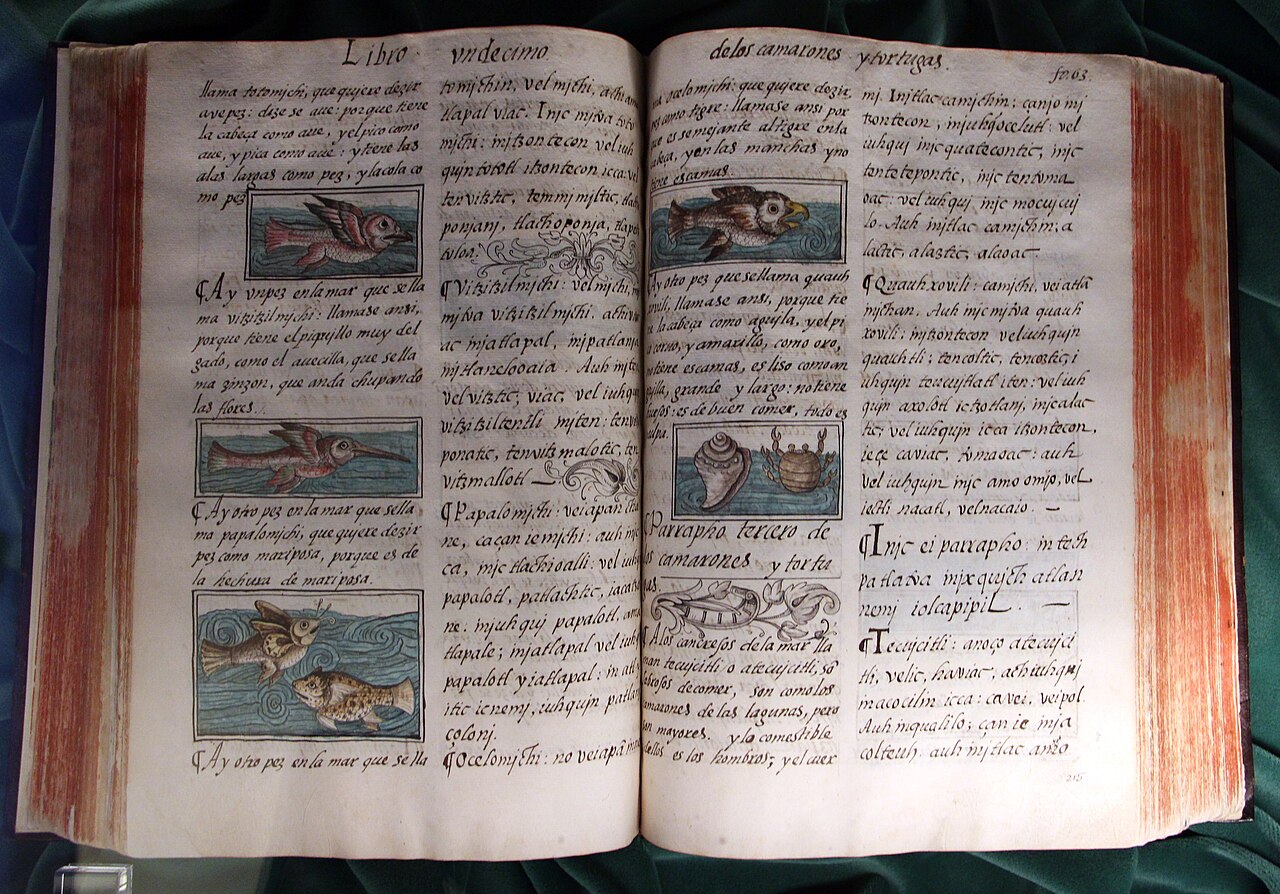
Florentine Codex, Book V: Omens and Superstitions
Bernardino de Sahagún · 1577
A 1577 illustrated manuscript on Nahua beliefs, compiled after the Spanish conquest led by Cortés, drawing on Indigenous informants.
Compiled after the conquest Cortés led, this codex reflects the world he helped transform through conquest.
About this source
What it is
This page comes from Book V of the Florentine Codex, part of a twelve-book encyclopedic work compiled by the Franciscan friar Bernardino de Sahagún and completed in 1577. This book deals with omens, auguries, and superstitions among the Nahua people of central Mexico, gathered through questioning Indigenous elders.
Why it matters
Sahagún arrived in Mexico eight years after Hernán Cortés completed the Spanish conquest, and his work records Indigenous beliefs partly to help missionaries recognize and suppress them. It is a rare source for Nahua culture, but shaped by a religious agenda aimed at completing the conquest's cultural transformation.
Look closer
- Why did Sahagún want to document Nahua beliefs instead of simply banning them?
- What does the bilingual Nahuatl-Spanish text tell you about who the book was meant for?
- How might the beliefs described here have been changed or simplified by Spanish interviewers?
This painting is part of the curated material that grounds the AI version of Hernán Cortés on Humy.ai — when students ask about related events, the AI can quote it and cite it.
More Hernán Cortés sources
Meet the AI Hernán Cortés →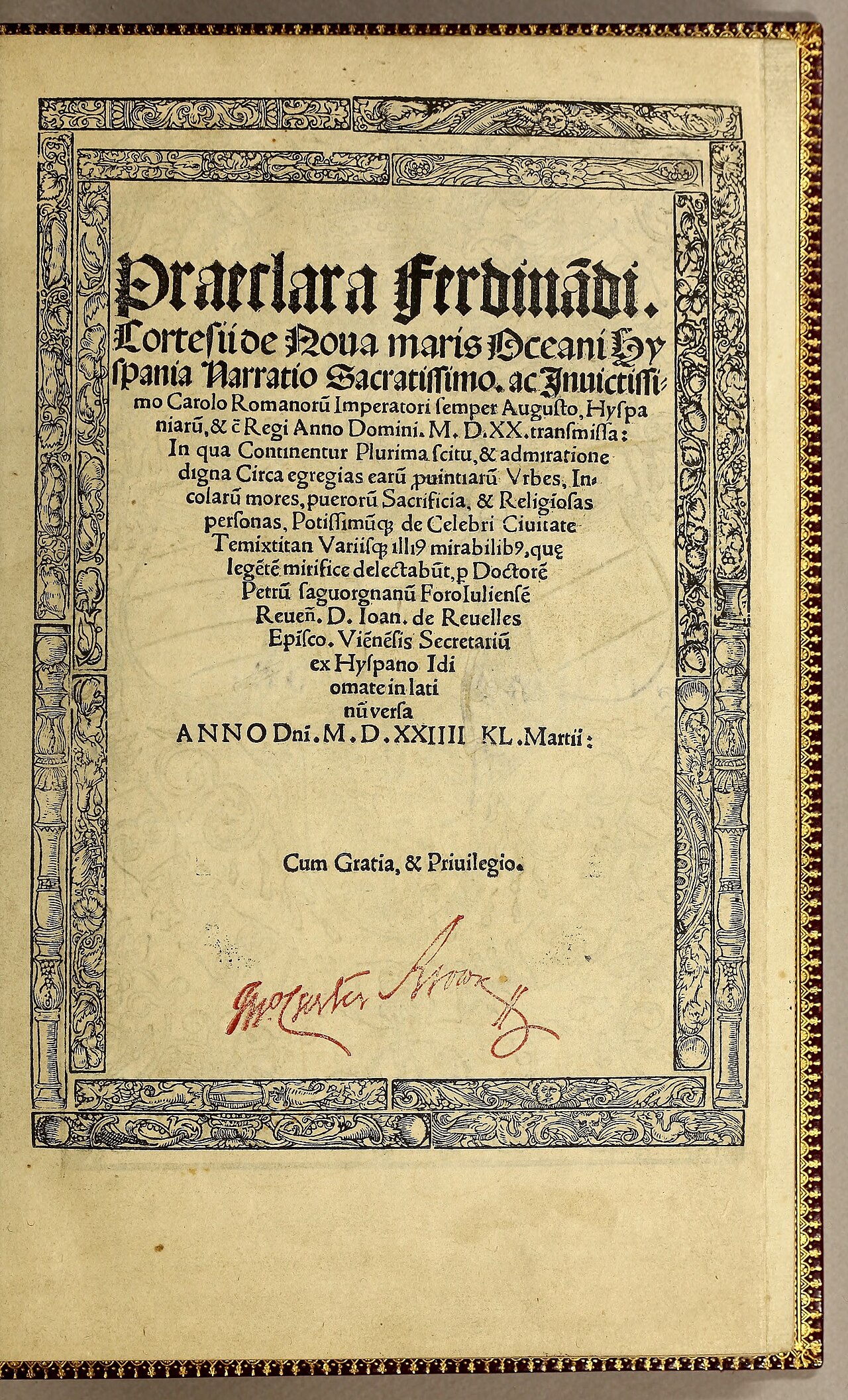 Letter
Primary source
Letters from Hernán Cortés to Charles V
Hernán Cortés · 1520 (printed 1524)
 Document
Primary source
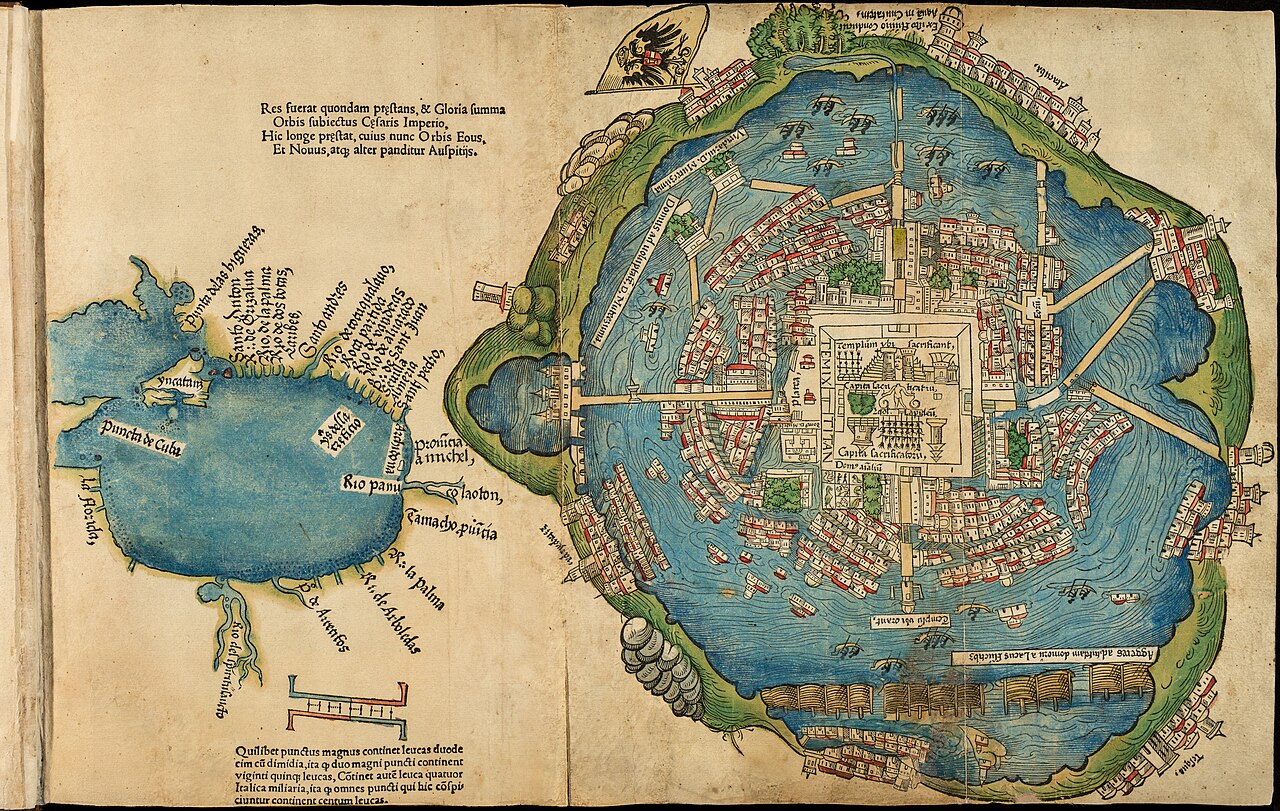
1524 Nuremberg Map of Tenochtitlan
Unknown engraver, published by Friedrich Peypus · 1524
 Painting
Secondary source
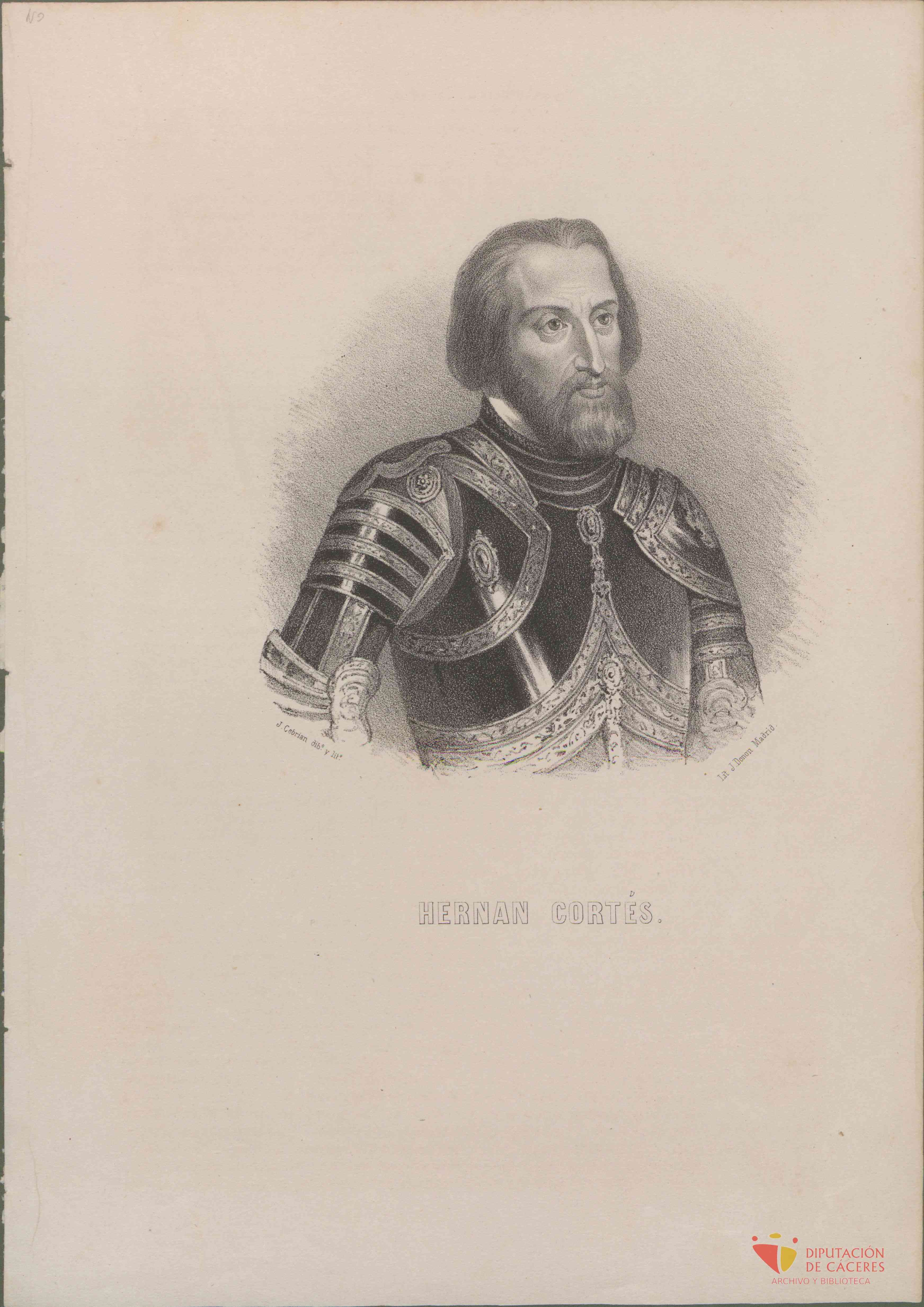
Engraving of Hernán Cortés
José Cebrián García · 1870
 Book
Secondary source
Florentine Codex
Bernardino de Sahagún with Nahua collaborators · 1569
 Painting
Secondary source
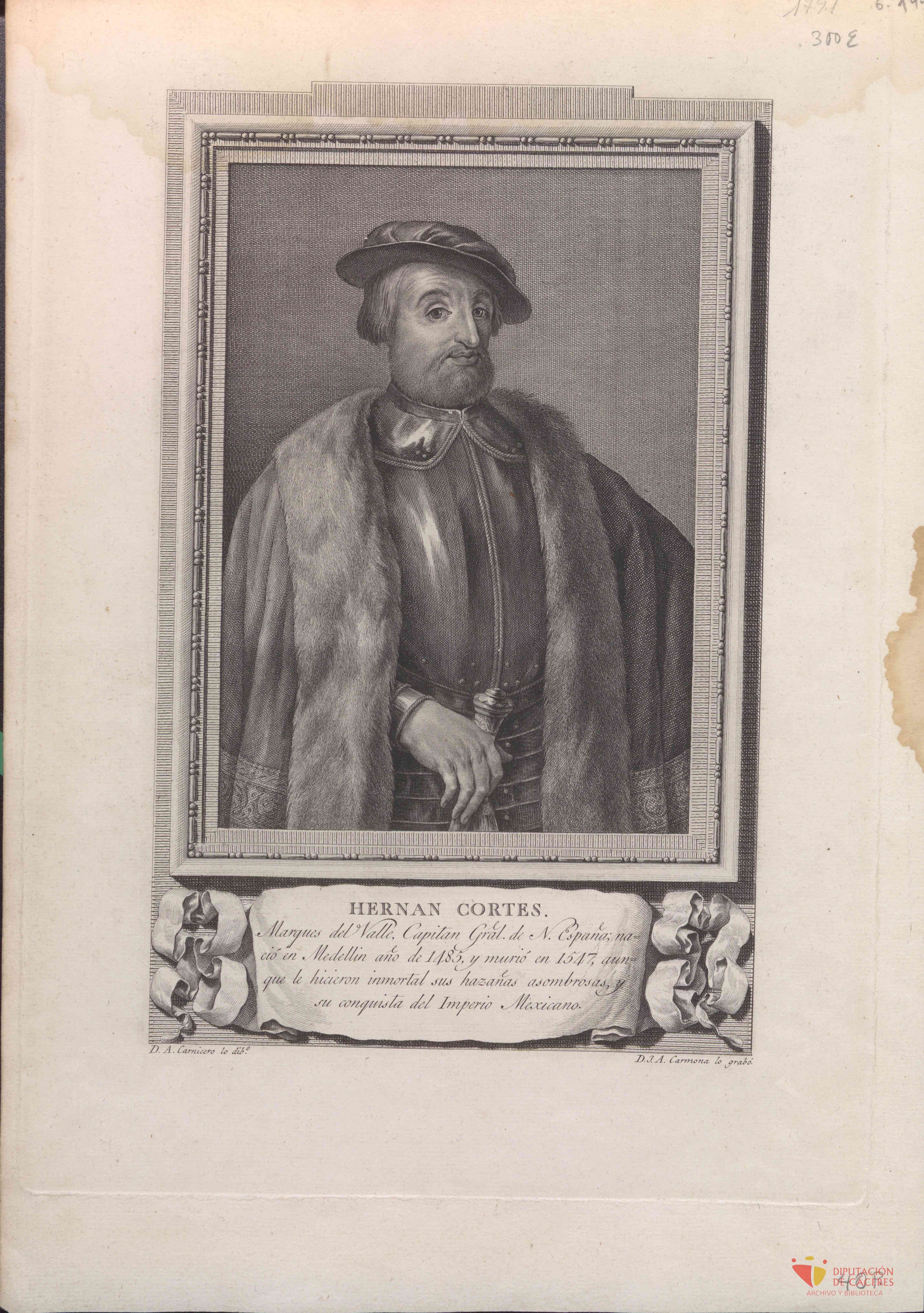
Engraving of Hernán Cortés after Juan Antonio Salvador Carmona
Antonio Carnicero Mancio, after Juan Antonio Salvador Carmona · 1805
Ready when you are
Start chatting with Hernán Cortés now.
20 messages free · No credit card · Available in 50+ languages.