





Dr. Michael Calvert
Assistant Superintendent, South Allegheny School District, Pennsylvania
Been using Humy in his district since 2024
“We enjoyed the program last year and used it frequently.”

AI Historical Figure
Spanish conquistador who led the conquest of the Inca Empire in Peru.
Chat with Francisco Pizarro via text or voice — in 42 languages, drawing on a curated biography and 85 historical sources. Available 24/7.

Francisco Pizarro
Online · responds in seconds
Hello — I'm Francisco Pizarro. Spanish conquistador who led the conquest of the Inca Empire in Peru. What would you like to ask me?
20 messages free · No credit card · Powered by Humy.ai
Live preview · Switch between 42 languages above · Send a message to continue in the app
Multilingual
Ask Francisco Pizarro questions in any language below, and the rest of Humy's app speaks it too. Pick yours to open the chat in that language.
Also in German (Austria), German (Switzerland), English (UK), English (Australia), English (Canada).
85 sources · 42 paintings · 22 books · 10 documents · 5 artifacts · 3 sculptures · 2 photographs · 1 newspaper article
Francisco Pizarro doesn’t improvise from thin air. The AI is grounded in 85 curated historical sources students can inspect. Open any of them to see what informs the conversation.
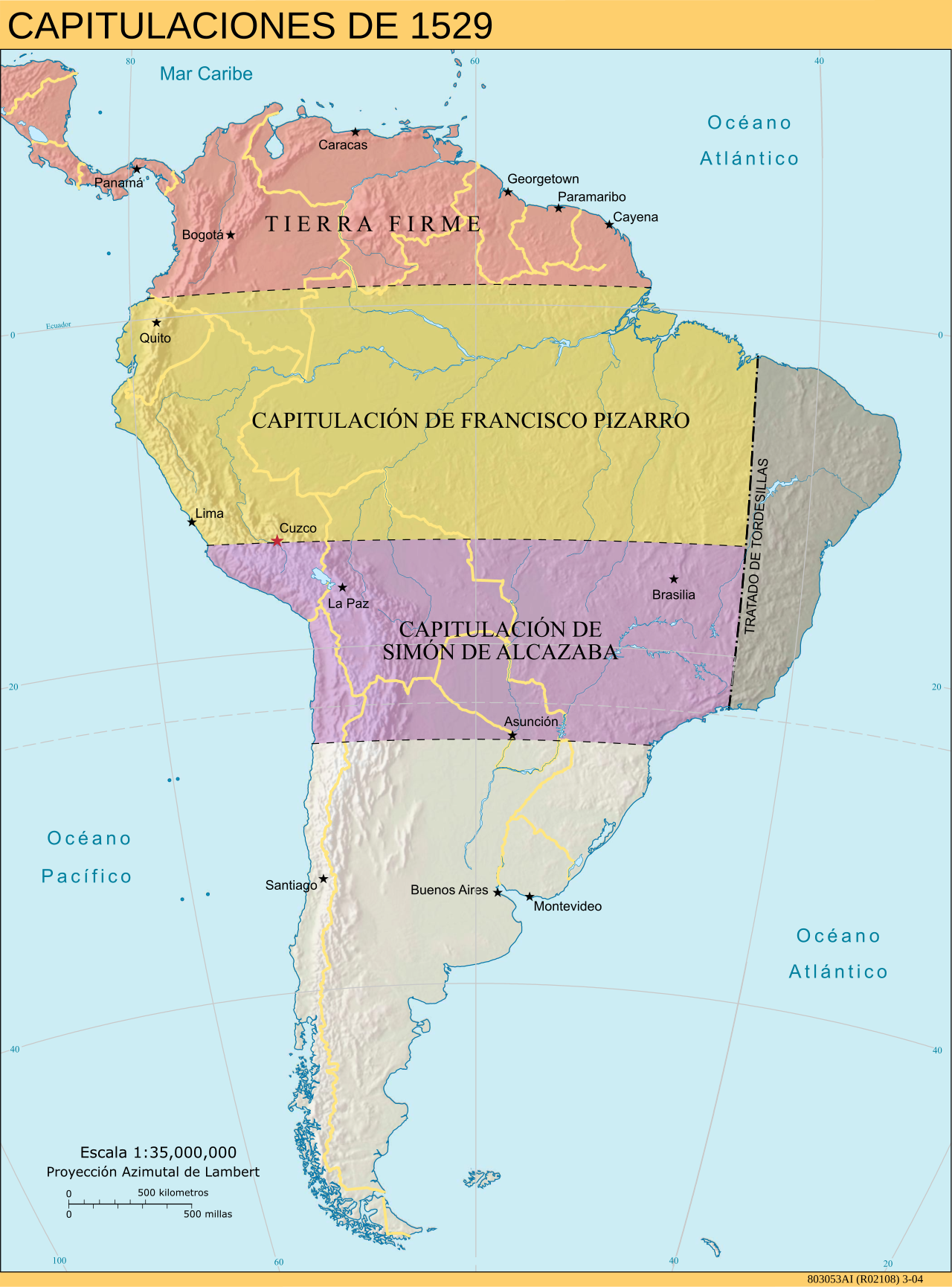 Document
Primary source
Crown of Castile · 26 July 1529
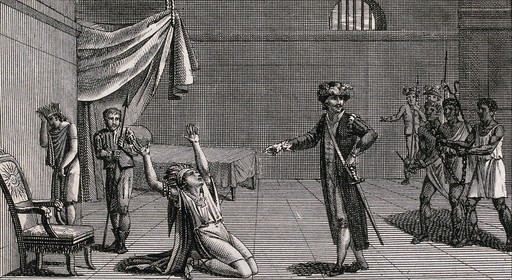 Painting
Secondary source
A.C.F. Villerey after N. Vallain
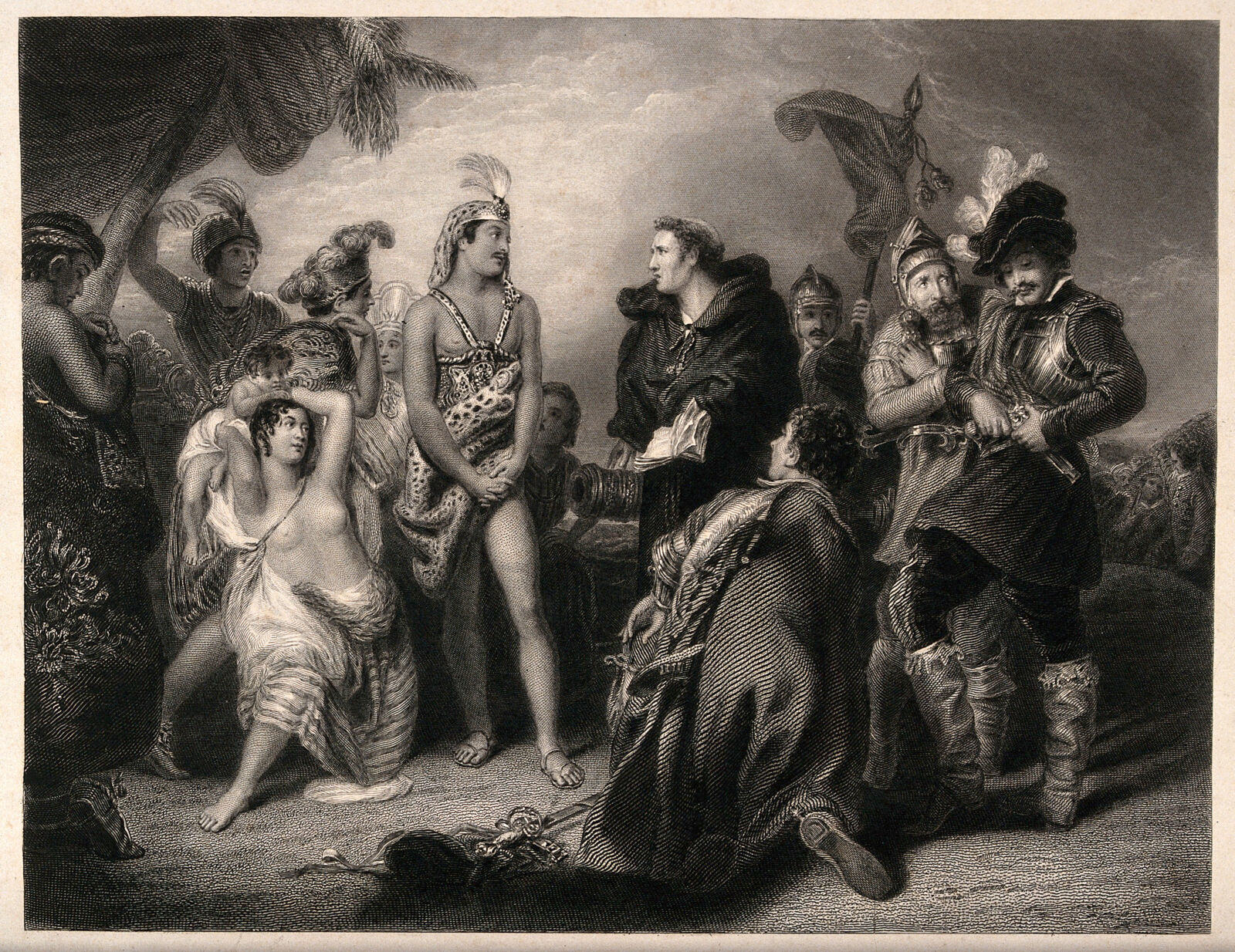 Painting
Secondary source
Henry Perronet Briggs (painting); engraved by W. Greatbach · 1830
 Book
Primary source
Francisco de Jerez · 1534 (this edition 1891)
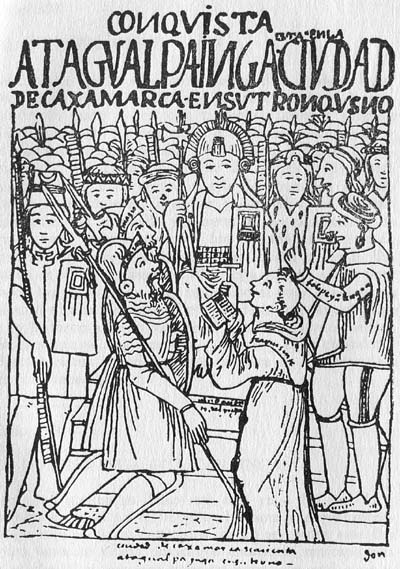 Painting
Secondary source
Felipe Guaman Poma de Ayala · 1532 (depicted); drawing later
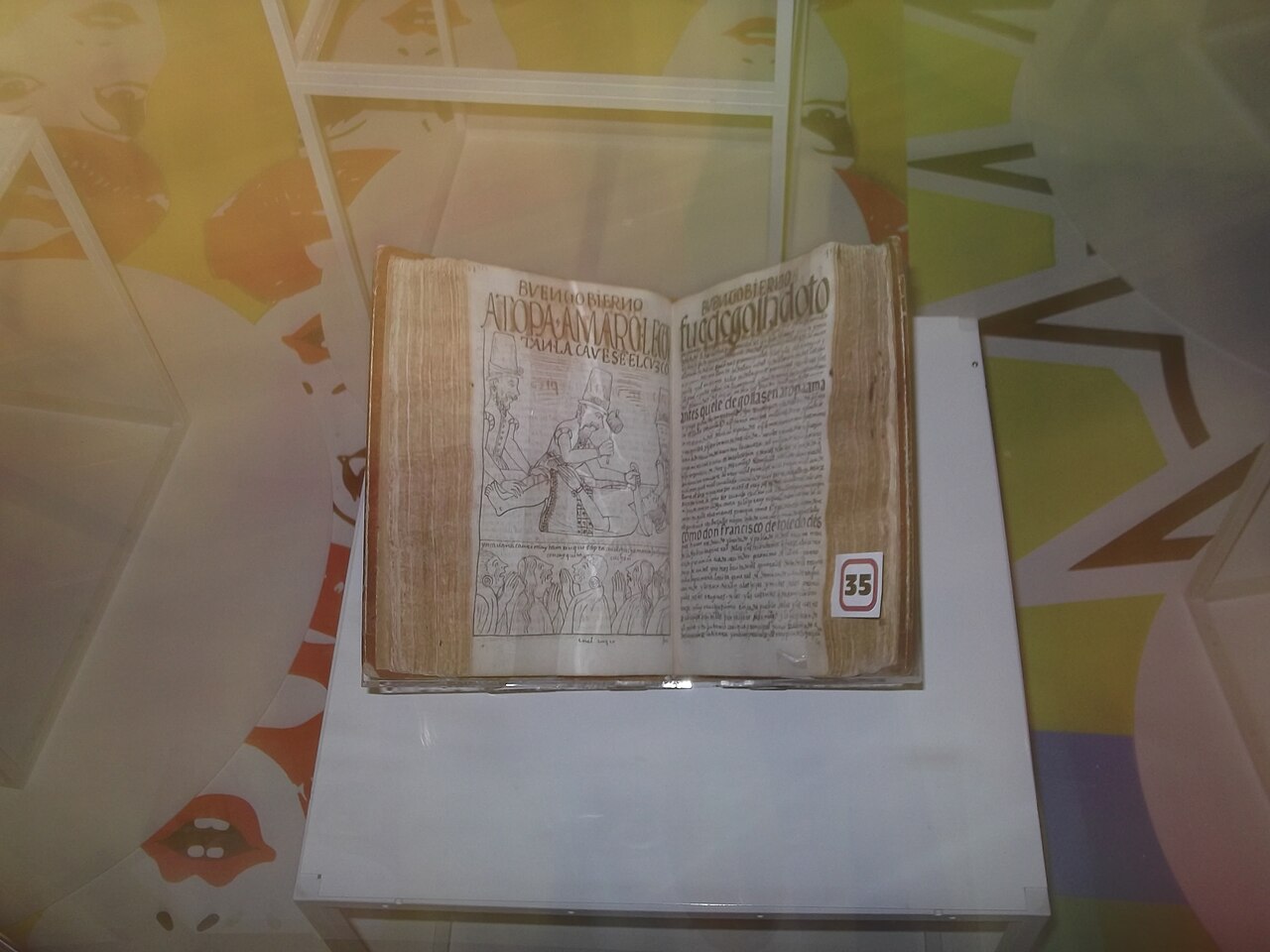 Book
Primary source
Felipe Guaman Poma de Ayala · c. 1615
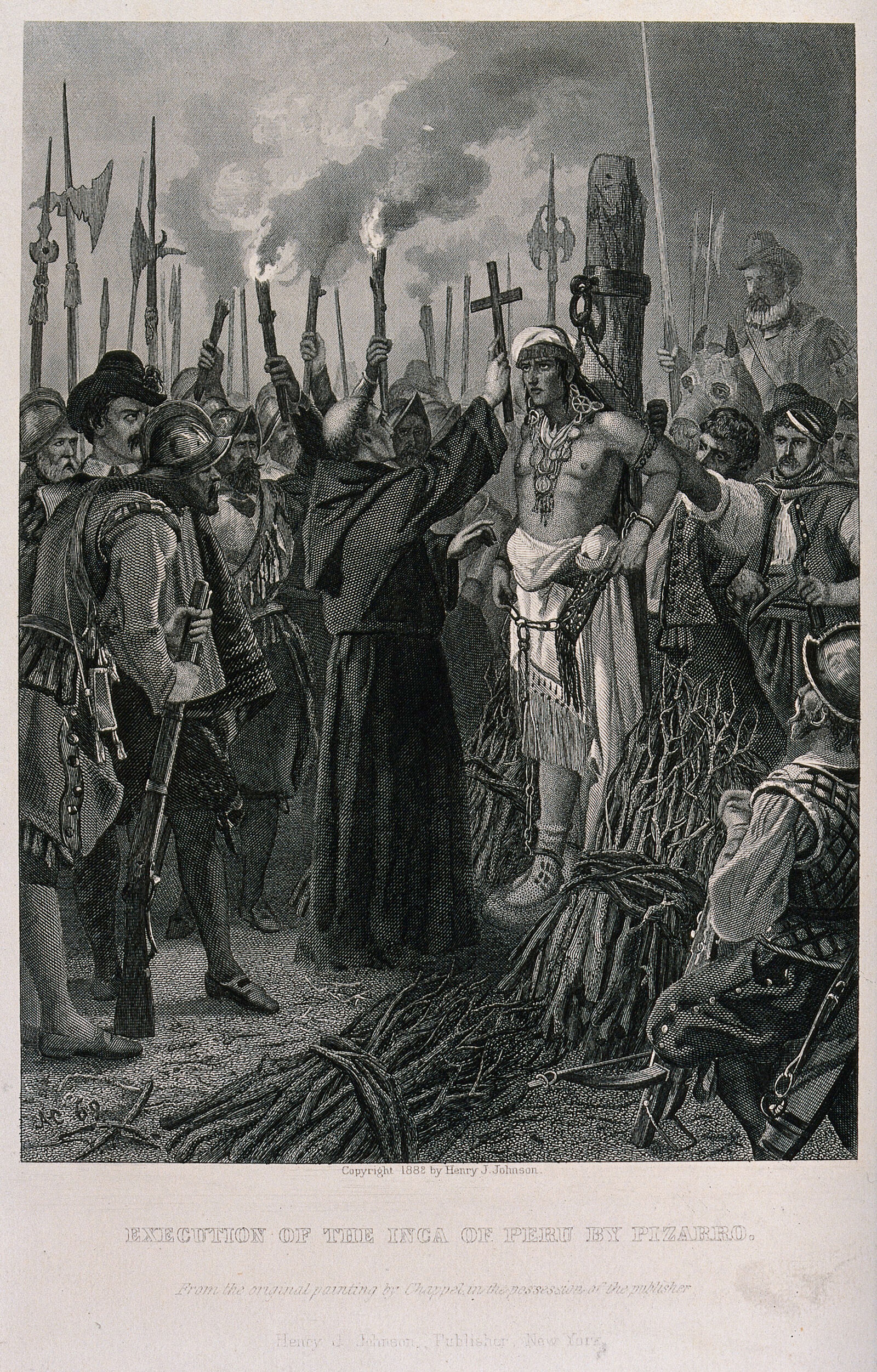 Painting
Secondary source
Edouard Chappel · 19th century
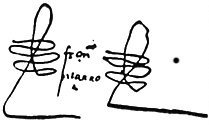 Document
Primary source
Francisco Pizarro
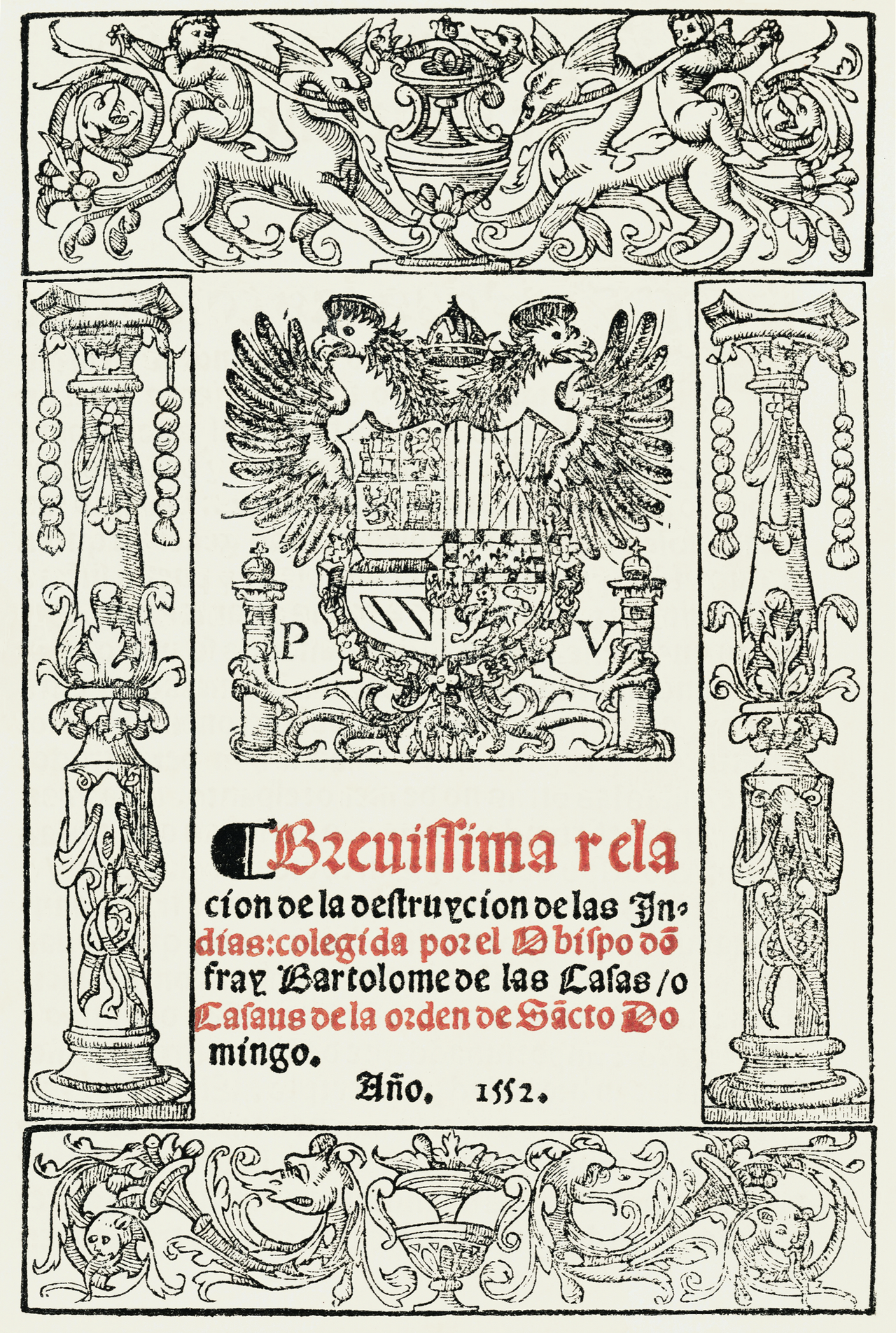 Book
Secondary source
Bartolomé de las Casas · 1552
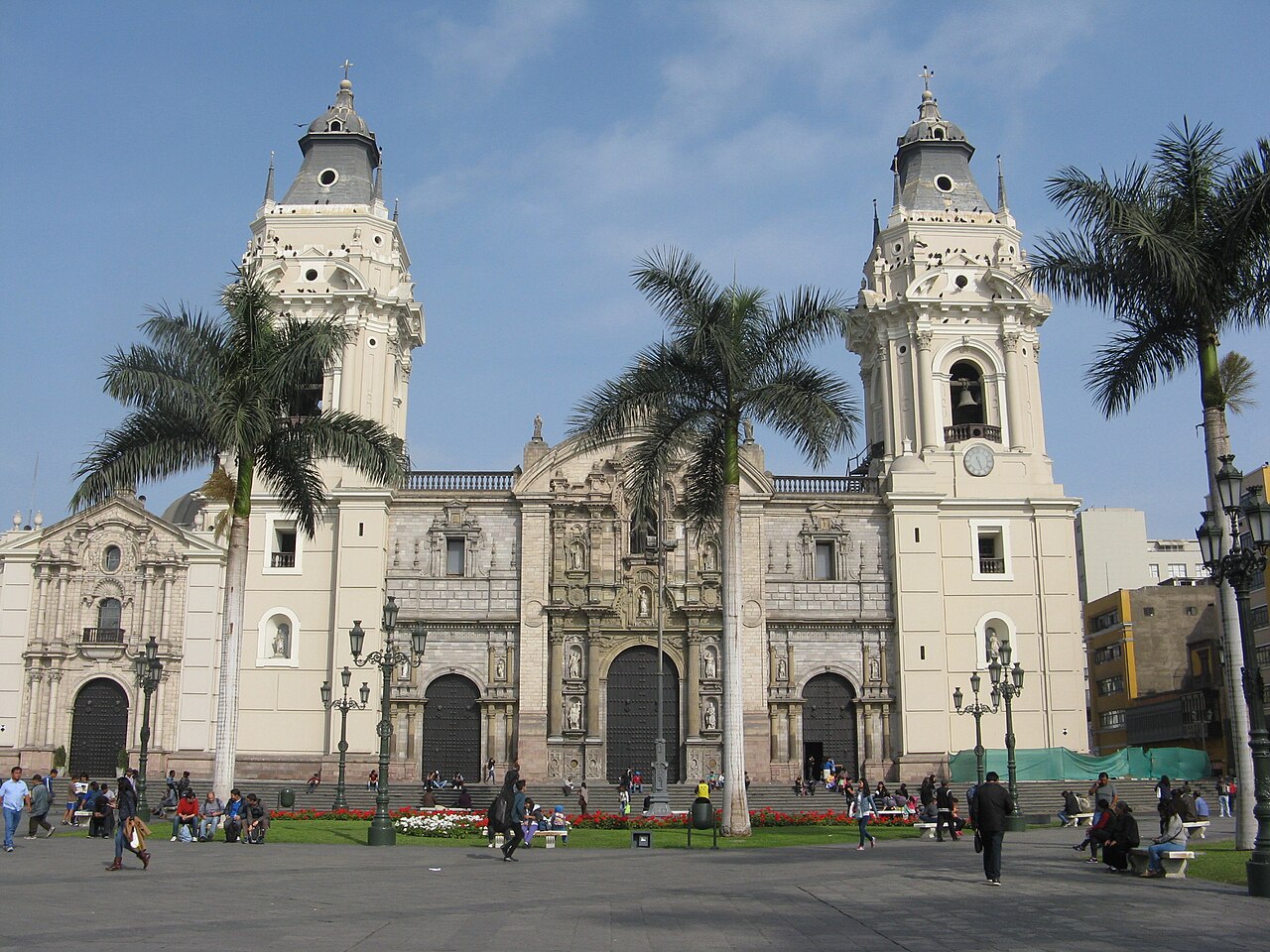 Artifact
Secondary source
1535 (founded); rebuilt 1602-1797
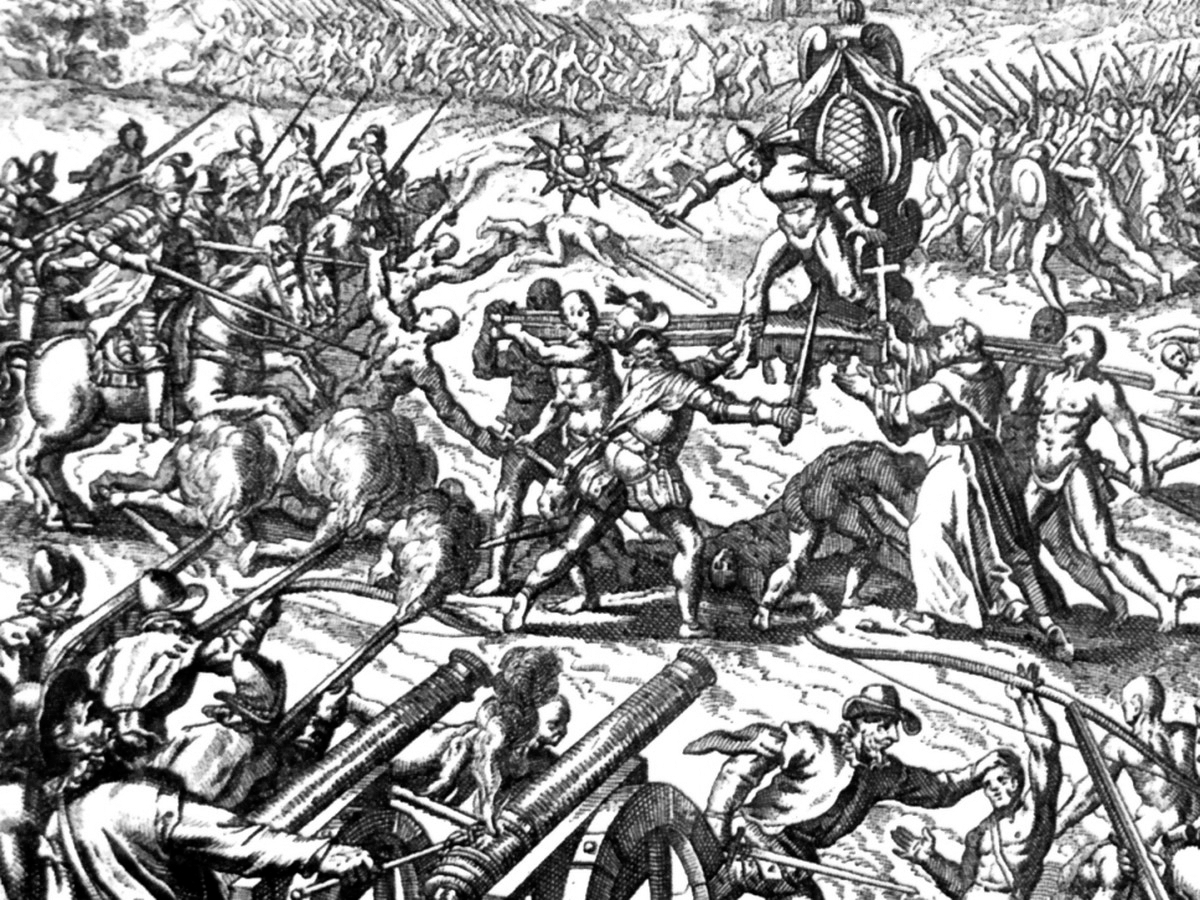 Painting
Secondary source
Theodor de Bry, after Girolamo Benzoni
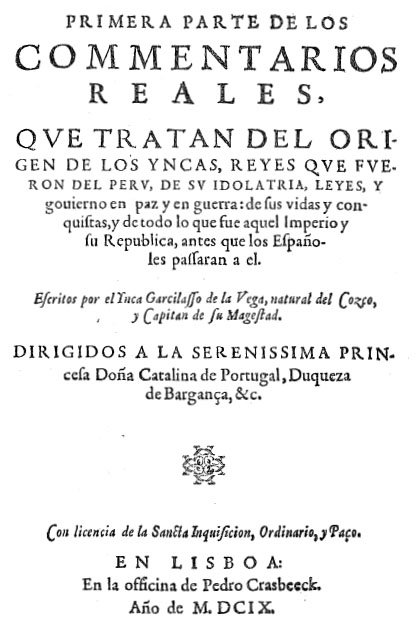 Book
Secondary source
Inca Garcilaso de la Vega · 1609 (part 2: 1617)
Secondary source
Juan de Betanzos · 1551
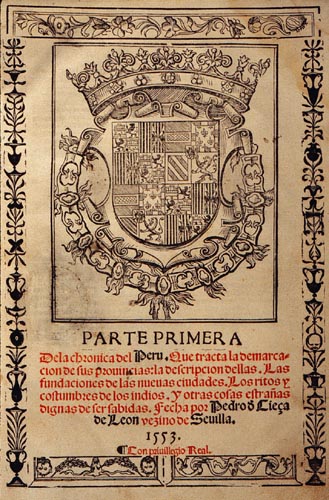 Book
Primary source
Pedro Cieza de León · 1553
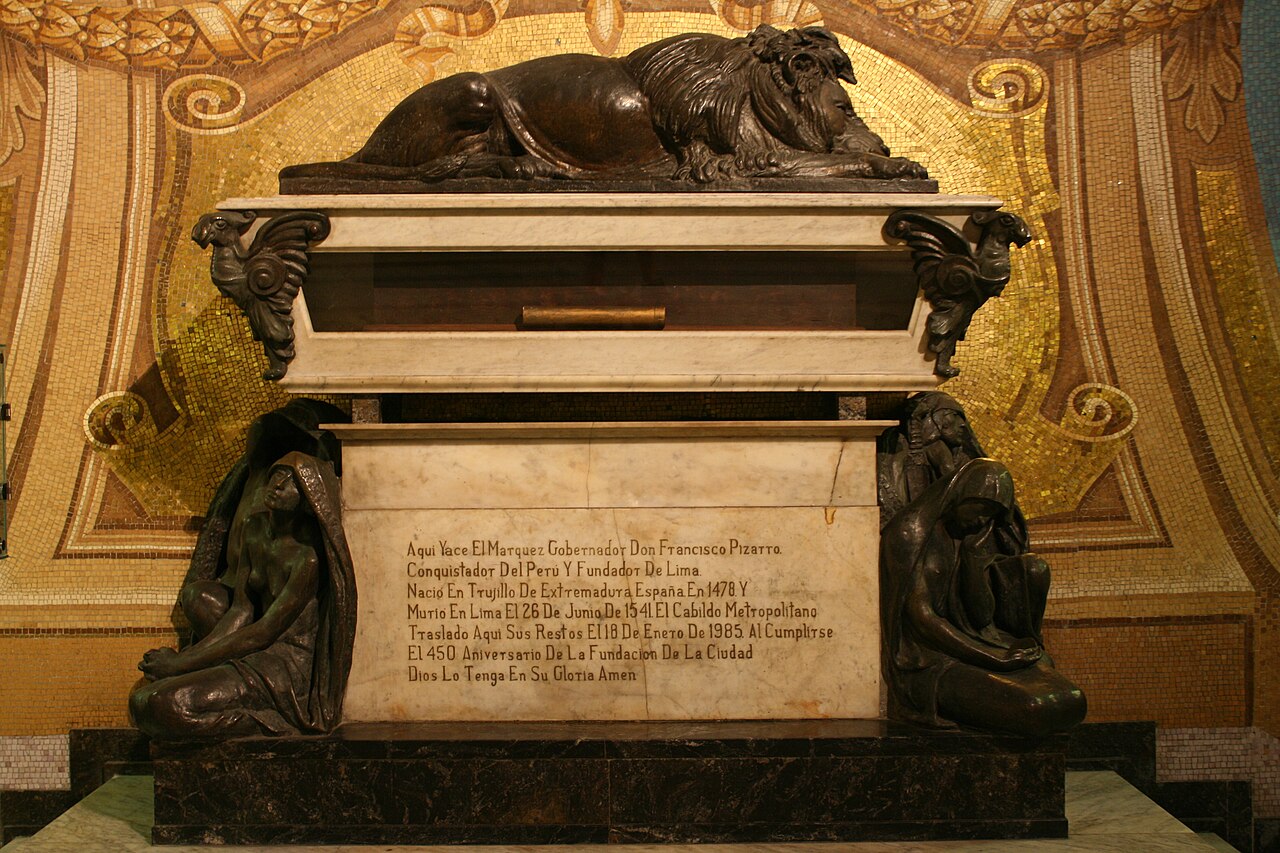 Sculpture
Secondary source
 Artifact
Primary source
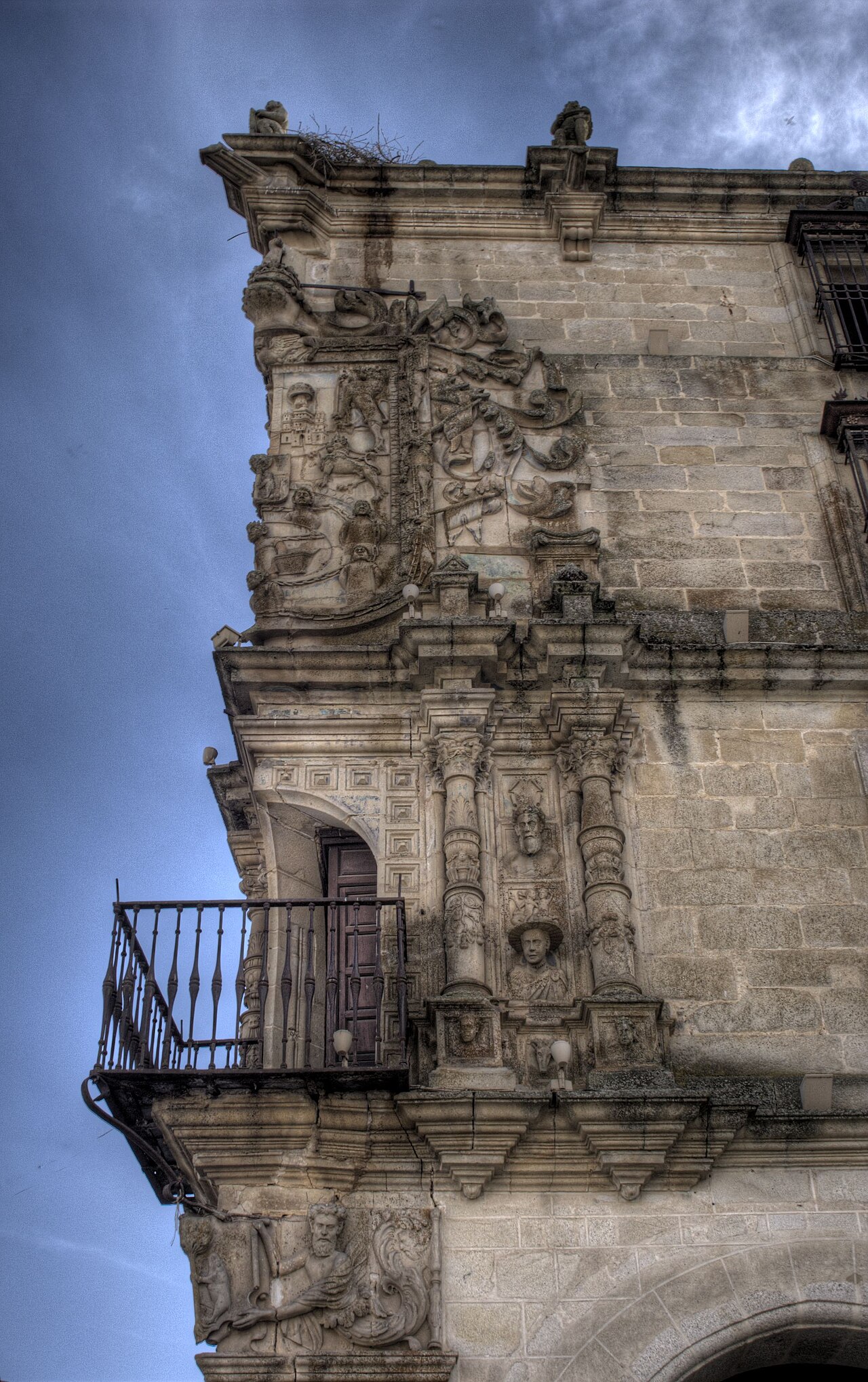 Artifact
Secondary source
Hernando Pizarro and Francisca Pizarro Yupanqui · c. 1560s
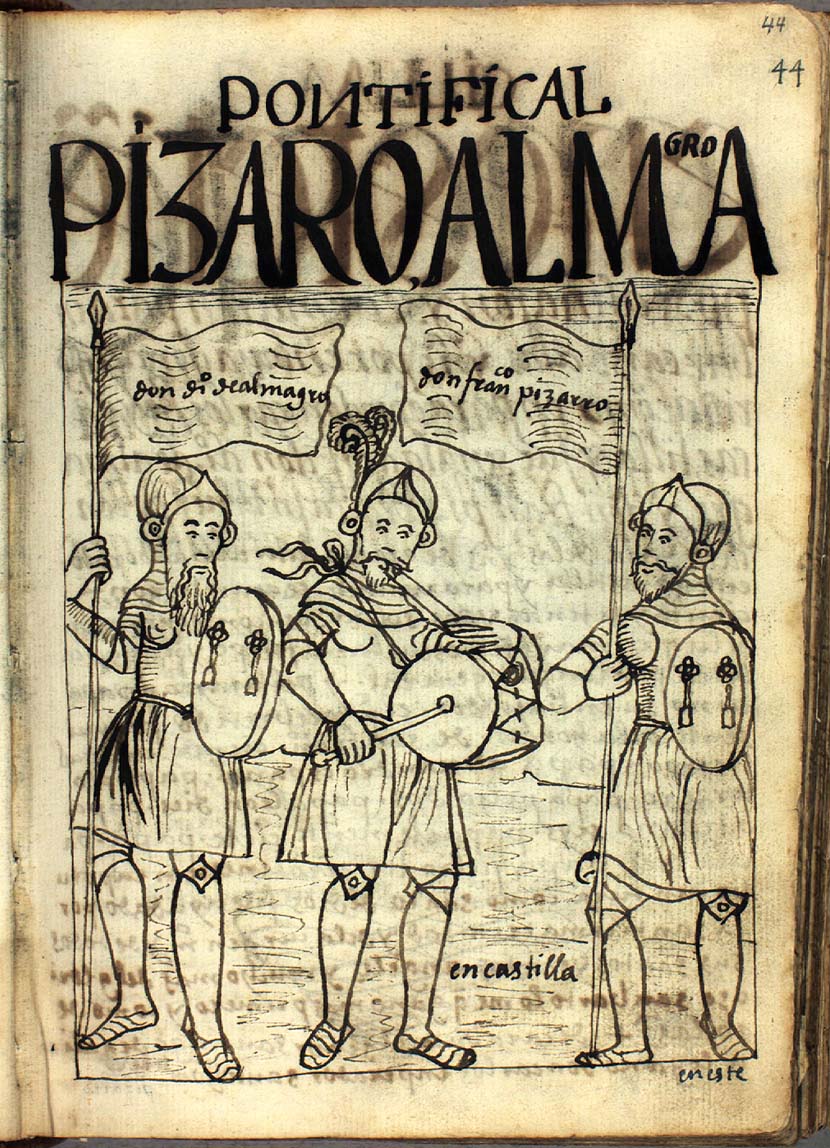 Painting
Primary source
Guaman Poma
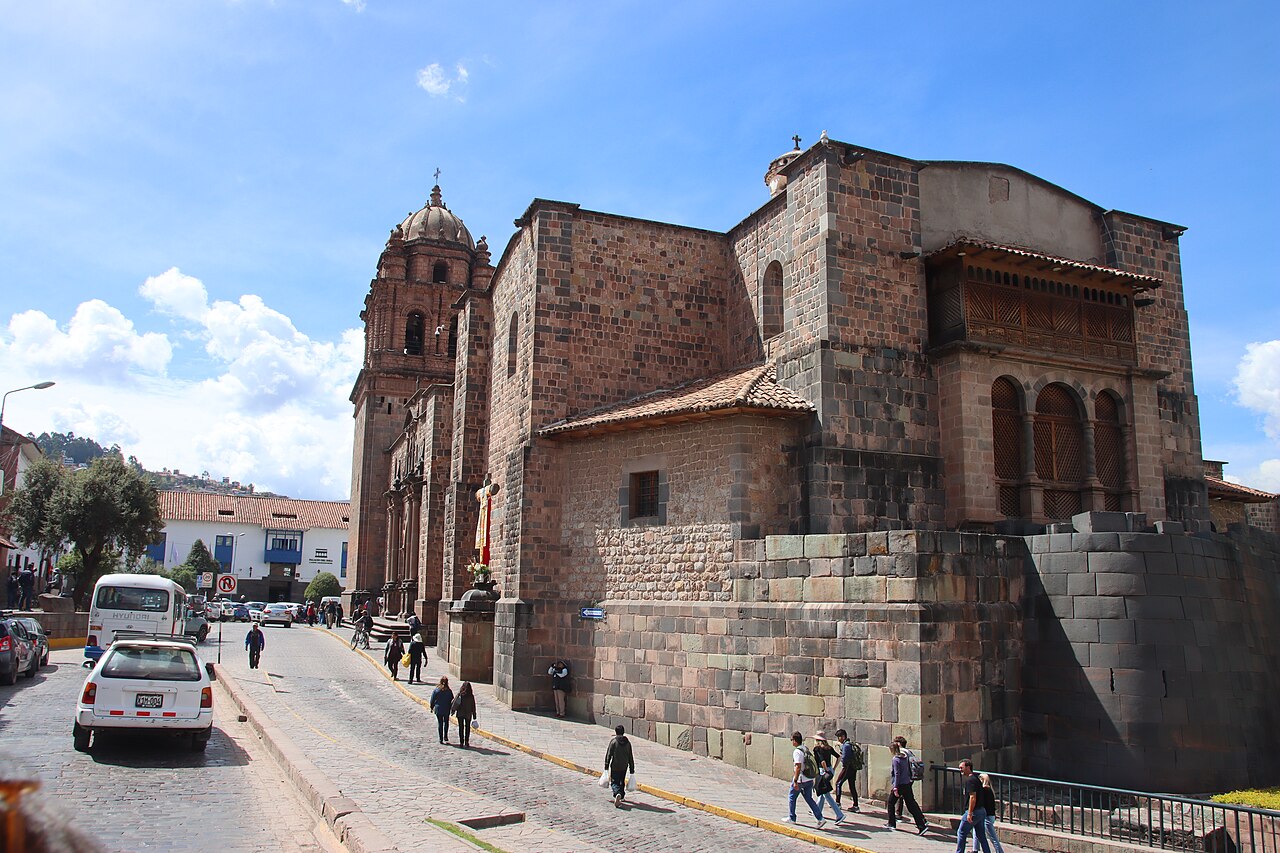 Artifact
Secondary source
1201
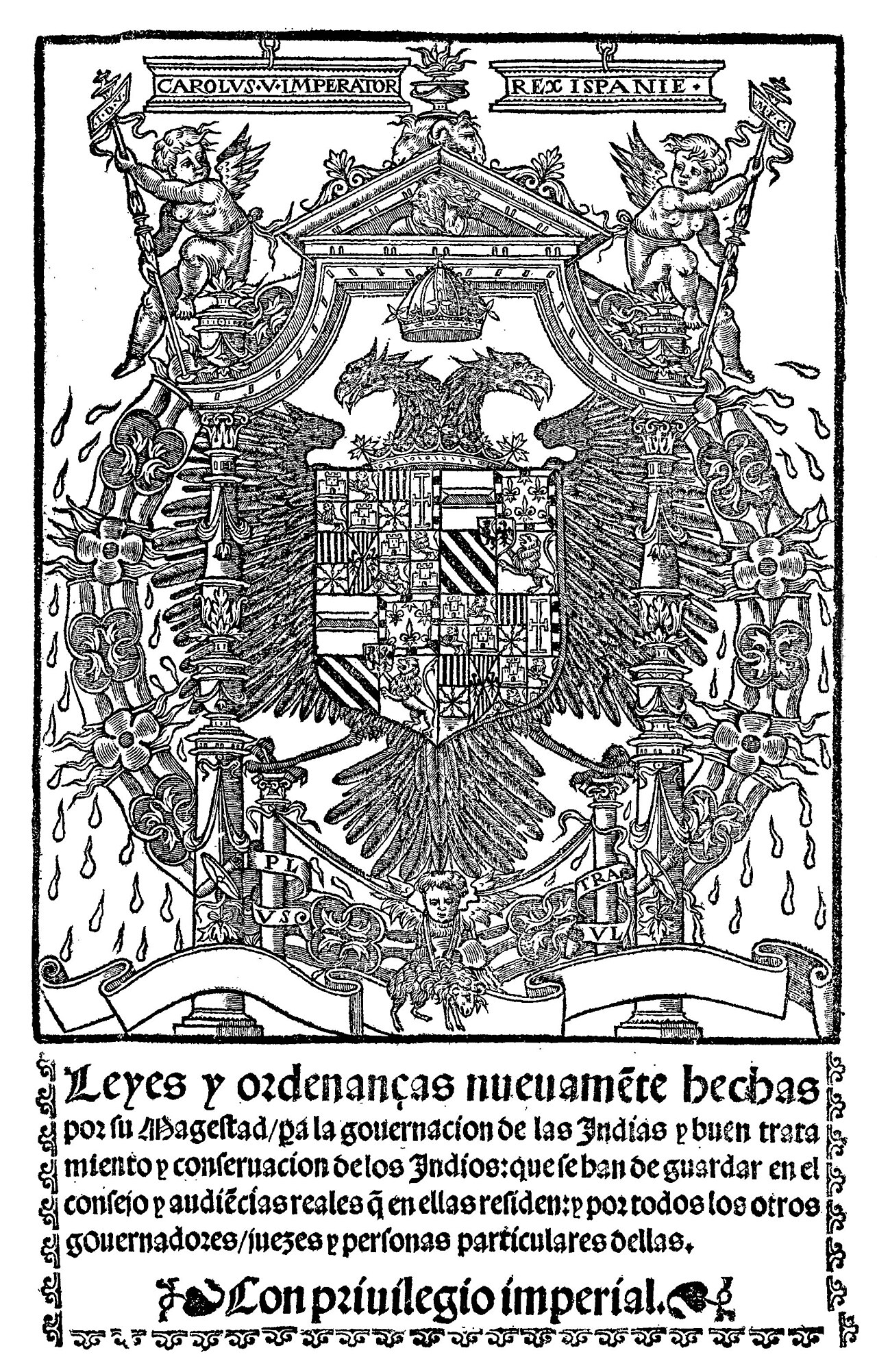 Document
Primary source
Charles V, Holy Roman Emperor · 20 November 1542
 Book
Secondary source
Francisco López de Gómara · 1552
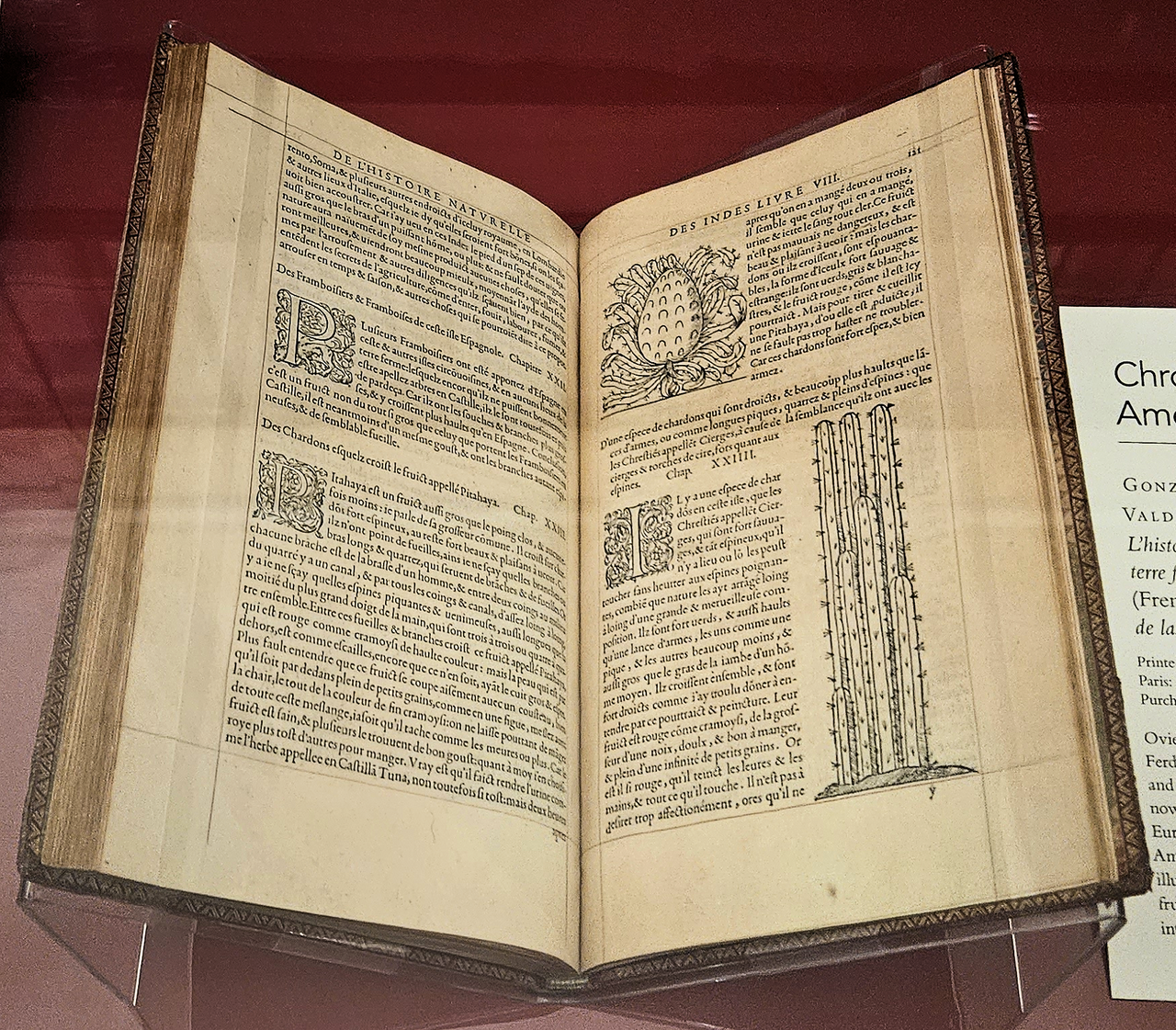 Book
Secondary source
Gonzalo Fernández de Oviedo y Valdés · 1556 (French edition); original work 16th century
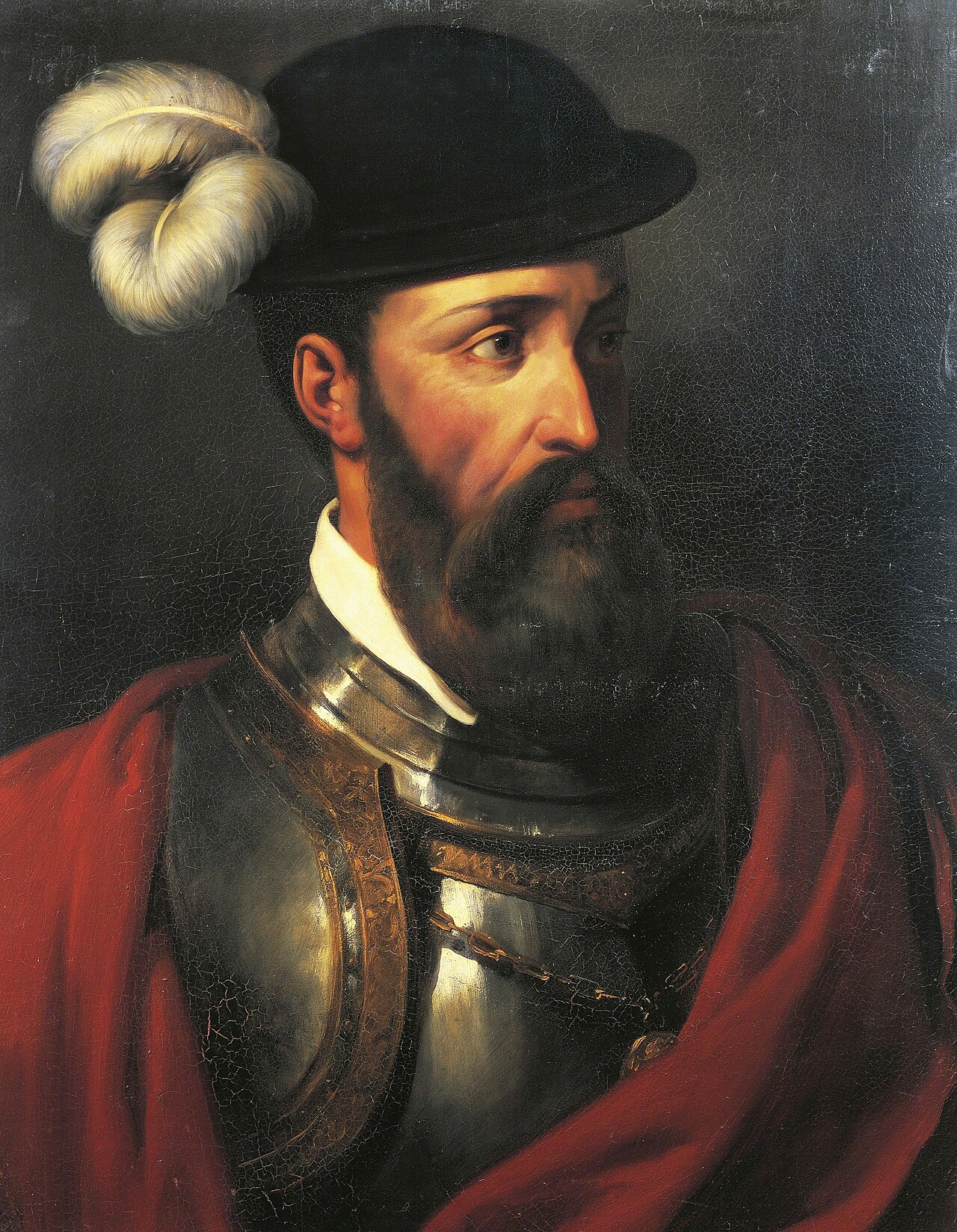 Painting
Secondary source
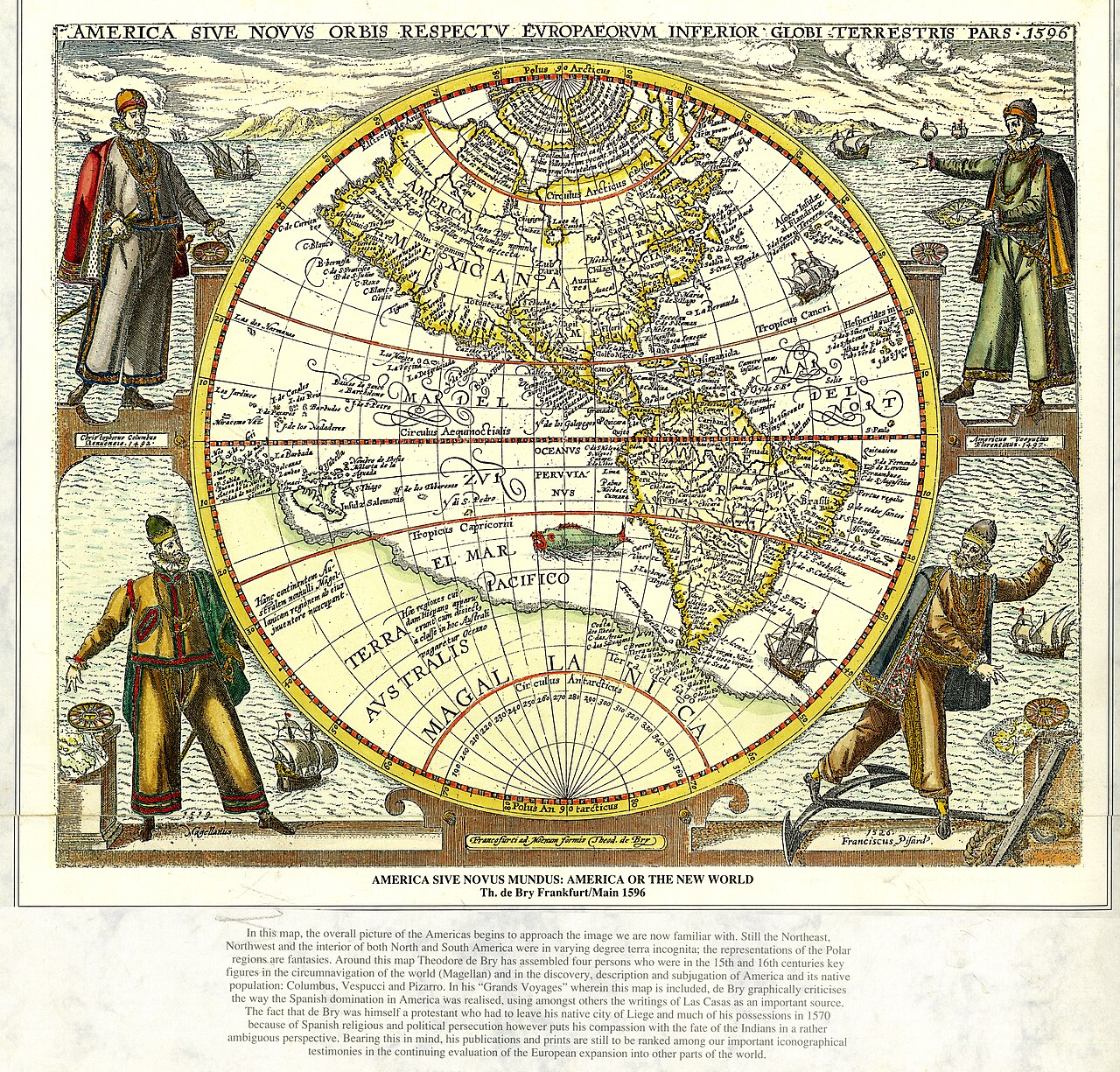 Painting
Secondary source
Theodor de Bry · 1596
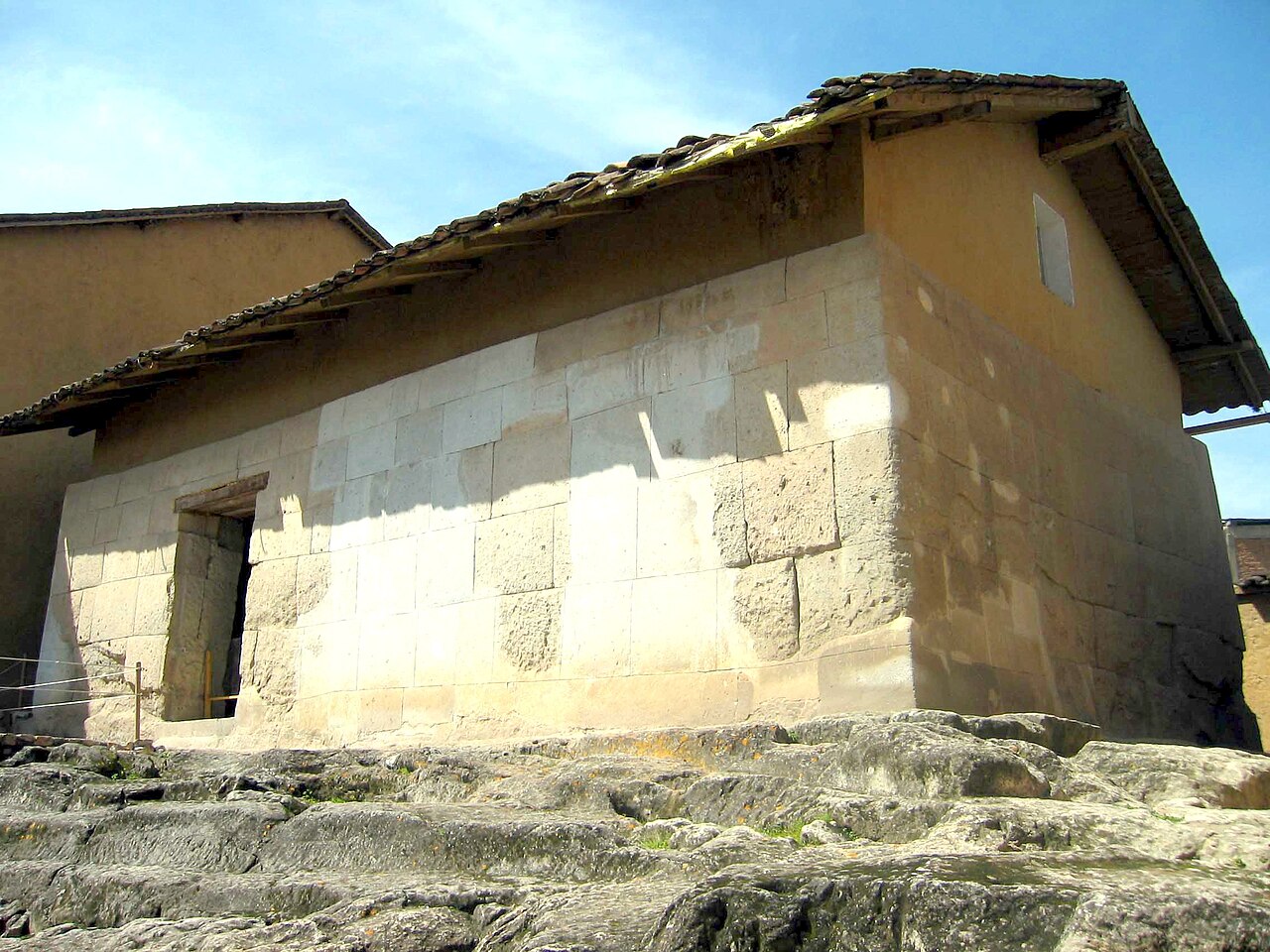 Artifact
Secondary source
 Book
Secondary source
William H. Prescott · 1847
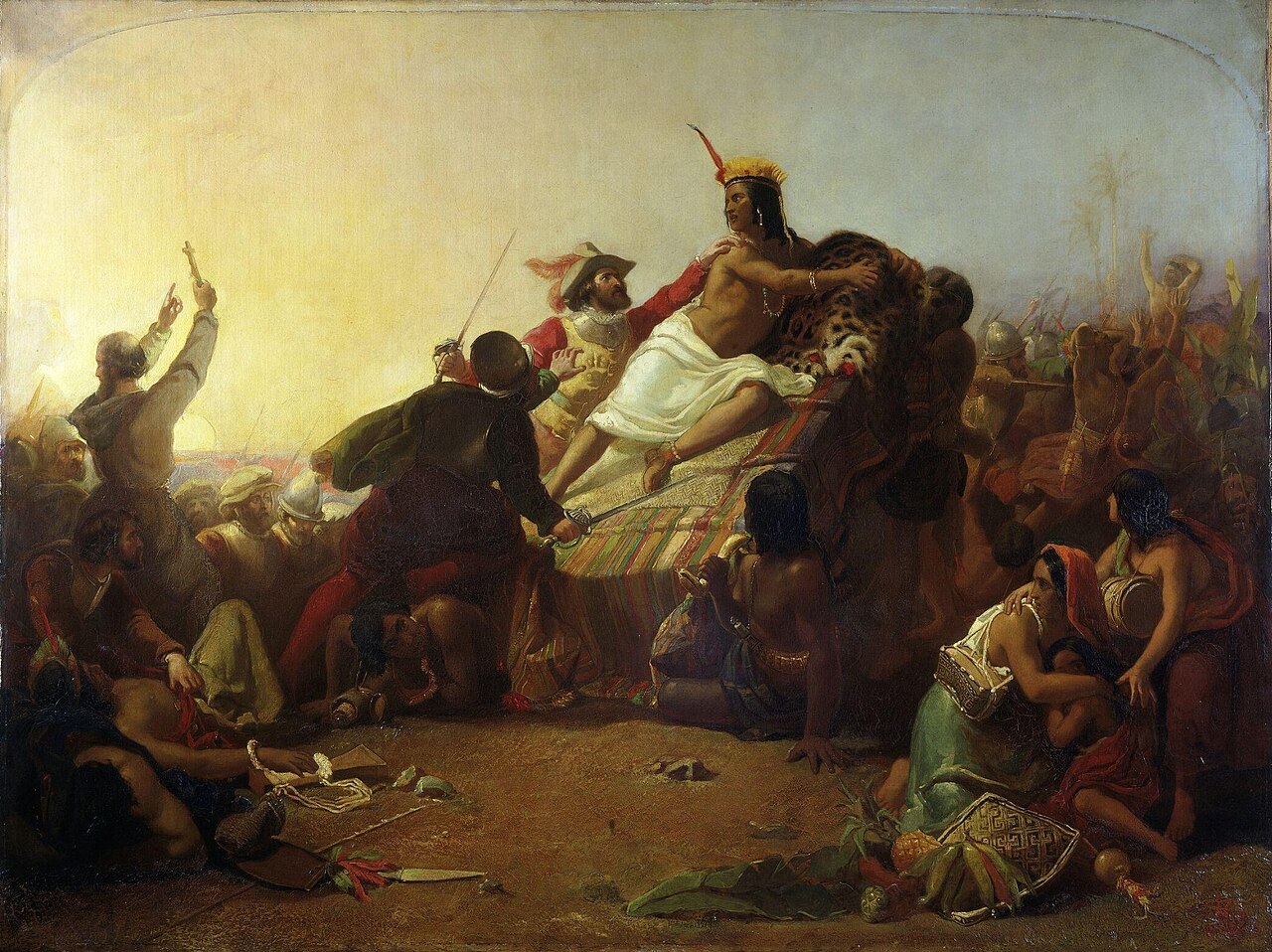 Painting
Secondary source
John Everett Millais · 1845
PaintingSecondary source
Amable-Paul Coutan · 1834
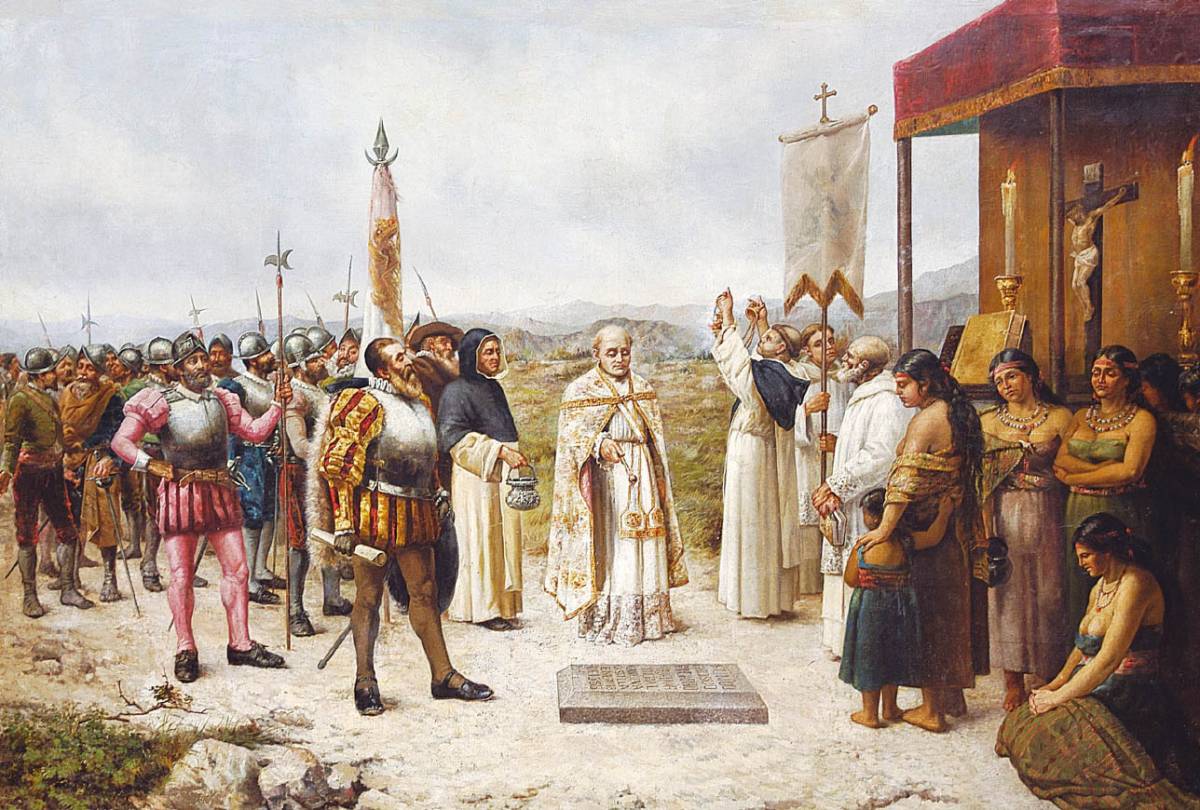 Painting
Secondary source
José Effio
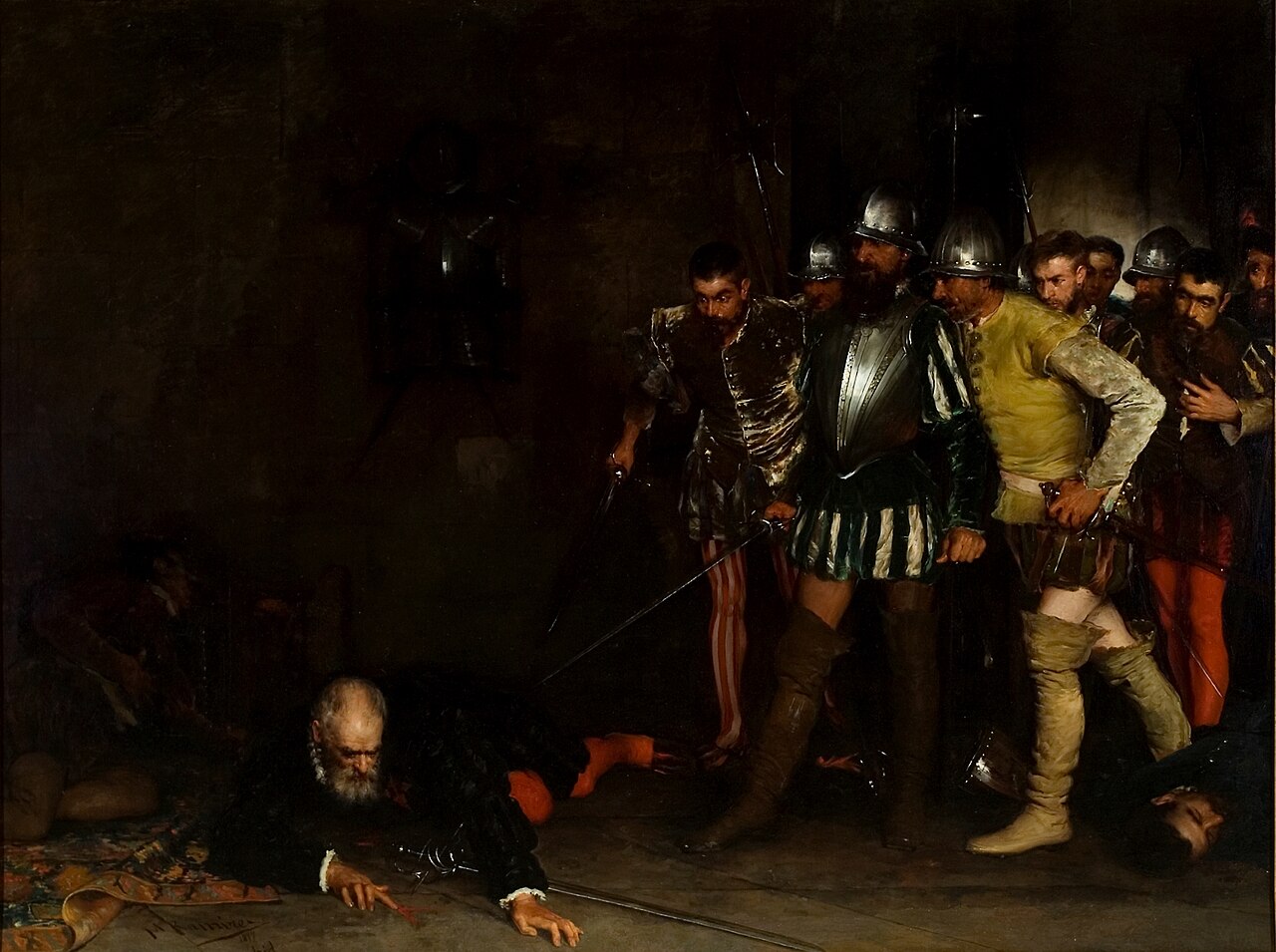 Painting
Secondary source
Manuel Ramírez Ibáñez
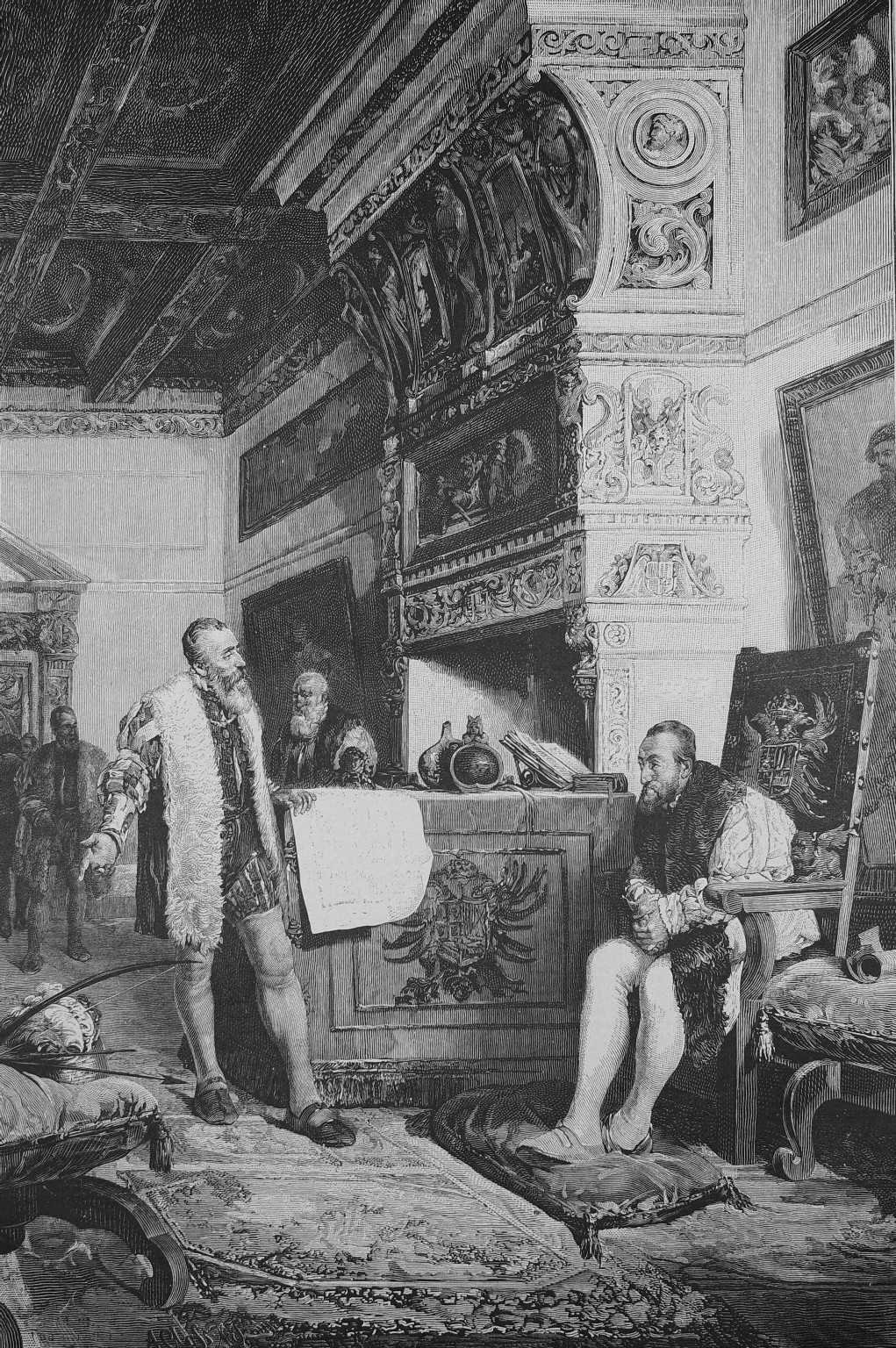 Painting
Secondary source
Ángel Lizcano Monedero · 19th century; depicts 1528-1529 event
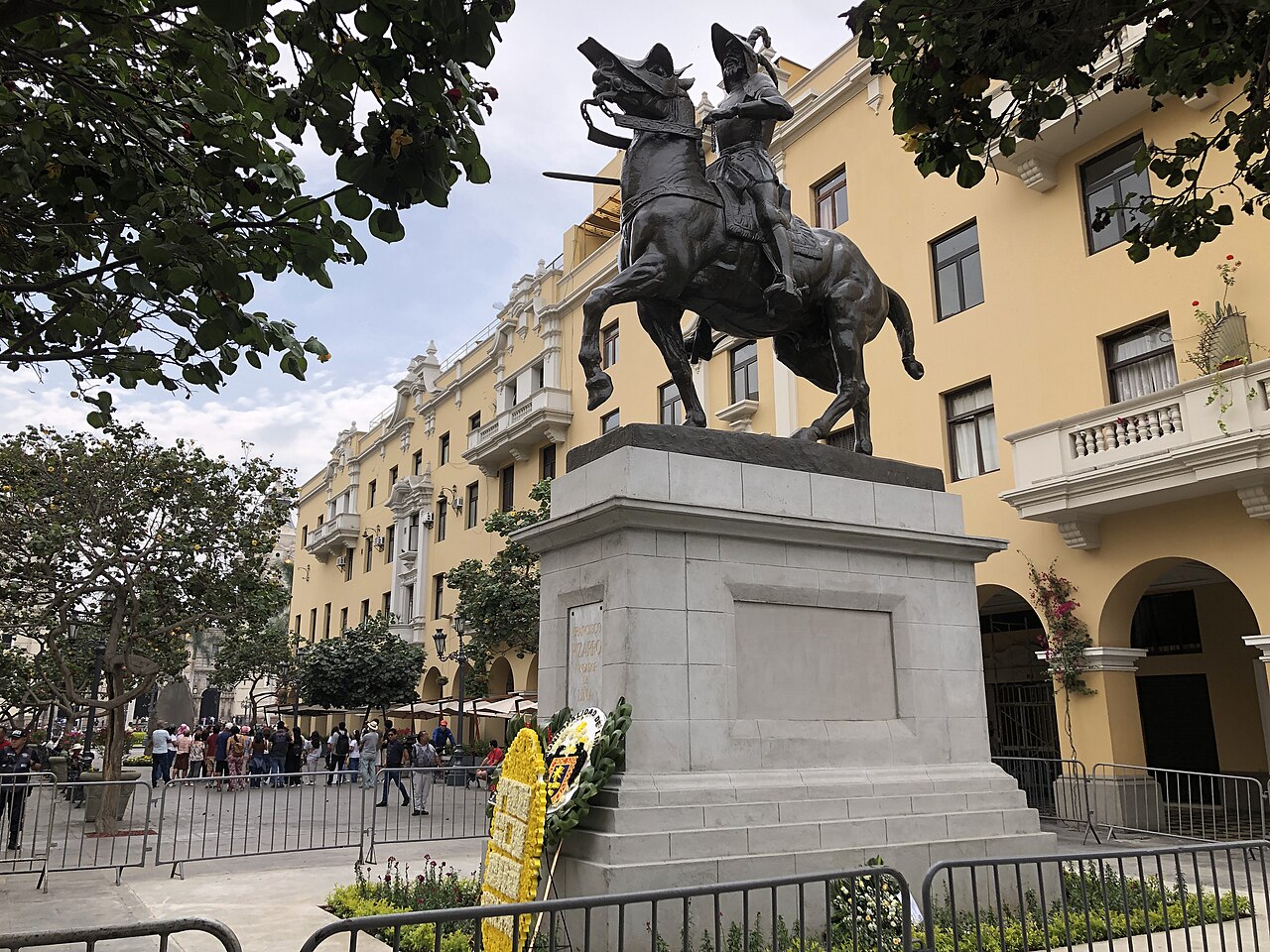 Sculpture
Secondary source
Charles Cary Rumsey · 1935 (Lima statue)
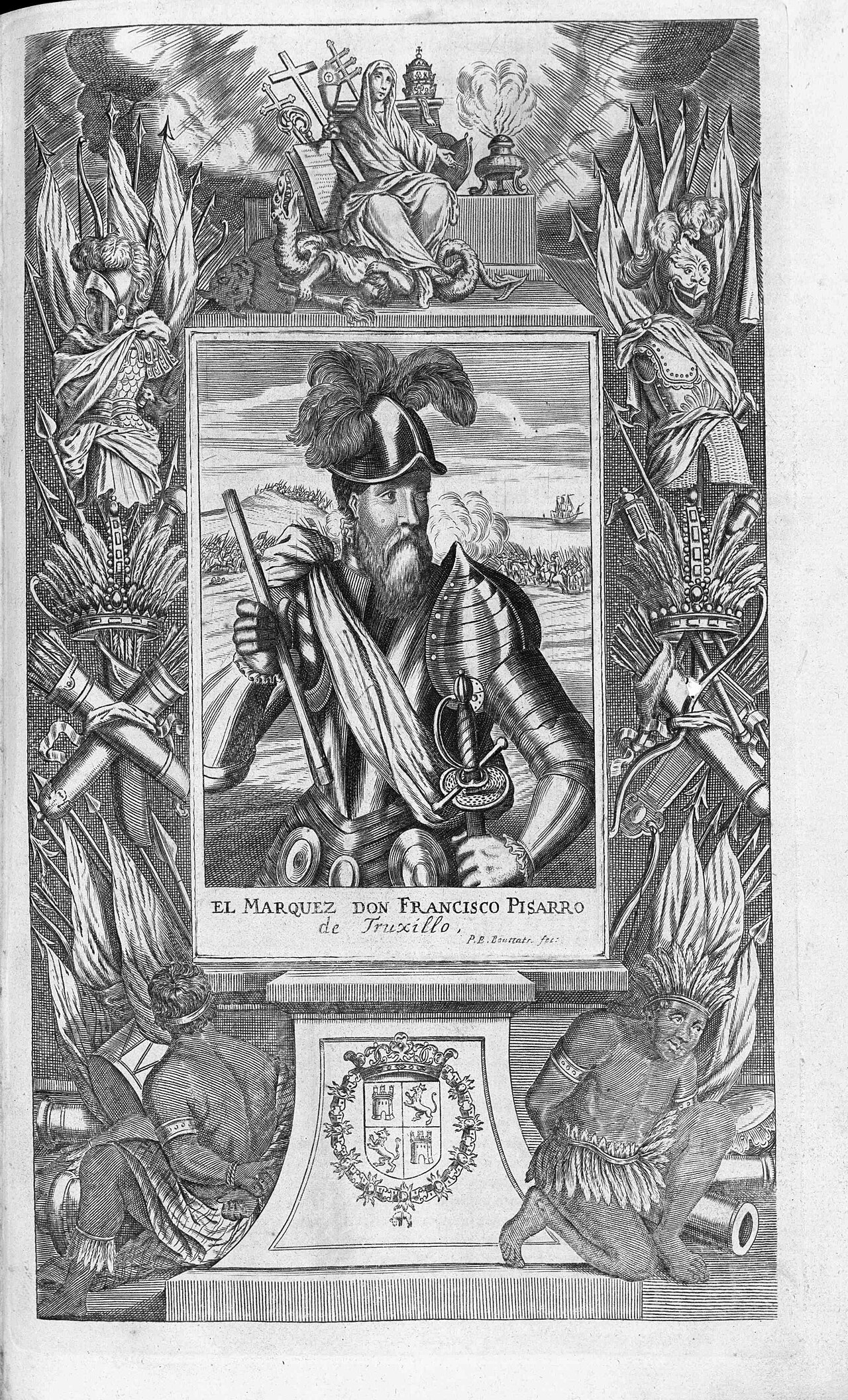 Book
Secondary source
Antonio de Herrera y Tordesillas · 1601–1615
 Book
Secondary source
Diego Fernández de Palencia · 1571
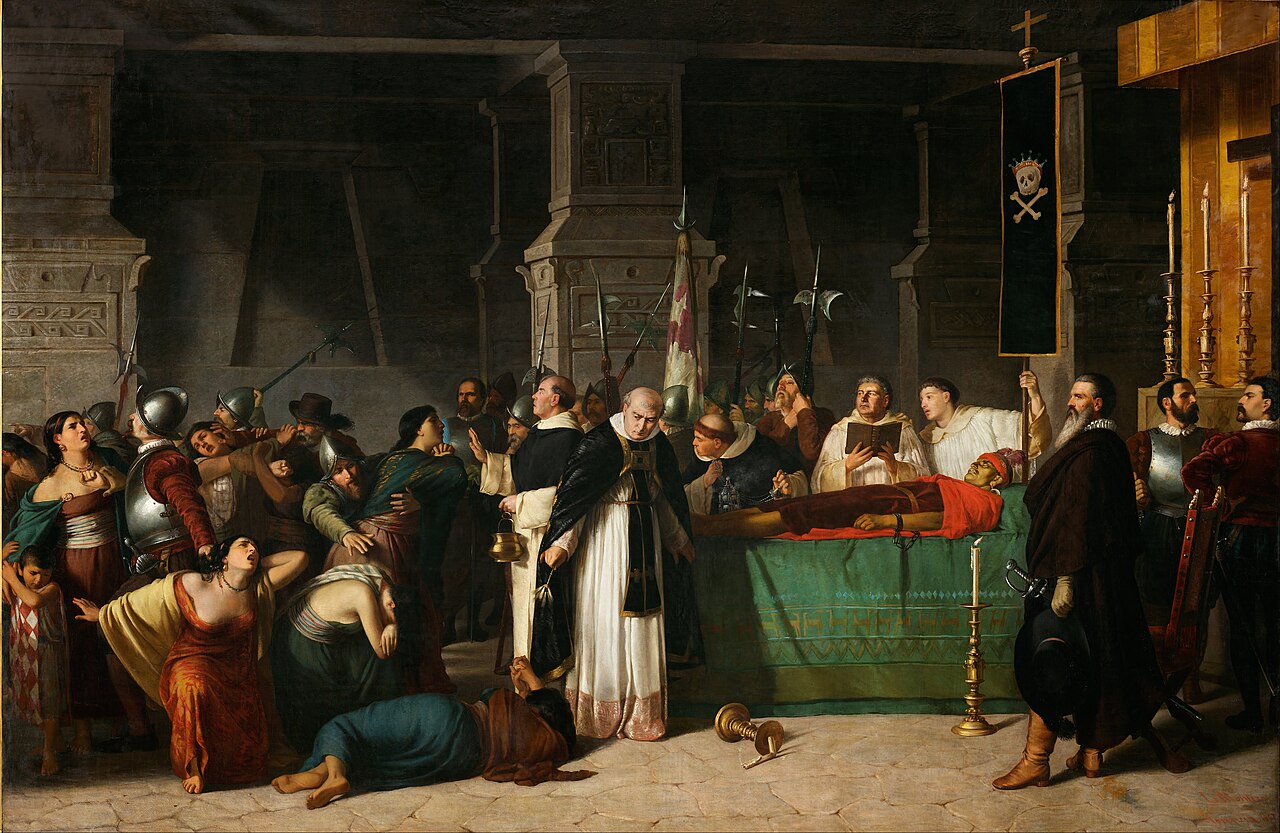 Painting
Secondary source
Luis Montero · 1867
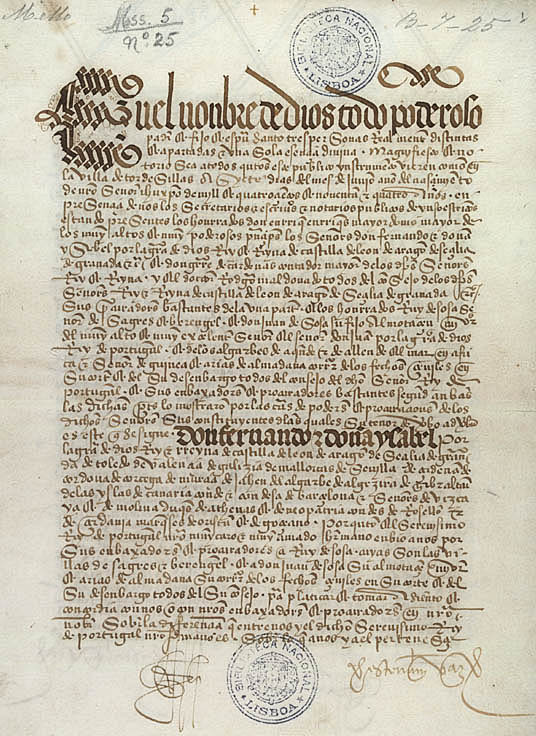 Document
Primary source
7 June 1494
 Book
Primary source
Francisco de Xerez · written 16th century; this edition 1872
 Book
Primary source
Clements R. Markham (editor) · written 16th century; this edition 1872
 Book
Primary source
Pedro Pizarro · 1921 (translation of a 16th-century account)
 Book
Secondary source
Arthur Helps · 1869
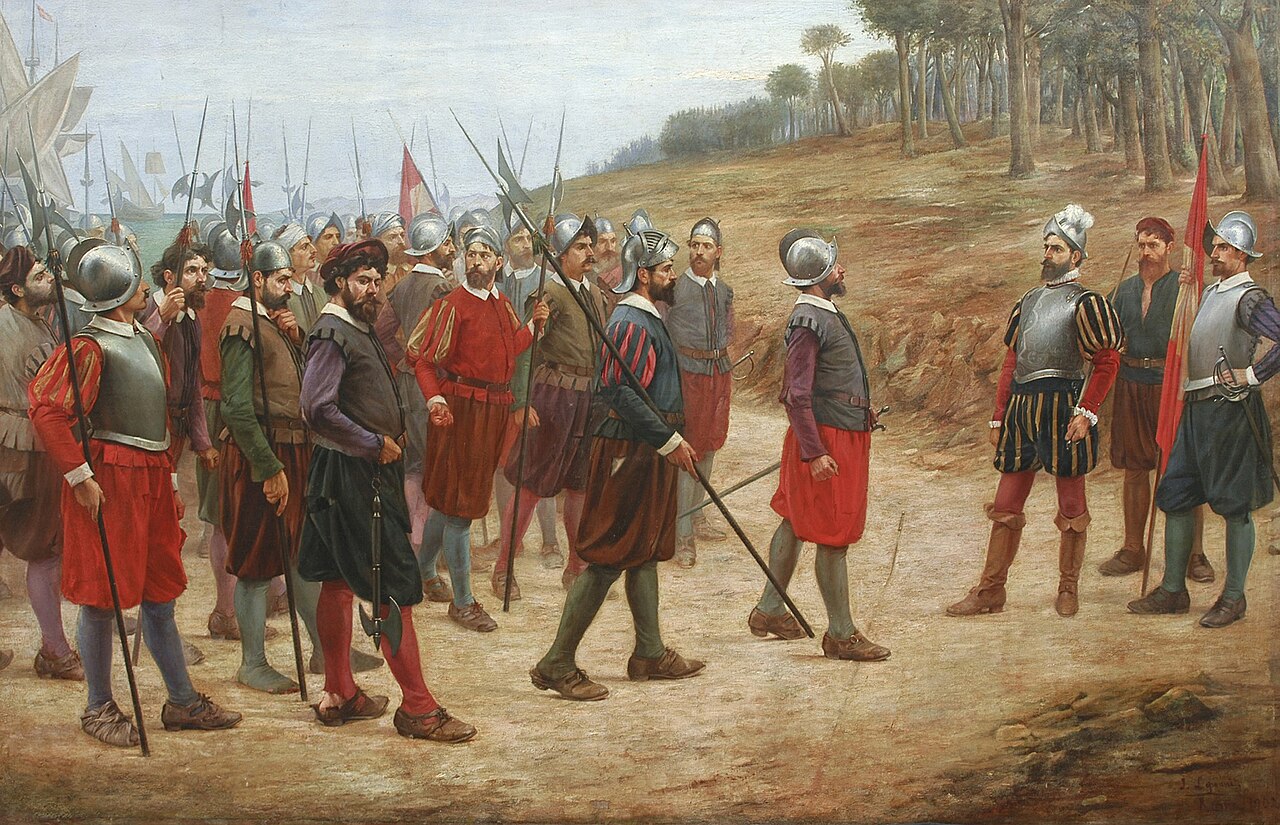 Painting
Secondary source
Juan Lepiani · 1902
 Book
Secondary source
Manuel José Quintana · 1832
 Book
Secondary source
George M. Towle · 1897
Secondary source
W. H. Davenport Adams · 1885
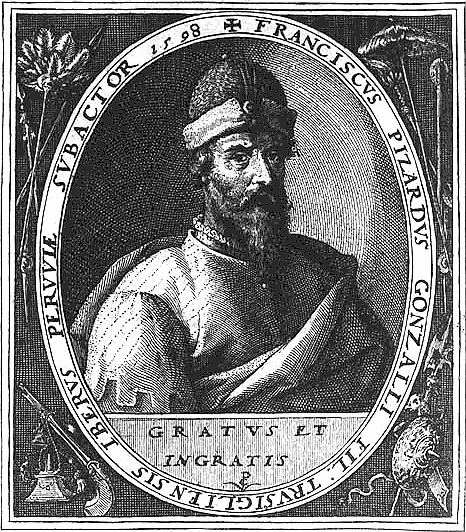 Painting
Secondary source
Crispijn van de Passe the Elder · 1598
Tertiary source
1900
Tertiary source
Camillus Crivelli · 1913
Tertiary source
1879
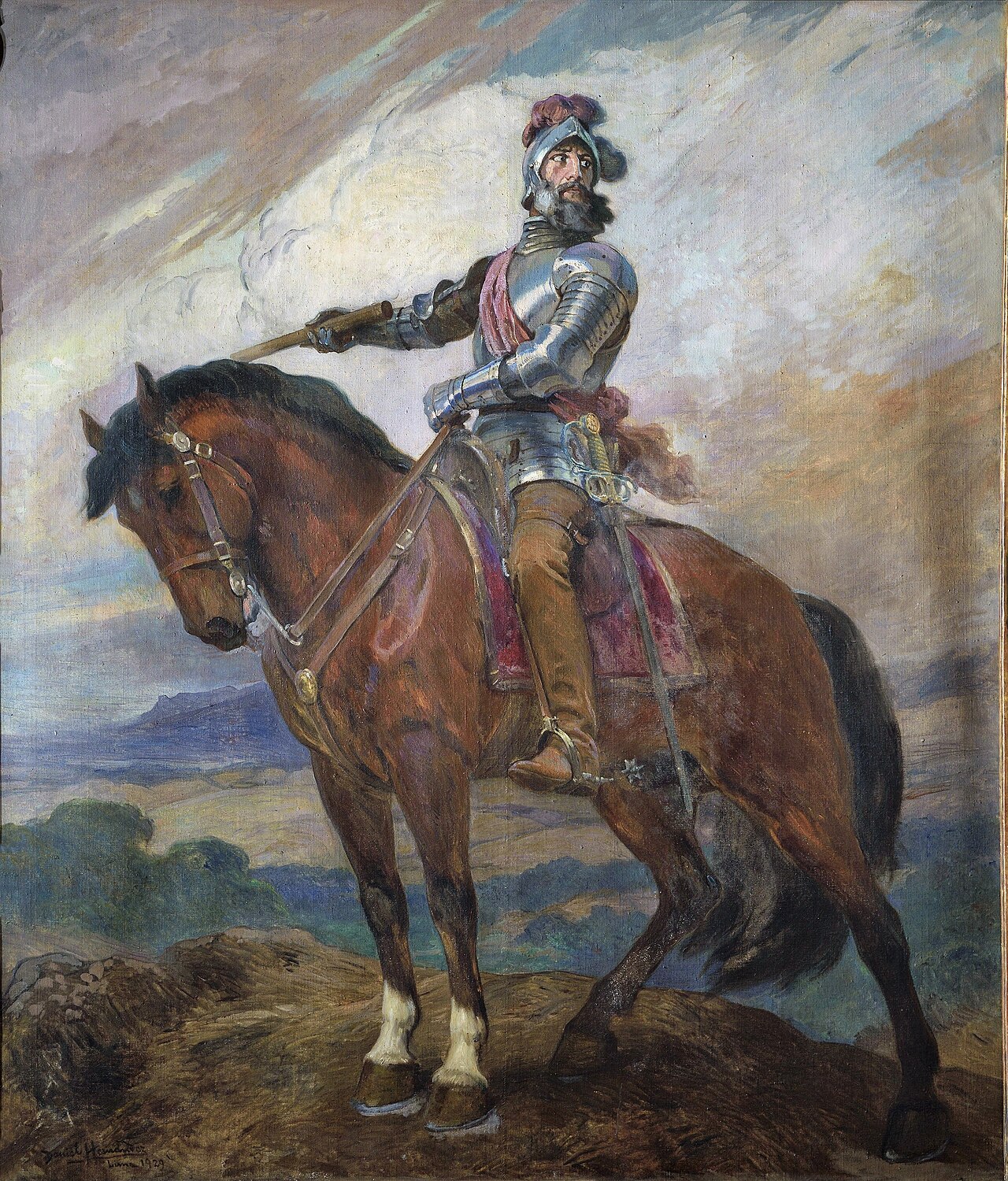 Painting
Secondary source
Daniel Hernández Morillo · Exhibited 1929
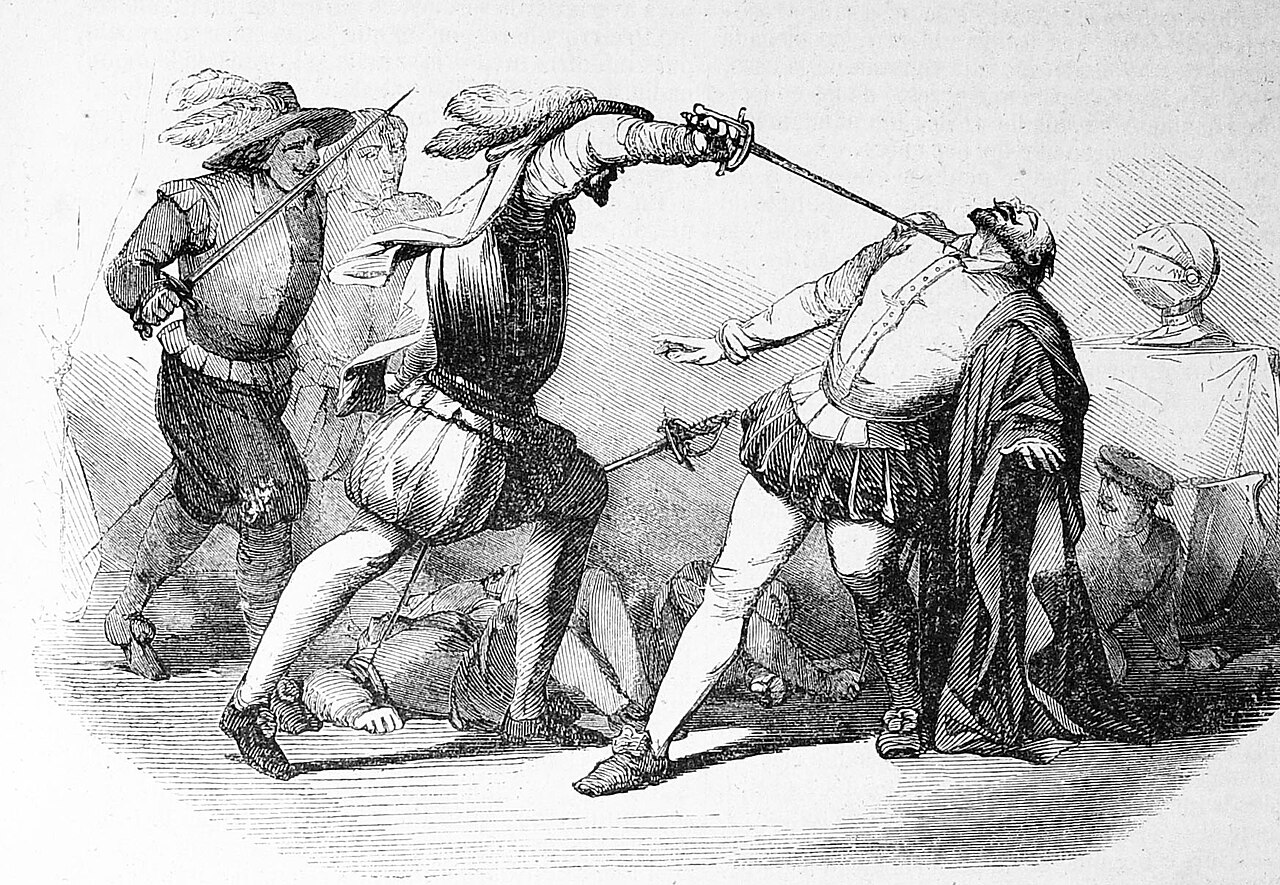 Painting
Secondary source
1851
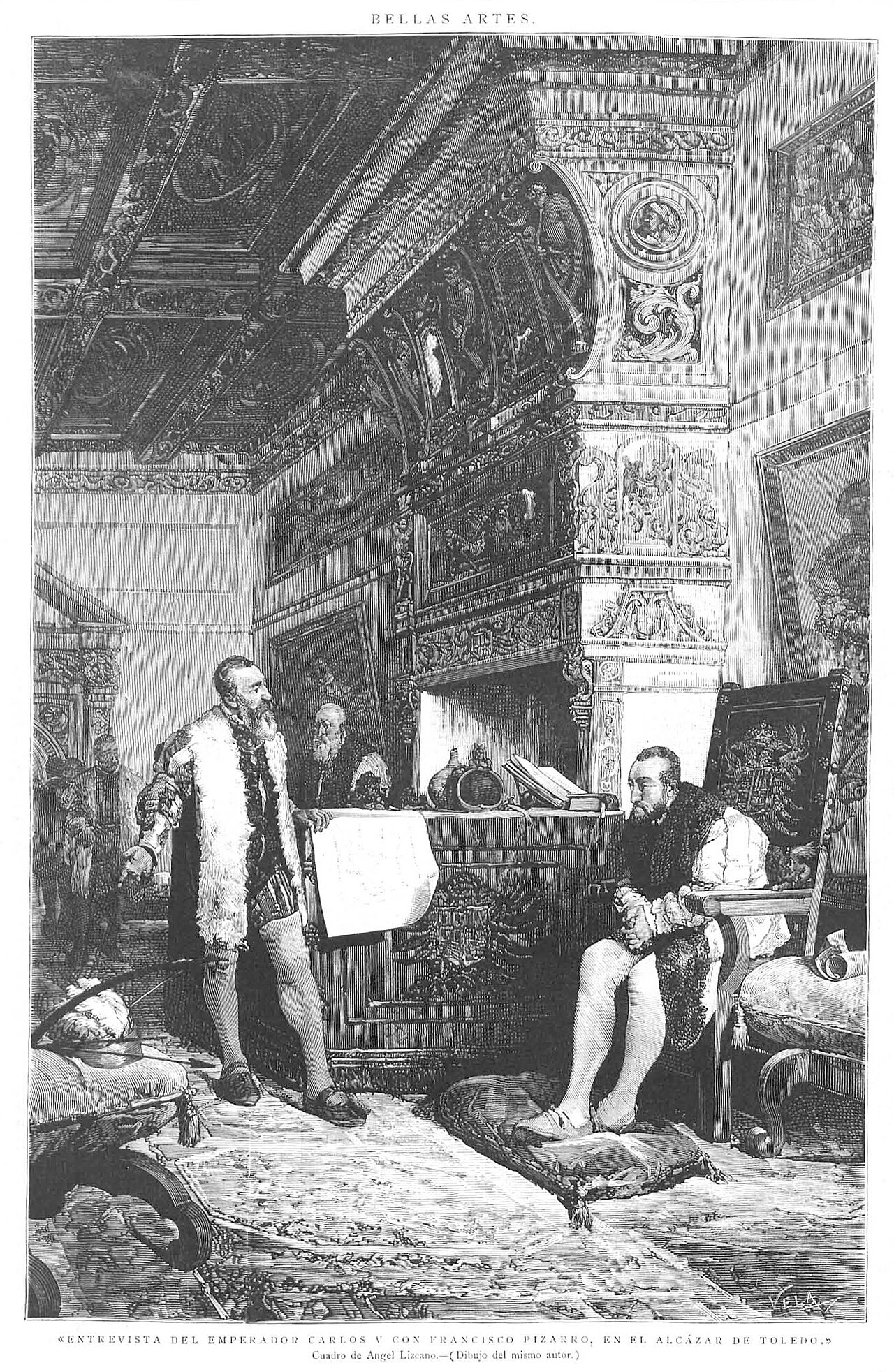 Painting
Secondary source
Ángel Lizcano Monedero · 15 January 1887
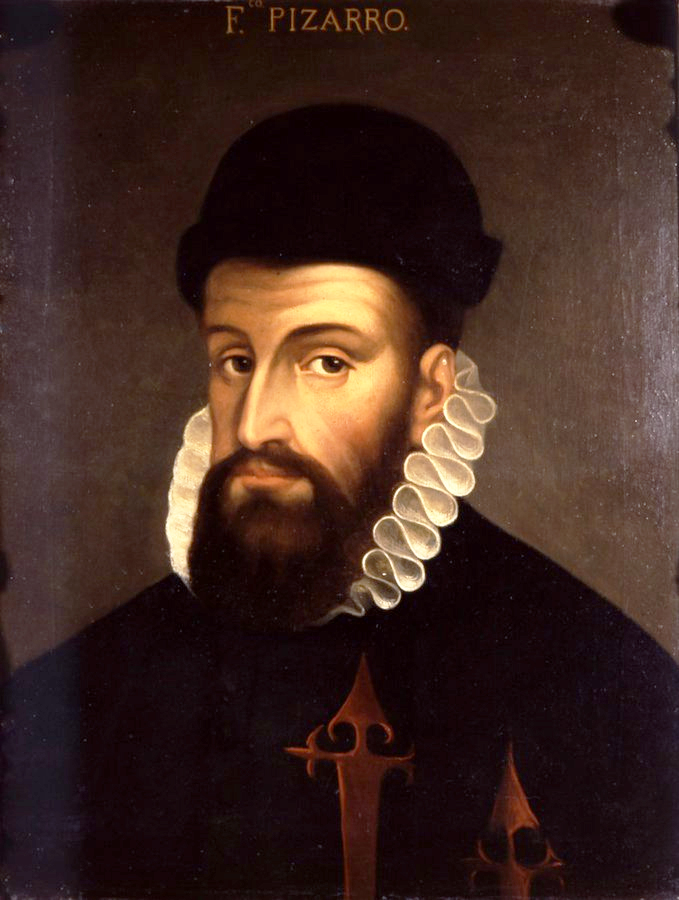 Painting
Secondary source
Ramón Salvatierra Molero · 1853
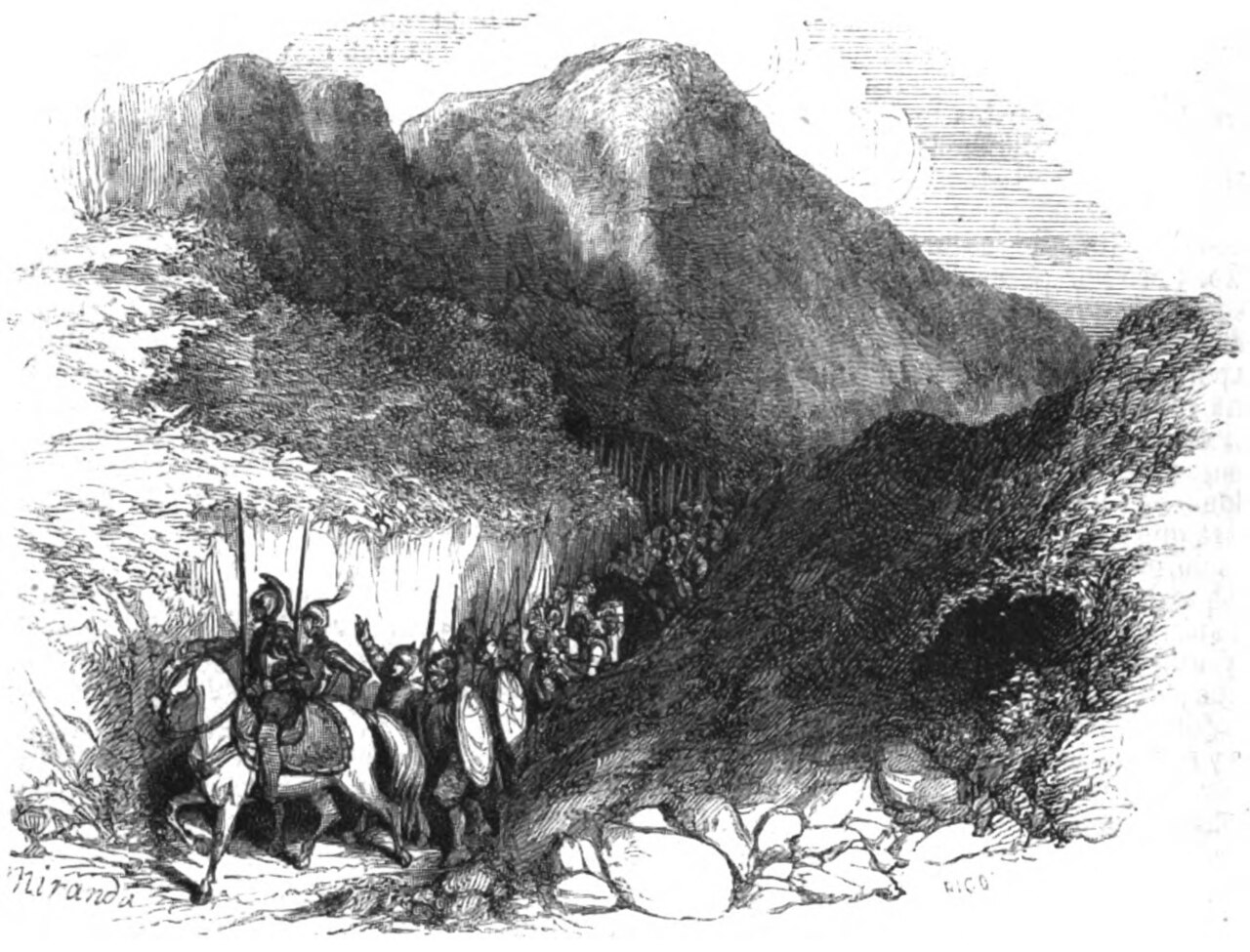 Painting
Secondary source
Miranda · 1851
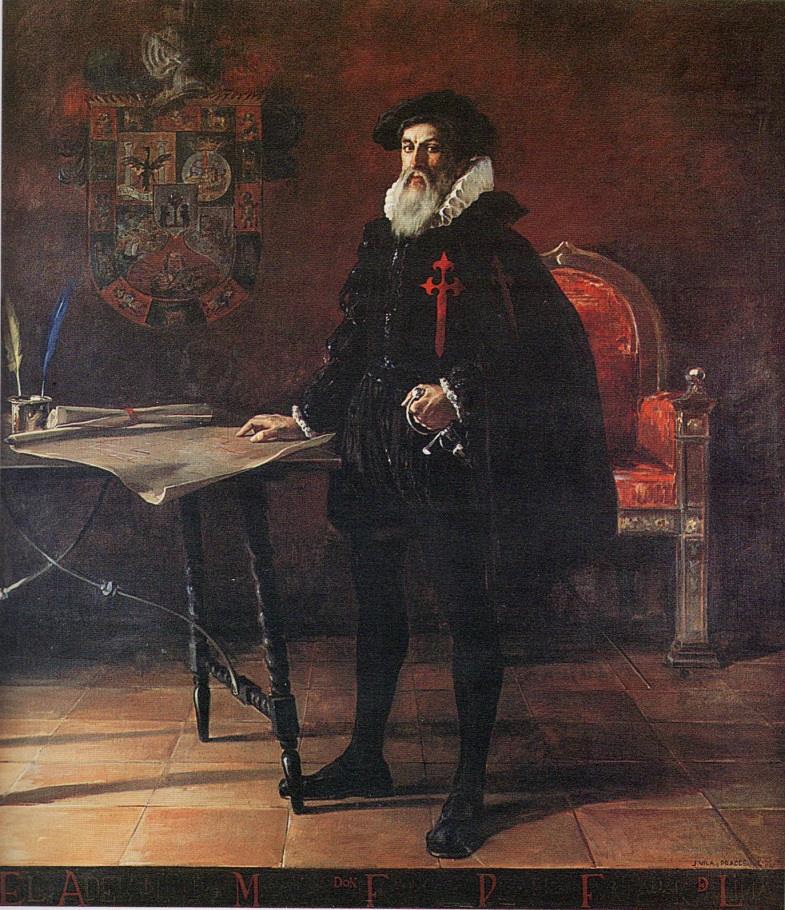 Painting
Secondary source
Julio Vila y Prades · 1925
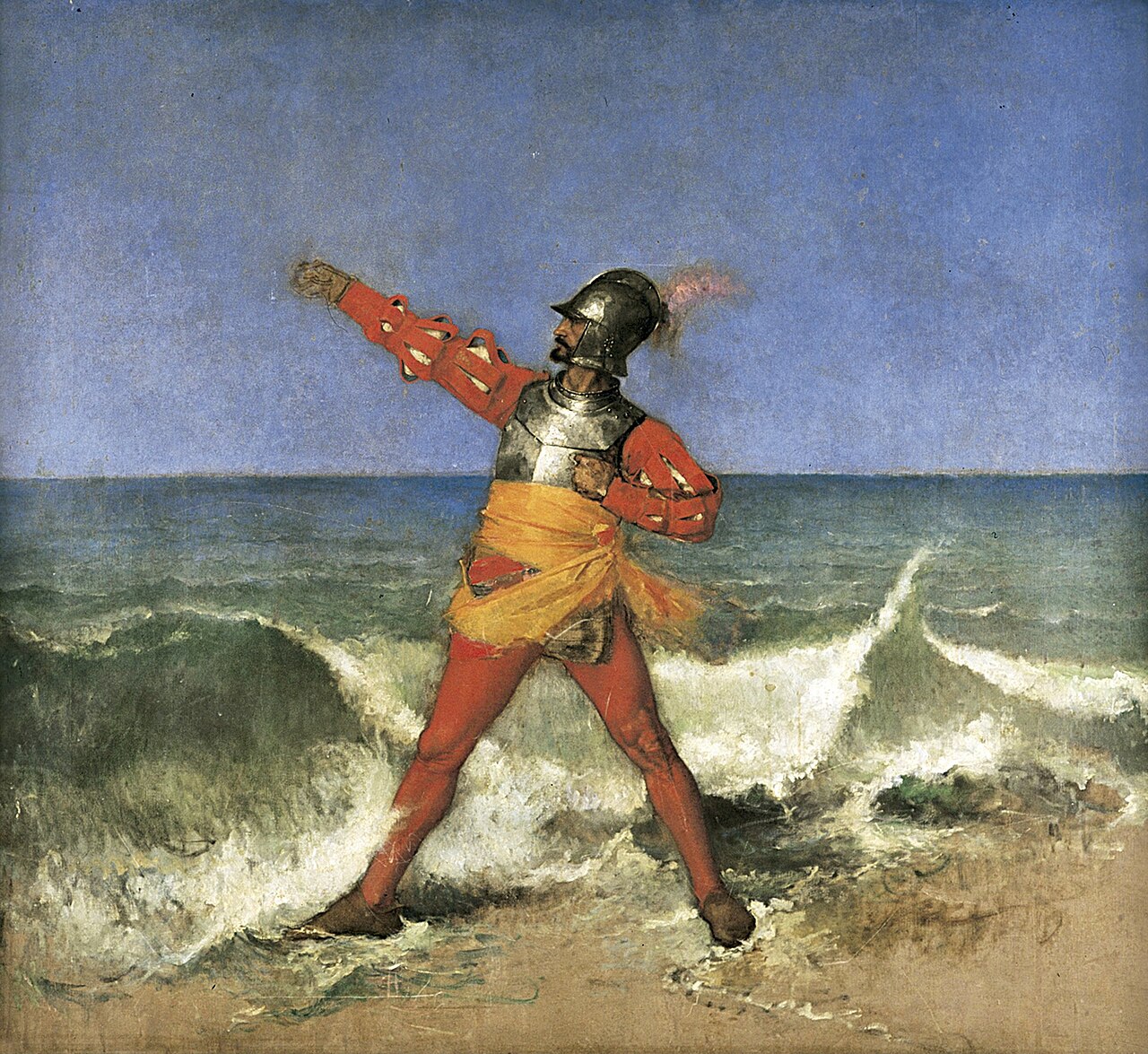 Painting
Secondary source
Ignacio Merino · c. 1850
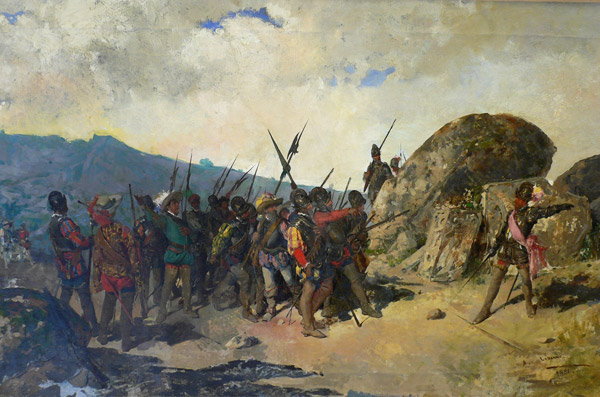 Painting
Secondary source
Angel Lizcano Monedero · 1881
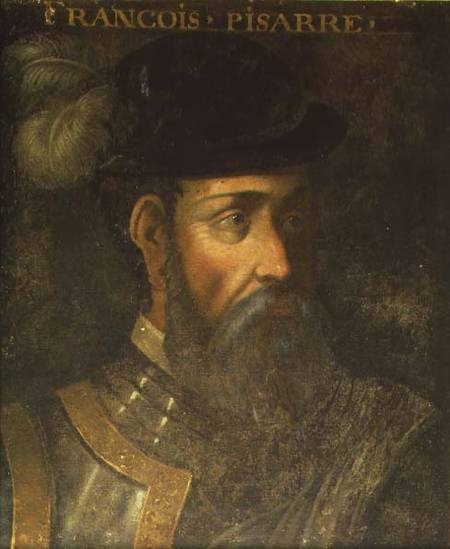 Painting
Secondary source
Jean Monier · 17th century
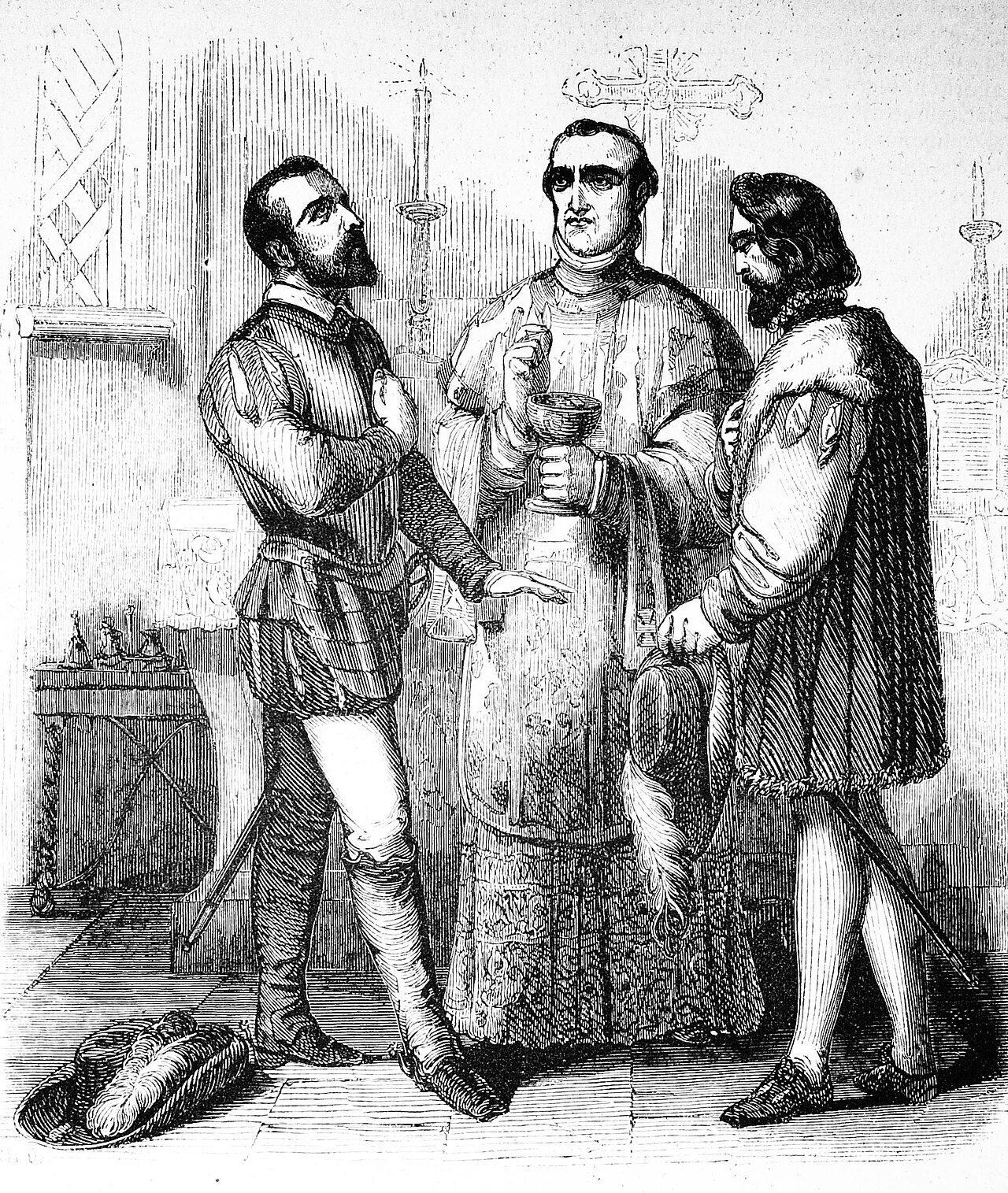 Painting
Secondary source
1851
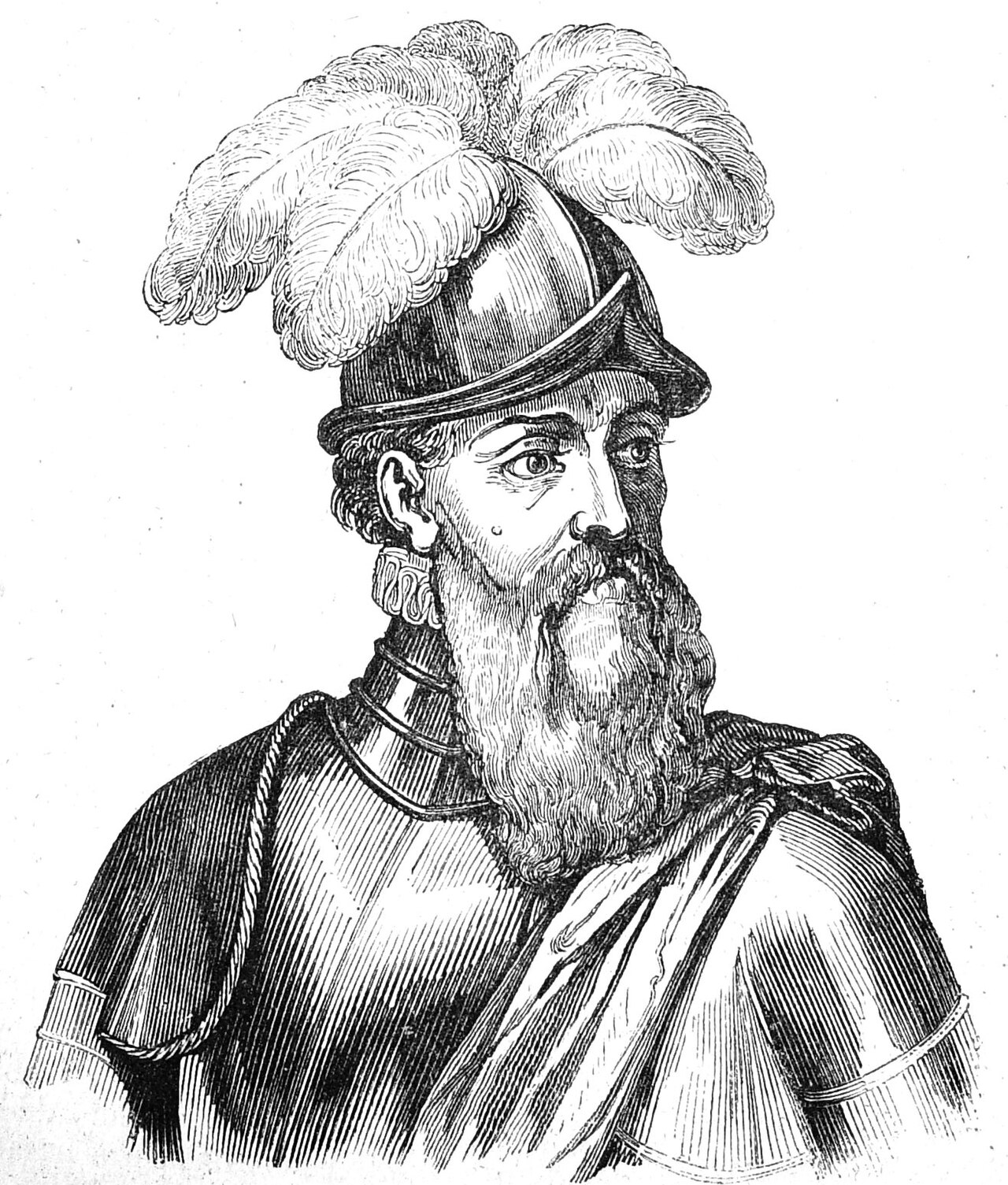 Painting
Secondary source
1851
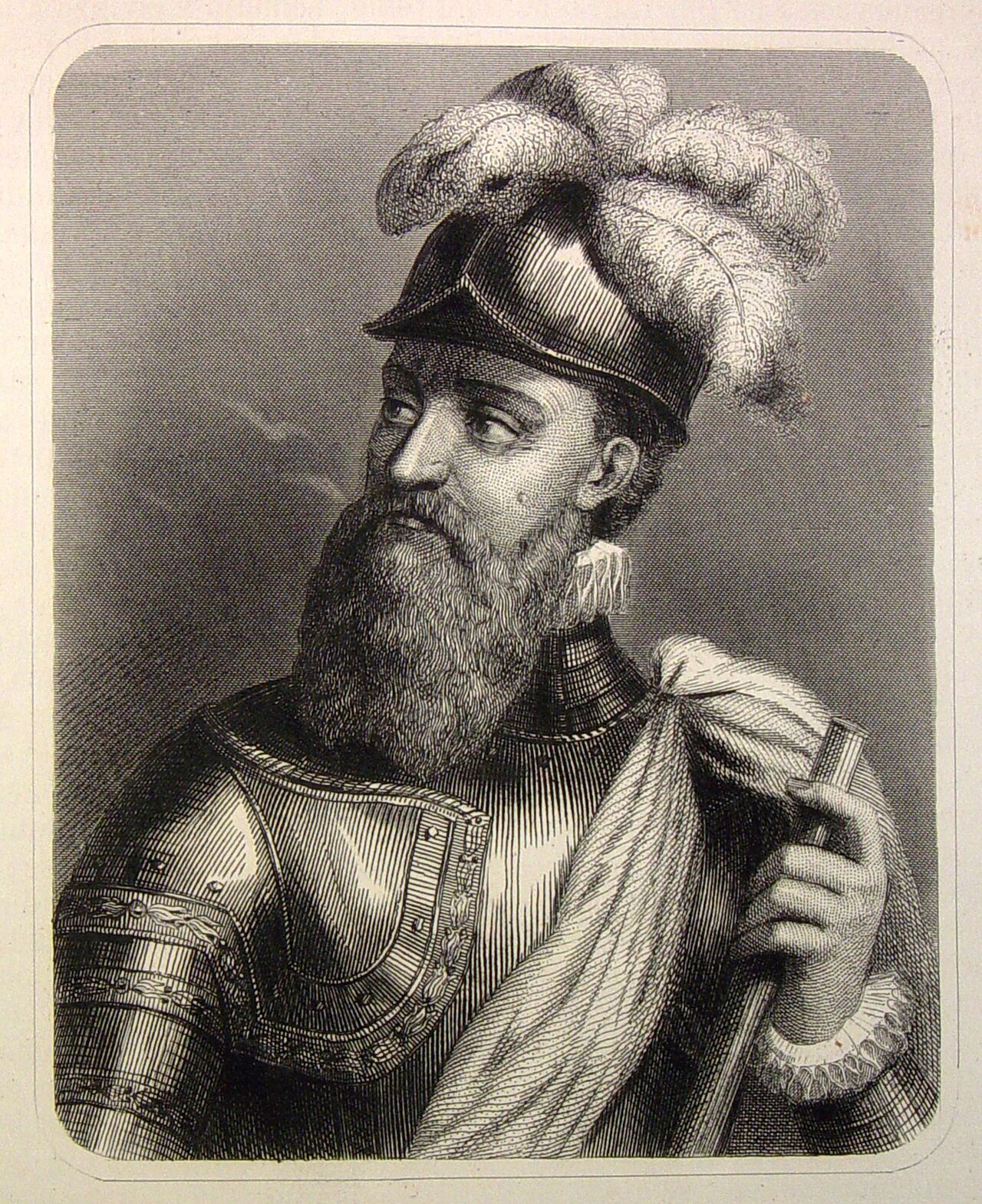 Painting
Secondary source
1854-1859
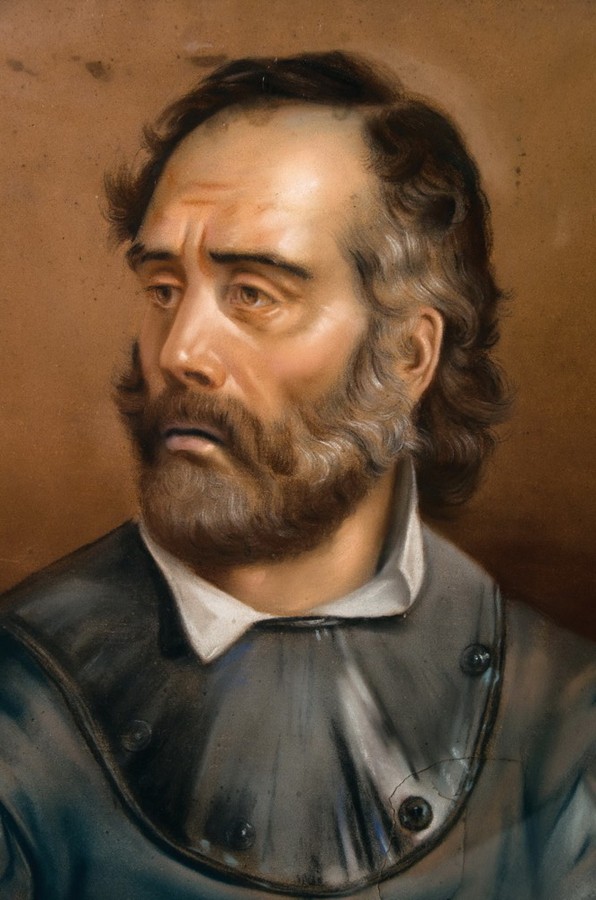 Painting
Secondary source
José Luis Rodríguez Alconedo · 1800s
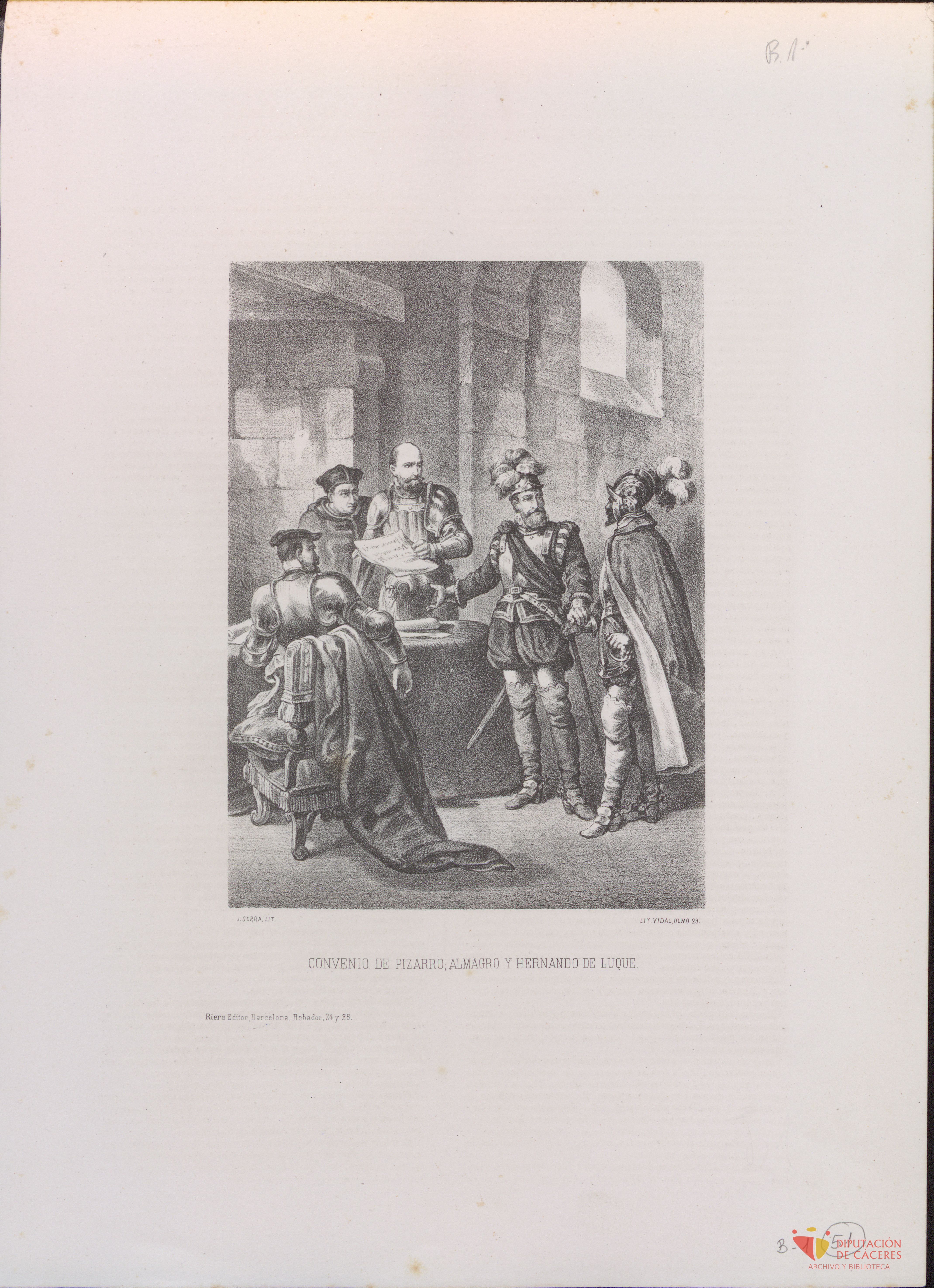 Painting
Secondary source
Rafael del Castillo de la Cuesta · 1880
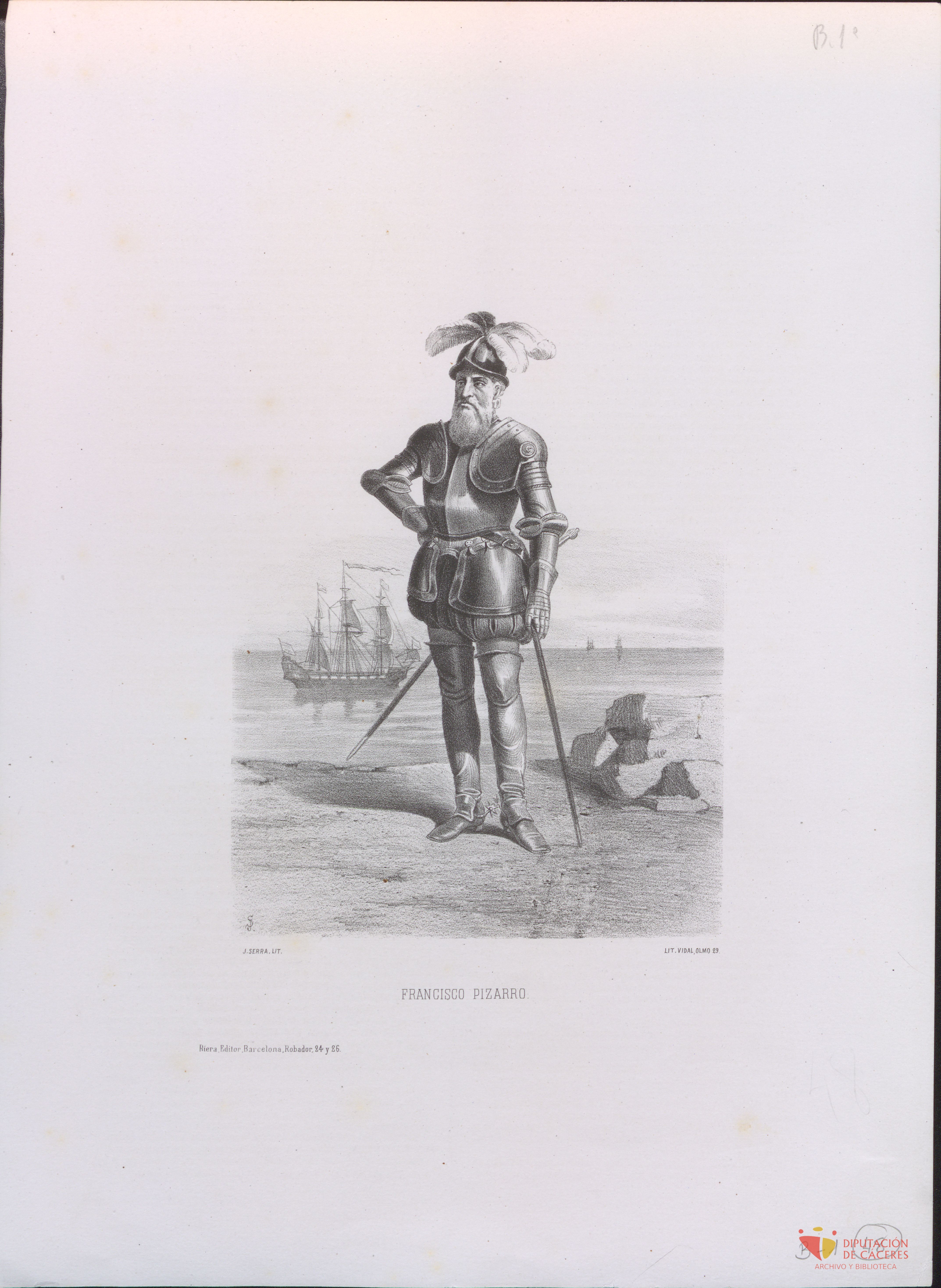 Painting
Secondary source
Rafael del Castillo de la Cuesta · 1880
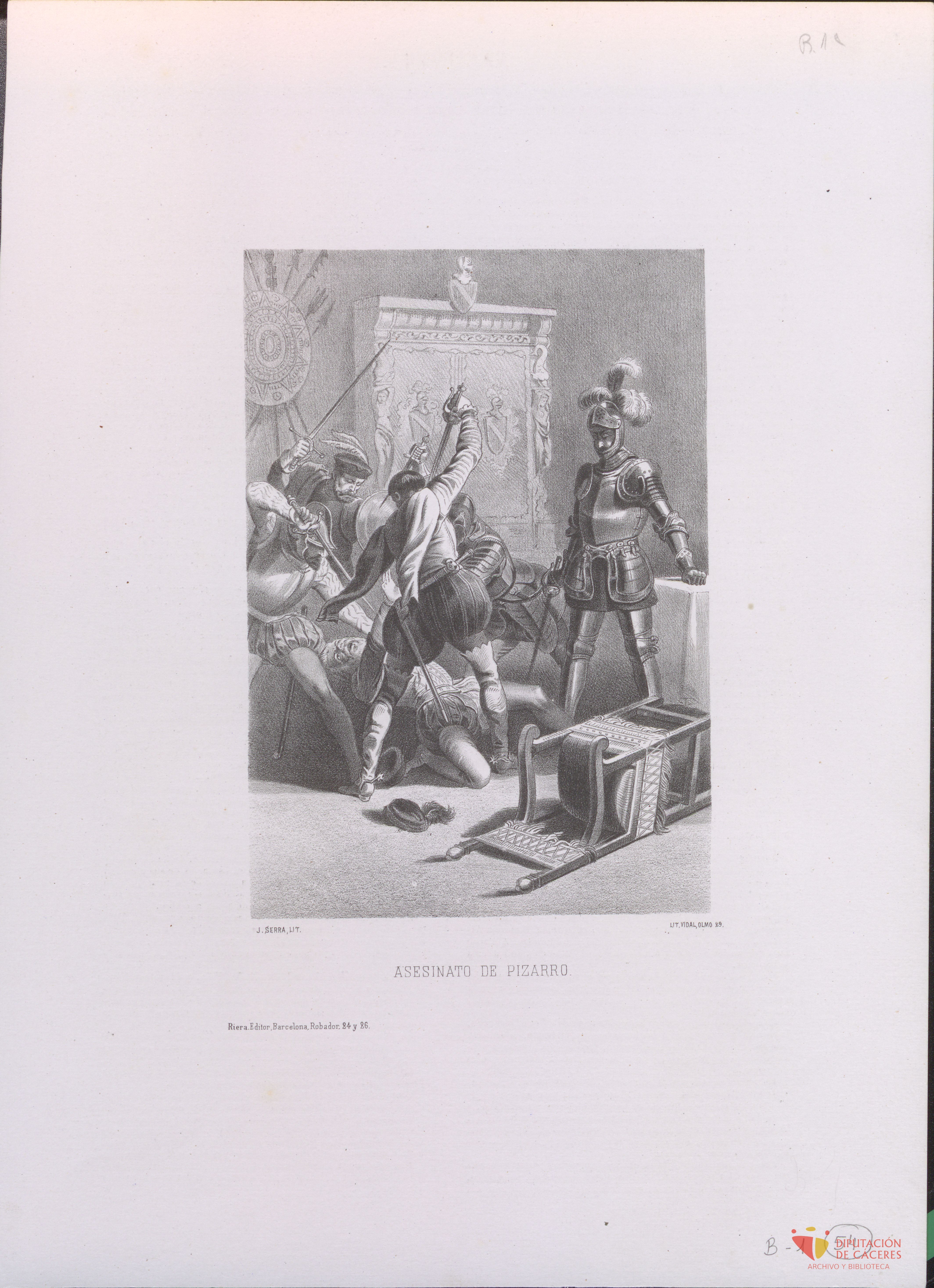 Painting
Secondary source
Rafael del Castillo de la Cuesta · 1880
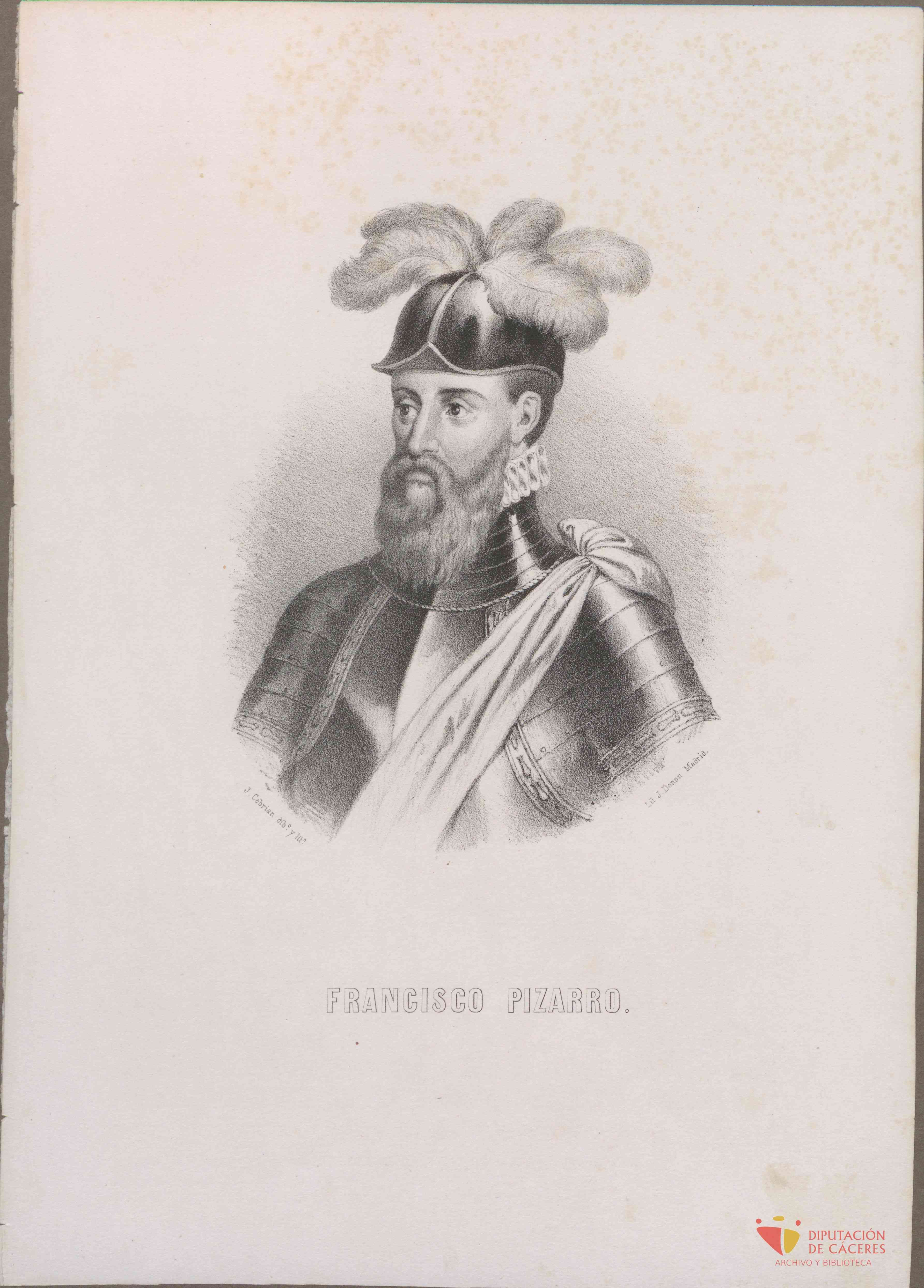 Painting
Secondary source
José Cebrián García · 1870
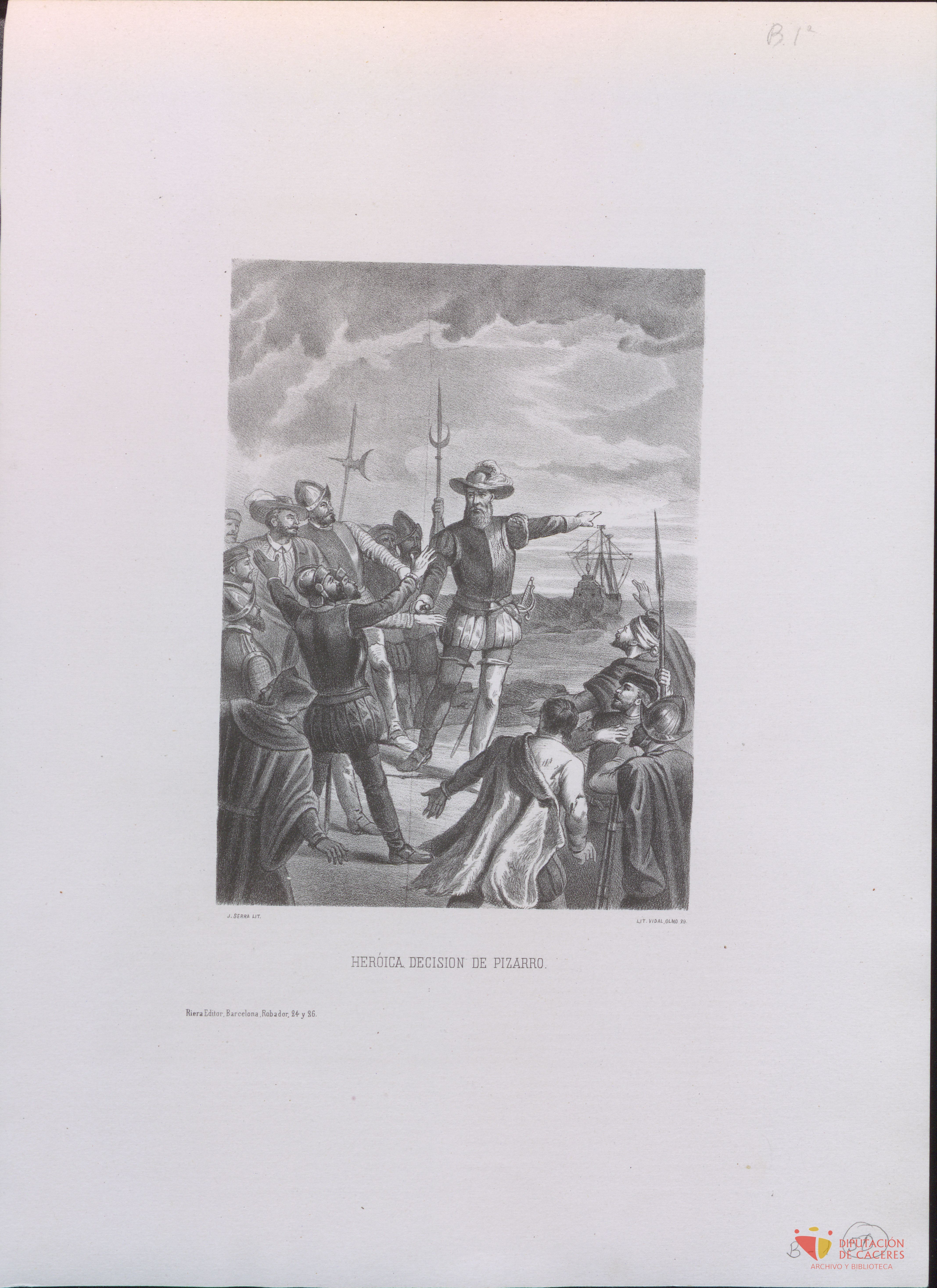 Painting
Secondary source
Rafael del Castillo de la Cuesta · 1880
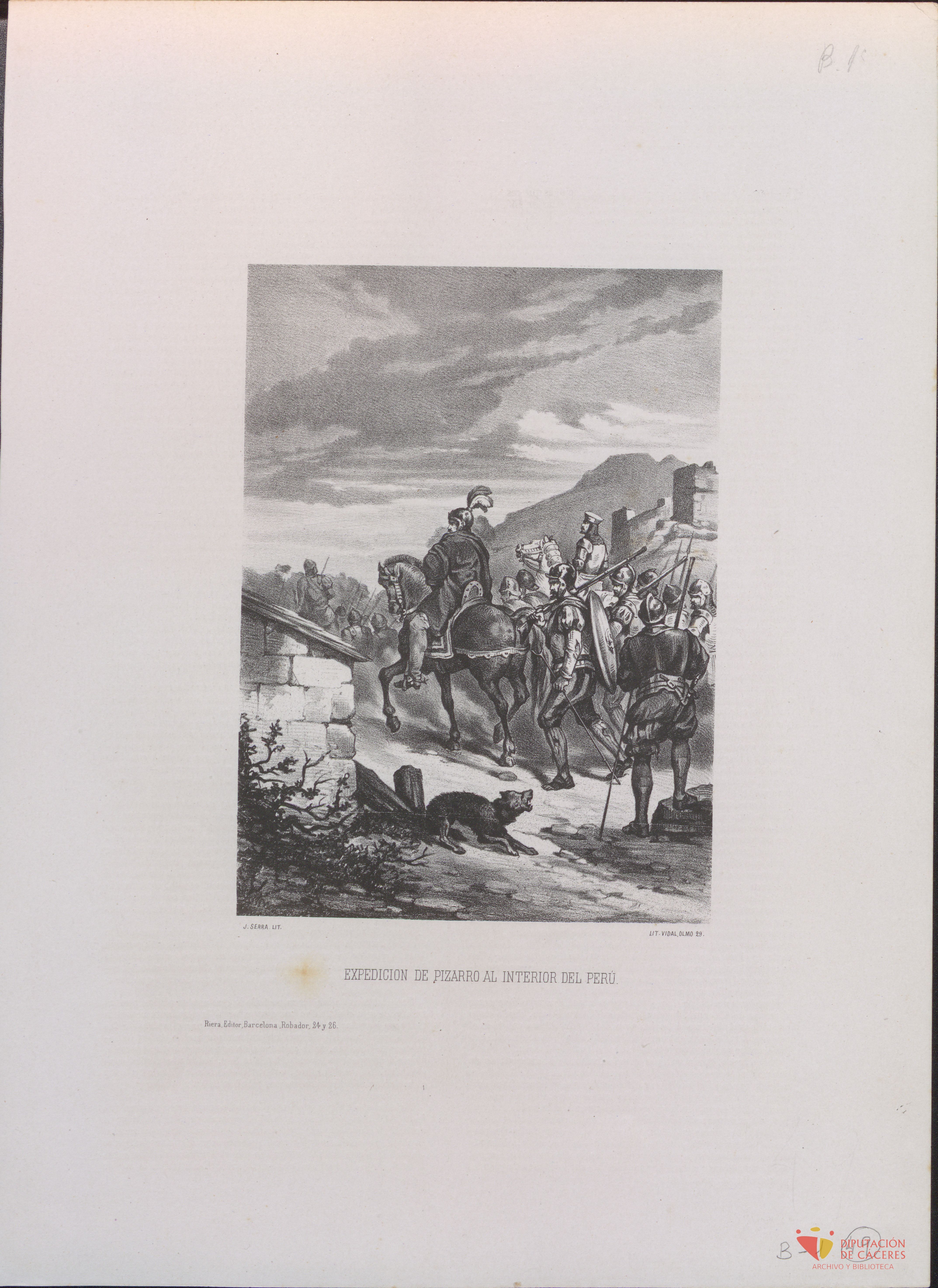 Painting
Secondary source
Rafael del Castillo de la Cuesta · 1880
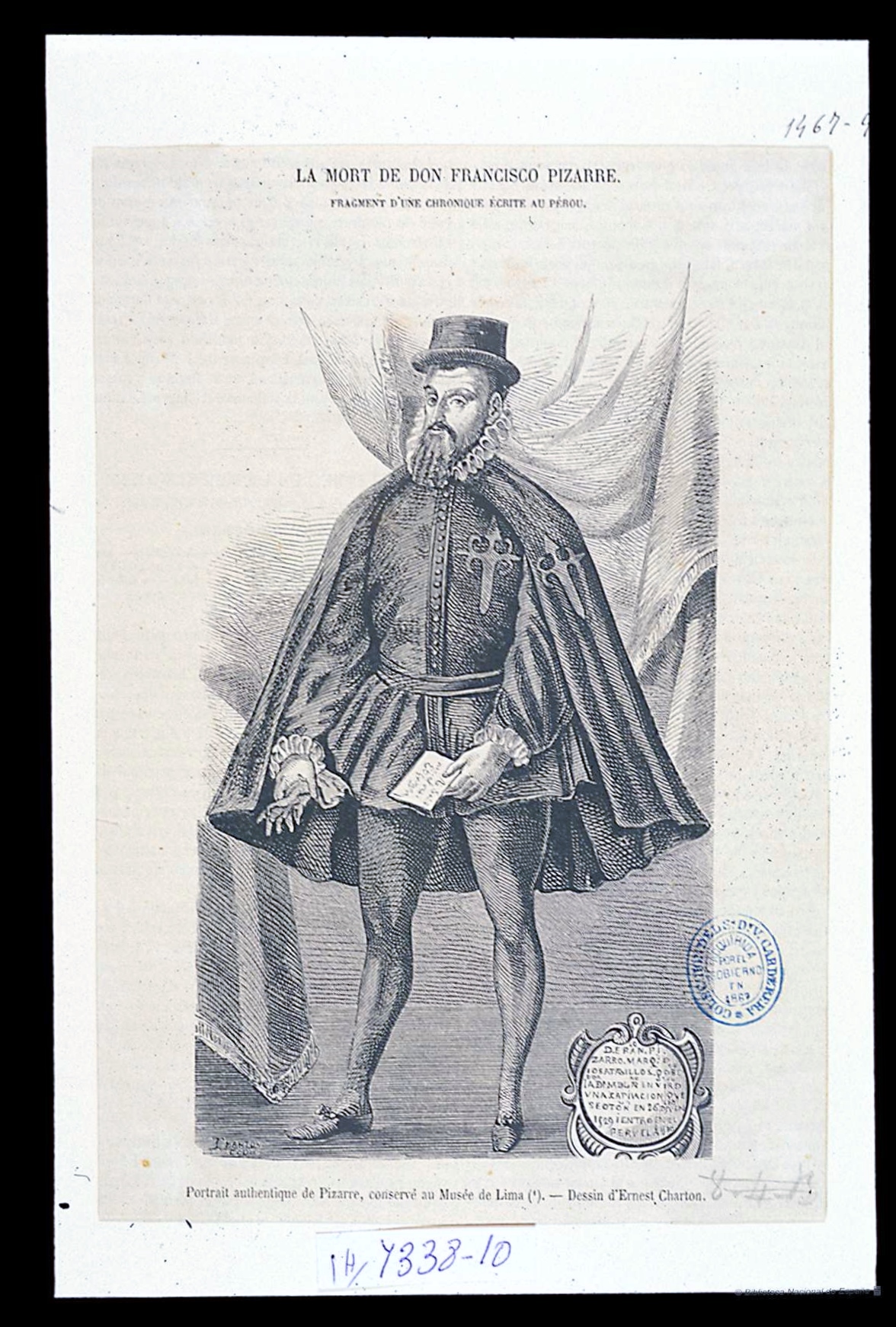 Painting
Secondary source
Ernest Charton · 19th century
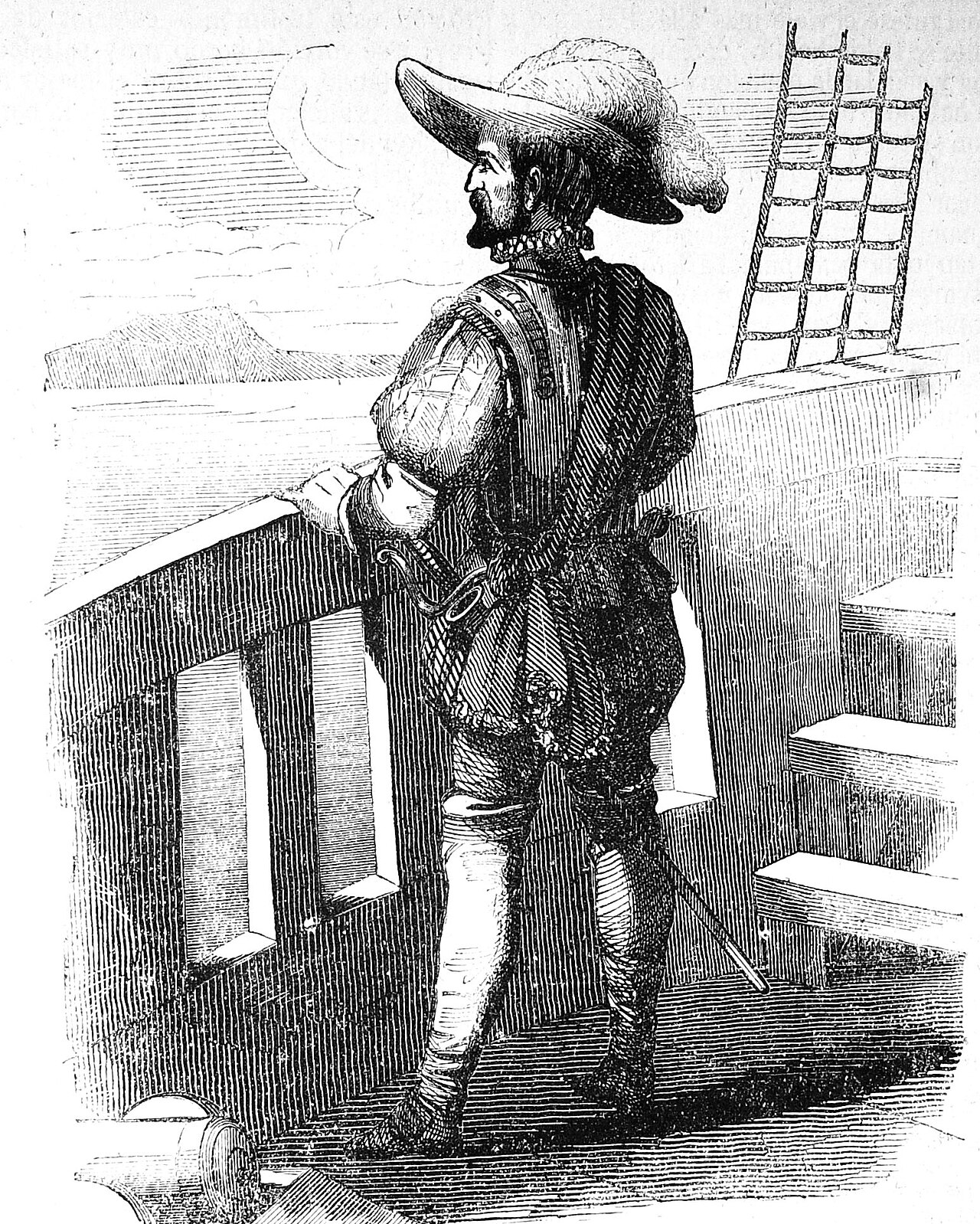 Painting
Secondary source
1851
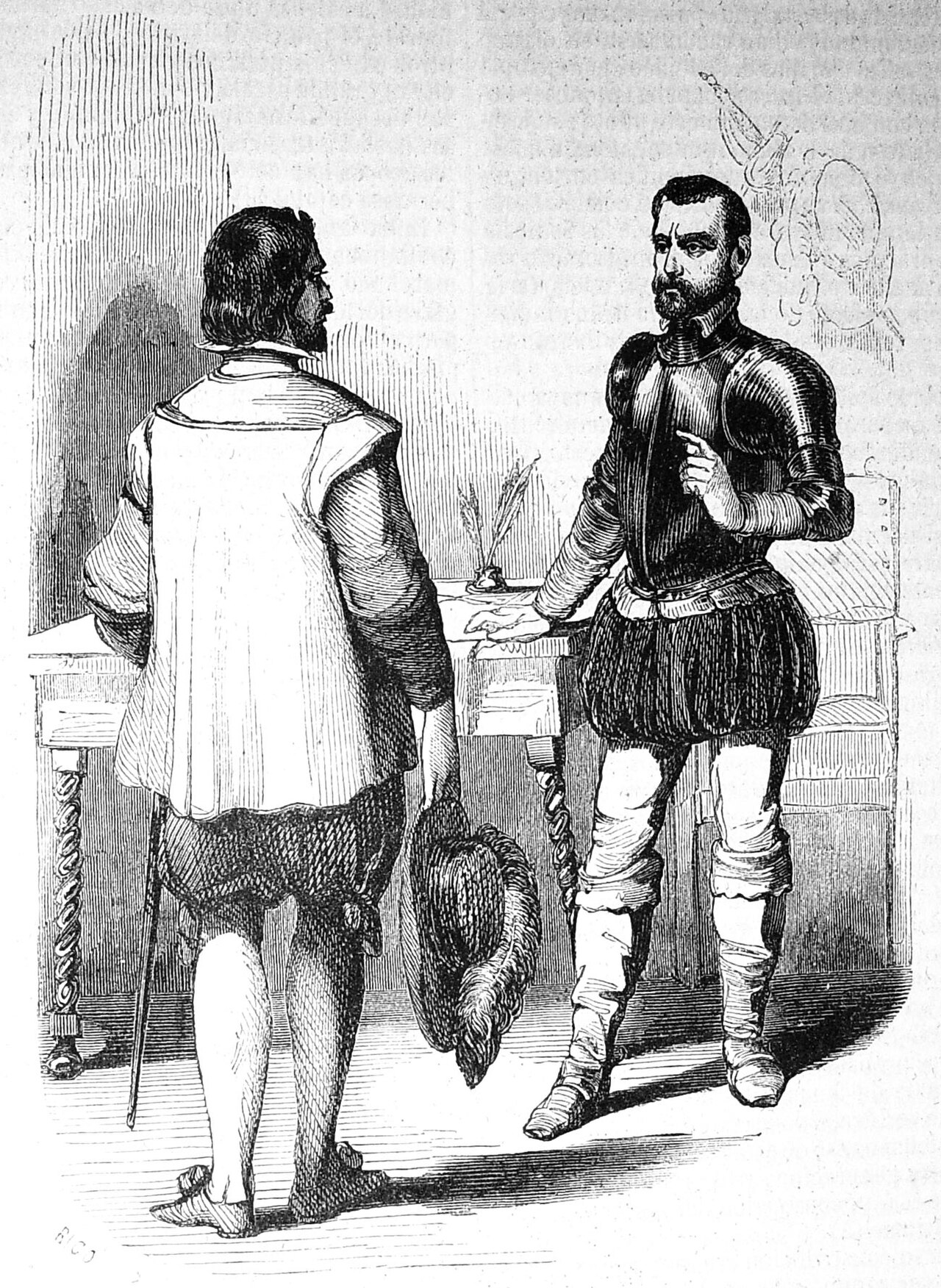 Painting
Secondary source
1851
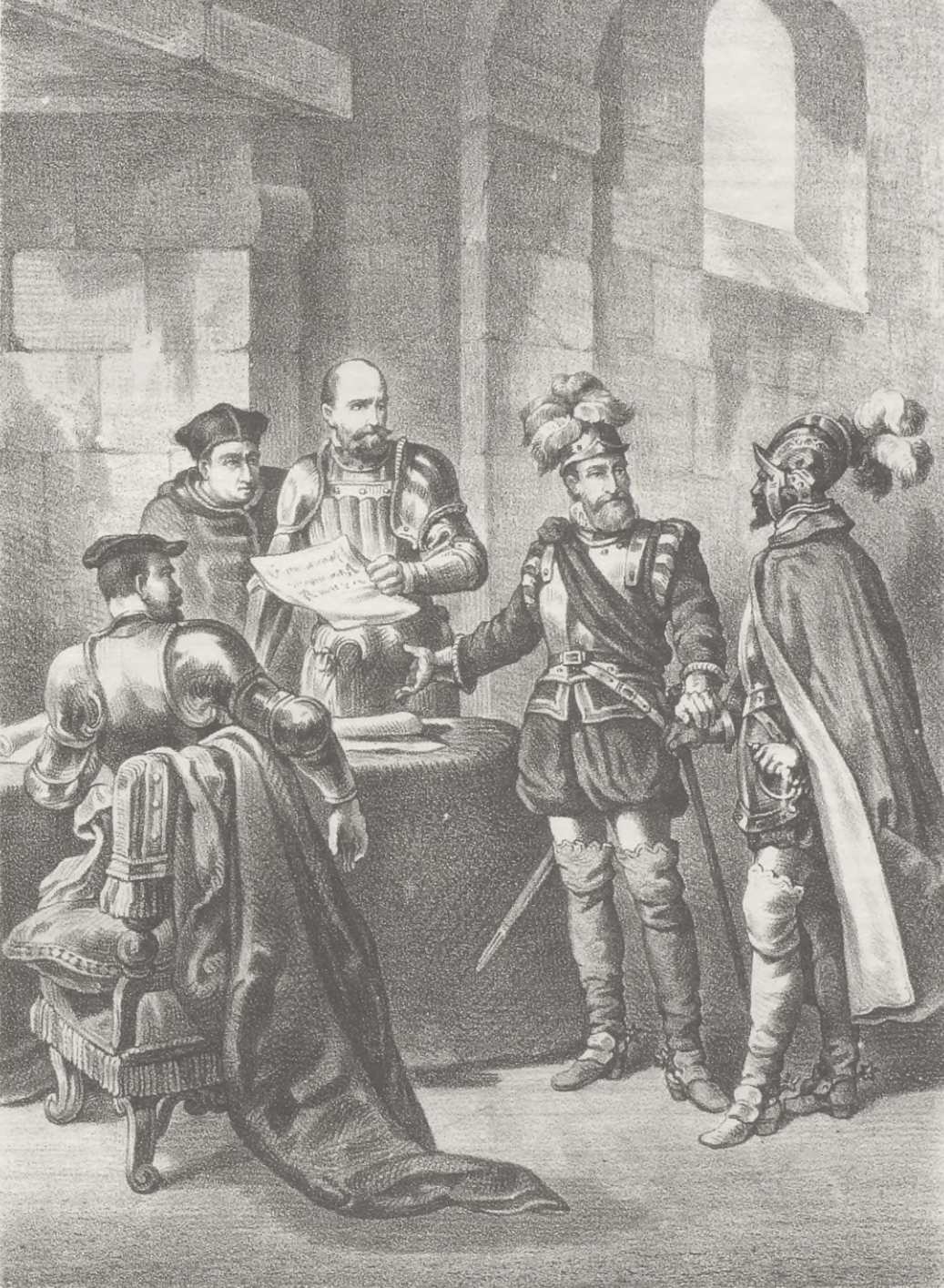 Painting
Secondary source
Josep Serra i Porsón · c. 1875 (painting); the agreement is dated c. 1529
 Painting
Secondary source
Teófilo Castillo · August 1925 (publication of reproduction)
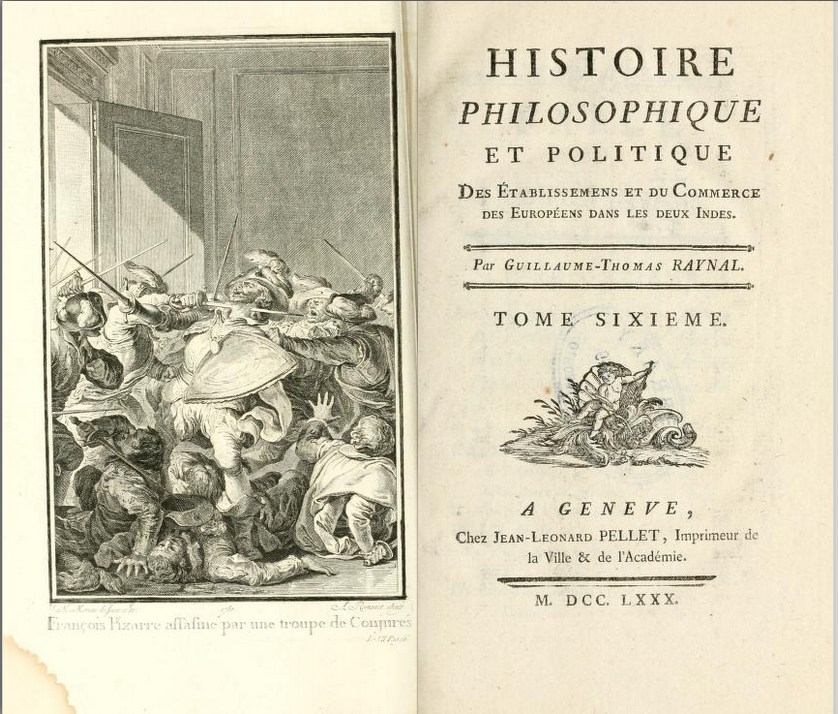 Painting
Secondary source
Guillaume Thomas François Raynal · 1780
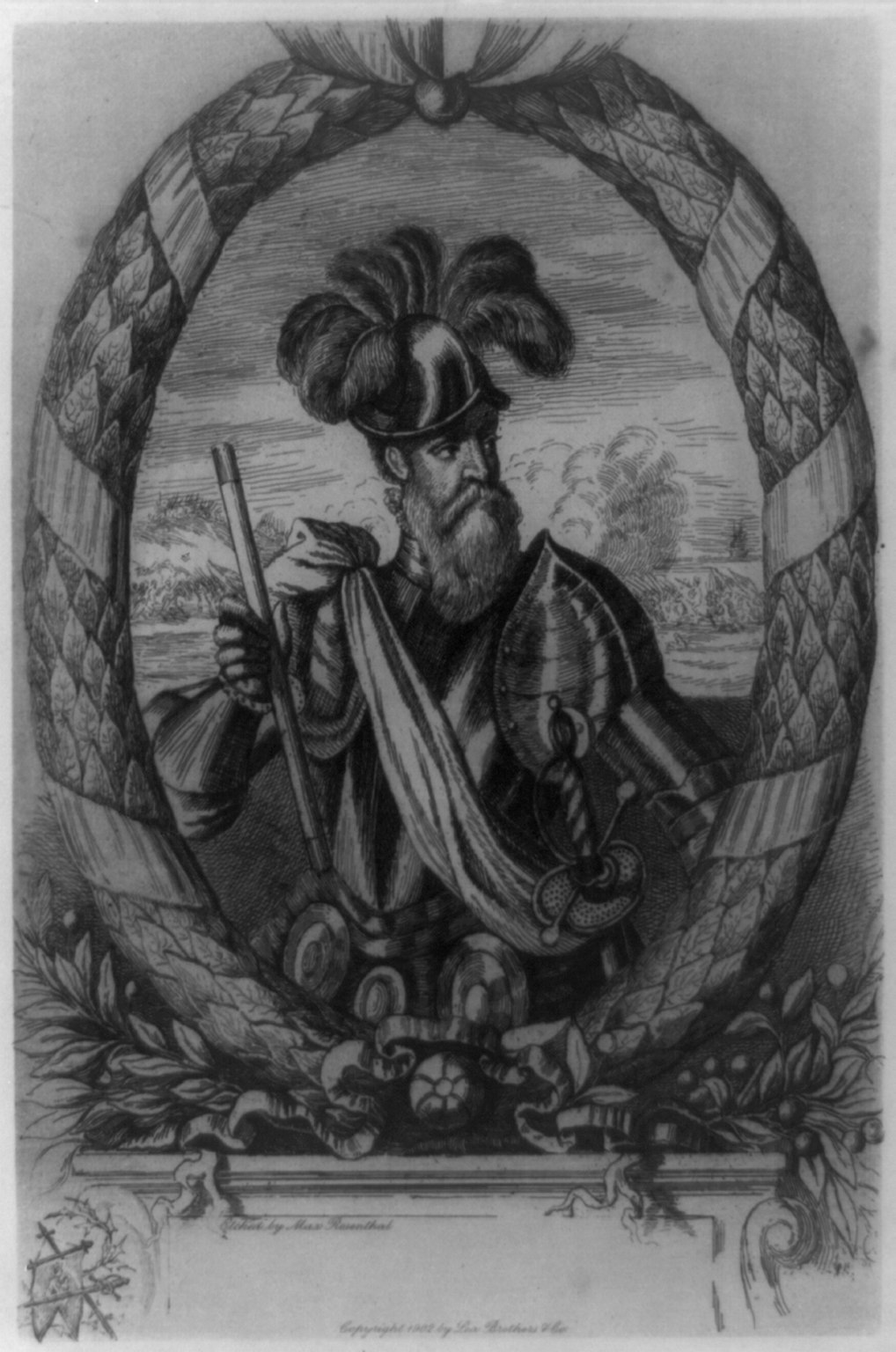 Painting
Secondary source
Max Rosenthal · 1902
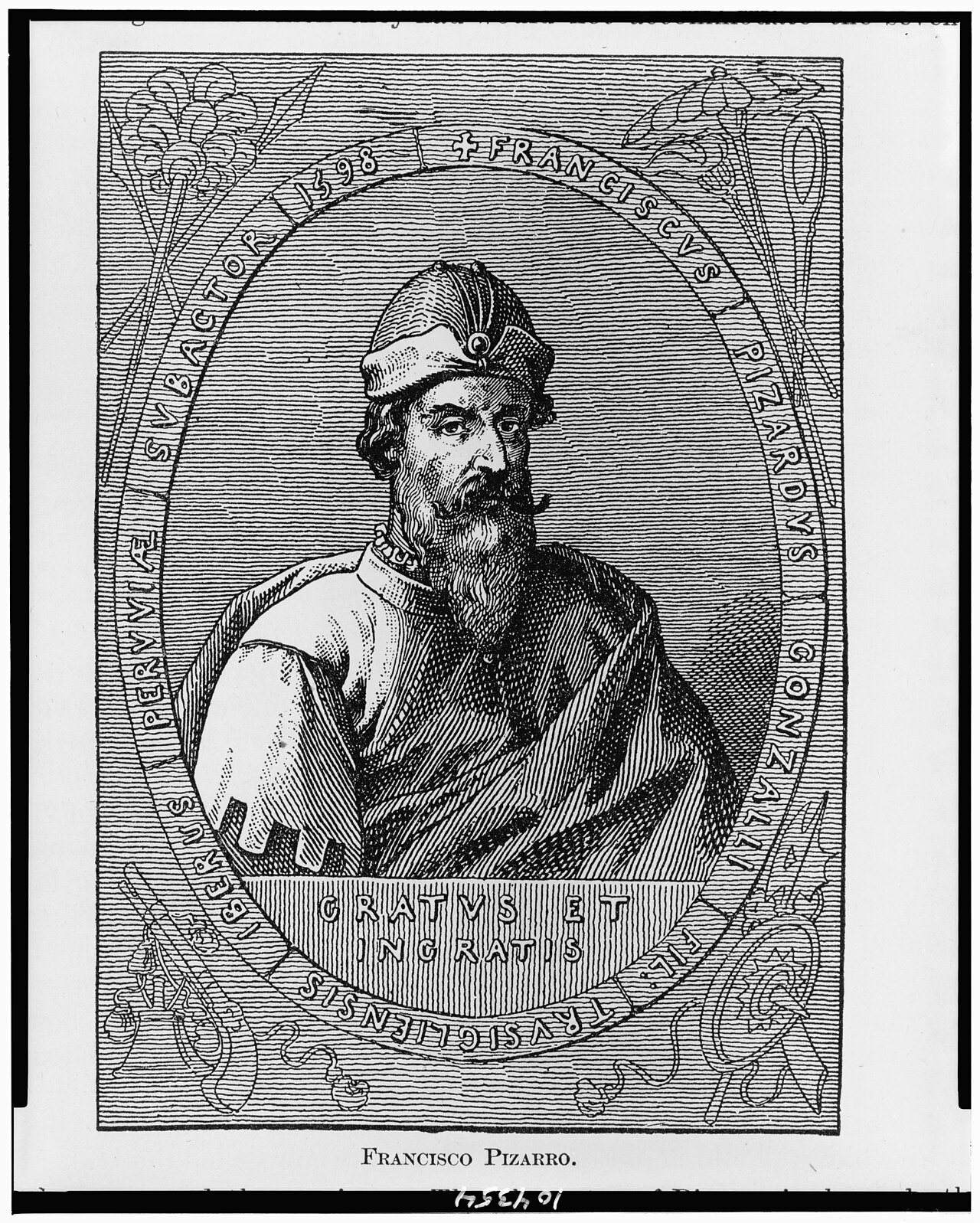 Photograph
Secondary source
1891
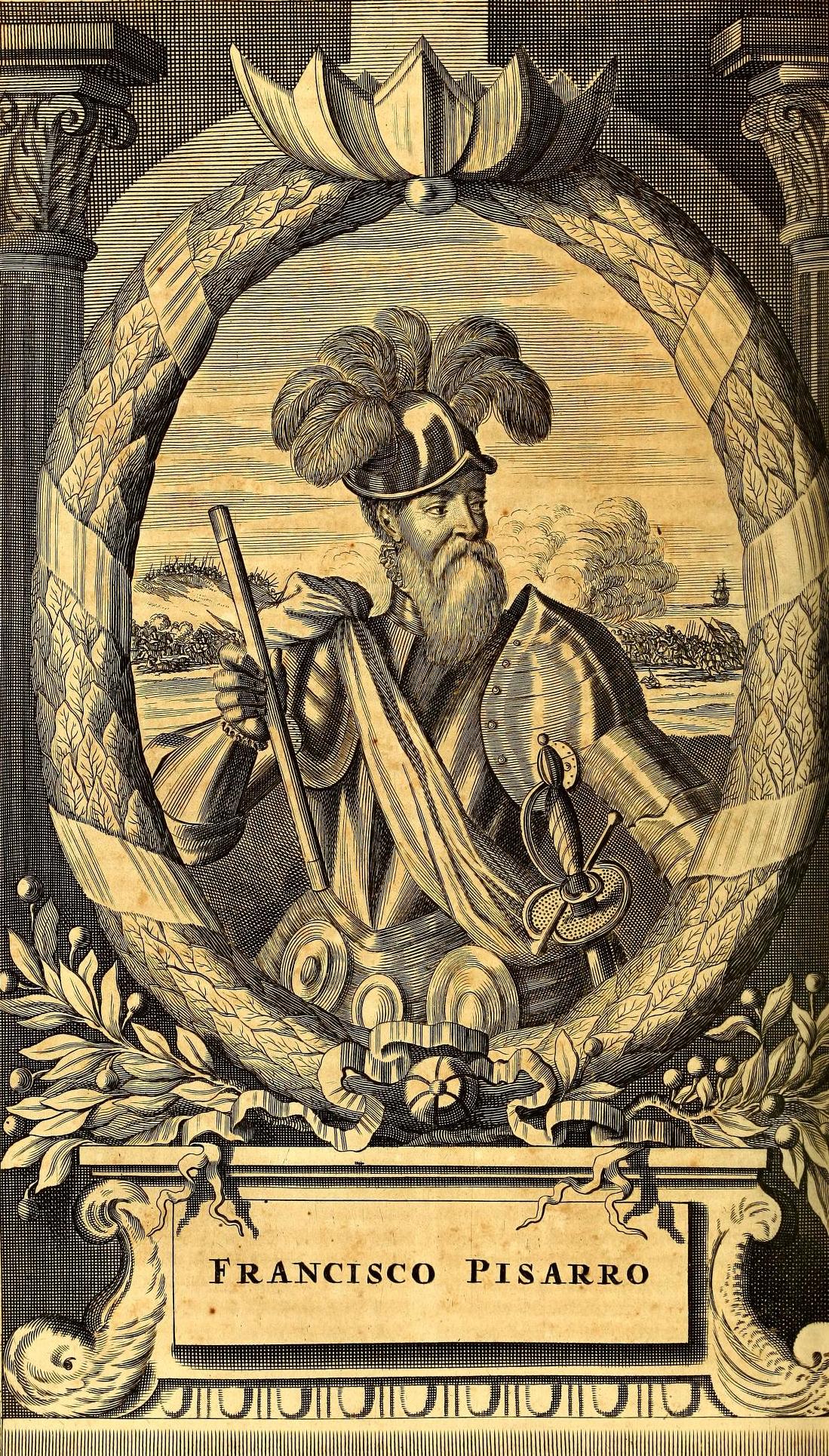 Photograph
Secondary source
Arnoldus Montanus; Olfert Dapper · 1673
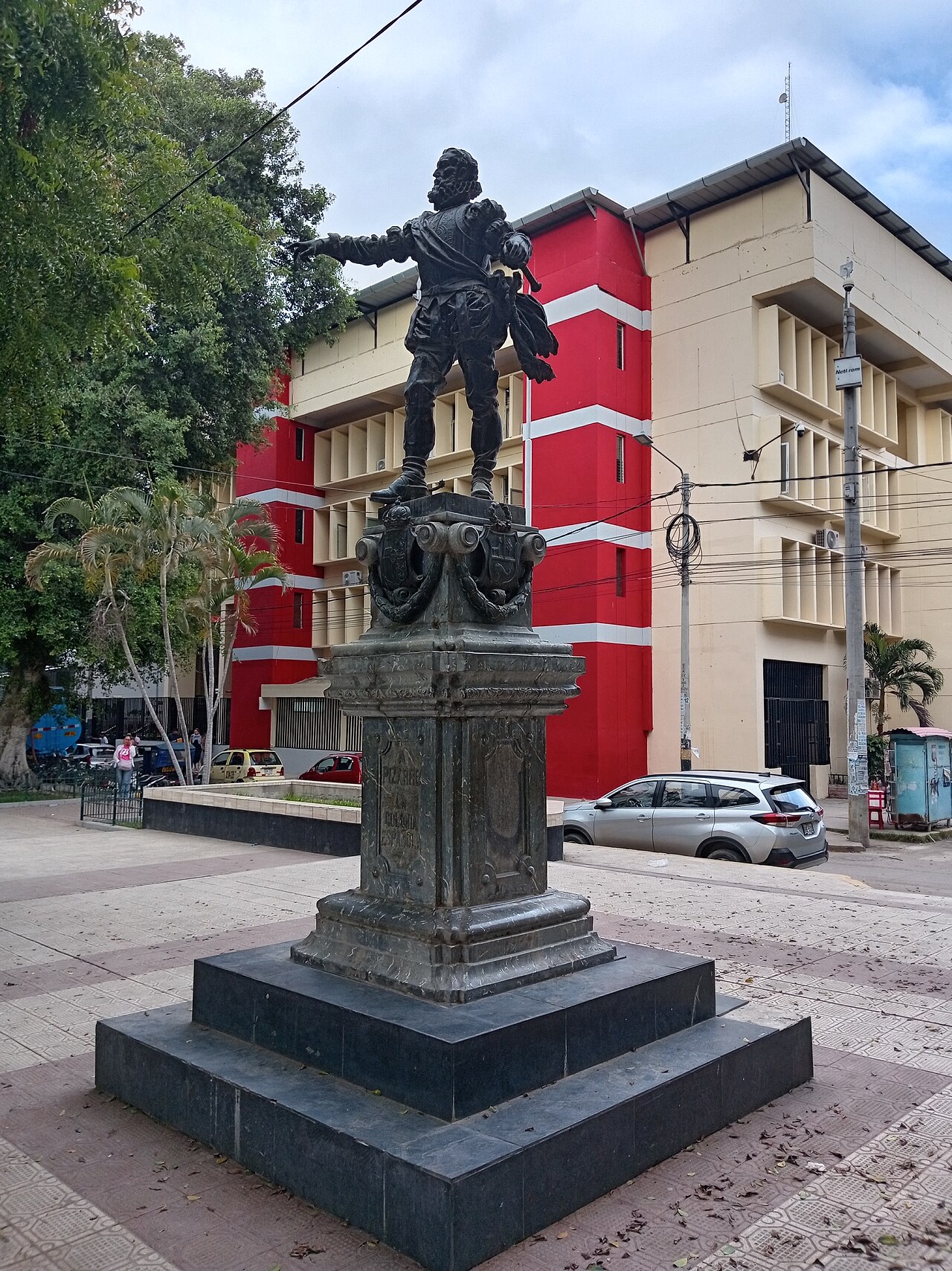 Sculpture
Secondary source
Secondary source
Irving Berdine Richman · 1920
Secondary source
1890
Secondary source
Garcilaso Inca de la Vega · 1912
Secondary source
1913
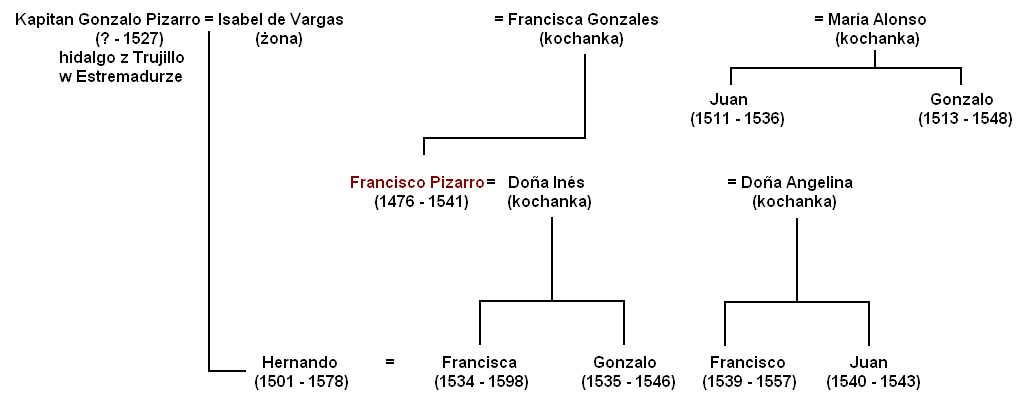 Document
Secondary source
Flack · 2 February 2007
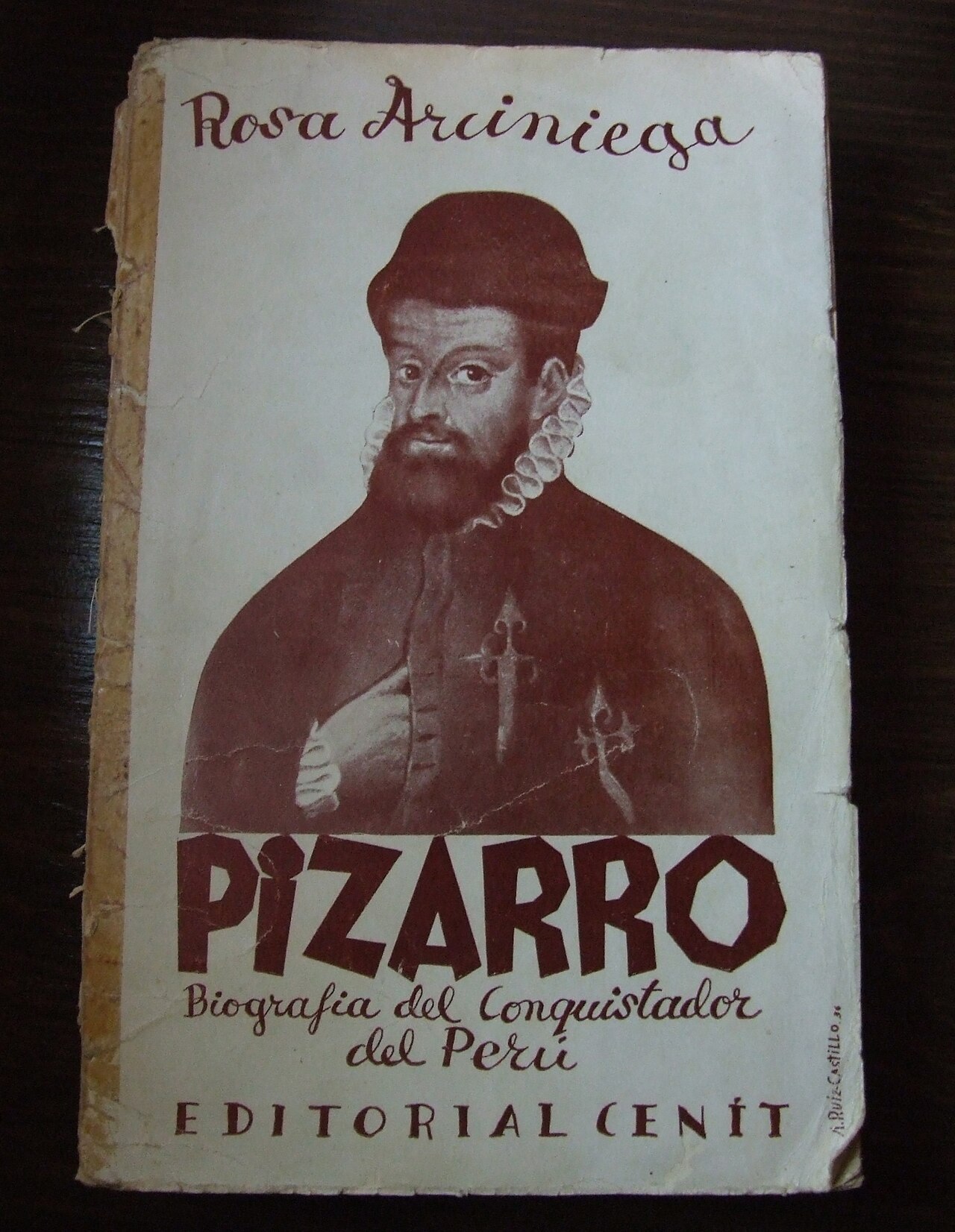 Document
Secondary source
Rosa Arciniega · 1936
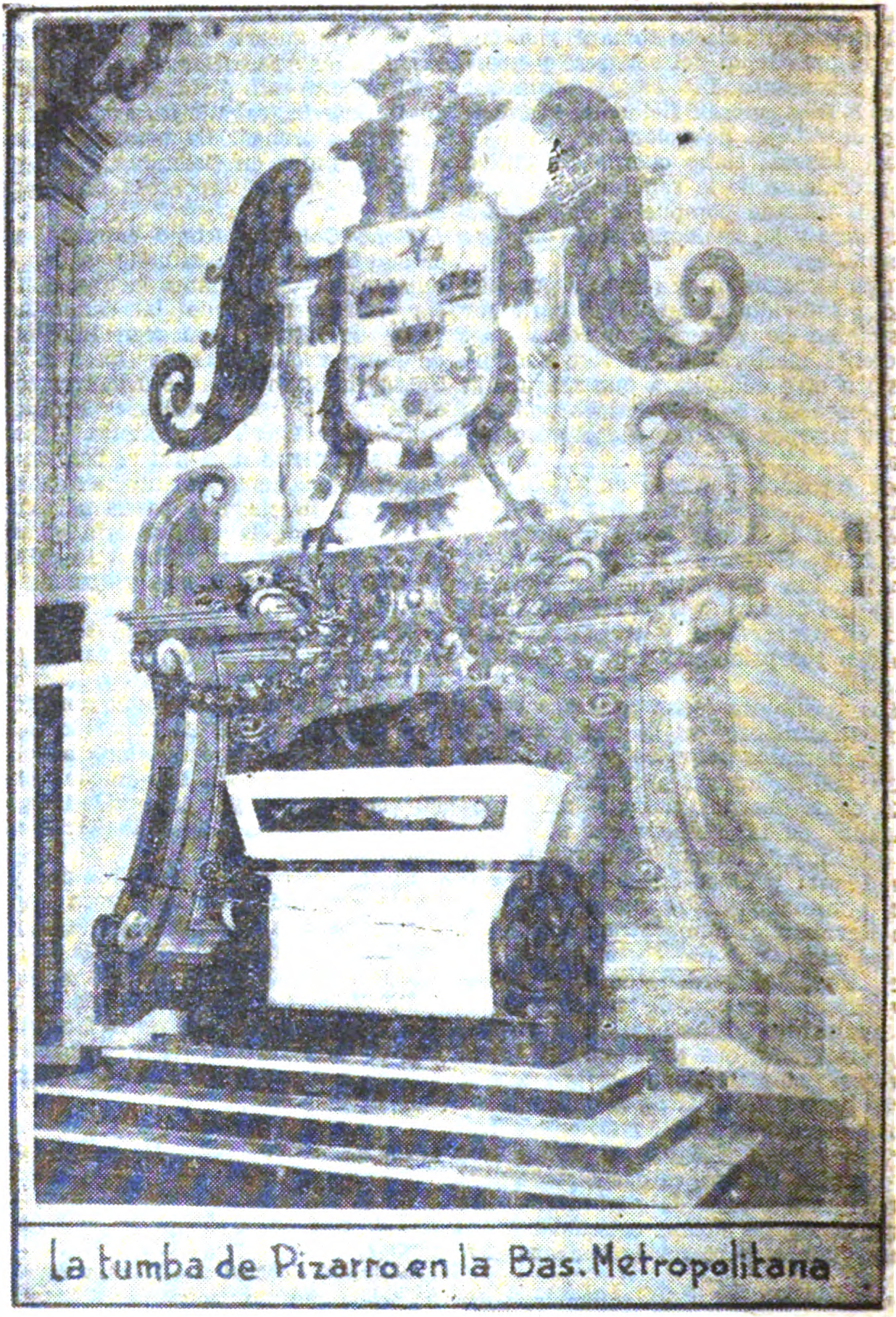 Newspaper article
Secondary source
Empresa Editora El Comercio S. A. · 1931
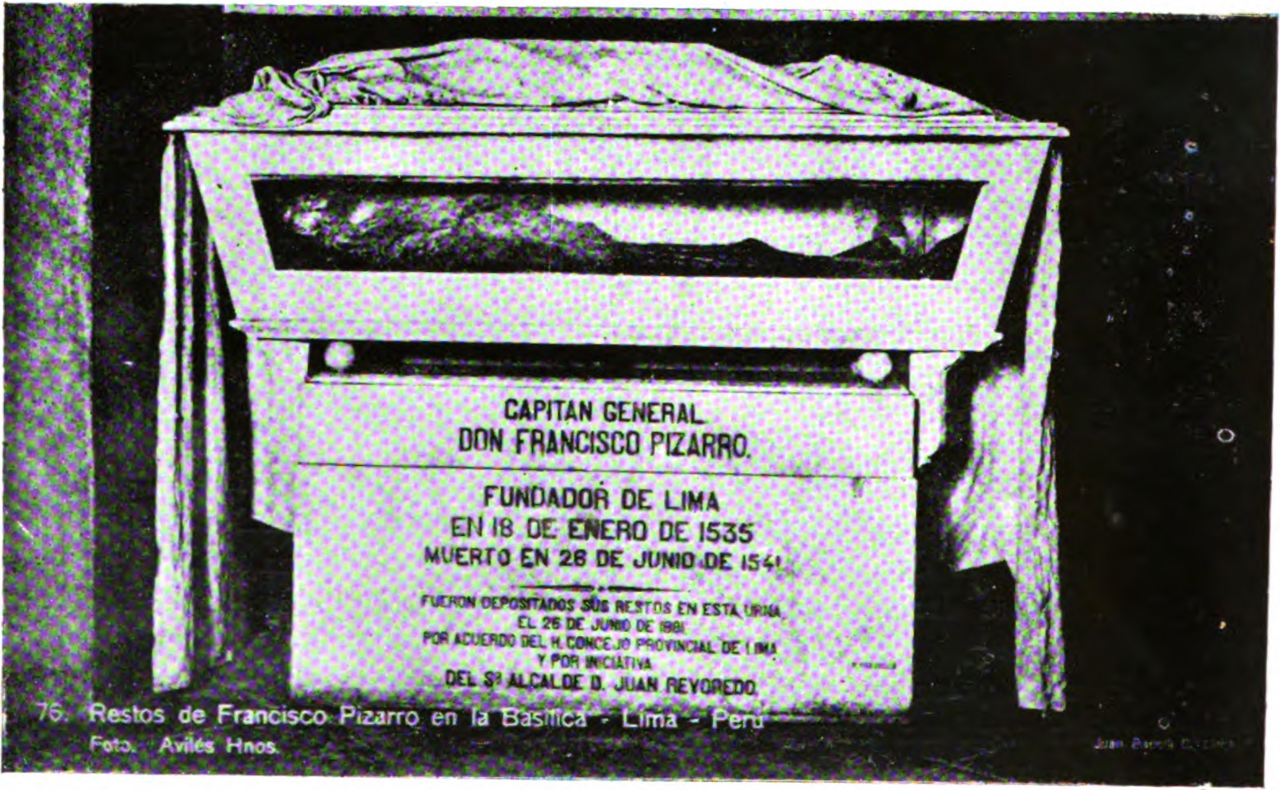 Document
Secondary source
Comisión del IV Centenario del Concejo Provincial de Lima · 1935
Want the full shelf? Chat with Francisco Pizarro in the app and open the Sources panel — every quote links back to the original.
2 collections
Ready-made collections from the Humy team that feature Francisco Pizarro. Preview any of them, then try it free.
Paying customers



























Dr. Michael Calvert
Assistant Superintendent, South Allegheny School District, Pennsylvania
Been using Humy in his district since 2024
“We enjoyed the program last year and used it frequently.”

Jacob Chisom
World and American History, Monticello High School, Arkansas
Been using Humy in his classroom since 2024
“My students say it’s a welcome change of pace. I’m not a fan of the “sage on the stage” model, so I try to incorporate research-oriented and self-paced activities. With Humy, students have to take charge of their learning. They’ve become more adept at critical thinking, forming better questions, and improving their reading comprehension. The interview feature has been my go-to tool. I create assignments where students must ask historical figures a set number of questions, then summarize the responses to ensure they’re truly absorbing the material. This approach lets them actively explore the past rather than passively consuming information.”
Roger Campbell
7th-grade World History, Lancaster County, Pennsylvania
Been using Humy in his classroom since 2024
“Humy has helped me bring historical figures, sometimes long past, to life. When my students interact with these figures in real-time, it eliminates some of the perceived “ancient” characteristics of my curriculum. This has shifted my students’ thinking away from viewing history as abstract or irrelevant. Real-time interactions make historical figures relatable, even allowing students to ask off-topic questions that help put historical lives in a more relevant context for 13-year-olds. The feature I use the most is the interview feature. After teaching a topic, most recently Gandhi and Joan of Arc, I have the students ask pointed, focused questions. We practice good conversation techniques beforehand, teaching them to listen (or read) carefully and formulate thoughtful follow-up questions rather than just interrogating. It helps students practice effective conversation skills.”
Dr. Michael Calvert
Assistant Superintendent, South Allegheny School District, Pennsylvania
Been using Humy in his district since 2024
“We enjoyed the program last year and used it frequently.”
Jacob Chisom
World and American History, Monticello High School, Arkansas
Been using Humy in his classroom since 2024
“My students say it’s a welcome change of pace. I’m not a fan of the “sage on the stage” model, so I try to incorporate research-oriented and self-paced activities. With Humy, students have to take charge of their learning. They’ve become more adept at critical thinking, forming better questions, and improving their reading comprehension. The interview feature has been my go-to tool. I create assignments where students must ask historical figures a set number of questions, then summarize the responses to ensure they’re truly absorbing the material. This approach lets them actively explore the past rather than passively consuming information.”
Roger Campbell
7th-grade World History, Lancaster County, Pennsylvania
Been using Humy in his classroom since 2024
“Humy has helped me bring historical figures, sometimes long past, to life. When my students interact with these figures in real-time, it eliminates some of the perceived “ancient” characteristics of my curriculum. This has shifted my students’ thinking away from viewing history as abstract or irrelevant. Real-time interactions make historical figures relatable, even allowing students to ask off-topic questions that help put historical lives in a more relevant context for 13-year-olds. The feature I use the most is the interview feature. After teaching a topic, most recently Gandhi and Joan of Arc, I have the students ask pointed, focused questions. We practice good conversation techniques beforehand, teaching them to listen (or read) carefully and formulate thoughtful follow-up questions rather than just interrogating. It helps students practice effective conversation skills.”
FAQ
Like any LLM, the AI version of Francisco Pizarro can get details wrong. Open one of these sources in a new tab to verify what you’ve read.

Spanish conquistador who led the expedition that caused the fall of the Aztec Empire in Mexico.

Spanish Conquistador, Explorer, Pioneer.

A Spanish conquistador and explorer

An English explorer and privateer best known for his circumnavigation of the world in a single expedition between 1577 and 1580.

Spanish Conquistador & Explorer

English Navigator, Explorer, Seafarer.
Ready when you are
20 messages free · No credit card · Available in 50+ languages.