


Secondary sourceBook1913
Pacific Shores From Panama, Lima chapter (Pizarro's remains)
1913
A 1913 travel book chapter on Lima in which the writer describes seeing Pizarro's mummified remains in the city.
A travel writer's view of Pizarro's remains in Lima, showing how the conquistador was displayed and remembered a century later.
About this source
What it is
This is the Lima chapter of a 1913 travel book about the Pacific coast of South America. The chapter describes Lima as a flat city with straight, wide streets that Pizarro is said to have laid out. The writer also describes seeing the remains of Pizarro, whose dried bones and mummified flesh were shown publicly.
Why it matters
The chapter is a secondary travel account written about four centuries after Pizarro died in 1541. It shows how a visitor of the early twentieth century saw the conquistador, and how the city he founded had become a place of tourism and display. The writer's vivid language reflects the tastes and attitudes of a foreign traveller rather than those of Pizarro or the Inca people.
Look closer
- What words does the writer use to describe Pizarro, and what do they reveal about his attitude?
- Why might a traveller of 1913 want to see the remains of a conquistador?
- What does the chapter leave out about the people who lived in Lima before and after the conquest?
This book is part of the curated material that grounds the AI version of Francisco Pizarro on Humy.ai — when students ask about related events, the AI can quote it and cite it.
More Francisco Pizarro sources
Meet the AI Francisco Pizarro →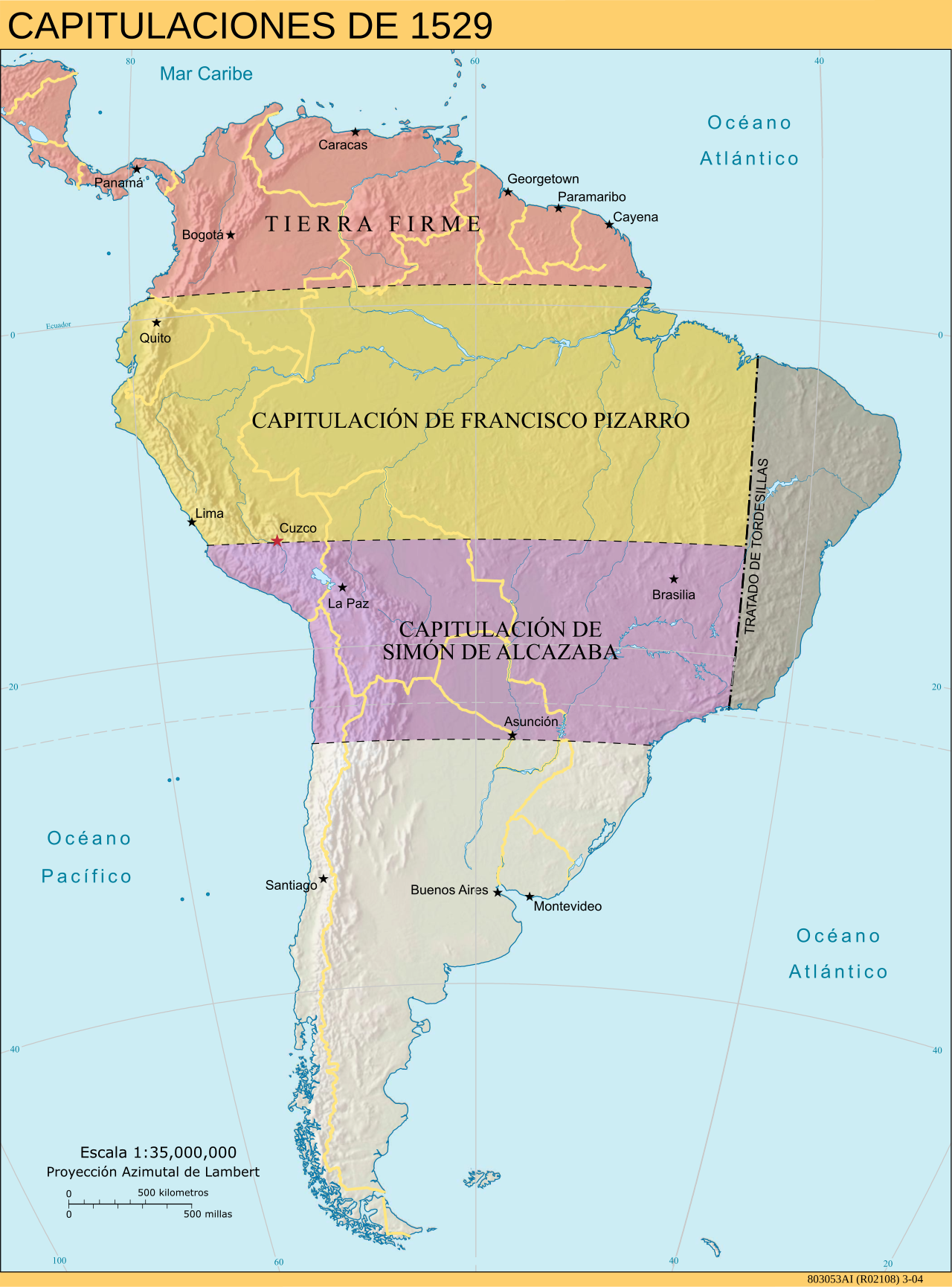 Document
Primary source
Capitulation of Toledo
Crown of Castile · 26 July 1529
 Painting
Secondary source
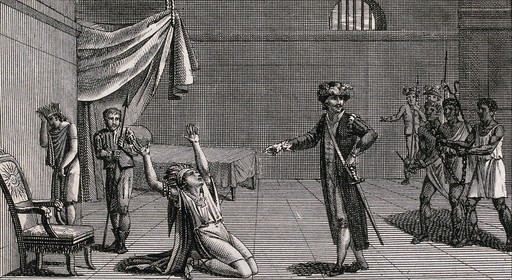
L'Ynca du Pérou aux pieds de Pizarre
A.C.F. Villerey after N. Vallain
 Painting
Secondary source
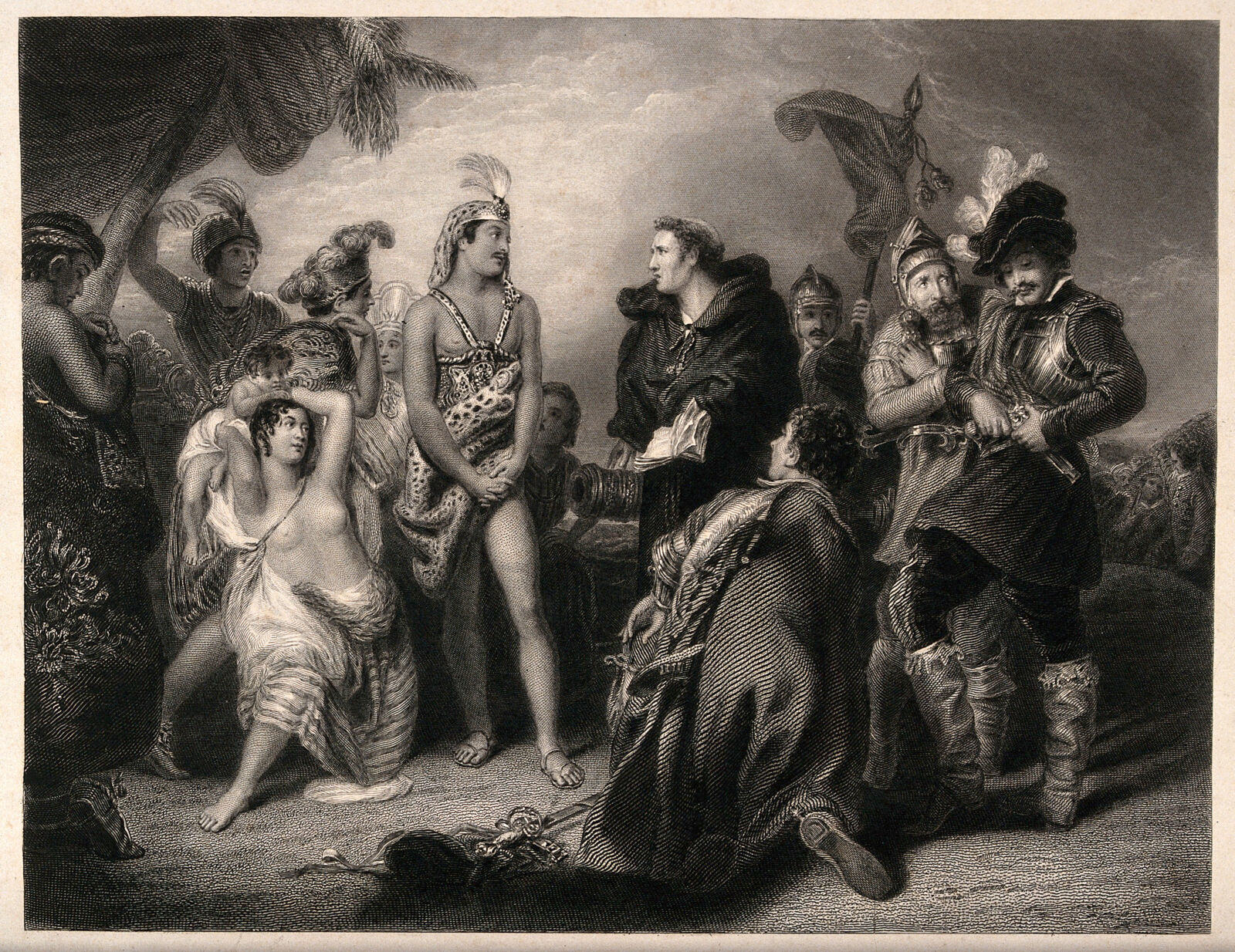
Valverde urging Atahualpa to convert
Henry Perronet Briggs (painting); engraved by W. Greatbach · 1830
 Book
Primary source
Verdadera relación de la conquista del Perú
Francisco de Jerez · 1534 (this edition 1891)
 Painting
Secondary source
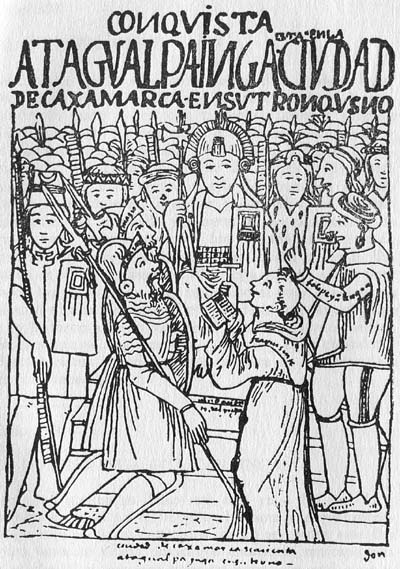
Atawallpa Pizarro tinkuy
Felipe Guaman Poma de Ayala · 1532 (depicted); drawing later
Ready when you are
Start chatting with Francisco Pizarro now.
20 messages free · No credit card · Available in 50+ languages.