


Secondary sourceArtifact1201
Coricancha
1201
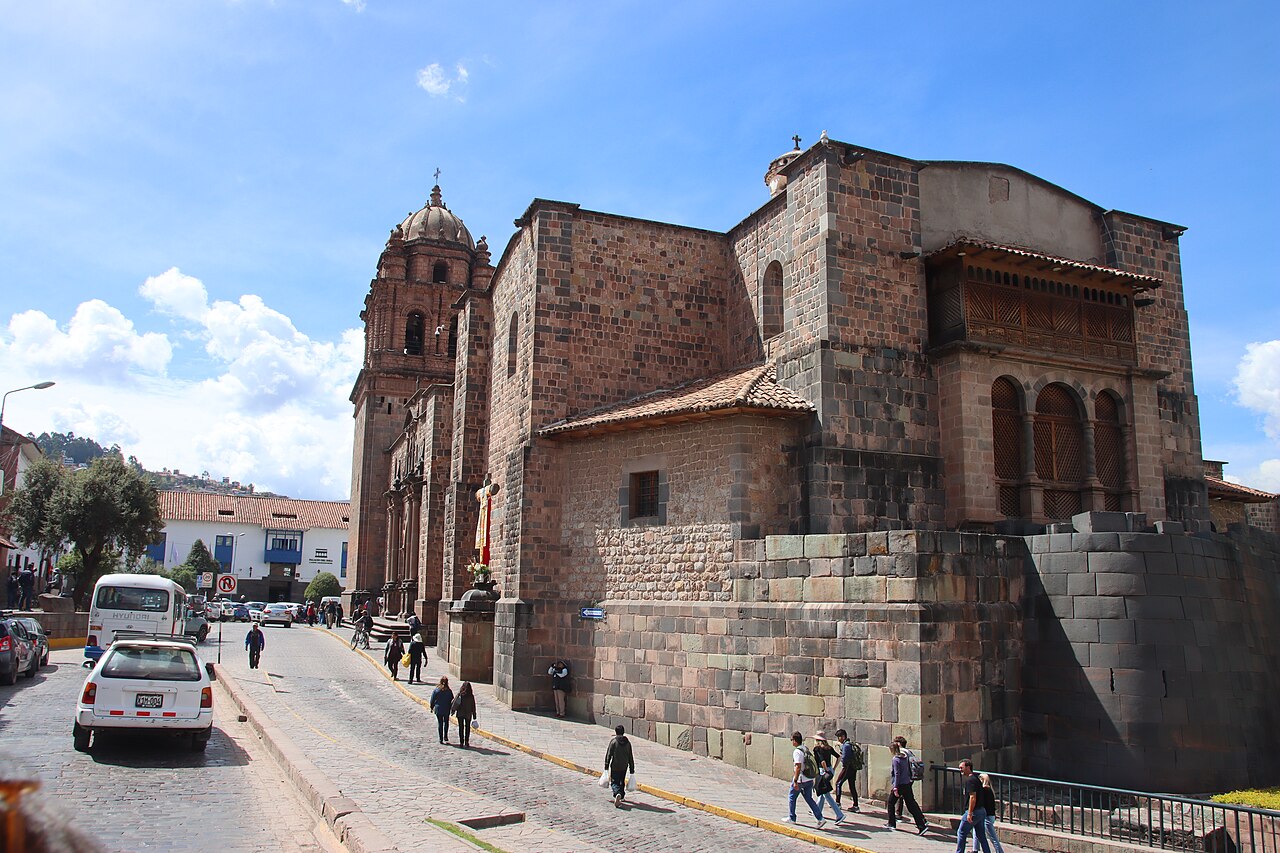
The Inca Empire's holiest temple in Cusco, stripped of its gold to help pay Atahualpa's ransom to Pizarro.
The Coricancha's gold was stripped to help fill the ransom Pizarro demanded for the Inca emperor Atahualpa.
About this source
What it is
The Coricancha, meaning 'golden temple,' was the most important temple of the Inca Empire, built in Cusco and dedicated to the sun god Inti. Its walls and courtyard were once covered in gold. After the Spanish conquest it was largely demolished, and its gold was stripped, with the site later built over by a Dominican convent.
Why it matters
When the Spanish, led by Francisco Pizarro, held the Inca emperor Atahualpa for ransom, much of the gold demanded was taken from the Coricancha. The site's transformation from the Inca Empire's most sacred temple into a Catholic convent shows physically how the conquest overwrote Inca religion and power with Spanish rule.
Look closer
- What does the stripping of gold from a sacred temple to pay a ransom tell you about the priorities of the conquistadors?
- Why might the Spanish have chosen to build a convent directly on top of the Inca temple, rather than elsewhere?
- What does the surviving Inca stonework, still visible today, tell you about Inca building skill that the conquest could not erase?
This artifact is part of the curated material that grounds the AI version of Francisco Pizarro on Humy.ai — when students ask about related events, the AI can quote it and cite it.
More Francisco Pizarro sources
Meet the AI Francisco Pizarro →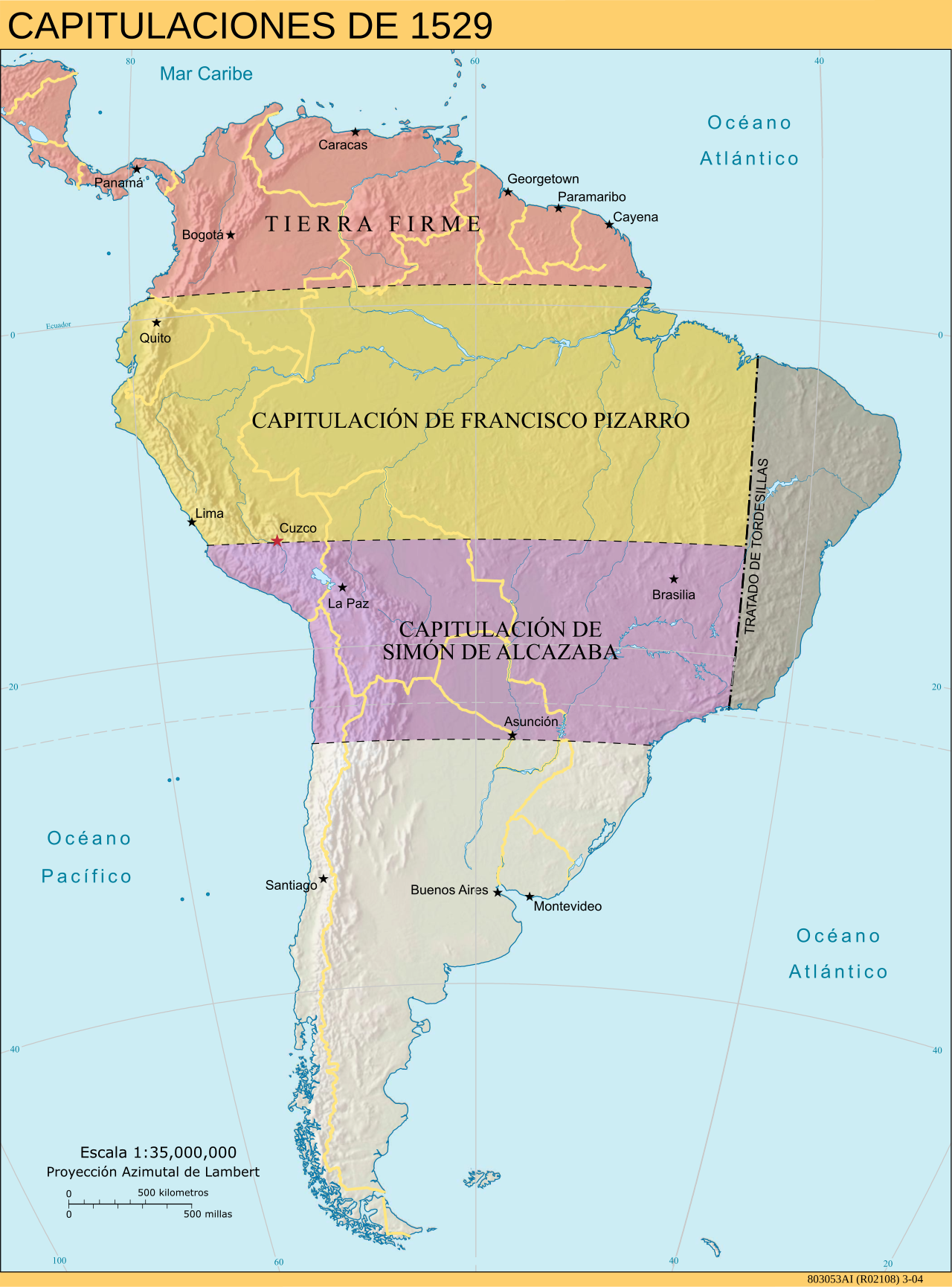 Document
Primary source
Capitulation of Toledo
Crown of Castile · 26 July 1529
 Painting
Secondary source
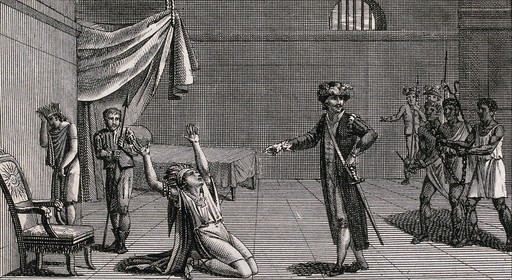
L'Ynca du Pérou aux pieds de Pizarre
A.C.F. Villerey after N. Vallain
 Painting
Secondary source
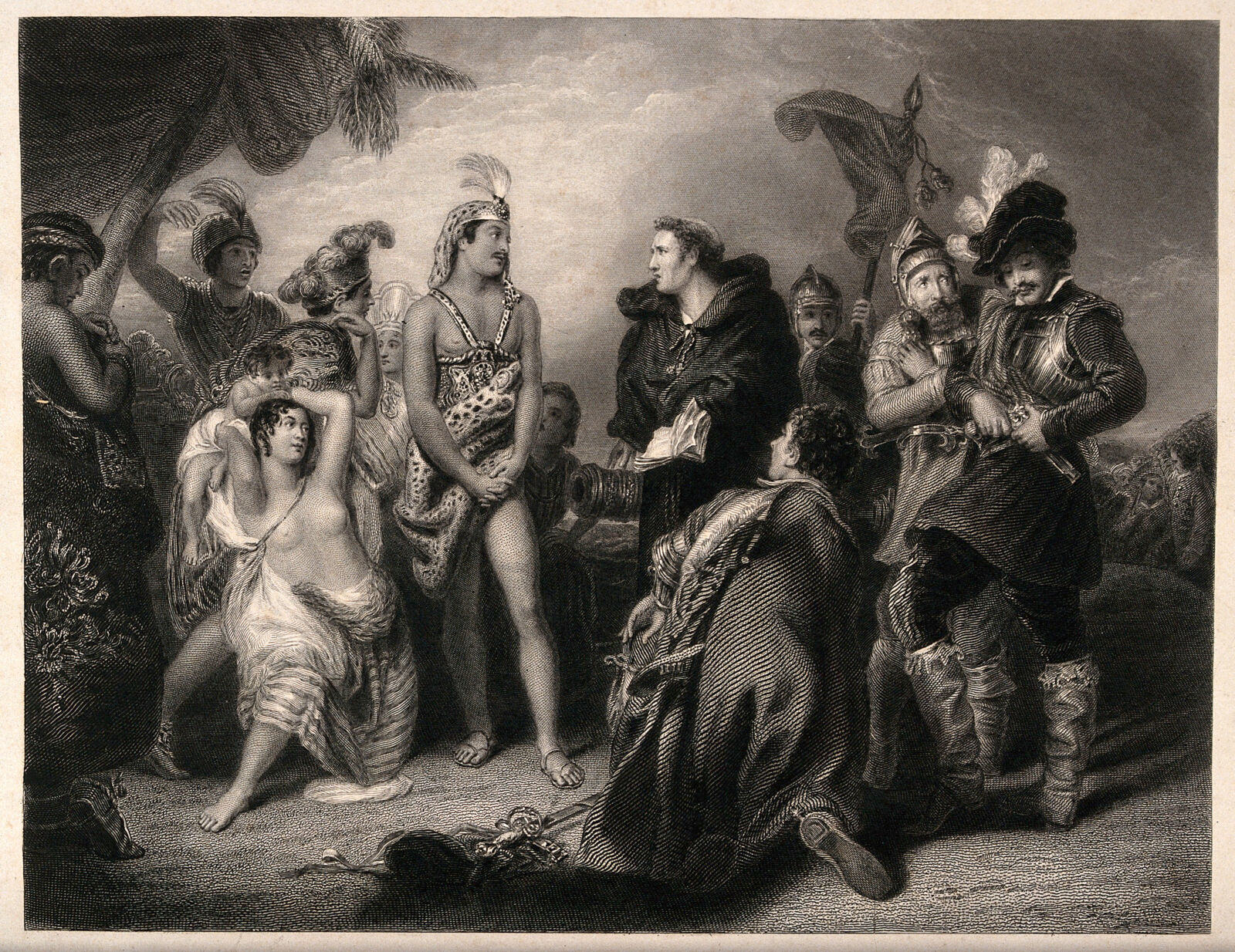
Valverde urging Atahualpa to convert
Henry Perronet Briggs (painting); engraved by W. Greatbach · 1830
 Book
Primary source
Verdadera relación de la conquista del Perú
Francisco de Jerez · 1534 (this edition 1891)
 Painting
Secondary source
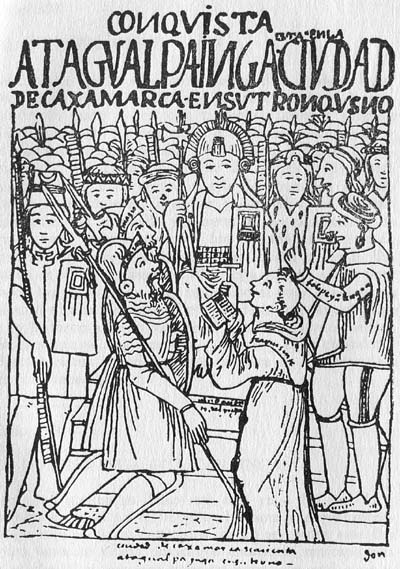
Atawallpa Pizarro tinkuy
Felipe Guaman Poma de Ayala · 1532 (depicted); drawing later
Ready when you are
Start chatting with Francisco Pizarro now.
20 messages free · No credit card · Available in 50+ languages.