


Secondary sourcePainting1867
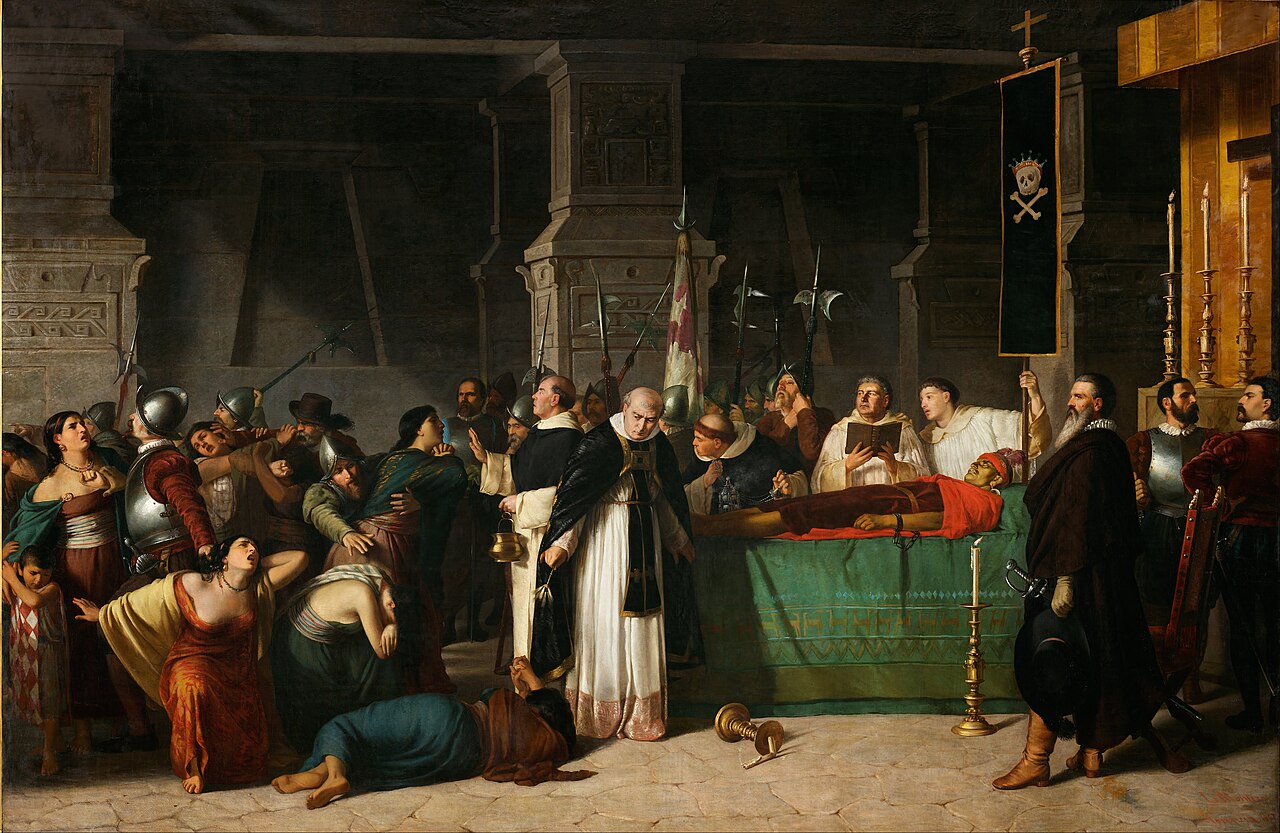
The Funerals of Inca Atahualpa
Luis Montero · 1867
A grand 1867 history painting showing Pizarro's conquest reaching its grim conclusion, as Atahualpa's mourning wives interrupt the dead emperor's funeral.
The painting depicts the aftermath of Atahualpa's execution, ordered by Pizarro, as remembered by later Peruvians.
About this source
What it is
This large academic painting was made by the Peruvian artist Luis Montero in 1867, based on descriptions from historian William H. Prescott. It depicts the funeral of the Inca emperor Atahualpa and was commissioned by the Peruvian government for the 1867 Exposition Universelle in Paris. It is now held at the Lima Art Museum.
Why it matters
Painted centuries after Pizarro's conquest, the work shows how 19th-century Peru chose to remember the end of the Inca Empire: as a tragedy, with grieving mourners surrounding Atahualpa's body. The painting traveled widely before being looted during the War of the Pacific and later returned to Peru.
Look closer
- Why might a 19th-century Peruvian artist choose to depict mourning rather than battle?
- What does the painting suggest about how later generations judged the conquest?
- Whose point of view does the painting seem to take—Spanish or Inca?
This painting is part of the curated material that grounds the AI version of Francisco Pizarro and Atahualpa on Humy.ai — when students ask about related events, the AI can quote it and cite it.
More Francisco Pizarro sources
Meet the AI Francisco Pizarro →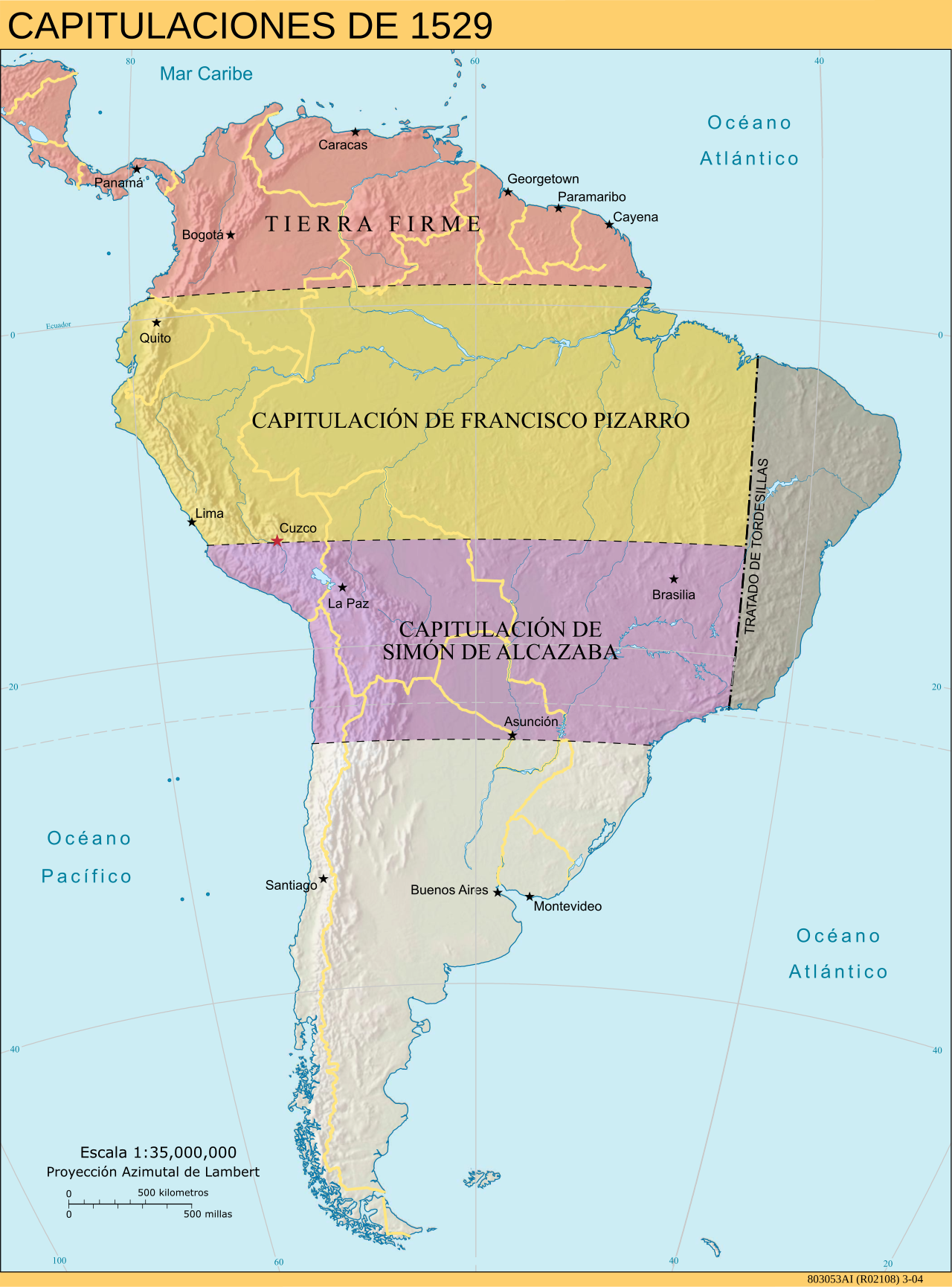 Document
Primary source
Capitulation of Toledo
Crown of Castile · 26 July 1529
 Painting
Secondary source
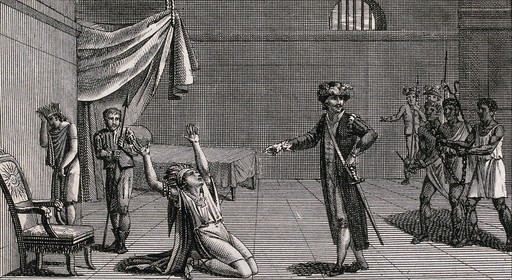
L'Ynca du Pérou aux pieds de Pizarre
A.C.F. Villerey after N. Vallain
 Painting
Secondary source
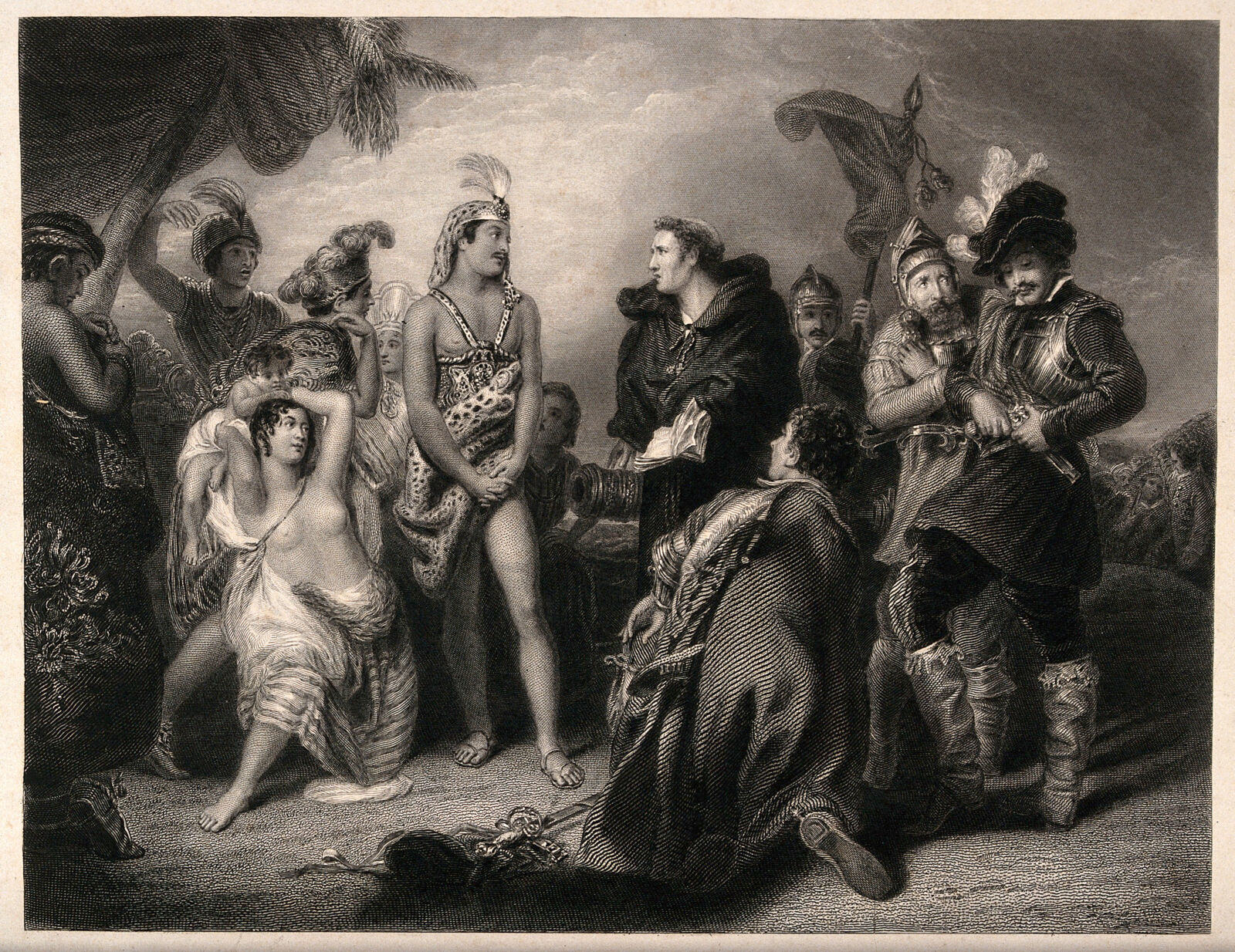
Valverde urging Atahualpa to convert
Henry Perronet Briggs (painting); engraved by W. Greatbach · 1830
 Book
Primary source
Verdadera relación de la conquista del Perú
Francisco de Jerez · 1534 (this edition 1891)
 Painting
Secondary source
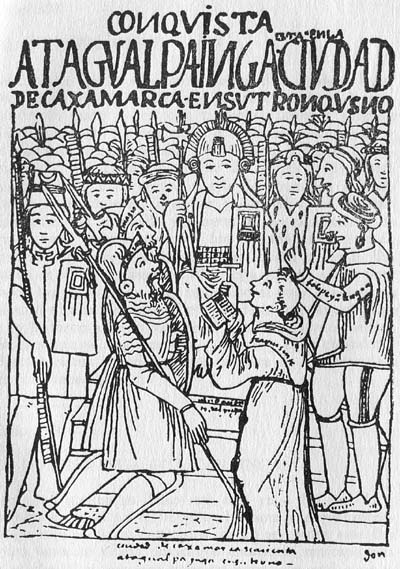
Atawallpa Pizarro tinkuy
Felipe Guaman Poma de Ayala · 1532 (depicted); drawing later
Ready when you are
Start chatting with Francisco Pizarro now.
20 messages free · No credit card · Available in 50+ languages.