





Dr. Michael Calvert
Assistant Superintendent, South Allegheny School District, Pennsylvania
Been using Humy in his district since 2024
“We enjoyed the program last year and used it frequently.”

AI Historical Figure
English Navigator, Explorer, Seafarer.
Chat with Henry Hudson via text or voice — in 42 languages, drawing on a curated biography and 72 historical sources. Available 24/7.

Henry Hudson
Online · responds in seconds
Hello — I'm Henry Hudson. English Navigator, Explorer, Seafarer. What would you like to ask me?
20 messages free · No credit card · Powered by Humy.ai
Live preview · Switch between 42 languages above · Send a message to continue in the app
Multilingual
Ask Henry Hudson questions in any language below, and the rest of Humy's app speaks it too. Pick yours to open the chat in that language.
Also in German (Austria), German (Switzerland), English (UK), English (Australia), English (Canada).
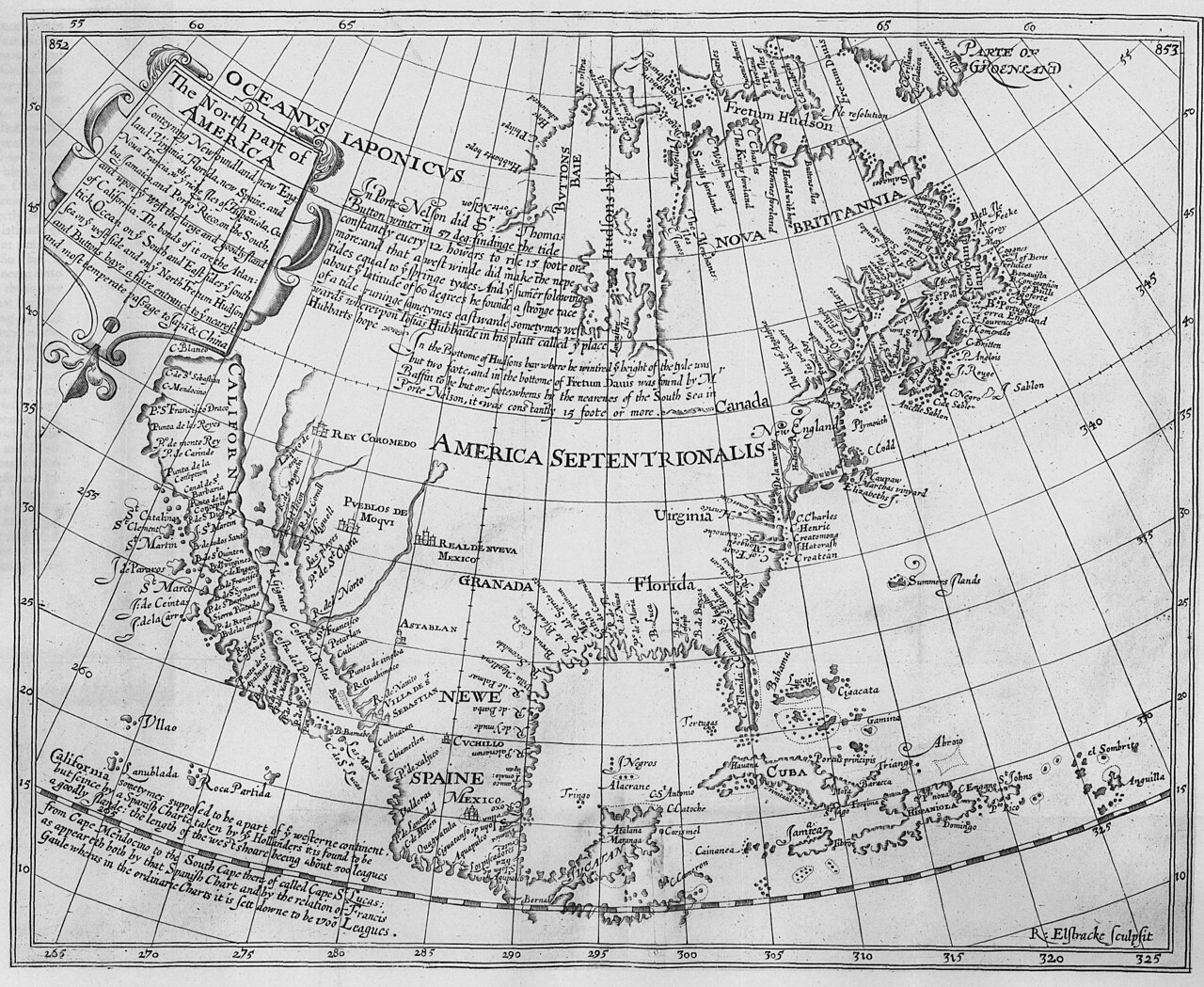
72 sources · 17 books · 15 documents · 15 paintings · 10 photographs · 9 artifacts · 3 sculptures · 2 diary entries · 1 newspaper article
Henry Hudson doesn’t improvise from thin air. The AI is grounded in 72 curated historical sources students can inspect. Open any of them to see what informs the conversation.
 Diary entry
Primary source
Robert Juet · 1609 (printed 1625)
 Document
Secondary source
Henry Briggs · 1625
Secondary source
Samuel Purchas · 1625
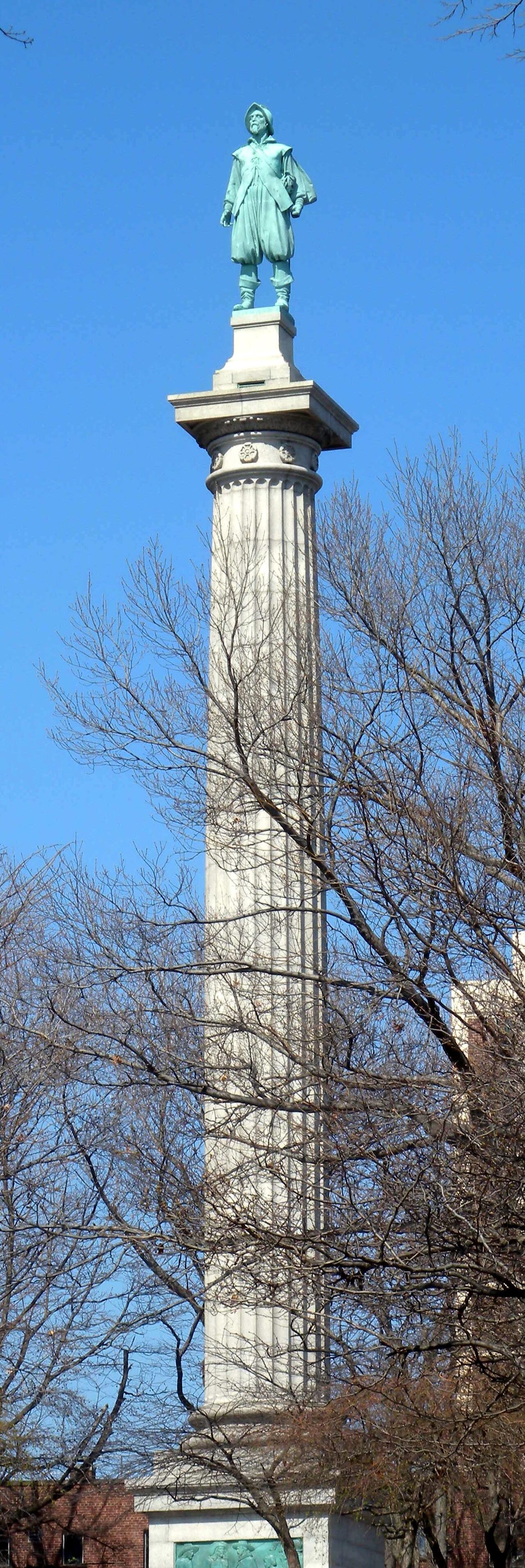 Sculpture
Secondary source
Karl Gruppe (statue, from a model by Karl Bitter); Walter Cook (column design) · 1938
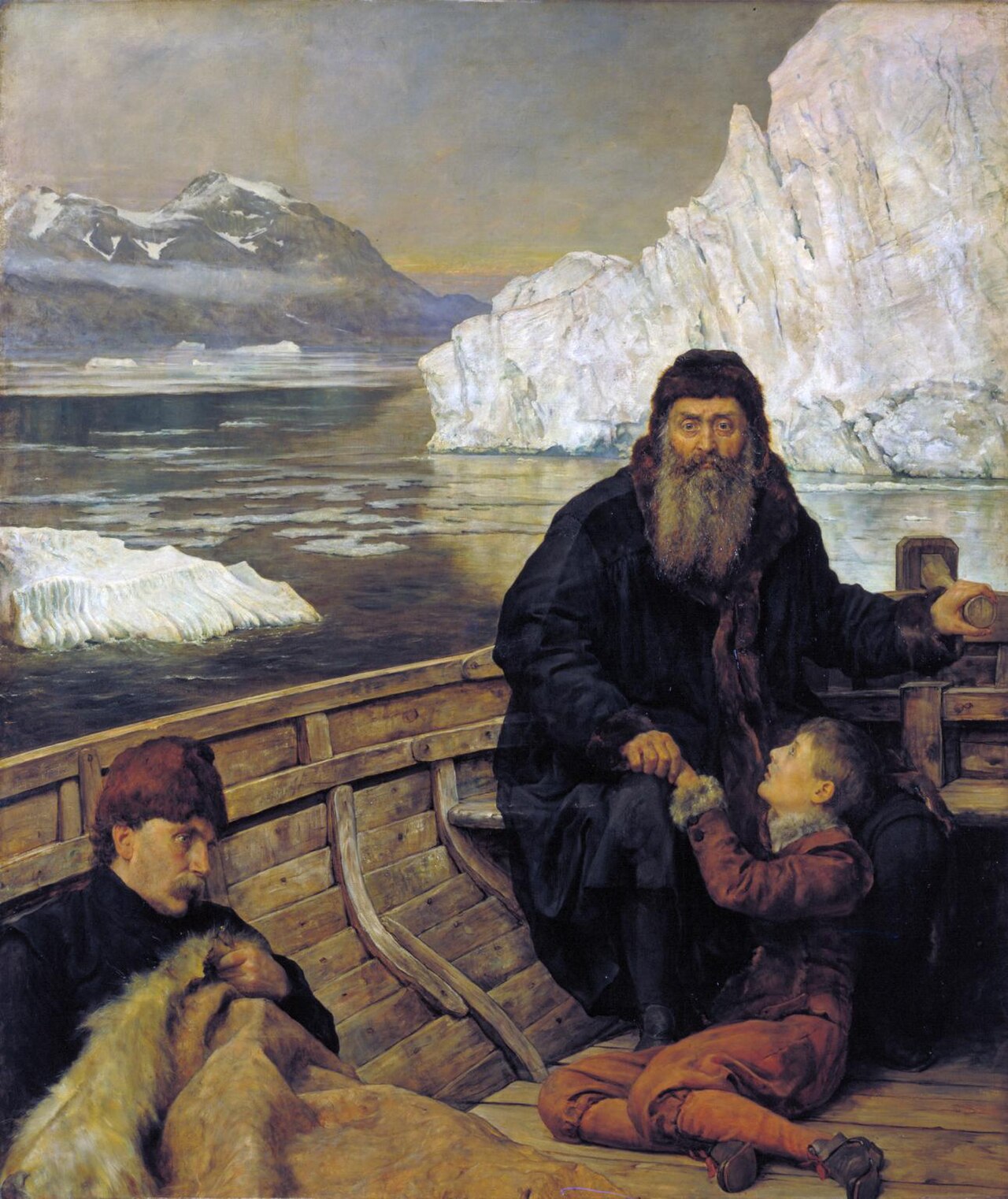 Painting
Secondary source
John Collier · 1881
 Book
Secondary source
G. M. Asher · 1860
Primary source
King Charles II · 2 May 1670
Tertiary source
1900
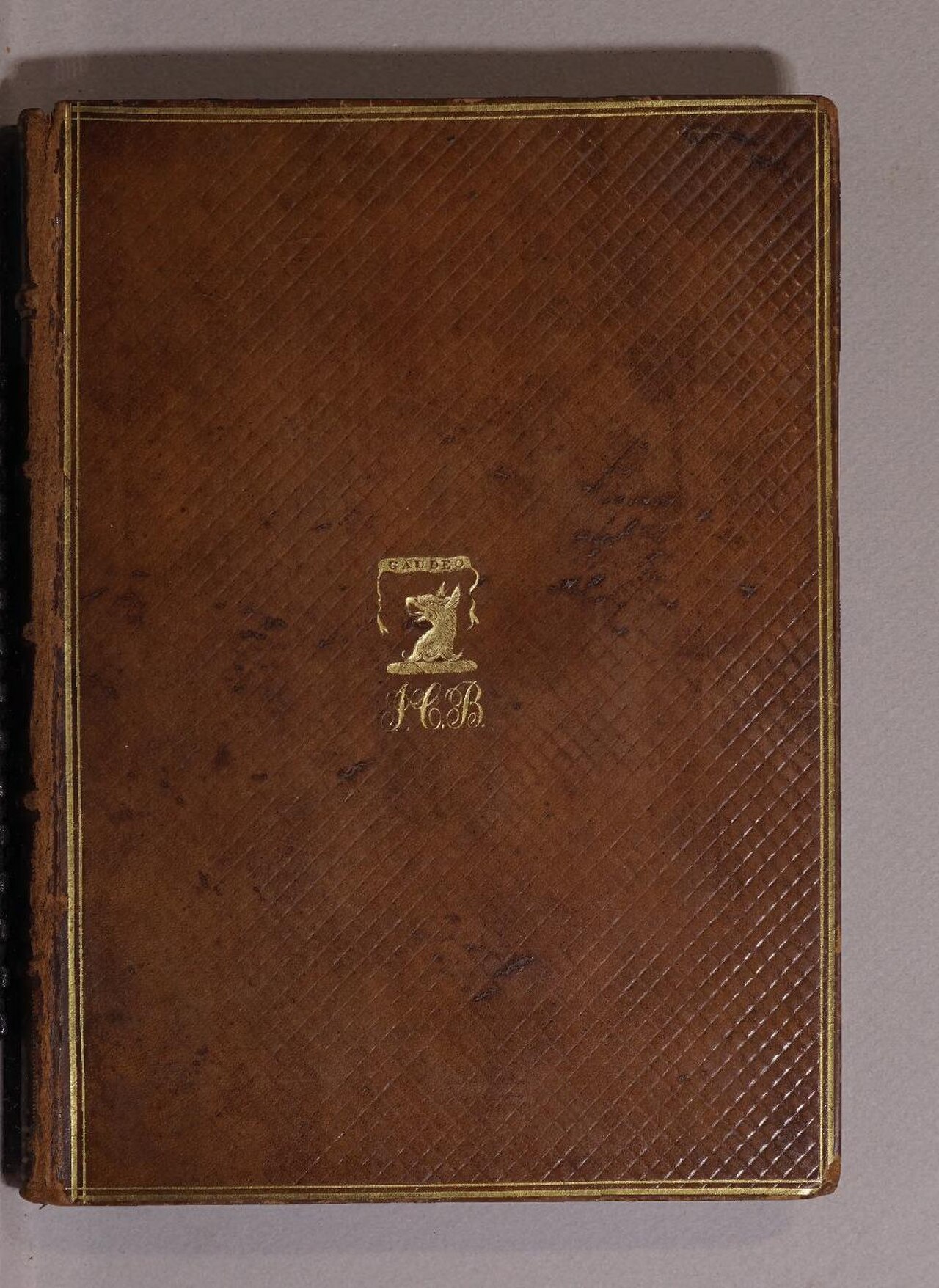 Book
Secondary source
Luke Foxe · 1635
Secondary source
1885
 Book
Secondary source
Uncle Philip (1798-1866) · 1842
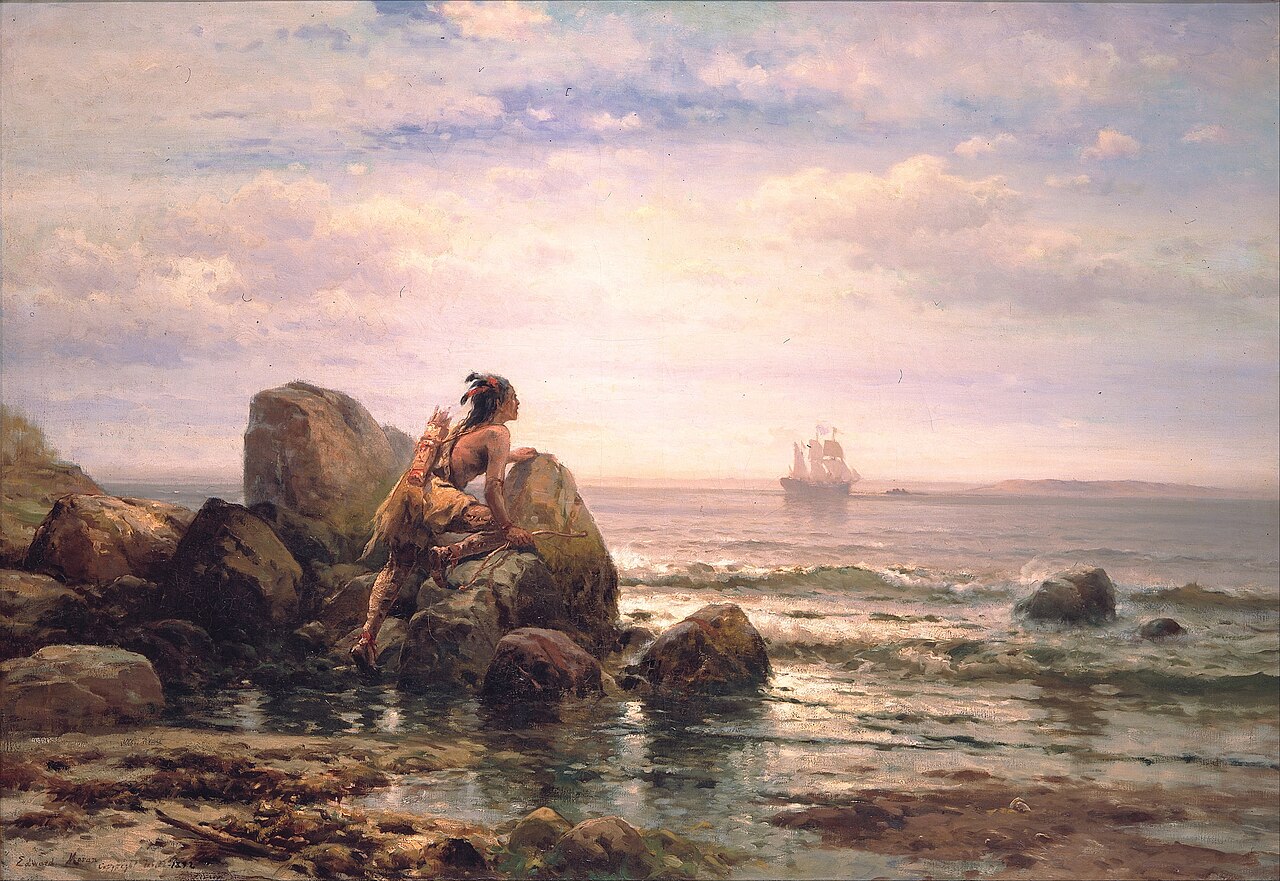 Painting
Secondary source
Edward Moran
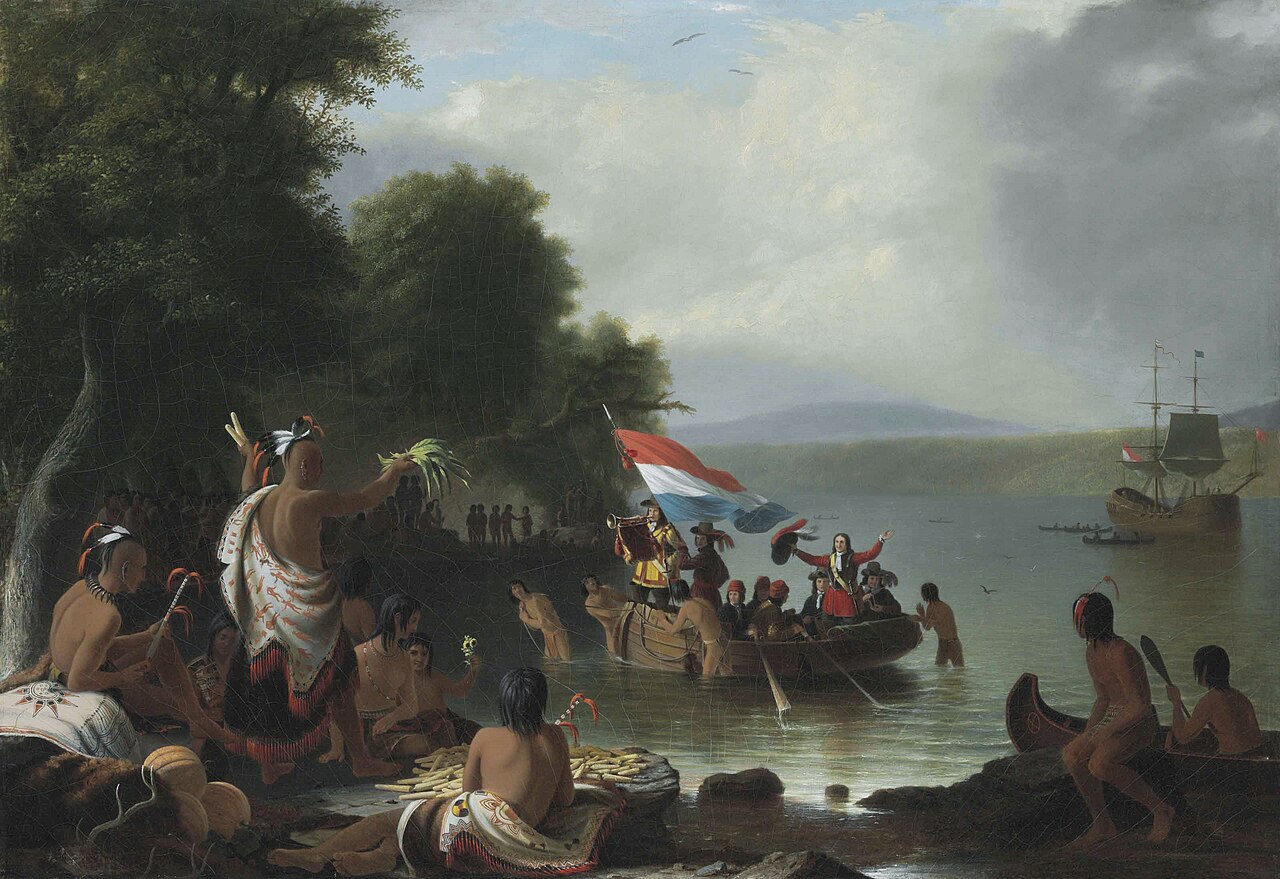 Painting
Secondary source
Robert Walter Weir · 1835
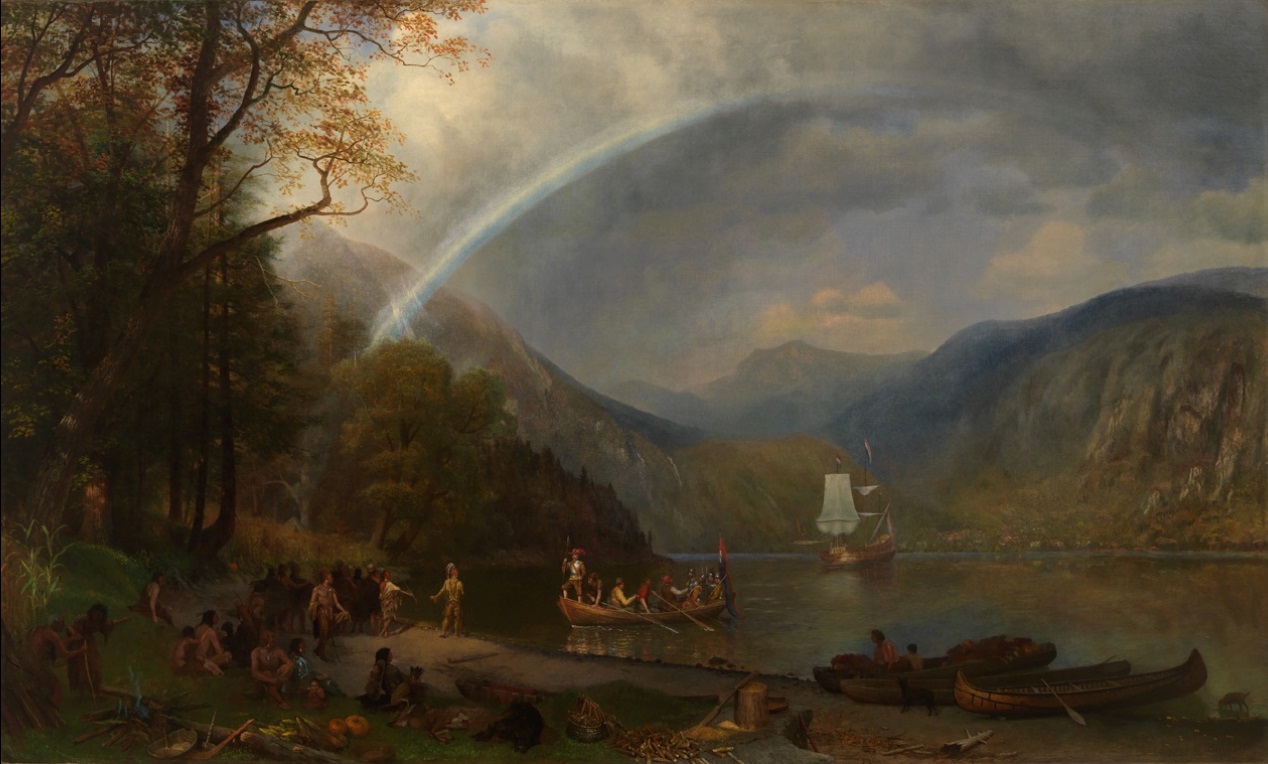 Painting
Secondary source
Albert Bierstadt
 Document
Secondary source
New York Public Library · 1909
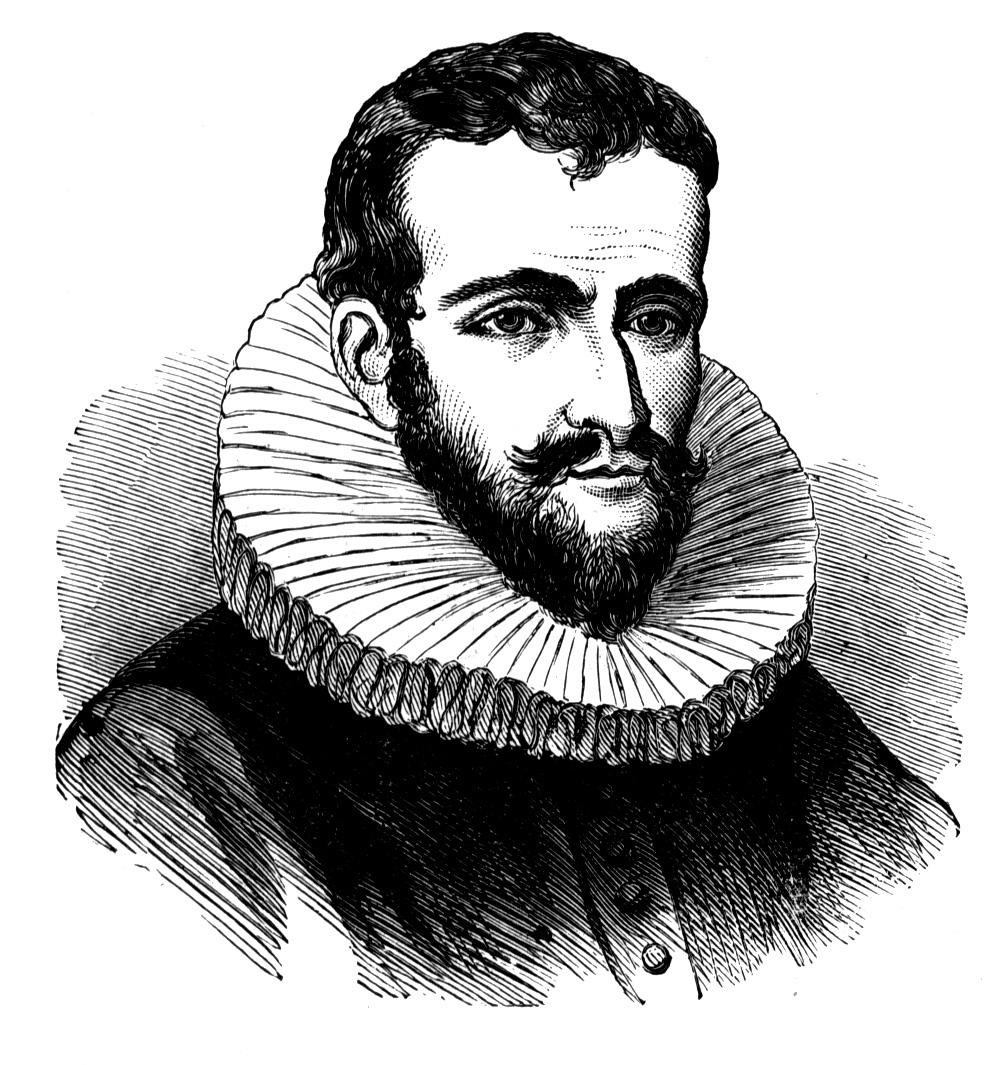 Painting
Tertiary source
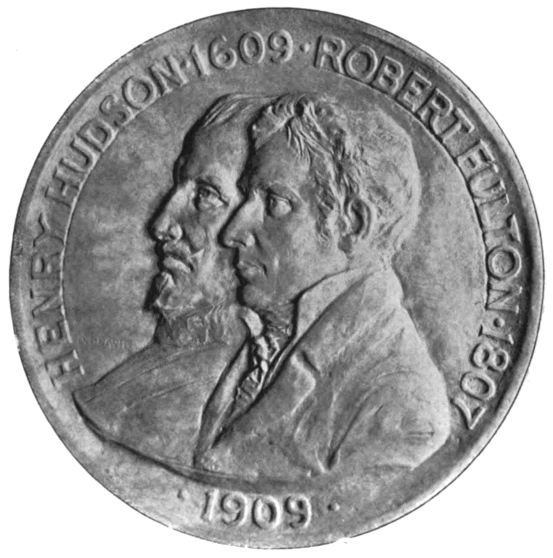 Artifact
Secondary source
1909
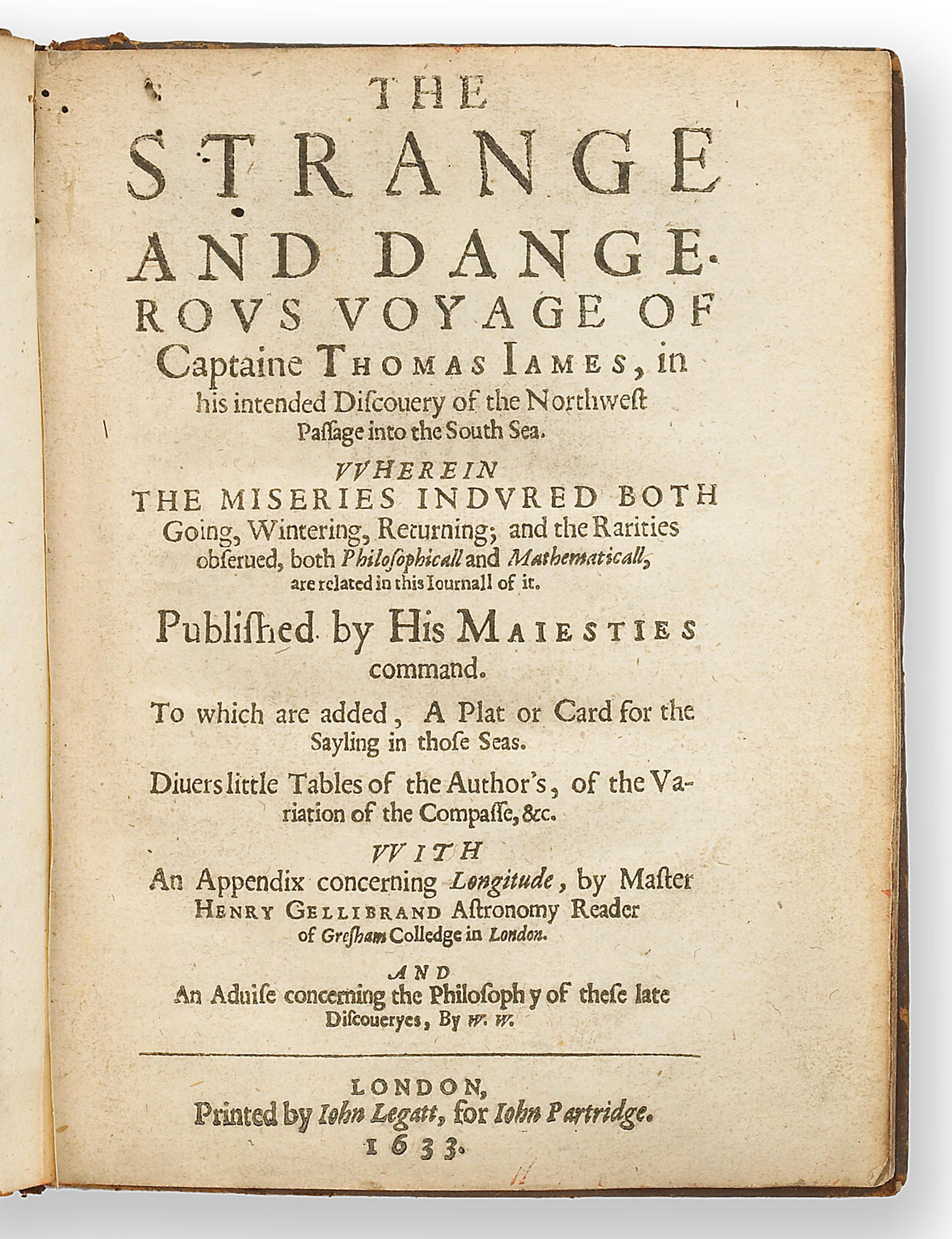 Book
Primary source
Thomas James · 1633
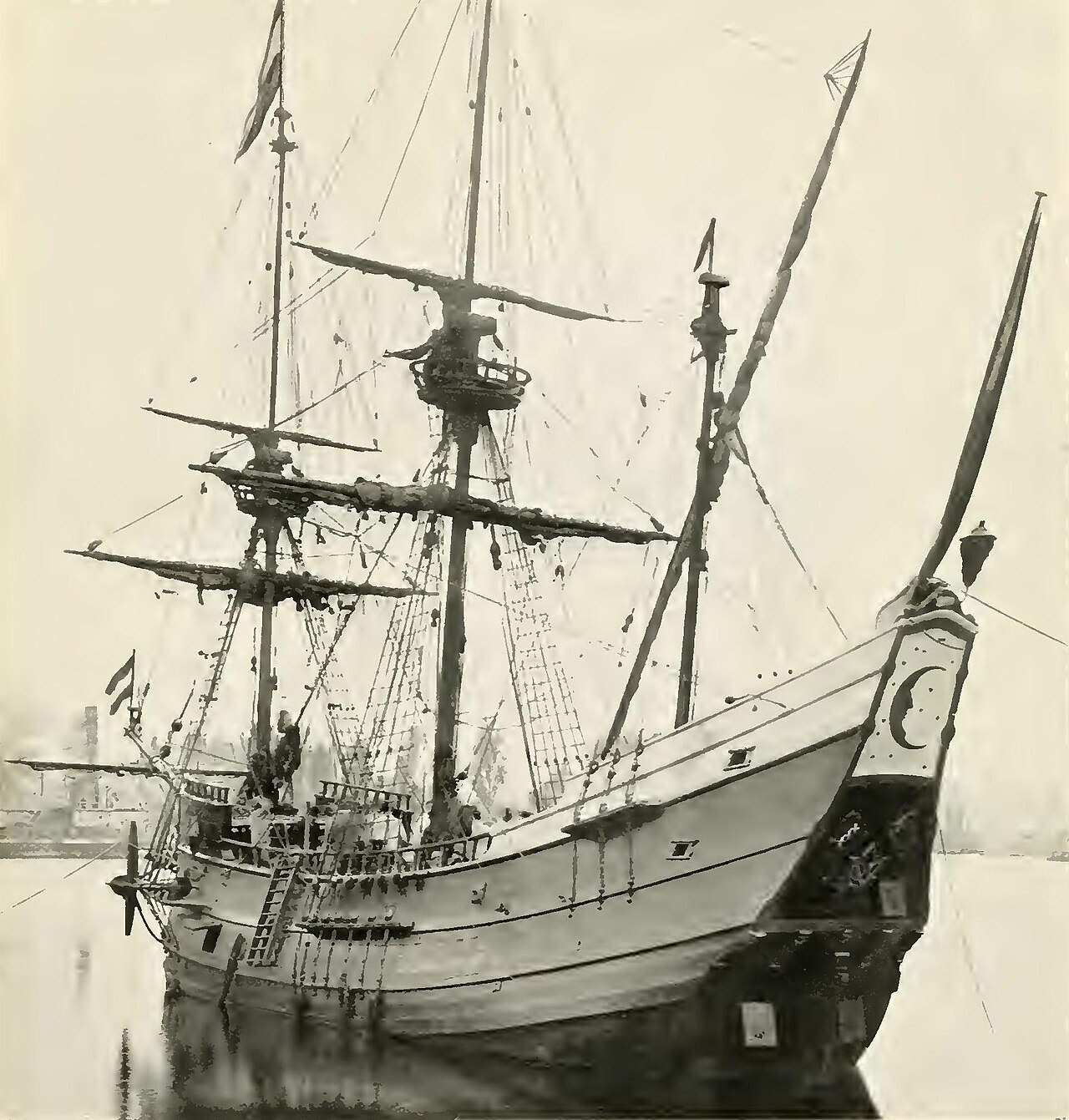 Document
Primary source
E. Ruempol
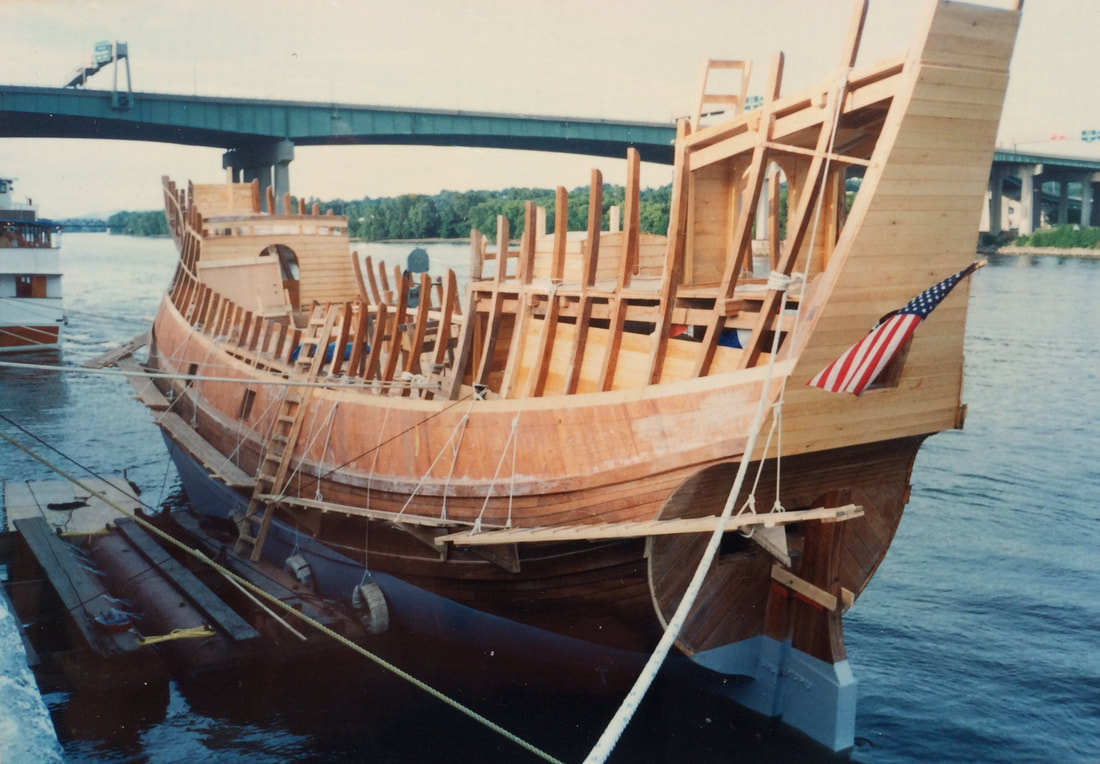 Photograph
Secondary source
Muddy Paddle · 1989
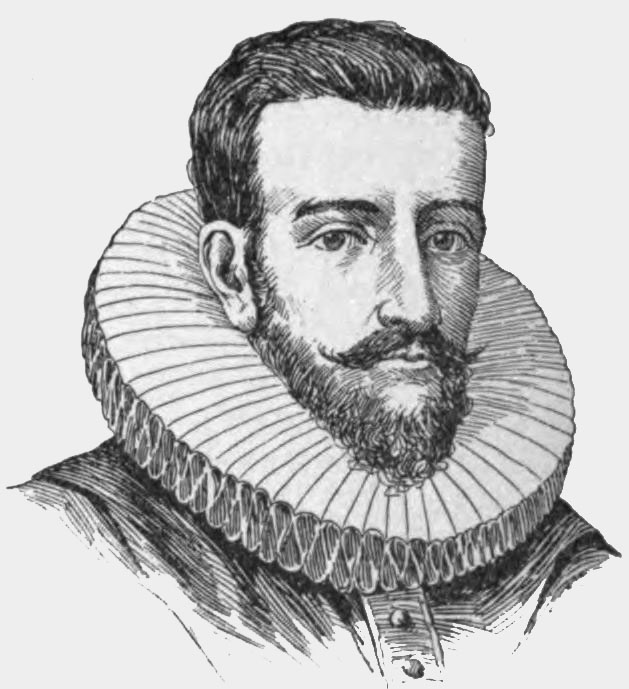 Painting
Secondary source
Jacques Reich
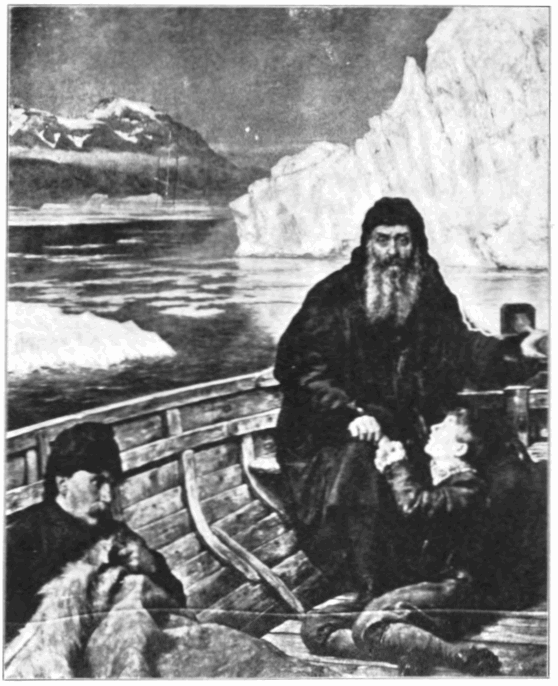 Painting
Secondary source
1909
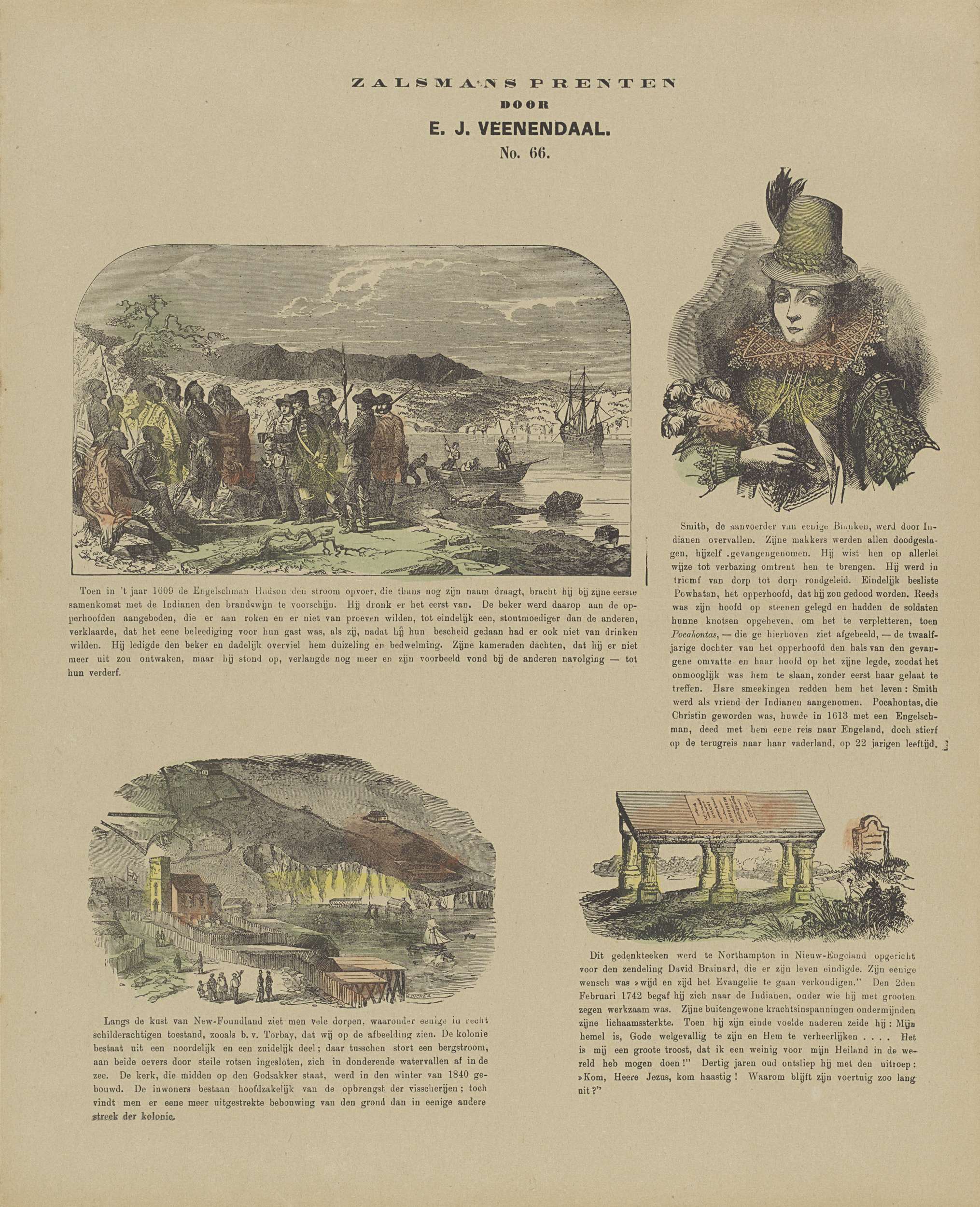 Painting
Secondary source
19th century
 Book
Primary source
Isaac Jogues · 1643-4 (published 1862)
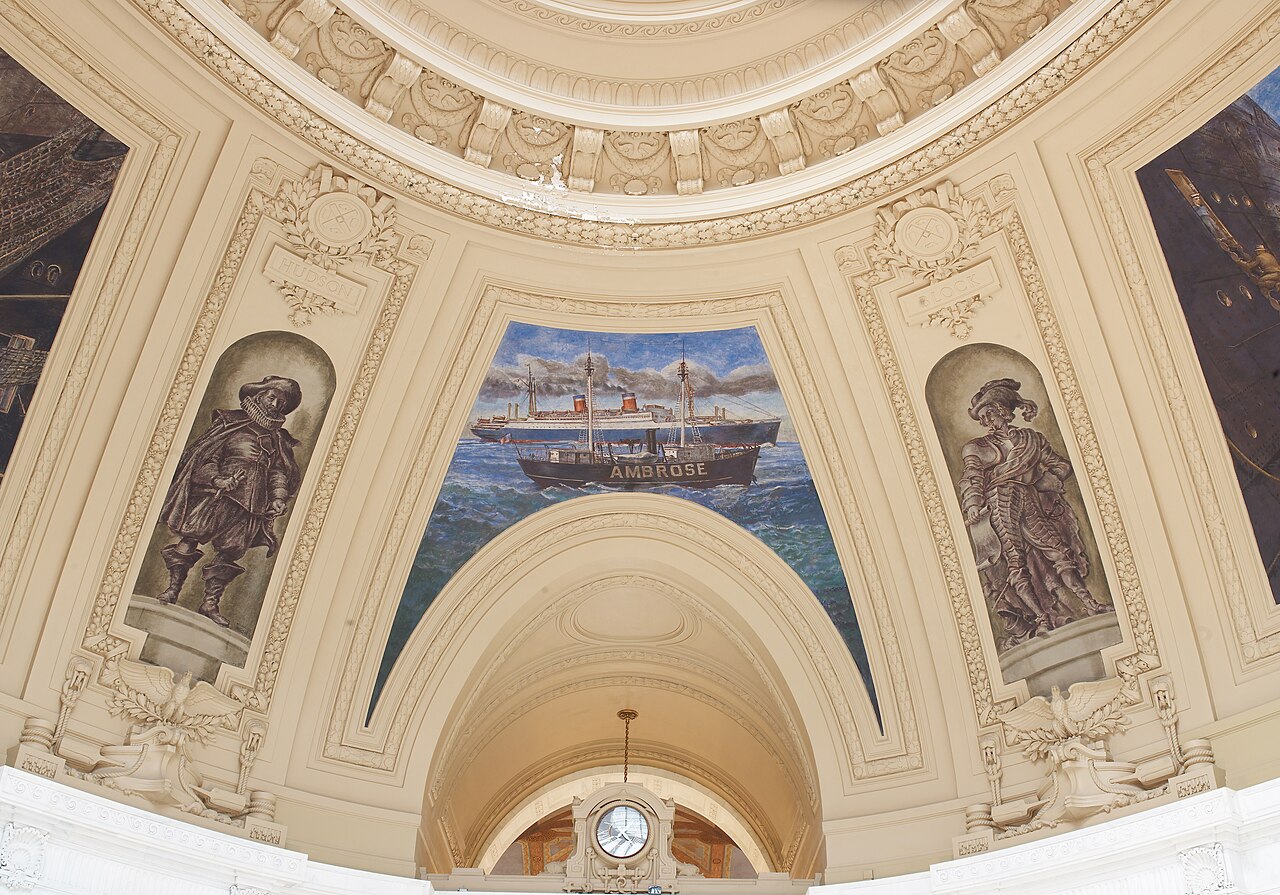 Photograph
Secondary source
Carol M. Highsmith · 1937 (fresco); photograph later
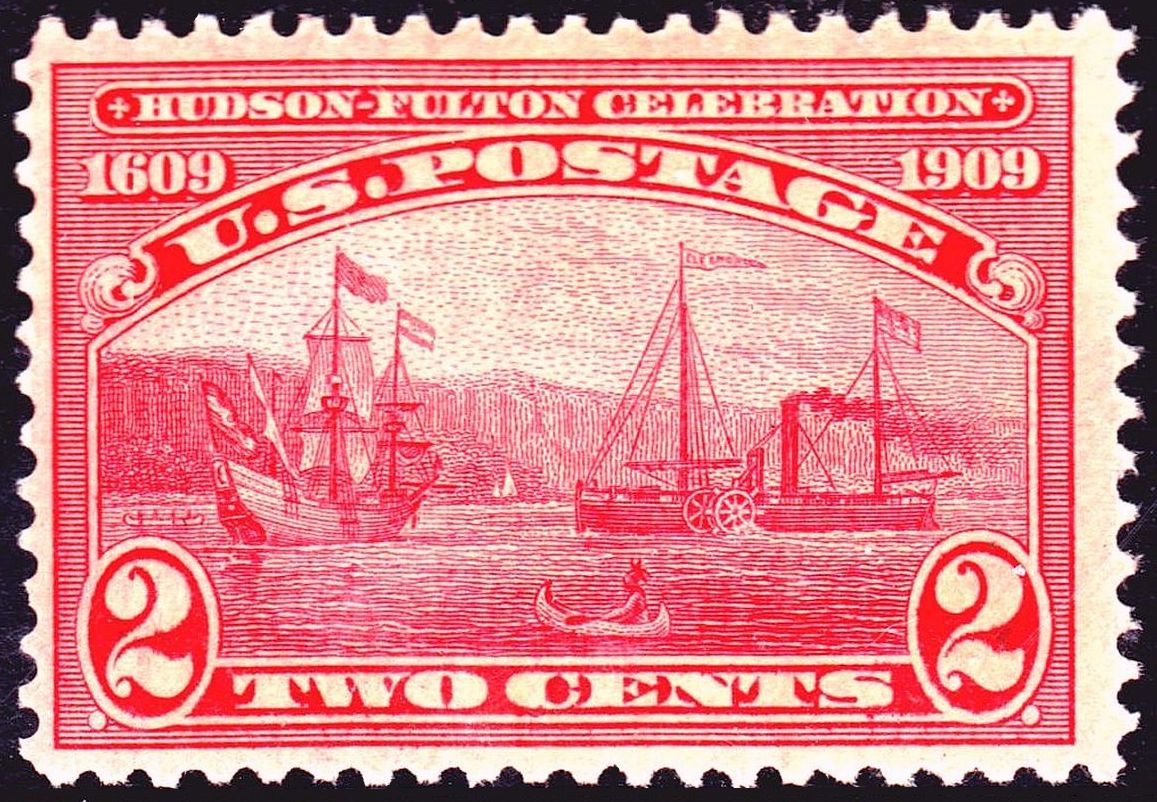 Artifact
Secondary source
U.S. Post Office · 1909
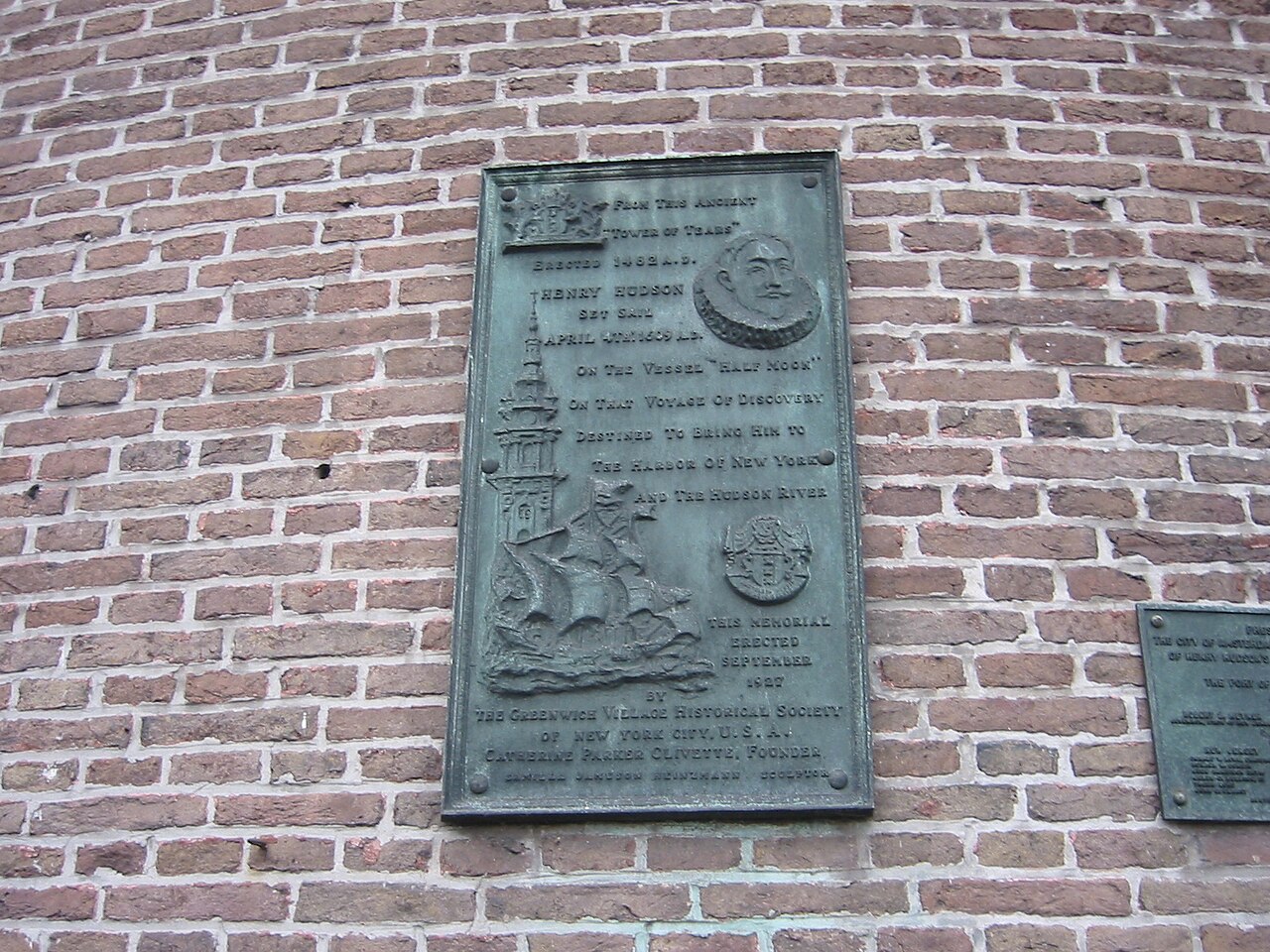 Artifact
Secondary source
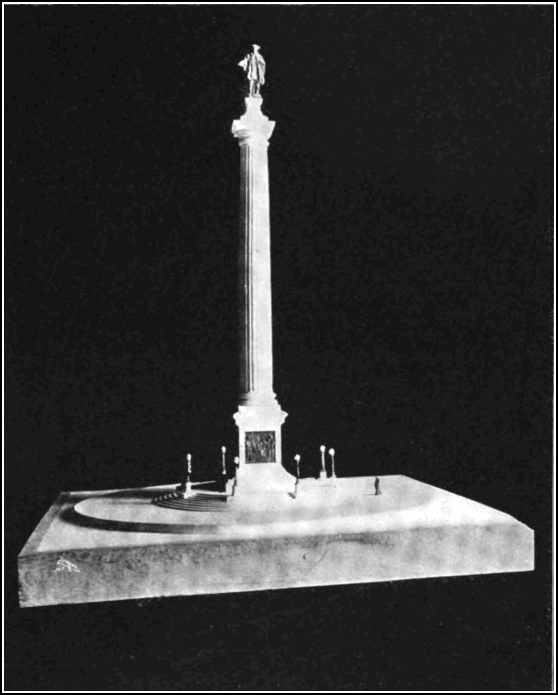 Artifact
Secondary source
1909
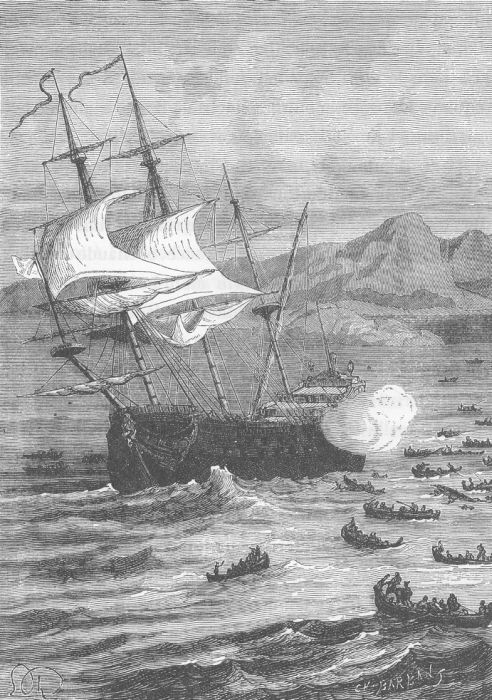 Painting
Secondary source
Léon Benett
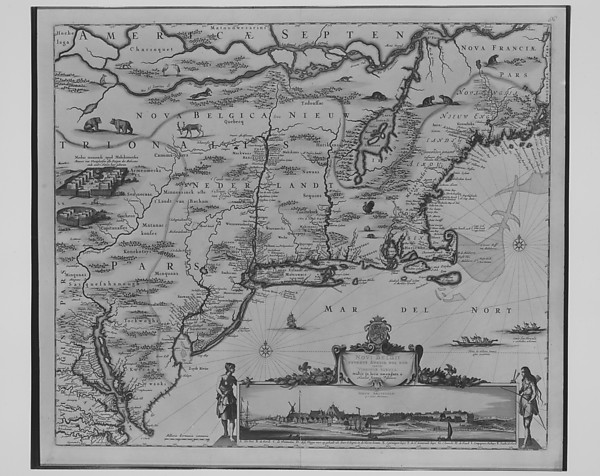 Artifact
Primary source
Nicolas Visscher I · ca. 1656
Secondary source
John Knox Laughton
 Diary entry
Primary source
Robert Juet · 1921 (text from 1609 voyage)
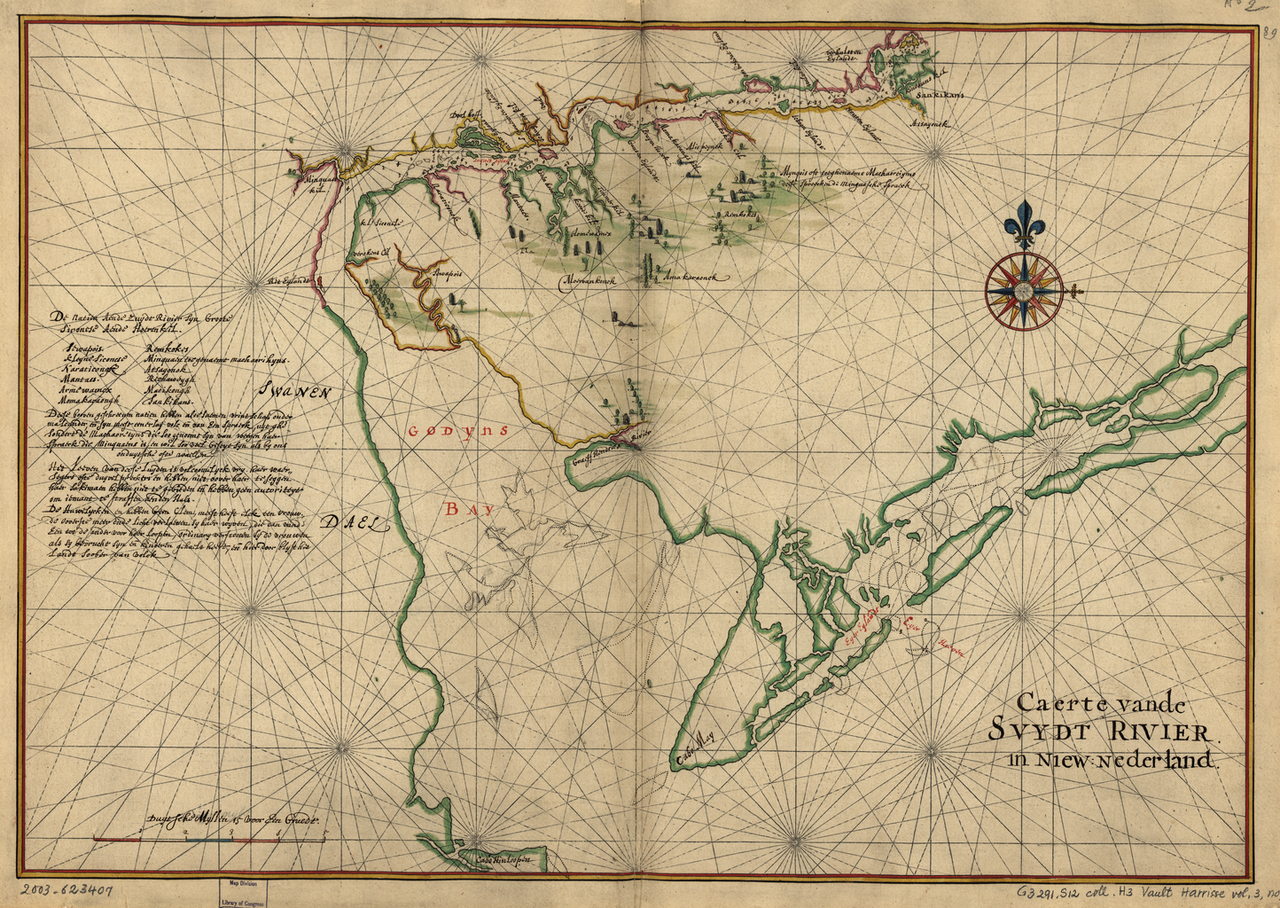 Document
Primary source
Joan Vinckeboons · ca. 1639
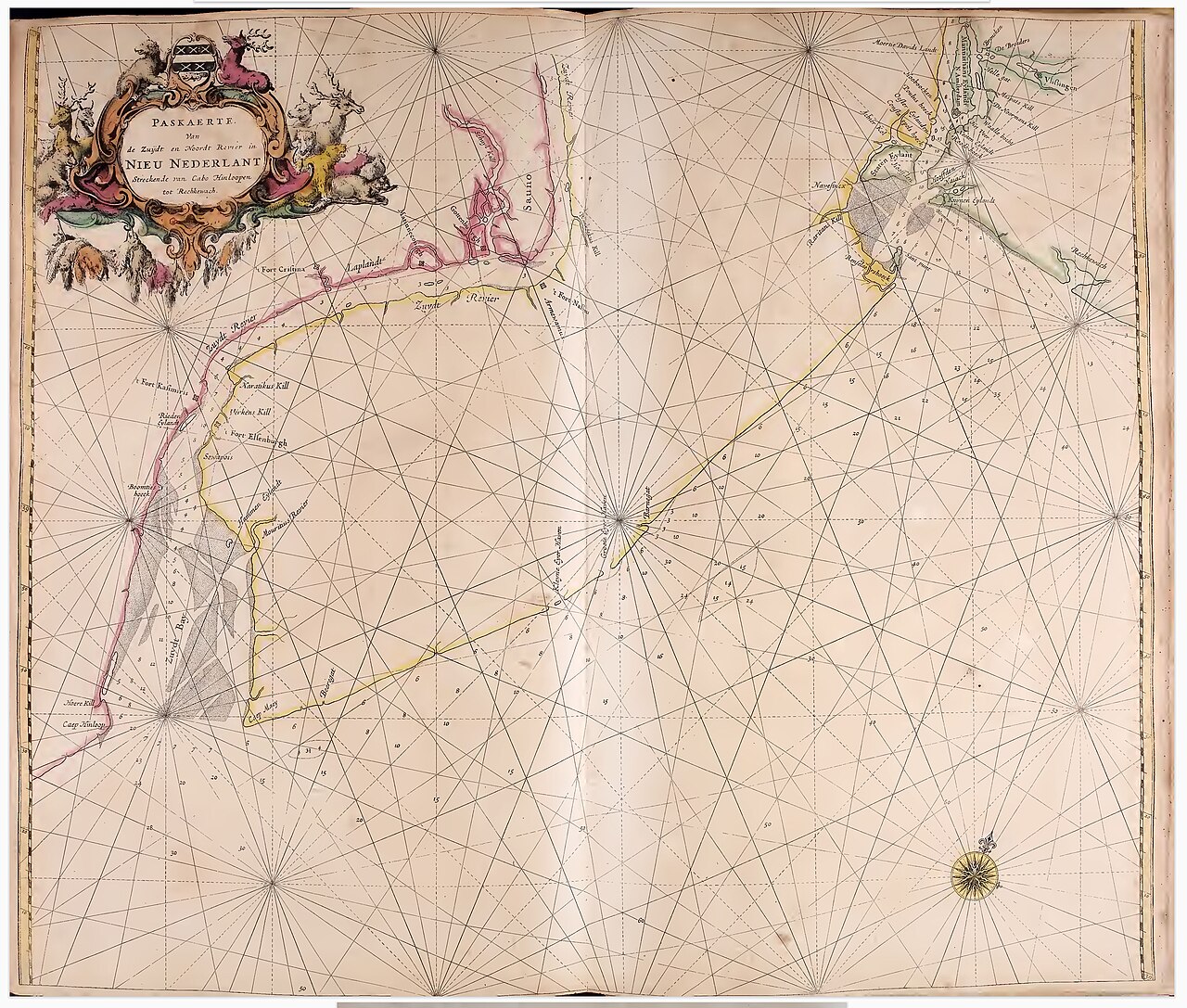 Document
Primary source
Pieter Goos · 1677
 Book
Secondary source
Henry Cruse Murphy · 1909
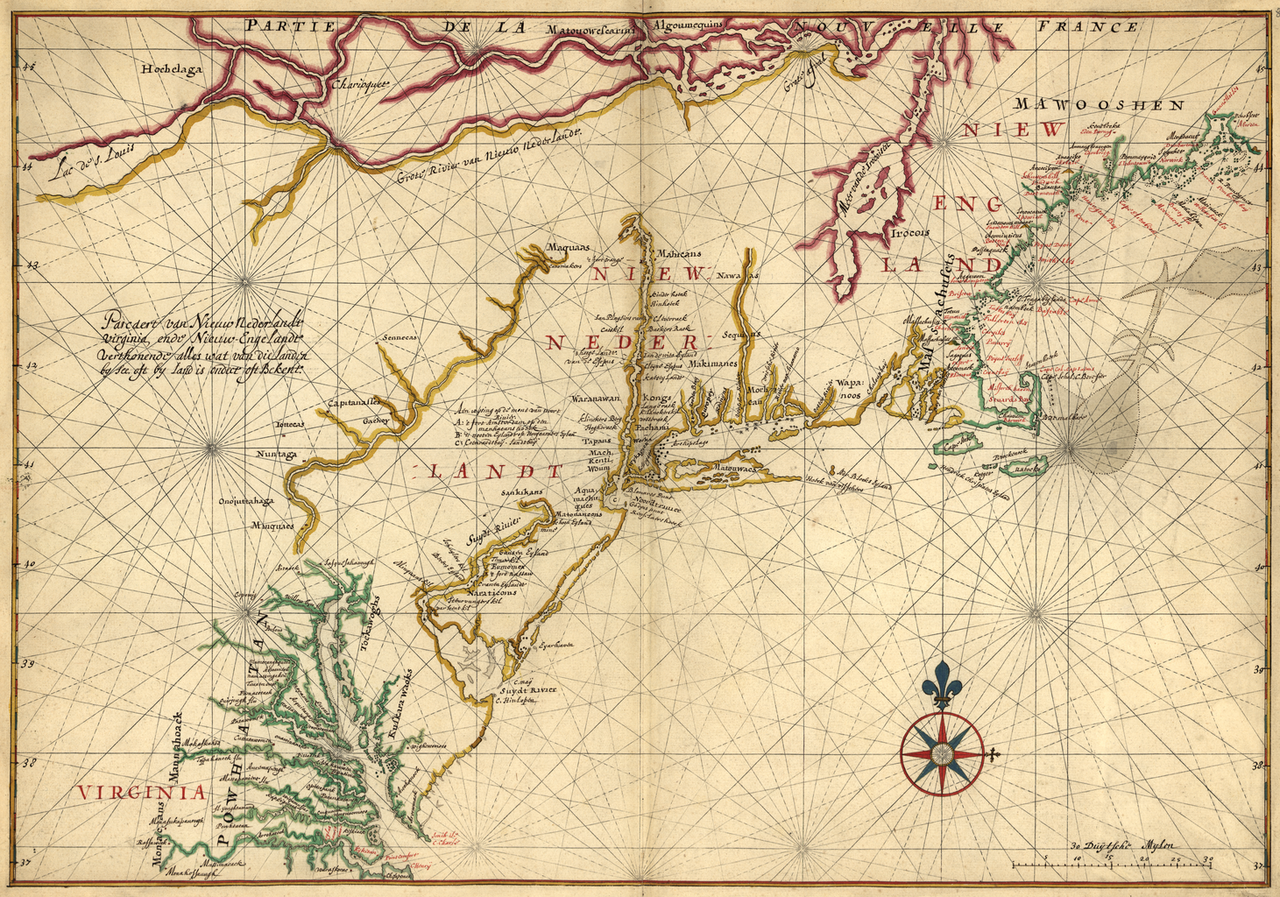 Document
Primary source
Joan Vinckeboons · c. 1639
 Book
Secondary source
John Meredith Read · 1866
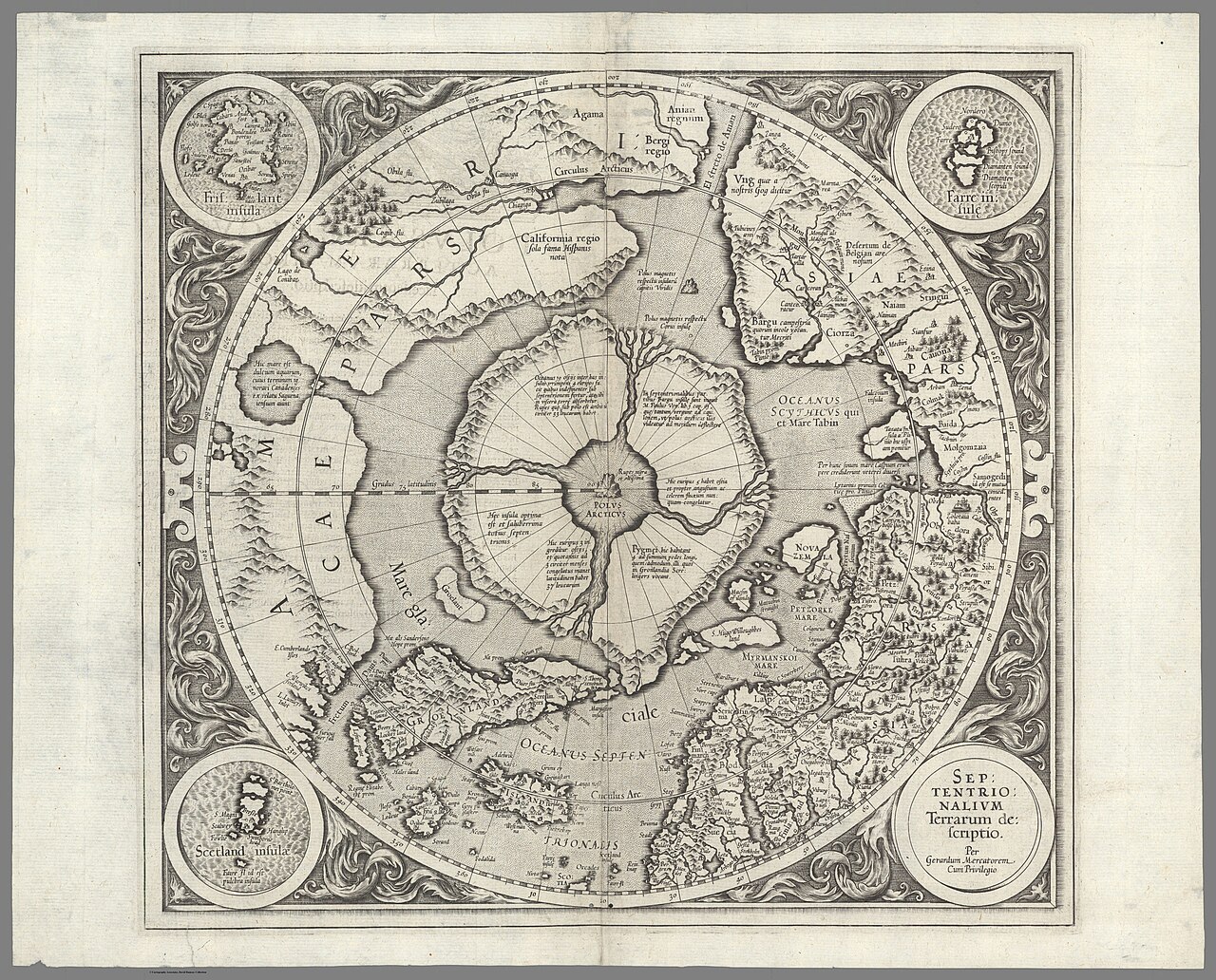 Document
Secondary source
Gerardus Mercator · 1595
 Book
Secondary source
B. F. DeCosta · 1869
 Book
Secondary source
Anna R. Bradbury · 1908
 Book
Secondary source
Edgar Mayhew Bacon · 1907
 Book
Secondary source
Thomas A. Janvier · 1909
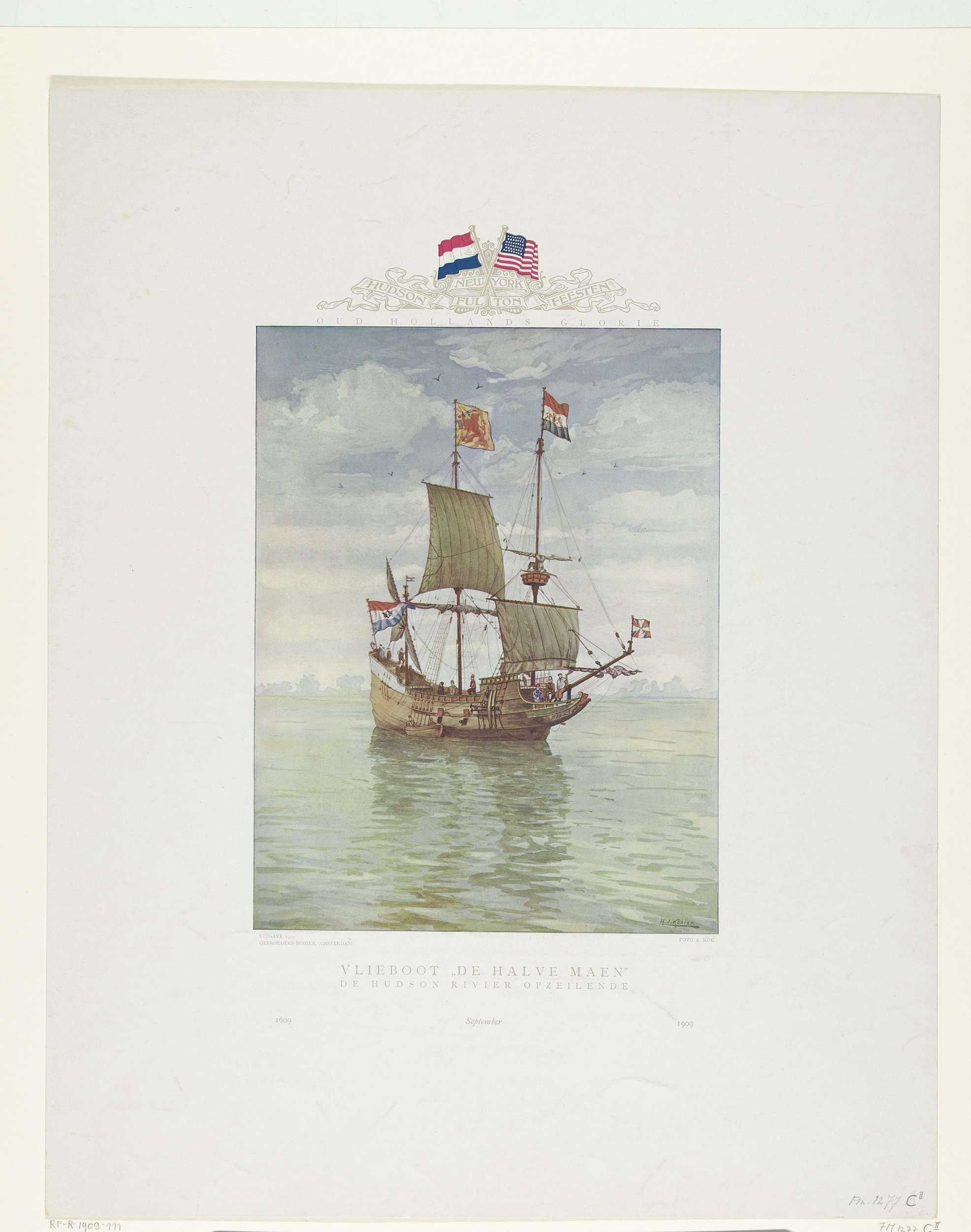 Painting
Secondary source
1909
Tertiary source
1911
Secondary source
Frank Chamberlain · 1909
Primary source
Emanuel Van Meteren · 1609-1664 (account of 1610)
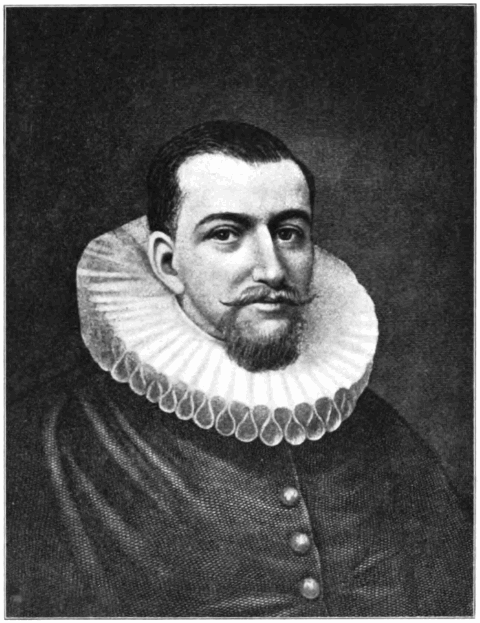 Painting
Secondary source
Unknown · 1909
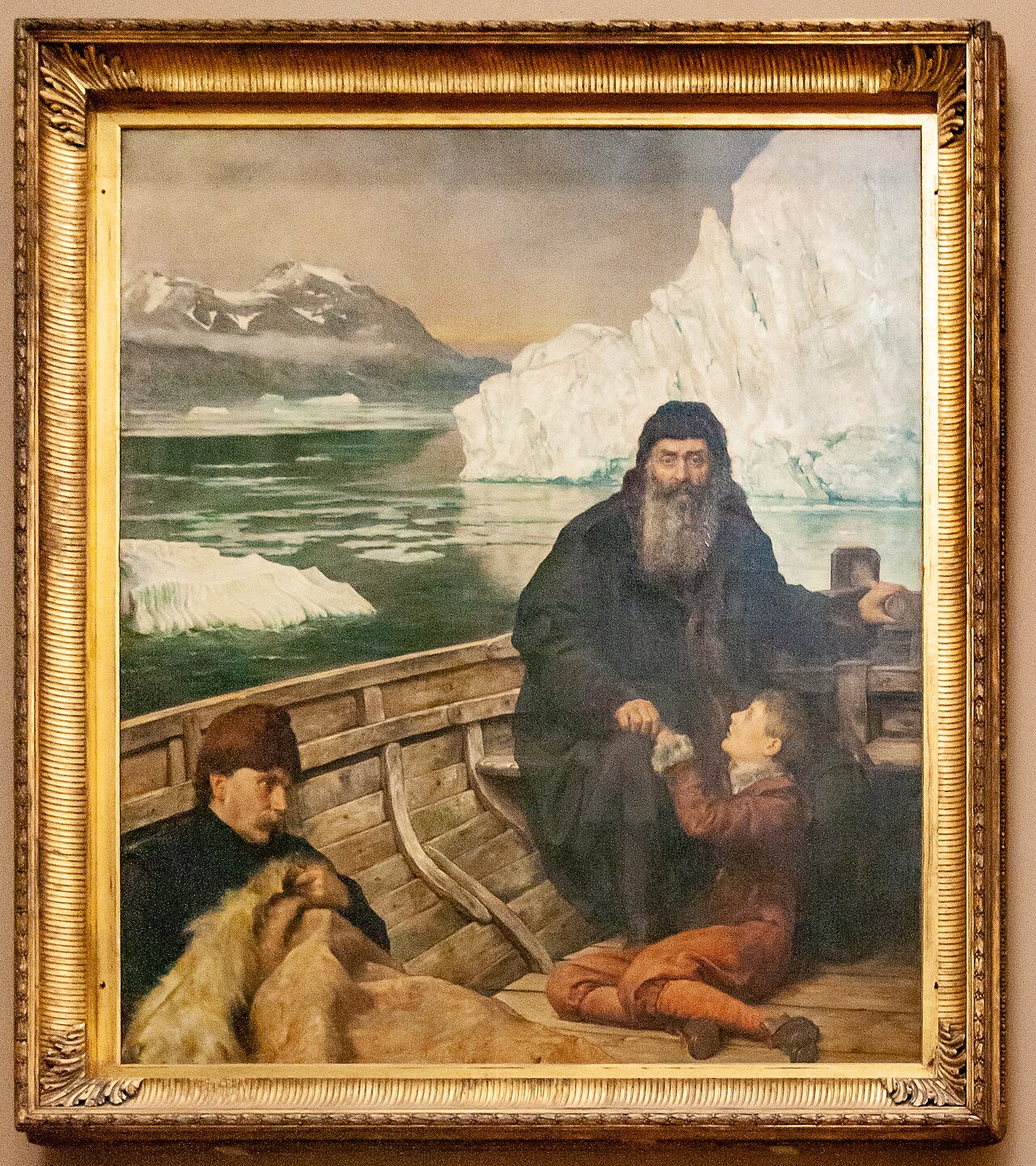 Painting
Secondary source
John Collier · 1881
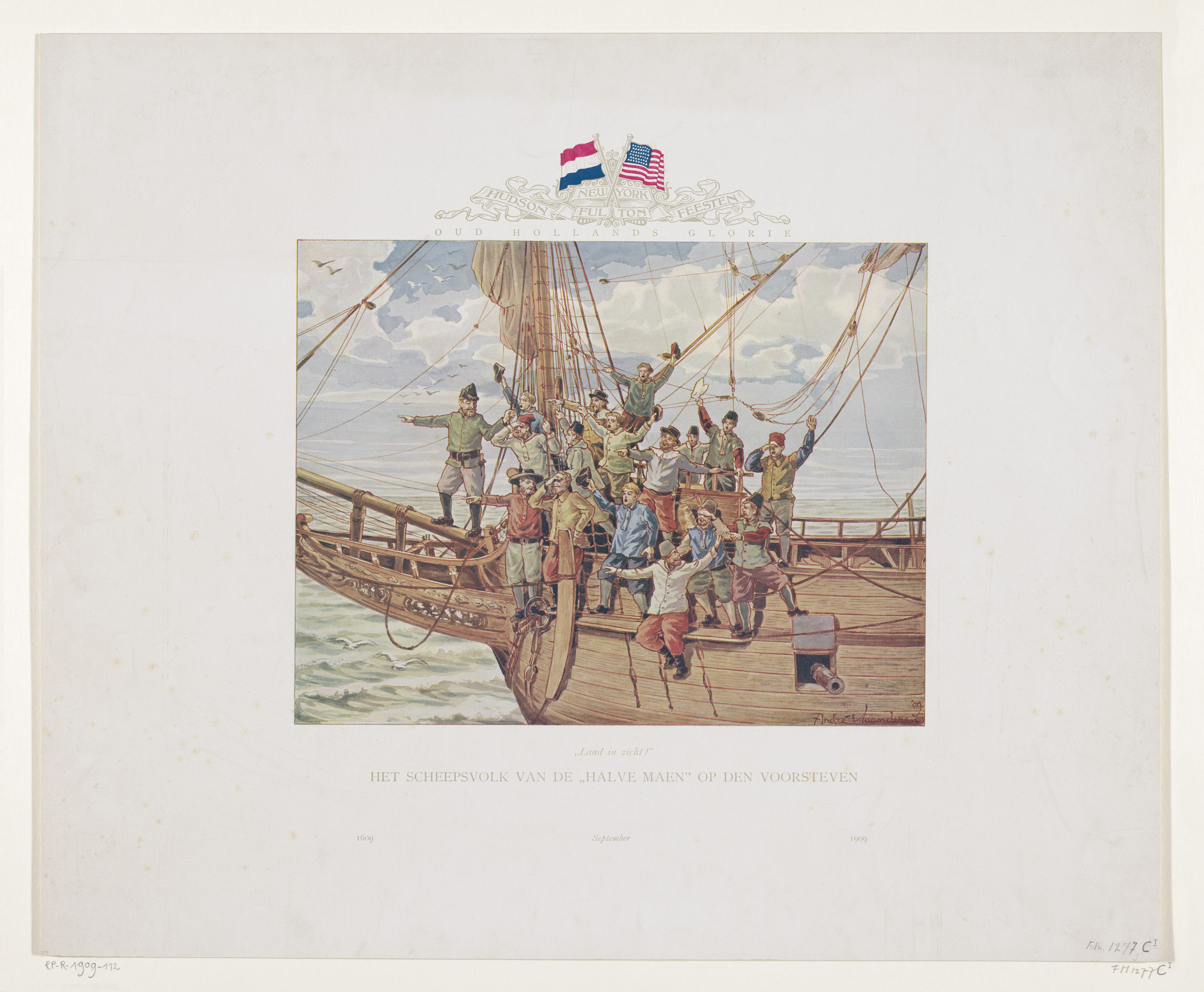 Painting
Secondary source
1909
Secondary source
1894
Secondary source
George Frederick Kunz · October 1909
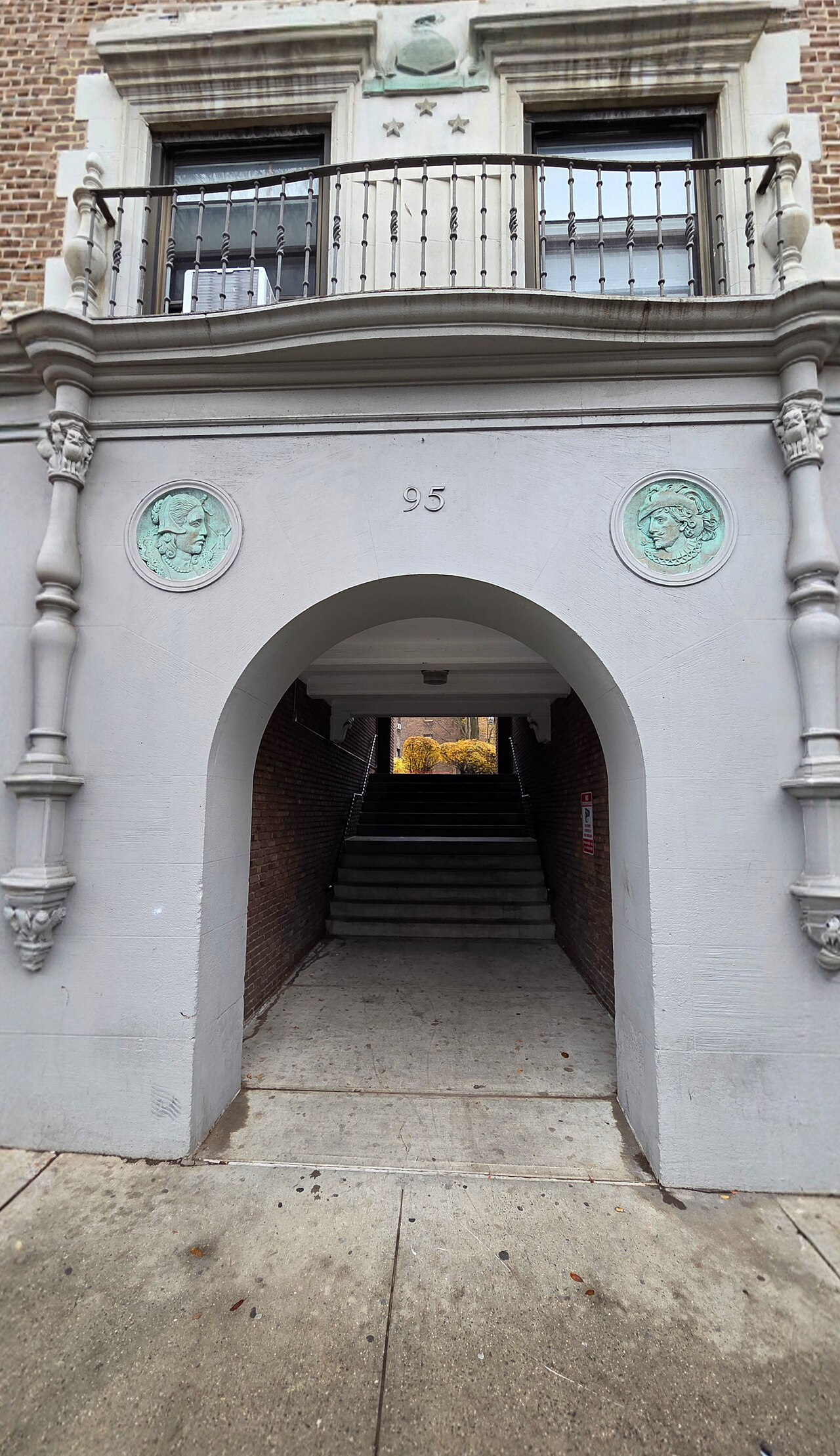 Sculpture
Secondary source
Irina S.B. · 1929
Secondary source
Thomas Wentworth Higginson
 Document
Secondary source
State University of New York · 1909
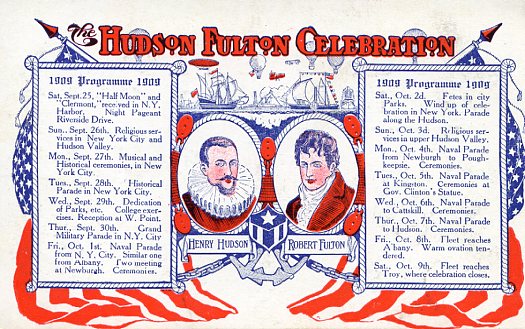 Artifact
Secondary source
1909
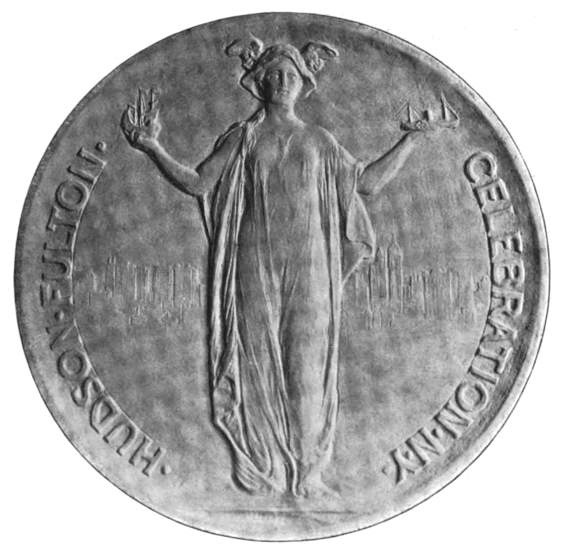 Artifact
Secondary source
Unknown author · 1909
Primary source
Richard Hakluyt · 1886
Secondary source
Edward Augustus Bond · 1856
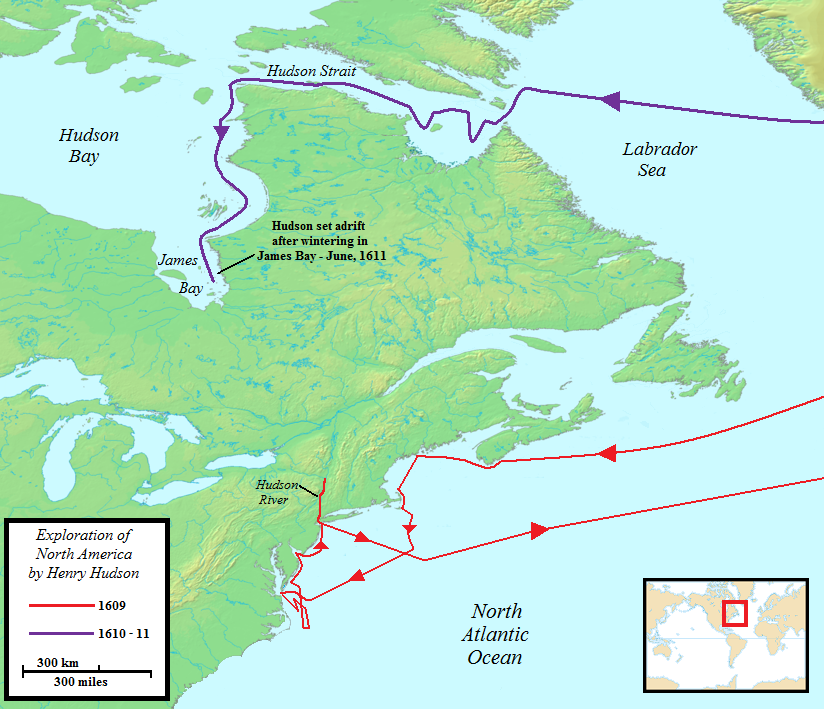 Artifact
Secondary source
Jon Platek · 2009
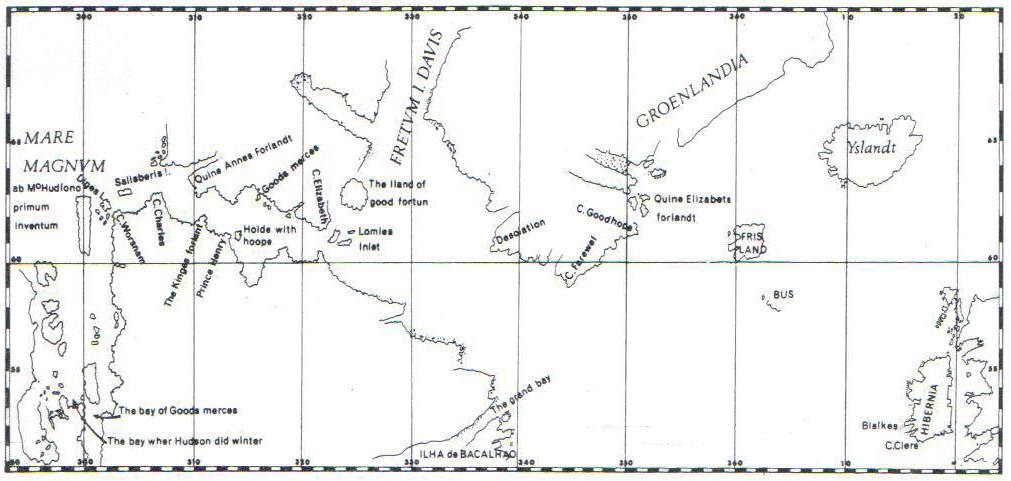 Artifact
Secondary source
Jeangagnon · 2007
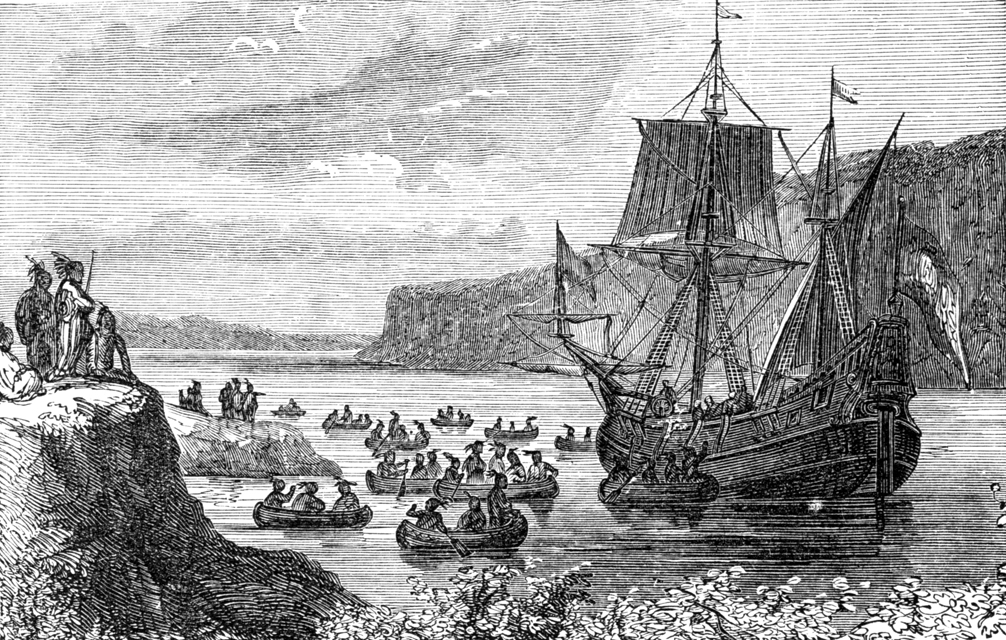 Painting
Secondary source
Nonenmac (Wikipedia uploader) · 2004
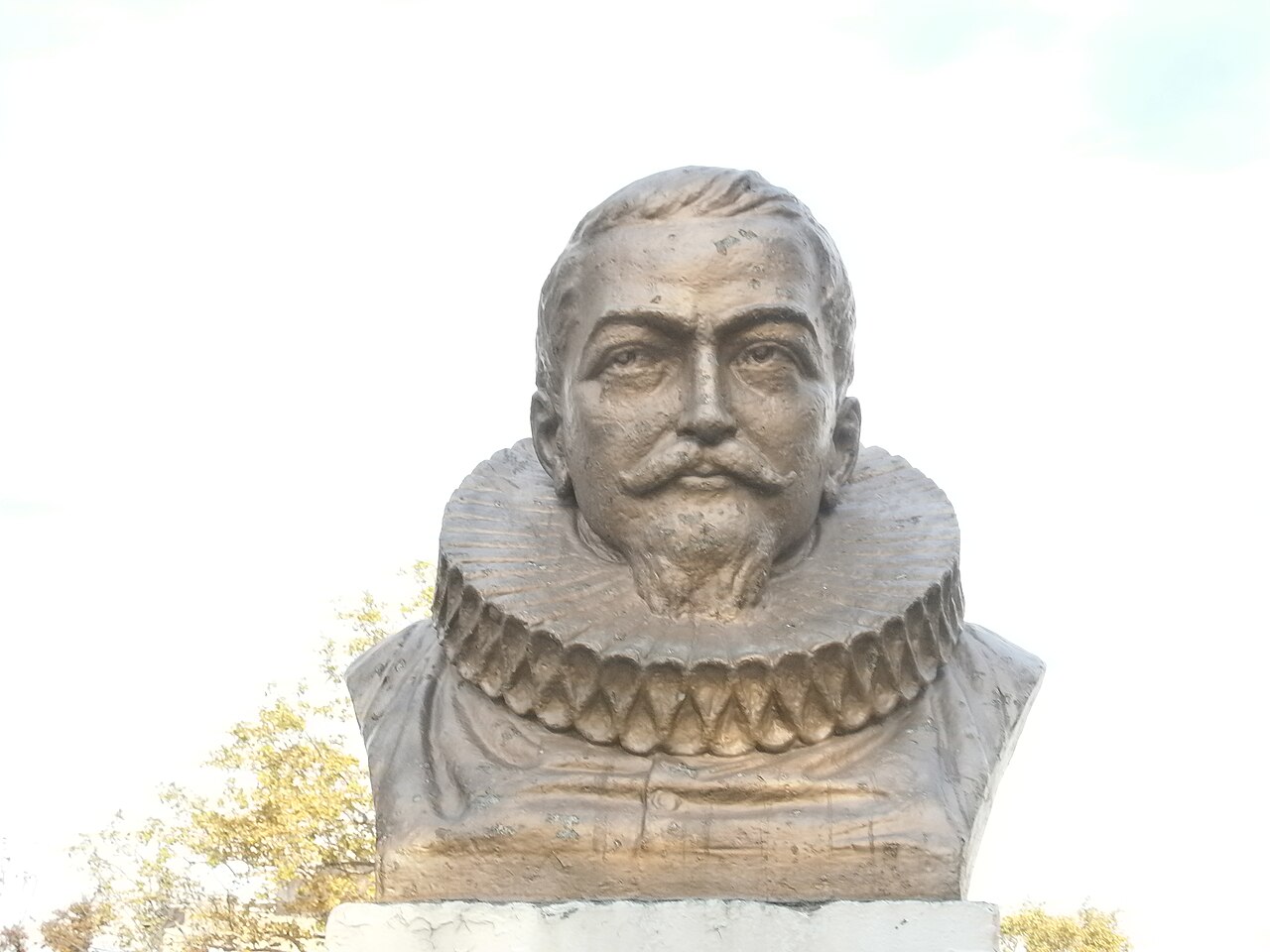 Sculpture
Secondary source
2011
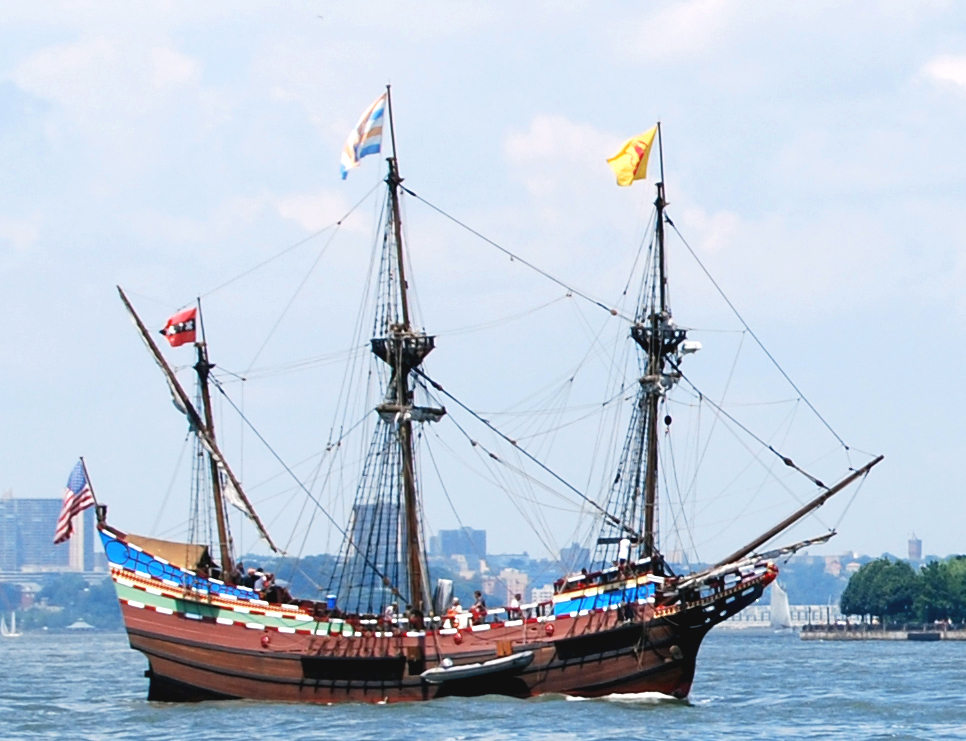 Photograph
Secondary source
Roy Googin; derivative work by Jan Arkesteijn · 28 June 2009
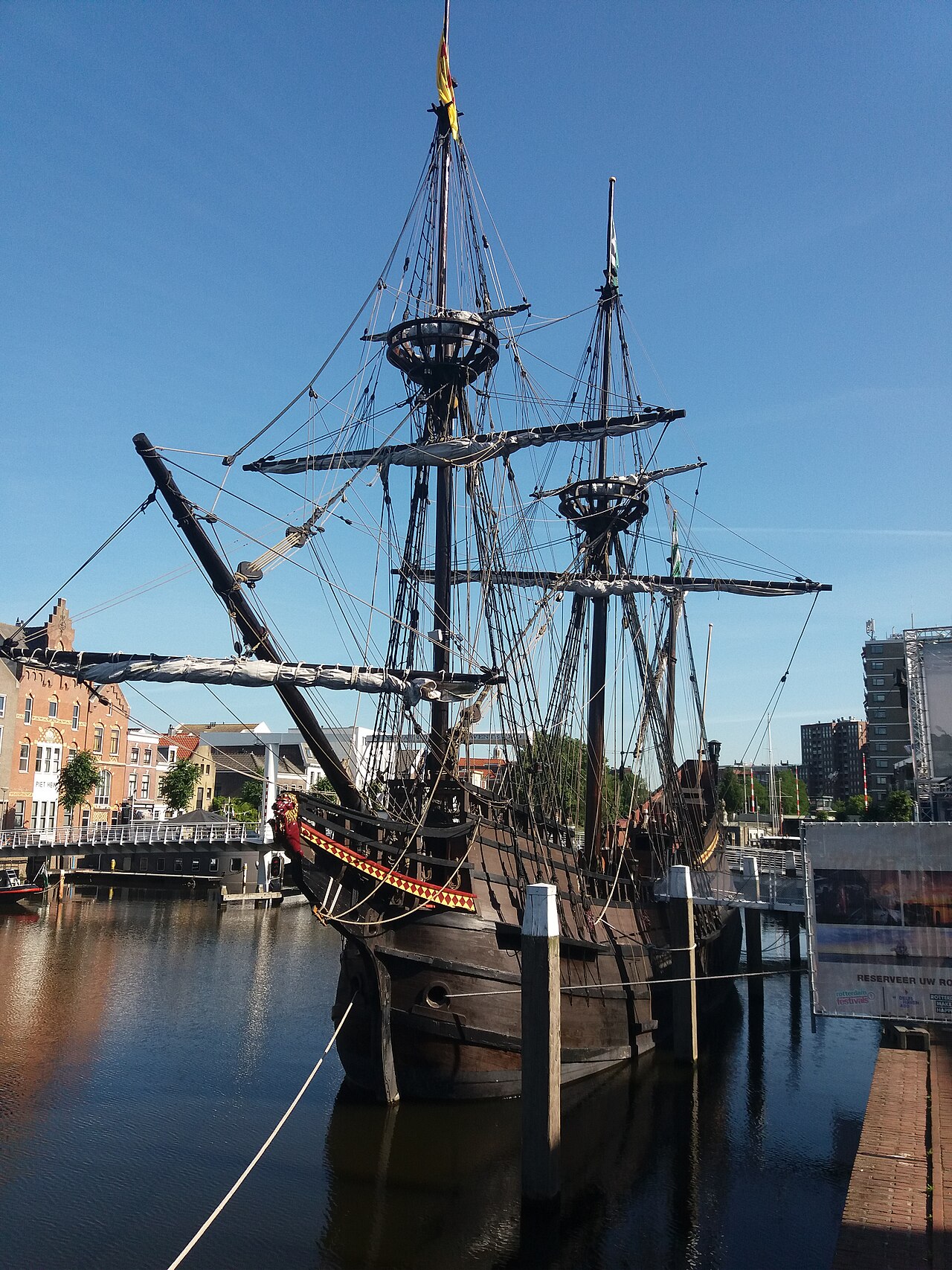 Photograph
Secondary source
Marcel Douwe Dekker · 23 June 2020
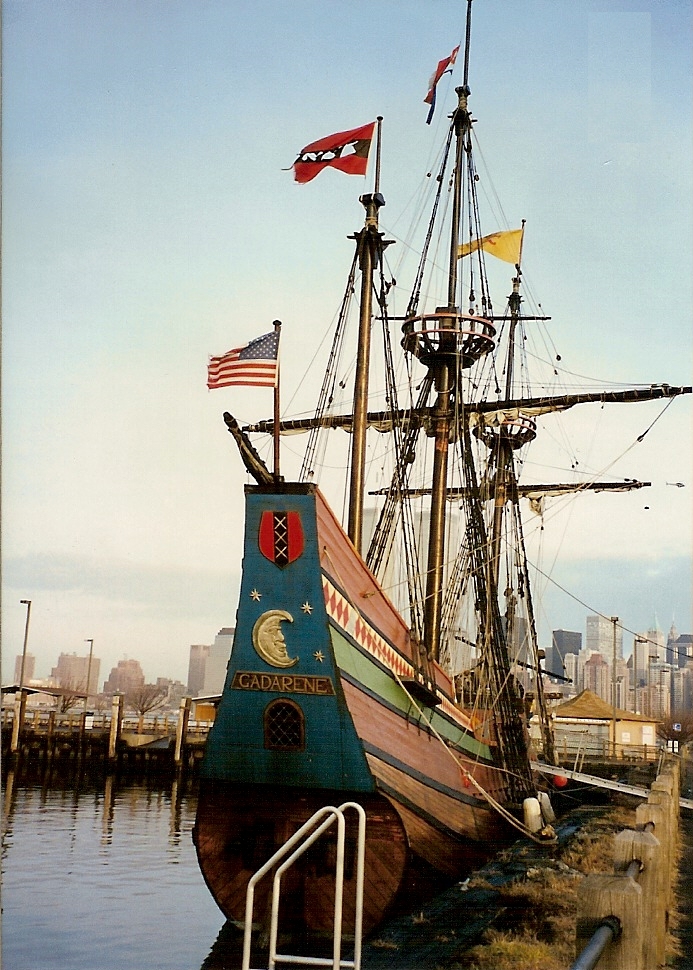 Photograph
Secondary source
Siegsander · 14 January 1995
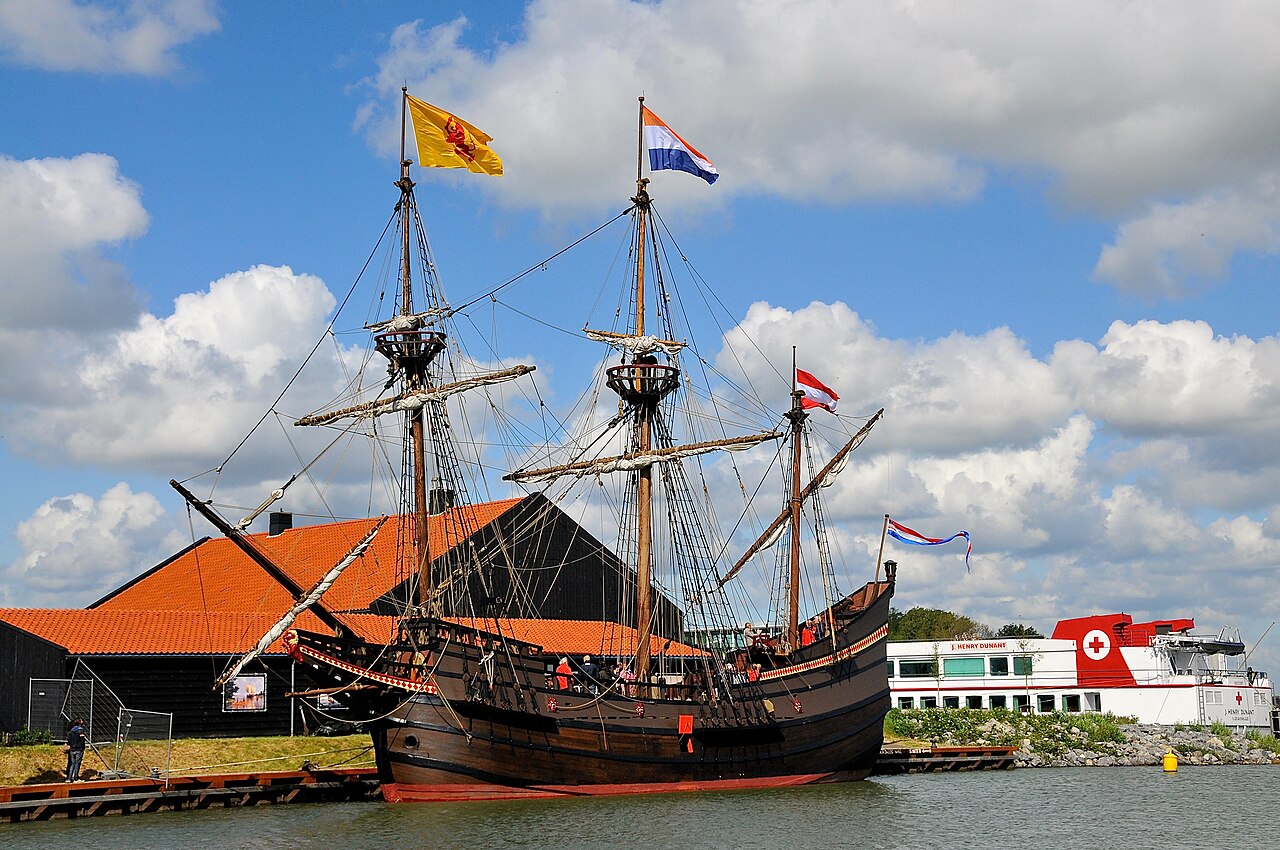 Photograph
Secondary source
FaceMePLS from The Hague, The Netherlands · 30 May 2015
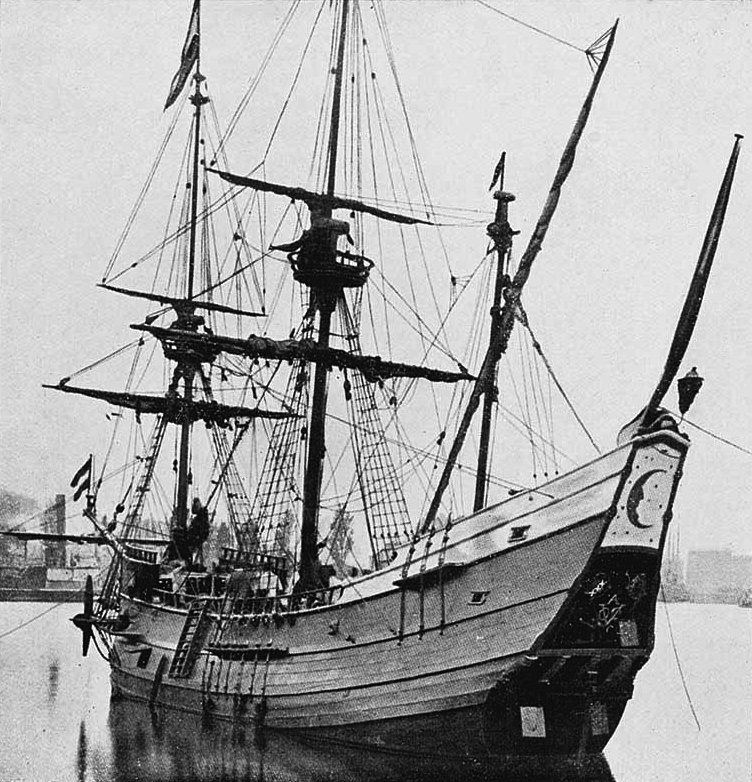 Photograph
Secondary source
1909
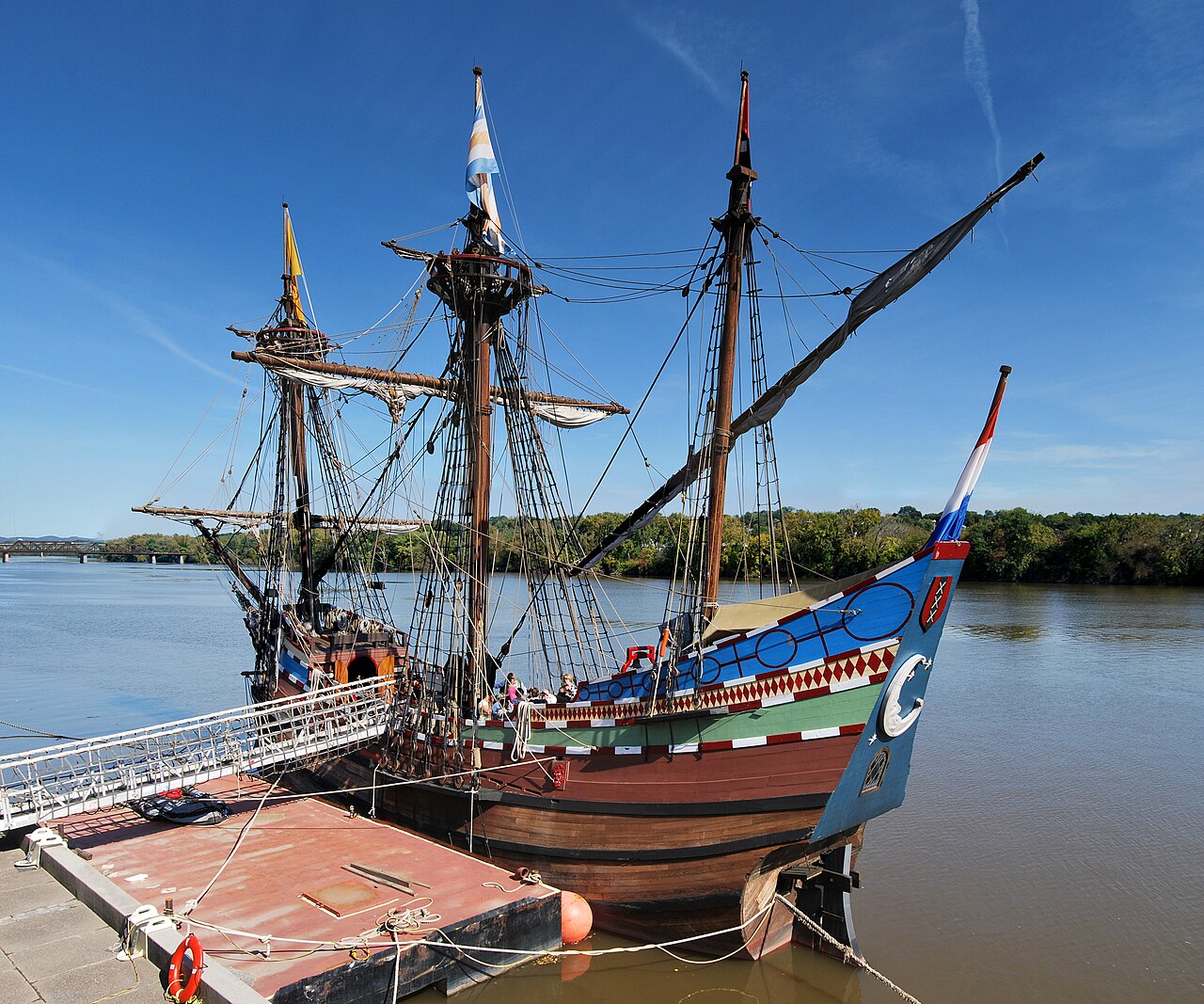 Photograph
Secondary source
Matt H. Wade · 2011 (photo); replica built 2005
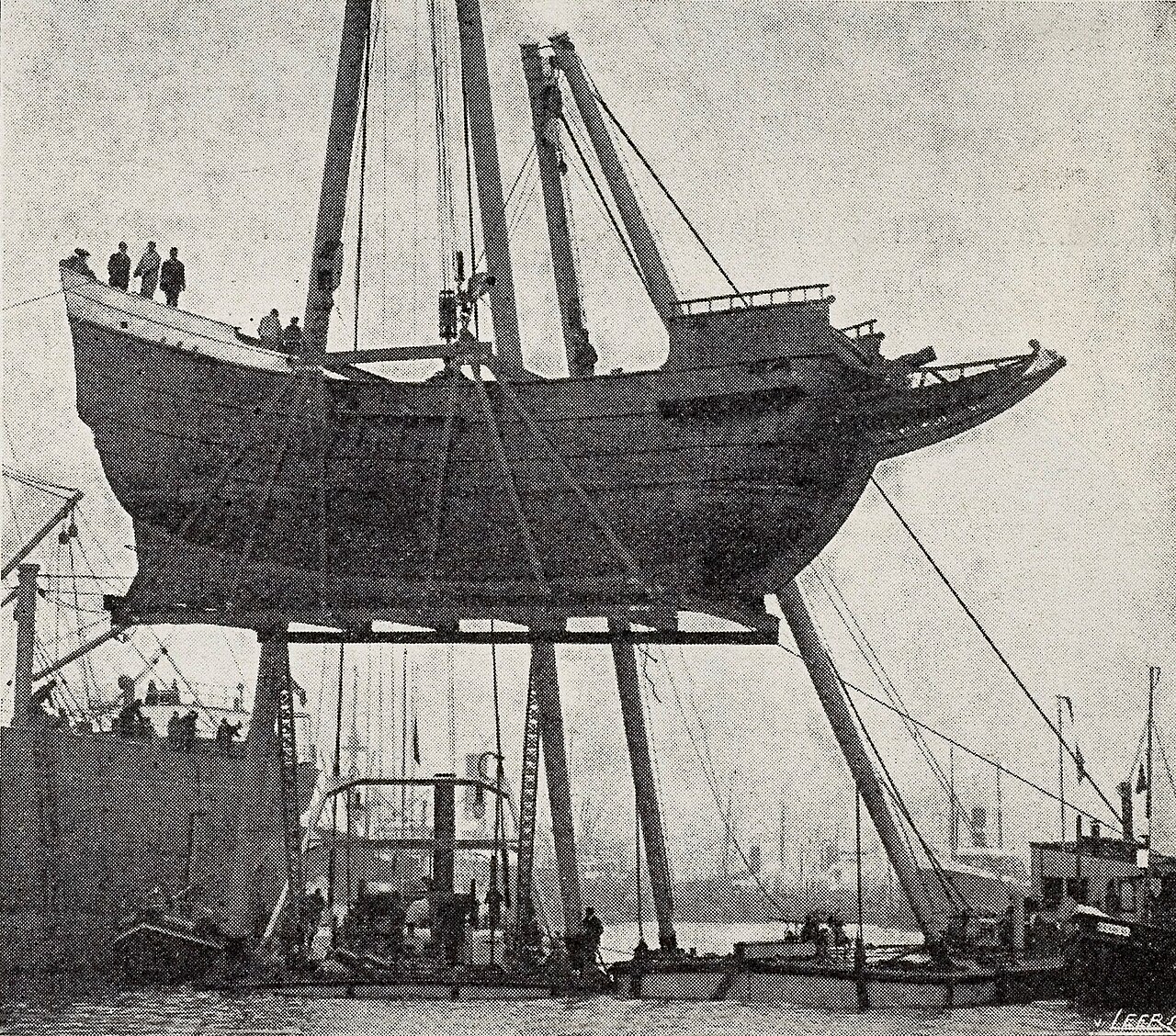 Photograph
Secondary source
P.F. van den Ende · June 1909
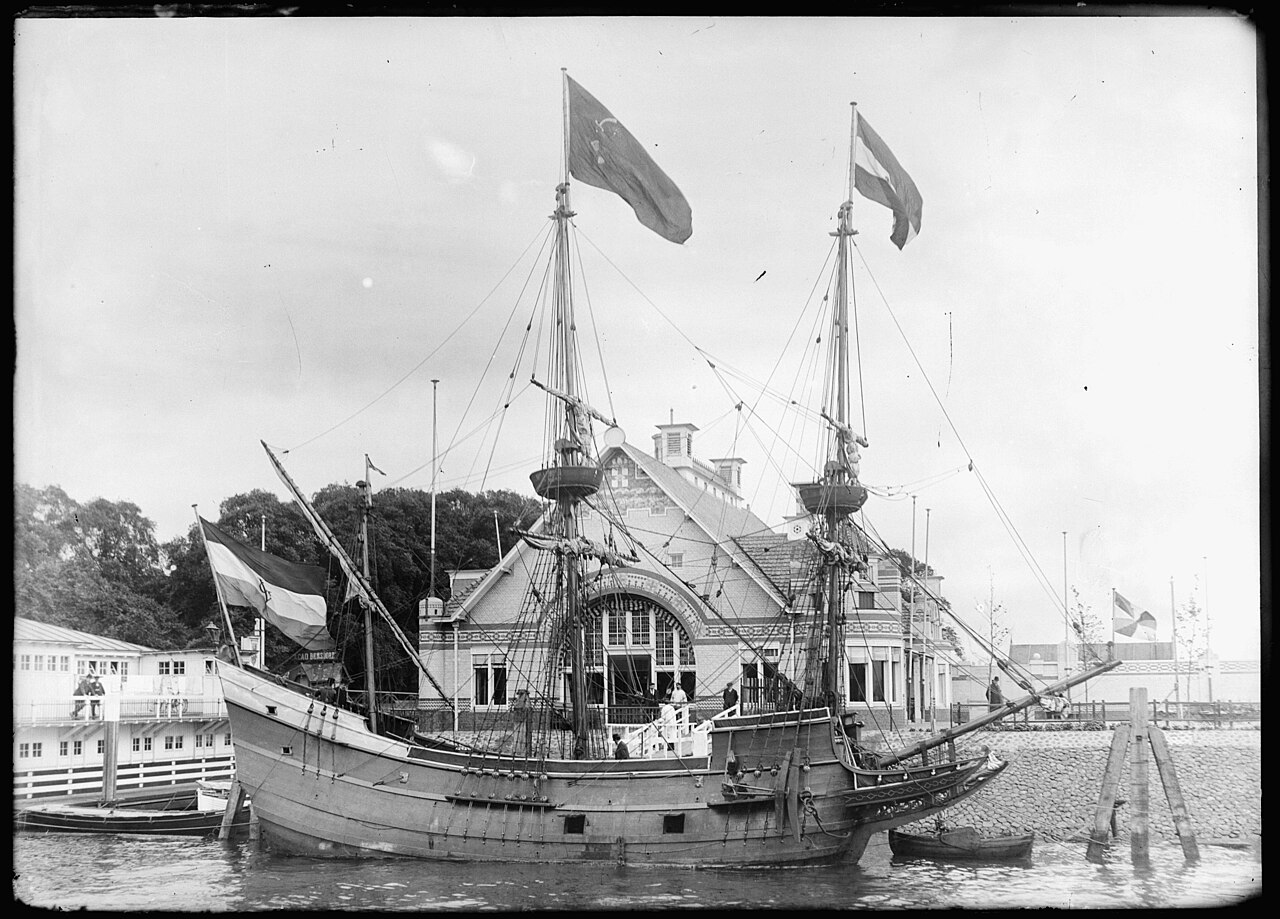 Photograph
Secondary source
François Henry (F.H.) van Dijk · 1909
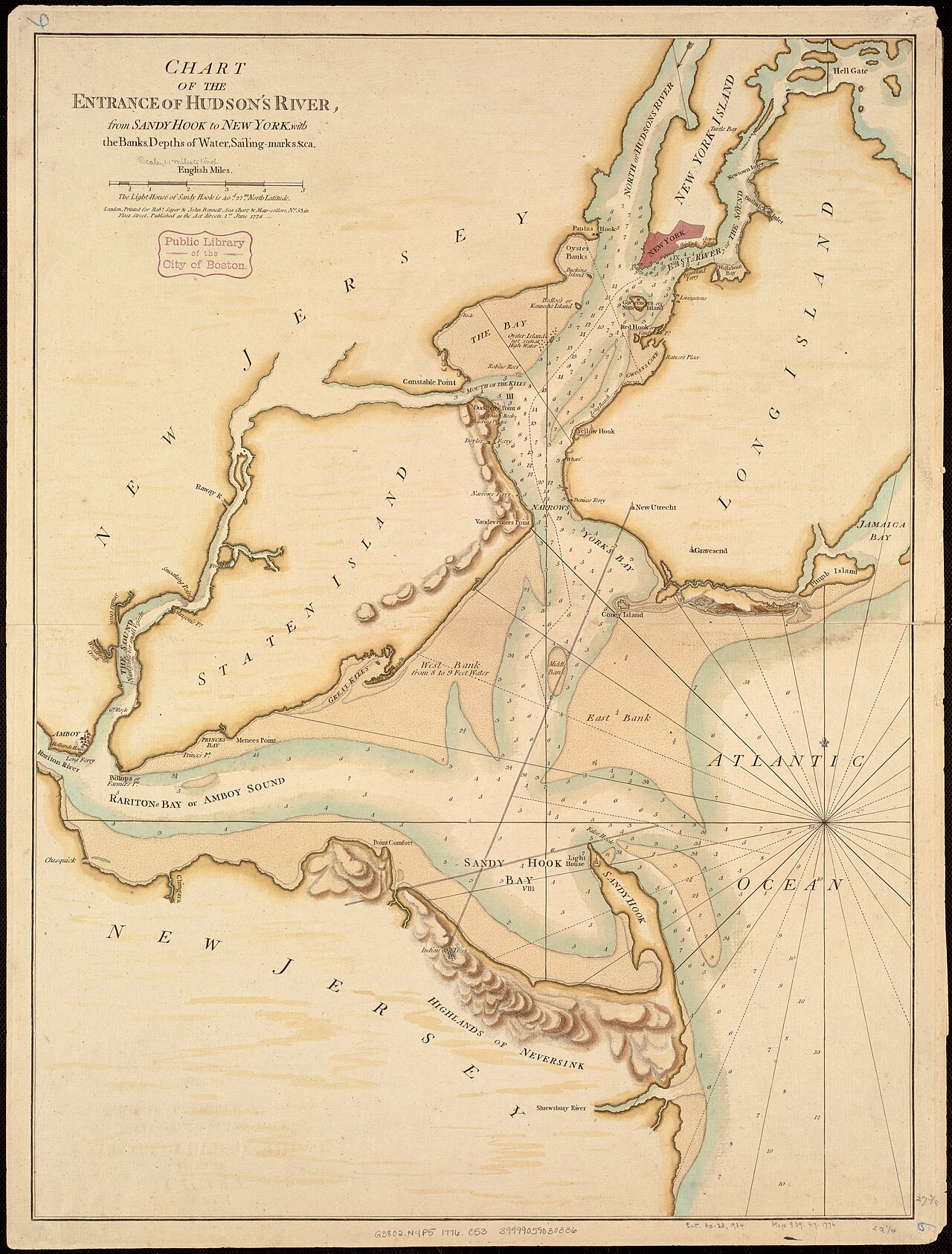 Document
Primary source
Robert Sayer and John Bennett · 1776
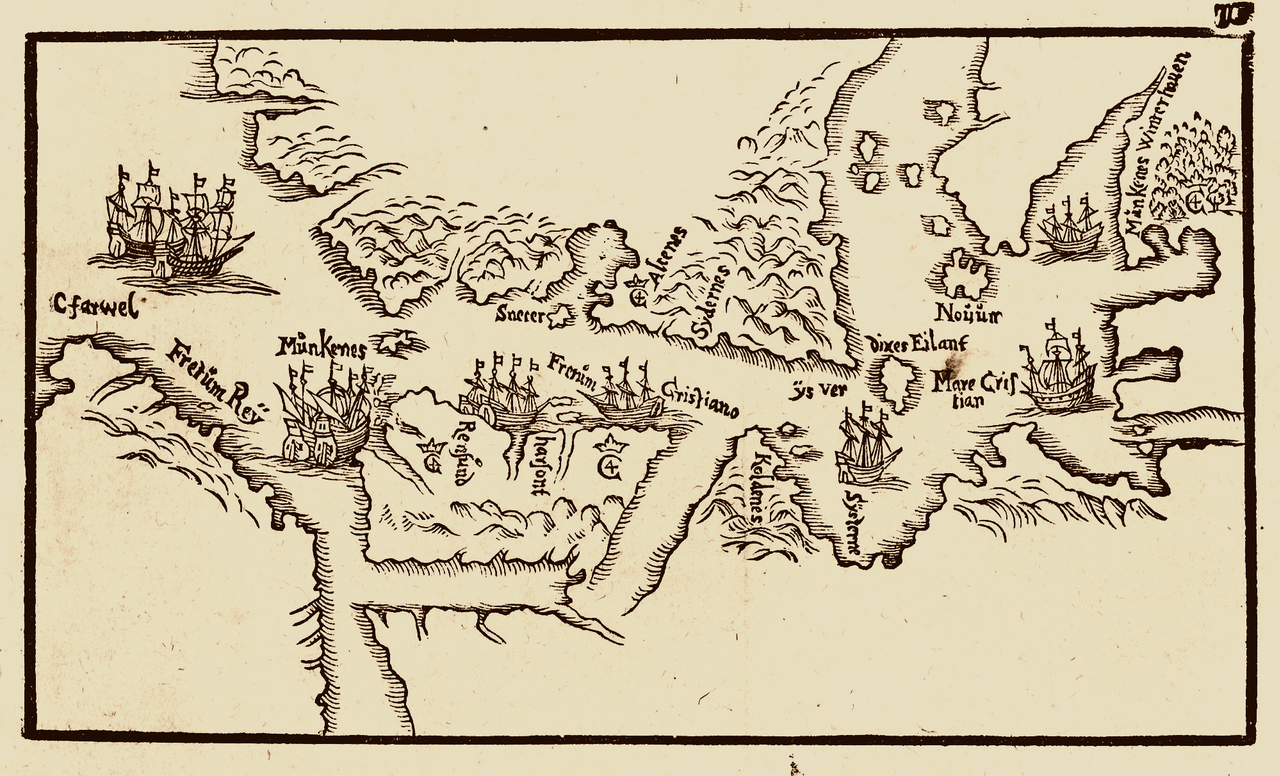 Painting
Primary source
Jens Munk · 1624
Want the full shelf? Chat with Henry Hudson in the app and open the Sources panel — every quote links back to the original.
2 collections
Ready-made collections from the Humy team that feature Henry Hudson. Preview any of them, then try it free.
Paying customers



























Dr. Michael Calvert
Assistant Superintendent, South Allegheny School District, Pennsylvania
Been using Humy in his district since 2024
“We enjoyed the program last year and used it frequently.”

Jacob Chisom
World and American History, Monticello High School, Arkansas
Been using Humy in his classroom since 2024
“My students say it’s a welcome change of pace. I’m not a fan of the “sage on the stage” model, so I try to incorporate research-oriented and self-paced activities. With Humy, students have to take charge of their learning. They’ve become more adept at critical thinking, forming better questions, and improving their reading comprehension. The interview feature has been my go-to tool. I create assignments where students must ask historical figures a set number of questions, then summarize the responses to ensure they’re truly absorbing the material. This approach lets them actively explore the past rather than passively consuming information.”
Roger Campbell
7th-grade World History, Lancaster County, Pennsylvania
Been using Humy in his classroom since 2024
“Humy has helped me bring historical figures, sometimes long past, to life. When my students interact with these figures in real-time, it eliminates some of the perceived “ancient” characteristics of my curriculum. This has shifted my students’ thinking away from viewing history as abstract or irrelevant. Real-time interactions make historical figures relatable, even allowing students to ask off-topic questions that help put historical lives in a more relevant context for 13-year-olds. The feature I use the most is the interview feature. After teaching a topic, most recently Gandhi and Joan of Arc, I have the students ask pointed, focused questions. We practice good conversation techniques beforehand, teaching them to listen (or read) carefully and formulate thoughtful follow-up questions rather than just interrogating. It helps students practice effective conversation skills.”
Dr. Michael Calvert
Assistant Superintendent, South Allegheny School District, Pennsylvania
Been using Humy in his district since 2024
“We enjoyed the program last year and used it frequently.”
Jacob Chisom
World and American History, Monticello High School, Arkansas
Been using Humy in his classroom since 2024
“My students say it’s a welcome change of pace. I’m not a fan of the “sage on the stage” model, so I try to incorporate research-oriented and self-paced activities. With Humy, students have to take charge of their learning. They’ve become more adept at critical thinking, forming better questions, and improving their reading comprehension. The interview feature has been my go-to tool. I create assignments where students must ask historical figures a set number of questions, then summarize the responses to ensure they’re truly absorbing the material. This approach lets them actively explore the past rather than passively consuming information.”
Roger Campbell
7th-grade World History, Lancaster County, Pennsylvania
Been using Humy in his classroom since 2024
“Humy has helped me bring historical figures, sometimes long past, to life. When my students interact with these figures in real-time, it eliminates some of the perceived “ancient” characteristics of my curriculum. This has shifted my students’ thinking away from viewing history as abstract or irrelevant. Real-time interactions make historical figures relatable, even allowing students to ask off-topic questions that help put historical lives in a more relevant context for 13-year-olds. The feature I use the most is the interview feature. After teaching a topic, most recently Gandhi and Joan of Arc, I have the students ask pointed, focused questions. We practice good conversation techniques beforehand, teaching them to listen (or read) carefully and formulate thoughtful follow-up questions rather than just interrogating. It helps students practice effective conversation skills.”
FAQ
Like any LLM, the AI version of Henry Hudson can get details wrong. Open one of these sources in a new tab to verify what you’ve read.

Spanish conquistador who led the expedition that caused the fall of the Aztec Empire in Mexico.

Spanish Conquistador, Explorer, Pioneer.

French Navigator, Explorer, Diplomat.

Italian explorer and navigator who explored the coast of North America for England.

A Spanish conquistador and explorer

Negotiator of New Amsterdam.
Ready when you are
20 messages free · No credit card · Available in 50+ languages.