


Primary sourceDocument
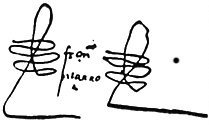
Signature of Francisco Pizarro
Francisco Pizarro
The rubric Pizarro used to authenticate documents, since he could not write, alongside his name written by a secretary.
This rubric is Pizarro's own authenticating mark, used because he could not write.
About this source
What it is
This is the mark Francisco Pizarro used on official papers: a looping flourish accompanied by his name written in small script, since Pizarro himself was illiterate and could not write his own signature.
Why it matters
This small detail reveals something important about Pizarro's background — he came from humble origins and never learned to read or write, yet rose to lead the conquest of a vast empire and sign decrees as governor. The rubric was his direct, physical trace of authority on official documents.
Look closer
- What does it tell you about Pizarro that he could command armies and governments but not write his own name?
- Why might a secretary's handwriting appear next to his mark?
- What does this say about literacy and power in the 16th century?
This document is part of the curated material that grounds the AI version of Francisco Pizarro on Humy.ai — when students ask about related events, the AI can quote it and cite it.
More Francisco Pizarro sources
Meet the AI Francisco Pizarro →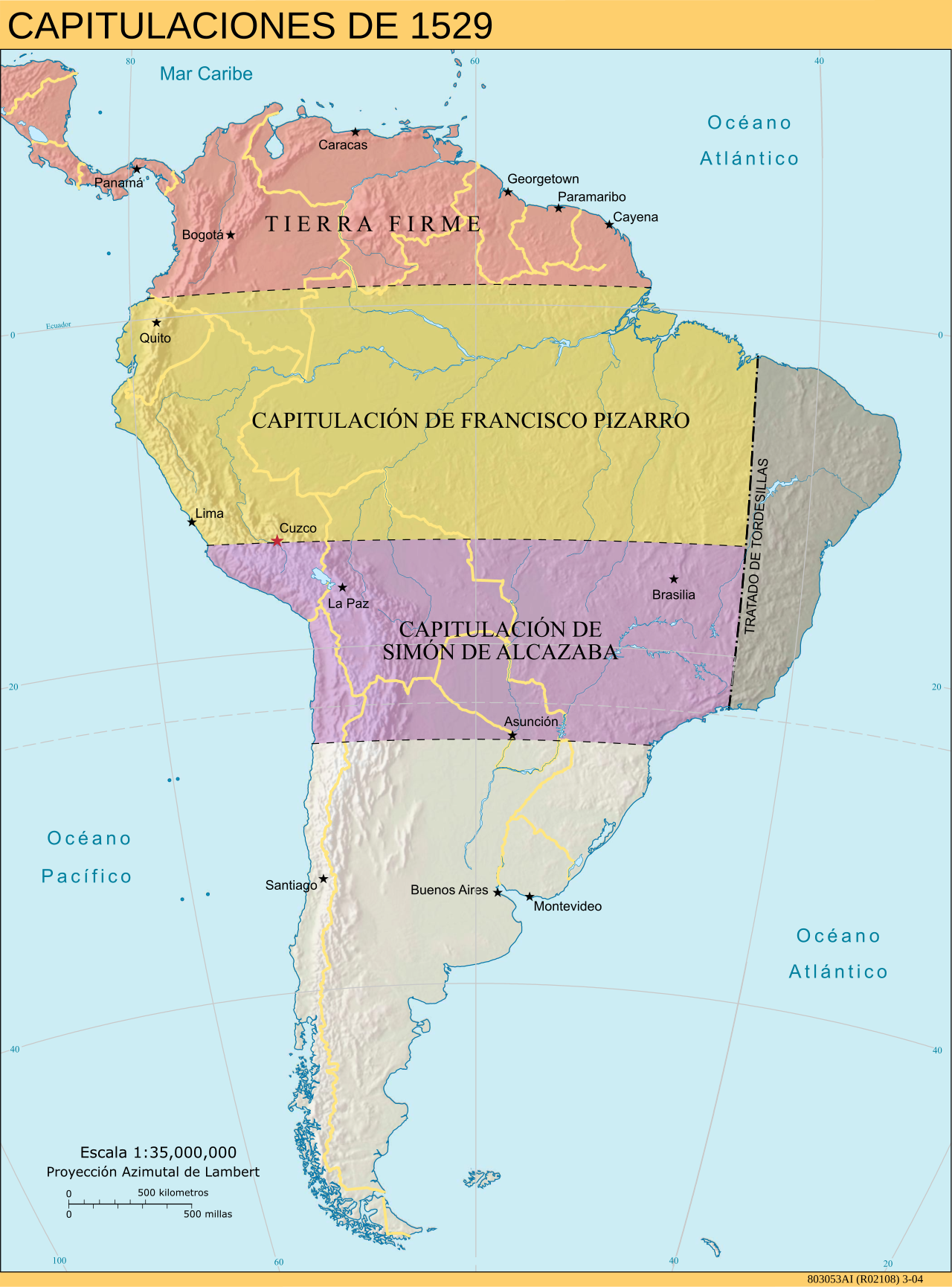 Document
Primary source
Capitulation of Toledo
Crown of Castile · 26 July 1529
 Painting
Secondary source
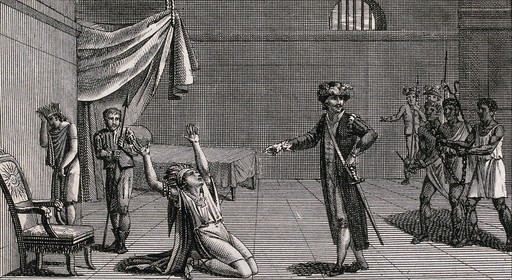
L'Ynca du Pérou aux pieds de Pizarre
A.C.F. Villerey after N. Vallain
 Painting
Secondary source
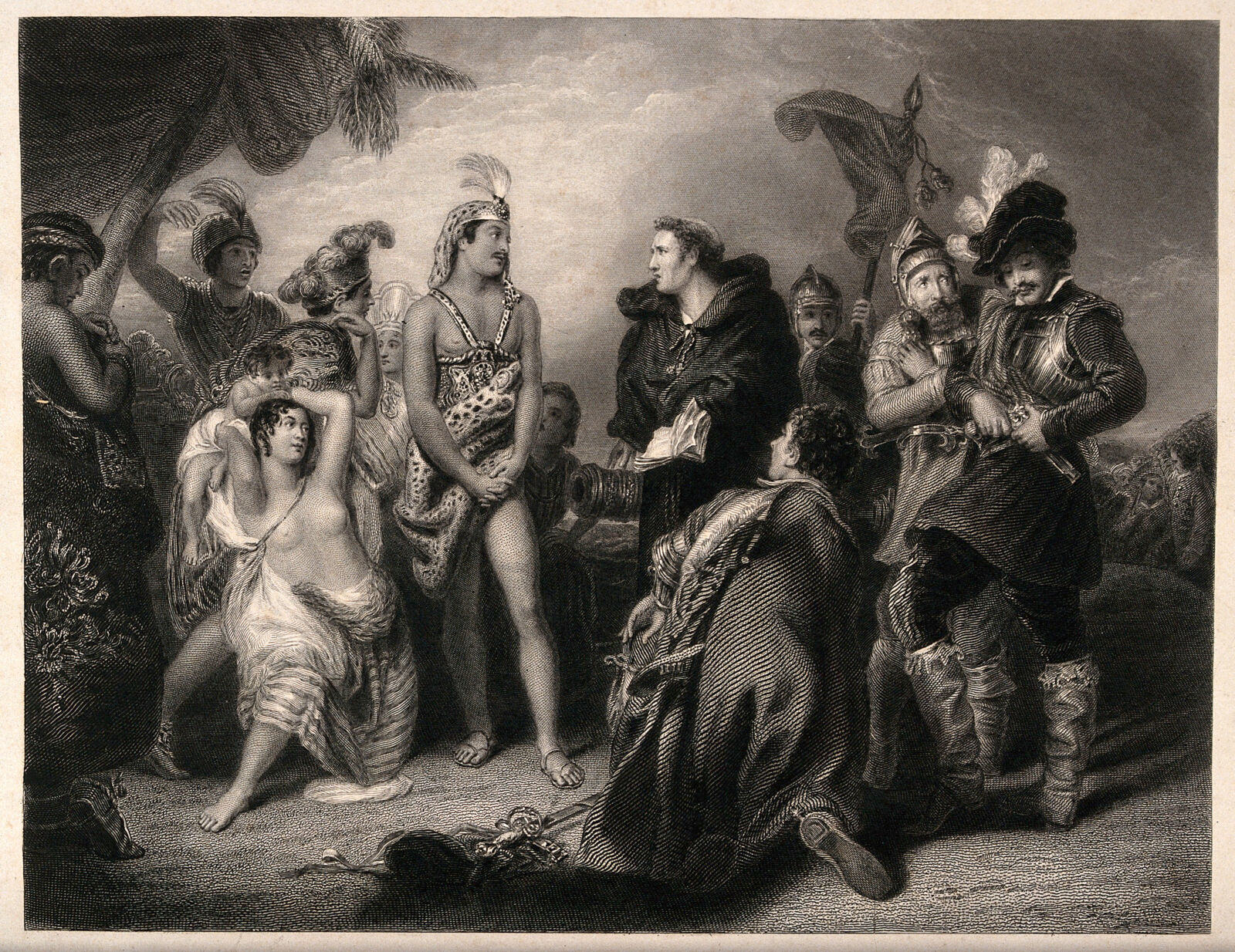
Valverde urging Atahualpa to convert
Henry Perronet Briggs (painting); engraved by W. Greatbach · 1830
 Book
Primary source
Verdadera relación de la conquista del Perú
Francisco de Jerez · 1534 (this edition 1891)
 Painting
Secondary source
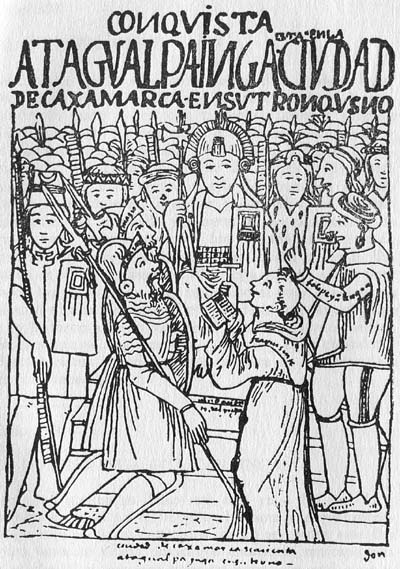
Atawallpa Pizarro tinkuy
Felipe Guaman Poma de Ayala · 1532 (depicted); drawing later
Ready when you are
Start chatting with Francisco Pizarro now.
20 messages free · No credit card · Available in 50+ languages.