


Secondary sourcePainting17th century
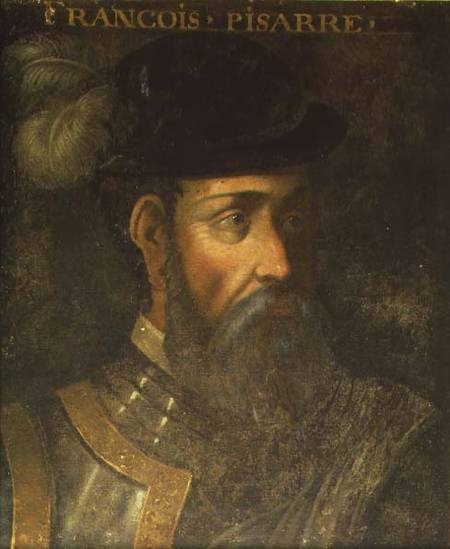
Portrait of Francisco Pizarro by Jean Monier
Jean Monier · 17th century
A 17th-century painted portrait of Francisco Pizarro, created long after his death, showing him in armor and plumed hat.
A later imagined portrait of Pizarro, created long after his death to represent him for posterity.
About this source
What it is
This is a painted portrait by Jean Monier, made in the 17th century, long after Pizarro's lifetime. It shows a bearded man in a dark, plumed hat and a gold-trimmed armored collar, with an inscription identifying him as Pizarro.
Why it matters
Because no confirmed portrait of Pizarro was made during his life, images like this one shaped how later generations imagined him. It reveals how Pizarro's image was constructed long after the conquest, often to fit ideas of nobility and power rather than an actual likeness.
Look closer
- Why might artists centuries later have wanted to create an image of Pizarro?
- What does the clothing and pose suggest about how the artist wanted him to be seen?
- Since no one alive had seen Pizarro, where might the artist have gotten ideas for his appearance?
This painting is part of the curated material that grounds the AI version of Francisco Pizarro on Humy.ai — when students ask about related events, the AI can quote it and cite it.
More Francisco Pizarro sources
Meet the AI Francisco Pizarro →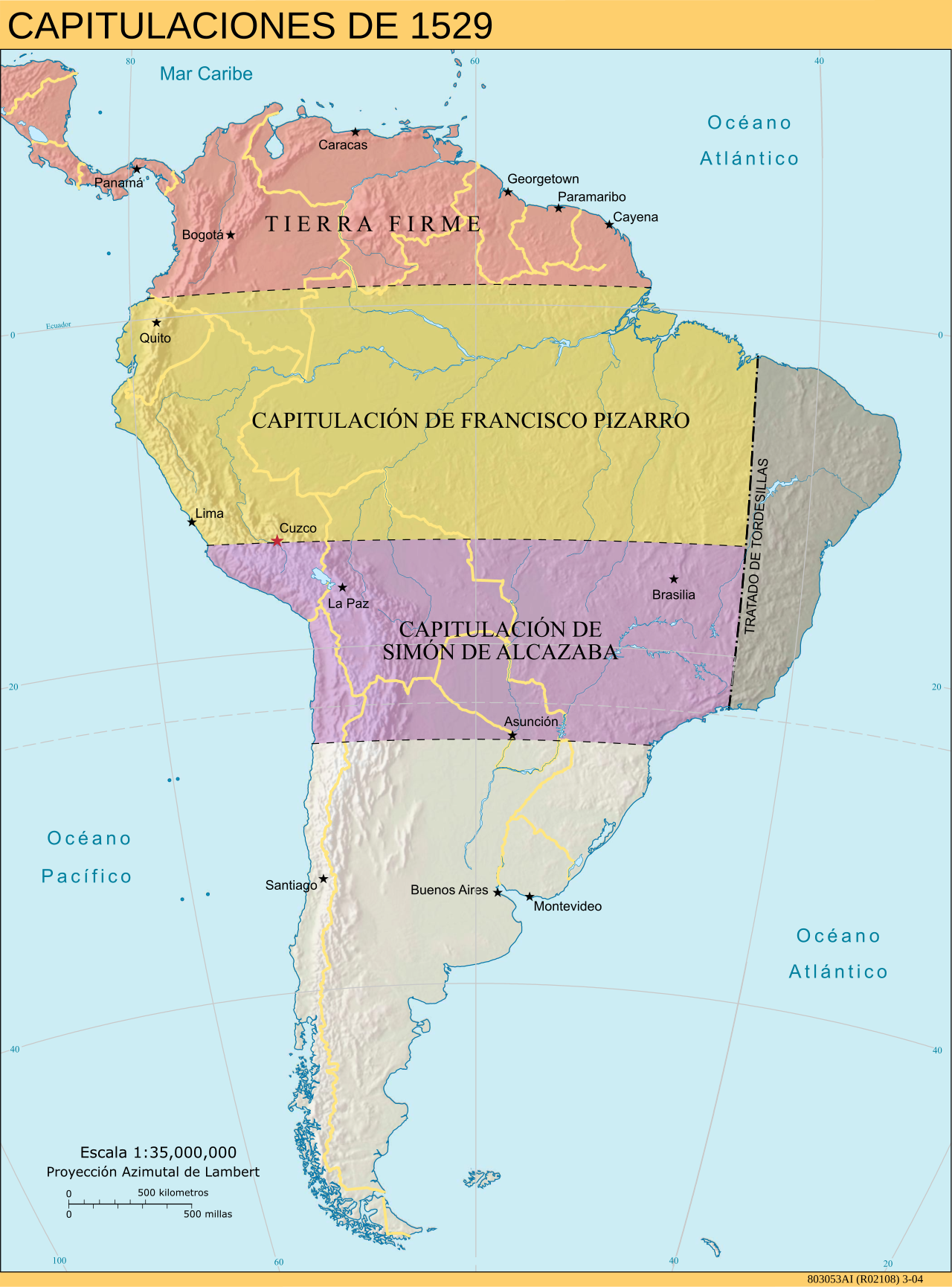 Document
Primary source
Capitulation of Toledo
Crown of Castile · 26 July 1529
 Painting
Secondary source
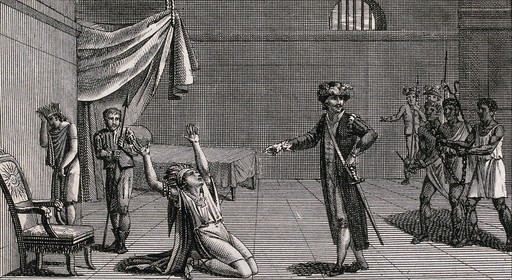
L'Ynca du Pérou aux pieds de Pizarre
A.C.F. Villerey after N. Vallain
 Painting
Secondary source
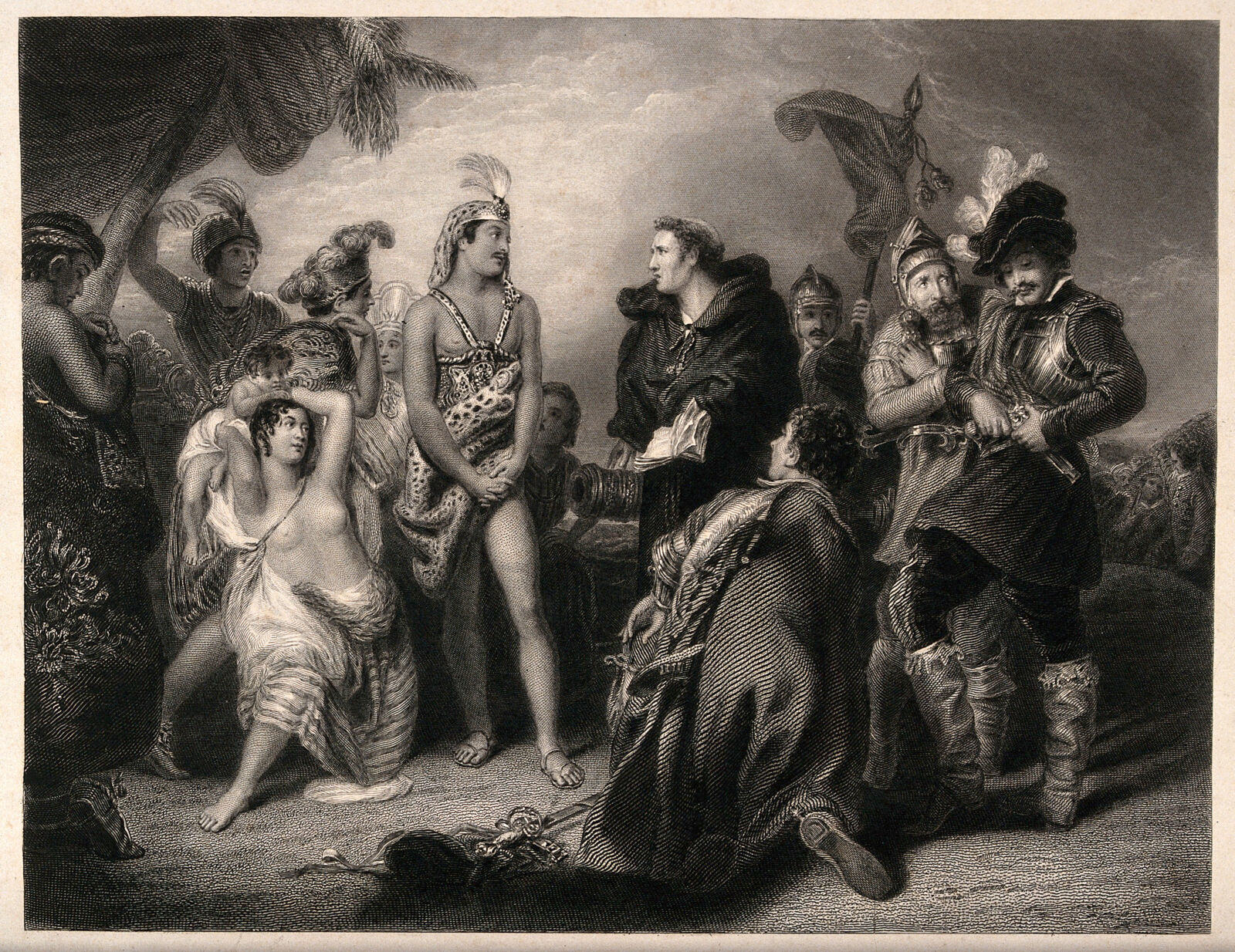
Valverde urging Atahualpa to convert
Henry Perronet Briggs (painting); engraved by W. Greatbach · 1830
 Book
Primary source
Verdadera relación de la conquista del Perú
Francisco de Jerez · 1534 (this edition 1891)
 Painting
Secondary source
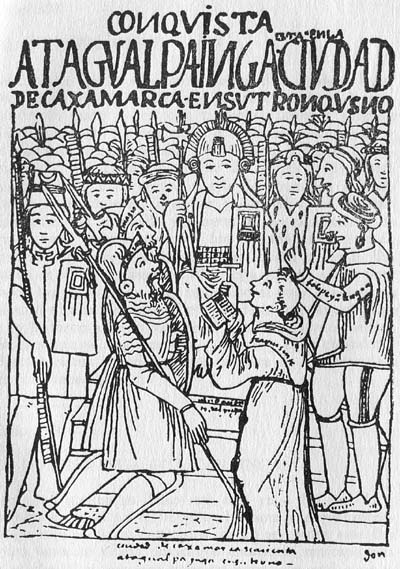
Atawallpa Pizarro tinkuy
Felipe Guaman Poma de Ayala · 1532 (depicted); drawing later
Ready when you are
Start chatting with Francisco Pizarro now.
20 messages free · No credit card · Available in 50+ languages.