


Primary sourceDocument
Documento original sobre la espedición de Magallanes
Spanish administrative records of wages, merchandise and royal grants for the fleet Magellan organized to sail to the Spice Islands.
Administrative records of the fleet Magellan organized, showing the financial and bureaucratic machinery behind his voyage.
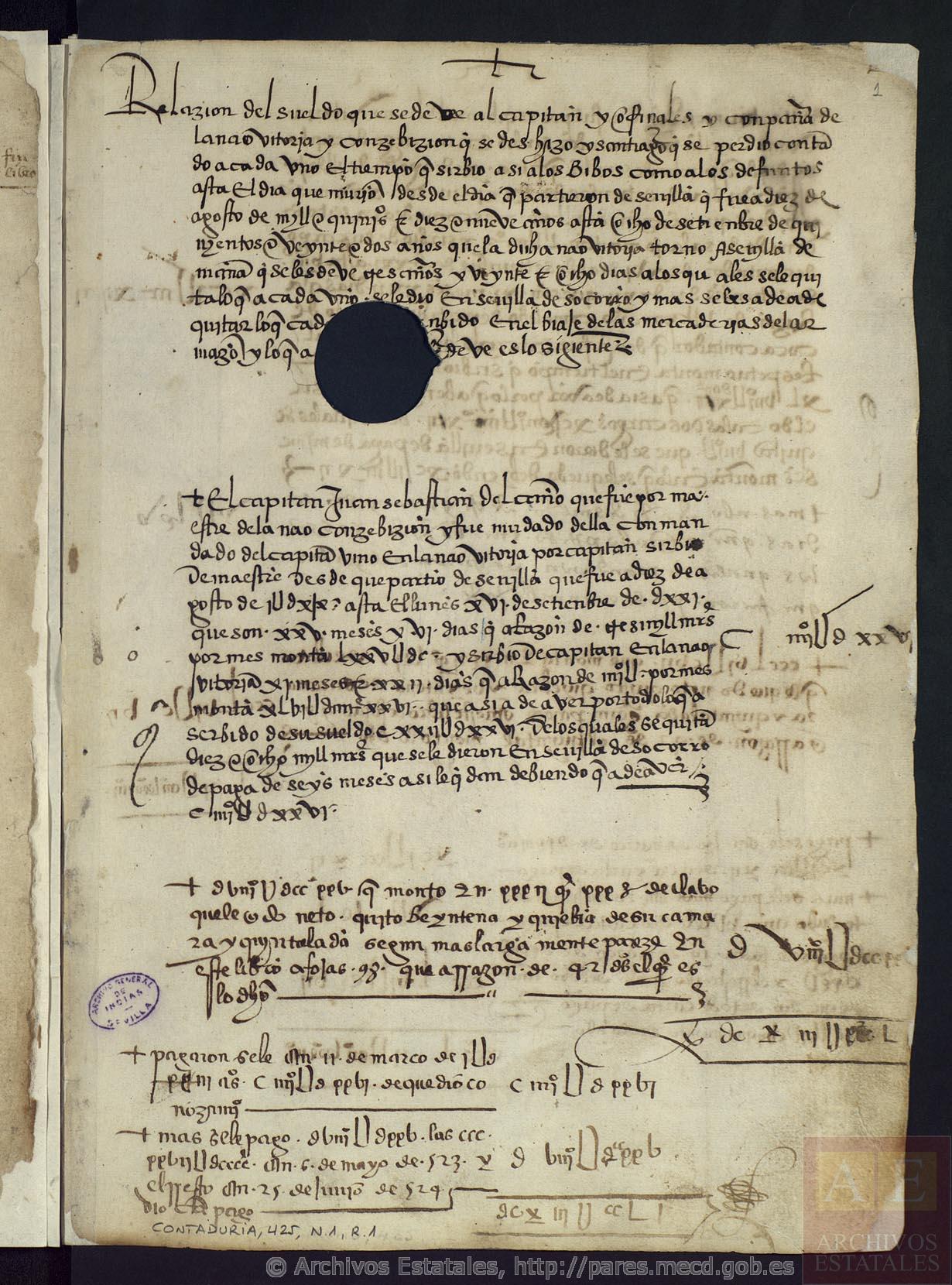
About this source
What it is
This is a manuscript document from the Archivo General de Indias recording wages, merchandise and grants connected to the Armada to the Spice Islands, the fleet organized by Ferdinand Magellan. It lists payments for captains and crew, including those of the ship Victoria, and shows the expedition was organized in Seville.
Why it matters
Behind Magellan's famous voyage was a large bureaucratic and commercial operation involving the Spanish crown, merchants and officials. Documents like this reveal the practical side of exploration — contracts, payrolls and funding — that made the voyage possible, showing it was as much a business venture as an adventure.
Look closer
- What does a document about wages and merchandise tell us that a dramatic story of the voyage does not?
- Why would the Spanish crown need such detailed records of an expedition?
- What does this paperwork suggest about who really controlled and profited from Magellan's voyage?
This document is part of the curated material that grounds the AI version of Ferdinand Magellan on Humy.ai — when students ask about related events, the AI can quote it and cite it.
More Ferdinand Magellan sources
Meet the AI Ferdinand Magellan →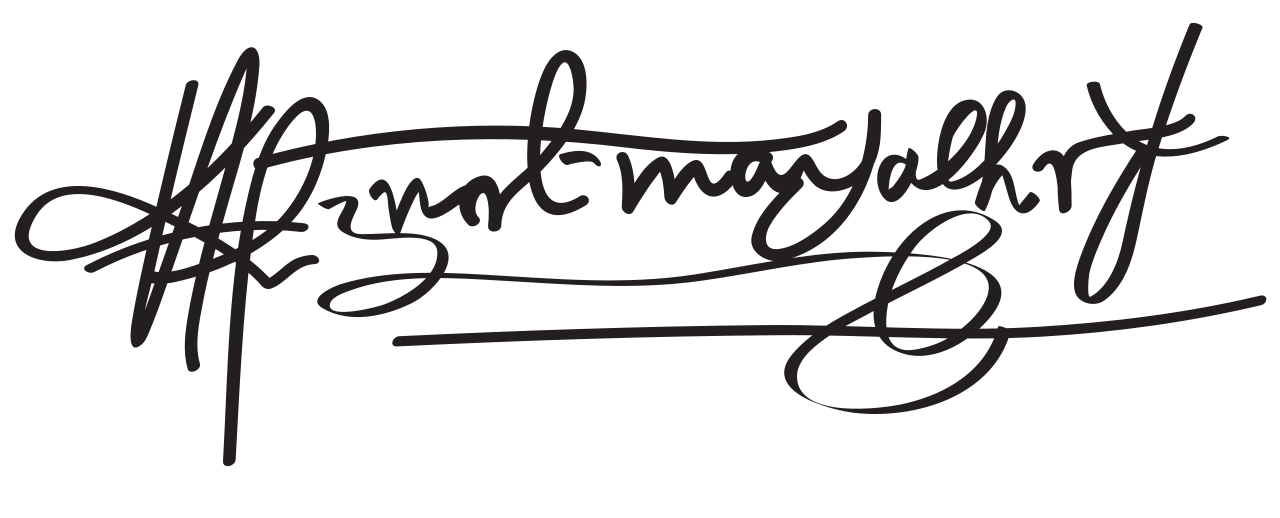 Document
Primary source
Signature of Ferdinand Magellan
Ferdinand Magellan
 Book
Secondary source
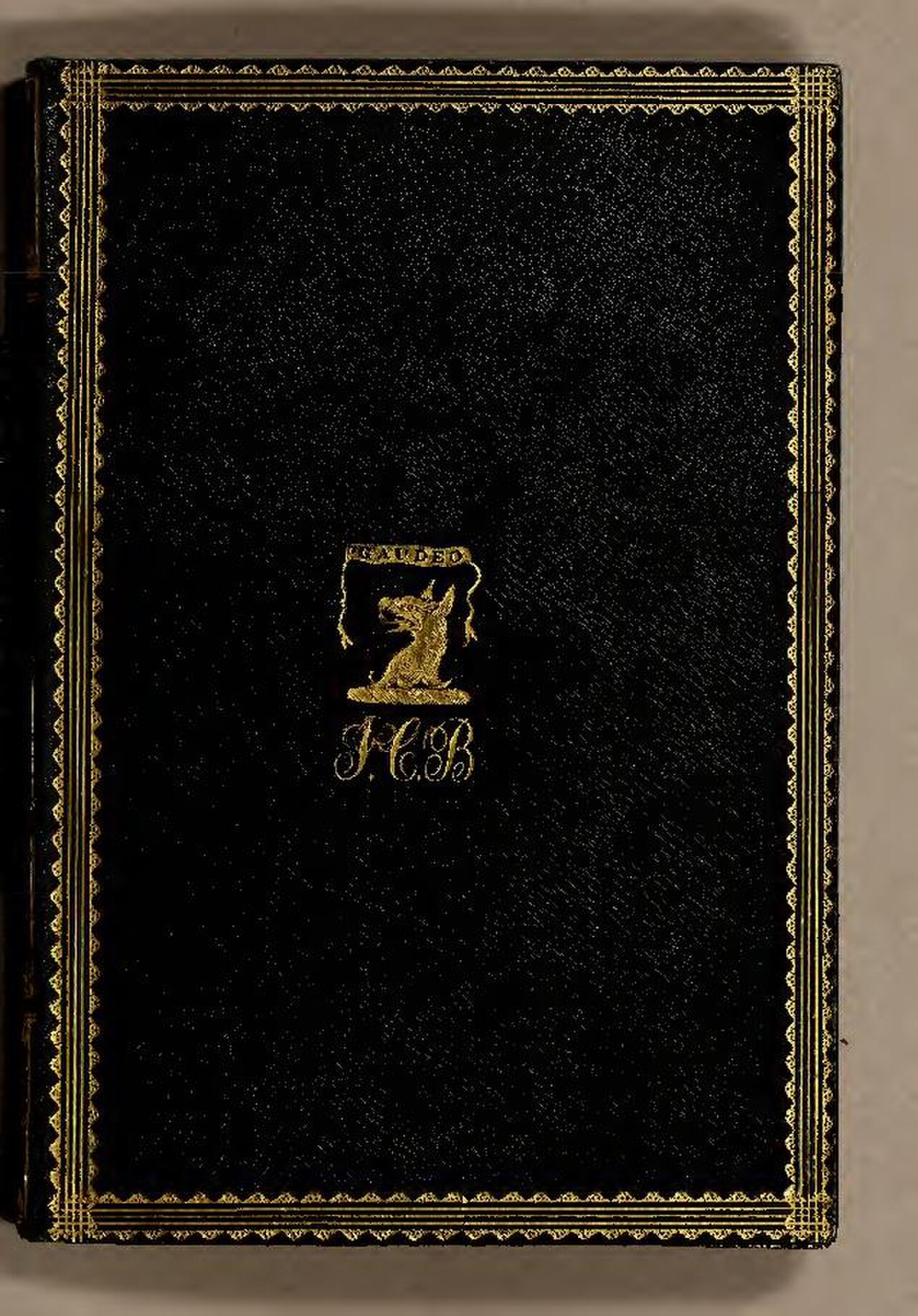
De Moluccis Insulis
Maximilianus Transylvanus · 1523
 Artifact
Secondary source
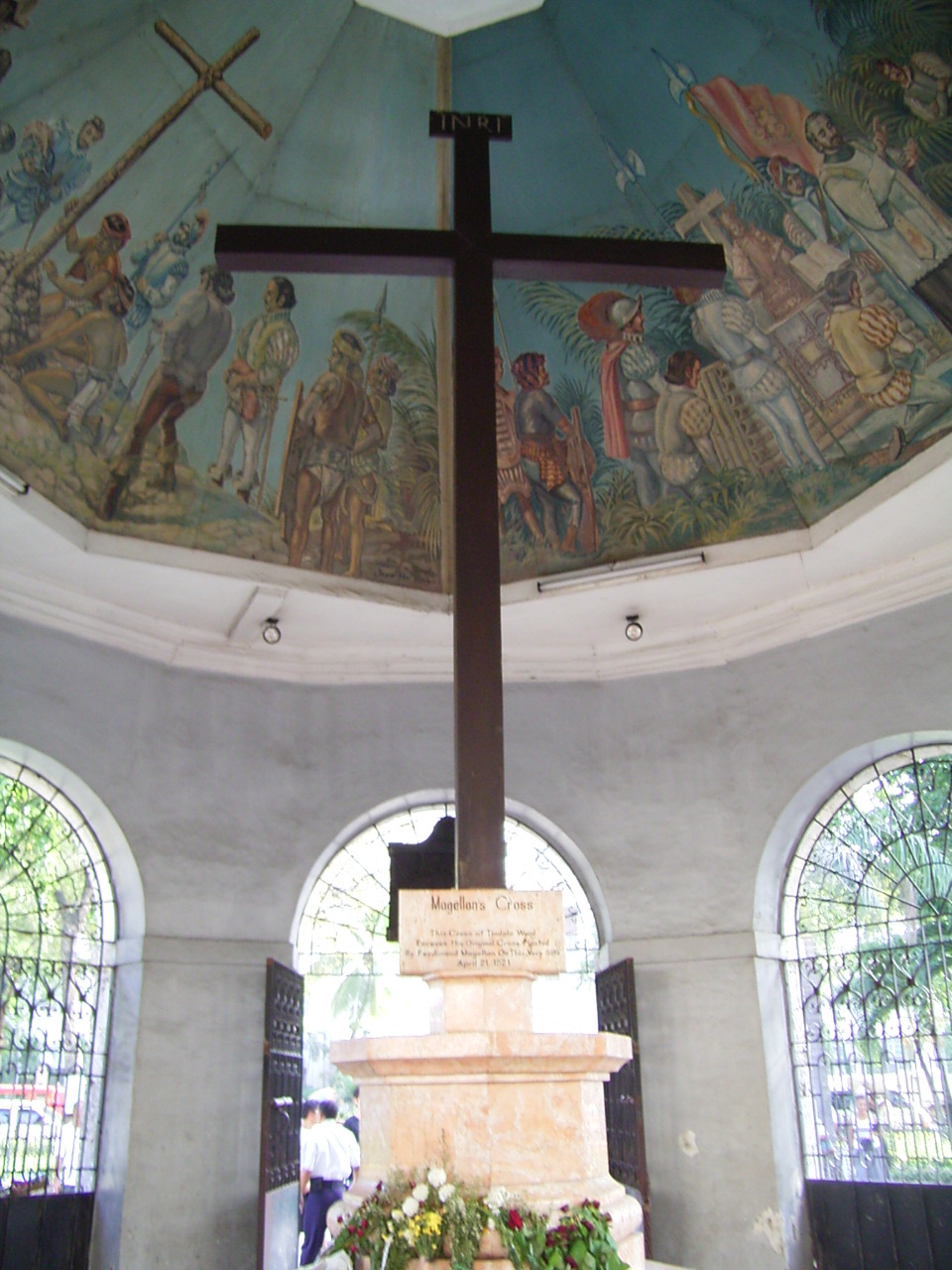
Magellan's Cross
planted April 1521; present cross 1835
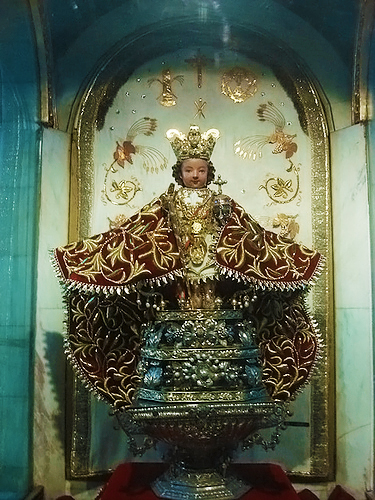 Sculpture
Primary source
Santo Niño de Cebú
1519
 Painting
Secondary source
Portrait of Ferdinand Magellan
Unknown, after the school of Ángel Broncino
Ready when you are
Start chatting with Ferdinand Magellan now.
20 messages free · No credit card · Available in 50+ languages.