


Secondary sourcePainting17th century
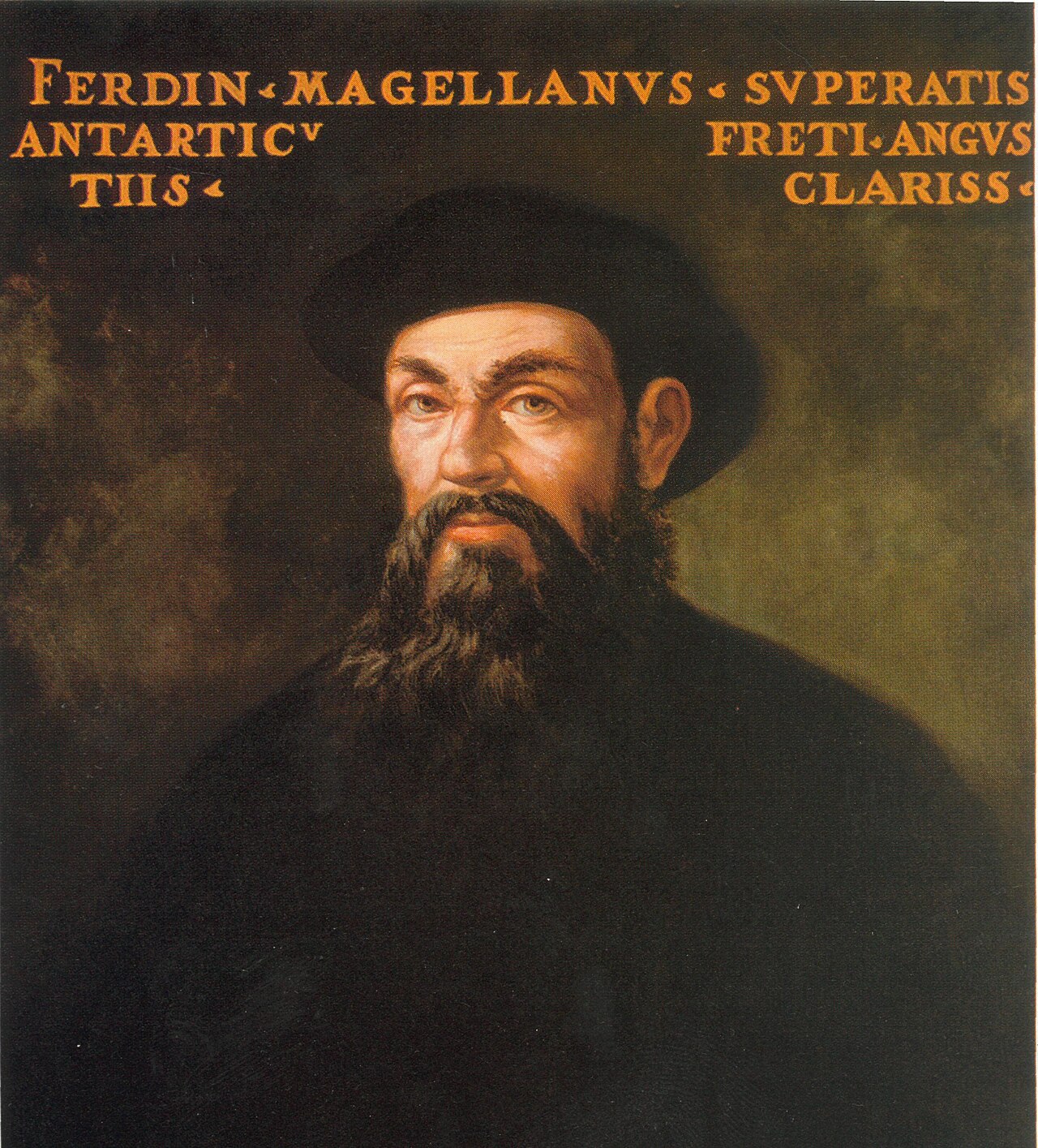
Portrait of Magellan from the Uffizi Gallery
17th century
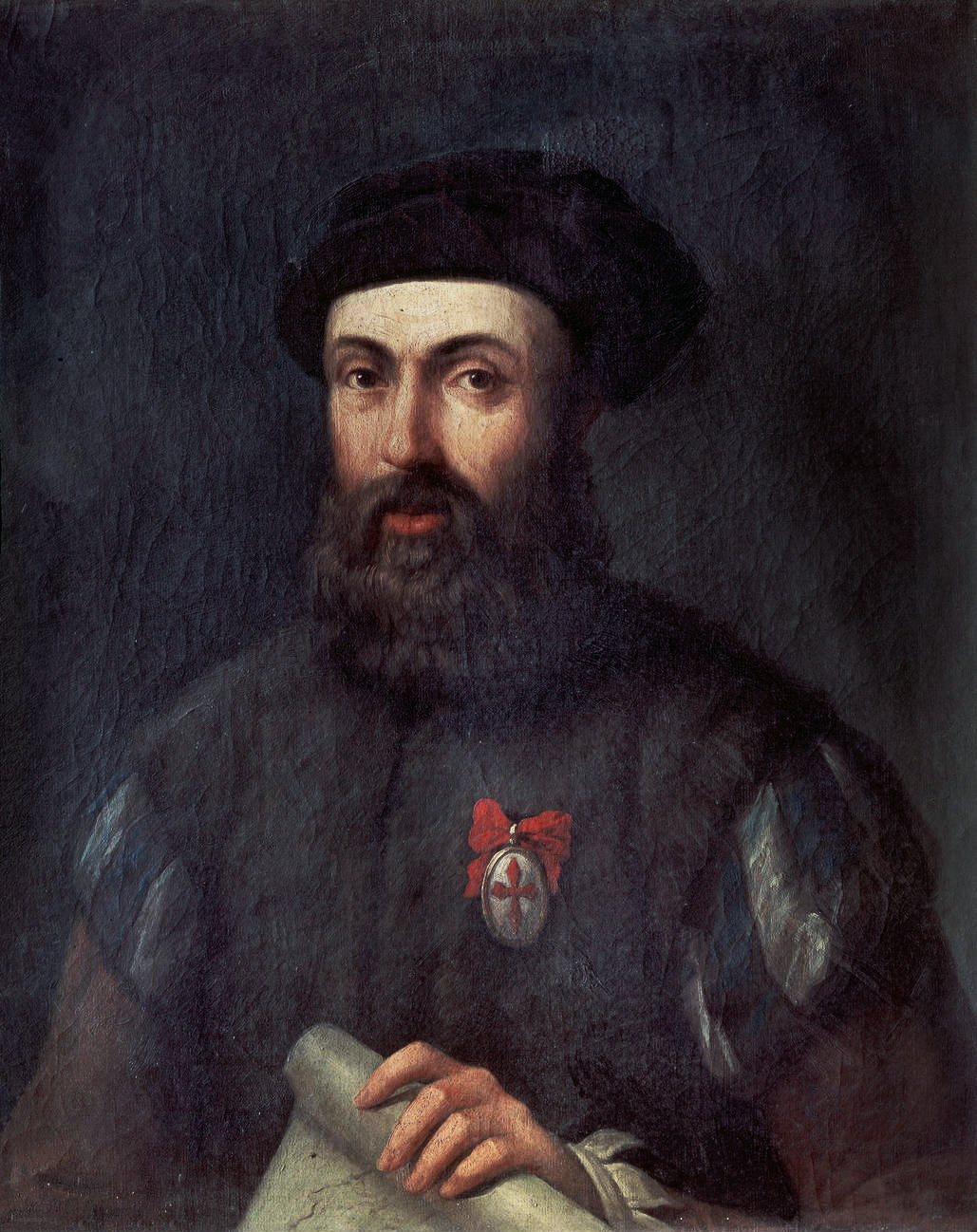
A reproduction of a seventeenth-century portrait of Magellan held in Florence. It is a later image, not one made during his lifetime.
It shows a later painted image of Magellan, held in Florence, that presents him with a Latin inscription of praise.
About this source
What it is
This is a reproduction of a 17th-century painting of Magellan from the Uffizi Gallery in Florence. It shows a bearded man in a black wide-brimmed hat and dark clothing against a dark background. A gold Latin inscription runs across the top. The record says the image was printed in the magazine Вокруг света, issue 10, 2007, page 106. The original painter is not named in the record.
Because this is a reproduction of a painting made about a century after Magellan's death, it reflects later ideas about how he looked.
Why it matters
Portraits of explorers were often made long after they died. The Latin inscription honours Magellan's achievements, showing how later admirers wanted him remembered. Gallery collections like the Uffizi keep such images for study.
Look closer
- What does the Latin inscription say about Magellan, and who would have read it?
- Why might a painting be made long after a person has died?
- How does the dark background shape the way the man is seen?
This painting is part of the curated material that grounds the AI version of Ferdinand Magellan on Humy.ai — when students ask about related events, the AI can quote it and cite it.
More Ferdinand Magellan sources
Meet the AI Ferdinand Magellan →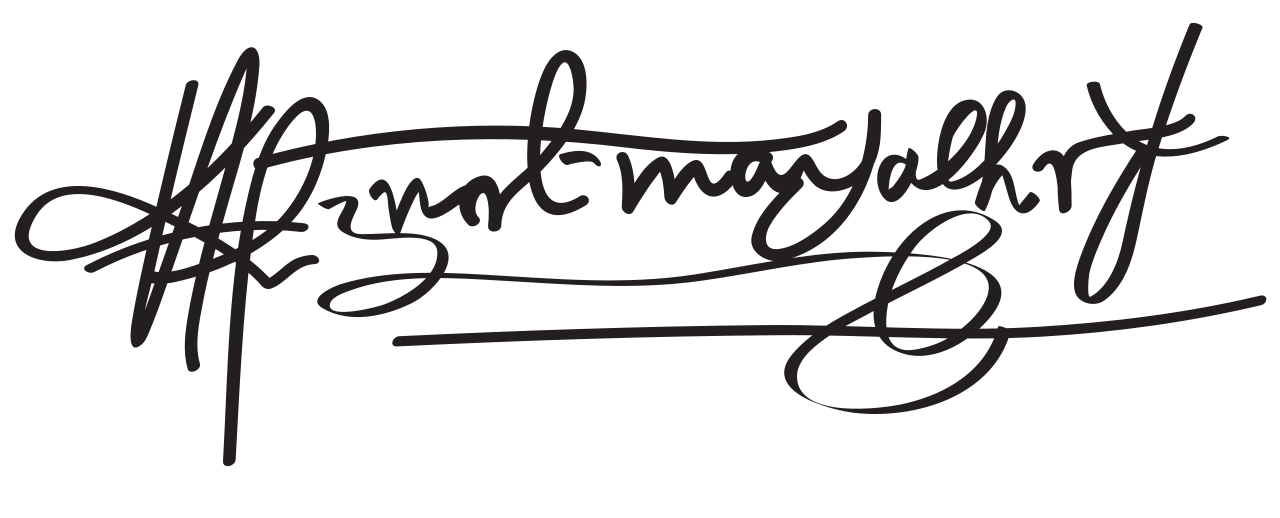 Document
Primary source
Signature of Ferdinand Magellan
Ferdinand Magellan
 Book
Secondary source
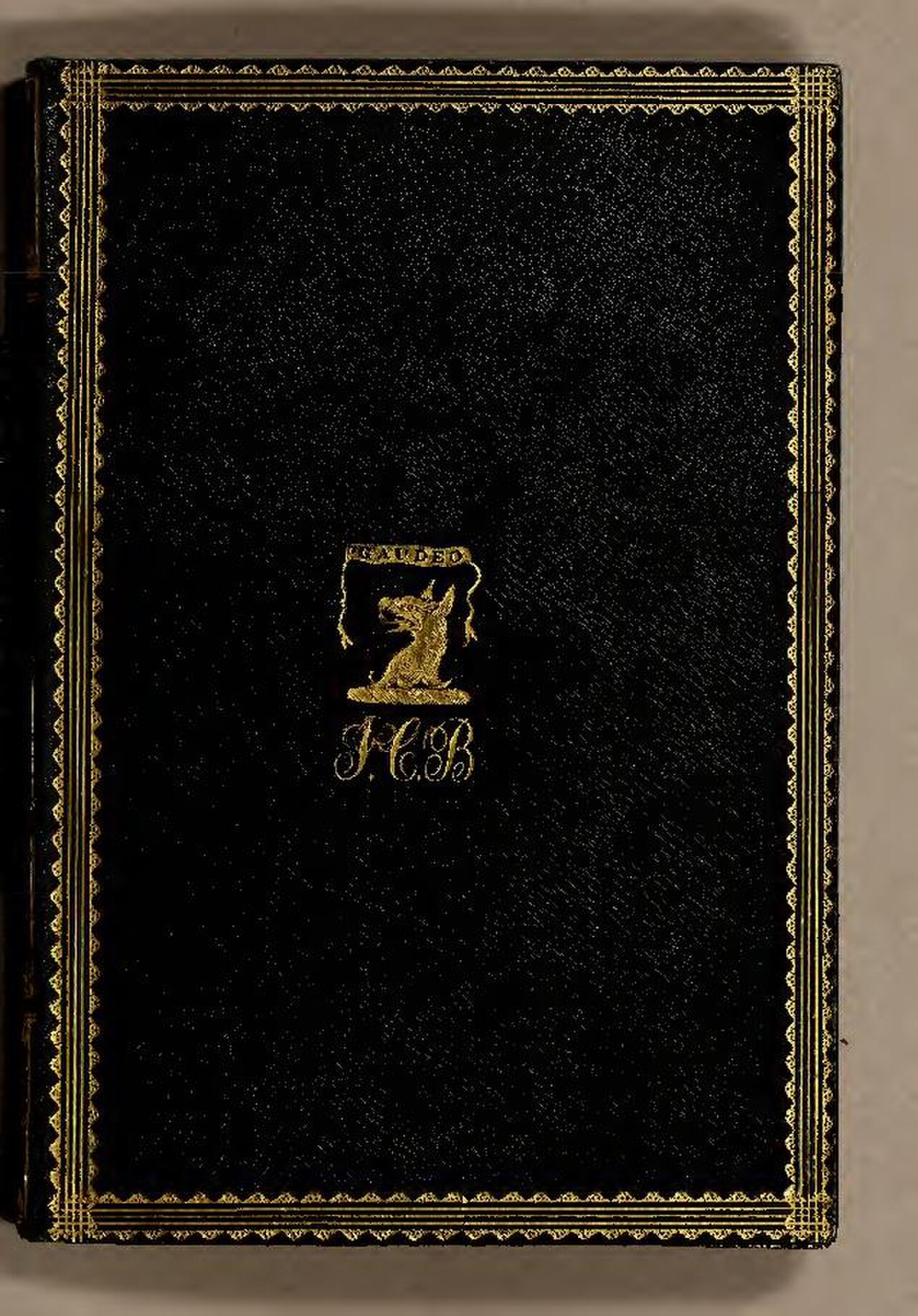
De Moluccis Insulis
Maximilianus Transylvanus · 1523
 Artifact
Secondary source
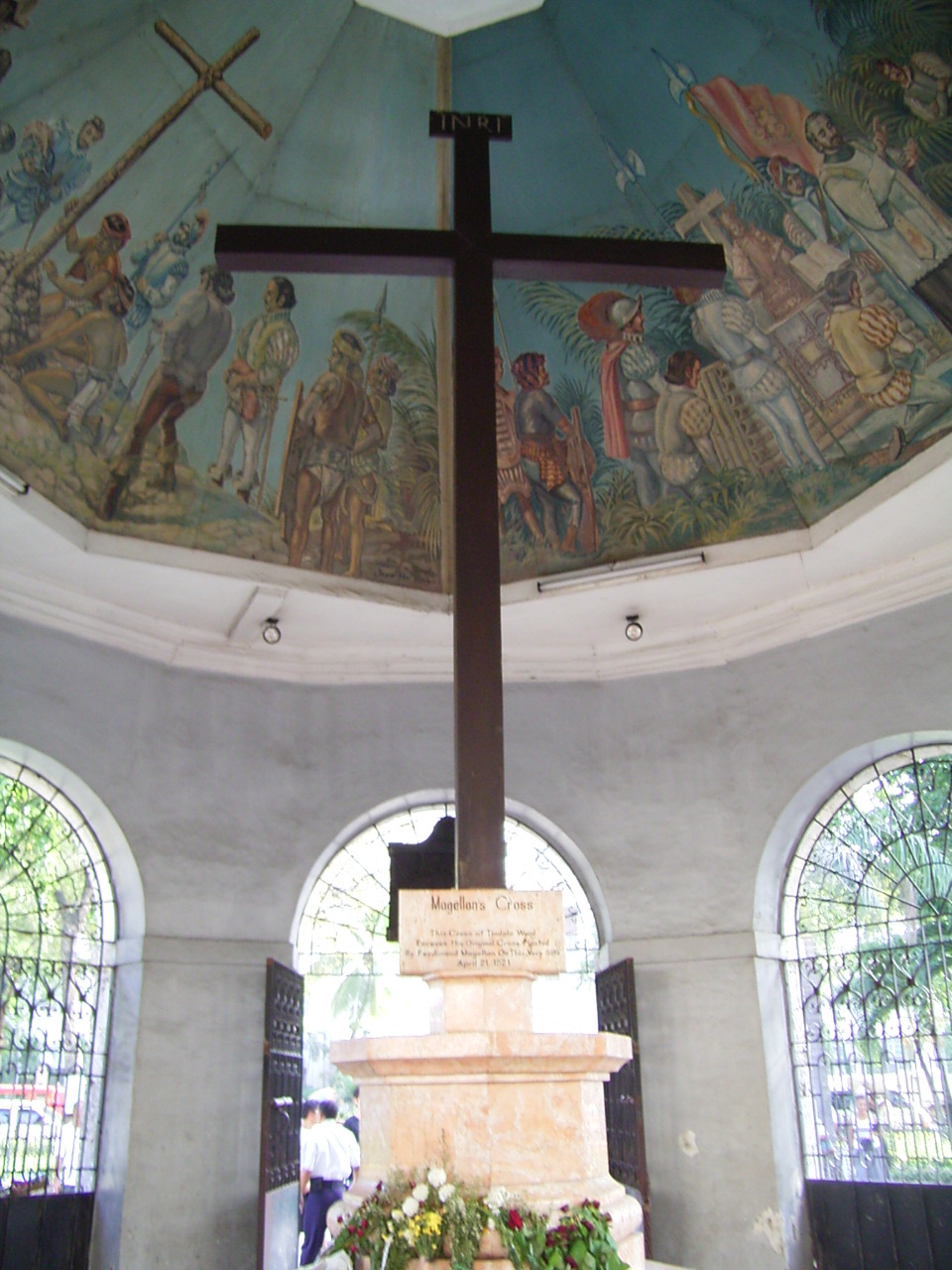
Magellan's Cross
planted April 1521; present cross 1835
 Sculpture
Primary source
Santo Niño de Cebú
1519
 Painting
Secondary source
Portrait of Ferdinand Magellan
Unknown, after the school of Ángel Broncino
Ready when you are
Start chatting with Ferdinand Magellan now.
20 messages free · No credit card · Available in 50+ languages.