


Secondary sourcePainting1580-1750
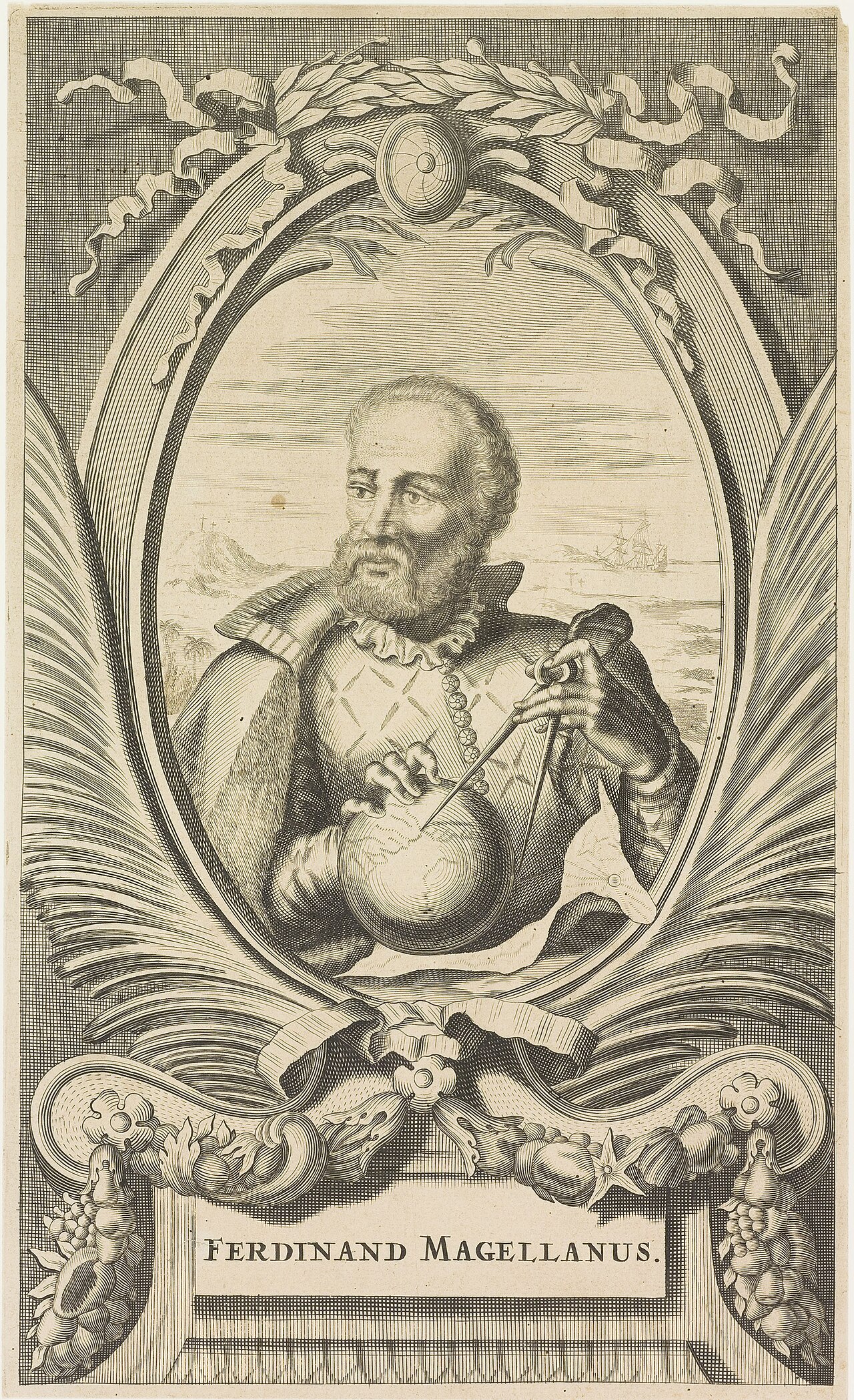
Ferdinandus Magellanus Engraved Portrait
1580-1750
A black-and-white engraving of Magellan holding a globe and dividers, made as part of a later print series with a Latin inscription.
A symbolic later engraving portraying Magellan as a master navigator, with globe and dividers.
About this source
What it is
This engraving shows a bearded man with curly hair holding a globe and a pair of dividers, inside an oval frame with a ship in the background. The inscription below reads FERDINAND MAGELLANUS. It was printed sometime between 1580 and 1750, long after Magellan's lifetime.
Why it matters
The tools in the image, a globe and dividers, are symbols of navigation and geography, showing how later printmakers wanted to present Magellan as a master of exploration and measurement. This kind of engraving helped spread a standard image of Magellan as a scientific explorer across Europe for generations after his death.
Look closer
- Why do you think the artist chose to show Magellan holding a globe and dividers rather than other objects?
- What does the ship in the background add to the meaning of the portrait?
- Since this was made long after Magellan died, what might it tell us more about the time it was made than about Magellan himself?
This painting is part of the curated material that grounds the AI version of Ferdinand Magellan on Humy.ai — when students ask about related events, the AI can quote it and cite it.
More Ferdinand Magellan sources
Meet the AI Ferdinand Magellan →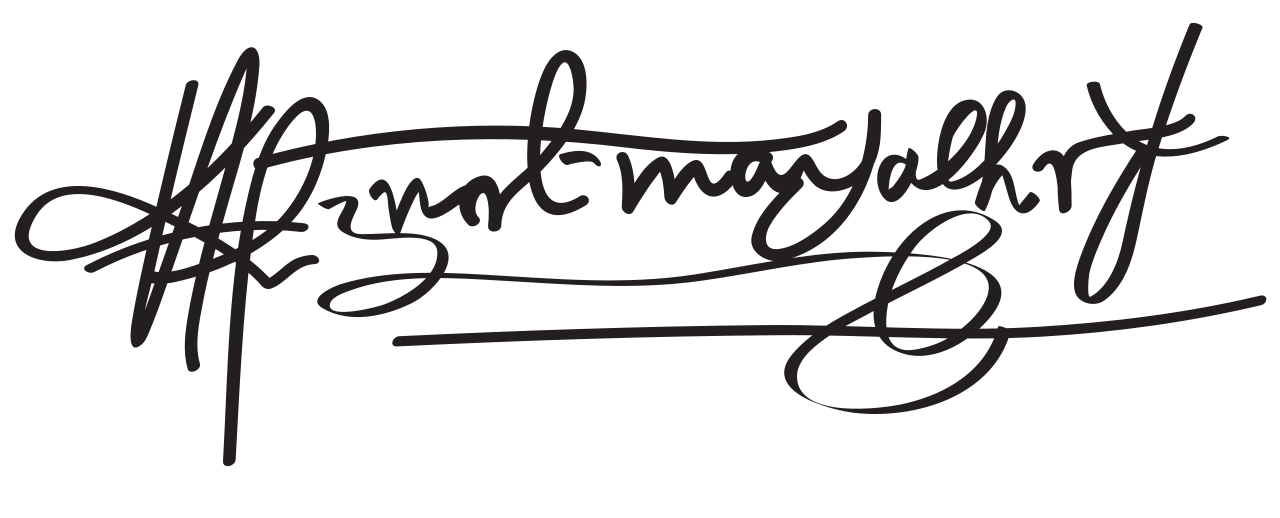 Document
Primary source
Signature of Ferdinand Magellan
Ferdinand Magellan
 Book
Secondary source
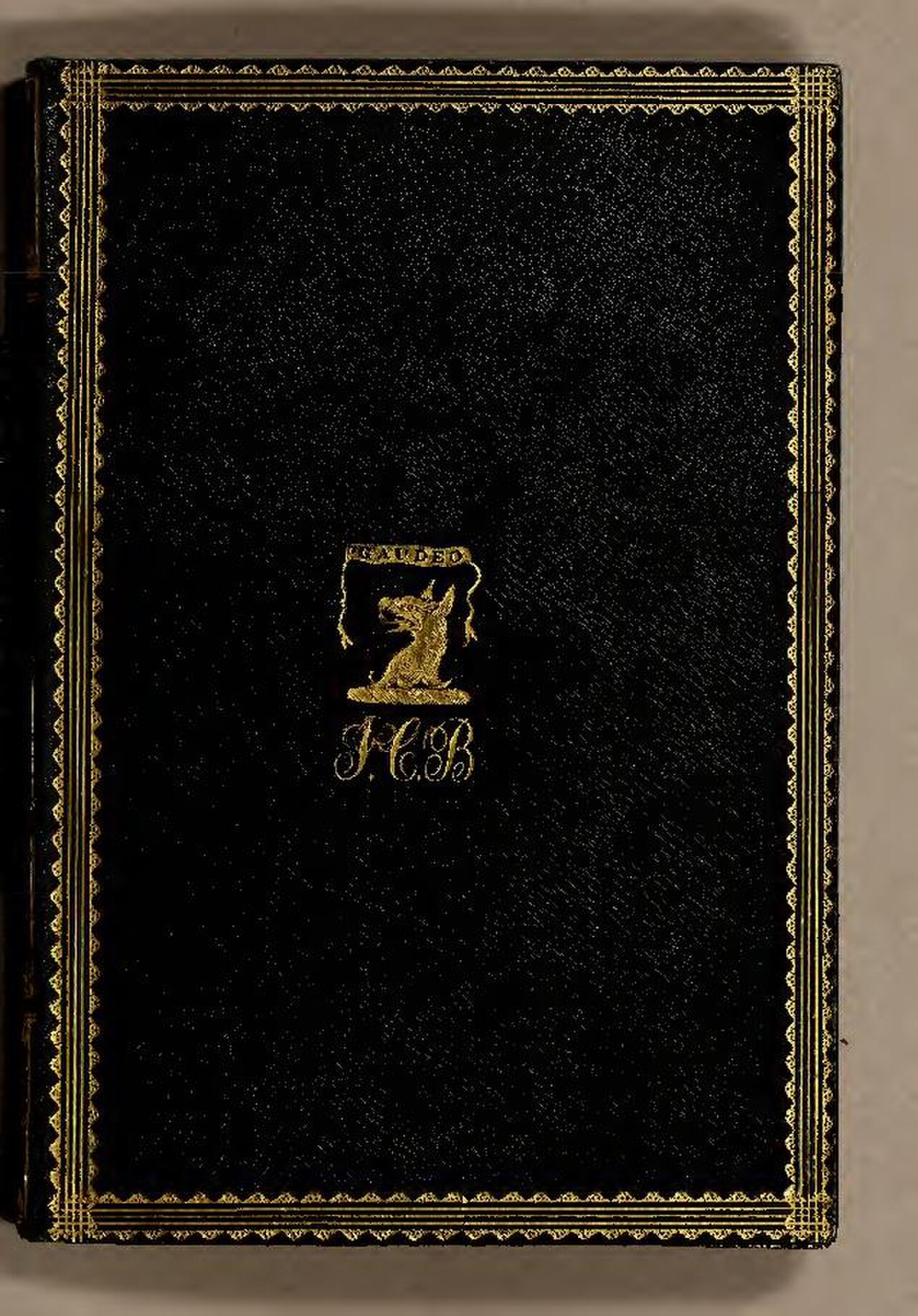
De Moluccis Insulis
Maximilianus Transylvanus · 1523
 Artifact
Secondary source
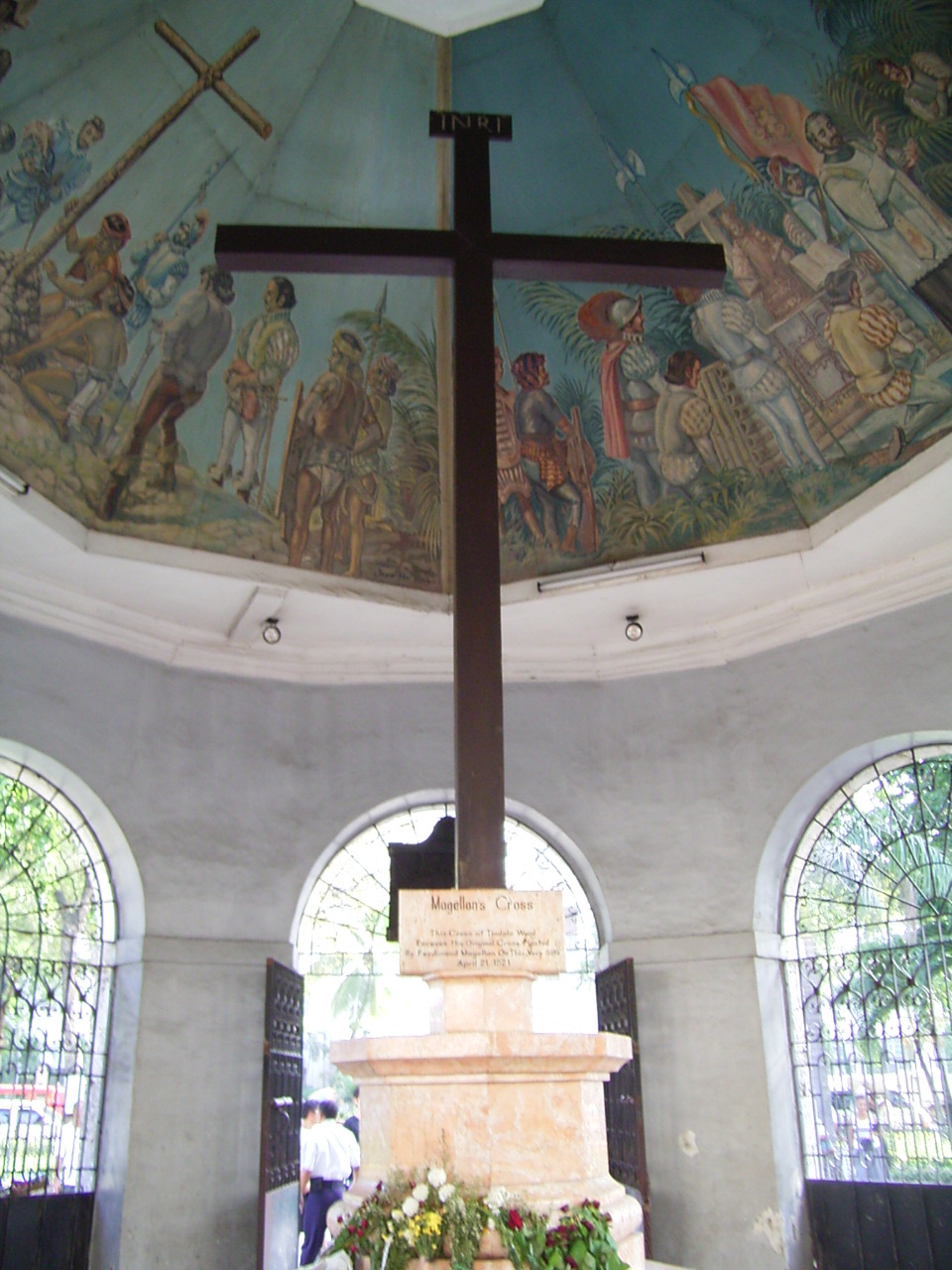
Magellan's Cross
planted April 1521; present cross 1835
 Sculpture
Primary source
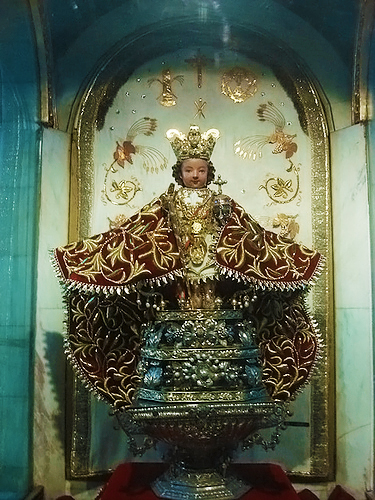
Santo Niño de Cebú
1519
 Painting
Secondary source
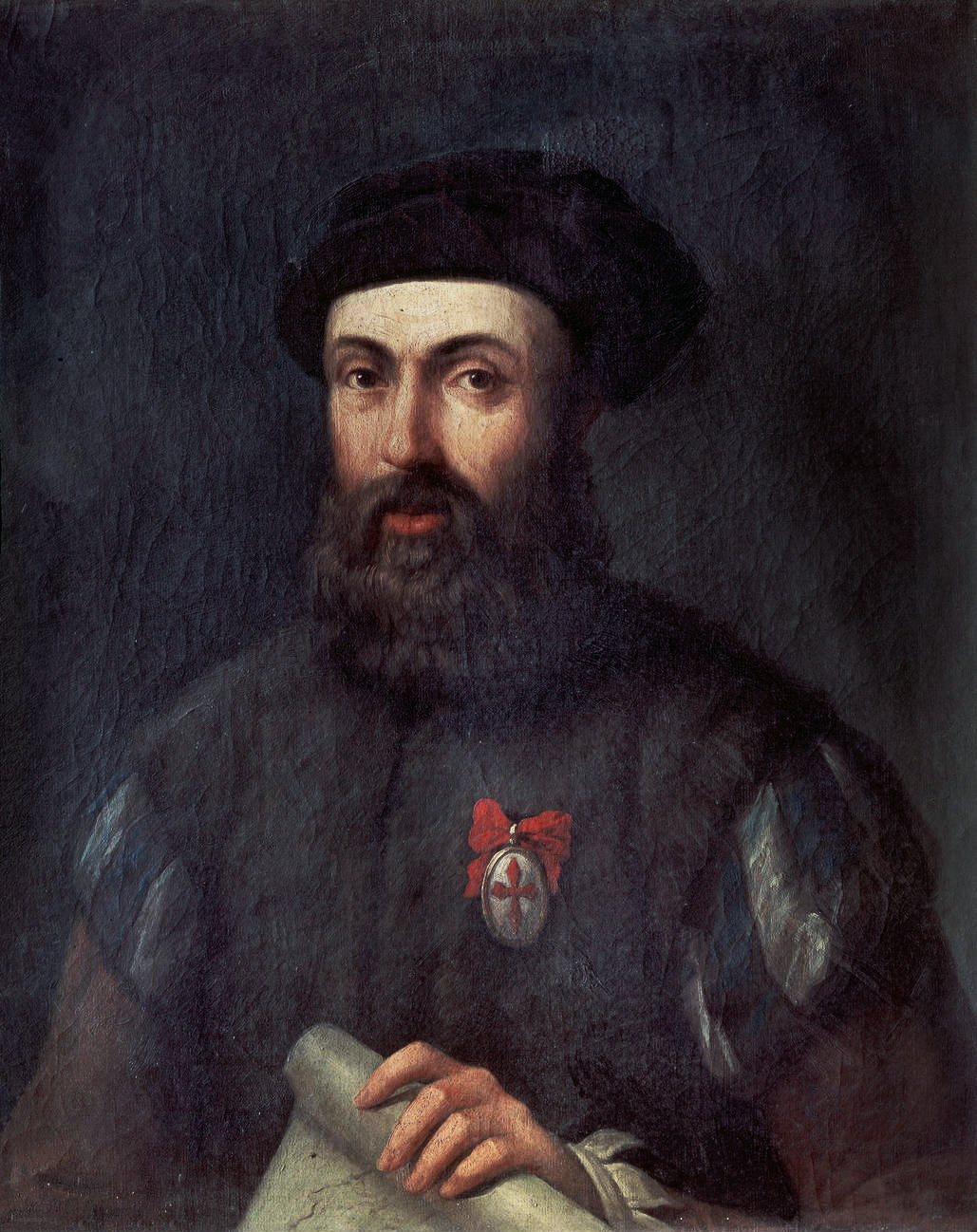
Portrait of Ferdinand Magellan
Unknown, after the school of Ángel Broncino
Ready when you are
Start chatting with Ferdinand Magellan now.
20 messages free · No credit card · Available in 50+ languages.