


Secondary sourcePainting1886
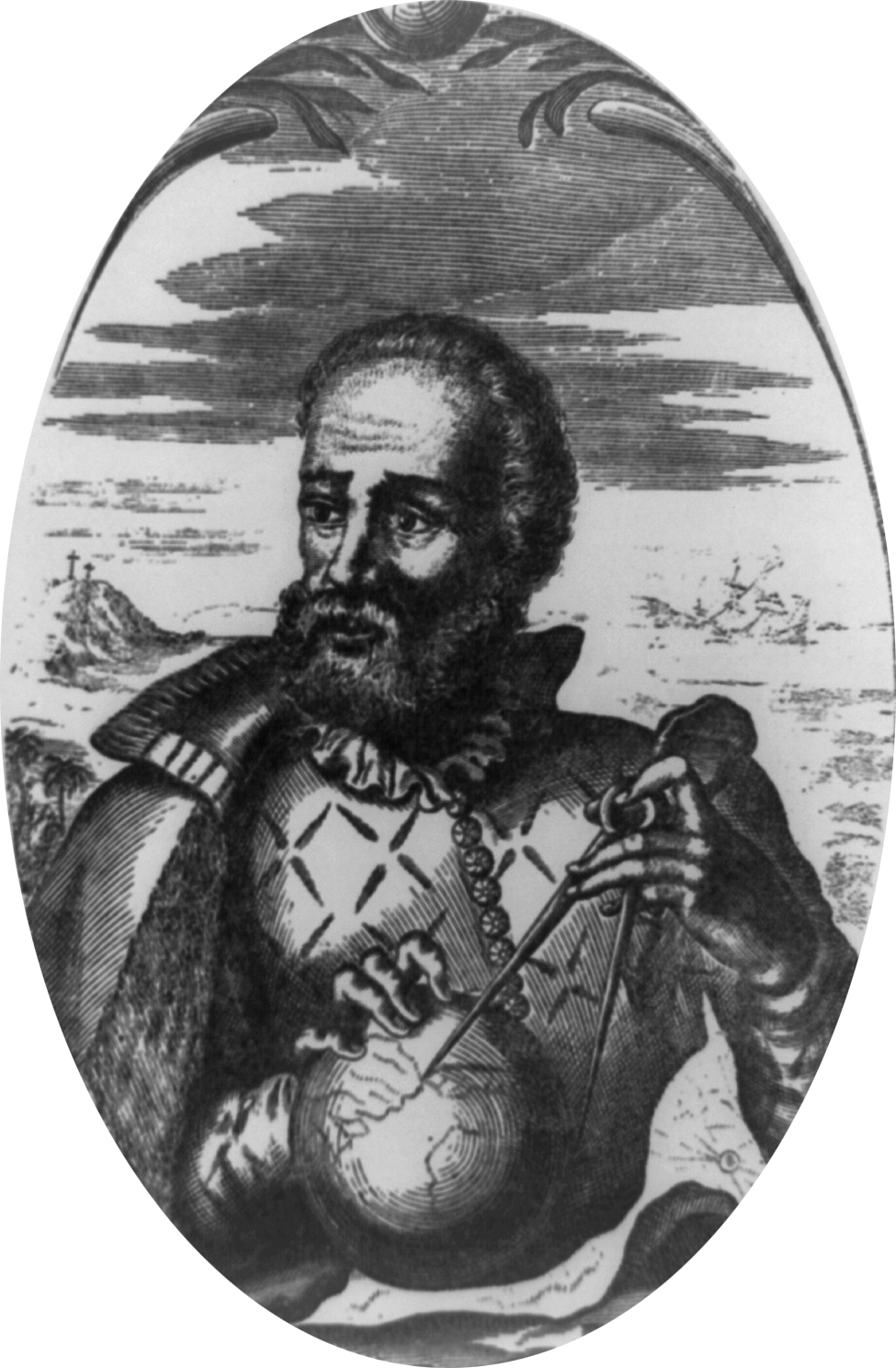
Ferdinand Magellan portrait, Narrative and Critical History of America
1886
A black-and-white engraved portrait of Magellan from an 1886 history book. It was made long after his death and shows how later writers imagined him.
It is a later portrait of Magellan, printed in a history book, that presents him through navigation tools and a globe.
About this source
What it is
This is an engraved oval portrait printed in Narrative and Critical History of America, published in 1886. It shows a bearded man with curly hair and a ruff collar. He wears a cloak and holds a pair of dividers over a globe. Clouds and a distant coastline with a cross-topped hill appear behind him. The engraver is not named in the record.
The portrait was made long after Magellan's death, so it is a later image, not a likeness made from life.
Why it matters
Books of this kind helped readers in the late nineteenth century learn about explorers. The dividers and globe are tools of navigation and mapmaking, and they suggest how the author wanted Magellan to be remembered: as a figure of exploration and geography.
Look closer
- Which objects in the portrait tell you what Magellan was known for?
- Why might a history of America include a portrait of a Portuguese explorer?
- What does this picture leave out about the people Magellan met on his voyages?
This painting is part of the curated material that grounds the AI version of Ferdinand Magellan on Humy.ai — when students ask about related events, the AI can quote it and cite it.
More Ferdinand Magellan sources
Meet the AI Ferdinand Magellan →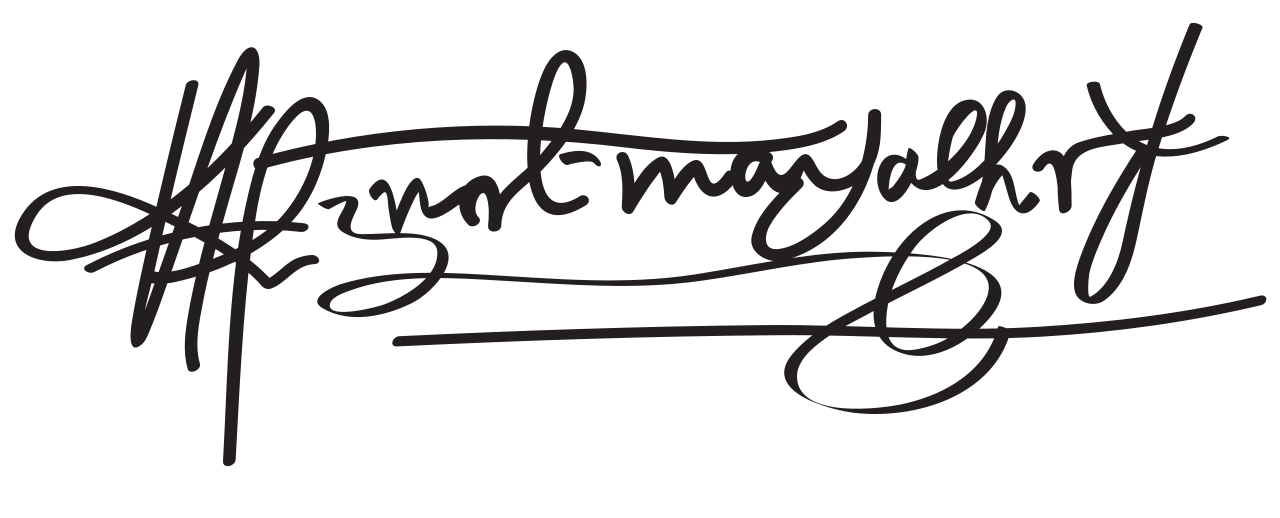 Document
Primary source
Signature of Ferdinand Magellan
Ferdinand Magellan
 Book
Secondary source
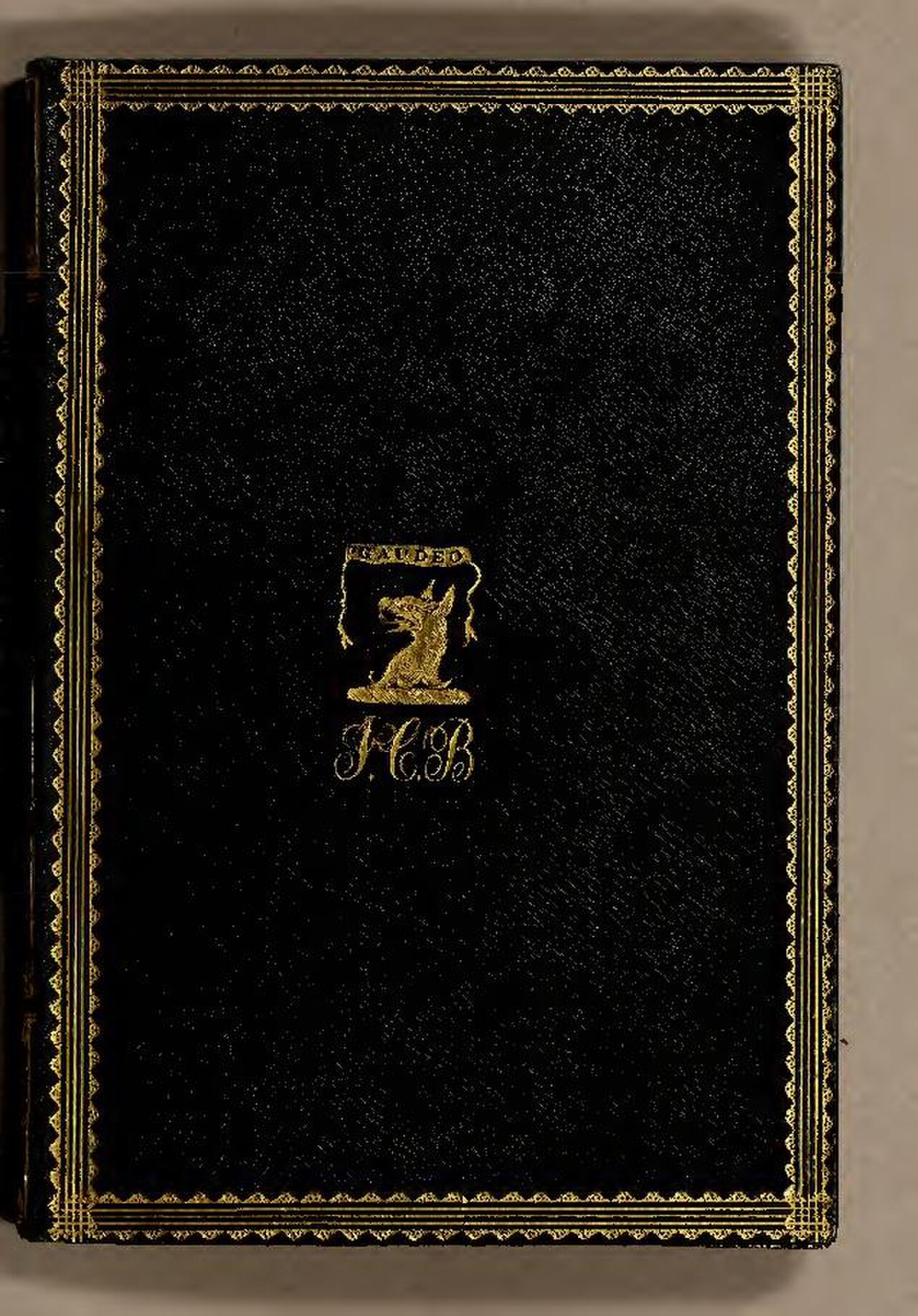
De Moluccis Insulis
Maximilianus Transylvanus · 1523
 Artifact
Secondary source
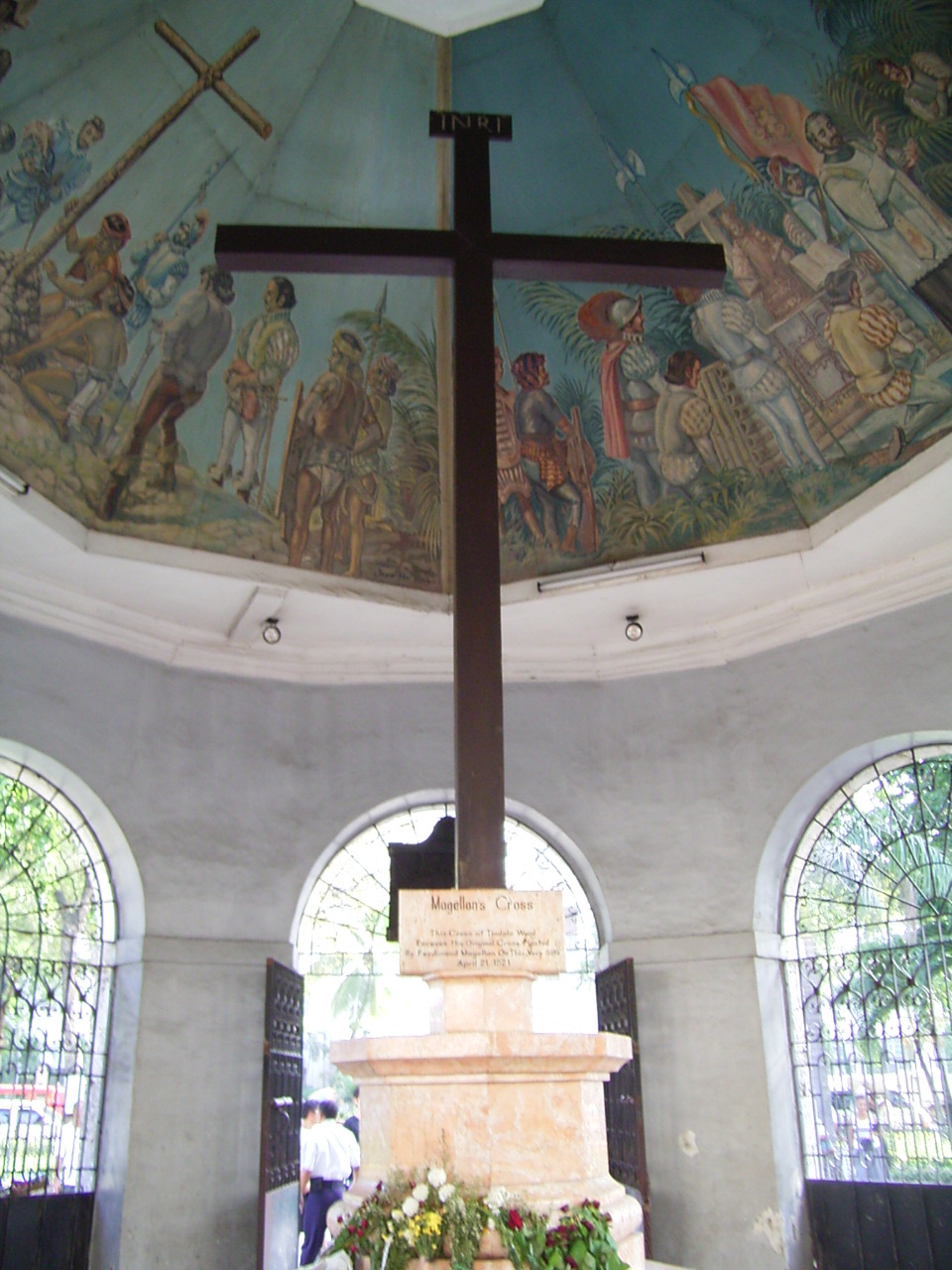
Magellan's Cross
planted April 1521; present cross 1835
 Sculpture
Primary source
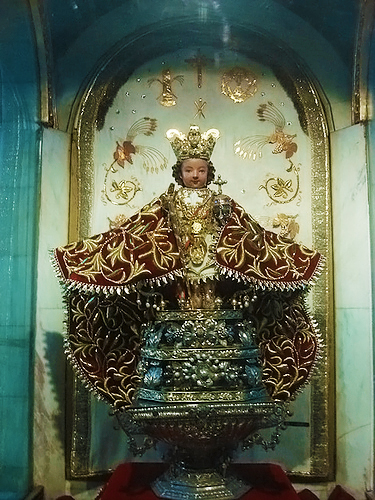
Santo Niño de Cebú
1519
 Painting
Secondary source
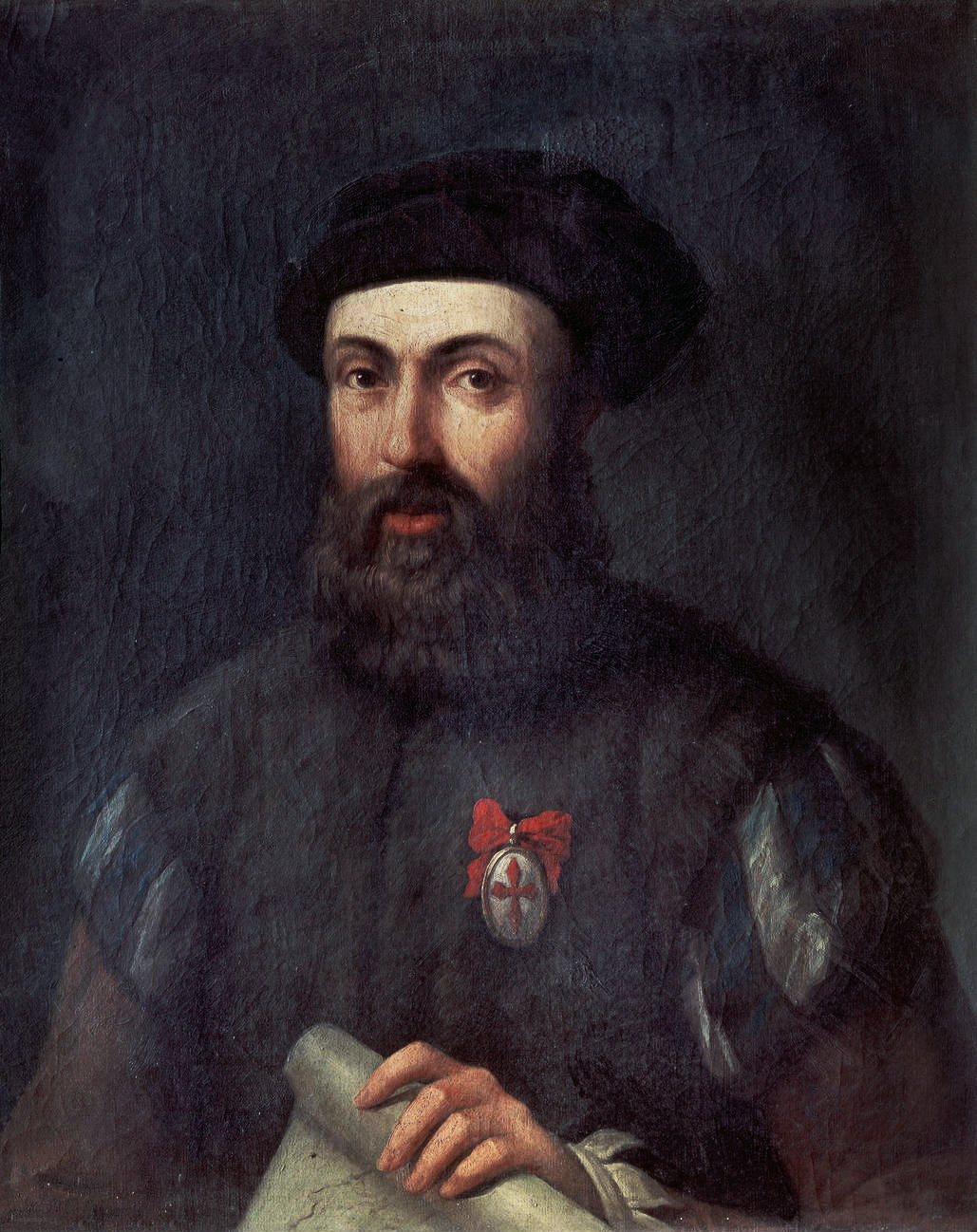
Portrait of Ferdinand Magellan
Unknown, after the school of Ángel Broncino
Ready when you are
Start chatting with Ferdinand Magellan now.
20 messages free · No credit card · Available in 50+ languages.