


Secondary sourcePainting1600-1750
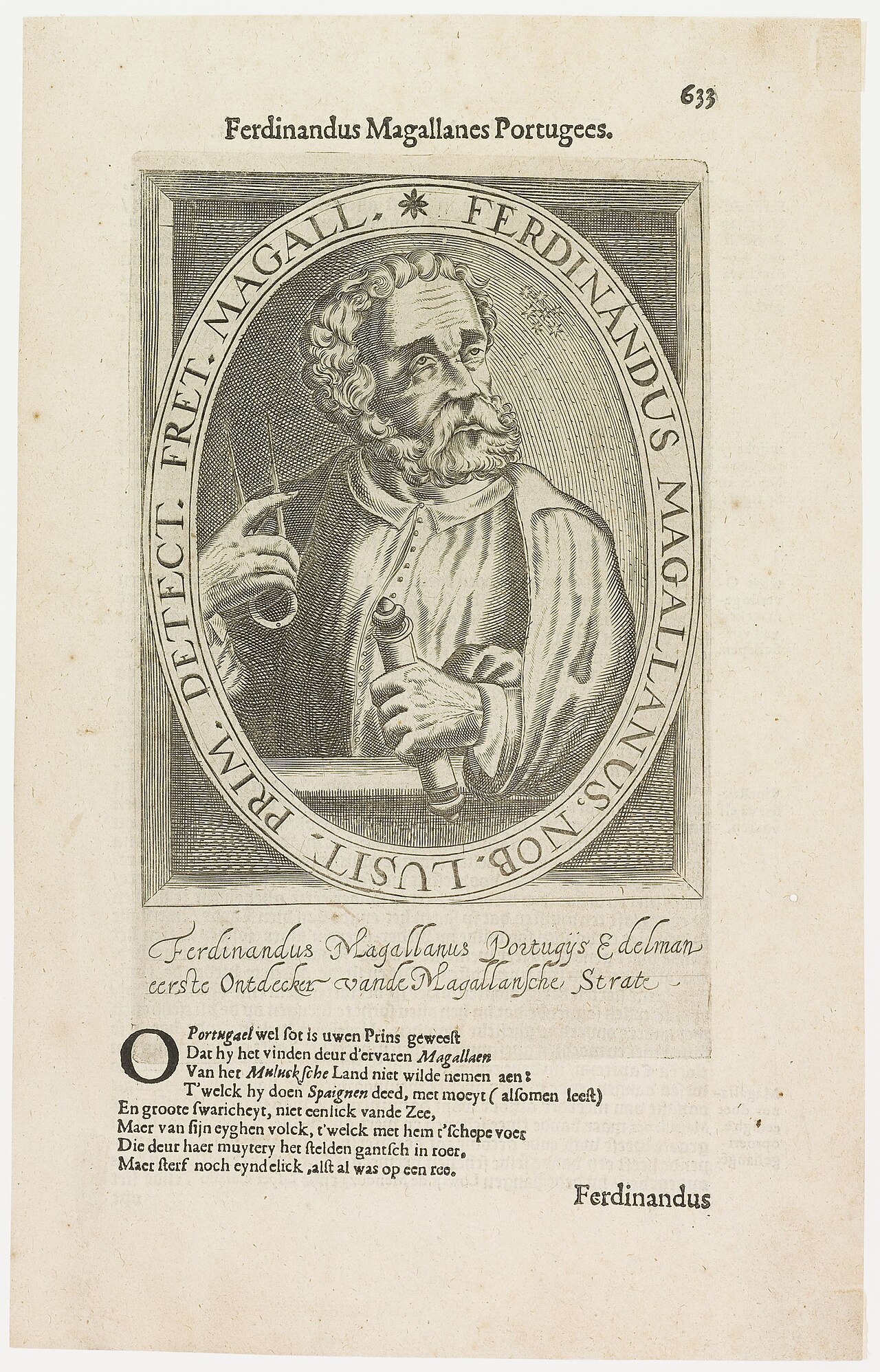
Ferdinandus Magallanus Engraved Portrait with Dutch Verse
1600-1750
A later engraving of Magellan with Latin and Dutch inscriptions, naming him as the discoverer of the Strait of Magellan.
A later engraving celebrating Magellan as the first discoverer of the strait named after him.
About this source
What it is
This engraving shows an older bearded man with curly hair holding a pair of dividers and a sphere-like object, set in an oval surrounded by Latin text calling him the noble lieutenant and first discoverer of the Strait of Magellan, with a Dutch caption and verse below. It was printed between 1600 and 1750 as a book illustration.
Why it matters
This print shows how, long after his voyage, Magellan's fame as the first European to find the strait that now bears his name spread into Dutch printed books. The combination of Latin and Dutch text shows how his story crossed language and national borders in the centuries after his death.
Look closer
- What do the Latin and Dutch texts tell us about why Magellan was remembered?
- Why might a Dutch printmaker want to include a portrait and verse about a Portuguese explorer?
- What does this image emphasise about Magellan's achievements, and what might it leave out?
This painting is part of the curated material that grounds the AI version of Ferdinand Magellan on Humy.ai — when students ask about related events, the AI can quote it and cite it.
More Ferdinand Magellan sources
Meet the AI Ferdinand Magellan →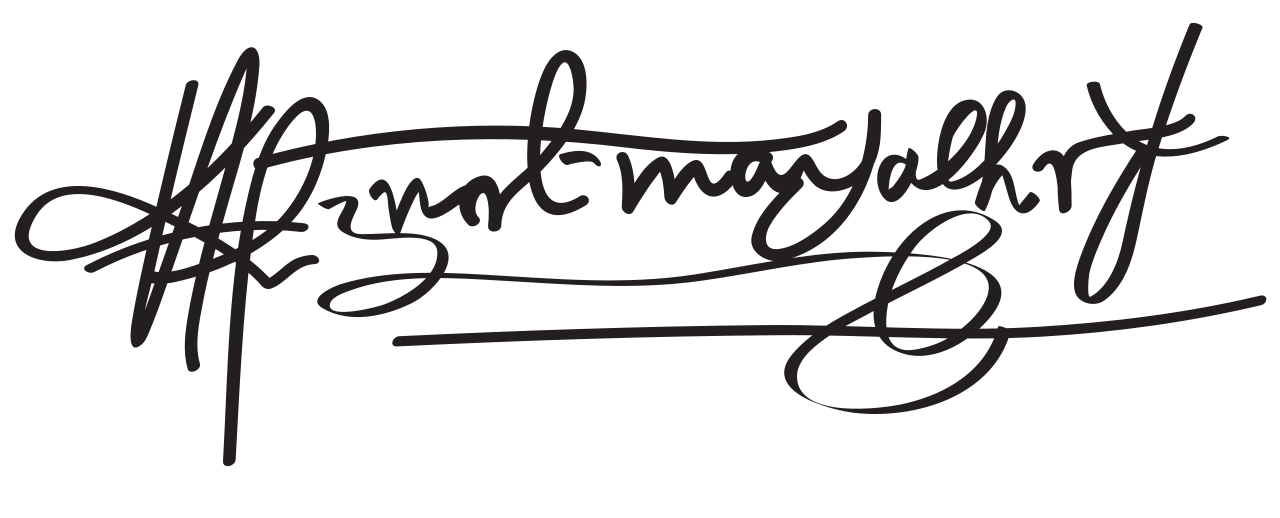 Document
Primary source
Signature of Ferdinand Magellan
Ferdinand Magellan
 Book
Secondary source
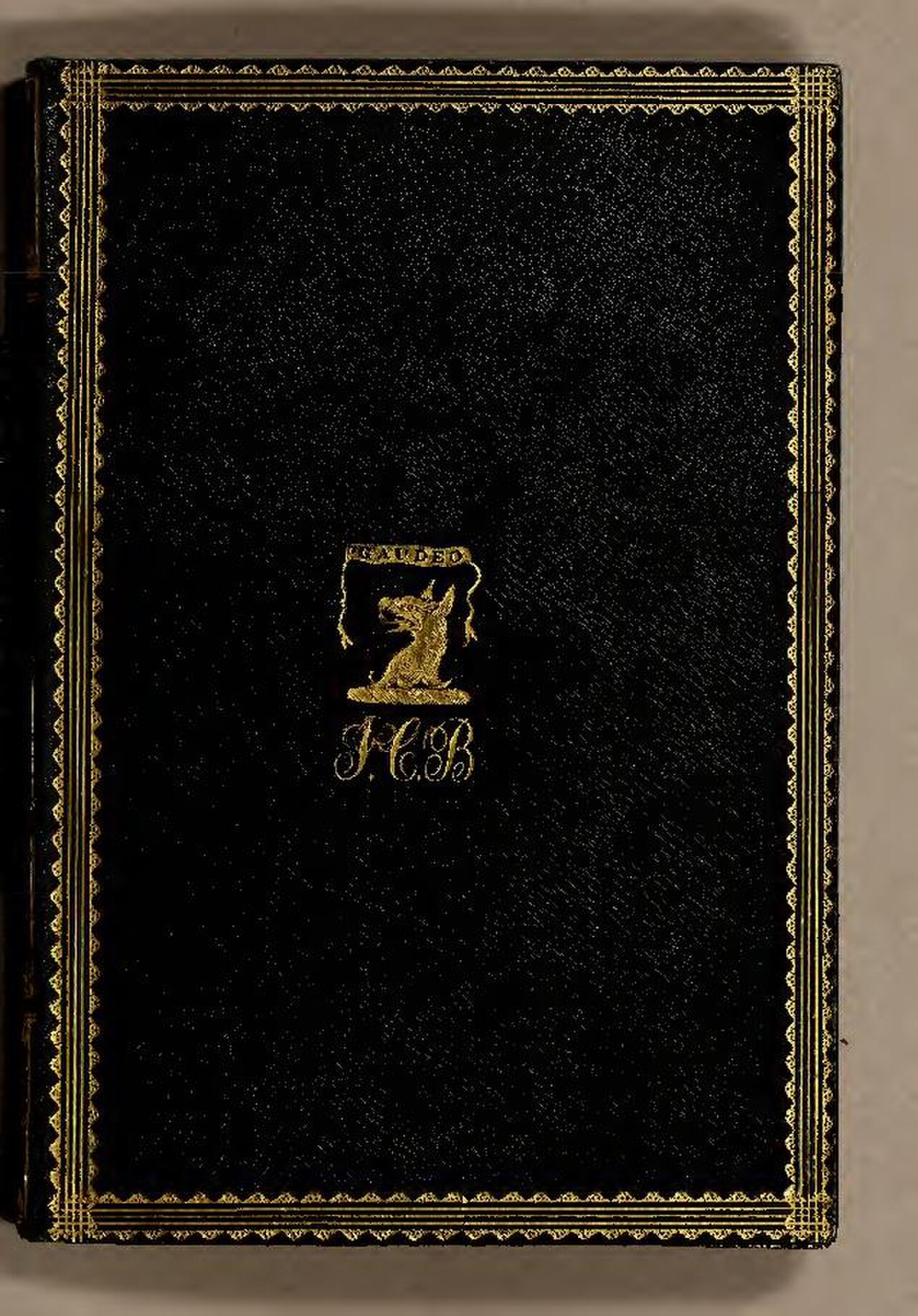
De Moluccis Insulis
Maximilianus Transylvanus · 1523
 Artifact
Secondary source
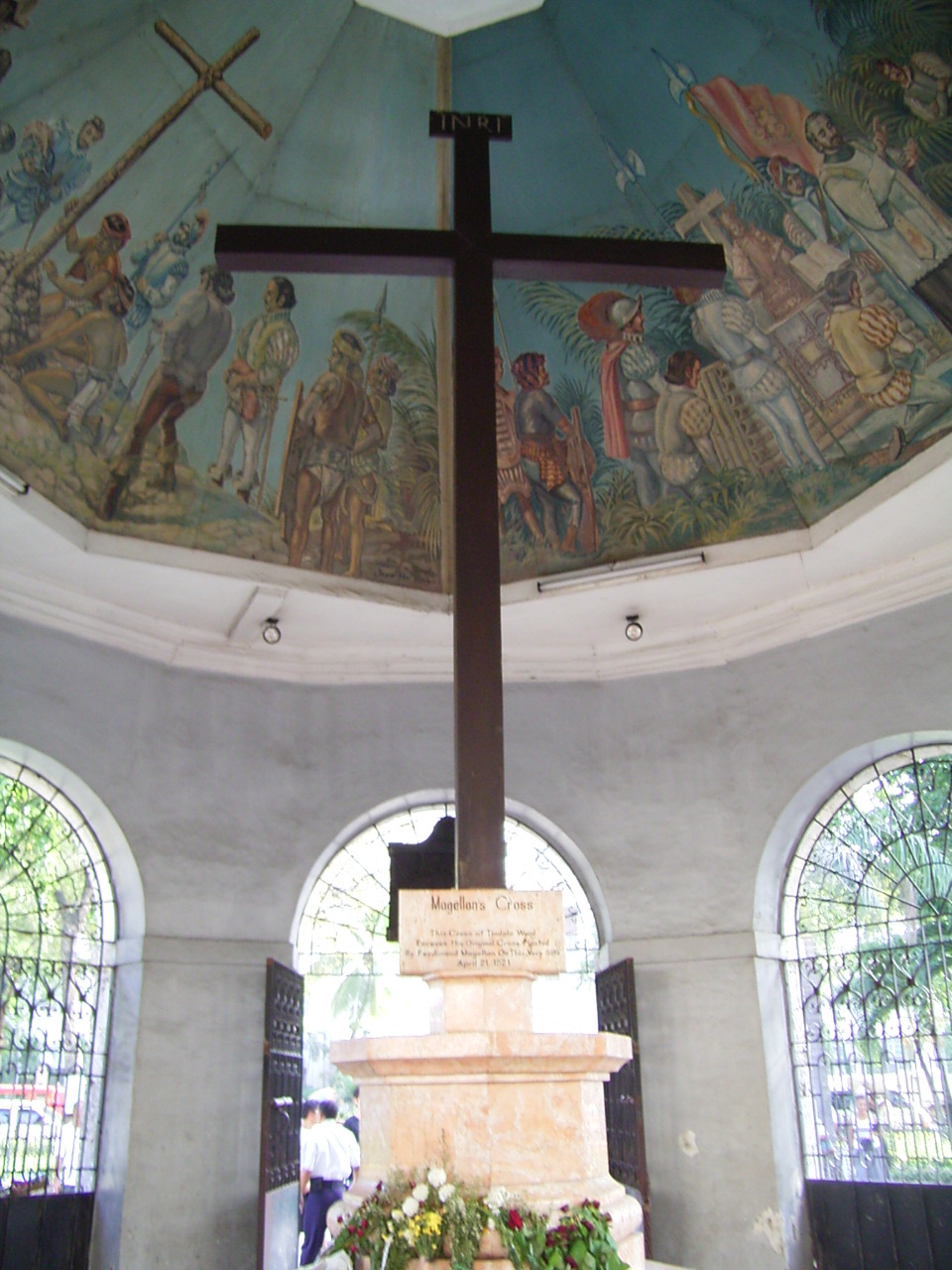
Magellan's Cross
planted April 1521; present cross 1835
 Sculpture
Primary source
Santo Niño de Cebú
1519
 Painting
Secondary source
Portrait of Ferdinand Magellan
Unknown, after the school of Ángel Broncino
Ready when you are
Start chatting with Ferdinand Magellan now.
20 messages free · No credit card · Available in 50+ languages.