


Secondary sourceBook1832
Description of the Pompeii mosaic discovered in 1831
Antonio Niccolini · 1832
An 1832 Italian description by architect Antonio Niccolini of the Pompeii mosaic, found on 24 October 1831, which shows Alexander and Darius. It is a scholarly description with plates, not the mosaic itself.
An early description of the Pompeii mosaic that shows Alexander, showing how the image of the king was recorded and studied after its discovery.
 PDF · 152 pages
About this source
What it is
This is a printed description by the architect Antonio Niccolini, published in Naples in 1832. It describes the mosaic found in Pompeii on 24 October 1831 and presents it with explanatory plates. The scanned copy is held by the Internet Archive as a PDF.
Why it matters
The Alexander Mosaic is one of the best-known images of Alexander, and early descriptions like this one shaped how scholars understood it. The book shows how 19th-century experts recorded and interpreted an ancient artwork, and it connects the mosaic to the scholars who debated it in the same period.
Look closer
- What does the description focus on, and what does it leave out?
- How do the plates help a reader understand the mosaic compared with words alone?
- Why might a 19th-century author want to present the mosaic in this way?
This book is part of the curated material that grounds the AI version of Alexander the Great on Humy.ai — when students ask about related events, the AI can quote it and cite it.
More Alexander the Great sources
Meet the AI Alexander the Great →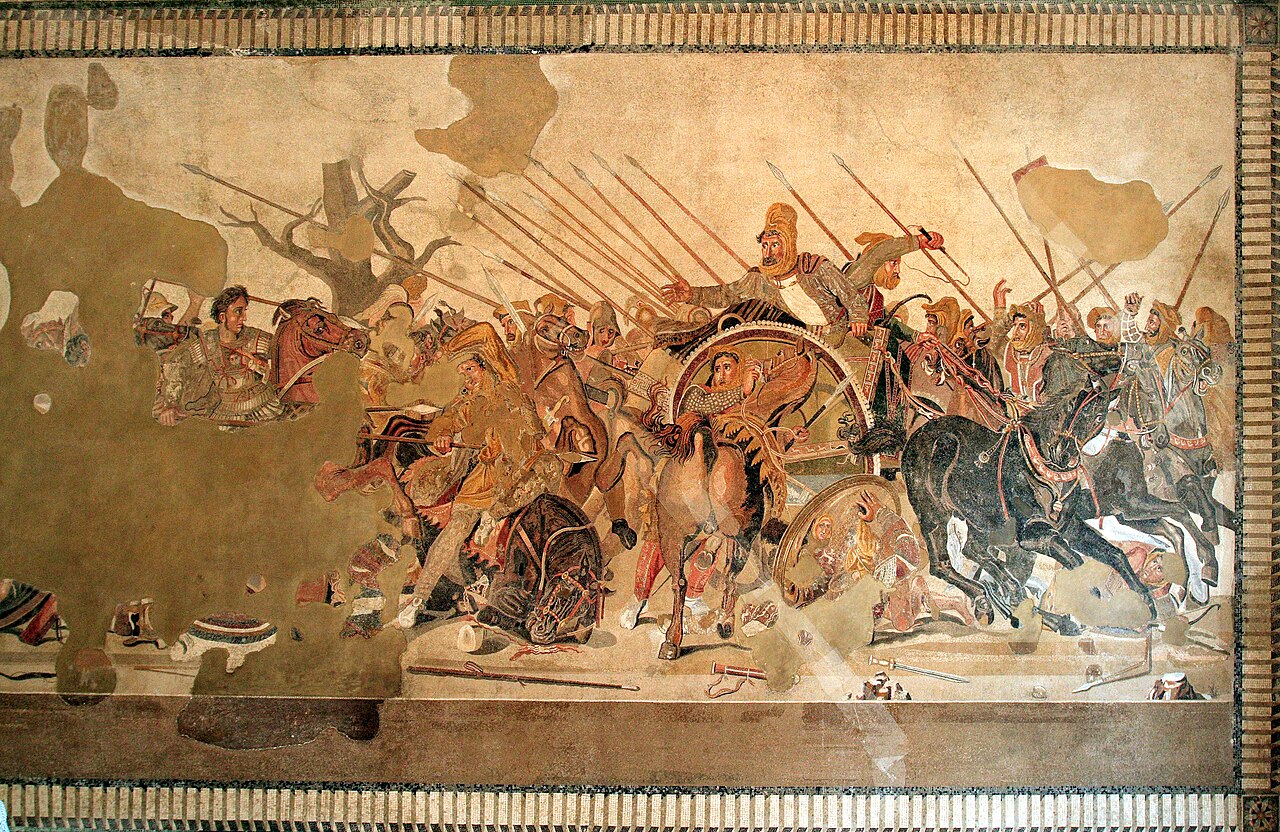 Artifact
Secondary source
Alexander Mosaic
Philoxenus of Eretria · c. 120-100 BCE (copy of an earlier Hellenistic painting)
 Painting
Secondary source
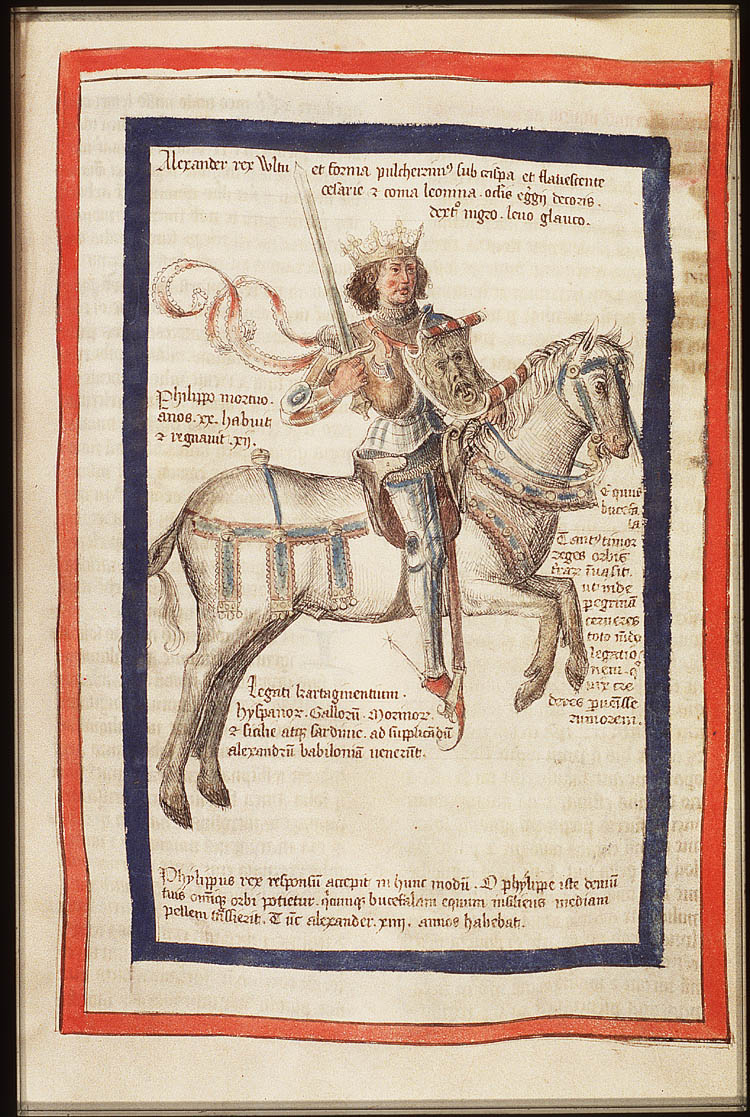
Alexander the Great riding Bucephalus
1460
 Artifact
Primary source
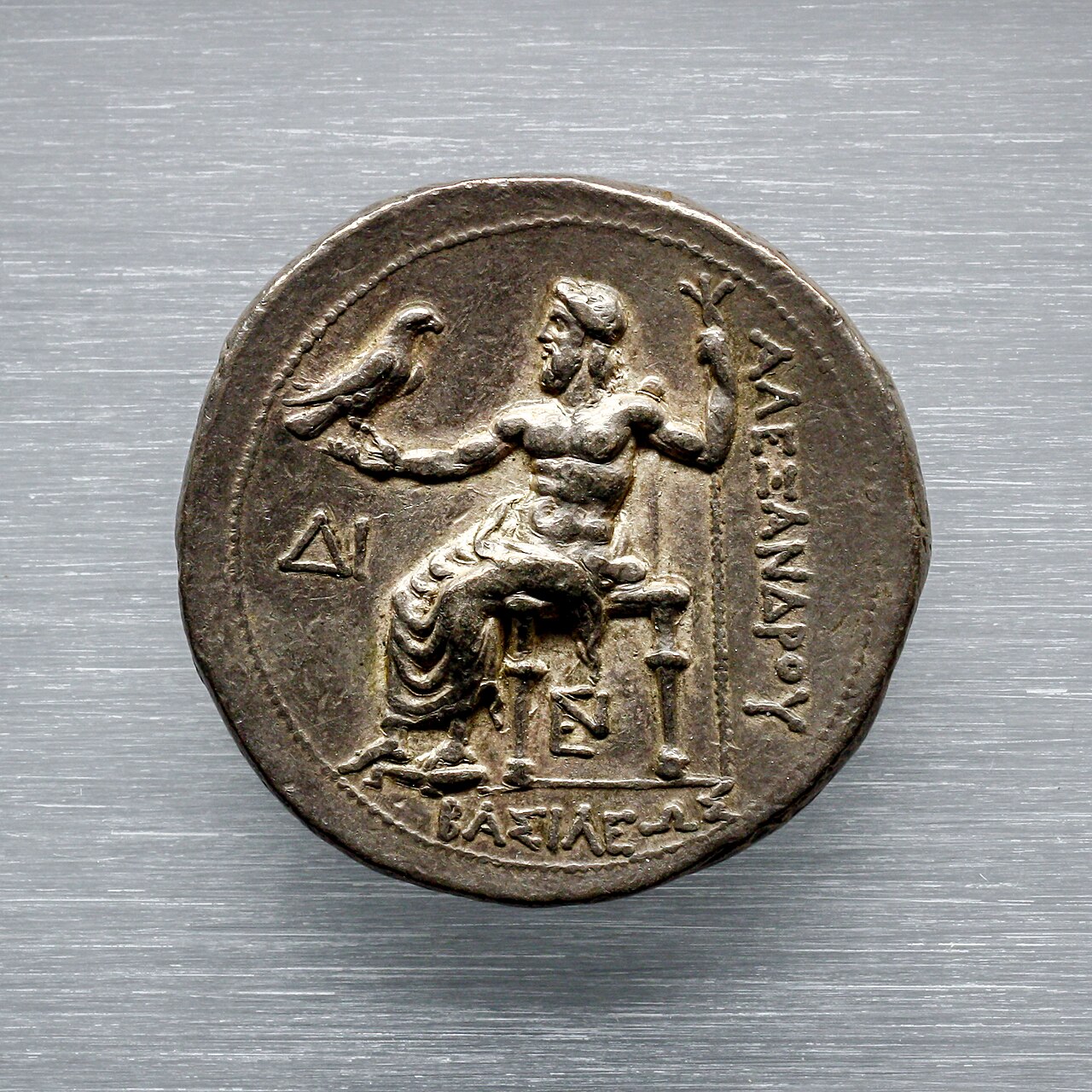
Silver Tetradrachm of Alexander the Great
Royal mints of Alexander III · c. 336-323 BCE
 Painting
Secondary source
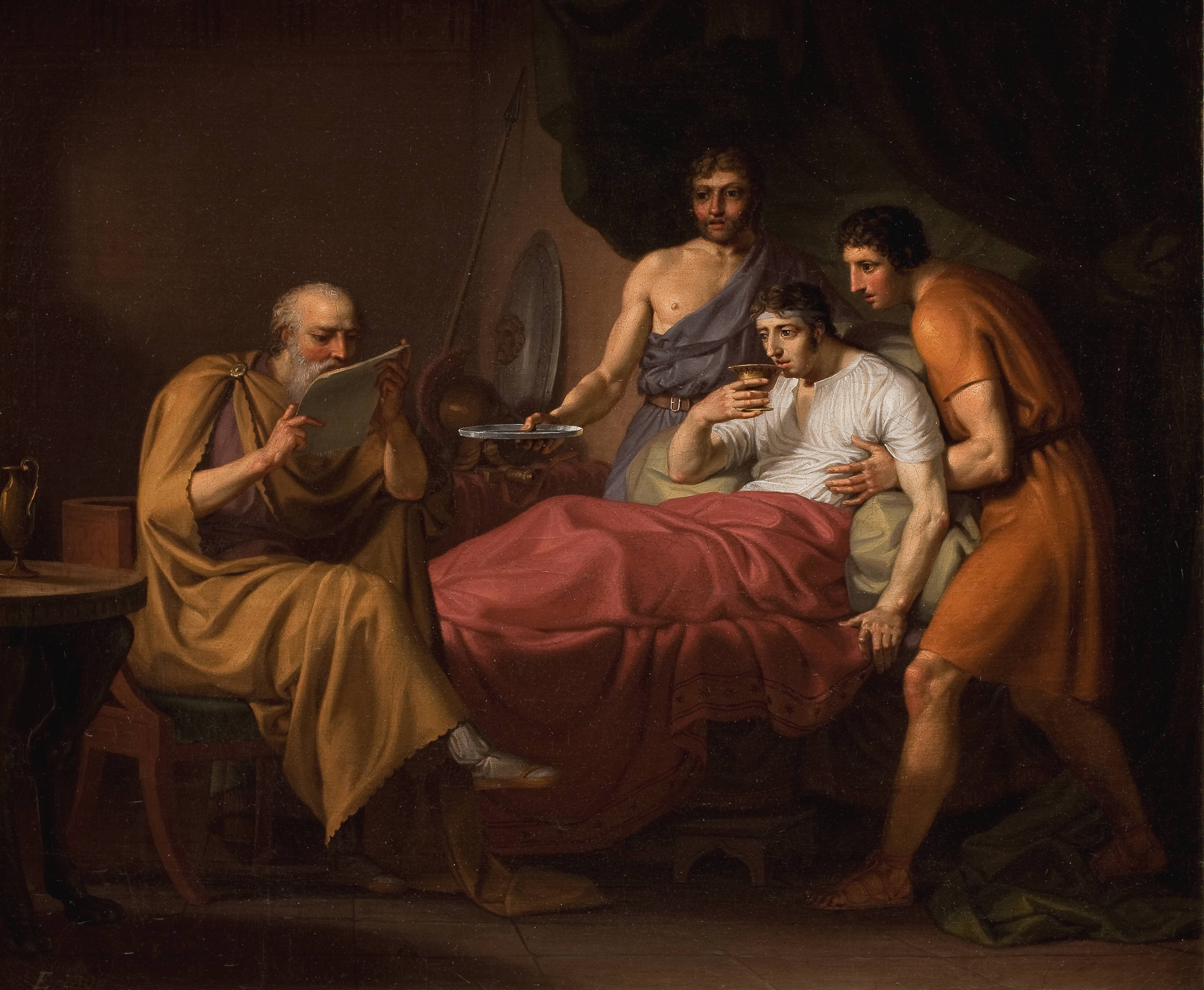
Alexander the Great on his Sickbed
1806
 Book
Secondary source
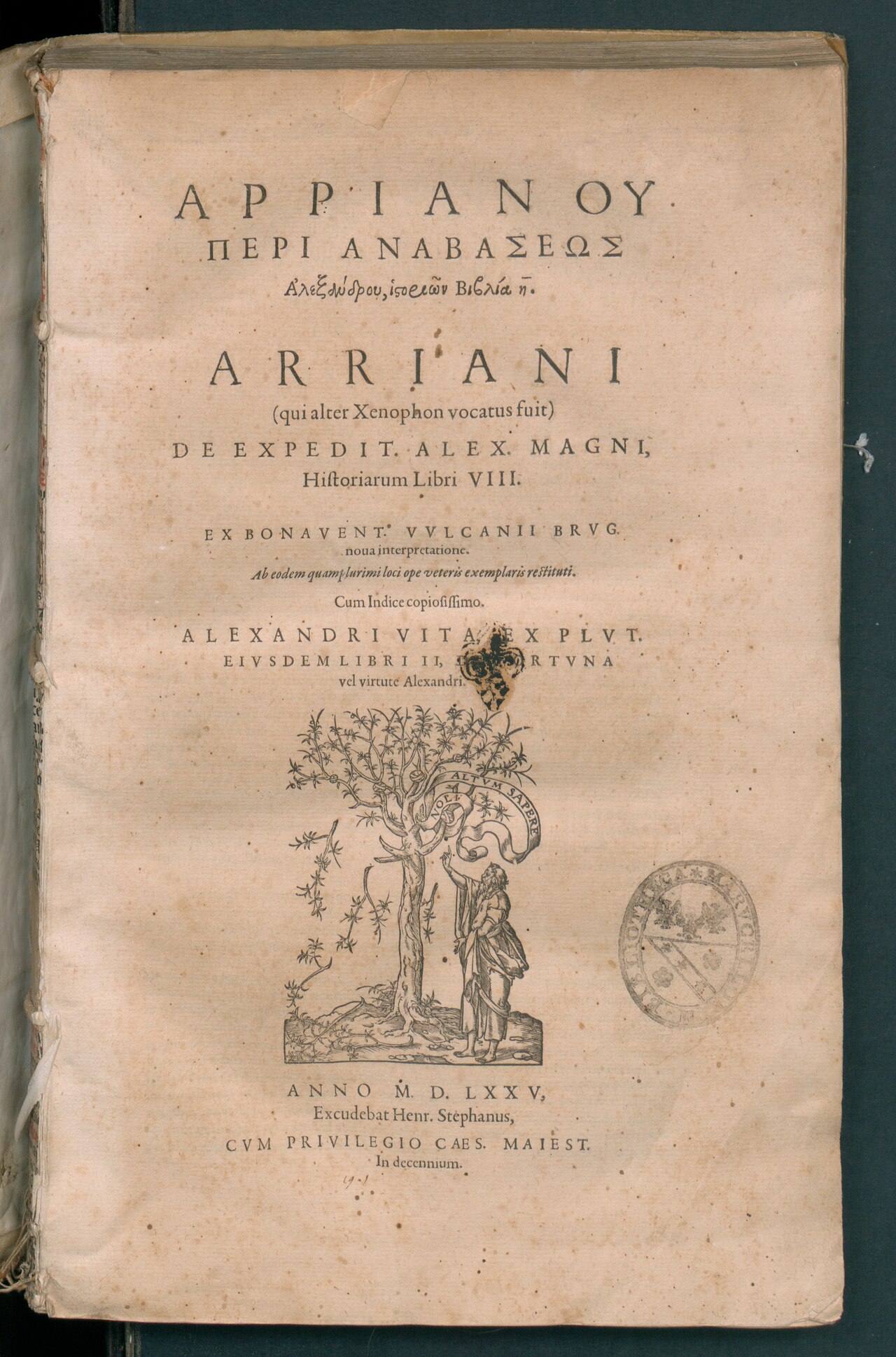
Anabasis of Alexander
Arrian · c. 150 AD
Ready when you are
Start chatting with Alexander the Great now.
20 messages free · No credit card · Available in 50+ languages.