


Primary sourceDocument1526
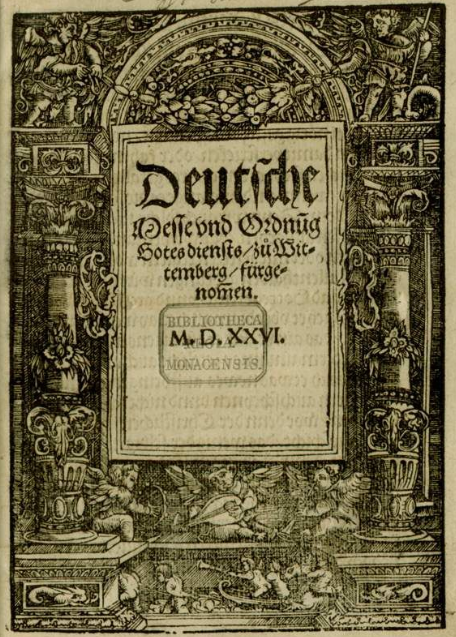
Deutsche Messe
Martin Luther · 1526
Martin Luther's 1526 German-language order of worship, which reshaped how Protestant church services were conducted.
Luther wrote this order of service himself, reshaping worship into the vernacular to let ordinary people understand and take part.
About this source
What it is
The Deutsche Messe, or 'German Mass and Order of Worship', was published by Martin Luther in 1526. It followed an earlier Latin mass he had written in 1523, and set out a service almost entirely sung in German rather than Latin.
Why it matters
Luther intended the Mass to help ordinary worshippers understand and participate in the service, since it was meant to make people truly hear God's word rather than follow it passively in a language few understood. He described it as a suggestion, not a fixed rule, showing his concern that local congregations should adapt worship to their own needs rather than be bound by rigid law. The work is a key document of how church practice changed during the Reformation.
Look closer
- Why did Luther think it mattered that the service be conducted in German instead of Latin?
- What does his insistence that the order is a suggestion, not a strict rule, tell you about his view of Christian freedom?
- What might have been lost or gained by moving from Latin to vernacular worship?
This document is part of the curated material that grounds the AI version of Martin Luther on Humy.ai — when students ask about related events, the AI can quote it and cite it.
More Martin Luther sources
Meet the AI Martin Luther →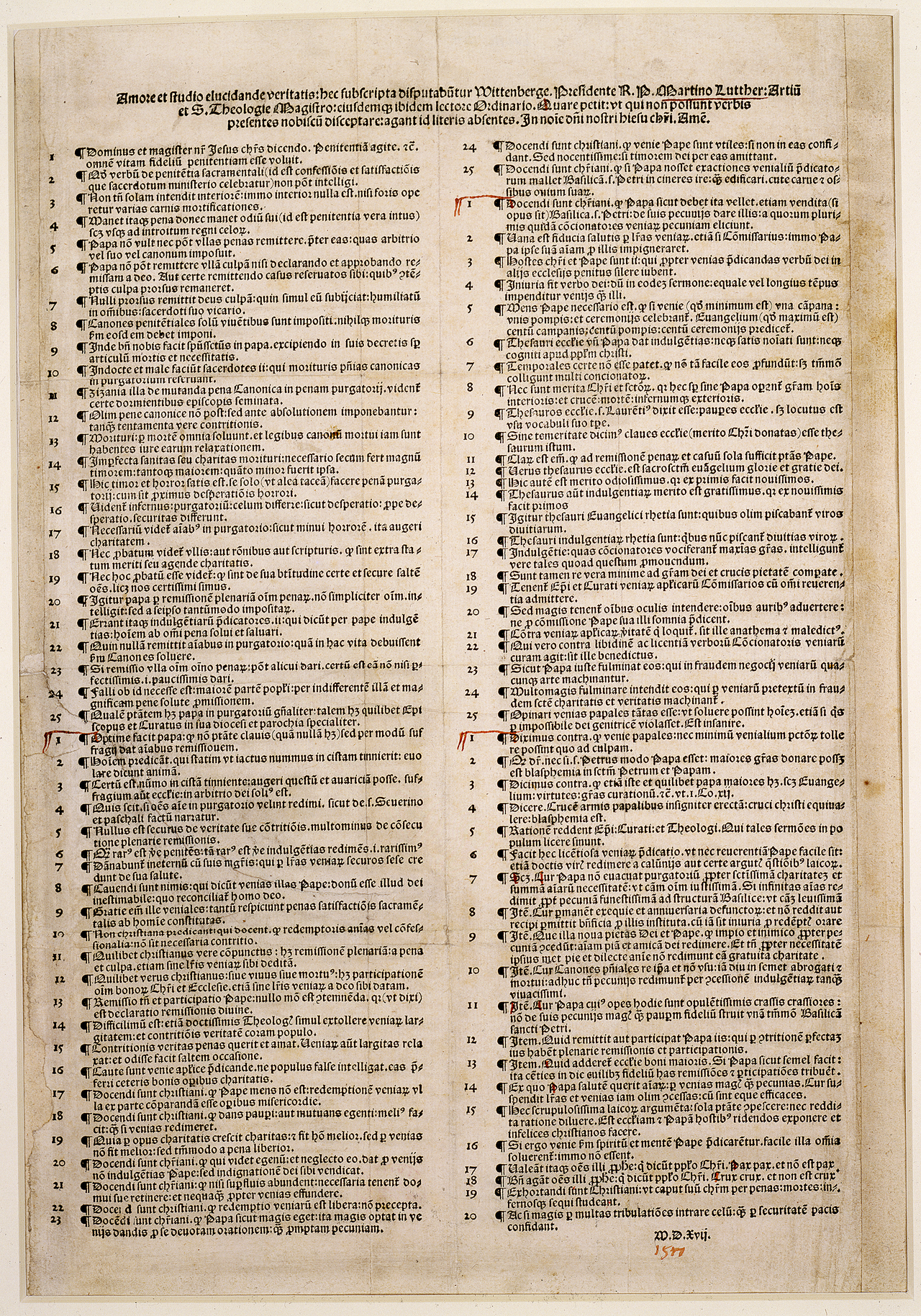 Document
Primary source
Ninety-five Theses
Martin Luther · 1517
 Painting
Secondary source
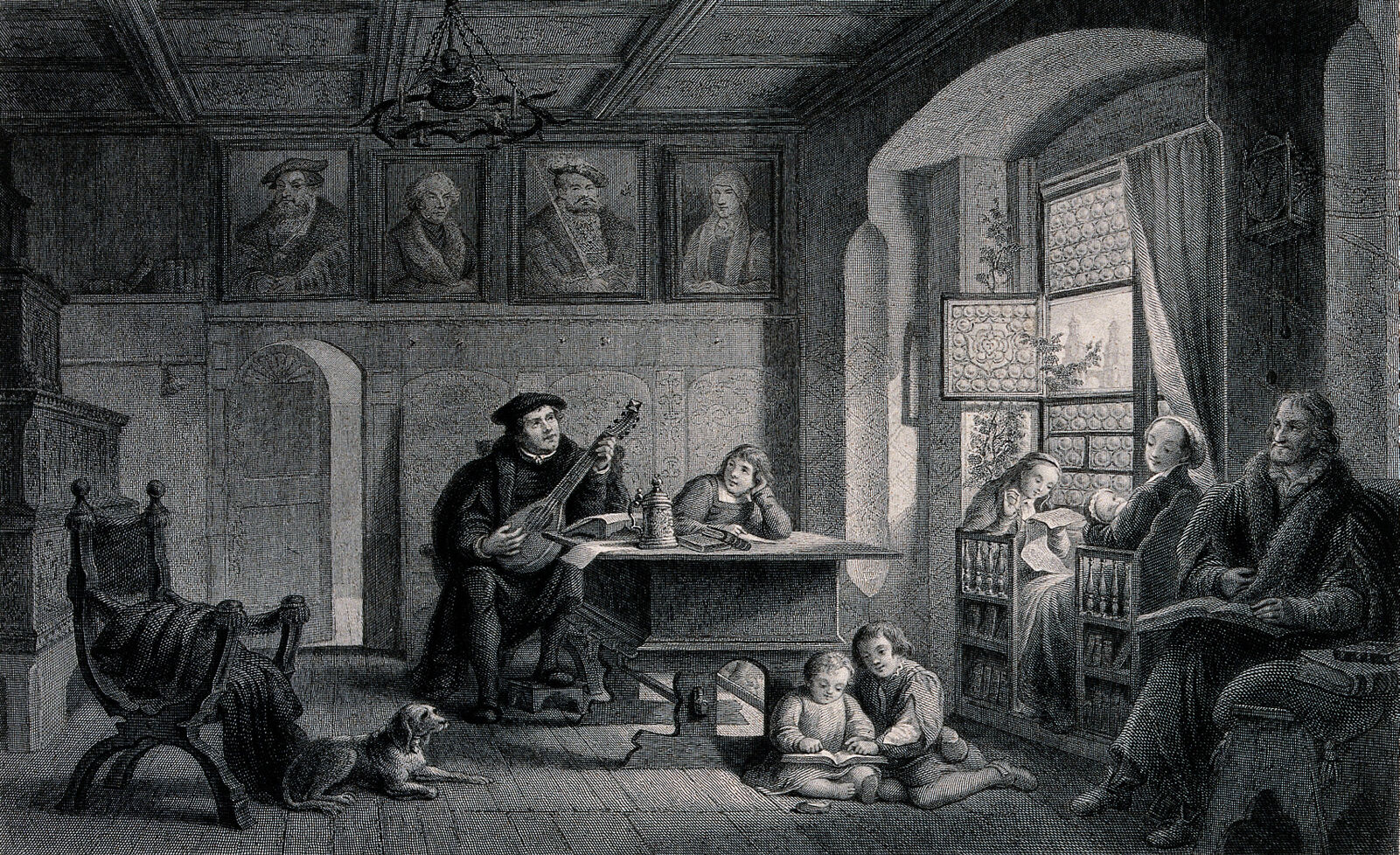
Domestic Life of Martin Luther at Wittenberg
Pierre-Antoine Labouchère (design); J. D. Nargeot (engraving) · 1800-1899
 Painting
Primary source
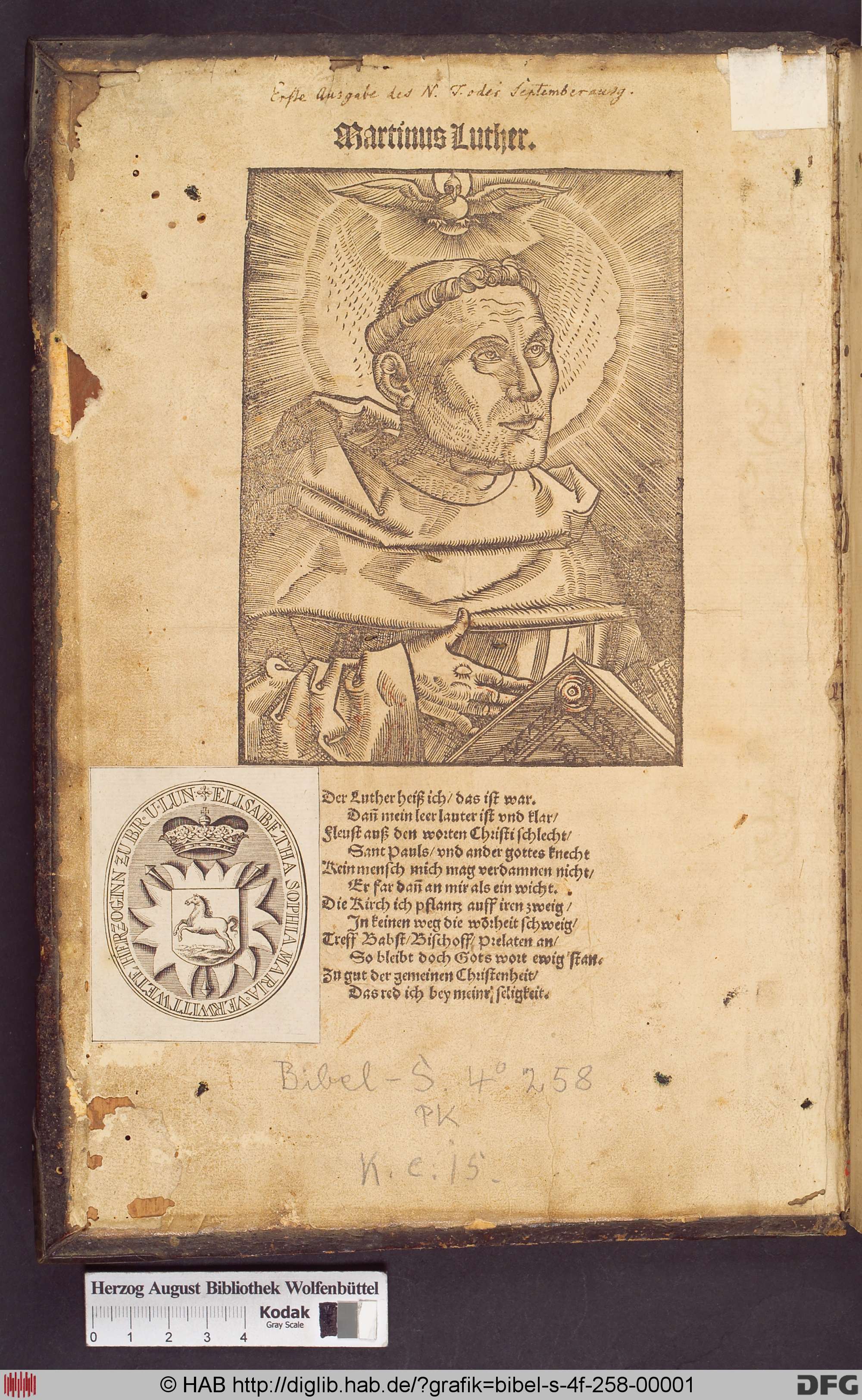
Martinus Luther Woodcut Portrait
Unbekannt (Formschneider)
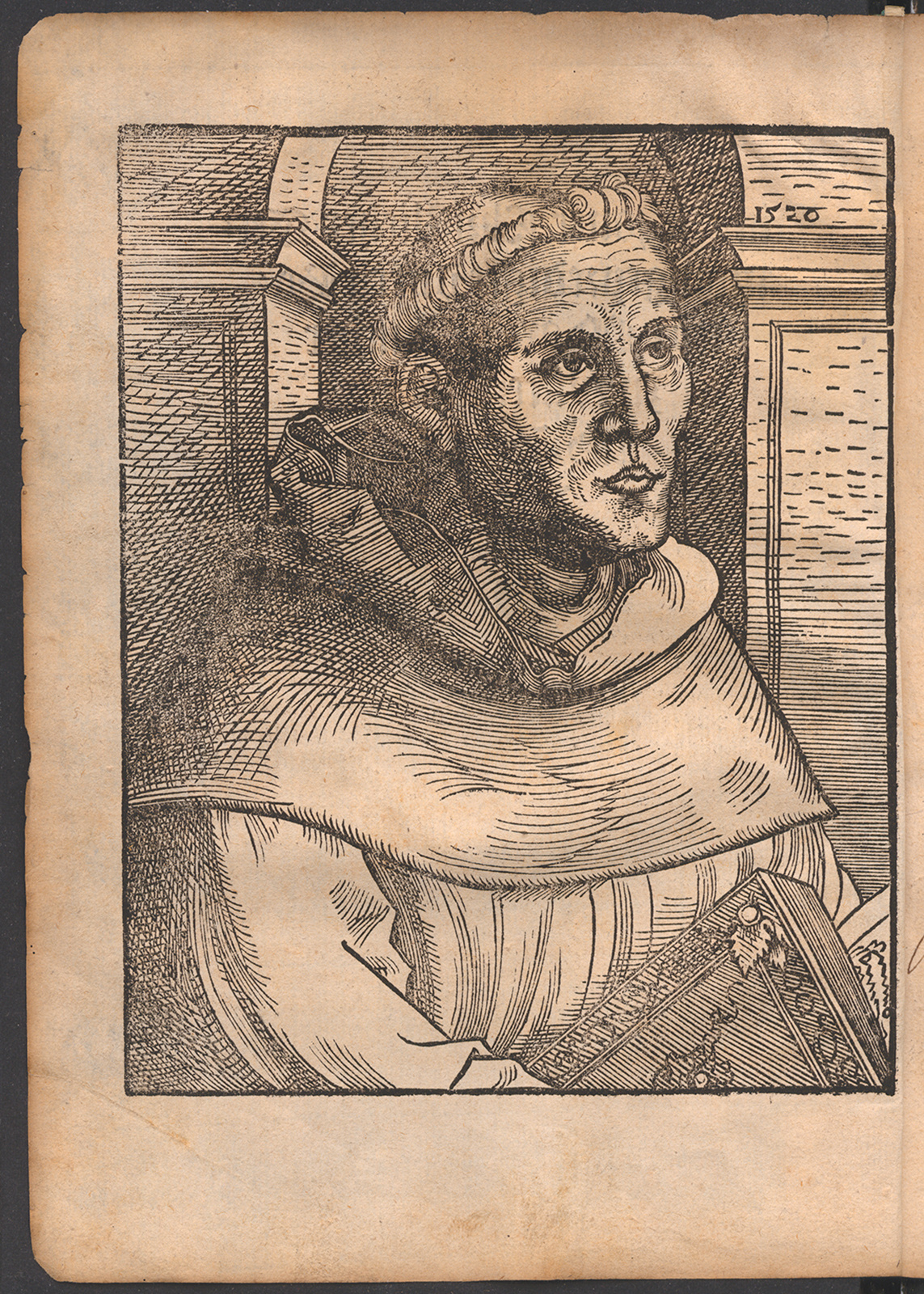 Painting
Primary source
Woodcut Portrait of Luther in Sermon Pamphlet
1523
 Book
Secondary source
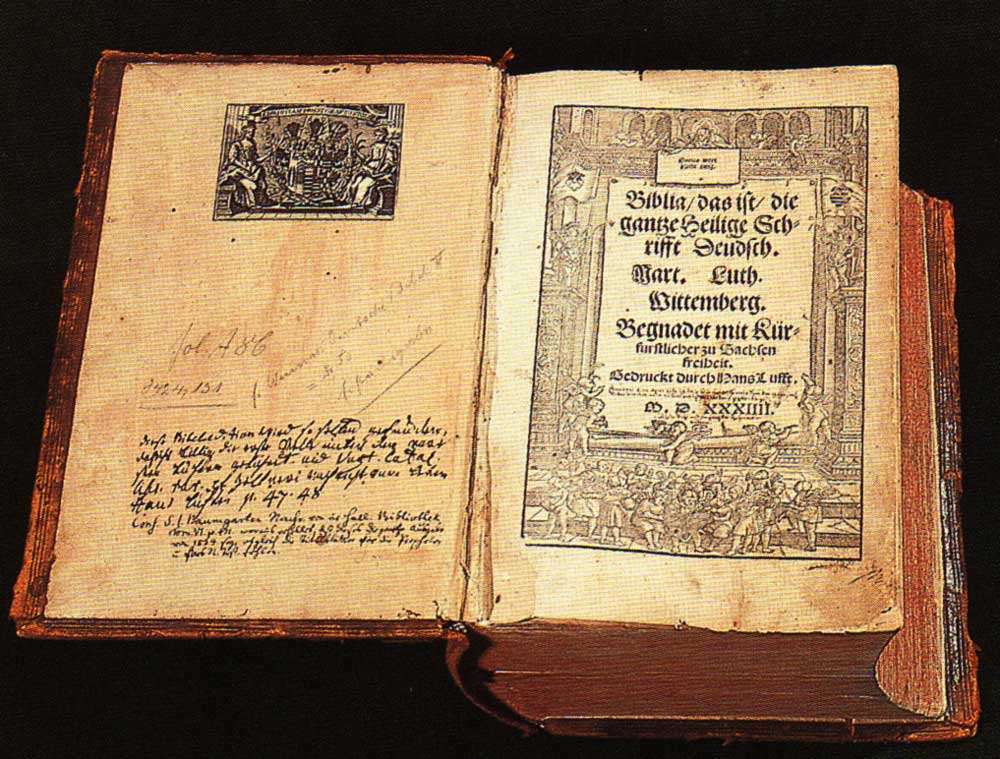
Luther Bible
Martin Luther · 1534
Ready when you are
Start chatting with Martin Luther now.
20 messages free · No credit card · Available in 50+ languages.