


Primary sourceBook1745
Dialogue de Sylla et d'Eucrate
Montesquieu · 1745
A political dialogue by Montesquieu in which the Roman dictator Sulla justifies his rule, exploring ambition and tyranny.
Montesquieu wrote this dialogue himself, using Roman history to explore ideas of tyranny central to his thought.
About this source
What it is
This is a short written dialogue by Montesquieu, first published in 1745, in which the Roman general and dictator Sulla speaks with Eucrate about his own power and motives. Montesquieu later joined it to his book on the Romans' rise and fall.
Why it matters
The piece lets Montesquieu explore, through an imagined conversation, how a powerful leader might justify holding total control over a state. It connects to his wider interest in how republics can fall into tyranny, a theme at the heart of his writing on Rome and government.
Look closer
- Why might Montesquieu have chosen to write about Sulla's inner thoughts through a dialogue rather than a direct essay?
- What does giving Sulla the chance to explain himself suggest about Montesquieu's approach to power and ambition?
- What historical details about Sulla's actual rule are left out of this imagined conversation?
This book is part of the curated material that grounds the AI version of Baron de Montesquieu on Humy.ai — when students ask about related events, the AI can quote it and cite it.
More Baron de Montesquieu sources
Meet the AI Baron de Montesquieu →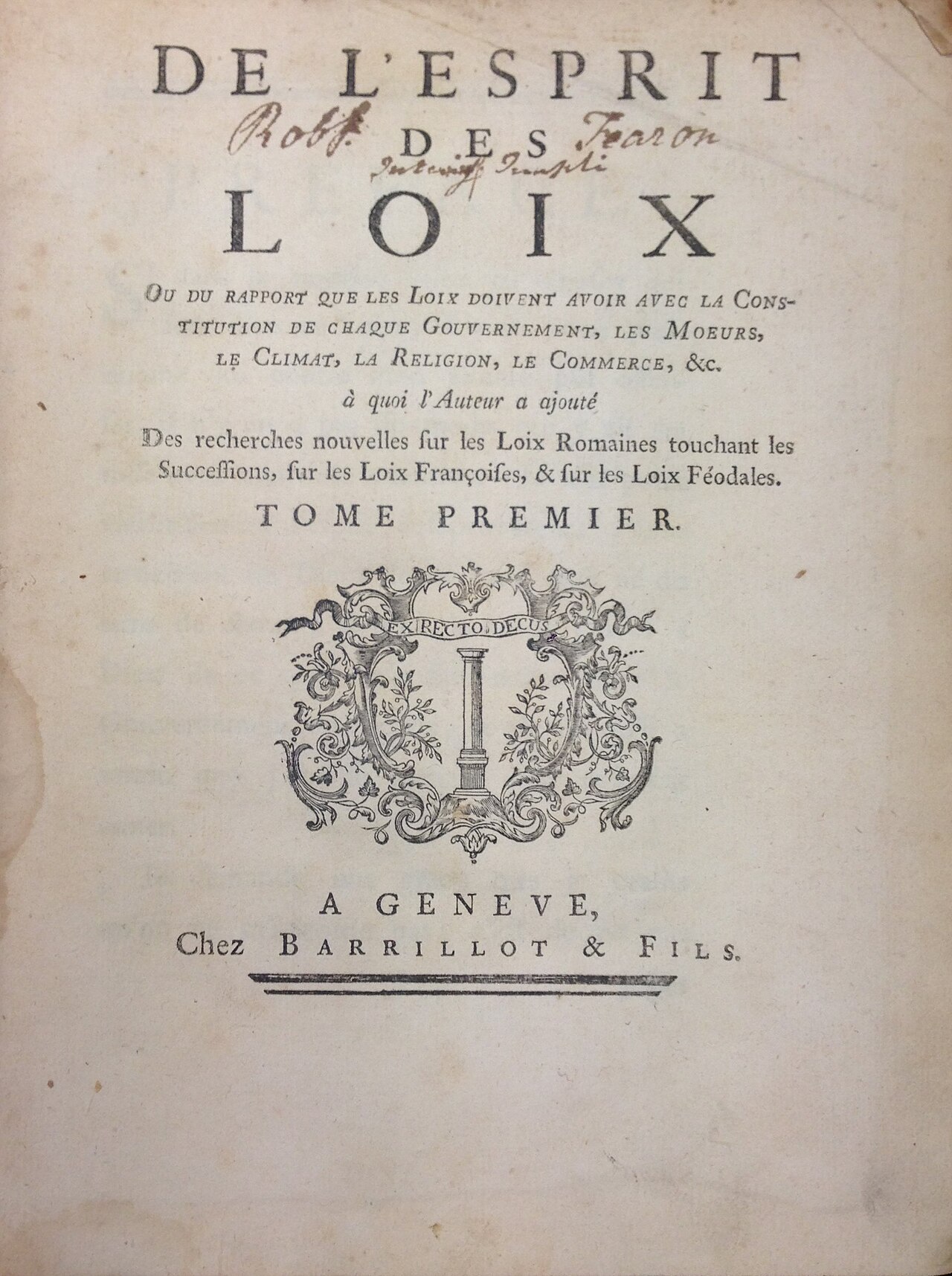 Book
Primary source
The Spirit of the Laws
Montesquieu · 1748
 Book
Primary source
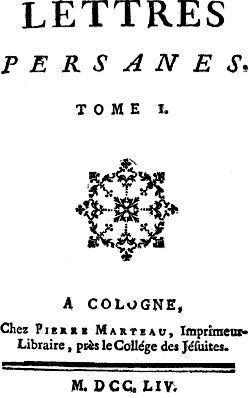
Persian Letters
Montesquieu · 1721
 Book
Primary source
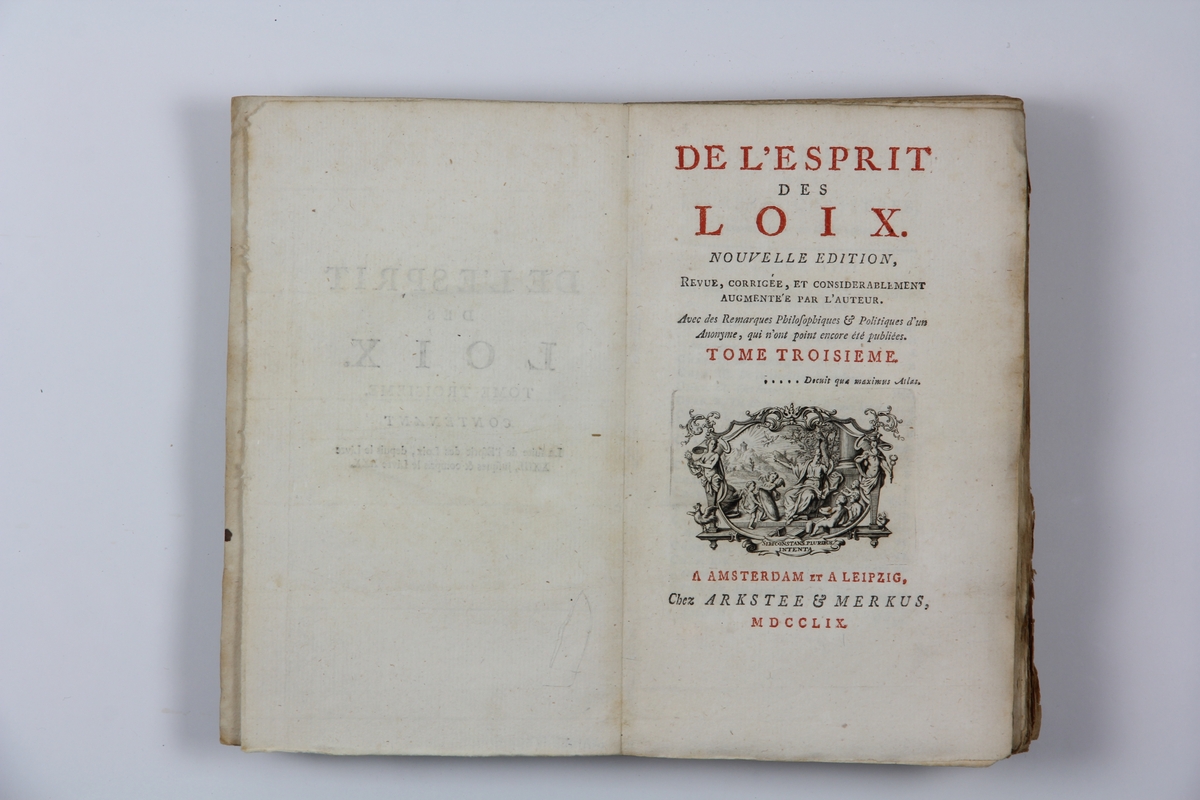
De l'esprit des loix (volume III), Amsterdam and Leipzig, 1759
Montesquieu · 1759
 Book
Primary source
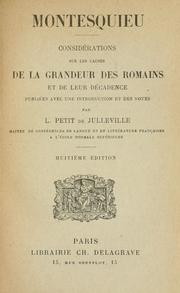
Considerations on the Causes of the Greatness of the Romans and their Decline
Montesquieu · 1734
 Document
Primary source
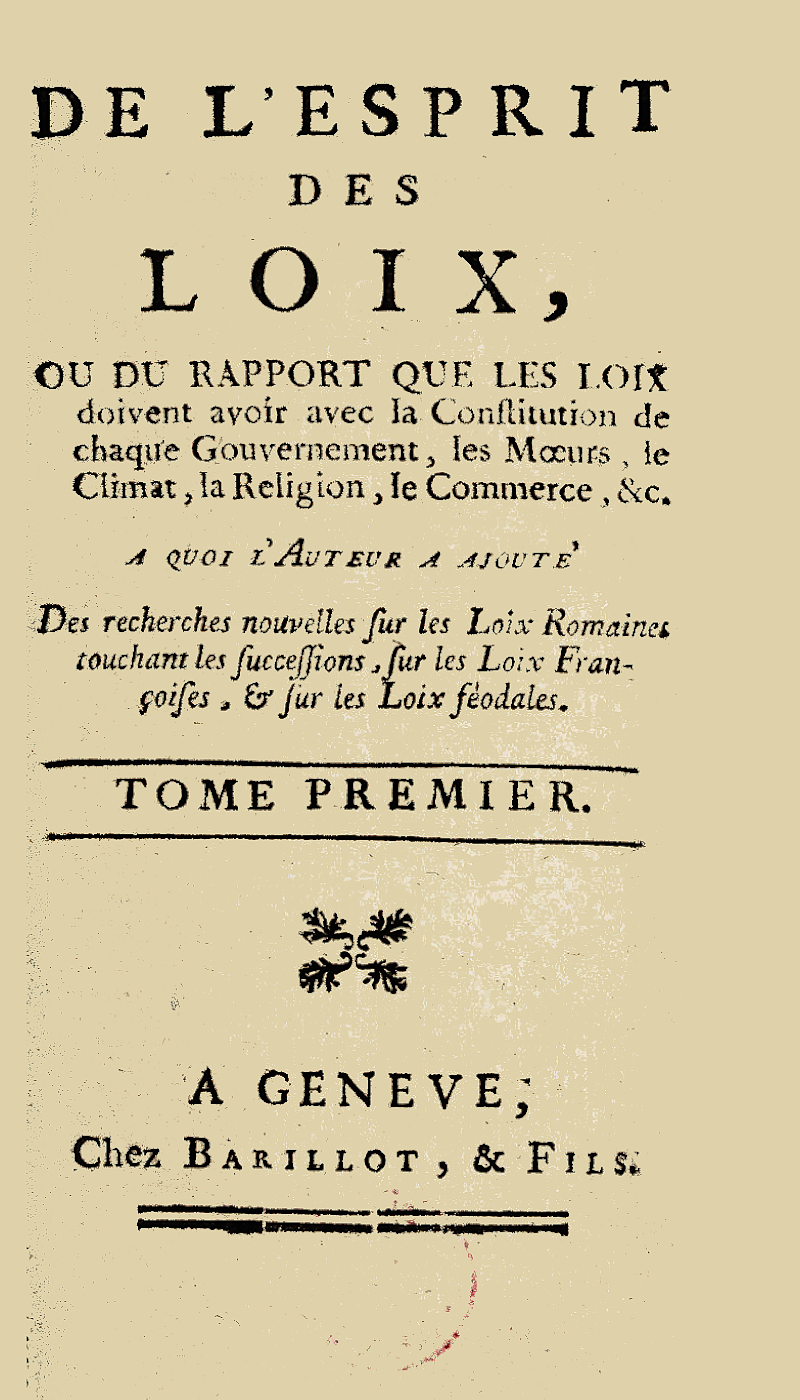
De l'Esprit des loix, Volume 1, Title Page
Montesquieu · 1748-1750
Ready when you are
Start chatting with Baron de Montesquieu now.
20 messages free · No credit card · Available in 50+ languages.