


Secondary sourceNewspaper article1863
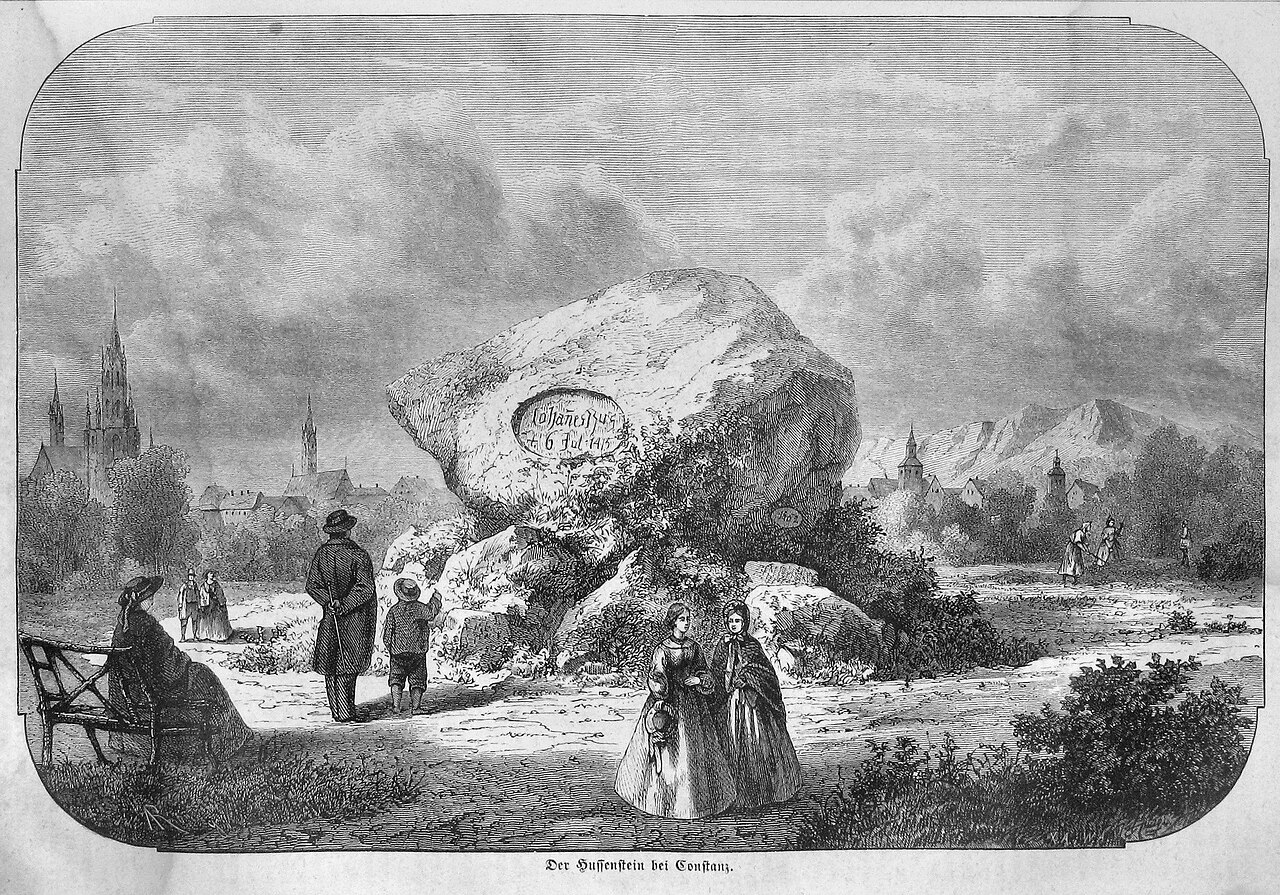
Die Geschichte des Hussensteins in Constanz
1863
An 1863 German magazine article about the memorial stone marking the spot in Konstanz where Jan Hus was executed in 1415.
This article documents 19th-century memory of the site where Hus was executed in 1415.
About this source
What it is
This is an article from the German illustrated magazine Die Gartenlaube, published in 1863, telling the history of the 'Hussenstein,' a memorial boulder near Konstanz marking the place where Jan Hus was burned in 1415.
Why it matters
The article shows that, centuries after his death, people in German-speaking Europe were still debating how Hus should be remembered and whether the town of Constance had properly honoured him. It reflects 19th-century interest in Hus as an early martyr for freedom of conscience.
Look closer
- Why does the writer criticise the people of Constance for not marking the site sooner?
- What does the article suggest about how attitudes toward religious persecution had changed by the 1860s?
- How might a Catholic reader in 1863 have reacted differently to this article than a Protestant reader?
This newspaper article is part of the curated material that grounds the AI version of Jan Hus on Humy.ai — when students ask about related events, the AI can quote it and cite it.
More Jan Hus sources
Meet the AI Jan Hus →Primary source
Appeal to Jesus Christ
Jan Hus · 1412
Primary source
Safe Conduct to John Huss
Sigismund
 Document
Primary source
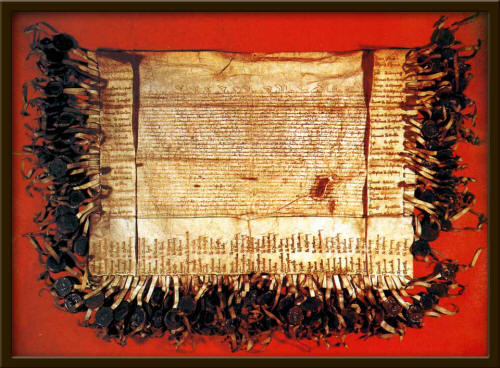
Letter of Complaint Against the Burning of Jan Hus
1415
 Artifact
Primary source
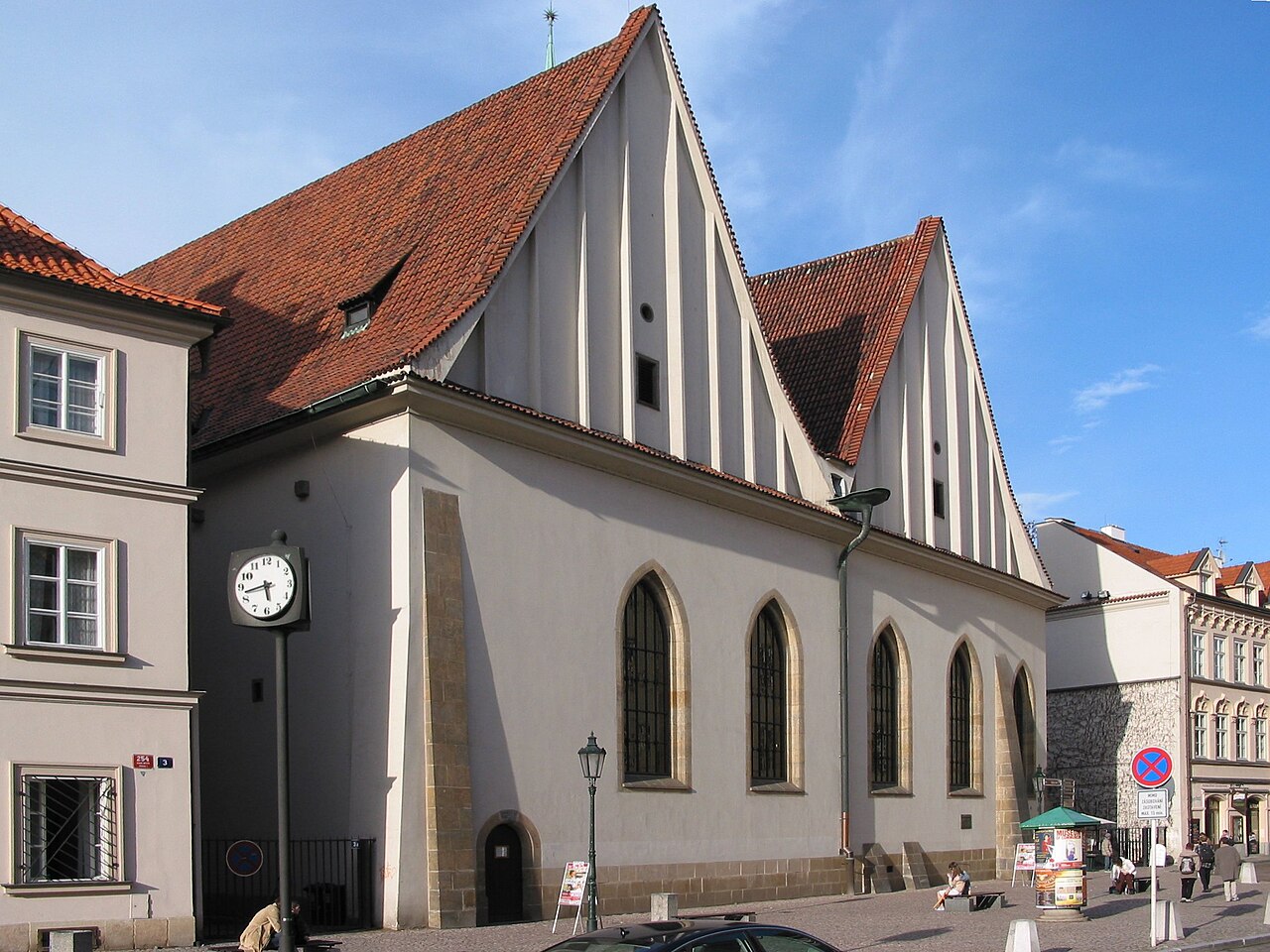
Bethlehem Chapel
founded 1391
 Document
Primary source
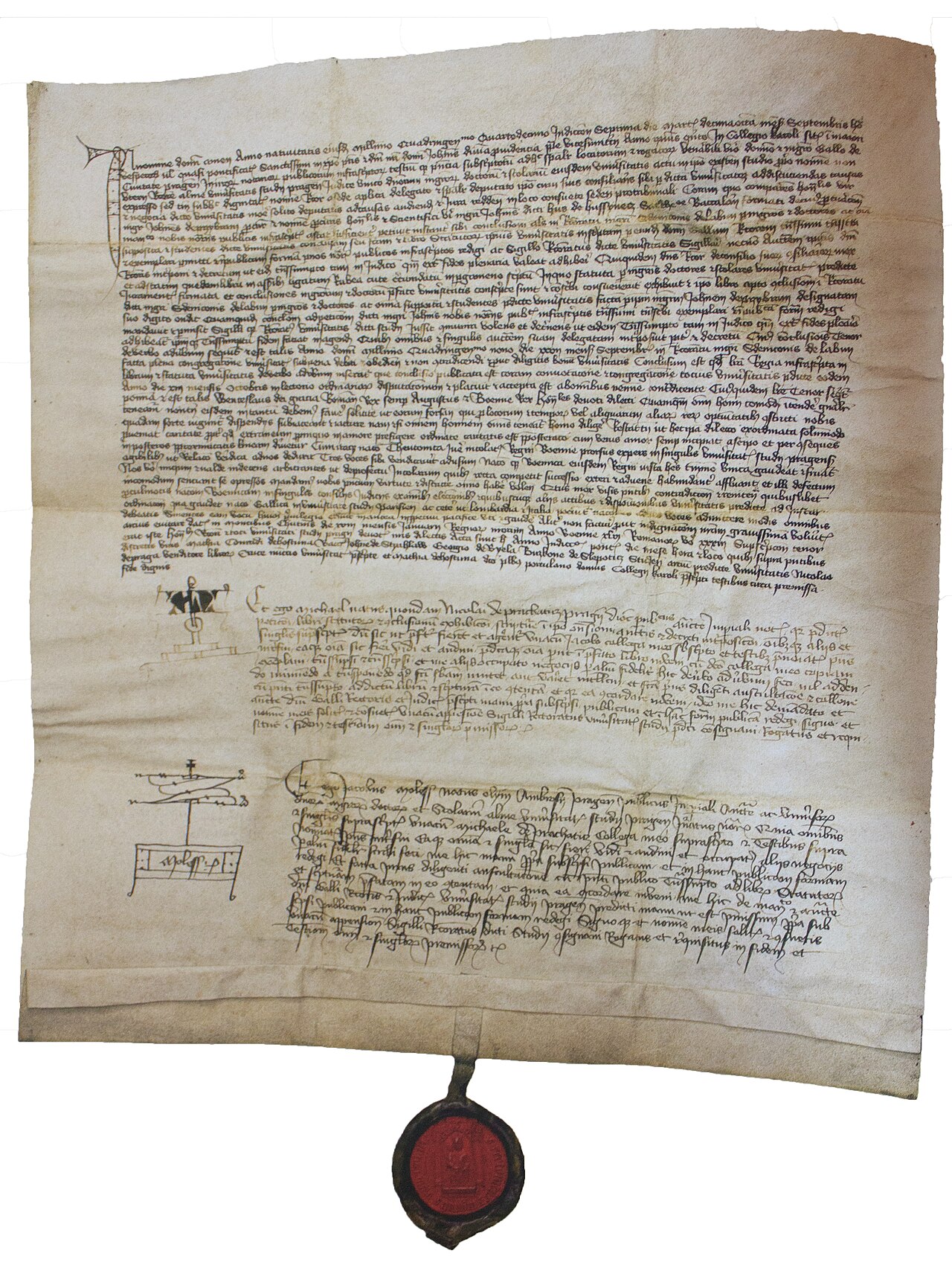
Decree of Kutná Hora
Wenceslaus IV of Bohemia · 18 January 1409
Ready when you are
Start chatting with Jan Hus now.
20 messages free · No credit card · Available in 50+ languages.