


Primary sourceArtifact1923
Dippermouth Blues
King Oliver's Creole Jazz Band · 1923
A 1923 recording by King Oliver's Creole Jazz Band featuring the young Louis Armstrong as second cornet alongside his mentor.
Armstrong appears here as a young second cornetist learning from his mentor, King Oliver, early in his career.
About this source
What it is
This acoustic recording was made by King Oliver's Creole Jazz Band in 1923, with Louis Armstrong playing second cornet alongside his mentor, King Oliver, on one of Armstrong's earliest recording sessions.
Why it matters
Before he became famous as a bandleader and soloist, Armstrong learned his craft inside King Oliver's band. This recording lets us hear him as a young musician still playing a supporting role, showing how the mentor-student relationship between Oliver and Armstrong shaped the direction of early jazz.
Look closer
- What might it have felt like for Armstrong to play second cornet to the man who taught him?
- Why do you think recordings like this one sound different from Armstrong's later, more famous records?
- What does this recording leave out about Armstrong's own musical personality, which had not yet fully emerged?
This artifact is part of the curated material that grounds the AI version of Louis Armstrong on Humy.ai — when students ask about related events, the AI can quote it and cite it.
More Louis Armstrong sources
Meet the AI Louis Armstrong →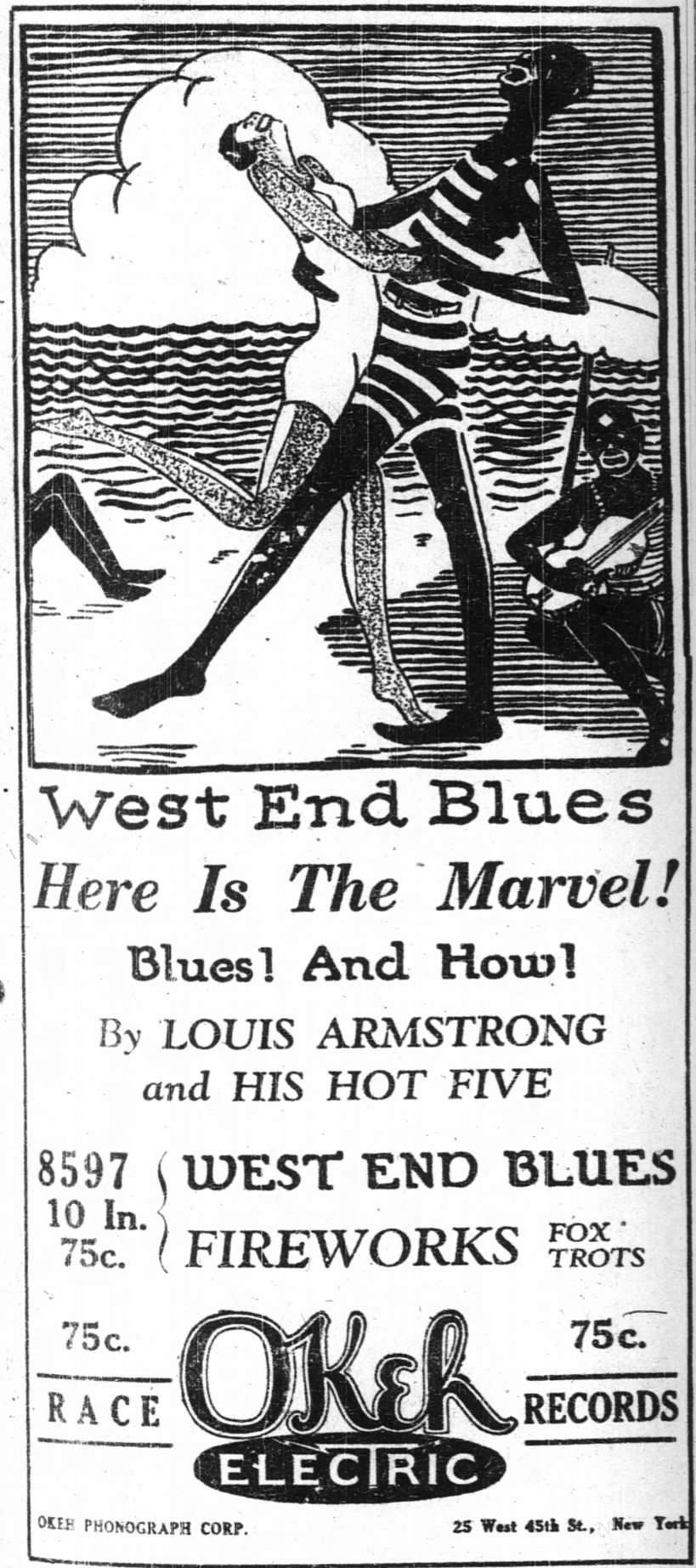 Artifact
Primary source
West End Blues
Louis Armstrong and His Hot Five · 1928
 Artifact
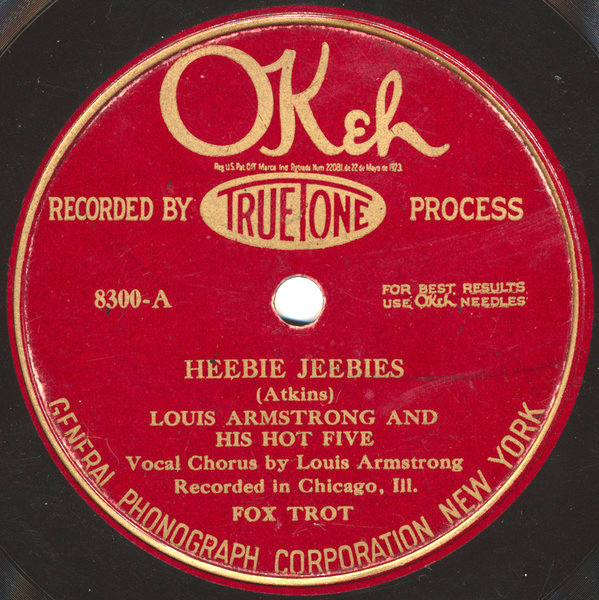
Primary source
Heebie Jeebies
Louis Armstrong and His Hot Five · 1926
 Artifact
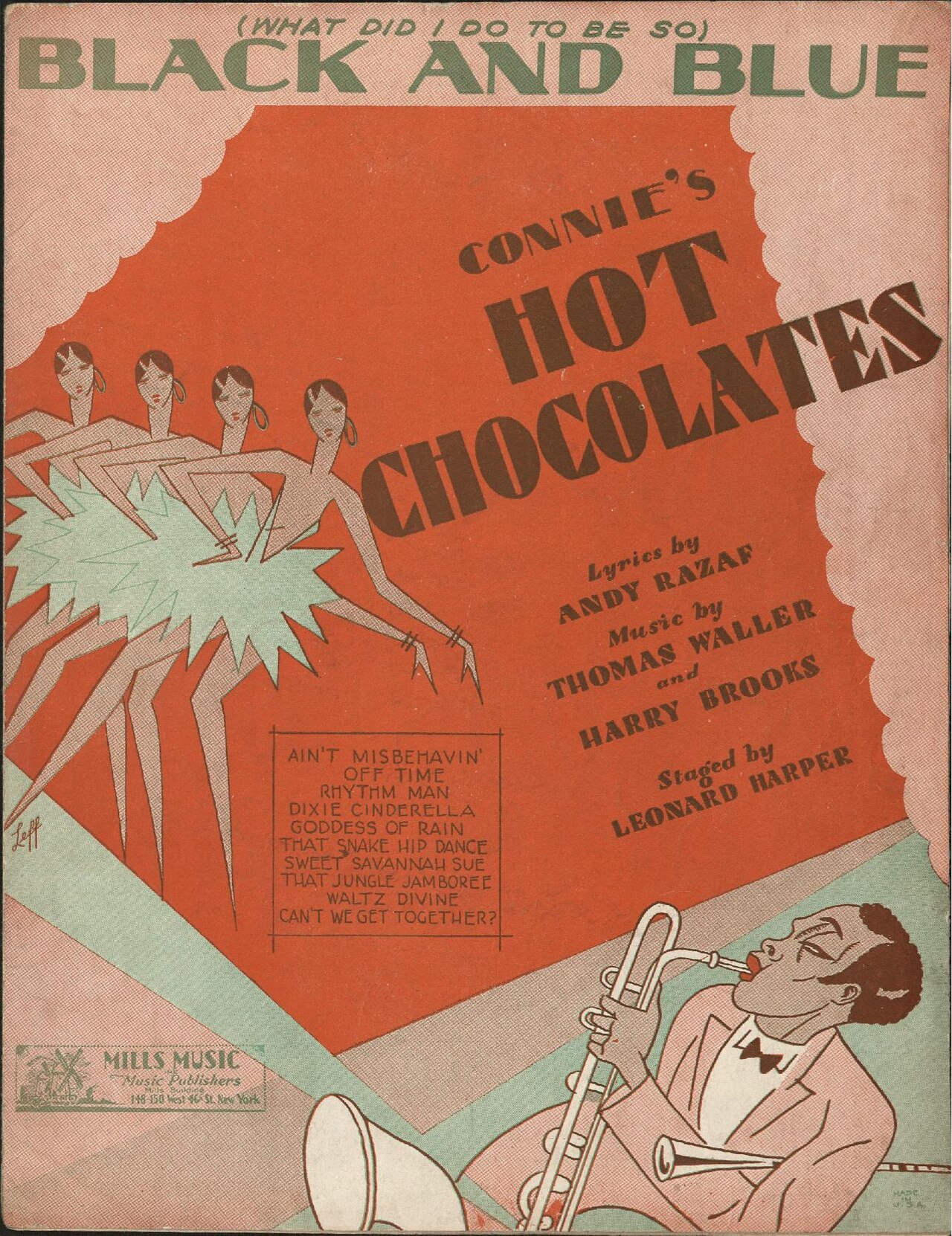
Primary source
(What Did I Do to Be So) Black and Blue
Fats Waller, Harry Brooks, Andy Razaf · 1929
 Artifact
Primary source
Louis Armstrong House
Robert W. Johnson (architect) · 1910 (built); home of Armstrong 1943-1971
 Photograph
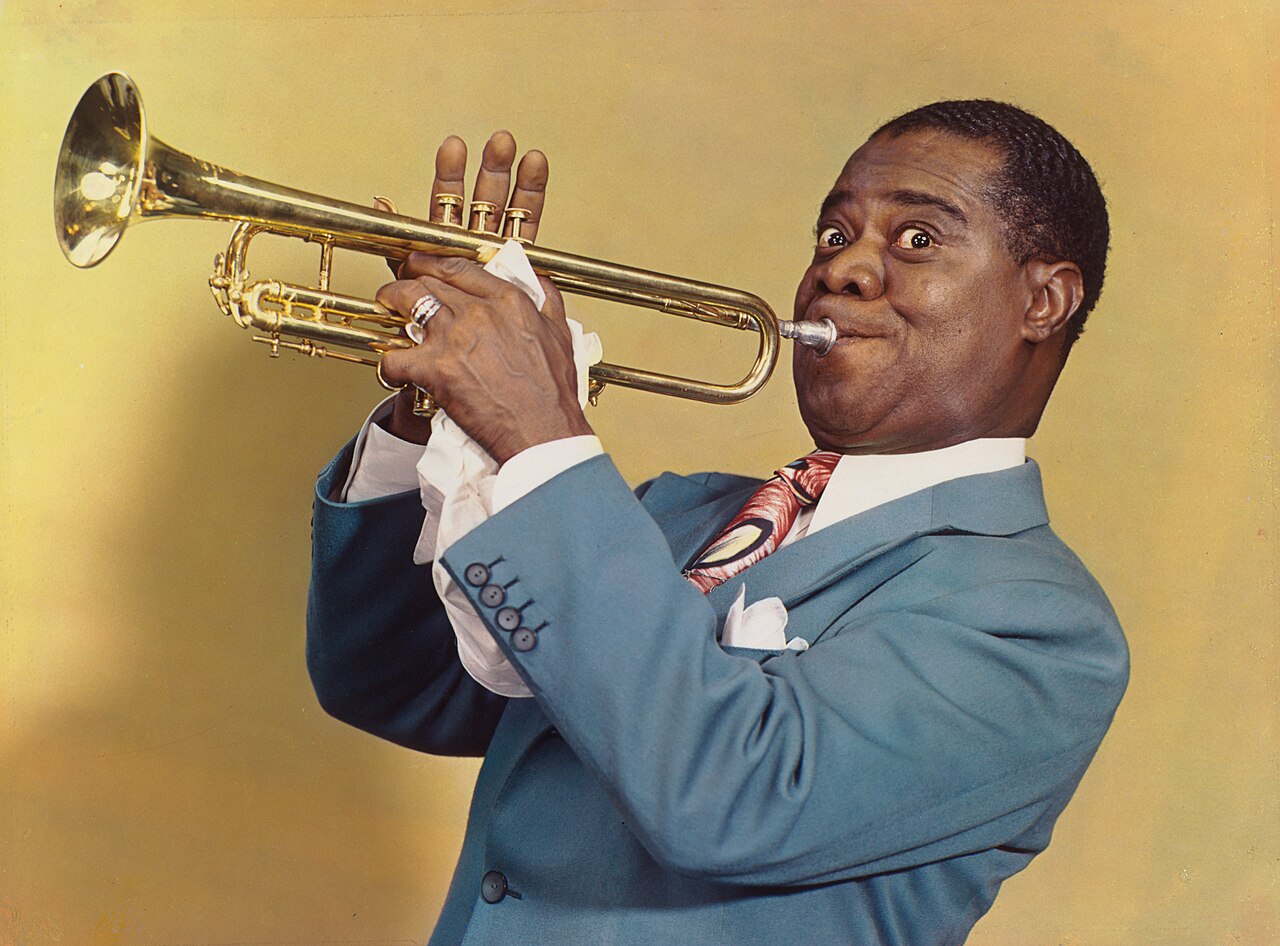
Primary source
Louis Armstrong, by Harry Warnecke and Gus Schoenbaechler
Harry Warnecke and Gus Schoenbaechler · 1947
Ready when you are
Start chatting with Louis Armstrong now.
20 messages free · No credit card · Available in 50+ languages.