


Primary sourceArtifact1899 (discovery); 1907 (mounted)
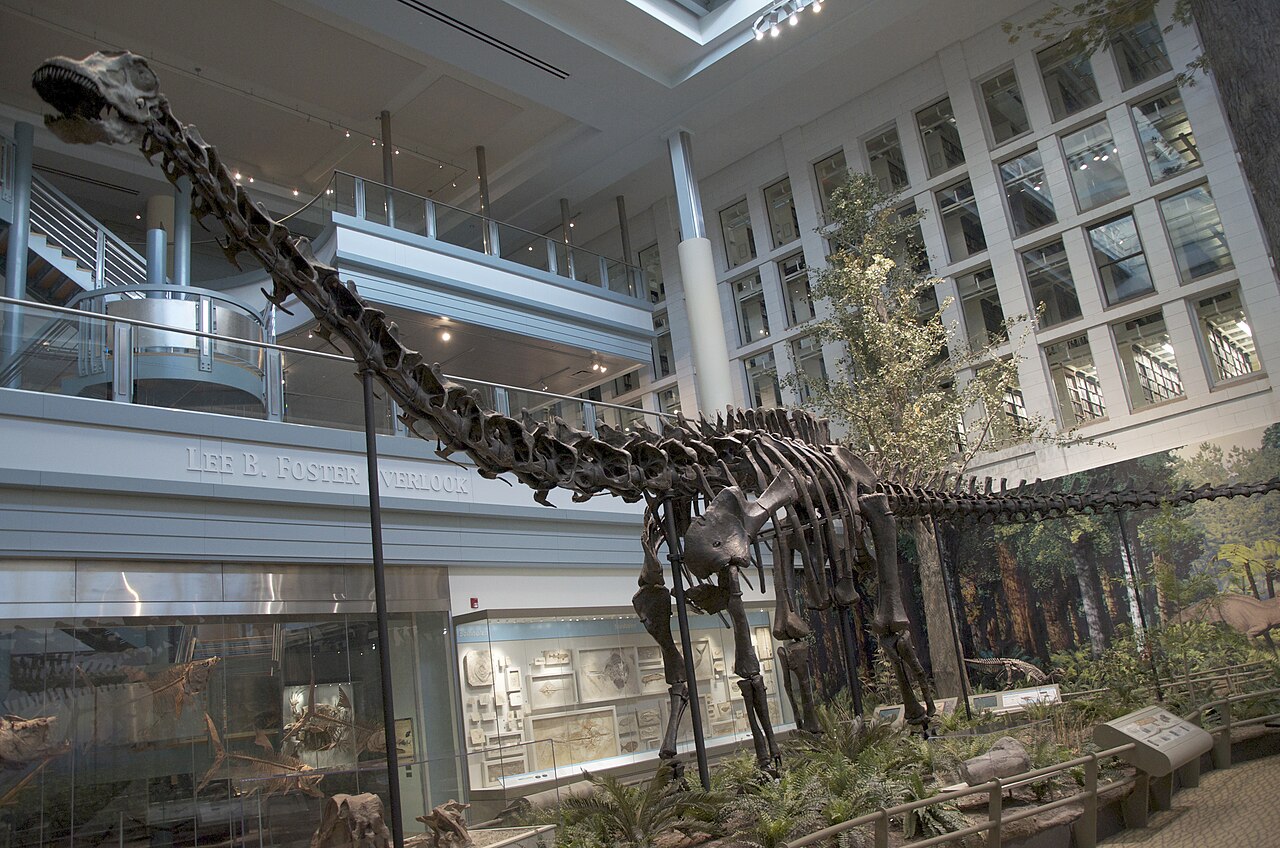
Dippy the Diplodocus
1899 (discovery); 1907 (mounted)
A Diplodocus skeleton named after Andrew Carnegie, whose casts he donated to museums and monarchs across the world as gifts for peace and diplomacy.
Carnegie financed the skeleton's excavation and had it named after him, then used casts of it as gifts in international diplomacy.
About this source
What it is
Dippy is a composite Diplodocus skeleton excavated in Wyoming beginning in 1899 on an expedition financed by Andrew Carnegie. It is the holotype of the species Diplodocus carnegii, named for Carnegie, and the original is held at the Carnegie Museum of Natural History in Pittsburgh, on display since 1907.
Why it matters
Paleontologist John Bell Hatcher supervised the excavation and study of the skeleton. Carnegie paid to have plaster casts made and donated them to museums and heads of state in cities including Berlin, Paris, Vienna, St Petersburg, Madrid, Mexico City and La Plata, and to the Natural History Museum in London. His great-grandson explained these gifts as an attempt to use shared scientific interest to open dialogue between nations, a form of 'dinosaur diplomacy.' The casts made the word 'dinosaur' known worldwide and gave millions of people their first sight of one.
Look closer
- Why might a wealthy industrialist choose to fund science and then give away copies of a dinosaur skeleton to foreign governments?
- What does the nickname 'dinosaur diplomacy' suggest about Carnegie's motives?
- What does this skeleton's fame tell you about how museums and public displays shape what we know?
This artifact is part of the curated material that grounds the AI version of Andrew Carnegie on Humy.ai — when students ask about related events, the AI can quote it and cite it.
More Andrew Carnegie sources
Meet the AI Andrew Carnegie →Primary source
The Gospel of Wealth
Andrew Carnegie · June 1889
 Book
Primary source
The Autobiography of Andrew Carnegie
Andrew Carnegie · 1920 (published posthumously)
 Newspaper article
Primary source
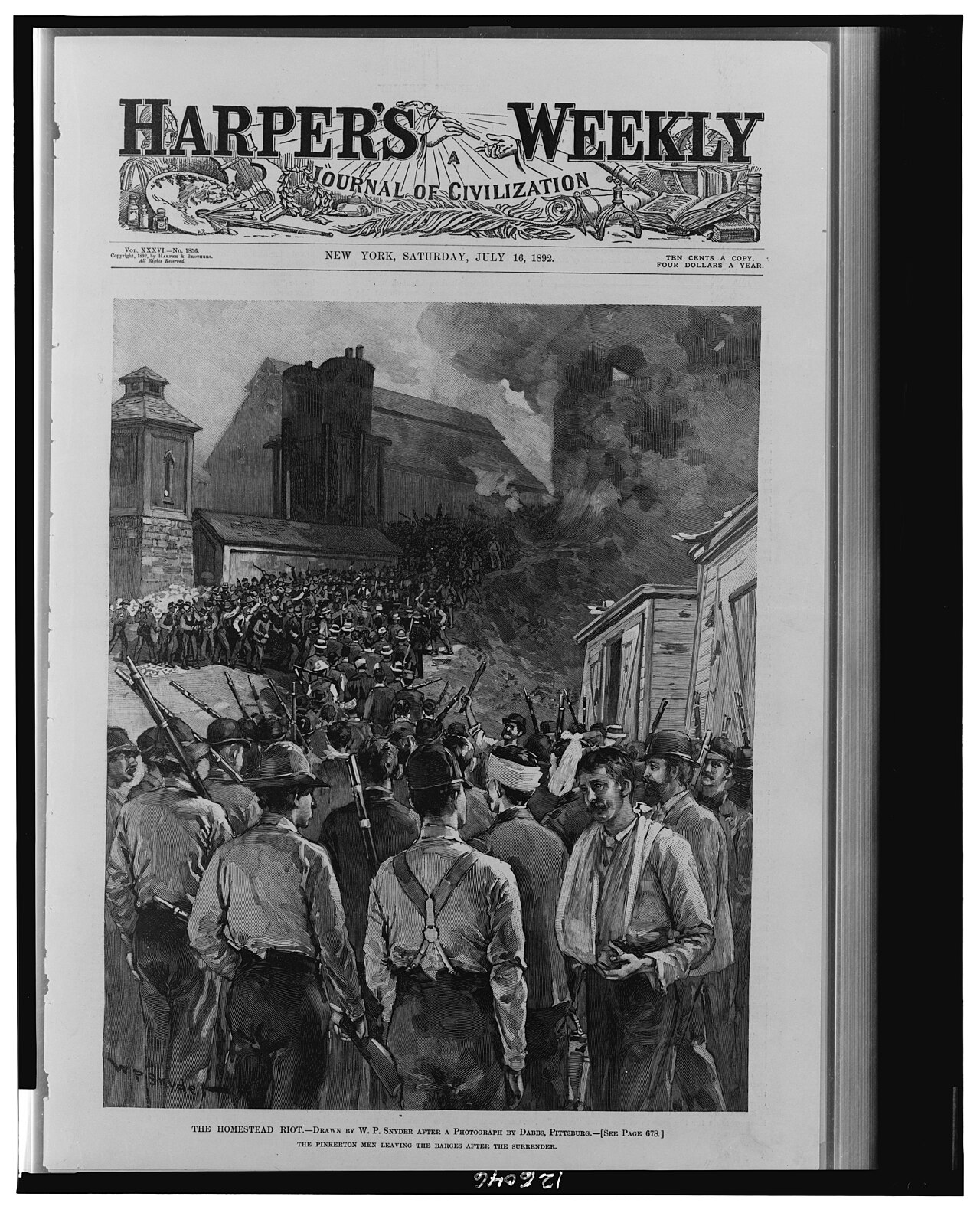
The Homestead Riot
W. P. Snyder · 16 July 1892
 Photograph
Primary source
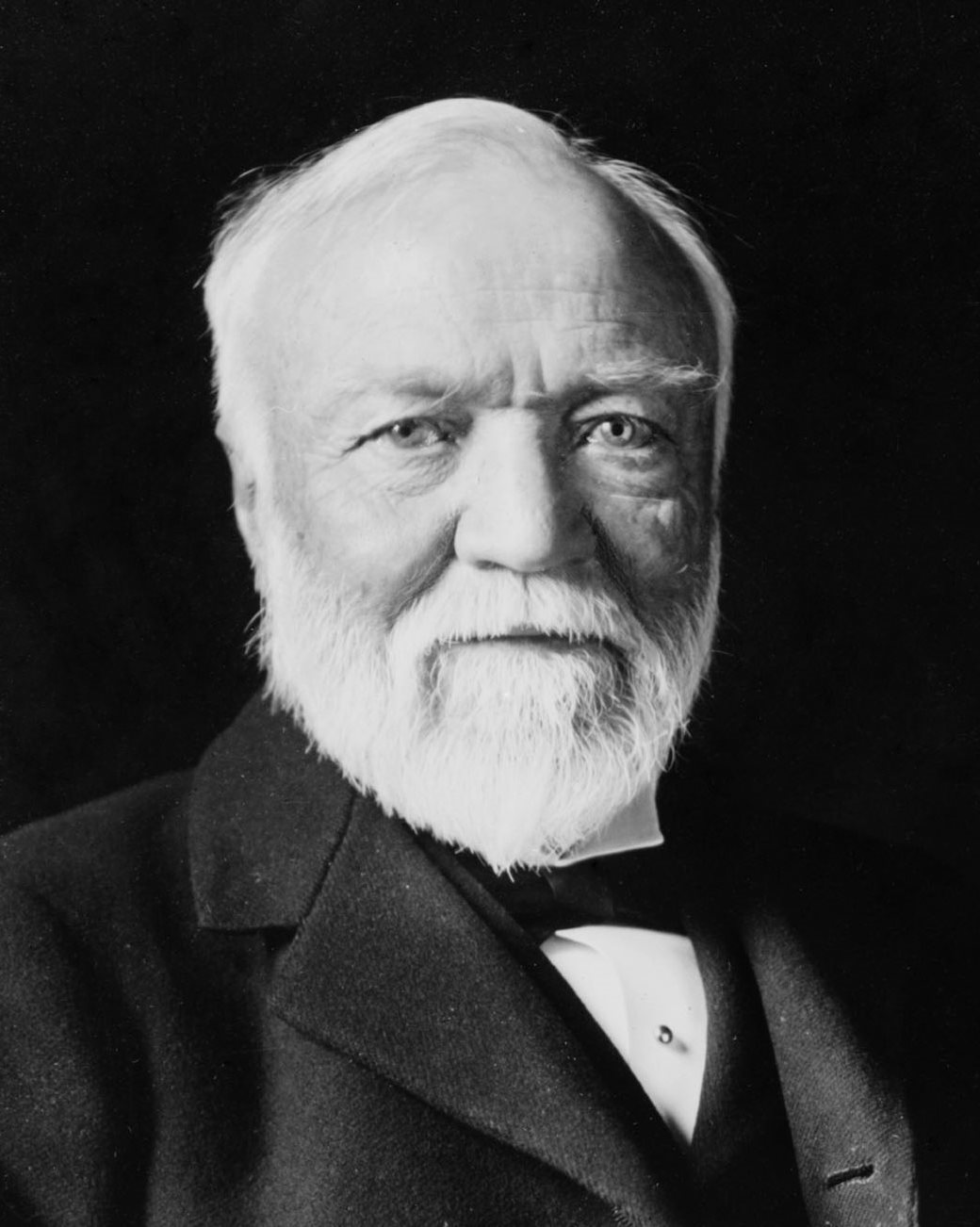
Portrait of Andrew Carnegie
1913
 Letter
Primary source
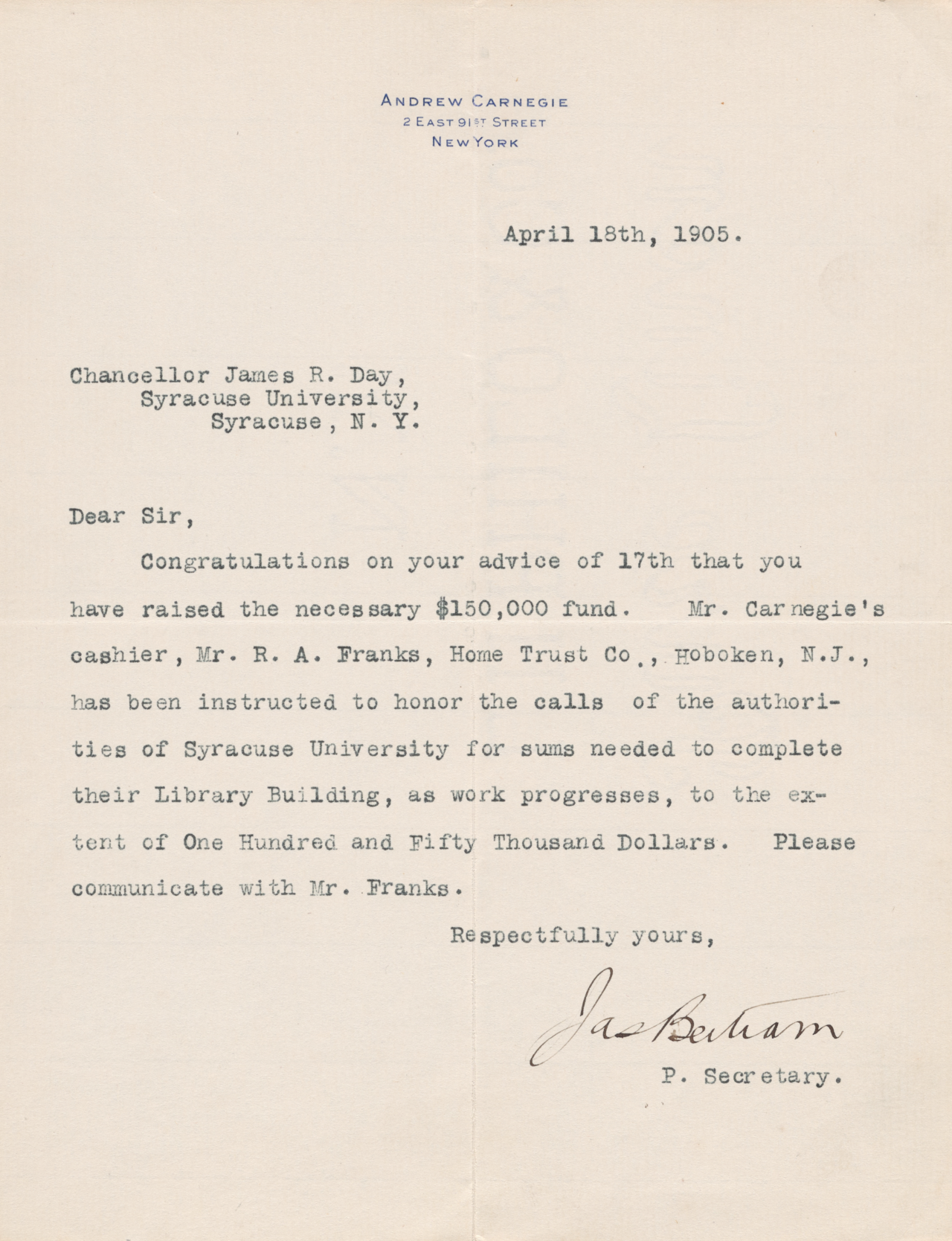
Andrew Carnegie Papers
Andrew Carnegie · 18 April 1905
Ready when you are
Start chatting with Andrew Carnegie now.
20 messages free · No credit card · Available in 50+ languages.