


Secondary sourcePainting1847
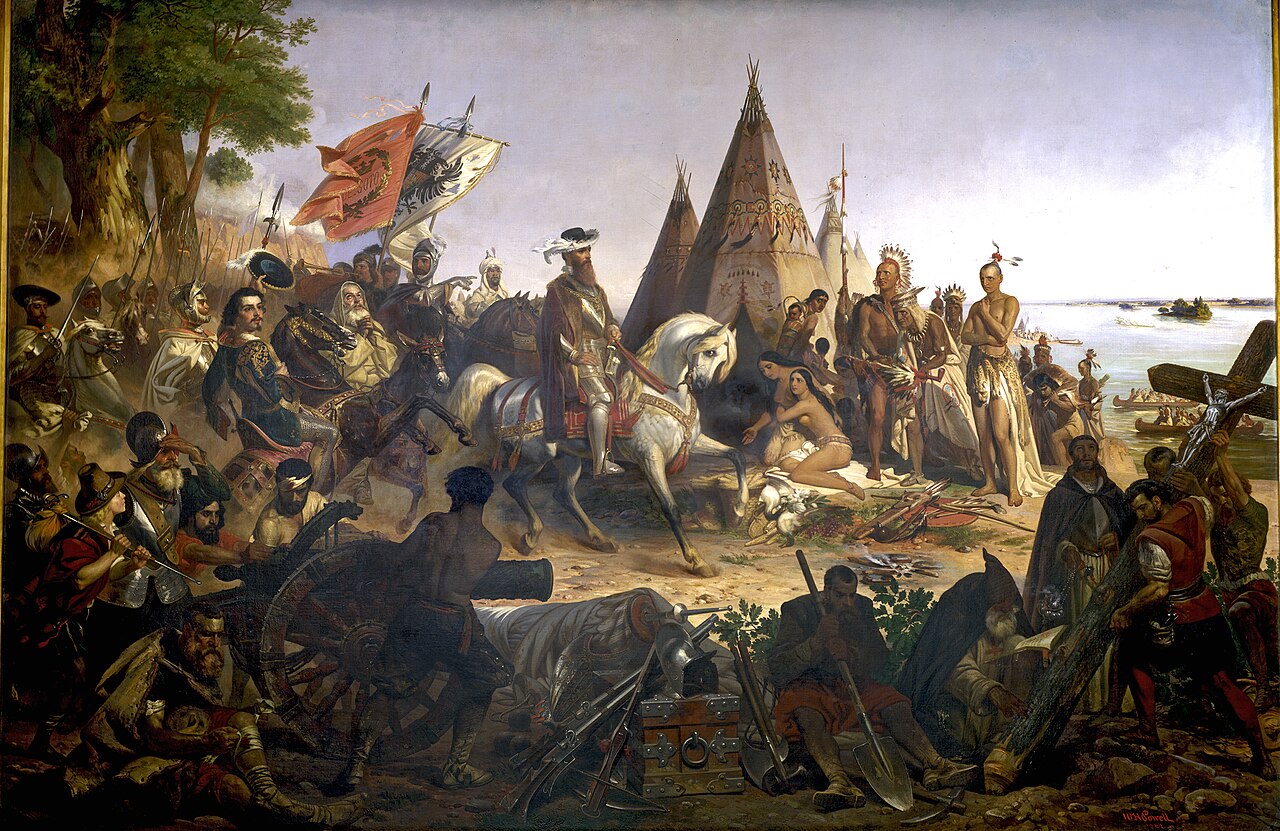
Discovery of the Mississippi by De Soto
William Henry Powell · 1847
A large 1847 history painting showing Hernando de Soto on horseback encountering Native Americans at the Mississippi River.
This painting depicts de Soto as the heroic 'discoverer' of the Mississippi, a legend built long after his death.
About this source
What it is
This monumental oil painting by William Henry Powell, completed in 1847, hangs in the Capitol Rotunda in Washington, D.C. It shows Hernando de Soto on a white horse, presented as the first European to see the Mississippi River, approaching Native Americans near their tents while soldiers, weapons and a crucifix appear in the foreground.
Why it matters
Painted over two centuries after de Soto's expedition, this work reflects how nineteenth-century America wanted to remember its history, casting de Soto as a heroic discoverer. Its placement in the Capitol shows how national myths were built around early explorers, often leaving out the violence and suffering of the Native peoples they encountered.
Look closer
- What does the painting choose to show, and what might it be leaving out?
- Why do you think de Soto is shown on a white horse, calm and commanding, while a jumble of weapons suggests recent conflict?
- Why might the United States Congress have wanted this scene in the Capitol building?
This painting is part of the curated material that grounds the AI version of Hernando de Soto on Humy.ai — when students ask about related events, the AI can quote it and cite it.
More Hernando de Soto sources
Meet the AI Hernando de Soto →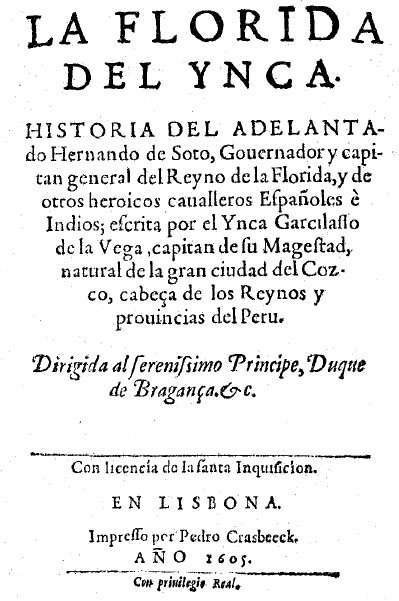 Book
Secondary source
La Florida del Inca
Inca Garcilaso de la Vega · 1605
 Book
Primary source
Verdadera relación de la conquista del Perú
Francisco de Jerez · 1534 (this edition 1891)
 Artifact
Primary source
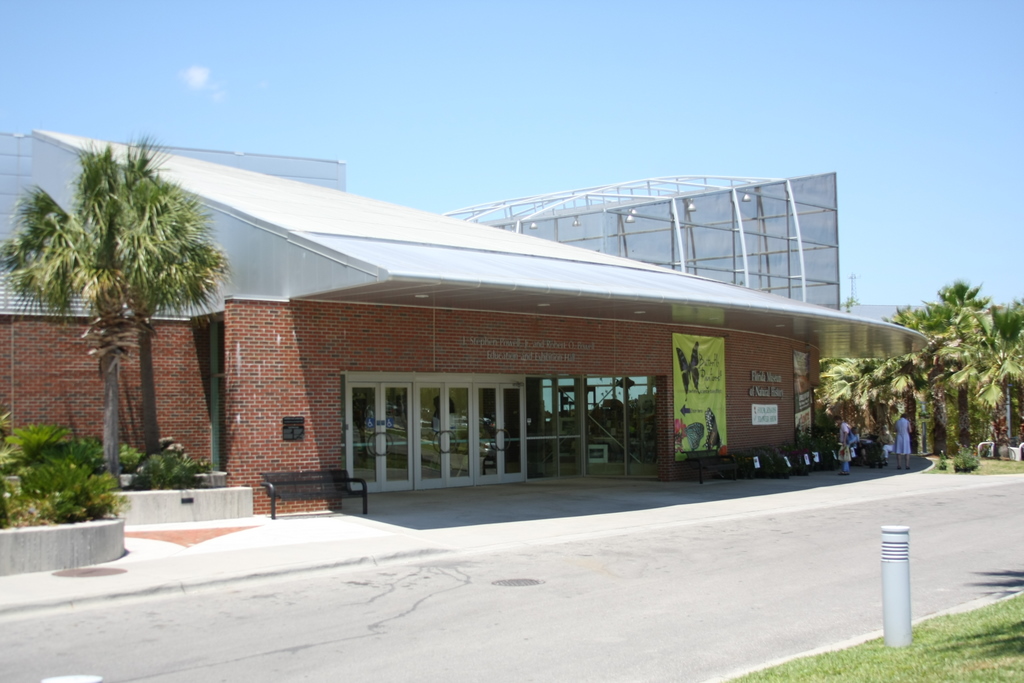
Florida Museum of Natural History
 Book
Primary source
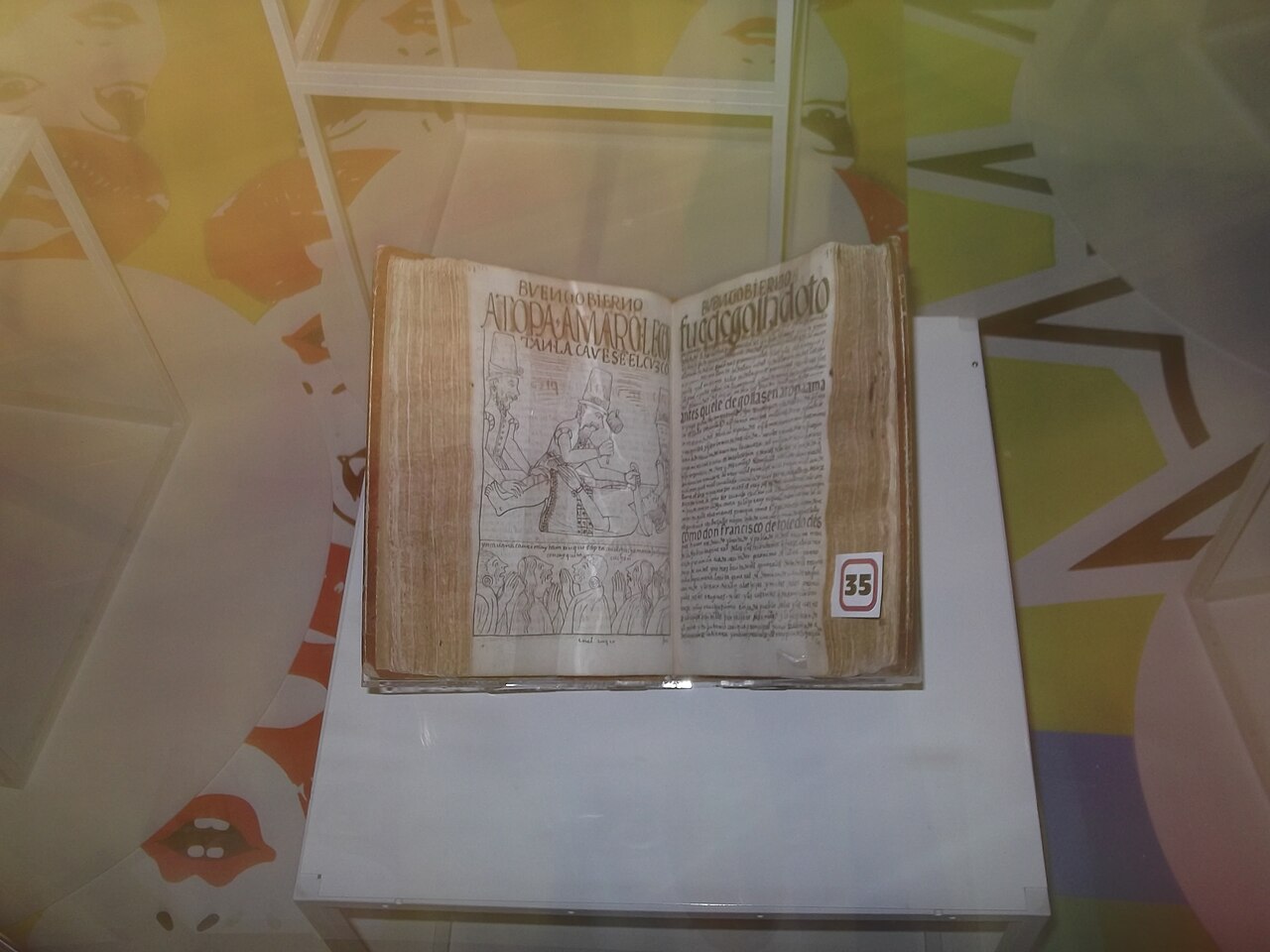
El primer nueva corónica y buen gobierno
Felipe Guaman Poma de Ayala · c. 1615
 Artifact
Primary source
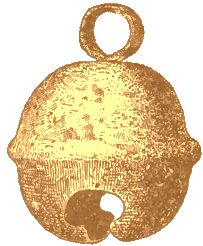
Hawk's Bell from a Tennessee Mound
16th century
Ready when you are
Start chatting with Hernando de Soto now.
20 messages free · No credit card · Available in 50+ languages.