


Primary sourceArtifact
Florida Museum of Natural History
A state museum in Gainesville, Florida, whose collections include archaeological evidence linked to de Soto's expedition.
Holdings from a Florida burial mound give physical evidence of violent contact between de Soto's army and Native peoples.
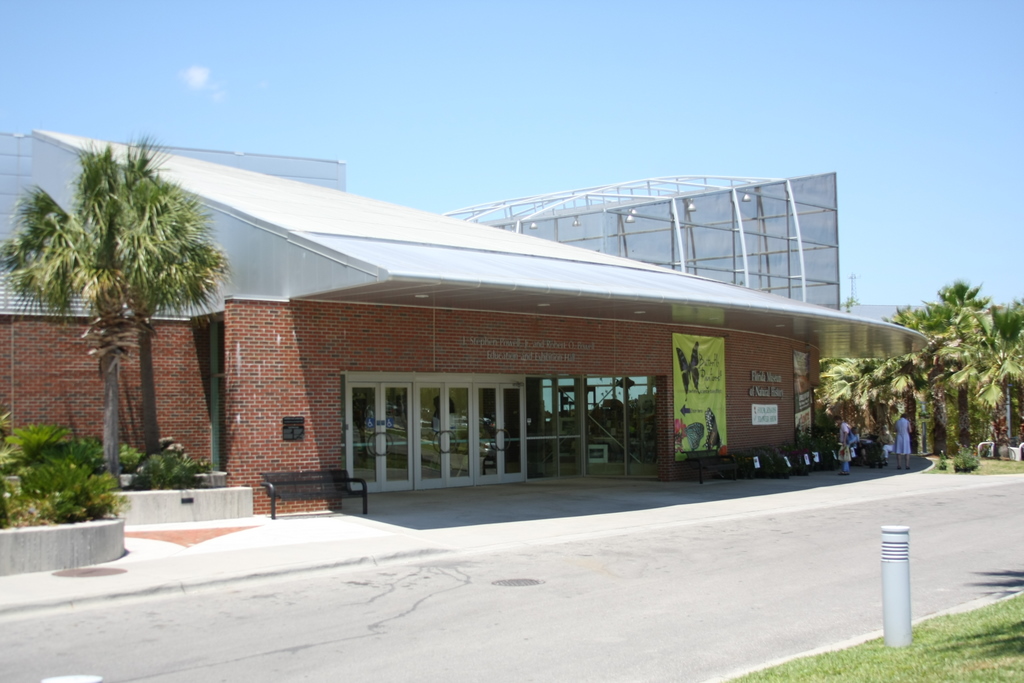
About this source
What it is
The Florida Museum of Natural History is the official state-chartered natural history museum of Florida, located on the University of Florida campus in Gainesville. Among its holdings connected to this topic is material from a Florida burial mound containing sixteenth-century Spanish iron and glass beads, along with Native American remains showing sword wounds.
Why it matters
This archaeological evidence likely records violent contact between Native peoples and Hernando de Soto's army, which passed through Florida in the 1530s. Physical remains like these provide a different kind of historical evidence than written chronicles, showing the direct impact of the expedition on Indigenous communities.
Look closer
- Why might archaeological evidence tell a different story than written accounts from the Spanish side?
- What does evidence of sword wounds suggest about the nature of contact with de Soto's expedition?
- Why is it important for museums to collect and preserve this kind of physical evidence?
This artifact is part of the curated material that grounds the AI version of Hernando de Soto on Humy.ai — when students ask about related events, the AI can quote it and cite it.
More Hernando de Soto sources
Meet the AI Hernando de Soto →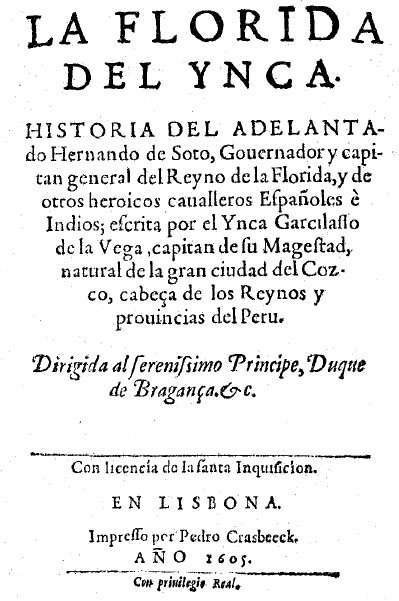 Book
Secondary source
La Florida del Inca
Inca Garcilaso de la Vega · 1605
 Book
Primary source
Verdadera relación de la conquista del Perú
Francisco de Jerez · 1534 (this edition 1891)
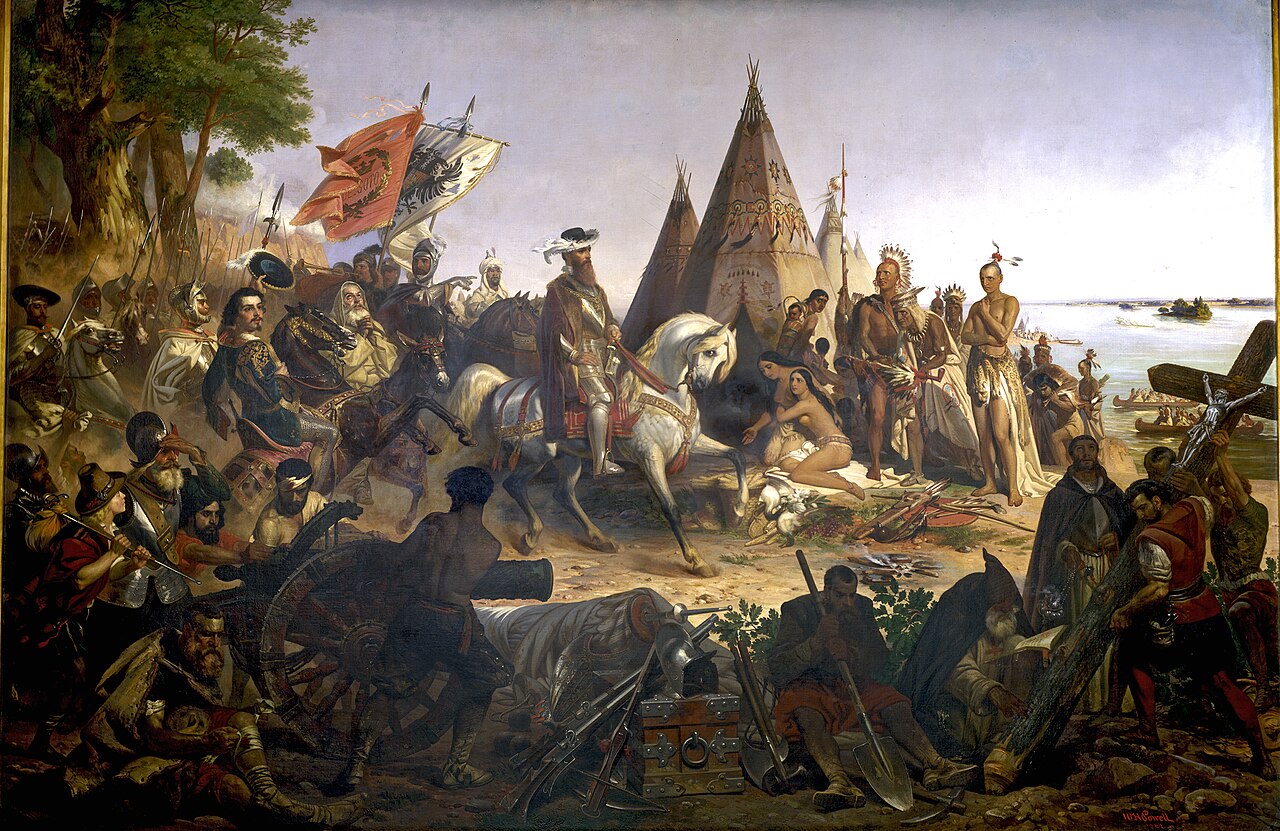 Painting
Secondary source
Discovery of the Mississippi by De Soto
William Henry Powell · 1847
 Book
Primary source
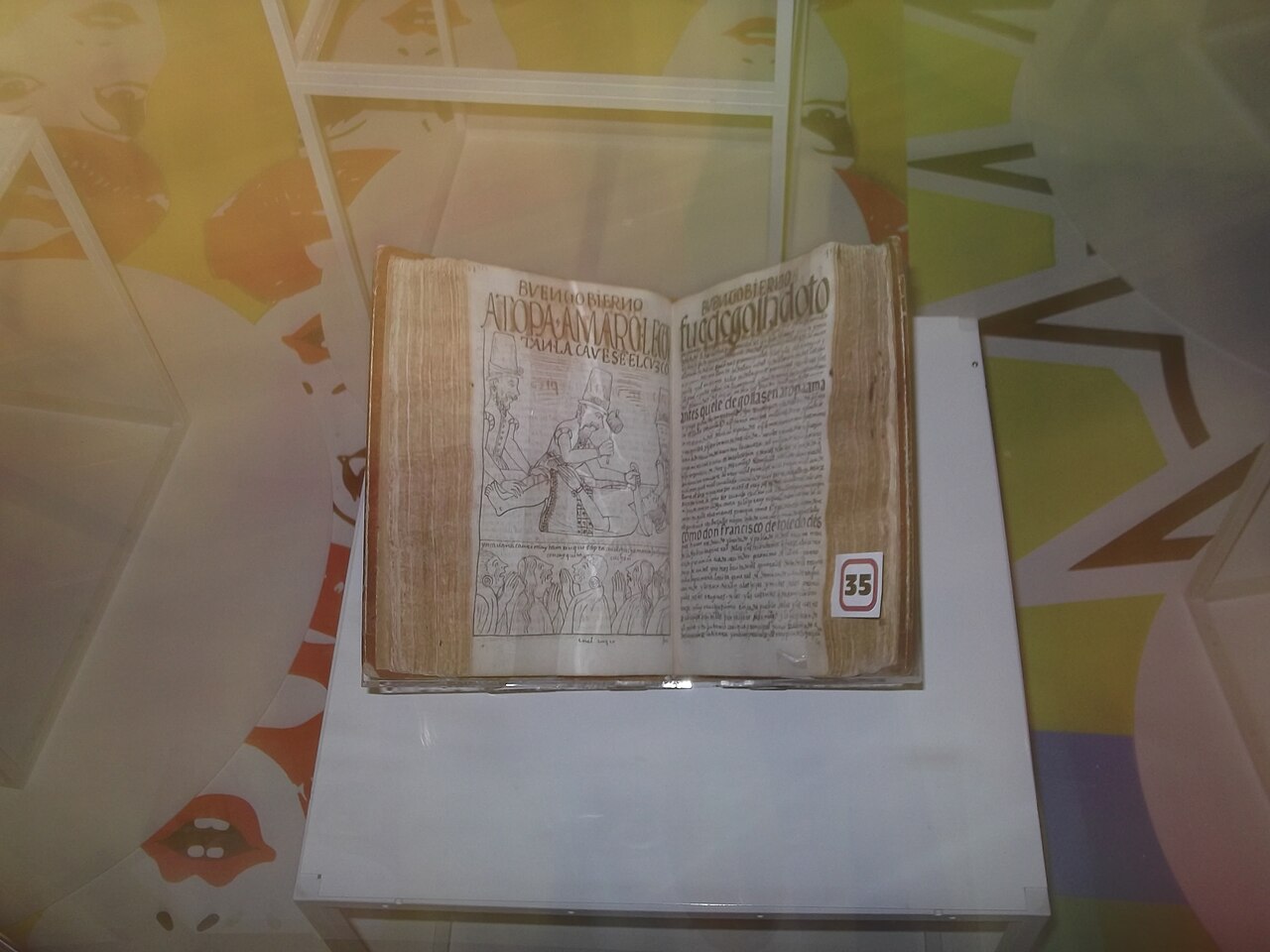
El primer nueva corónica y buen gobierno
Felipe Guaman Poma de Ayala · c. 1615
 Artifact
Primary source
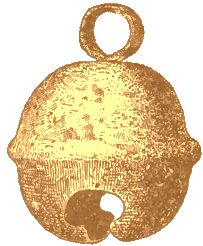
Hawk's Bell from a Tennessee Mound
16th century
Ready when you are
Start chatting with Hernando de Soto now.
20 messages free · No credit card · Available in 50+ languages.