


Primary sourceSculpturec. 2350-2300 BCE
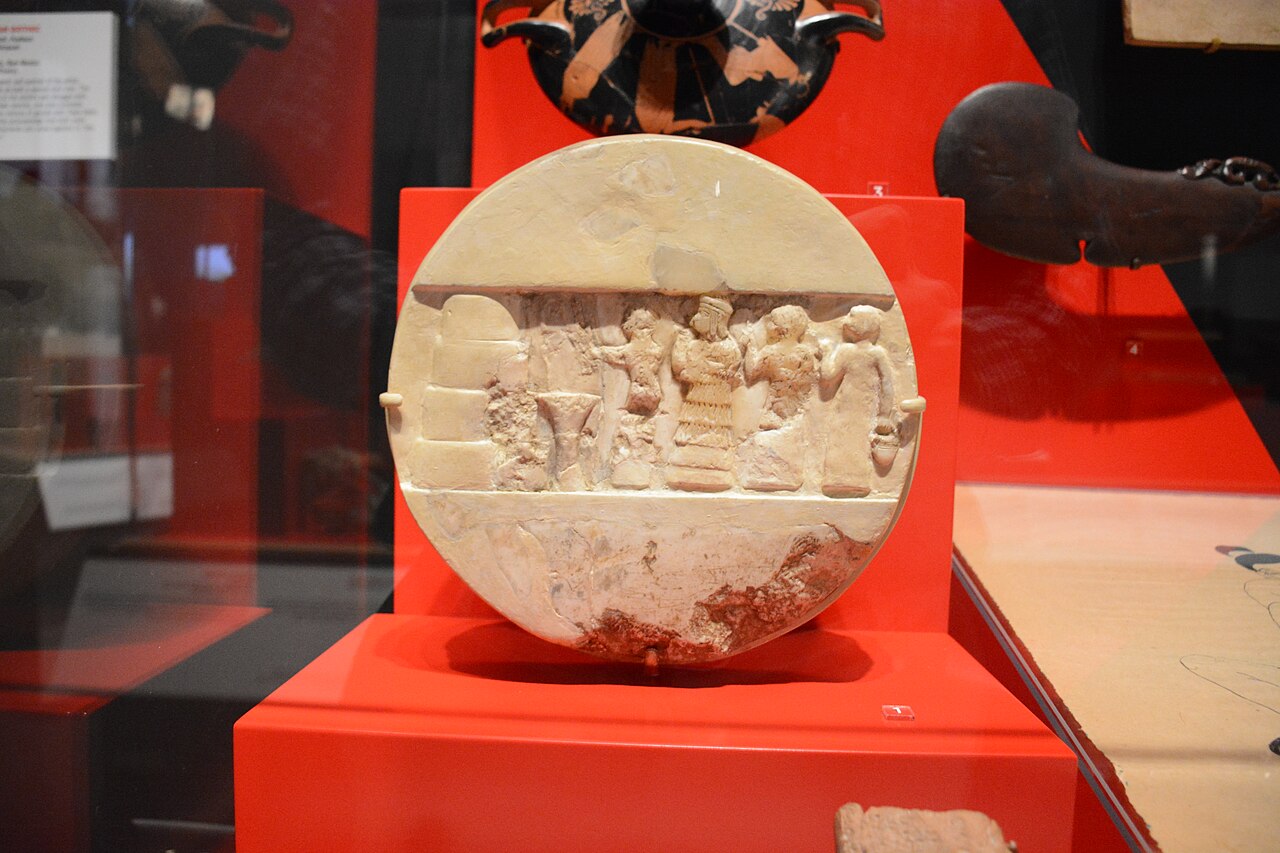
Disk of Enheduanna
c. 2350-2300 BCE
An alabaster disk from Ur naming Enheduanna, Sargon's daughter, as high priestess, showing how Sargon used religion to control Sumer.
This disk names Sargon's daughter Enheduanna as priestess, showing how Sargon used family and religion to secure his rule over Sumer.
Free Humy account · No credit card · 65,431 sources to read
About this source
What it is
This carved calcite disk, dated to around 2350-2300 BCE, was found in a temple chamber at Ur. It names Enheduanna, daughter of Sargon of Akkad, as high priestess of the moon god Nanna, and is now held at the University of Pennsylvania Museum.
Why it matters
The disk shows how Sargon placed his own daughter in a powerful religious position in a conquered Sumerian city, binding Sumer's temples to his new empire. It is important evidence for both Sargon's methods of rule and for Enheduanna, one of the earliest named authors in history.
Look closer
- Why might appointing a daughter as priestess have helped Sargon control Ur?
- What does the carved scene on the disk show about religious ceremony?
- What does this tell us about the role of women in royal families at this time?
This sculpture is part of the curated material that grounds the AI version of Sargon of Akkad on Humy.ai — when students ask about related events, the AI can quote it and cite it.
More Sargon of Akkad sources
Browse all 41 →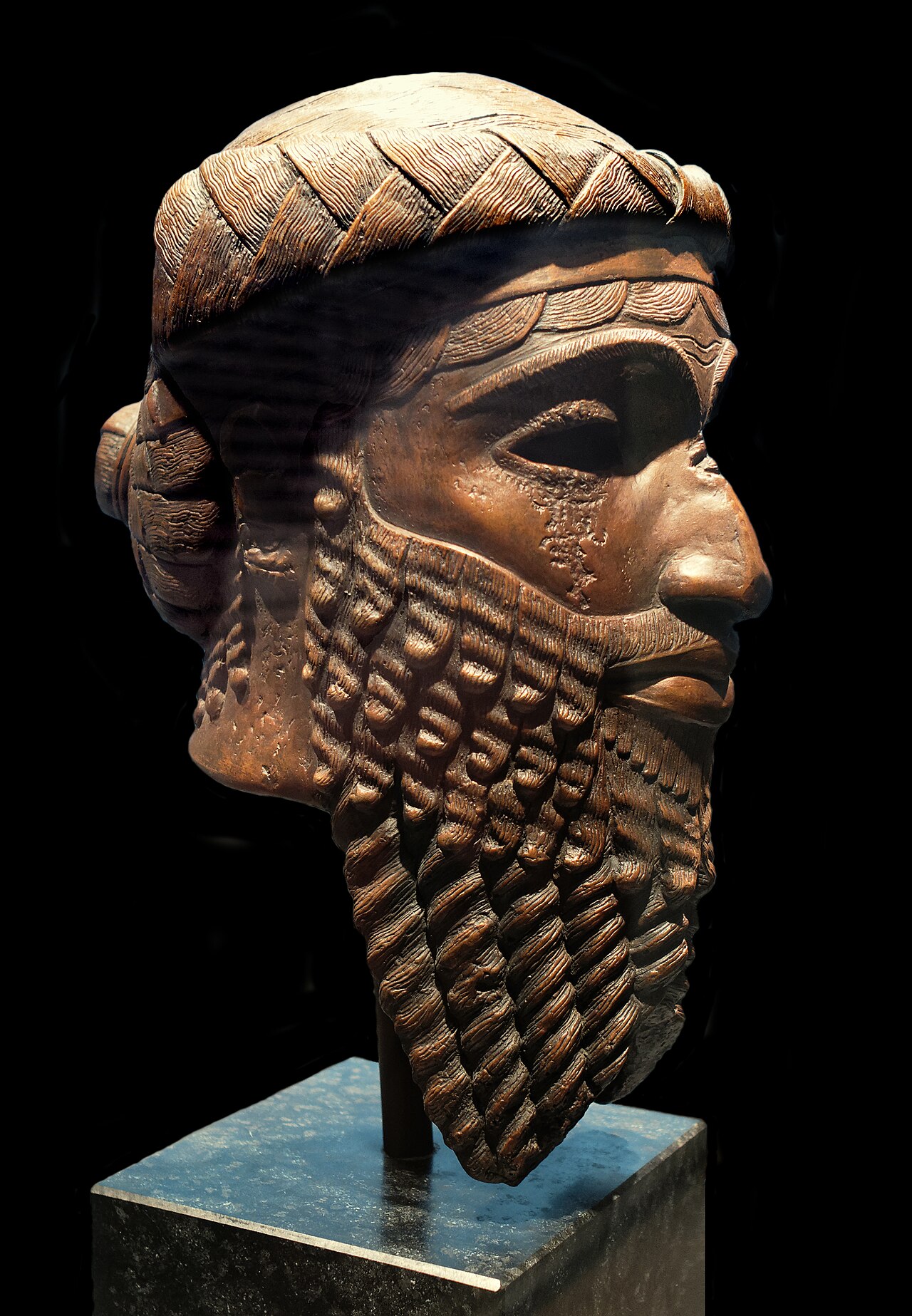 Sculpture
Primary source
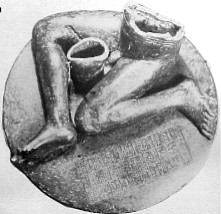
Head of an Akkadian Ruler
c. 2300 BCE
 Sculpture
Primary source
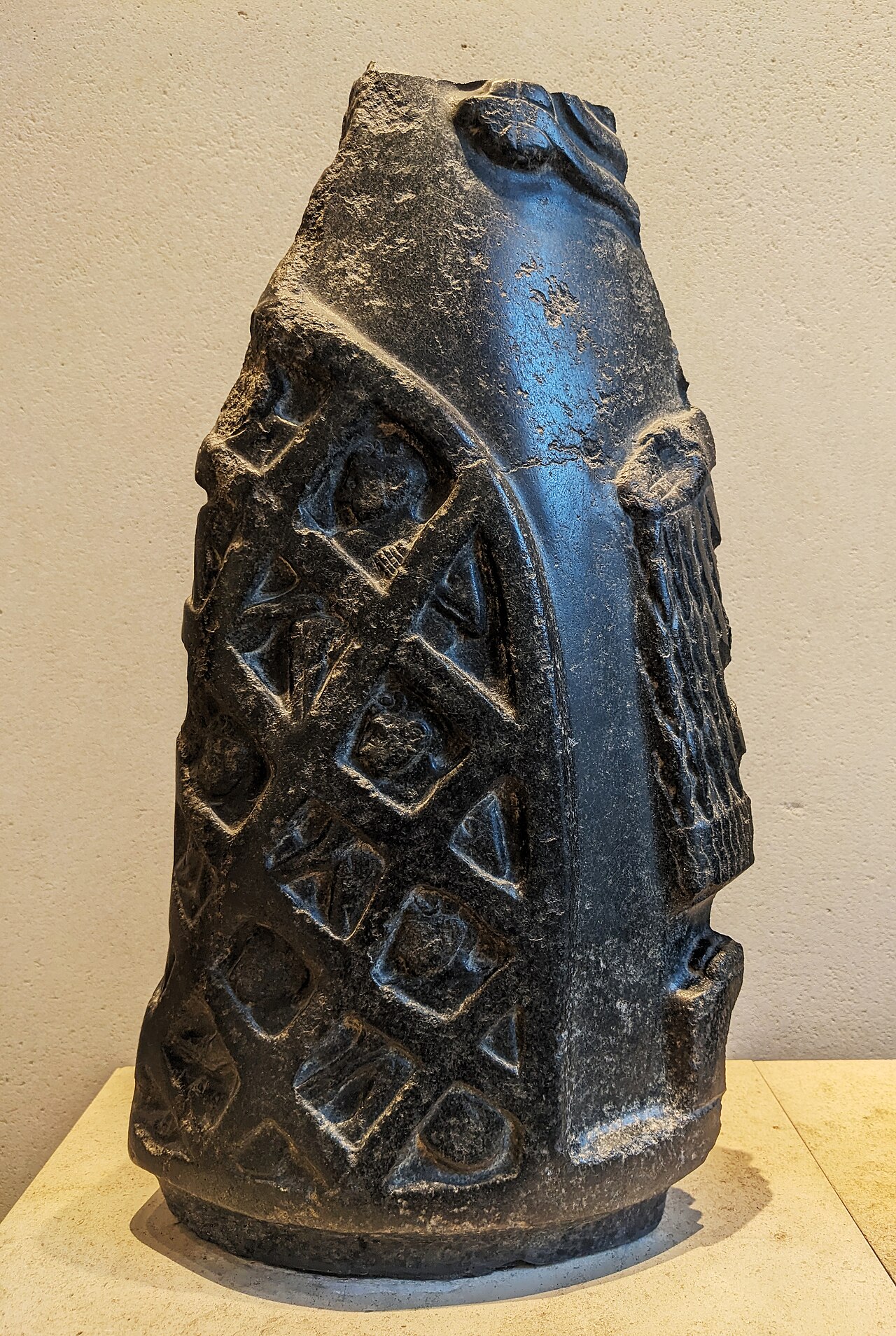
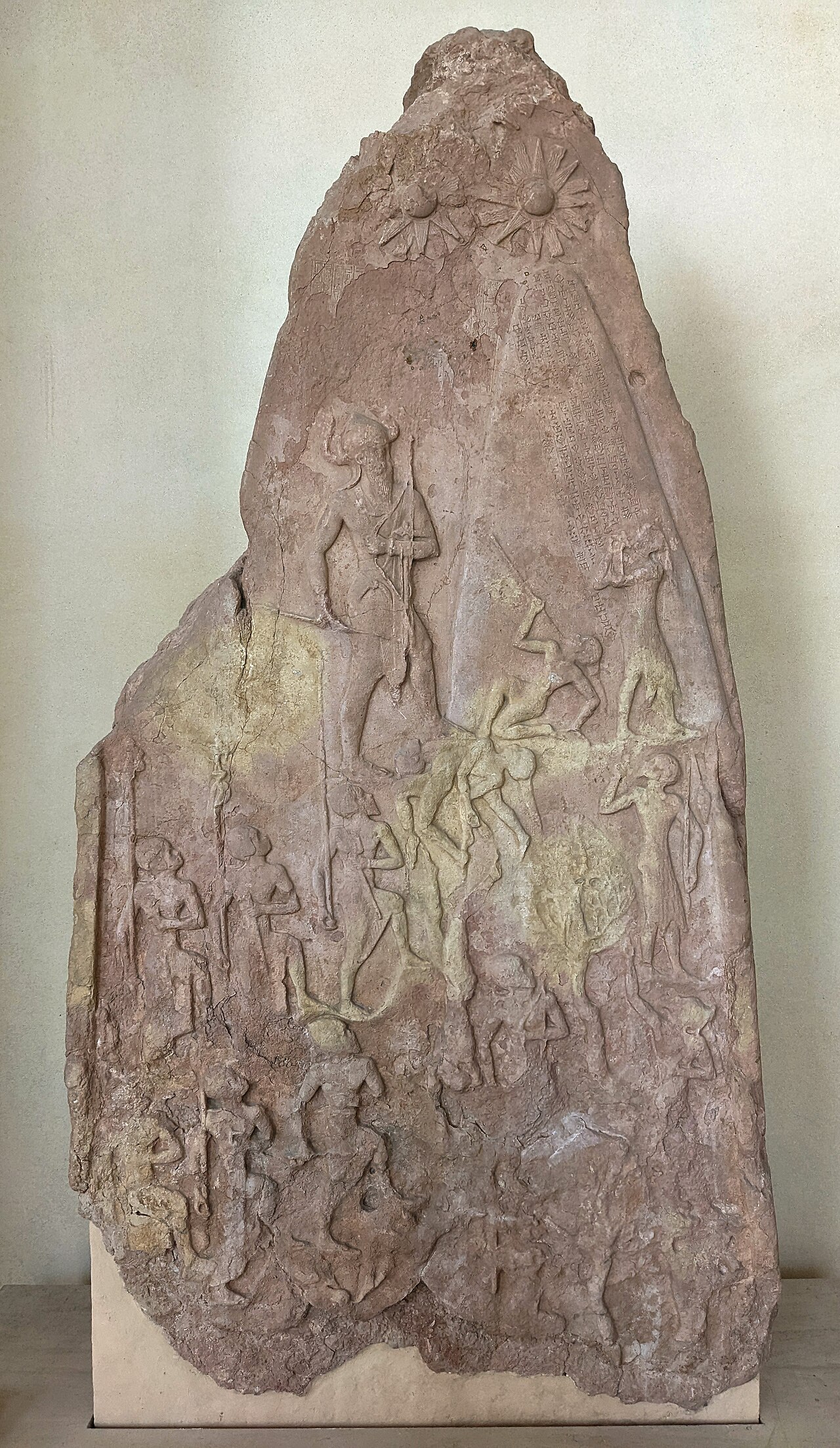
Victory Stele of Sargon
Akkadian royal workshop · c. 2300 BCE
 Document
Secondary source
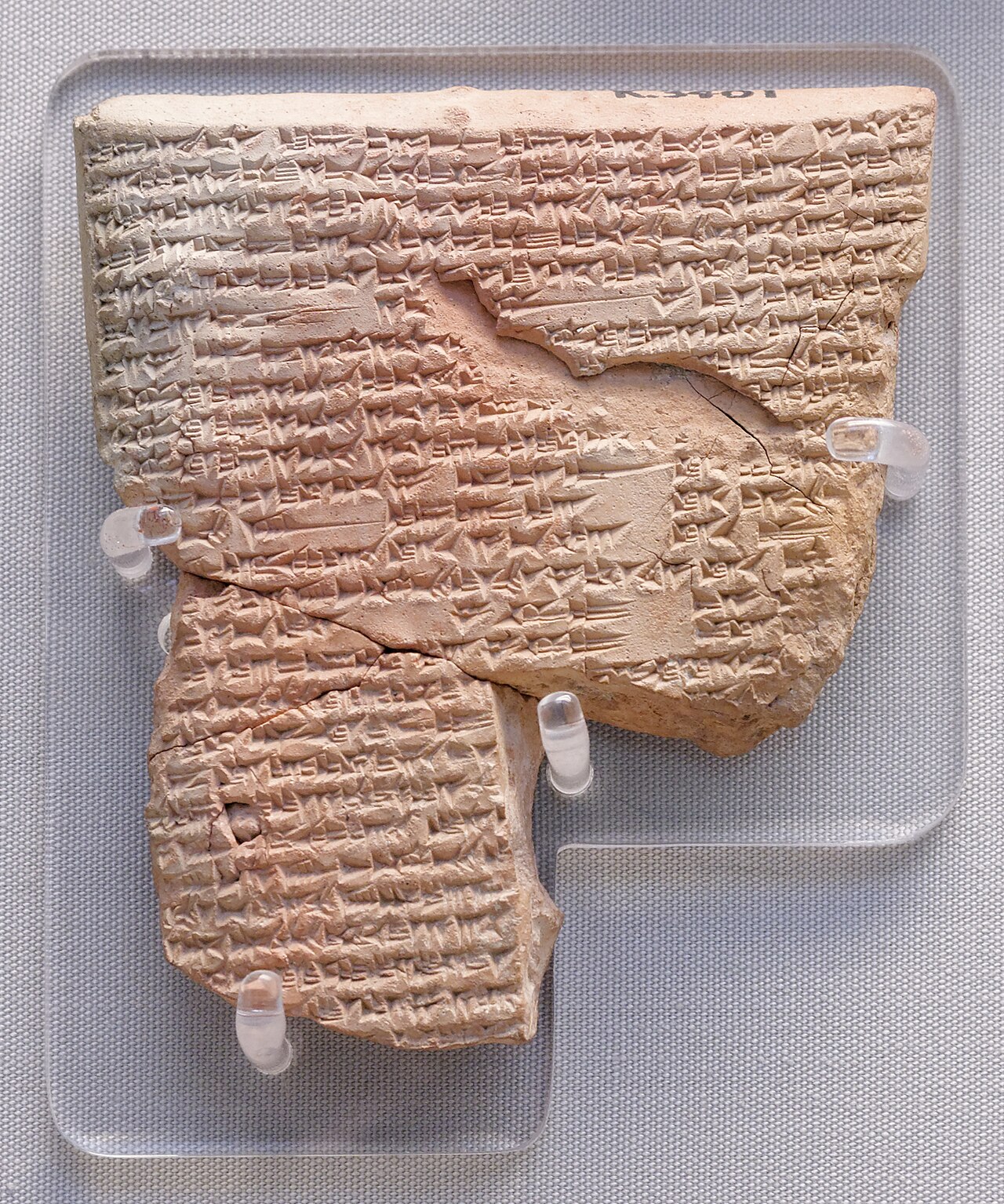
Birth of Sargon (Sargon Birth Legend Tablet)
Neo-Assyrian period
 Document
Secondary source
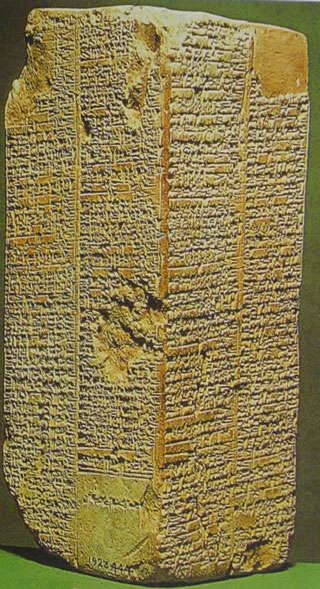
Weld-Blundell Prism
c. 1820 BCE
Free account
Read every Sargon of Akkad source
Sign up free →
Ready when you are
Start chatting with Sargon of Akkad now.
20 messages free · No credit card · Available in 50+ languages.