


Primary sourceSculpturec. 2300 BCE
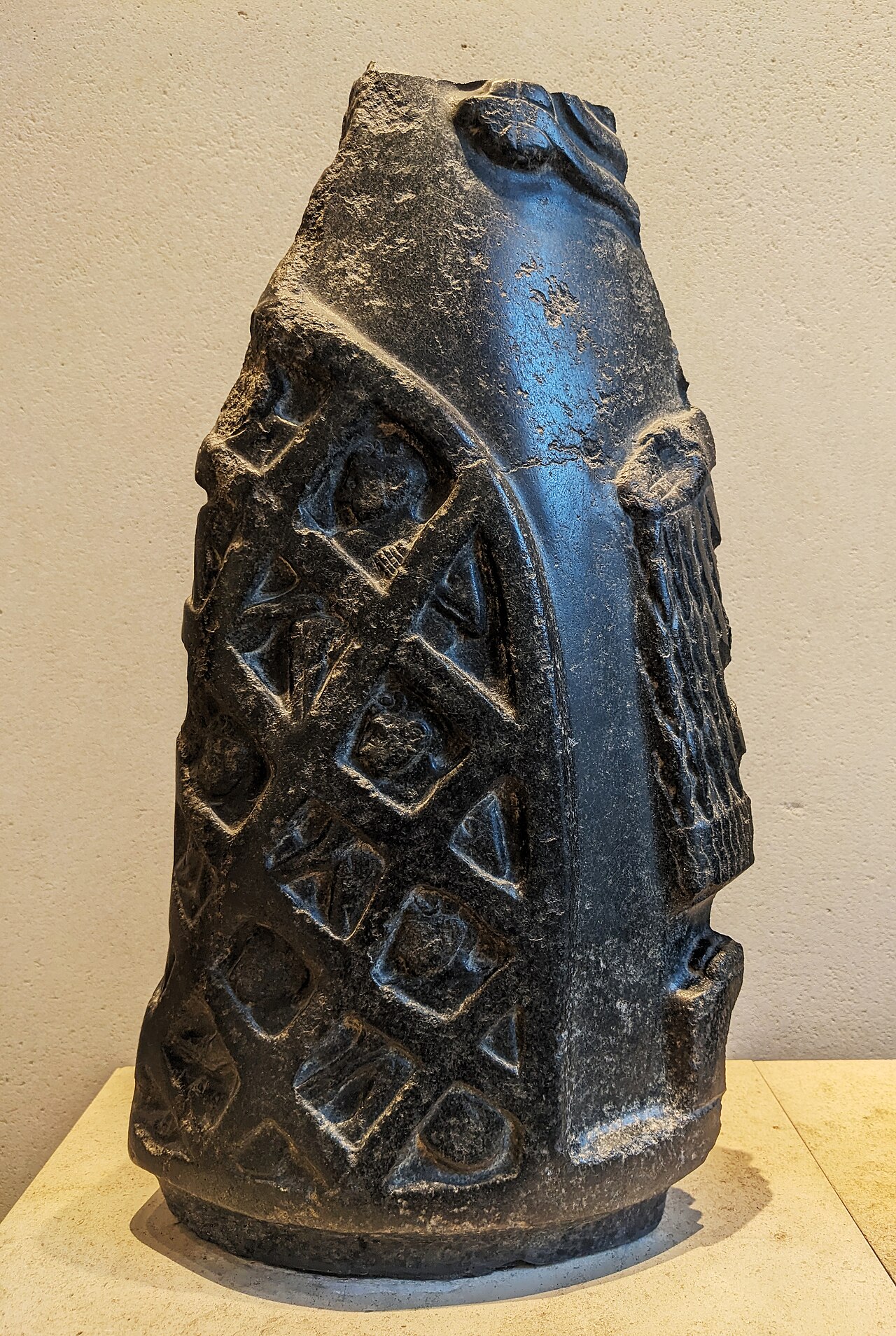
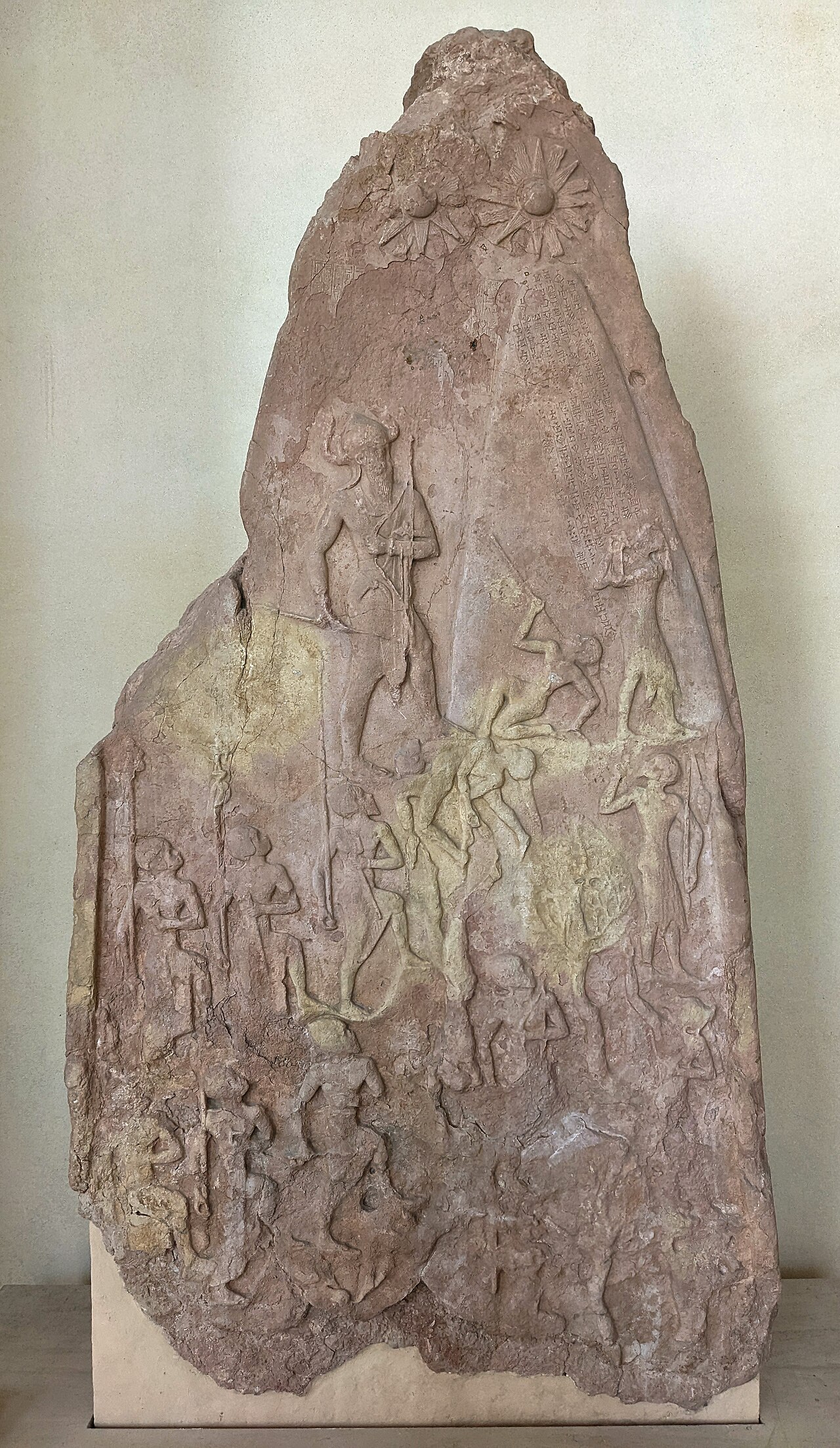
Victory Stele of Sargon
Akkadian royal workshop · c. 2300 BCE
Stone stele fragments from Susa showing Sargon of Akkad leading captives and soldiers, the only contemporary monument depicting him.
This is the only surviving monument made in Sargon's lifetime that names and depicts him directly.
About this source
What it is
These carved stone fragments, made by an Akkadian royal workshop around 2300 BCE, show Sargon named in an inscription, leading captives and soldiers. The pieces were found at Susa and are now kept in the Louvre Museum.
Why it matters
This is the only known monument from Sargon's own time that shows him directly. It gives historians real evidence of his military campaigns in Sumer, rather than later legend, and shows how Akkadian kings used art to record their victories.
Look closer
- What does the carving of captives tell us about how Sargon wanted to be seen?
- Why do you think this stele ended up far away in Susa?
- What is missing from this record of the war?
This sculpture is part of the curated material that grounds the AI version of Sargon of Akkad on Humy.ai — when students ask about related events, the AI can quote it and cite it.
More Sargon of Akkad sources
Browse all 41 →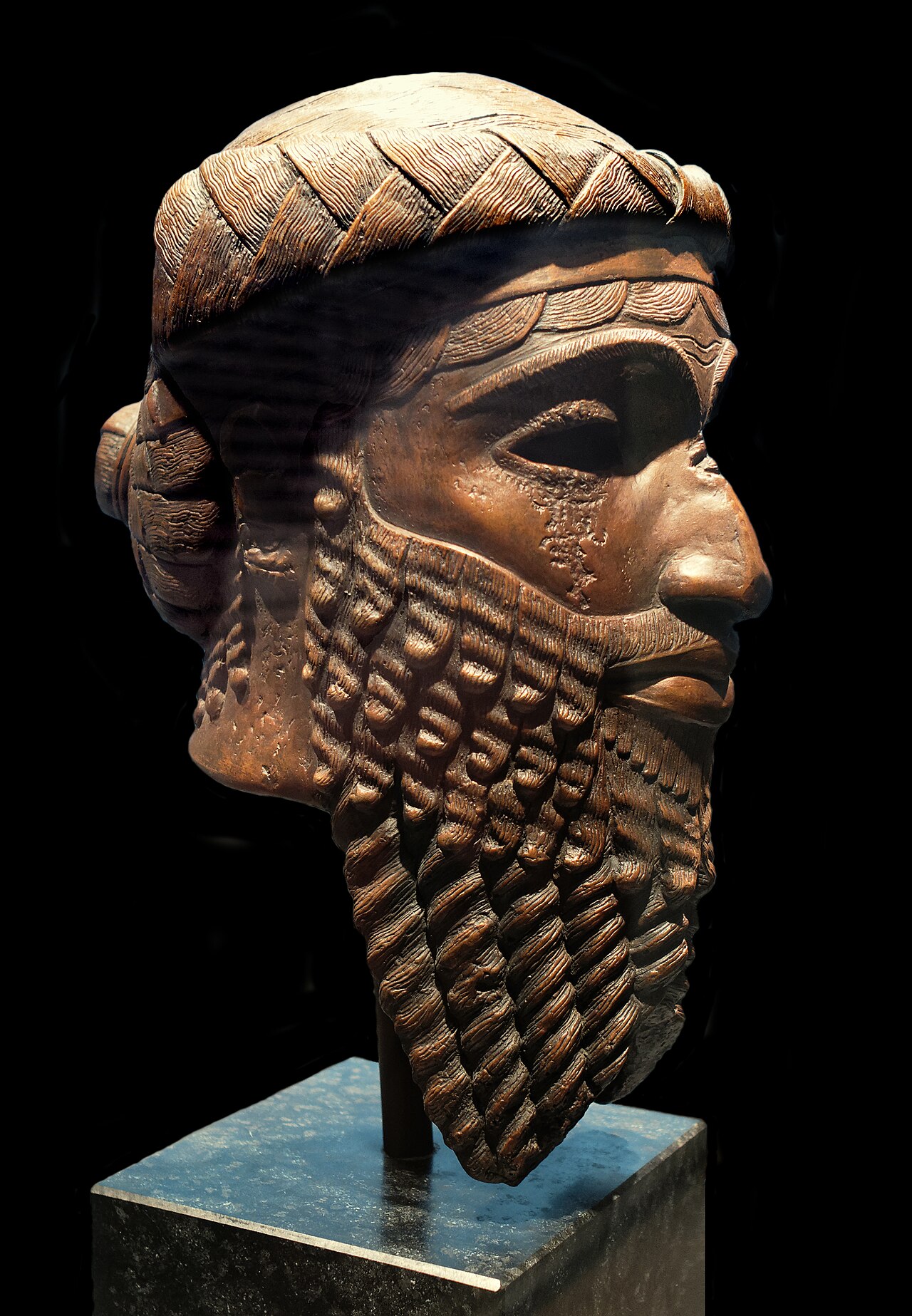 Sculpture
Primary source
Head of an Akkadian Ruler
c. 2300 BCE
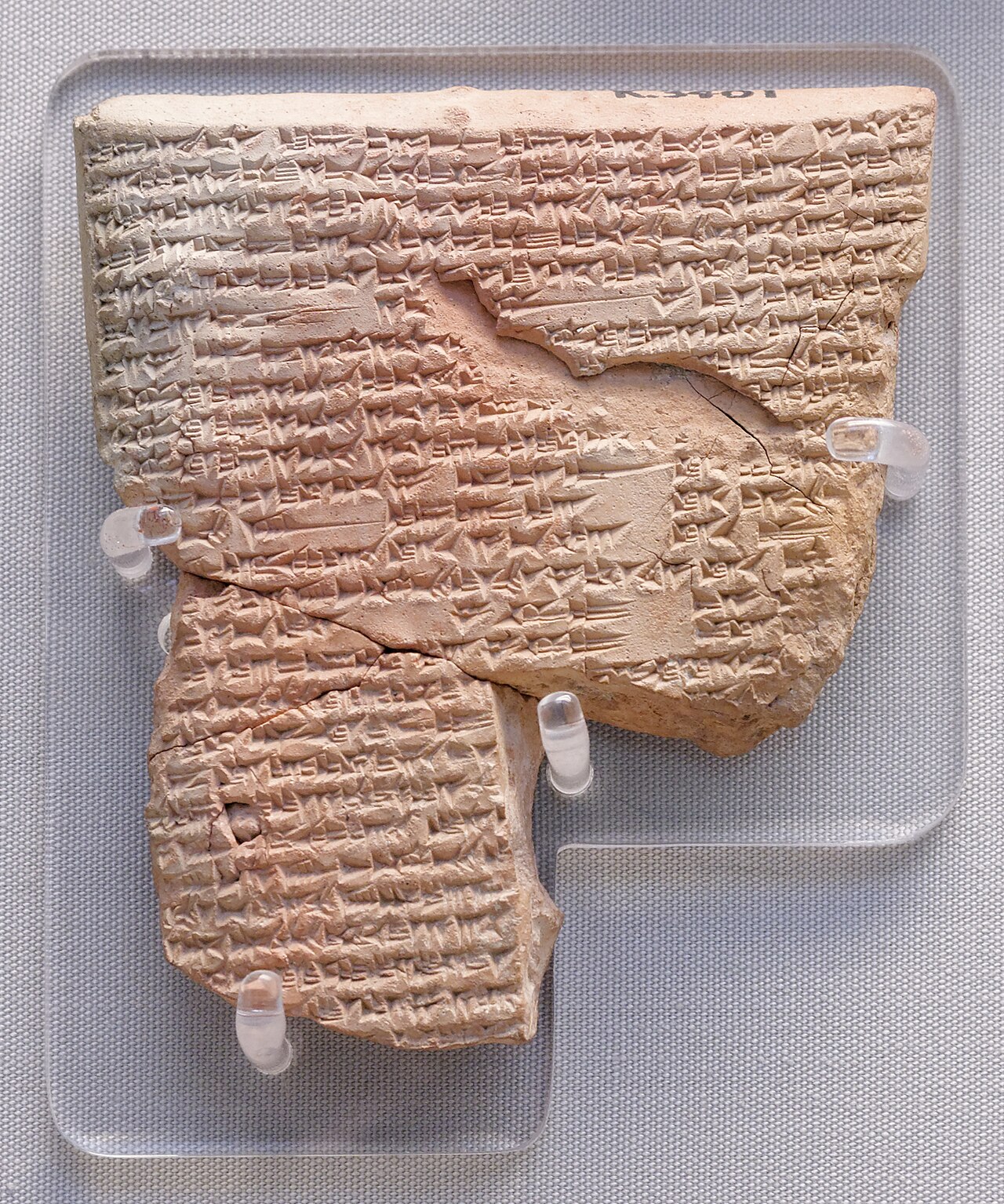 Document
Secondary source
Birth of Sargon (Sargon Birth Legend Tablet)
Neo-Assyrian period
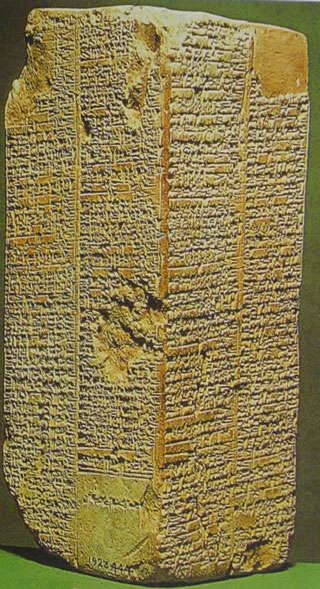 Document
Secondary source
Weld-Blundell Prism
c. 1820 BCE
 Sculpture
Primary source
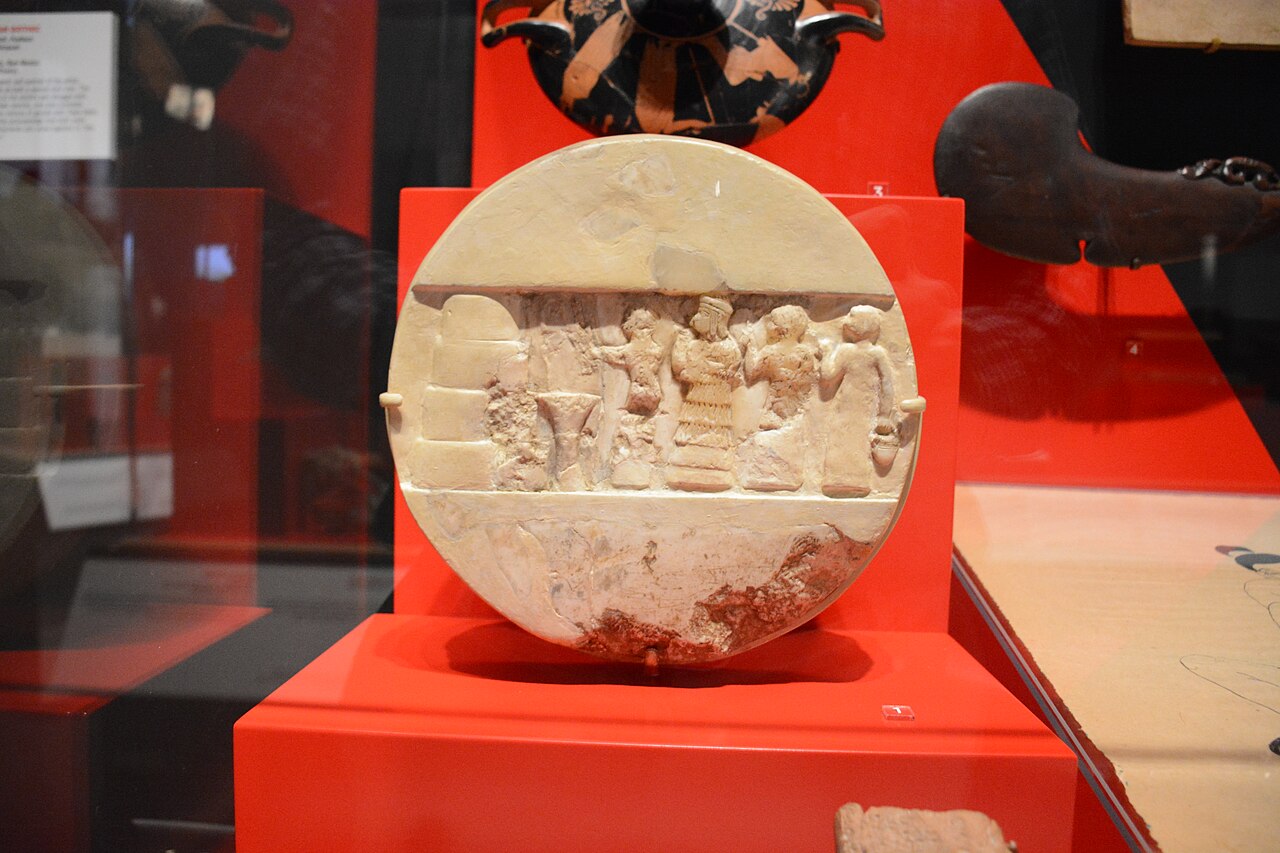
Disk of Enheduanna
c. 2350-2300 BCE
Free account
Read every Sargon of Akkad source
Sign up free →
Ready when you are
Start chatting with Sargon of Akkad now.
20 messages free · No credit card · Available in 50+ languages.