


Secondary sourceBook1819-1824
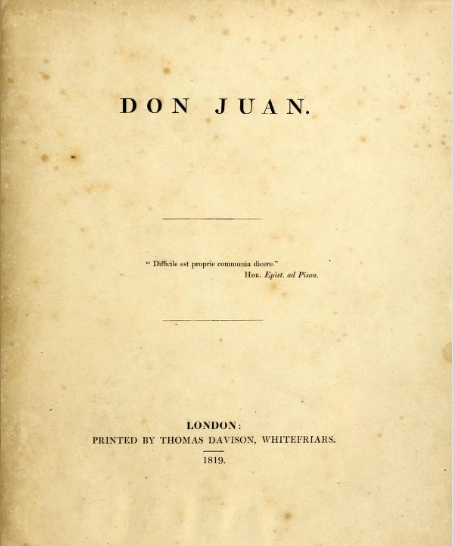
Don Juan
Lord Byron · 1819-1824
Lord Byron's satirical epic poem, whose call for 'a new Thermopylae' turned Leonidas's last stand into a rallying cry for Greek independence.
Byron's call for 'a new Thermopylae' turned Leonidas's stand into a slogan for Greek independence.
Free Humy account · No credit card · 120,912 sources to read
About this source
What it is
Don Juan is an unfinished satirical epic poem written by Lord Byron between 1819 and 1824, telling a reimagined version of the Spanish legend of Don Juan across sixteen completed cantos. It was published in parts, with later cantos appearing after Byron's death.
Why it matters
Within this long poem, Byron included lines calling for 'a new Thermopylae', invoking Leonidas's famous stand against the Persians to inspire Greeks fighting for independence from Ottoman rule in Byron's own time. This shows how, more than two thousand years after his death, Leonidas's story was still being used as a symbol of heroic resistance.
Look closer
- Why might a poet writing in the 1800s reach back to an ancient battle for inspiration?
- What does it tell you about Leonidas's later reputation that his name became a rallying cry?
- How might using history this way change or simplify what actually happened?
This book is part of the curated material that grounds the AI version of Leonidas I and Lord Byron on Humy.ai — when students ask about related events, the AI can quote it and cite it.
More Leonidas I sources
Browse all 58 → Book
Secondary source
Histories
Herodotus · c. 440 BCE
 Document
Primary source
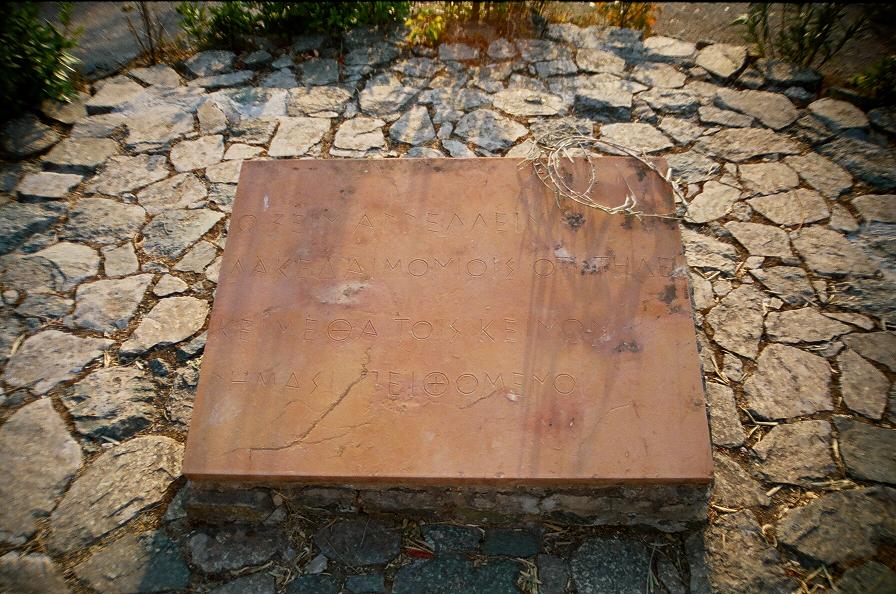
Go Tell the Spartans epitaph
Attributed to Simonides of Ceos · c. 480-479 BCE
 Painting
Primary source
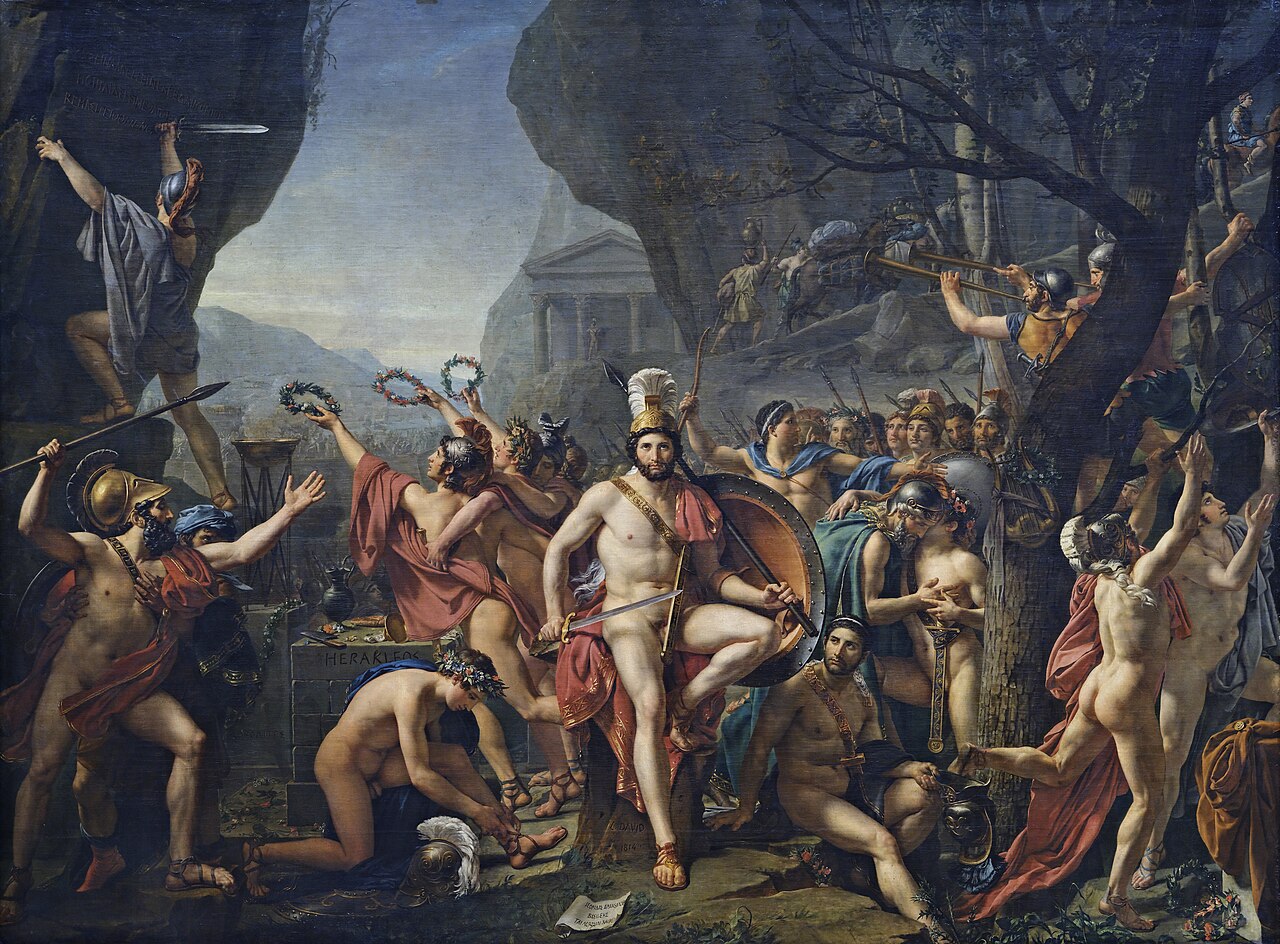
Leonidas at Thermopylae
Jacques-Louis David · 1799–1814
 Book
Secondary source
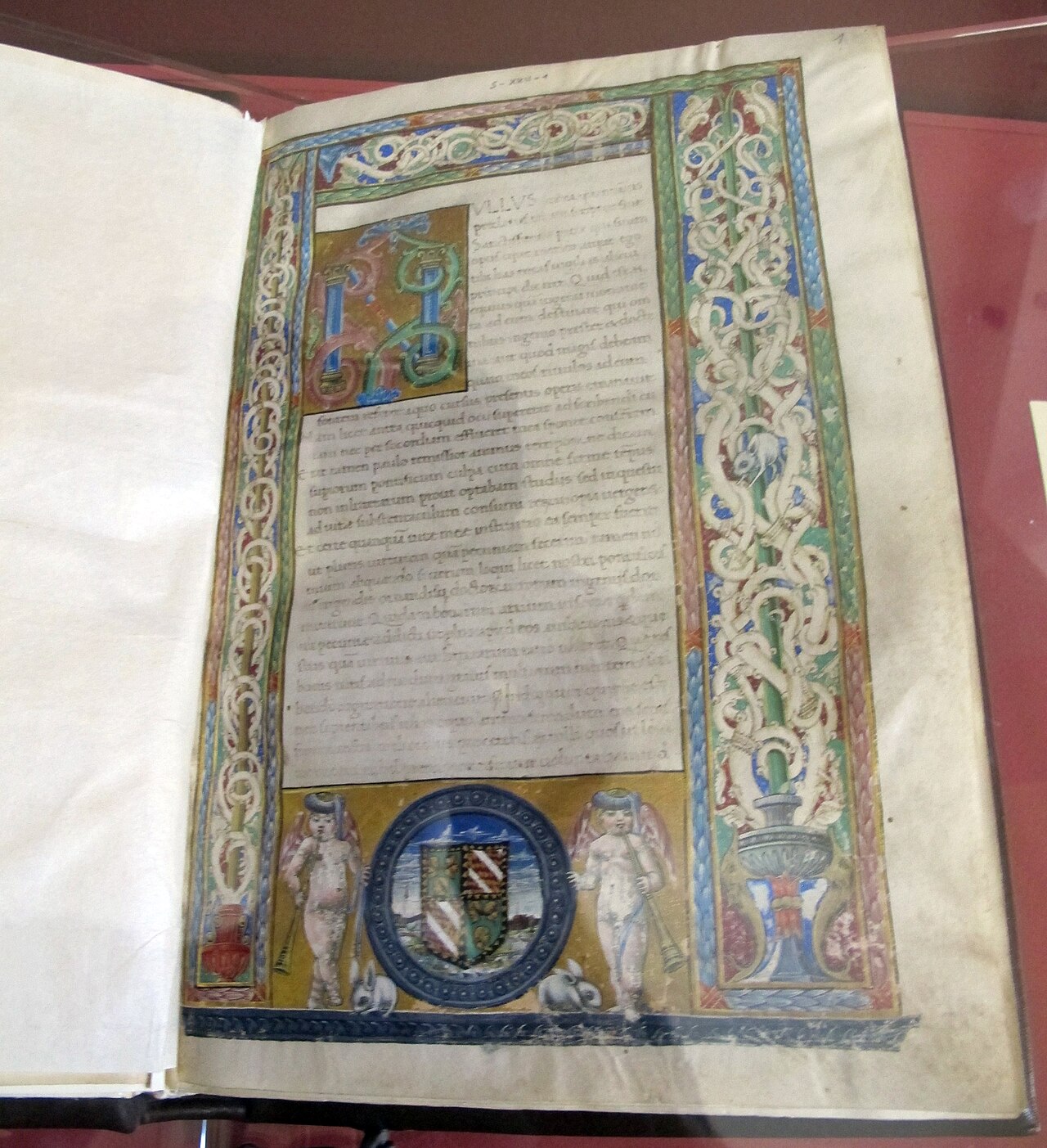
Bibliotheca Historica
Diodorus Siculus · 1st century BCE
Free account
Read every Leonidas I source
Sign up free →
Ready when you are
Start chatting with Leonidas I now.
20 messages free · No credit card · Available in 50+ languages.