


Primary sourceArtifact1651
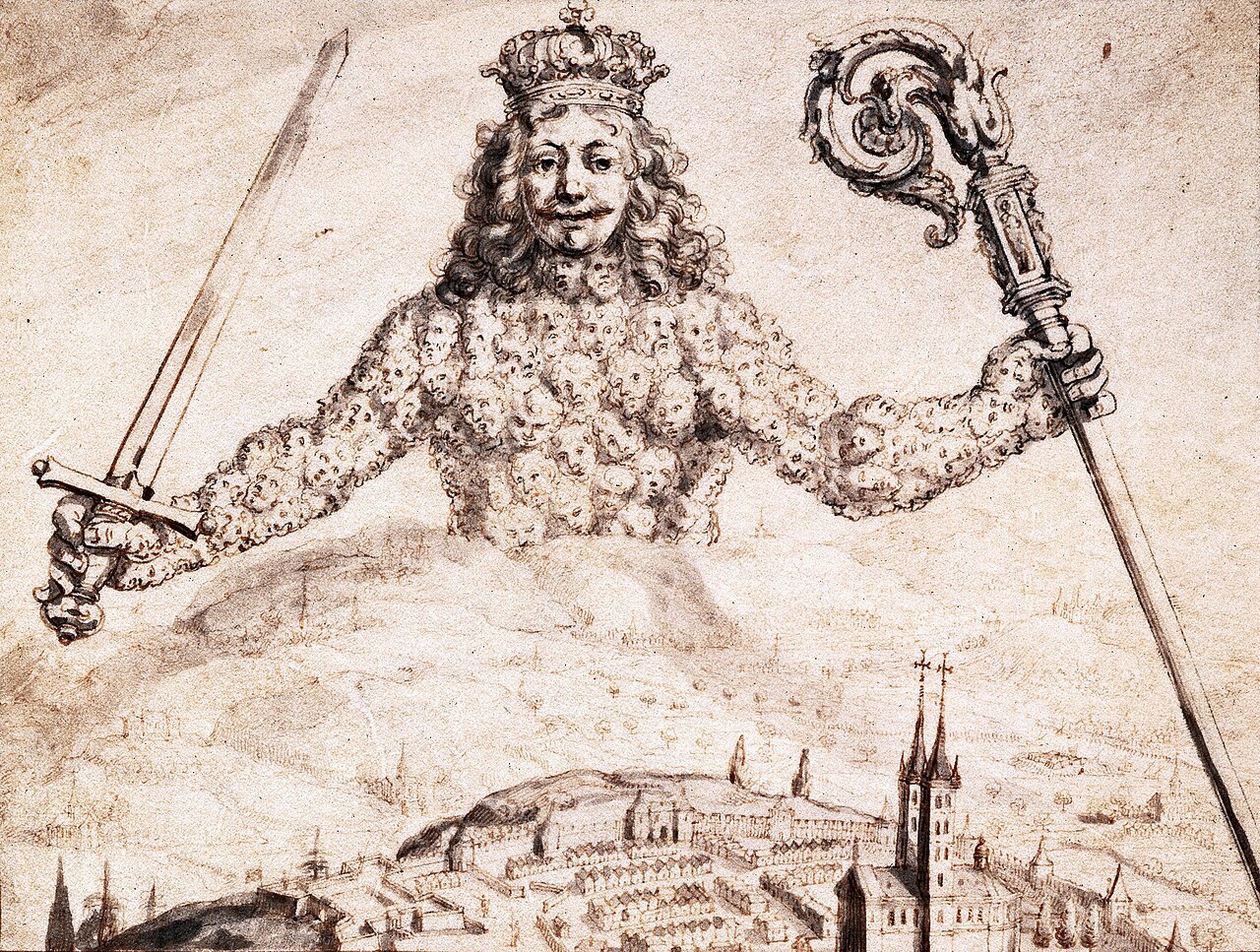
Drawing of the Frontispiece of Leviathan
Abraham Bosse · 1651
An ink and wash drawing of the famous frontispiece showing a crowned giant made of many people, part of the manuscript Hobbes presented to Charles II.
This drawing is the frontispiece design for Hobbes's own manuscript of Leviathan, gifted by him to Charles II.
About this source
What it is
This is an ink and wash drawing made in 1651, likely by Abraham Bosse (sometimes attributed to Wenceslas Hollar). It appears on the manuscript copy of Leviathan that Thomas Hobbes presented to Charles II. It shows a giant crowned figure rising above a landscape of hills and a walled town, holding a sword and a bishop's crozier, with its body made up of many smaller human figures.
Why it matters
This image is the visual summary of Hobbes's political theory: the state as an artificial giant (the 'Leviathan') made up of all its citizens, holding both worldly and religious power. Hobbes personally gave this manuscript to the exiled future king, showing how closely his philosophy was tied to the politics of his time.
Look closer
- What do the sword and the crozier represent, and why does the giant hold both?
- Why might the giant's body be made of many small human figures rather than solid flesh?
- Why would Hobbes choose to give this manuscript to Charles II specifically?
This artifact is part of the curated material that grounds the AI version of Thomas Hobbes on Humy.ai — when students ask about related events, the AI can quote it and cite it.
More Thomas Hobbes sources
Meet the AI Thomas Hobbes →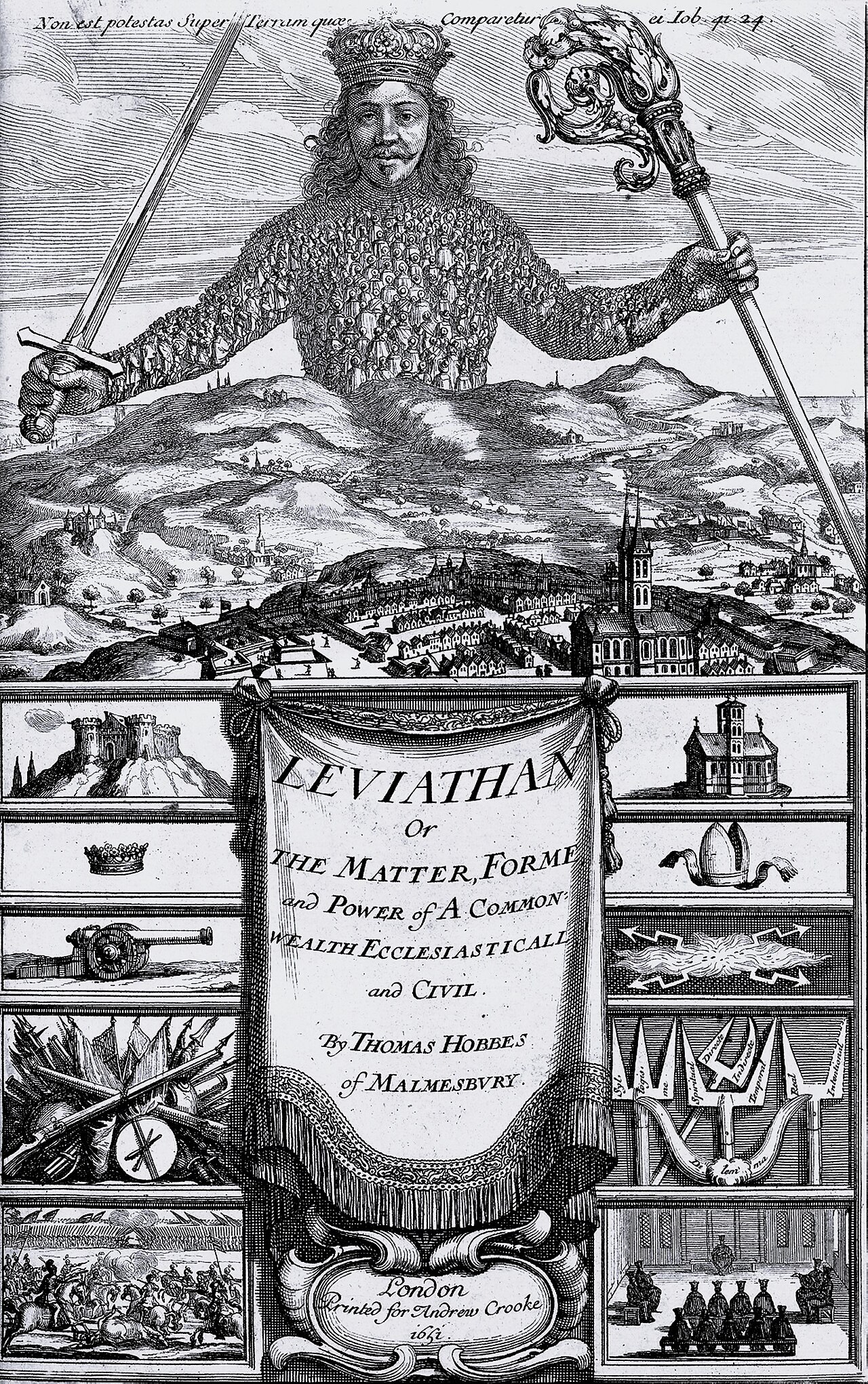 Book
Primary source
Leviathan
Thomas Hobbes · 1651
 Book
Primary source
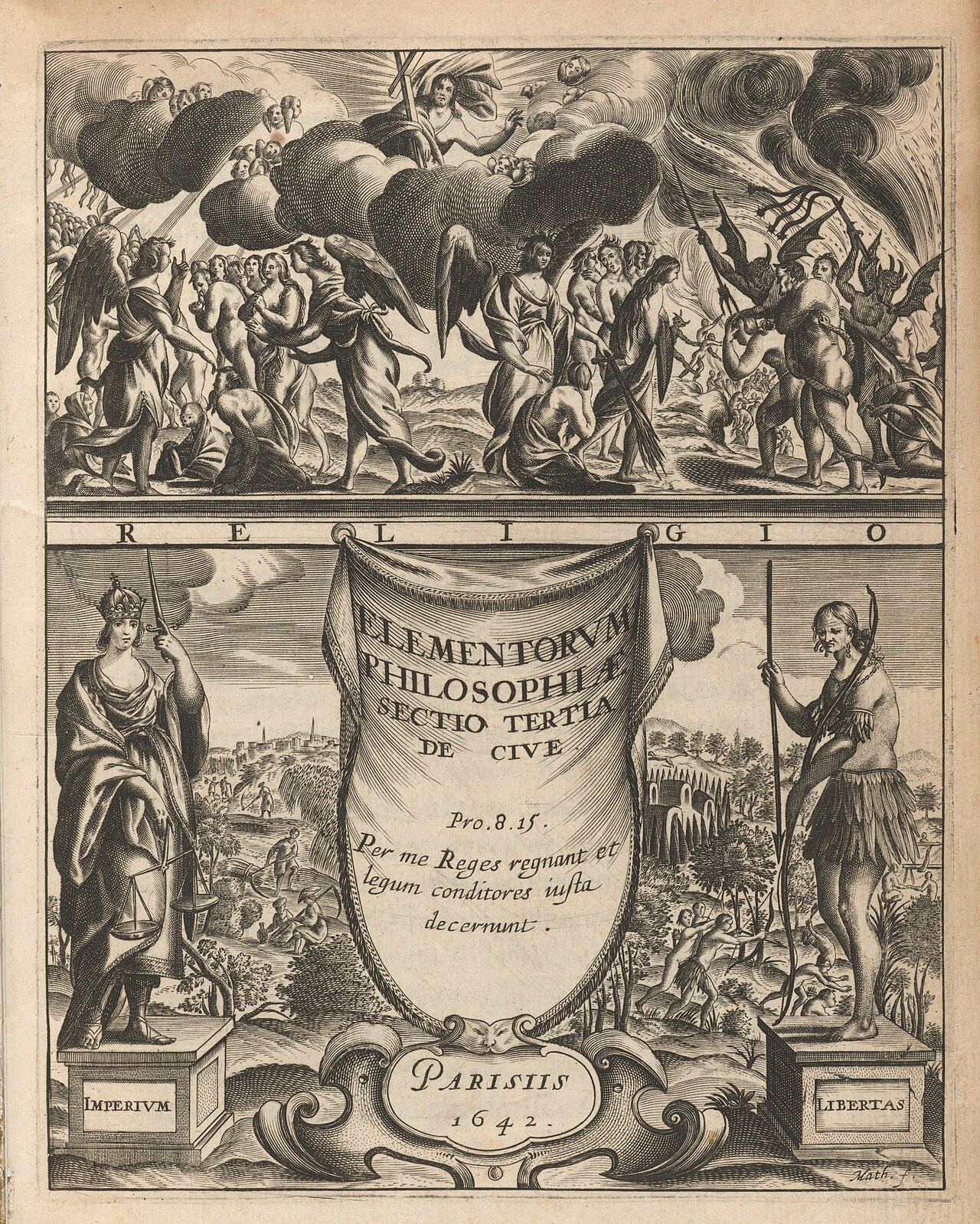
De Cive
Thomas Hobbes · 1642
 Painting
Secondary source
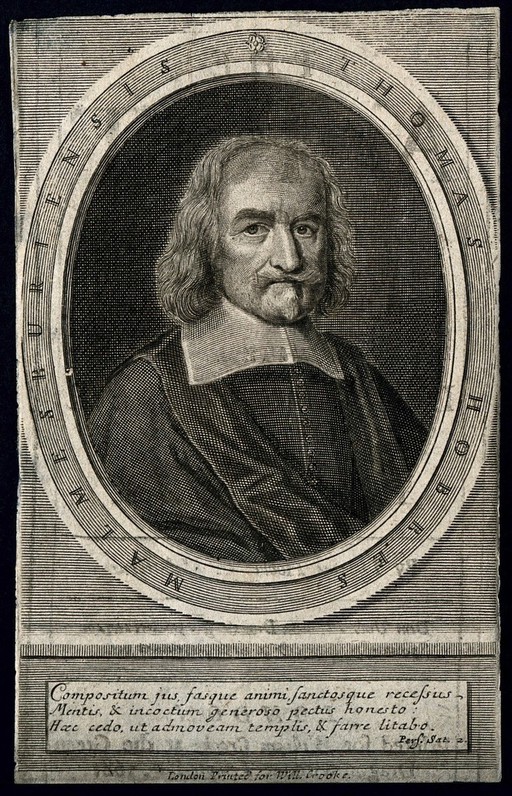
Portrait of Thomas Hobbes, Line Engraving
Primary source
The Elements of Law
Thomas Hobbes · 1640
 Artifact
Secondary source
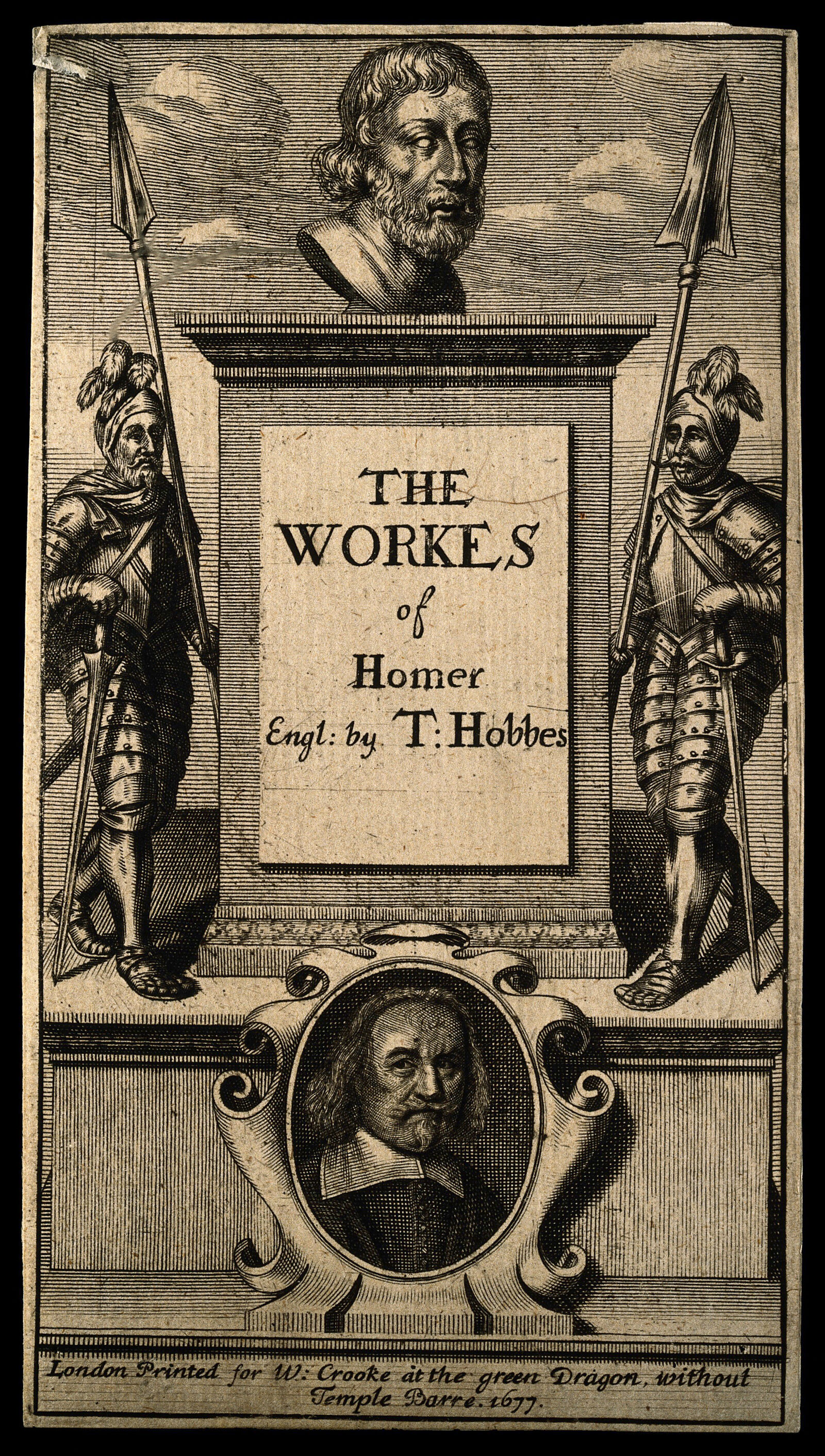
Title Page of The Workes of Homer, Translated by Thomas Hobbes
1677
Ready when you are
Start chatting with Thomas Hobbes now.
20 messages free · No credit card · Available in 50+ languages.