


Primary sourceDocument19 June 1815
Duke of Wellington's Dispatch, to Earl Bathurst
Arthur Wellesley, 1st Duke of Wellington · 19 June 1815
Wellington's official report to Earl Bathurst on the Battle of Waterloo, written the day after the fighting.
Wellington's own official account of his victory at Waterloo, written the day after the battle.
Free Humy account · No credit card · 120,912 sources to read
About this source
What it is
This is the printed text of Wellington's official dispatch to Earl Bathurst, written from Waterloo on 19 June 1815, the day after the battle. It describes the movements of the French, Prussian and allied armies and the course of the fighting.
Why it matters
This is Wellington's own first account of one of the most famous battles in European history, sent to the British government while events were still fresh. It shows how he chose to describe the campaign, including how credit for the victory was shared, shaping how Britain first learned of and understood the win over Napoleon.
Look closer
- Why might a commander write a careful, formal report like this right after a battle?
- What does the tone of the dispatch suggest about Wellington's character?
- What kinds of details does the dispatch include, and what might it leave out?
This document is part of the curated material that grounds the AI version of Duke of Wellington (Arthur Wellesley) on Humy.ai — when students ask about related events, the AI can quote it and cite it.
More Duke of Wellington (Arthur Wellesley) sources
Browse all 94 →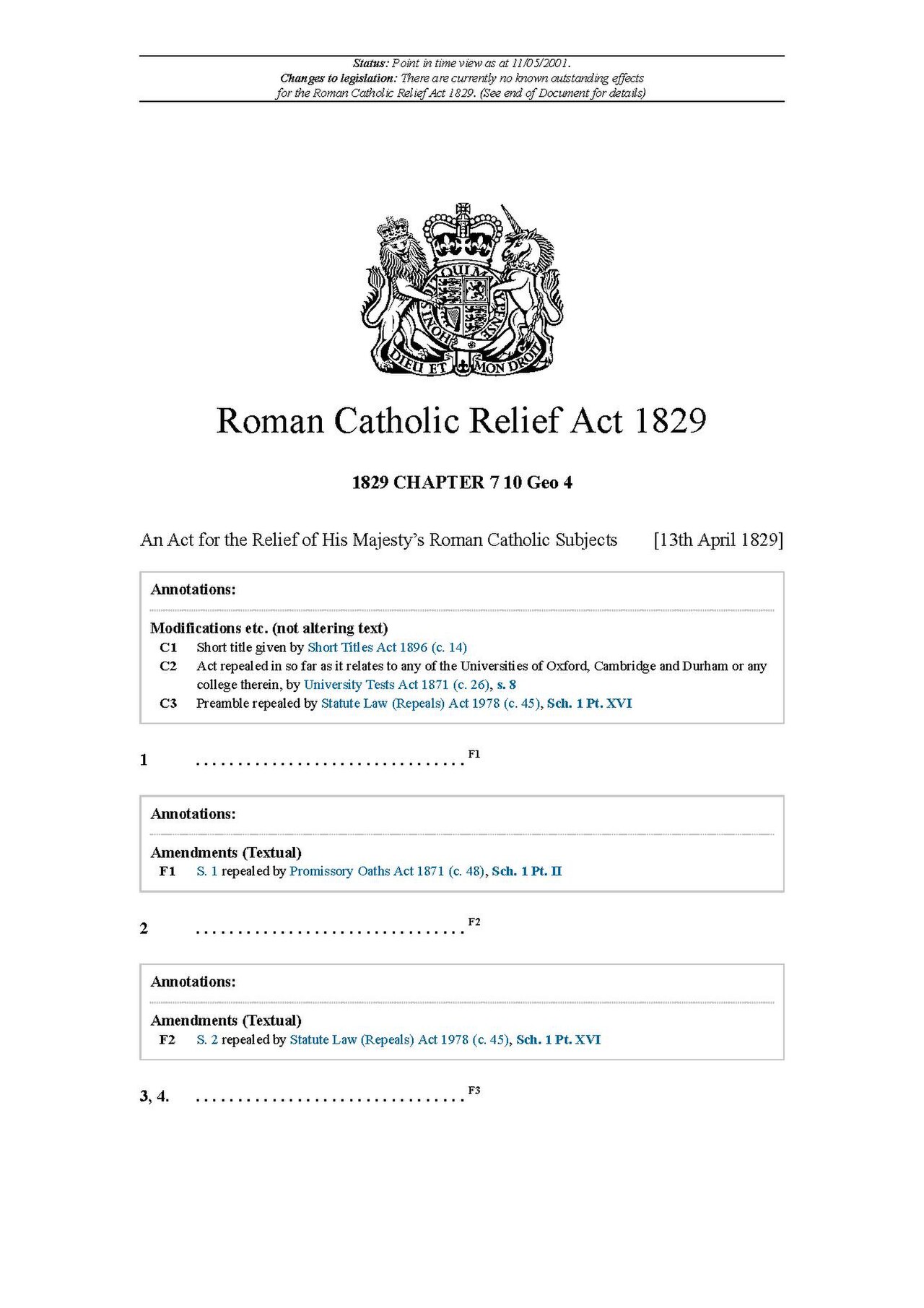 Document
Primary source
Roman Catholic Relief Act 1829
1829
 Photograph
Primary source
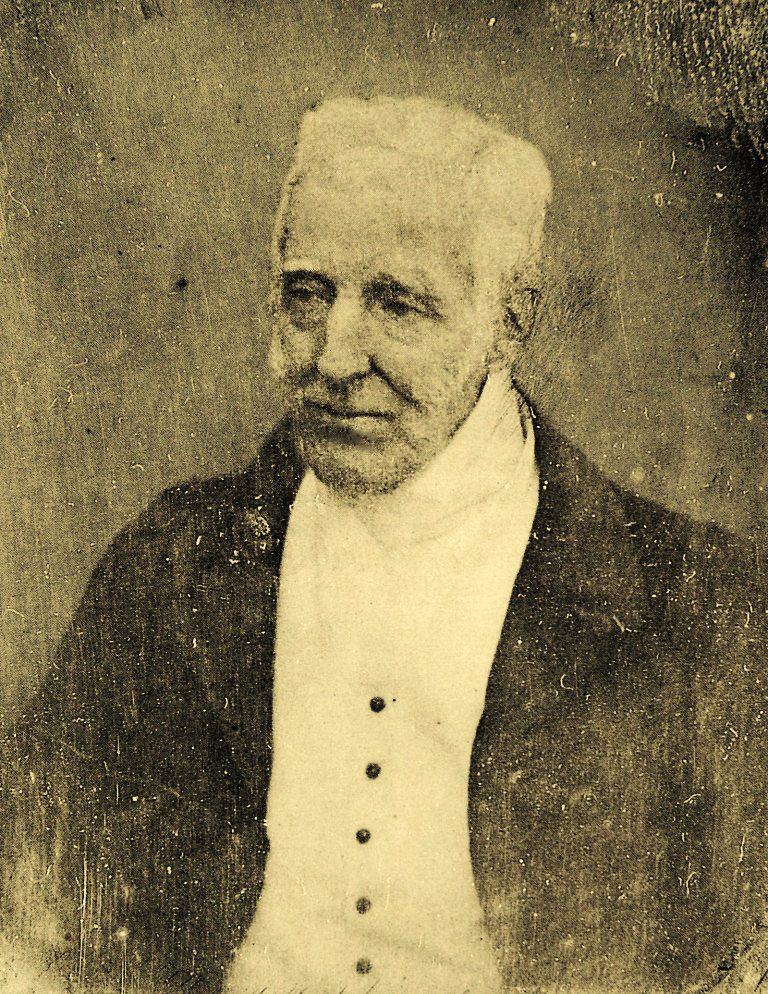
Duke of Wellington Photo cleaned
Antoine Claudet · 1844
 Book
Primary source
The Dispatches of Field Marshal the Duke of Wellington
Arthur Wellesley, 1st Duke of Wellington · 1834-1839
 Painting
Primary source
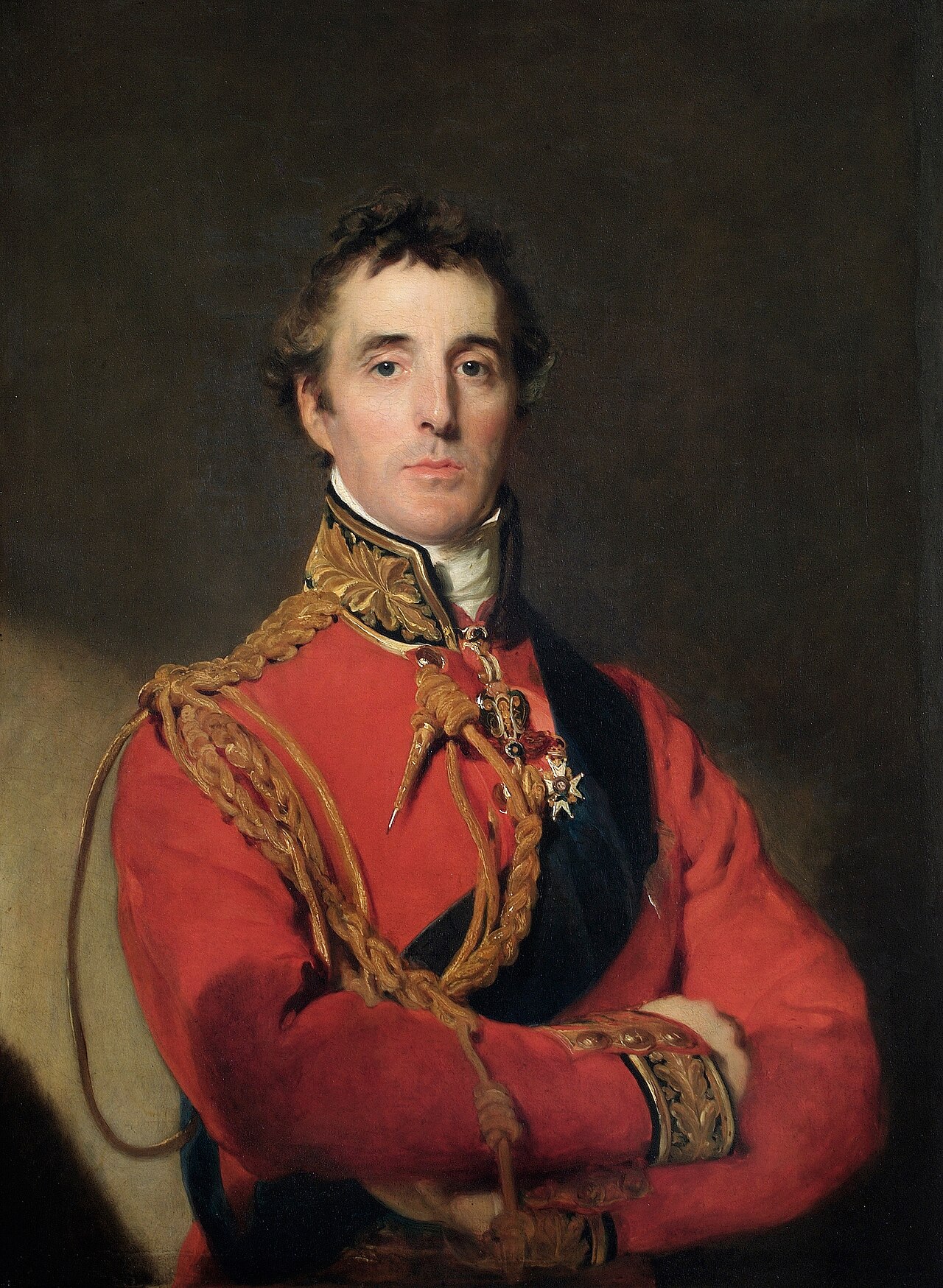
Arthur Wellesley, 1st Duke of Wellington
Thomas Lawrence · c. 1815-1816
Free account
Read every Duke of Wellington (Arthur Wellesley) source
Sign up free →
Ready when you are
Start chatting with Duke of Wellington (Arthur Wellesley) now.
20 messages free · No credit card · Available in 50+ languages.