


Secondary sourceSculpture1936
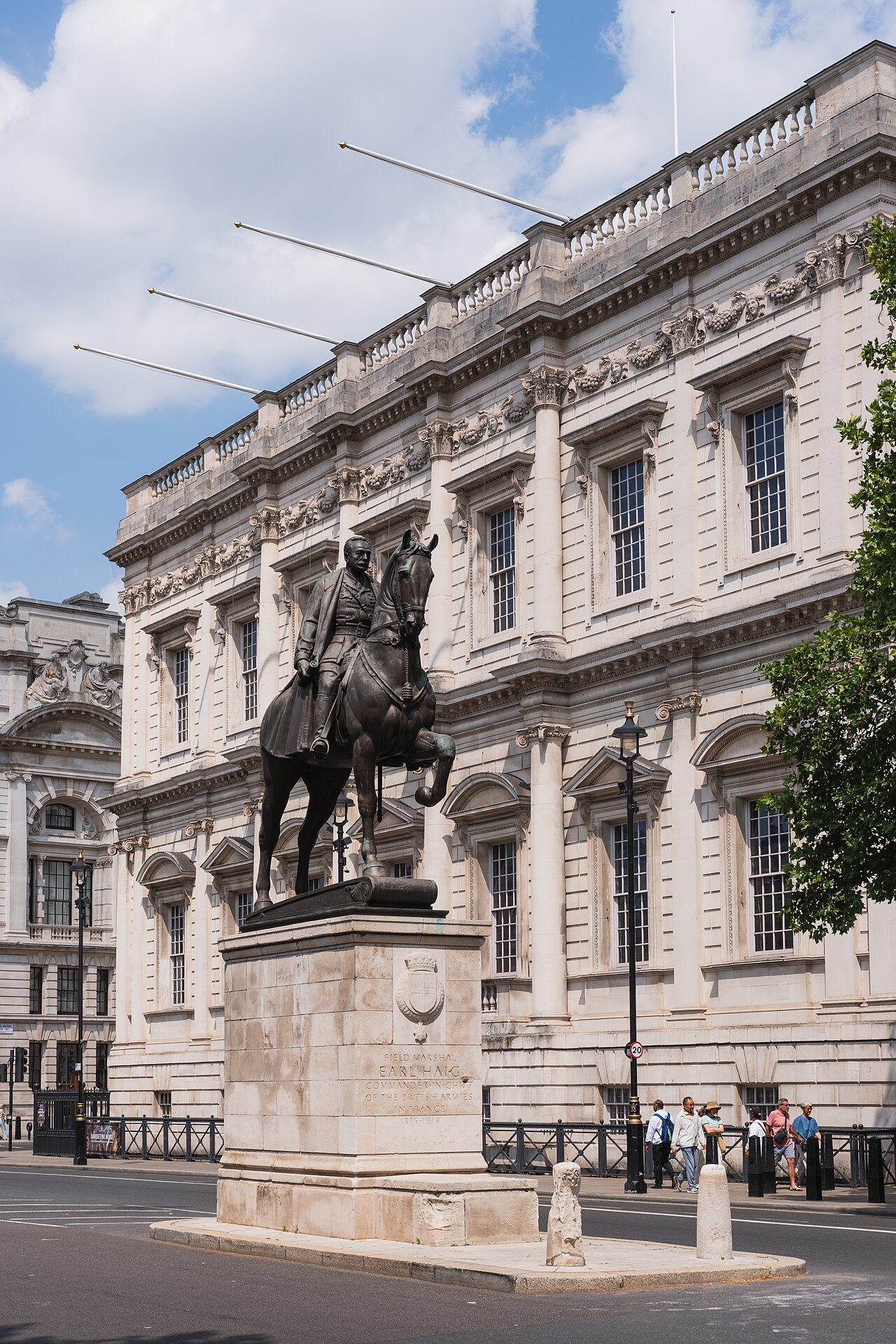
Earl Haig Memorial
Alfred Frank Hardiman · 1936
A 1937 bronze equestrian statue of Haig on Whitehall in London, commissioned by Parliament and long controversial.
A public memorial to Haig that became a focus of lasting dispute over how he should be remembered.
About this source
What it is
A bronze equestrian statue of Field Marshal Douglas Haig, created by sculptor Alfred Frank Hardiman and commissioned by Parliament in 1928. It stands on Whitehall in London and was unveiled in 1937.
Why it matters
The memorial took eight years to complete and provoked arguments over Haig's riding position, uniform, and the horse's appearance, including from the Press and from Lady Haig, who wanted a more realistic depiction of Haig on his own horse. It shows how Britain struggled to agree on how to commemorate a commander whose reputation was, and remains, deeply disputed; the statue has continued to attract criticism and protest in recent decades.
Look closer
- Why do you think the sculptor's choices about the horse and uniform caused such disagreement?
- What does the long, difficult process of making this memorial tell you about public feeling toward Haig?
- Why might a statue like this still be controversial today?
This sculpture is part of the curated material that grounds the AI version of Field Marshal Douglas Haig on Humy.ai — when students ask about related events, the AI can quote it and cite it.
More Field Marshal Douglas Haig sources
Meet the AI Field Marshal Douglas Haig →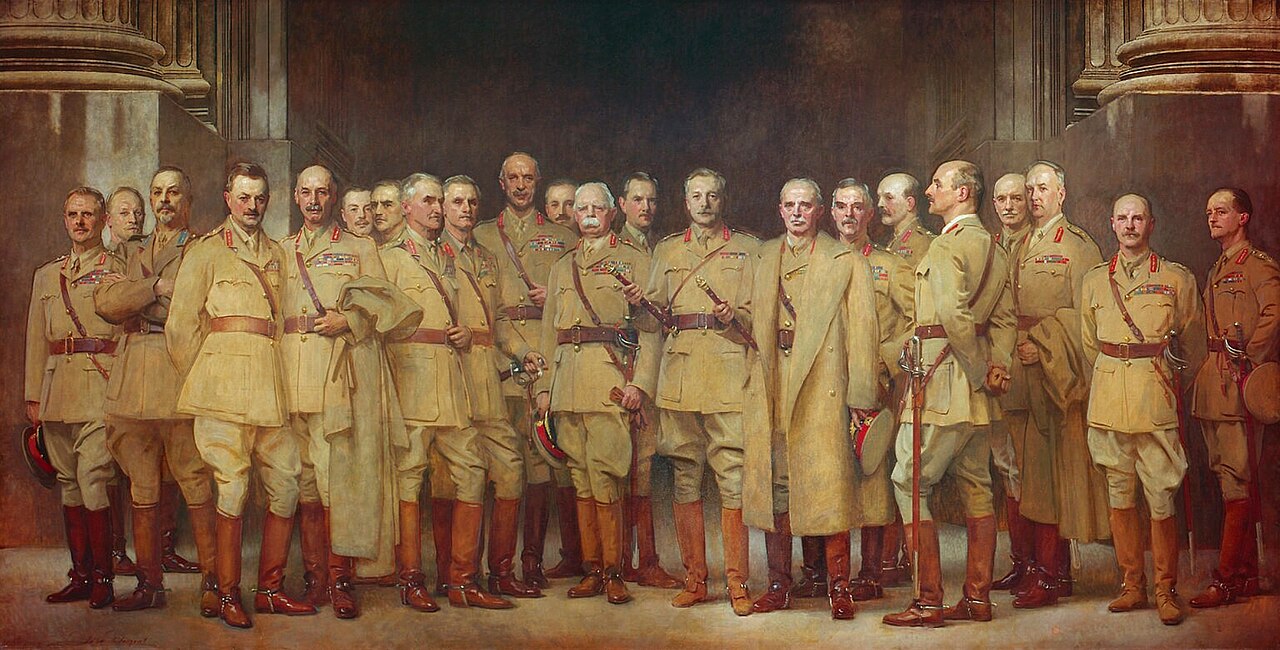 Painting
Primary source
General Officers of World War I
John Singer Sargent · 1922
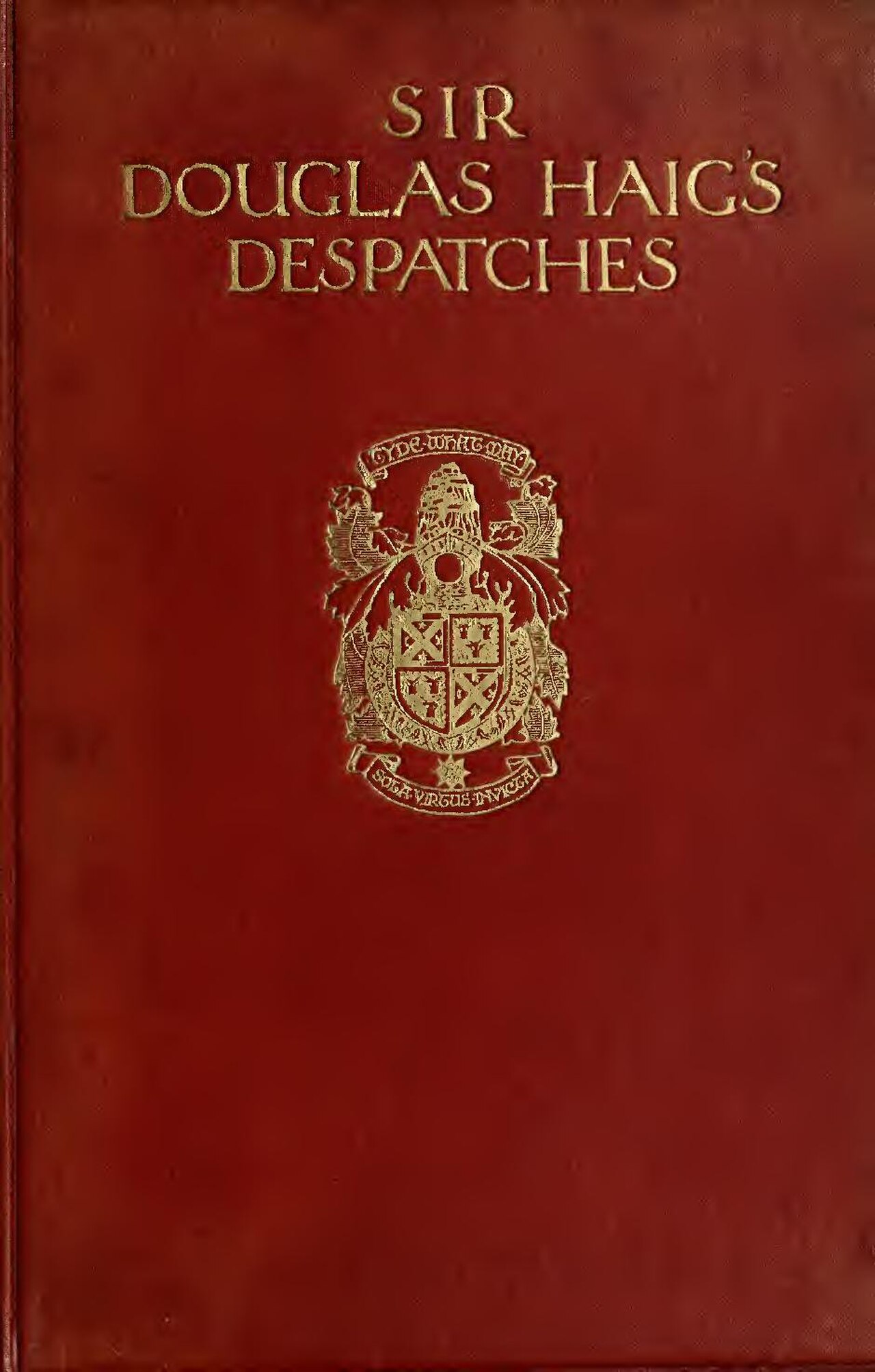 Document
Primary source
Final Despatch of Sir Douglas Haig
Douglas Haig · 21 March 1919
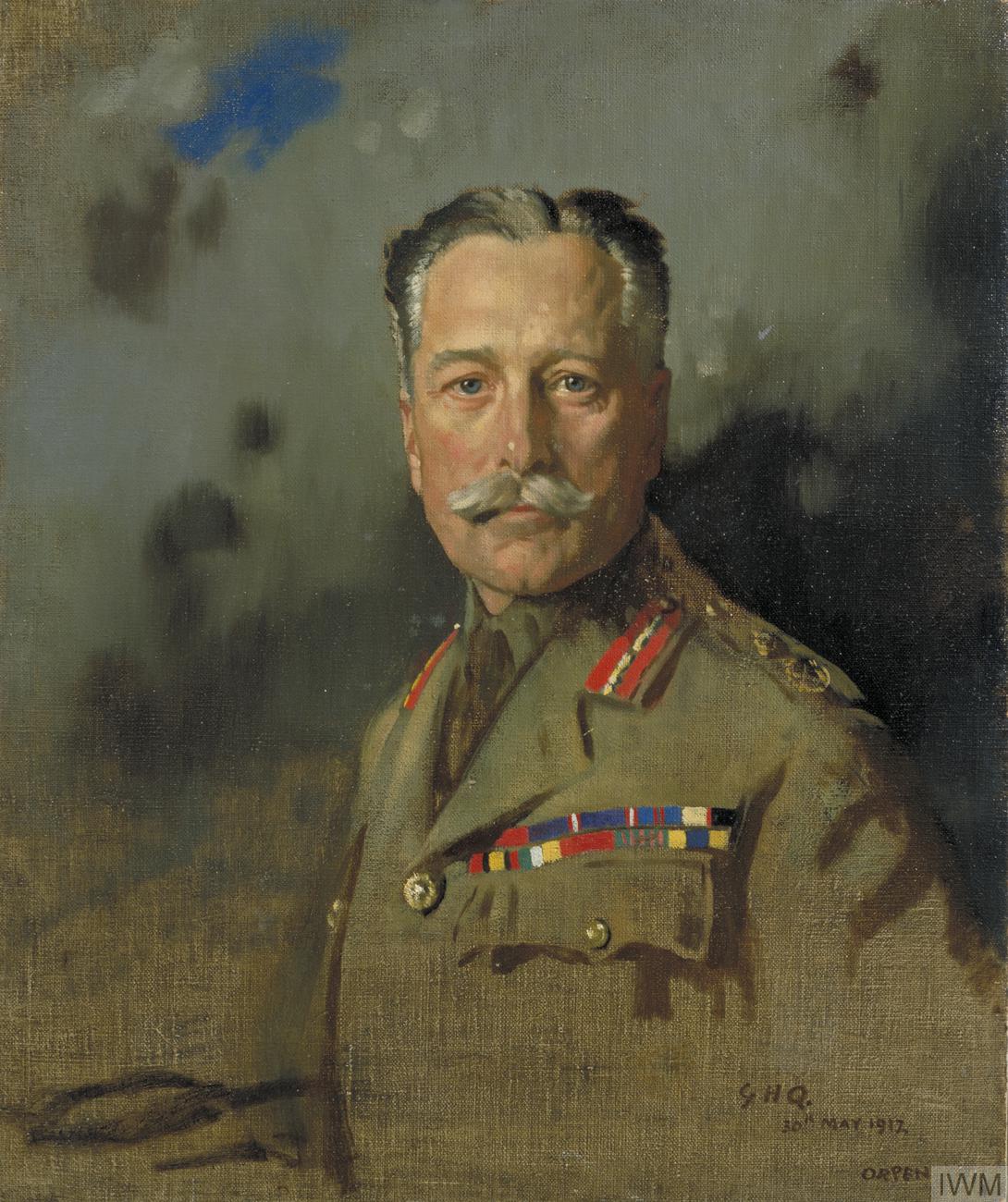 Painting
Primary source
Field-Marshal Sir Douglas Haig, Commander-in-Chief, France
William Orpen · 1917
 Document
Secondary source
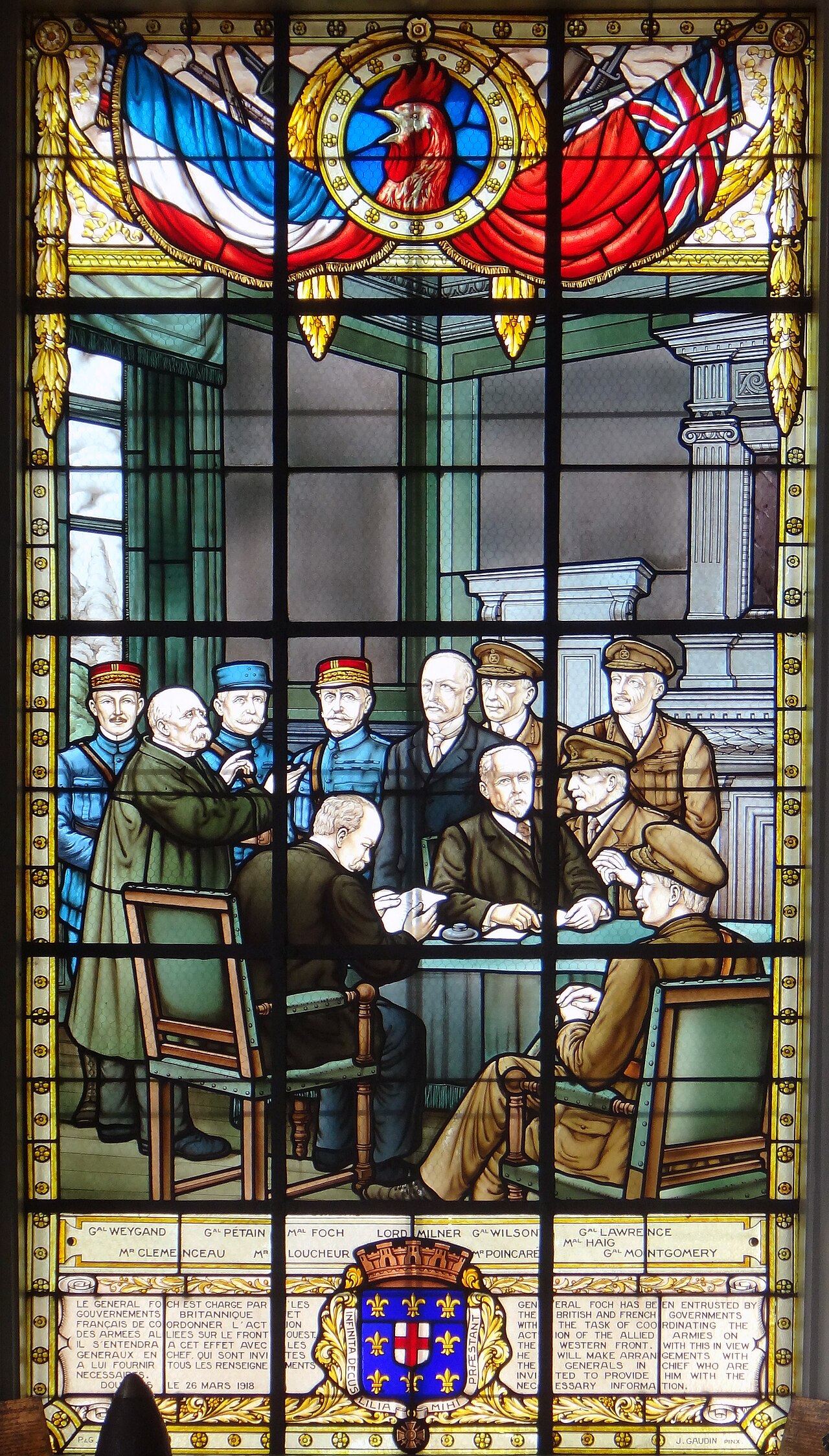
Doullens Conference
26 March 1918
 Artifact
Primary source
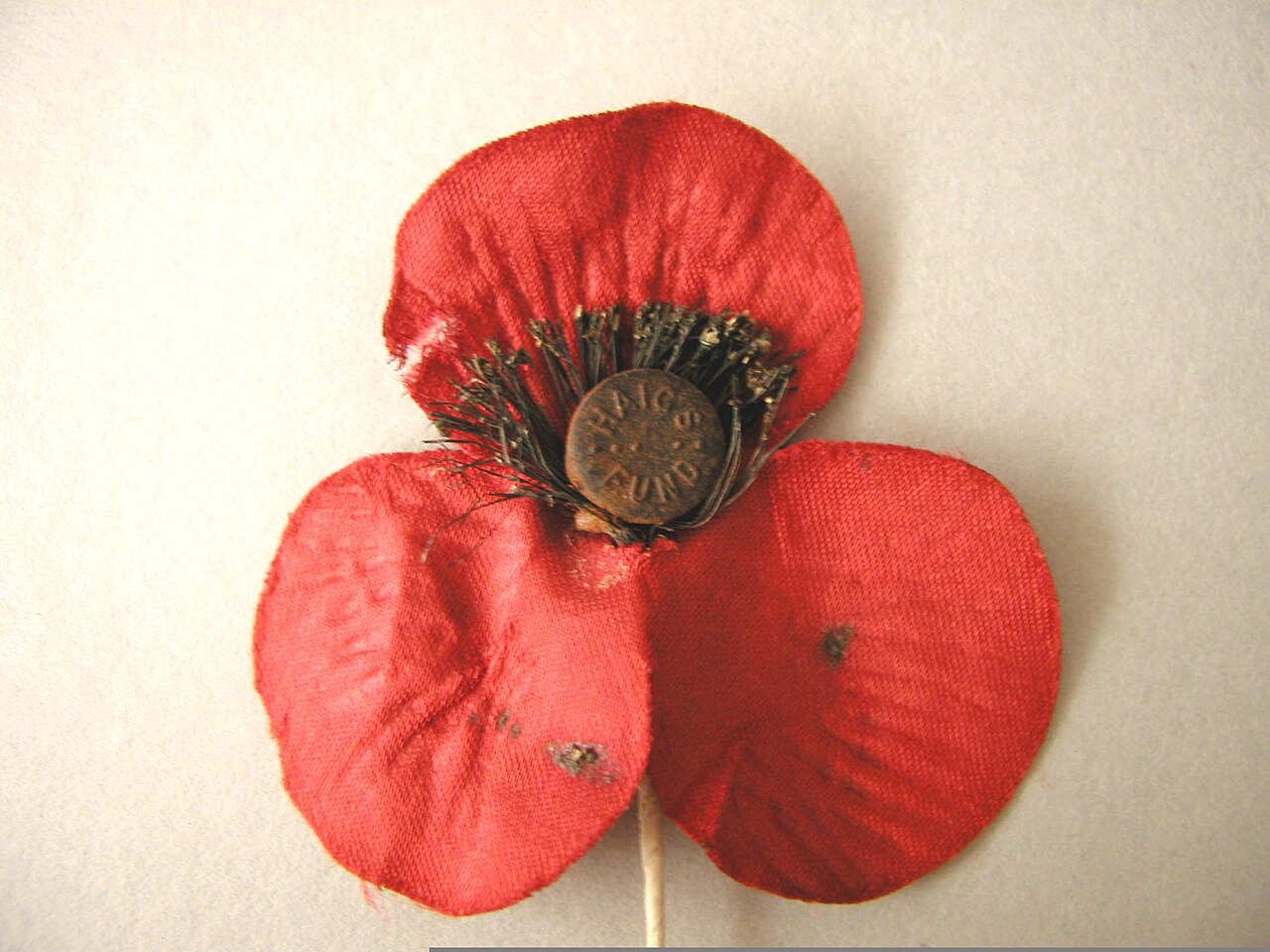
Haig Fund remembrance poppy
1921-1928
Ready when you are
Start chatting with Field Marshal Douglas Haig now.
20 messages free · No credit card · Available in 50+ languages.