


Secondary sourceSculpture2002 (statue dated 1923)
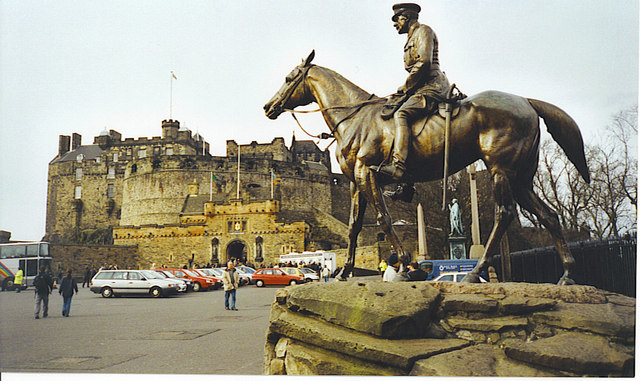
Earl Haig Statue, Edinburgh Castle Esplanade
Colin Smith (photograph) · 2002 (statue dated 1923)
A bronze equestrian statue of Douglas Haig standing on the Esplanade at Edinburgh Castle, photographed in 2002.
This statue commemorates Haig as commander of British forces in the First World War, 1915-18.
About this source
What it is
This photograph shows the 1923 bronze equestrian statue of Douglas Haig located on the Esplanade of Edinburgh Castle. The statue depicts Haig mounted on a horse, wearing military uniform and a peaked cap, set on a rough stone plinth with the castle in the background. The photo was taken in 2002 by Colin Smith.
Why it matters
Haig commanded British forces during the First World War from 1915 to 1918, and this statue is part of how he was publicly remembered afterward. The Esplanade itself is a significant public space, used today for events like the Edinburgh Tattoo, which highlights the site's ongoing connection to military commemoration and tradition.
Look closer
- Why might an equestrian pose have been chosen to represent Haig?
- What does the location, right outside a historic castle, say about how the city wanted to honour him?
- How might the statue's meaning be seen differently by various people, given the costly nature of Haig's wartime leadership?
This sculpture is part of the curated material that grounds the AI version of Field Marshal Douglas Haig on Humy.ai — when students ask about related events, the AI can quote it and cite it.
More Field Marshal Douglas Haig sources
Meet the AI Field Marshal Douglas Haig →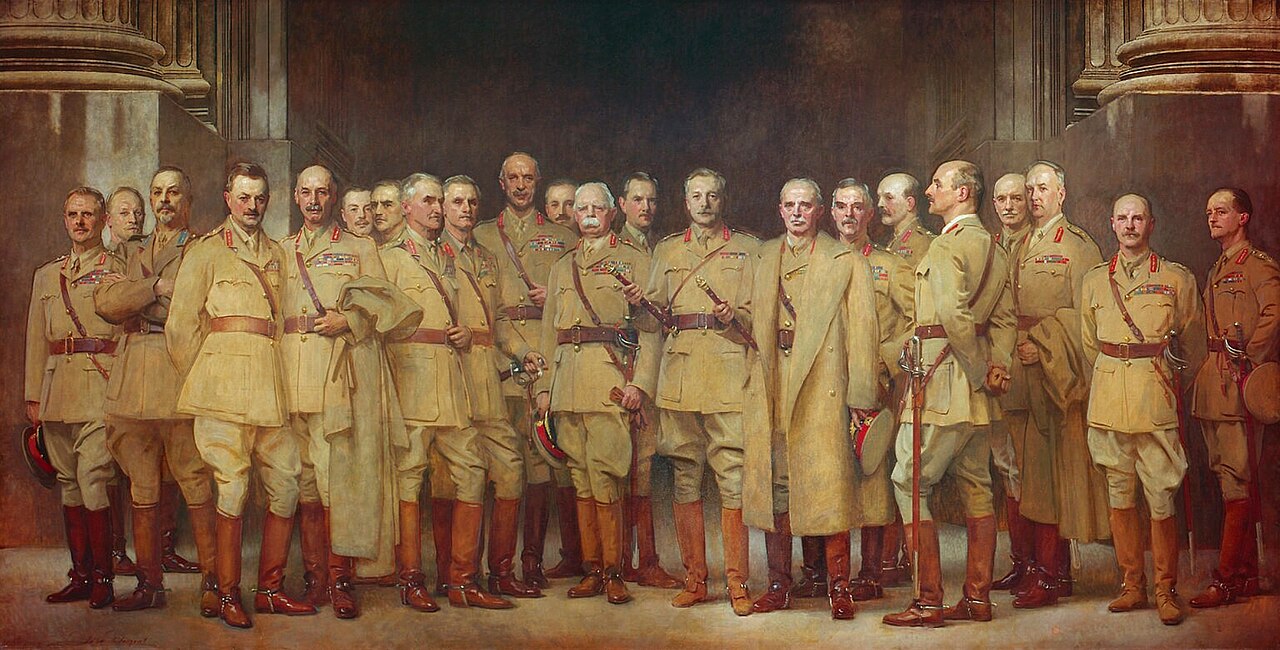 Painting
Primary source
General Officers of World War I
John Singer Sargent · 1922
 Document
Primary source
Final Despatch of Sir Douglas Haig
Douglas Haig · 21 March 1919
 Painting
Primary source
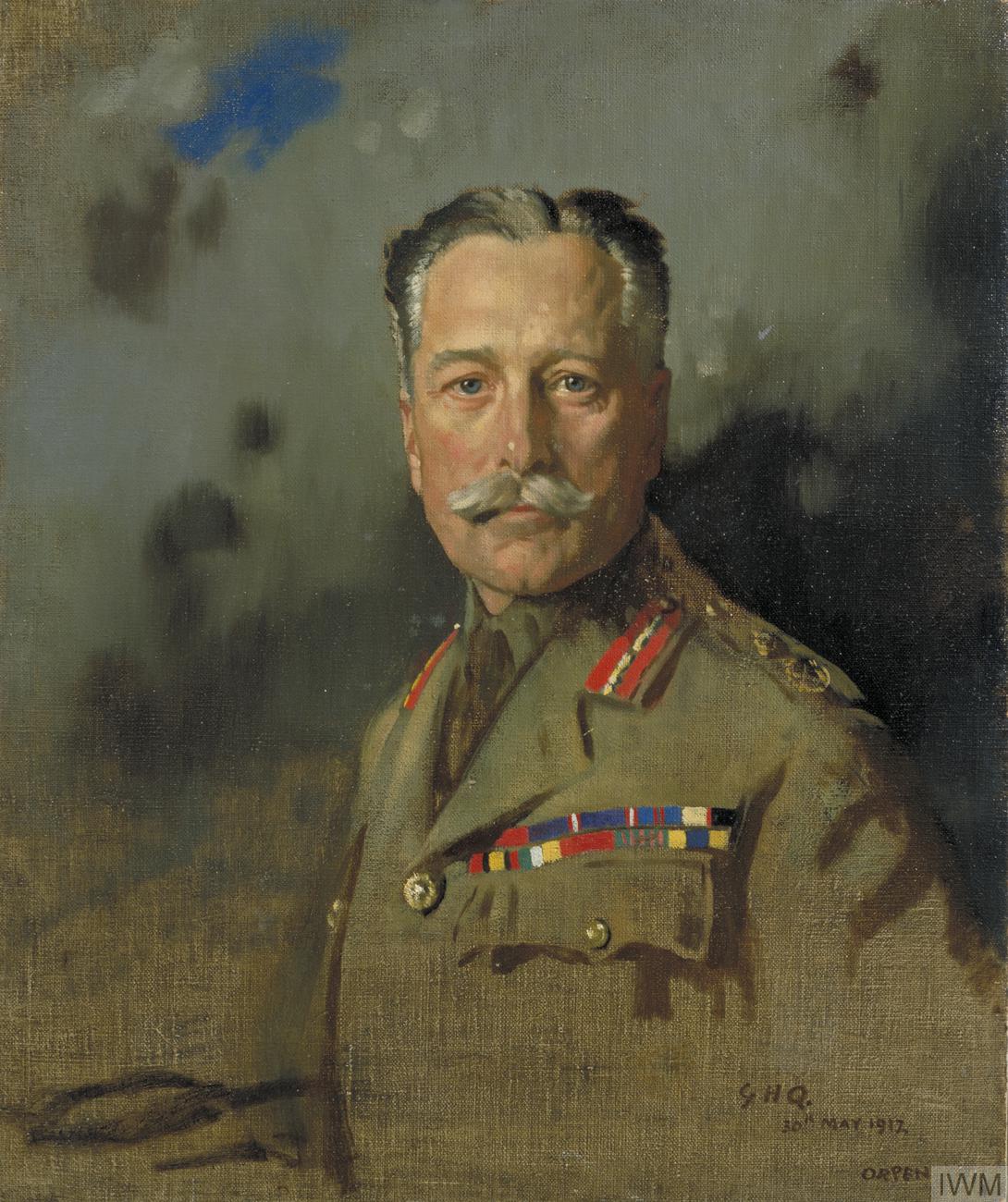
Field-Marshal Sir Douglas Haig, Commander-in-Chief, France
William Orpen · 1917
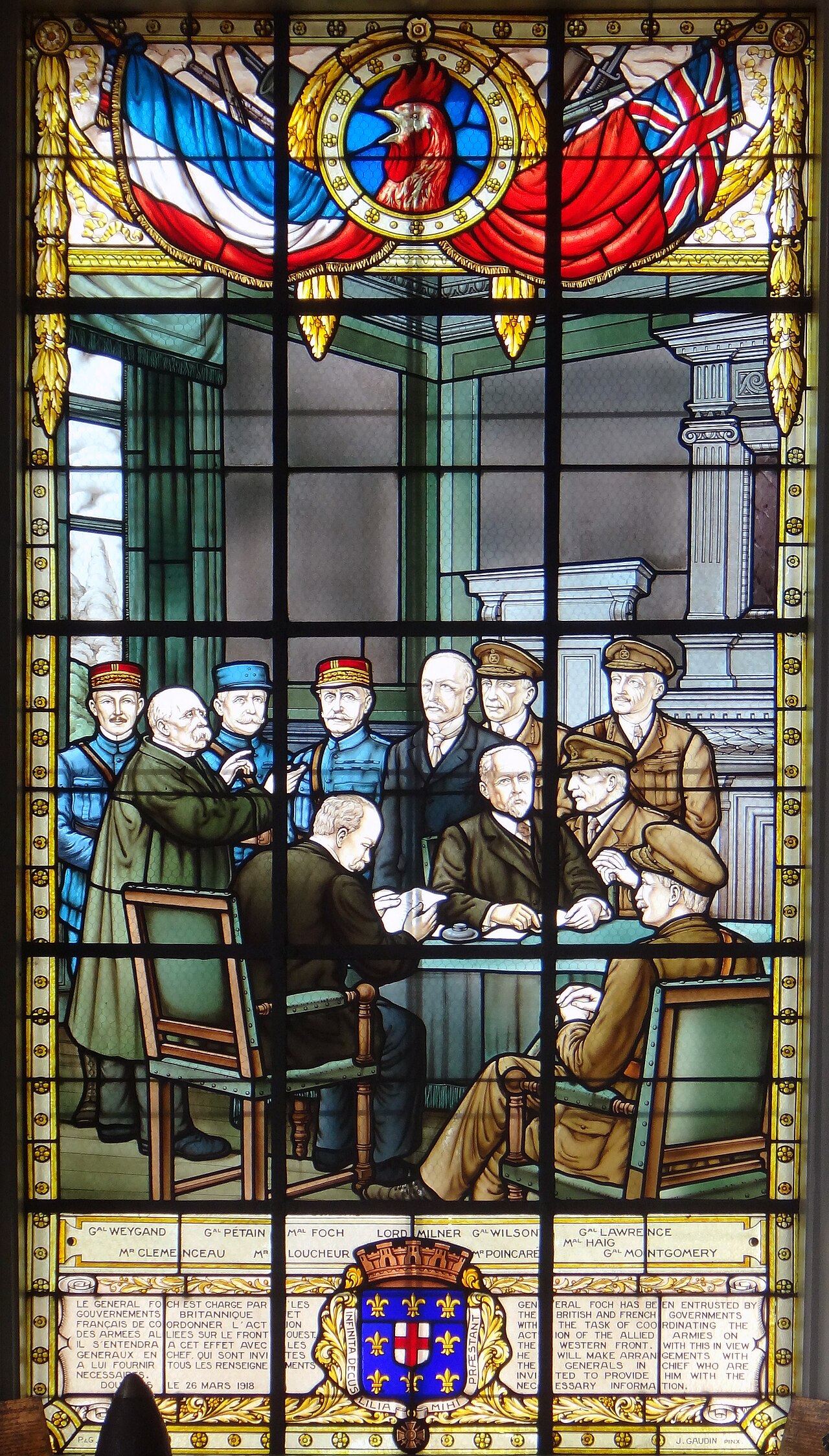 Document
Secondary source
Doullens Conference
26 March 1918
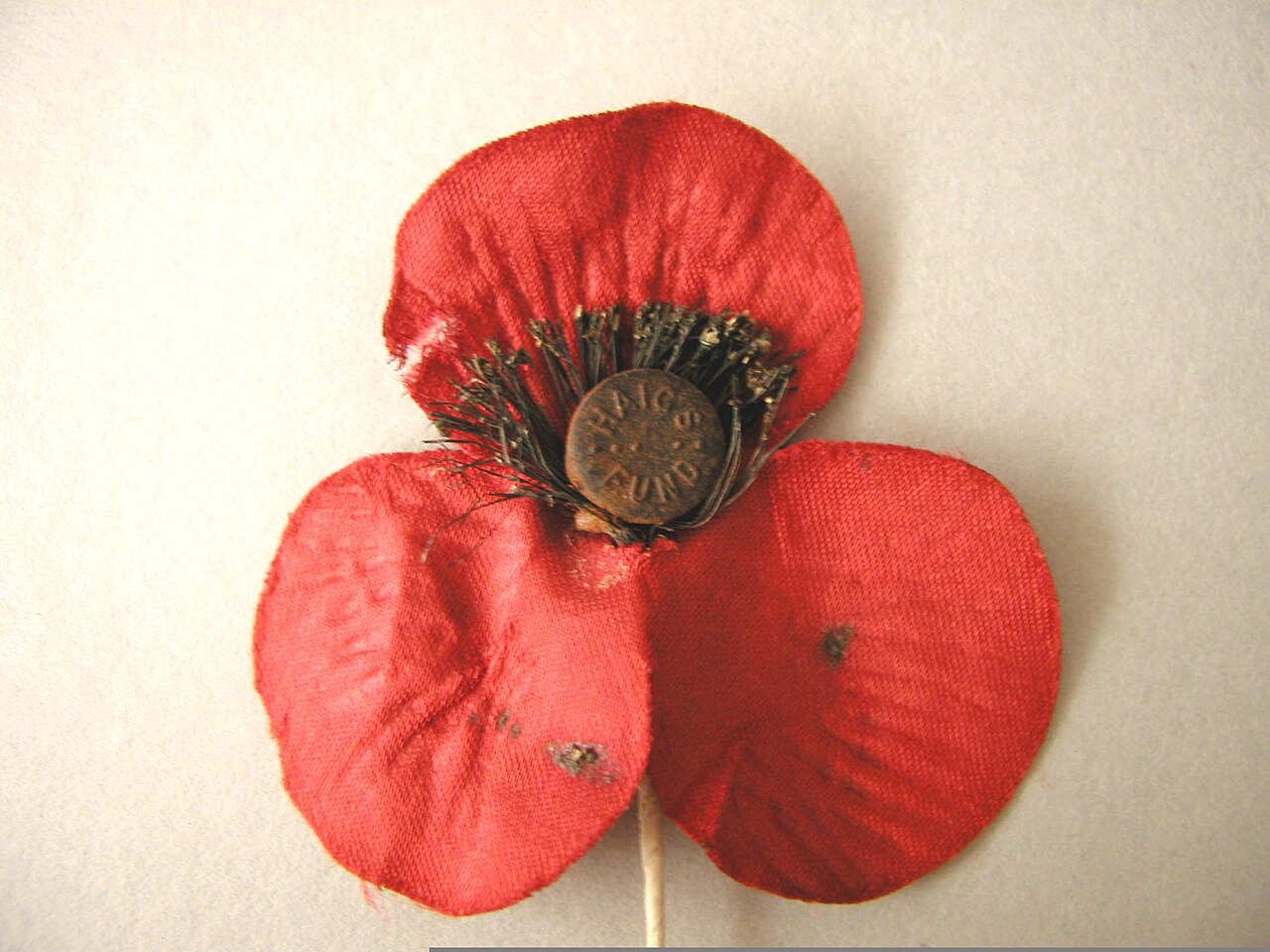 Artifact
Primary source
Haig Fund remembrance poppy
1921-1928
Ready when you are
Start chatting with Field Marshal Douglas Haig now.
20 messages free · No credit card · Available in 50+ languages.