


Primary sourceArtifactc. 206–195 BC
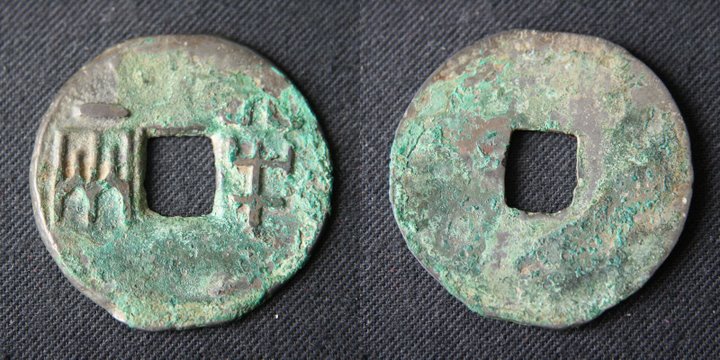
Early Han Ban Liang coin
Han mints · c. 206–195 BC
A bronze Ban Liang coin from the early Han dynasty, reflecting Gaozu's decision to allow lighter coins than those used under the Qin.
Represents Gaozu's policy of easing Qin-era economic controls by allowing lighter coins to circulate.
About this source
What it is
This is a bronze Ban Liang coin cast during the early Han dynasty, with a square central hole typical of Chinese cash coins. Ban Liang coins continued in use from the Qin dynasty into the Han, before being replaced by Wu Zhu coins later on. This particular coin dates to a period after Gaozu, during the regency of Empress Dowager Lü Zhi.
Why it matters
Emperor Gaozu allowed lighter versions of the Ban Liang coin to be cast instead of the heavier coins used under the Qin, loosening the strict economic controls of the previous dynasty. This small object reflects a real policy choice made at the founding of the Han dynasty, showing how Gaozu tried to ease the burdens of Qin rule on ordinary people.
Look closer
- What can the design and weight of a coin tell us about the economic policy of a dynasty?
- Why might a new ruler want to change the currency inherited from the previous government?
- What continued between the Qin and Han dynasties, and what changed?
This artifact is part of the curated material that grounds the AI version of Liu Bang (Gaozu of Han) on Humy.ai — when students ask about related events, the AI can quote it and cite it.
More Liu Bang (Gaozu of Han) sources
Meet the AI Liu Bang (Gaozu of Han) →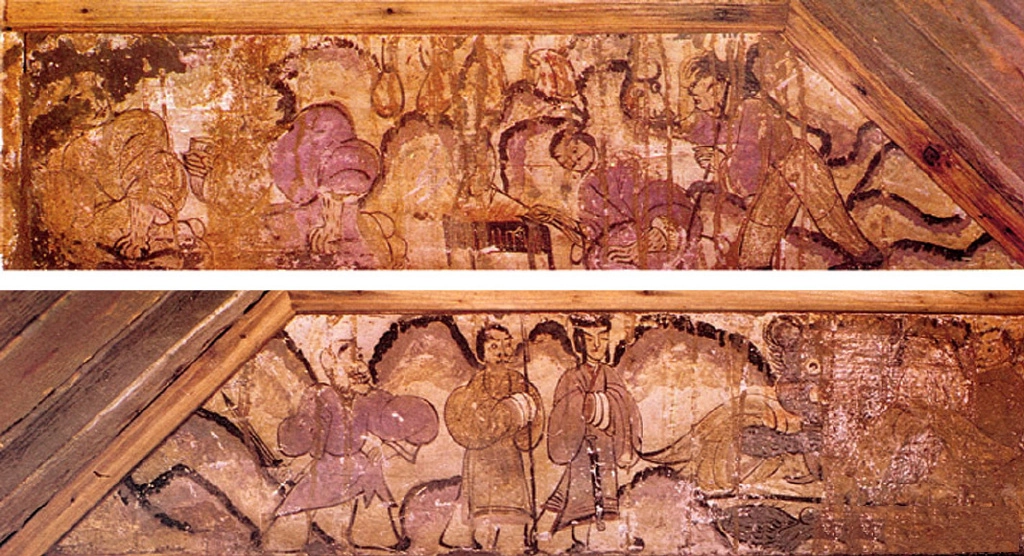 Painting
Secondary source
Feast at Hong Gate
Sima Qian (text); unknown painter (mural) · 206 BCE (event); mural Western Han period
 Book
Secondary source
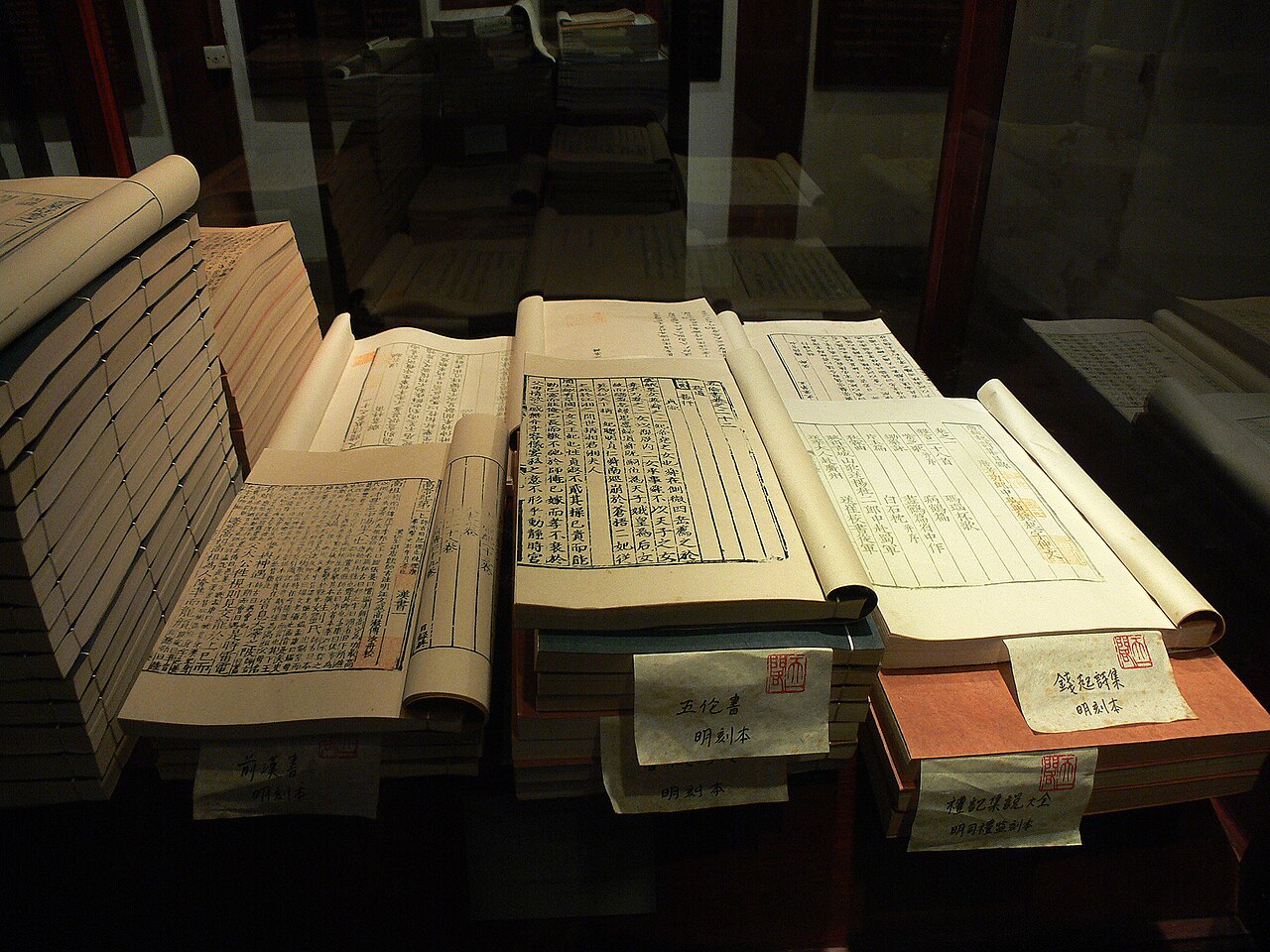
Book of Han
Ban Gu (with Ban Zhao and Ban Biao) · finished 111 CE
 Artifact
Primary source
Changling Mausoleum of Emperor Gaozu
Han imperial court · c. 202–195 BC
 Document
Primary source
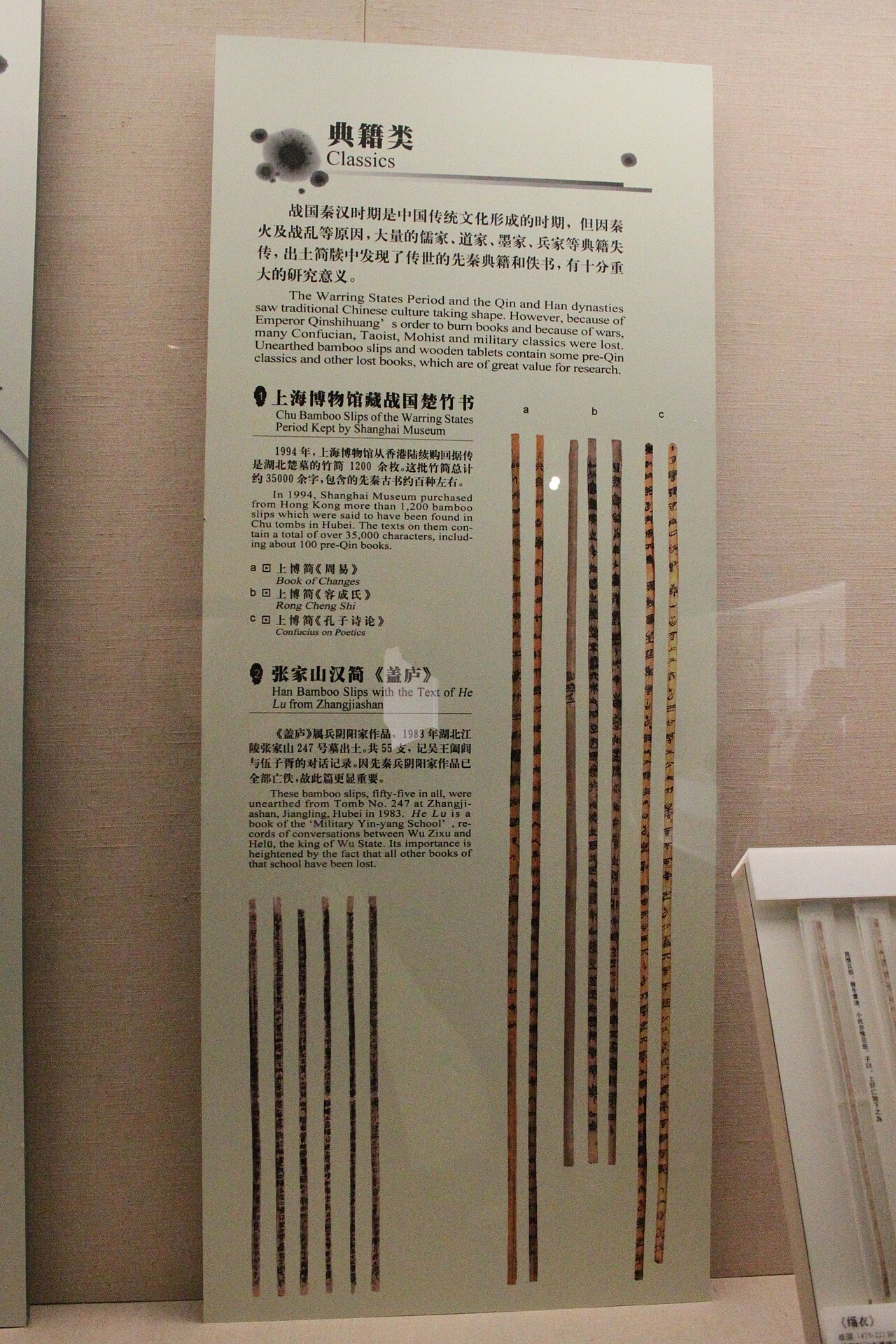
Zhangjiashan Han bamboo texts
Western Han officials · c. 202–186 BCE
 Artifact
Primary source
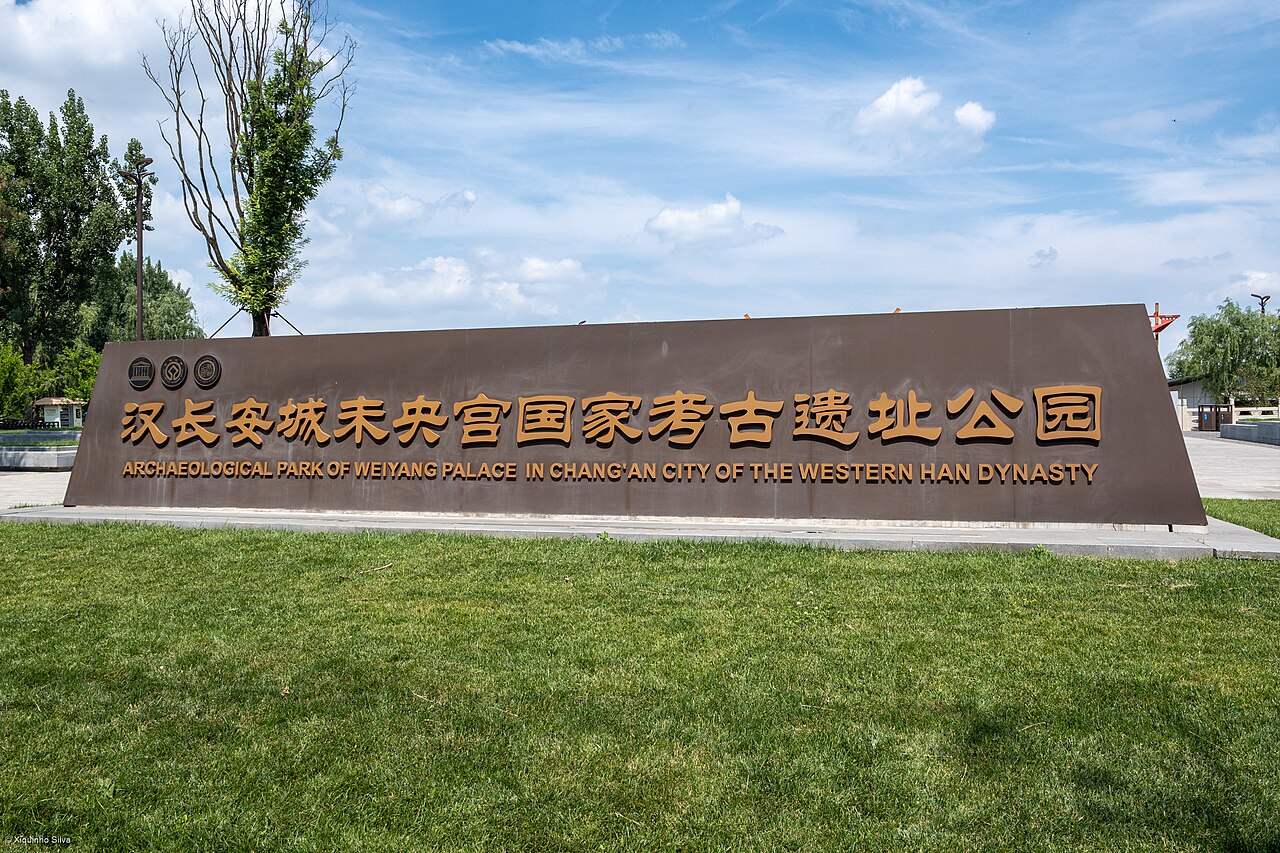
Weiyang Palace
Xiao He for Emperor Gaozu · 200 BC
Ready when you are
Start chatting with Liu Bang (Gaozu of Han) now.
20 messages free · No credit card · Available in 50+ languages.