


Primary sourceDocumentc. 202–186 BCE
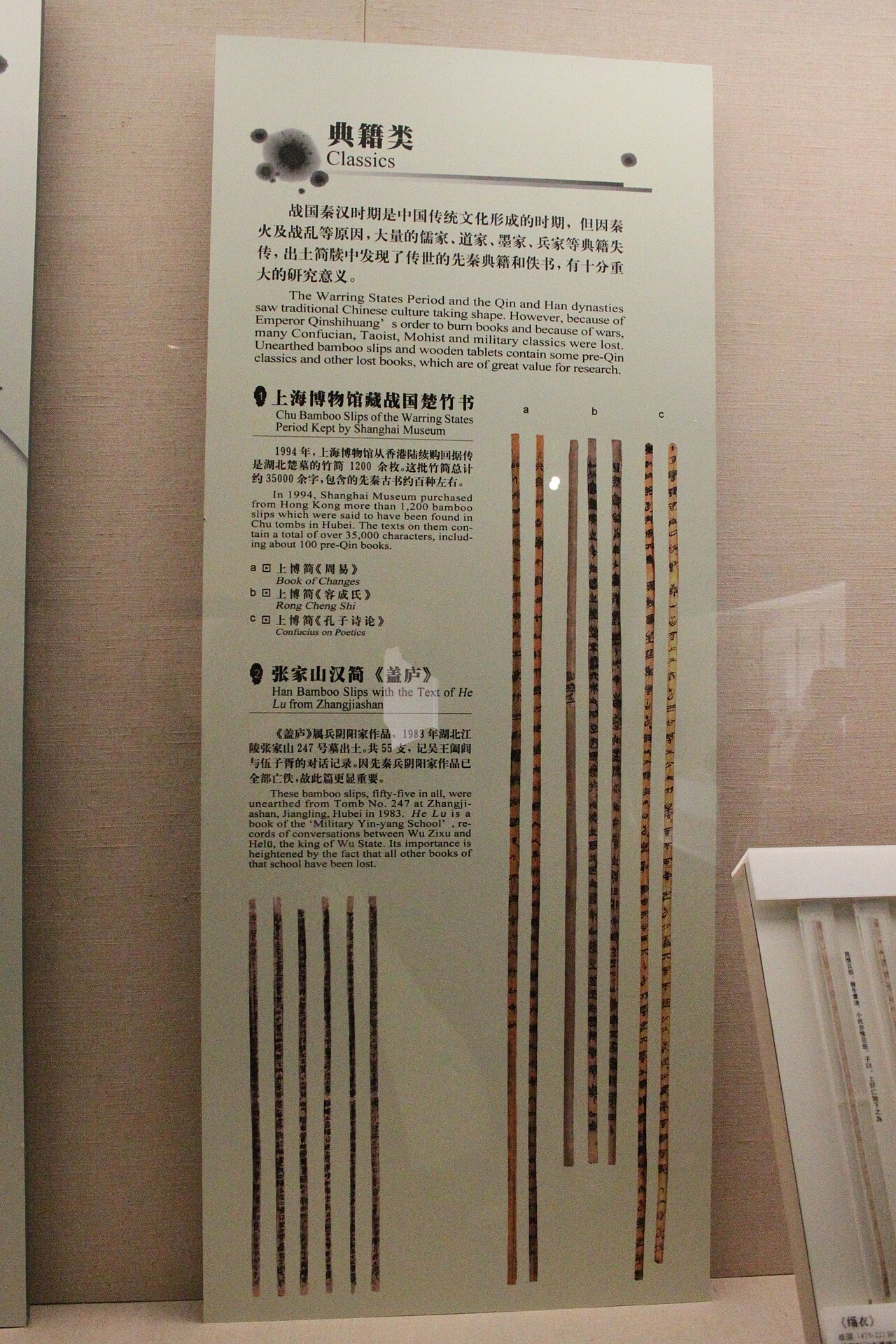
Zhangjiashan Han bamboo texts
Western Han officials · c. 202–186 BCE
Bamboo slips with early Han legal and administrative records, showing the laws and government Gaozu's new dynasty inherited and revised.
These administrative and legal slips document the laws and government of the early Han state that Gaozu founded.
About this source
What it is
These are bamboo slips written by Western Han officials, dated to the early years of the dynasty, discovered by archaeologists in 1983. They include legal and administrative texts such as case records known as the Zouyanshu, and are now held at the Jingzhou Museum.
Why it matters
These documents show the actual laws and government practices used in the years right after Emperor Gaozu founded the Han dynasty. They reveal how much the new dynasty kept from the Qin legal system it replaced, and how it began to change those laws, giving historians real evidence of government at work rather than later retellings.
Look closer
- Why might legal records survive when other kinds of documents from this period do not?
- What can everyday administrative texts tell us that grand histories of emperors cannot?
- How might the laws recorded here reflect decisions made under Gaozu's rule?
This document is part of the curated material that grounds the AI version of Liu Bang (Gaozu of Han) on Humy.ai — when students ask about related events, the AI can quote it and cite it.
More Liu Bang (Gaozu of Han) sources
Meet the AI Liu Bang (Gaozu of Han) →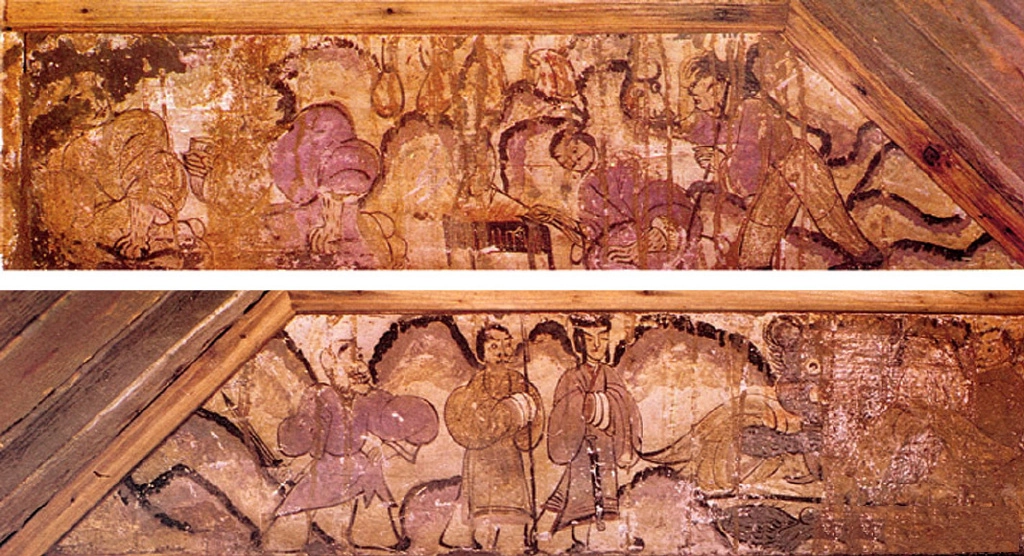 Painting
Secondary source
Feast at Hong Gate
Sima Qian (text); unknown painter (mural) · 206 BCE (event); mural Western Han period
 Book
Secondary source
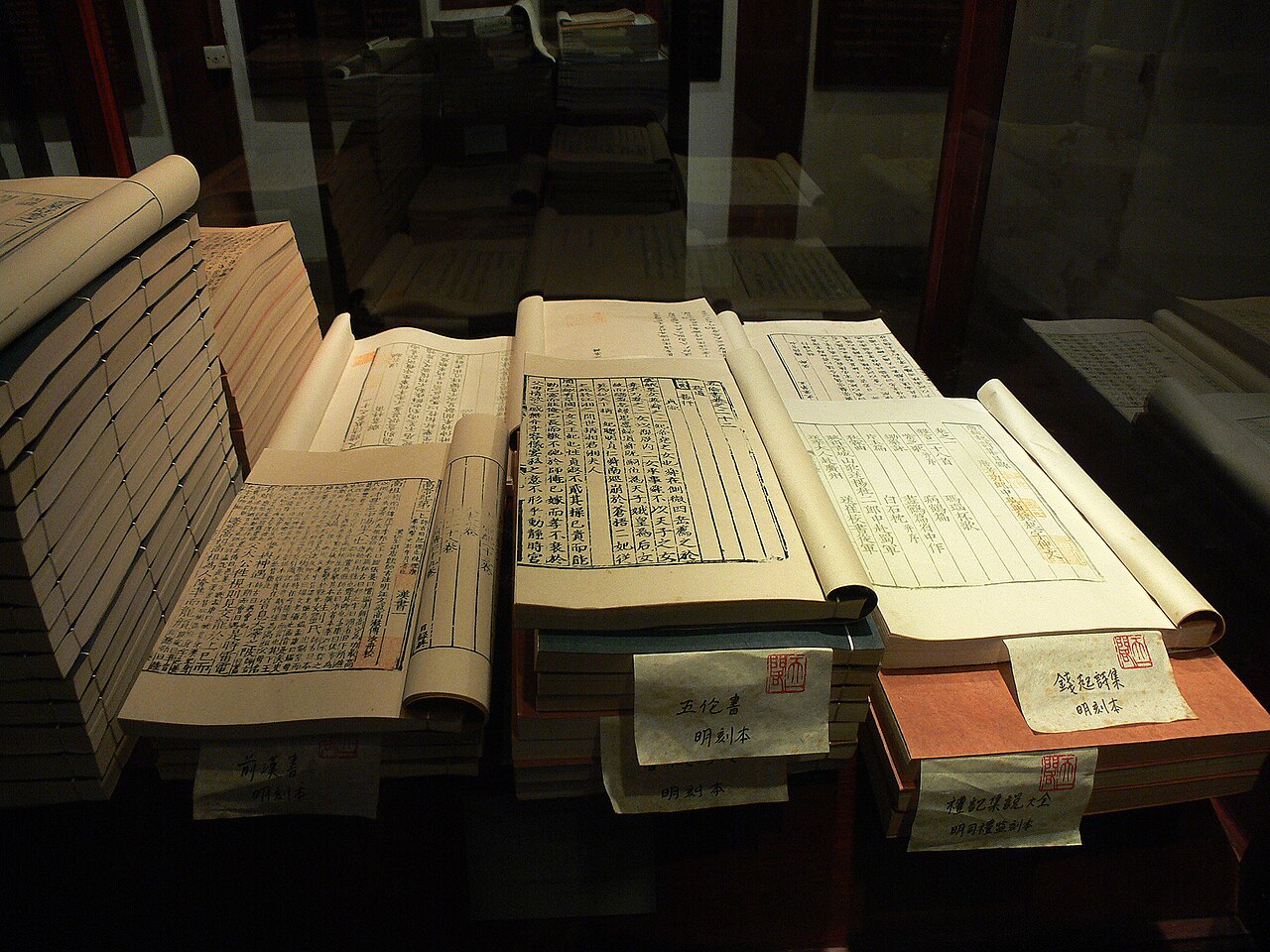
Book of Han
Ban Gu (with Ban Zhao and Ban Biao) · finished 111 CE
 Artifact
Primary source
Changling Mausoleum of Emperor Gaozu
Han imperial court · c. 202–195 BC
 Artifact
Primary source
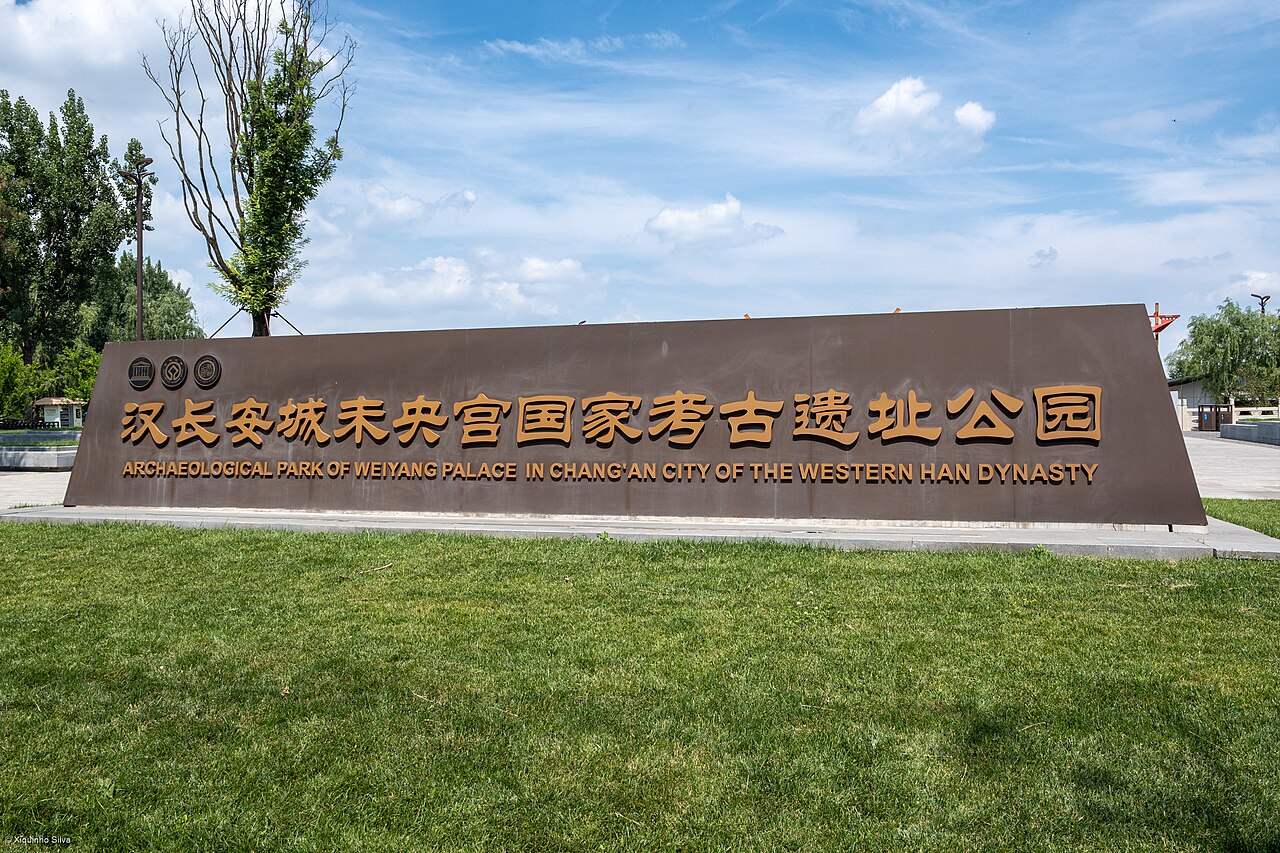
Weiyang Palace
Xiao He for Emperor Gaozu · 200 BC
 Artifact
Primary source
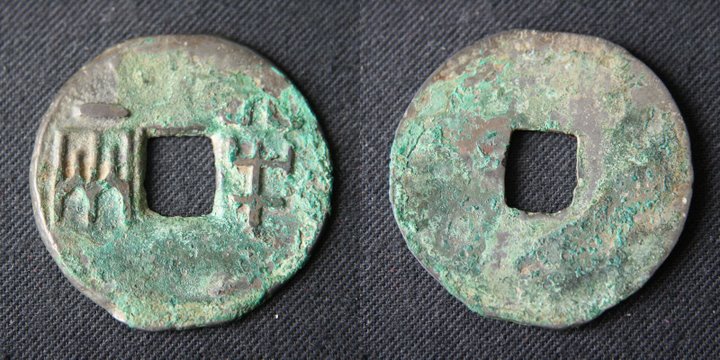
Early Han Ban Liang coin
Han mints · c. 206–195 BC
Ready when you are
Start chatting with Liu Bang (Gaozu of Han) now.
20 messages free · No credit card · Available in 50+ languages.