


Primary sourceDocument1894
Edison's Invention of the Kineto-Phonograph: Introduction
Thomas Edison · 1894
Edison's own 1894 introduction to an article describing his invention of the kineto-phonograph, an early device combining motion pictures and sound.
Edison wrote this introduction himself, explaining the origins and inspiration behind his invention of the kineto-phonograph.
About this source
What it is
This is a short introduction written by Thomas Edison himself, published in Century Magazine in 1894. In it, he explains how the idea for a device that could record and reproduce both motion and sound came to him in 1887, inspired partly by the toy called the Zoetrope and the work of Muybridge and Marey.
Why it matters
This text is a rare case of Edison explaining his own reasoning and inspiration in his own words. It shows how he built on earlier work by others—like Muybridge and Marey—and credits his collaborator Dickson, revealing that invention is often a team effort built on existing ideas rather than a single flash of genius.
Look closer
- What earlier inventions or toys does Edison say inspired his idea?
- Why might Edison want to publicly credit Dickson and others in this introduction?
- What predictions does Edison make about the future of his invention, and were they accurate?
This document is part of the curated material that grounds the AI version of Thomas Edison on Humy.ai — when students ask about related events, the AI can quote it and cite it.
More Thomas Edison sources
Meet the AI Thomas Edison →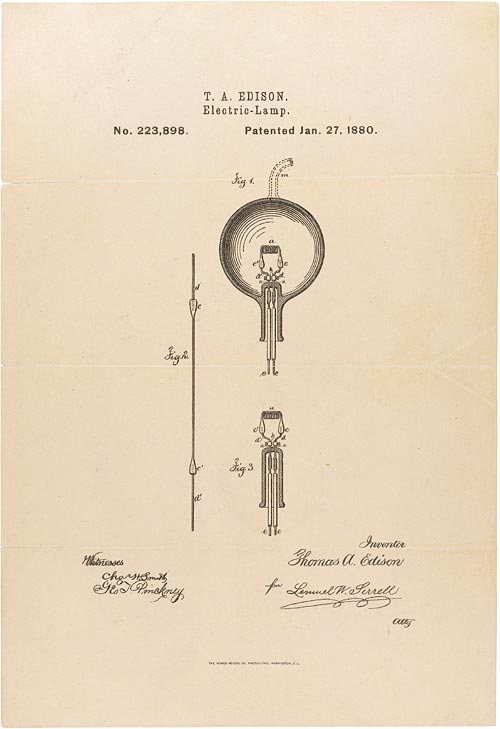 Document
Primary source
Thomas Edison's Patent Application for the Light Bulb
Thomas Edison · 27 January 1880
Primary source
Around the World on the Phonograph
Thomas Edison · c. late October 1888
 Artifact
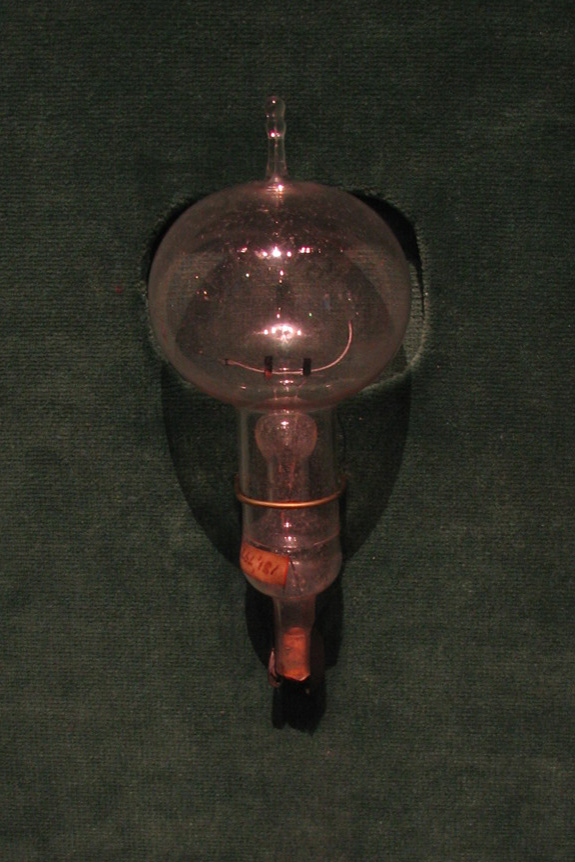
Primary source
Edison Carbon-Filament Incandescent Lamp
Thomas Edison · 1879-1880
 Photograph
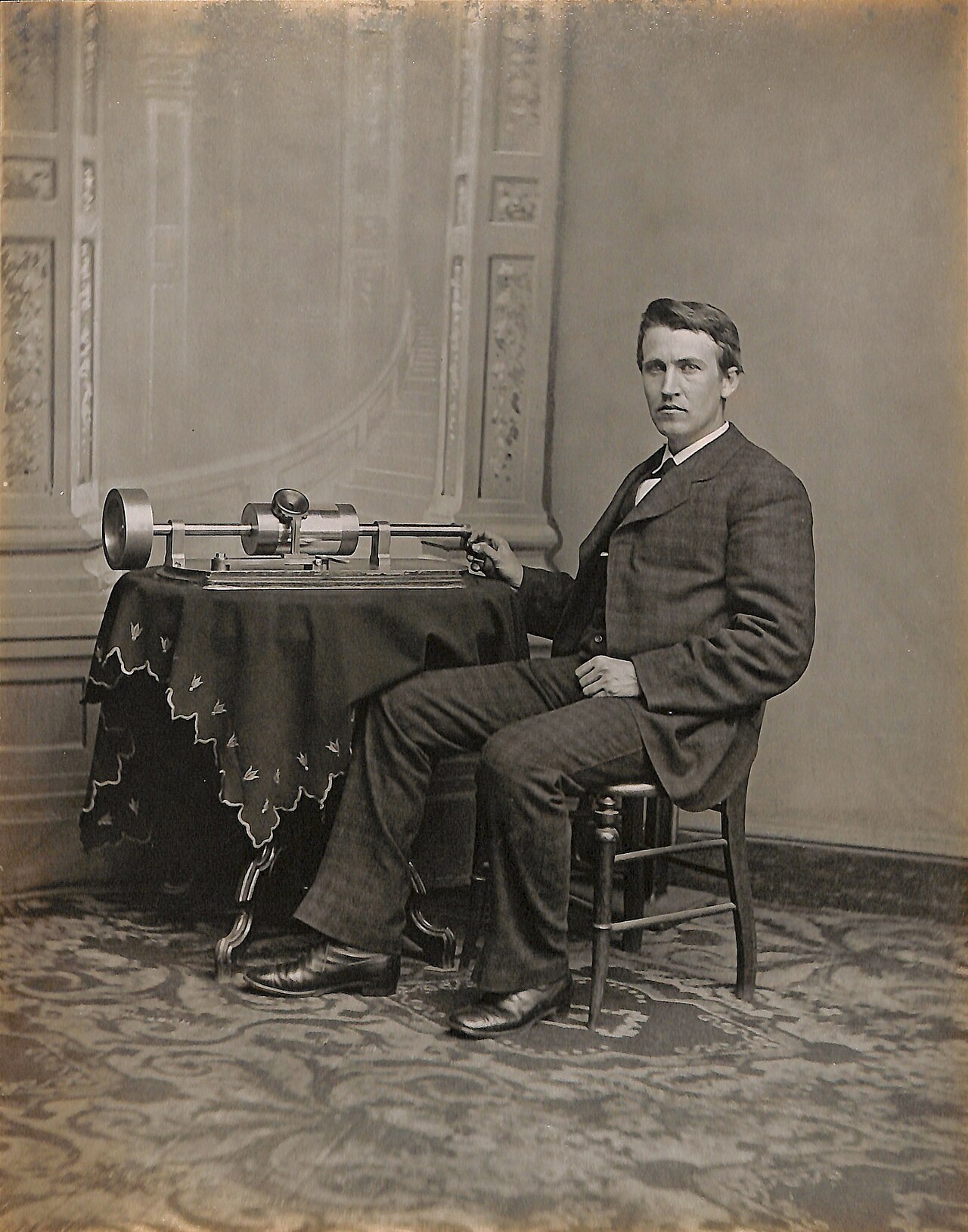
Primary source
Thomas Edison with His Phonograph
Mathew Brady studio · April 1878
 Documentary
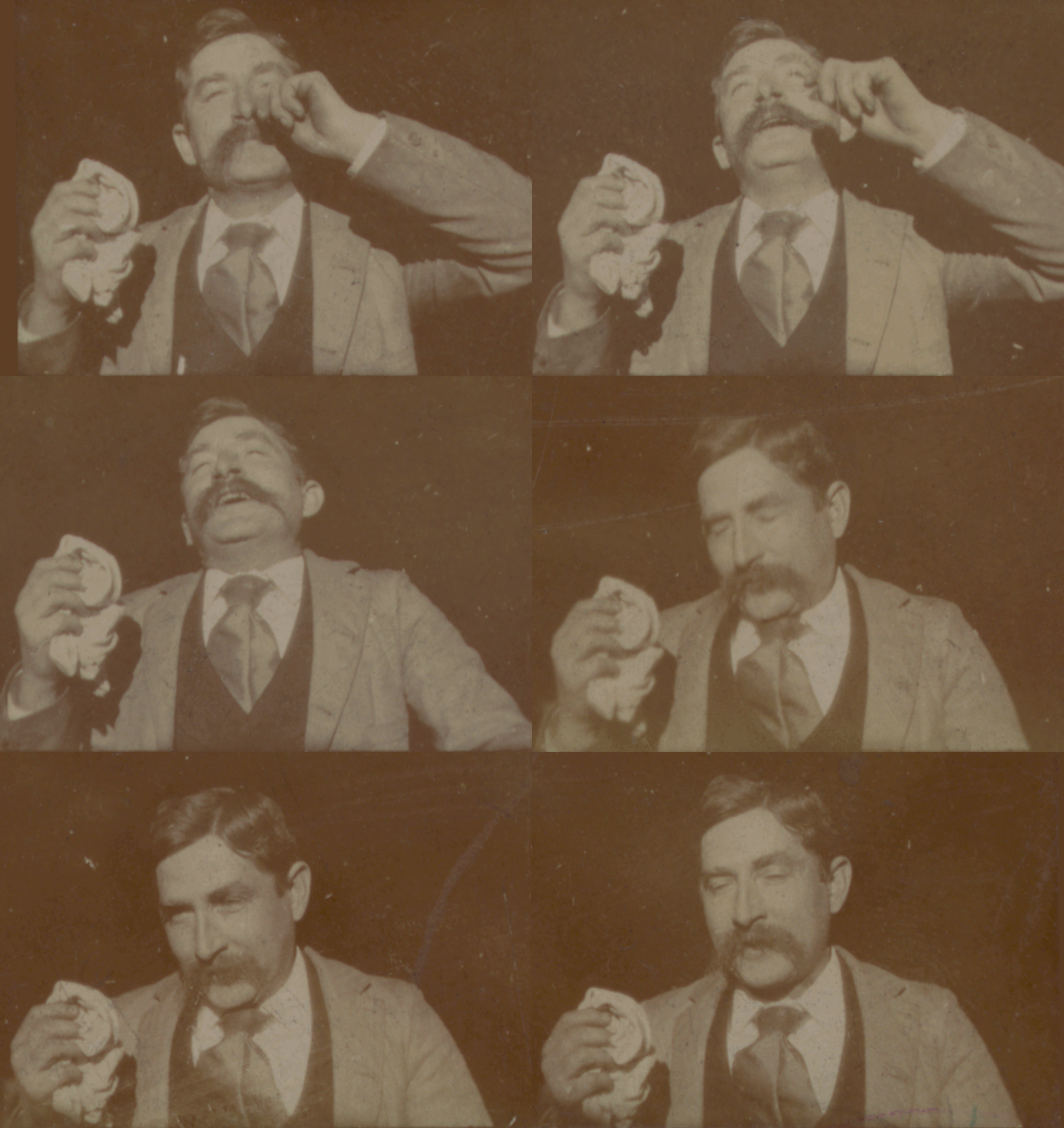
Primary source
Fred Ott's Sneeze
William Kennedy Dickson · 1894
Ready when you are
Start chatting with Thomas Edison now.
20 messages free · No credit card · Available in 50+ languages.