


Secondary sourceSculpturec. 1200
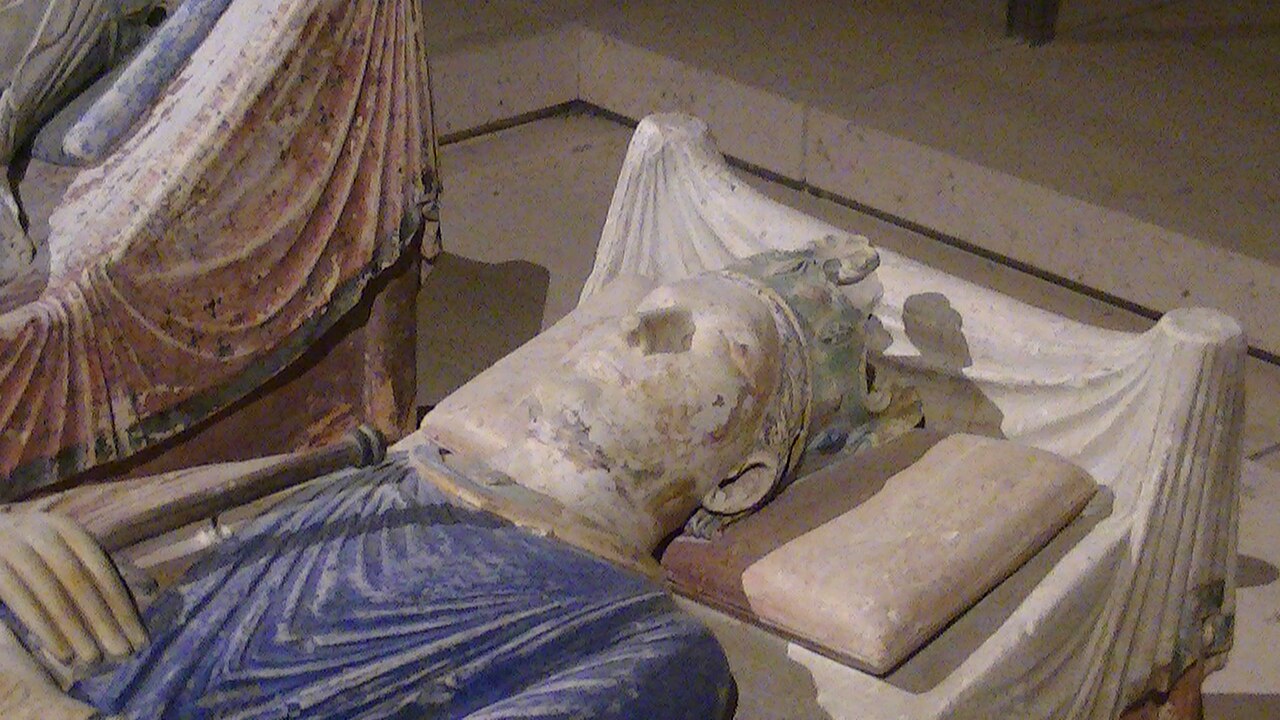
Effigy of Henry II at Fontevraud Abbey
Unknown sculptor · c. 1200
A painted stone tomb effigy of Henry II made soon after his death around 1200, lying in the royal mausoleum at Fontevraud Abbey.
This tomb effigy, made soon after Henry's death, is considered the most authoritative surviving image of him.
Free Humy account · No credit card · 120,912 sources to read
About this source
What it is
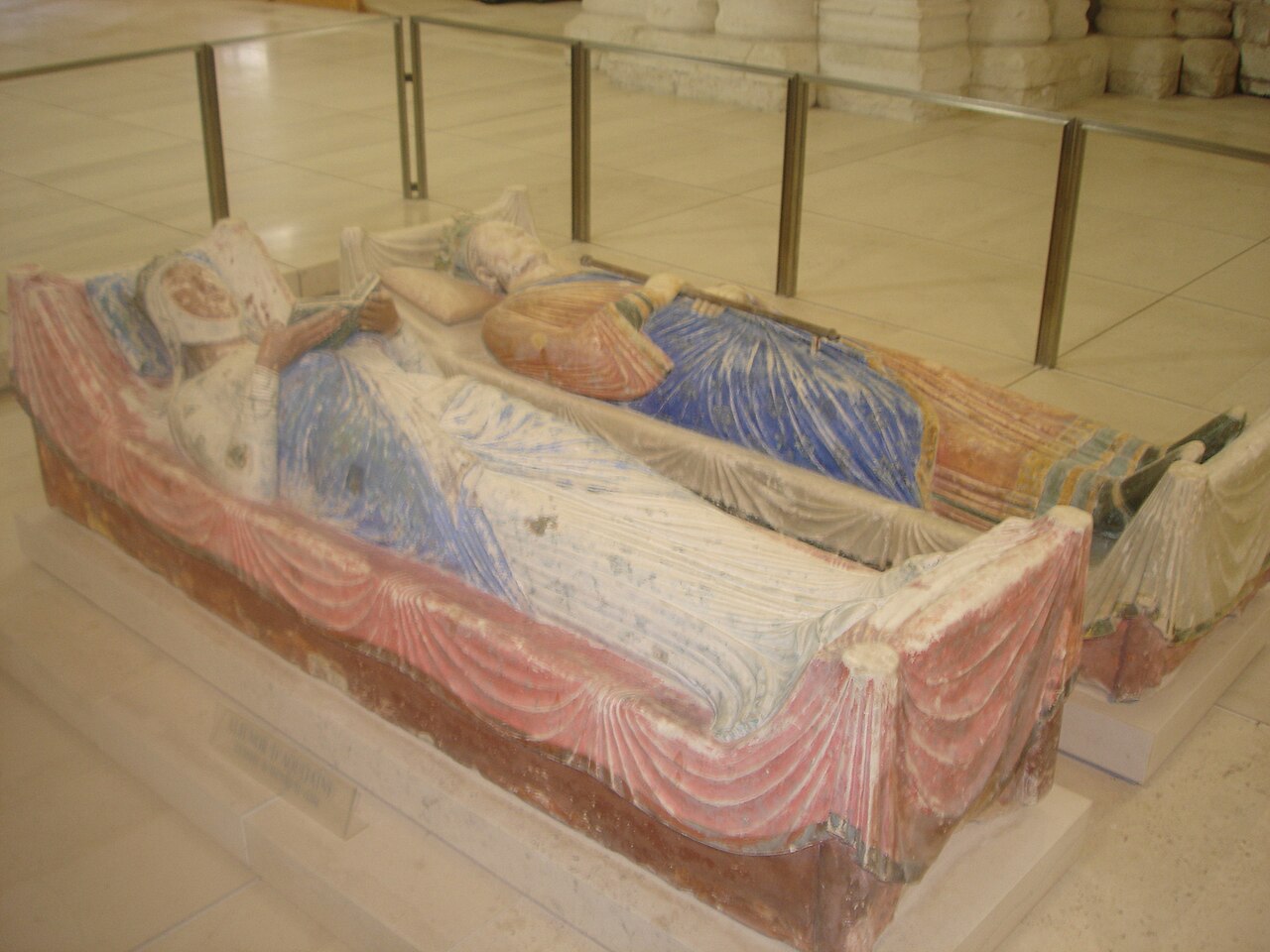
This painted stone effigy of Henry II was made by an unknown sculptor around 1200, shortly after his death, and lies in the church of Fontevraud Abbey in France. It is one of several royal gisants there, alongside those of his wife Eleanor of Aquitaine and his son Richard I.
Why it matters
Because it was carved so soon after Henry's death, this effigy is considered the most reliable surviving image of his appearance. Fontevraud Abbey became the burial place of the Angevin royal family, and the effigies together show how this dynasty wanted to be remembered — as a powerful and unified royal line, even though in life Henry's relationships with Eleanor and his sons were often bitter.
Look closer
- What does the crown and fine robes shown on the effigy suggest about how Henry wanted to be remembered?
- Why might a king choose to be buried alongside his wife and son, given their real relationships?
- How reliable can a sculpted image made after death be as a likeness?
This sculpture is part of the curated material that grounds the AI version of Henry II on Humy.ai — when students ask about related events, the AI can quote it and cite it.
More Henry II sources
Browse all 90 →Primary source
Constitutions of Clarendon
Henry II of England · 1164
Primary source
Assize of Clarendon
Henry II of England · 1166
 Document
Primary source
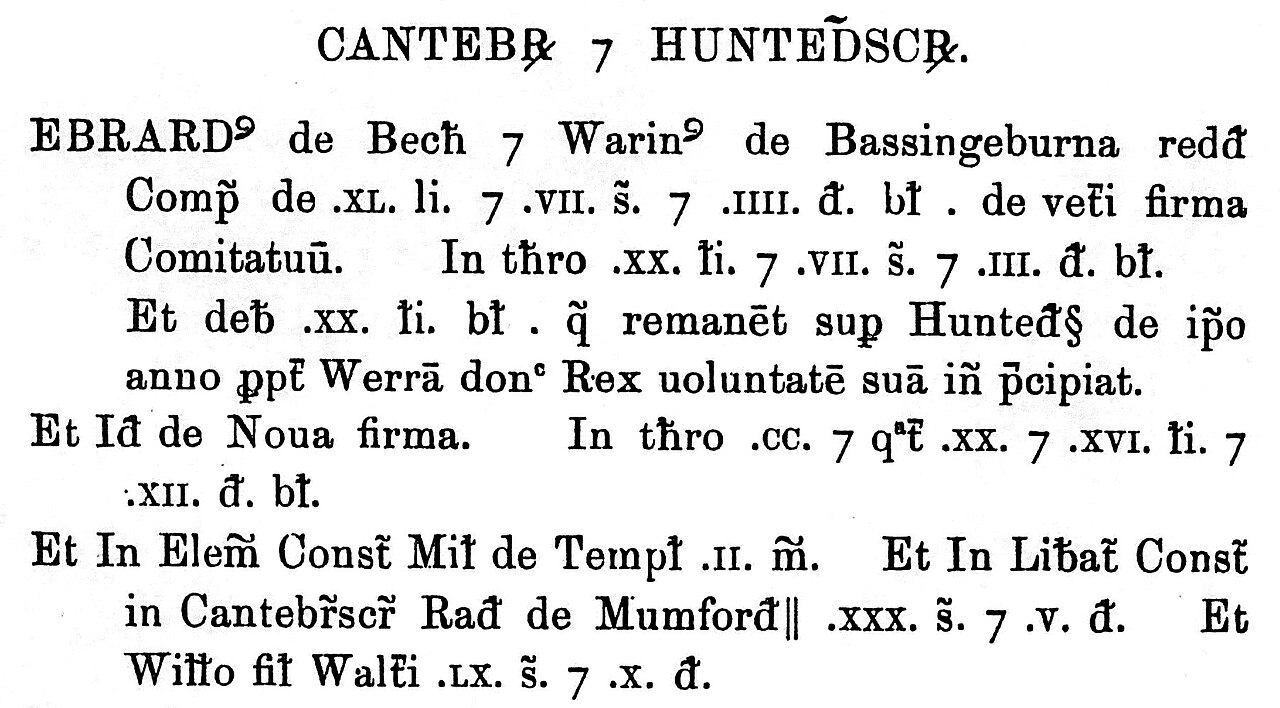
Pipe Roll, 21 Henry II
1174-1175
 Artifact
Primary source
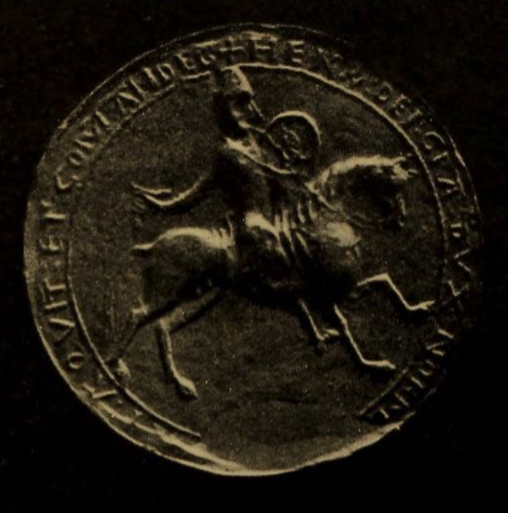
Great Seal of Henry II
Royal chancery · 1154–1189
Free account
Read every Henry II source
Sign up free →
Ready when you are
Start chatting with Henry II now.
20 messages free · No credit card · Available in 50+ languages.